
Surrey roofing guide | Inspection and next steps
Roof Inspections in Surrey: A Homeowner Guide
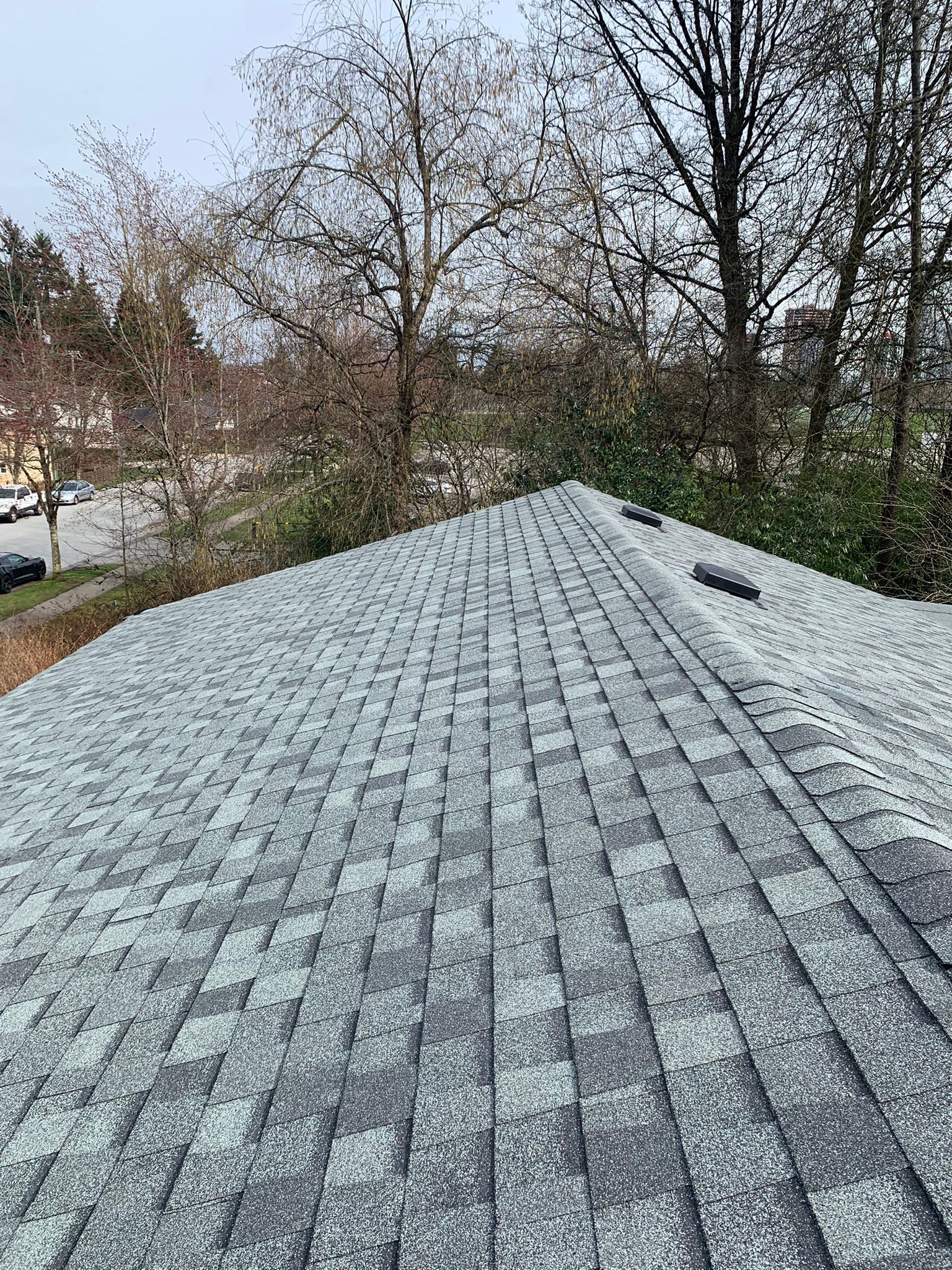
A useful roof inspection should explain the roof condition, the areas that need attention and what could not be checked. This guide covers the roof surface, accessible attic and interior clues, the questions to ask about cost and reports, and how to use the findings when planning repairs or replacement.
Understand the findings before deciding on the work.
What should a roof inspection include?
Start with an agreed scope. A roofing assessment may cover the visible roof covering, flashing, roof edges, drainage and penetrations. Accessible attic and interior areas can add information about moisture and the underside of the roof, but access is not available or appropriate on every building.
The outcome should be a clear account of the observed condition, photographs where agreed, any limitations and recommended next steps. An inspection is not a promise that every hidden defect has been found. A roofing quotation, a detailed condition report and a structural assessment are different services.
For help arranging an assessment, see our roof maintenance and inspection services. This page explains how to understand the process; it does not replace an assessment of your own roof.
When to arrange a roof inspection
A new stain, active leak, missing material or a visible change in the roof is a reason to seek advice rather than wait for a calendar reminder. Other useful times include planning a roof replacement, investigating recurring repairs, reviewing a roof with an uncertain history or preparing for a property purchase.
Seasonal observations from a safe position on the ground can help homeowners notice changes in the roof. The interval for a professional visit should reflect the roof condition, manufacturer guidance, exposure and any previous findings. An age threshold alone does not establish the right schedule for every roof.
After severe weather, first check for obvious changes from a safe position. Report displaced material, new water entry or damaged roof fixtures. Do not climb onto a wet or damaged roof to establish whether a problem is urgent.
The exterior roof: covering, flashing and drainage
Roof covering
An assessor looks for visible damage and wear relevant to the material. On shingles, this may include missing, curled or cracked areas. Cedar, metal and membrane systems need their own checks. The report should distinguish a visible observation from a conclusion about what lies underneath.
Flashing and penetrations
Flashing connects the roof to walls, chimneys, skylights and other interruptions. Ask whether the visible junctions, plumbing penetrations and roof fixtures were examined and photographed. A surface sealant patch does not by itself explain whether the underlying junction is correctly assembled.
Valleys and roof edges
Valleys and changes in roof direction deserve attention because they concentrate runoff and connect roof planes. The assessor should note visible damage or debris and explain any areas that could not be reached. Roof edges, fascia and soffits can provide additional clues about moisture and drainage concerns.
Gutters, downspouts and flat roof drainage
A roof assessment should identify whether drainage is part of the agreed scope. Visible debris, overflowing gutters, damaged connections or obstructions need further attention. On a flat roof, ask which drains, outlets and perimeter details were reviewed. A photograph of the roof surface alone cannot establish that the entire drainage system works properly.
Why the surface is only part of the picture
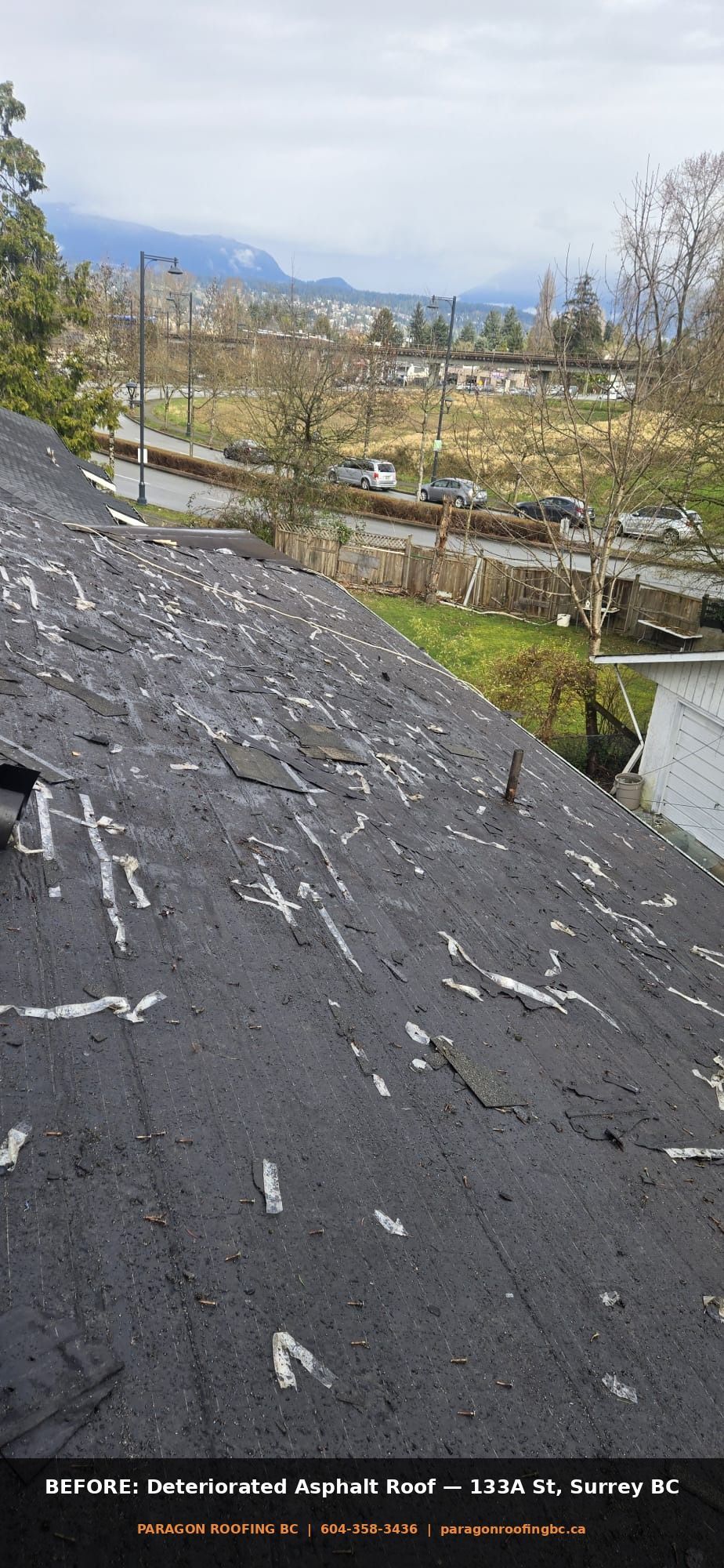
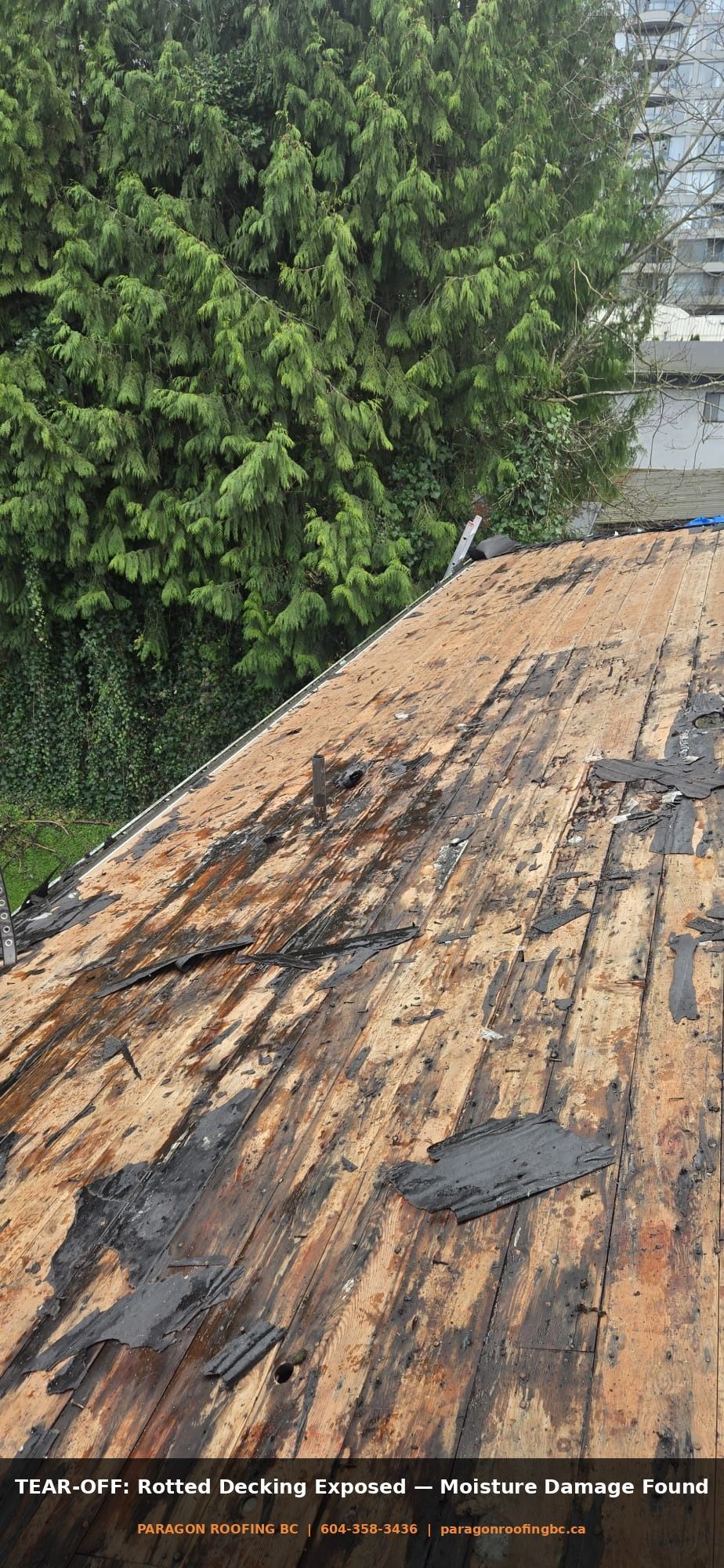
These photographs illustrate roof surfaces and details to discuss with an assessor. Documented project locations are linked in the captions. Preparation photographs show opened roof assemblies, not what a visual inspection can see through an intact covering.


The accessible attic and underside of the roof
An attic can show evidence that is not visible from outside, including staining, moisture patterns, displaced insulation and ventilation obstructions. These observations help frame the next questions, but they do not establish a diagnosis on their own. Moisture can involve roof entry, indoor air leakage or other building conditions.
Air sealing, insulation and ventilation are related parts of the roof assembly. Adding more exhaust vents without considering intake, air leakage and the existing construction is not a universal solution. A report should describe the accessible conditions rather than apply one ventilation ratio to every building.
Access must be appropriate and safe. Do not disturb suspected hazardous materials or enter an attic with unsafe flooring, exposed hazards or restricted access. Where an attic cannot be entered, the report should say so and explain the resulting limits. A roof with vaulted ceilings or a concealed assembly may require a different investigation approach.
A visual roofing assessment also does not certify the structural capacity of rafters or trusses. Significant sagging or other structural concerns should be referred for the appropriate professional assessment.
Interior clues and the leak history
Tell the assessor where staining or dripping has appeared, when it happens and whether it changes with wind or rainfall. Photographs and a record of previous repairs can be useful. Note whether a ceiling has been repainted or whether water has appeared near a skylight, chimney or exterior wall.
An interior stain is evidence of a concern, not proof that the roof directly above it is the entry point. A sound report separates the visible symptom, the suspected source and the work required to confirm it. Where plumbing, condensation or another system may be involved, that uncertainty should be stated rather than hidden behind a definite roofing diagnosis.
What to look for in a useful inspection report
Scope, conditions and access
The report should identify the property, assessment date, weather and areas reviewed. It should explain the inspection method and any roof sections, attic spaces or details that were inaccessible. Photographs from a drone or distant position should not be presented as a close inspection of concealed details.
Findings supported by photographs
Ask for photographs that make the location and concern understandable. A useful image record identifies what is visible and why it matters. There is no universal minimum photograph count that proves quality. A clear location reference and explanation are more helpful than a large folder of unlabeled images.
Priorities and next steps
The findings should separate urgent concerns, proposed repairs, maintenance and items to monitor. Where additional investigation is needed, that should be a stated next step. Repair recommendations should explain the work proposed and what remains outside that work.
Condition and remaining service life
Any remaining life estimate is an opinion based on the available evidence, not a guaranteed expiry date. Ask what supports the estimate and what could change it. Roof age, visible condition, repair history and inaccessible areas should be considered together. Be cautious about precise life promises that are not supported by the findings.
Repair or replacement reasoning
A recommendation is more useful when it explains why. Ask whether damage is isolated, whether surrounding materials can be worked with and whether repeated repair is addressing the cause. Use our Surrey roof repair guide and Surrey roof replacement guide to explore the next decision.
What affects roof inspection cost in Surrey?
Before booking a roof inspection in Surrey, confirm the purpose of the visit, which roof and attic areas can be assessed, who will attend, the report or photographs you will receive, and any fee. A quotation for roofing work and a separately commissioned condition report can have different scopes.
The roof size and complexity, access requirements, attic availability and reporting scope can affect the work involved. Clarify whether photographs, a written report, a return visit or any additional investigation are included. Where an assessment involves another professional or specialist equipment, ask whether that work is separate.
A free quotation should not automatically be described as an independent inspection report. Equally, a paid report should be judged by its scope and usefulness rather than price alone. Confirm the fee, applicable taxes, expected deliverables and any limitations before booking. Paragon can discuss the appropriate scope for your property.
| Purpose | What to agree before the visit | Important limit |
|---|---|---|
| Quotation for roofing work | The proposed work, access needed for pricing, documentation you will receive and whether a charge applies. | A construction quote is not automatically an independent condition report. |
| Written condition report | The areas and inspection methods, photographs, written findings, intended use, delivery timing and fee. | A visual assessment cannot establish every concealed condition or guarantee remaining roof life. |
| Further investigation | The unresolved question, any additional access or testing, permission needed, deliverable and separate cost. | Opening coverings or specialist testing is not automatically included in an initial visit. |
How long does a roof inspection take?
The time needed depends on roof size and complexity, safe access, the agreed scope and whether accessible attic or interior areas are included. Ask about the expected visit length and agree separately on when any written report will be delivered, especially if you have a purchase or planning deadline.
Roof inspections before buying or selling a home
A roof concern can deserve further investigation during a property transaction, particularly when the covering is older, the repair history is uncertain or a general inspection identifies a specific issue. A roofing assessment can add focused information about the roof. It does not replace a general home inspection or imply that every home inspector provides the same scope.
Before commissioning a report, explain the purpose, access arrangements and any relevant deadline. Ask whether the deliverable is suitable for the intended use and whether any important areas will remain inaccessible. Sellers should provide available installation, warranty and repair records where possible.
Keep a roof condition opinion separate from a construction quote. A report may identify work to consider, while a detailed proposal defines the repair or replacement being offered. Discuss any effect on a purchase agreement with the appropriate real estate or legal professional. Do not treat a roofing estimate as a guarantee of a negotiation result.
What an inspection cannot promise
A visual inspection cannot confirm every concealed layer, fastener or deck condition without suitable access. Removing coverings, testing materials or opening an assembly is separate work that needs an agreed scope. Record those limitations rather than filling the gaps with assumptions.
Roofing observations are also not a mould diagnosis, hazardous materials clearance, structural certification or insurance coverage decision. Where findings suggest one of these issues, the next step may involve another qualified professional. Do not disturb suspect materials to collect your own sample.
An inspection can identify concerns and guide decisions, but it cannot guarantee that a roof will never leak or specify an exact number of trouble free years. Written findings, a clear repair scope and appropriate follow up are more useful than blanket assurances.
Roof details worth understanding
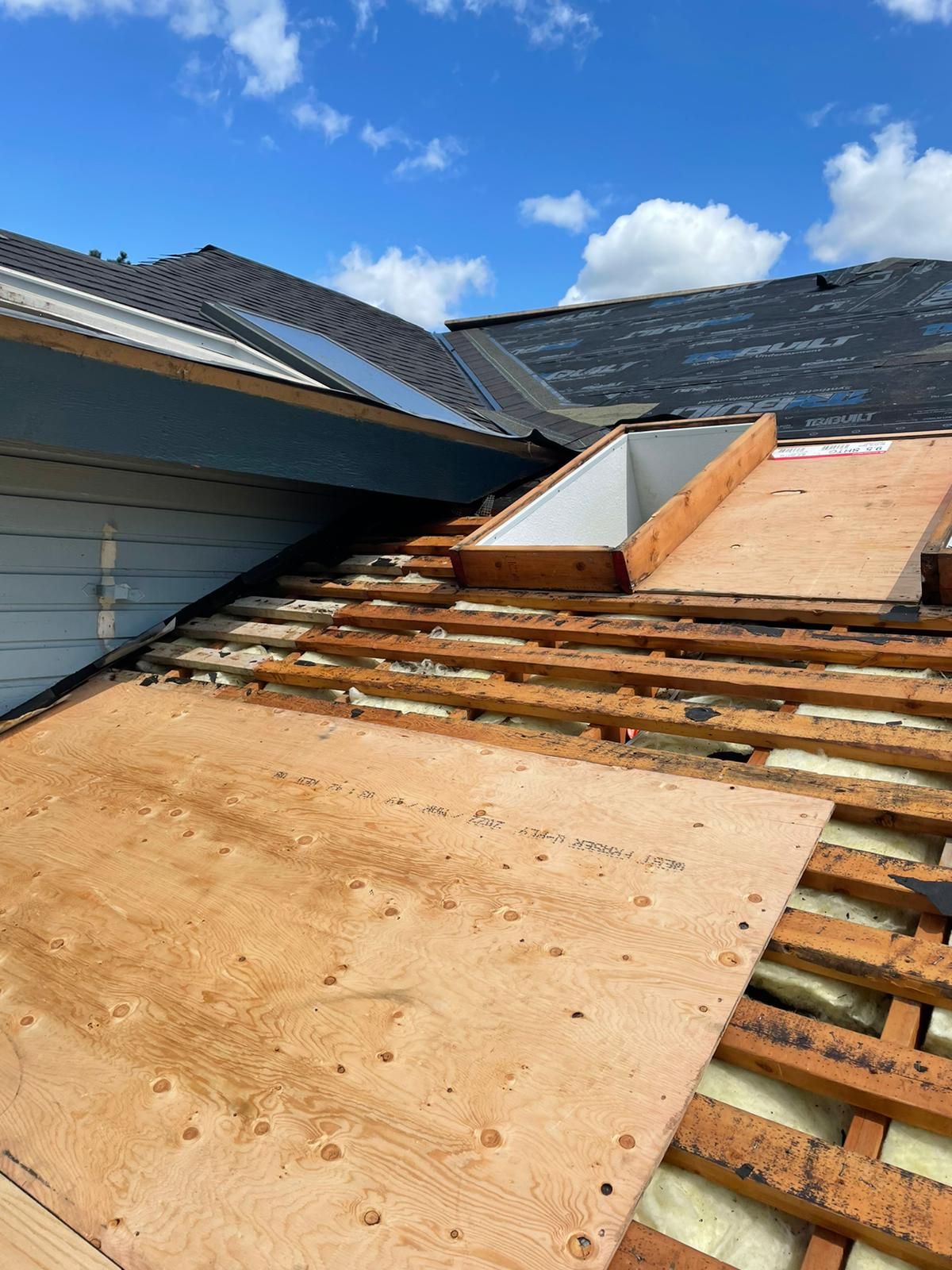
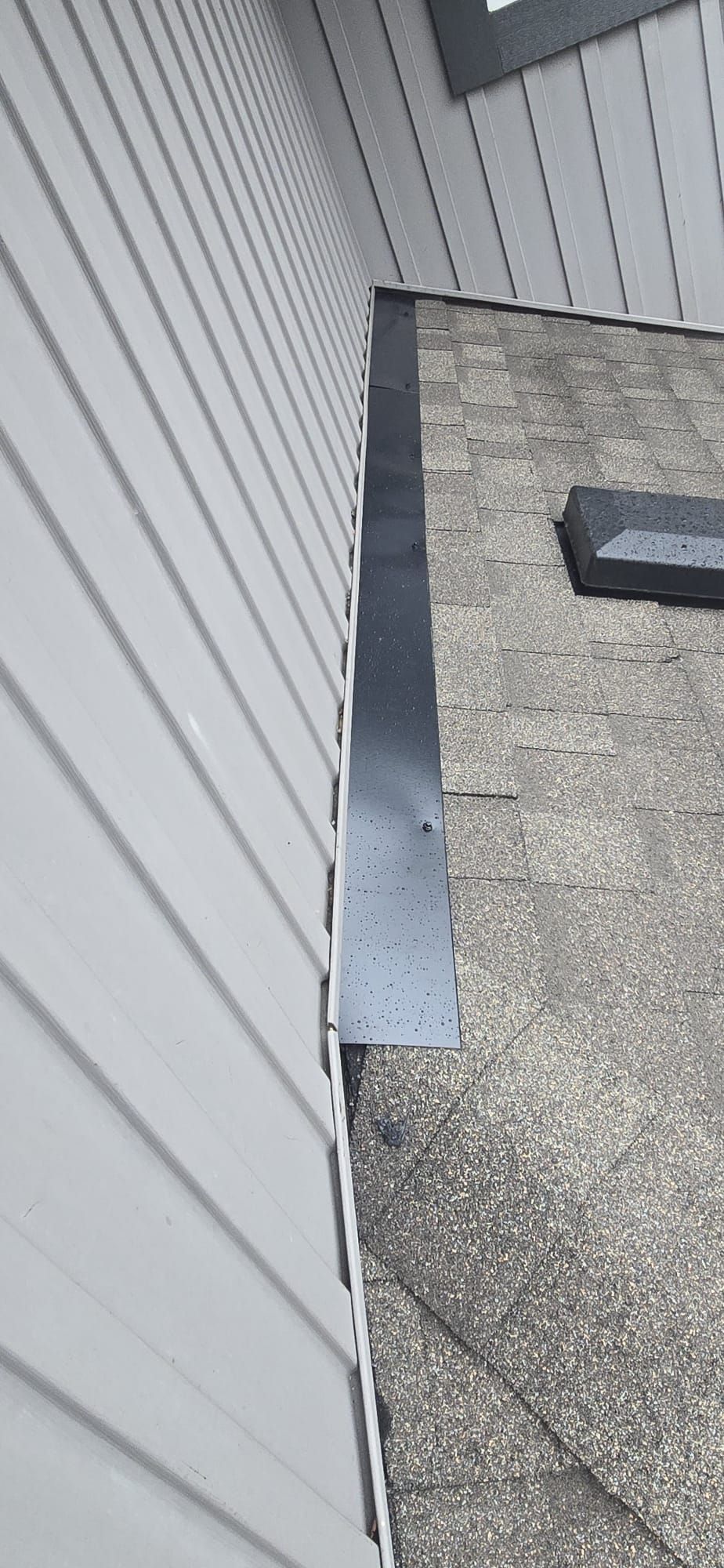
These photographs illustrate roof surfaces and details to discuss with an assessor. Documented project locations are linked in the captions. Preparation photographs show opened roof assemblies, not what a visual inspection can see through an intact covering.


How to use the findings
If the roof appears serviceable, keep the report and follow the maintenance or monitoring recommendations relevant to the property. Ask when the concern should be checked again and what changes would justify an earlier call.
For an isolated defect, request a proposal that describes the repair area, material and surrounding details. For widespread deterioration or recurring concerns, compare the reasons for replacement with the limits of continued repair. A new roof proposal should address the assembly, not just the surface covering.
Where a finding remains uncertain, the next step may be further investigation rather than immediately authorising a large project. Ask what information is missing and how it will change the decision. Keep the assessment, photographs, proposal and any approved changes together for future reference.
Common questions
How much does a roof inspection cost in Surrey?
The fee depends on the assessment purpose, roof access and reporting scope. A quotation visit can differ from a commissioned report. Confirm the deliverables and any charge before booking; the figures in an unrelated online price guide are not a quote for your property.
Does an inspection always include the attic?
No. Attic access and the agreed scope vary. Accessible attic observations can be valuable, but unsafe, restricted or concealed areas should not be entered simply to complete a checklist. The report should state what was and was not inspected.
How often should I check my roof?
Seasonal observation from the ground can help identify changes. A professional inspection schedule should reflect the roof condition, manufacturer guidance and previous findings, with earlier advice when new damage or water entry appears.
Can a roof inspection guarantee there are no hidden defects?
No. A visual assessment has access and visibility limits. Concealed layers, deck condition or uncertain moisture sources can require separate investigation. Those limits should be stated clearly.
Should I obtain a specialist roof report before buying a home?
It can be useful when the roof raises a specific concern or the available information is incomplete. Agree on scope and timing, and use the report alongside the other professional advice relevant to the transaction.
Is a contractor quote the same as an independent report?
Not necessarily. A quote defines proposed work and its price. A condition report documents an assessment under an agreed scope. Ask about the purpose, assessor and deliverables before assuming the two are interchangeable.
What happens when the inspection identifies damage?
The next step should follow the evidence. It may be maintenance, a targeted repair, further investigation or replacement planning. Ask for the reasoning, the priorities and a clear scope for any proposed work.
Can I walk on the roof to inspect it myself?
Use safe observations from the ground and leave roof access to qualified people with appropriate equipment. Wet, steep or damaged roofs can present serious hazards, and walking on the covering can cause damage.
Arrange the right assessment for your Surrey roof
Tell us what you need to understand, whether there is an active concern and whether you require a written report. We will clarify the scope and any fee before the visit.

Paragon Roofing BC is a BBB Accredited Business.
View our business profile for current information.