Tree cover and shade
Record where leaves, needles and small branches collect. A shaded roof area beneath trees may need different attention from an open slope on the same house. Debris at a valley or outlet deserves a specific next step.

12233 92 Avenue, Surrey, British Columbia V3V 7R9, Canada
CALL US TODAY · 604-358-3436
THE WEST VANCOUVER HOMEOWNER’S GUIDE
A seasonal plan built around your roof.
Roof maintenance starts with clear drainage, suitable care for the roofing material and attention to visible changes. In West Vancouver, tree cover, sloping access, coastal exposure and the roof’s repair history help determine what to check and when.
Use this guide to plan routine care, recognize concerns that need a roofer and compare the scope of a maintenance visit. Observe from safe ground or indoor viewpoints; leave roof access and work at height to professionals.

START WITH THE PROPERTY
Record where leaves, needles and small branches collect. A shaded roof area beneath trees may need different attention from an open slope on the same house. Debris at a valley or outlet deserves a specific next step.
Steep lots, several roof levels and long gutter runs can change how the work is reached. Identify access restrictions before a visit, including narrow side yards, landscaping and occupied areas below.
A waterfront property and a sheltered inland lot do not have identical conditions. Assess the actual covering, finish and metal details where weathering or corrosion is visible; avoid a single replacement interval for every West Vancouver roof.
Keep the installation date, product details, warranties and repair invoices together. Label an estimated roof age as an estimate. A roof plan or a few dated photographs can distinguish the main roof, lower additions and garage so each receives appropriate care.
A YEAR OF USEFUL CHECKPOINTS
These months are planning prompts, not a prescribed number of visits or chemical treatments. Adjust them to the roof’s condition, manufacturer guidance, actual debris and previous findings. Do not wait for the next calendar date when water is entering.
| When | Observe from a safe location | Arrange professional attention when |
|---|---|---|
| September | Review known concerns before the wetter season. Note debris at visible valleys, gutters or roof edges. | An earlier repair remains unresolved, roof materials have moved or access is needed to clear debris. |
| October and November | Watch for leaf or needle accumulation and gutter overflow during rain. Note new interior staining. | Overflow recurs, an outlet appears blocked or a new leak needs investigation. Assess moss before proposing any treatment. |
| January and February | After storms, look for displaced materials or fallen branches from the ground. Note water entry associated with snowmelt where it occurs. | Storm damage, unusual ice buildup, an unstable branch or a new moisture problem needs safe assessment. |
| March and April | Compare visible roof and interior conditions with the previous record. Identify repairs to plan for suitable weather. | Debris remains, moss or damaged components need assessment, or wet-season concerns have not been resolved. |
| June to August | Gather records and arrange agreed repairs when conditions suit the work. Note branches contacting the building. | Roof details require repair or tree work needs a qualified arborist. Summer is a planning opportunity, not the only possible work period. |
| After a storm or rooftop work | Record what changed, which roof area was accessed and any new symptoms. Take photographs only where safe. | Damage is visible, new penetrations were added or roof protection may have been disturbed. |
Use each visit to adjust the next one. A recurring debris problem may justify closer attention; an open, lightly treed roof may need a different plan. A calendar should support observations rather than replace them.
CHOOSE THE RIGHT NEXT STEP
Active water entry, displaced roofing or storm damage should not wait for routine cleaning. Keep clear of unstable ceilings and water near electrical equipment. Describe the severity when calling.
An open flashing joint, damaged roof accessory or recurring overflow needs a clear diagnosis and scope. Removing debris may help, but it does not repair a failed component.
If an observation can be monitored, agree what change should trigger action and when to review it. Give the area a clear location so later photographs can be compared.
Read the West Vancouver roof repair guide when a concern extends beyond routine care. For active water entry, call 604 358 3436 and explain what has changed.
LOOK AT THE DETAILS
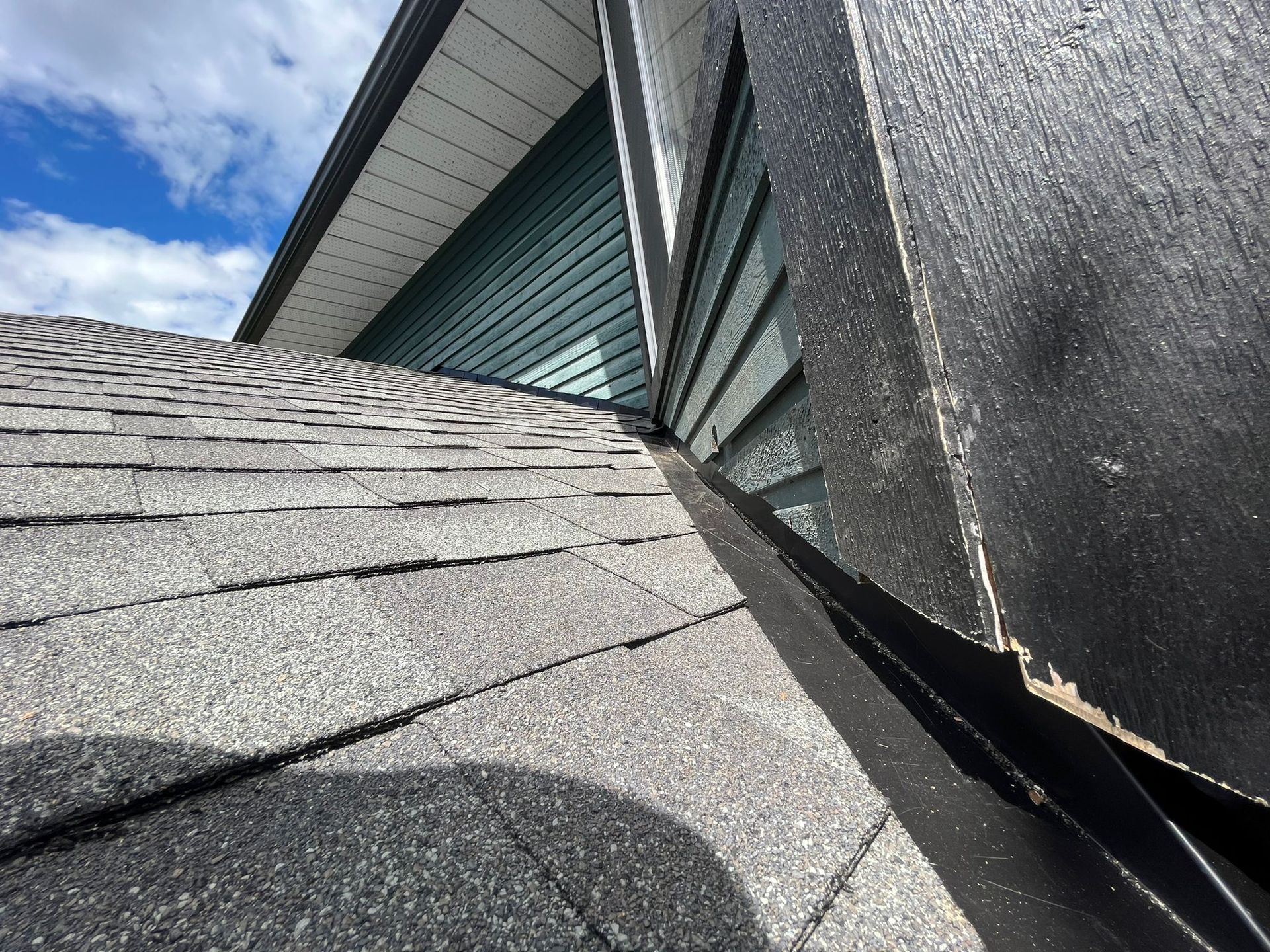
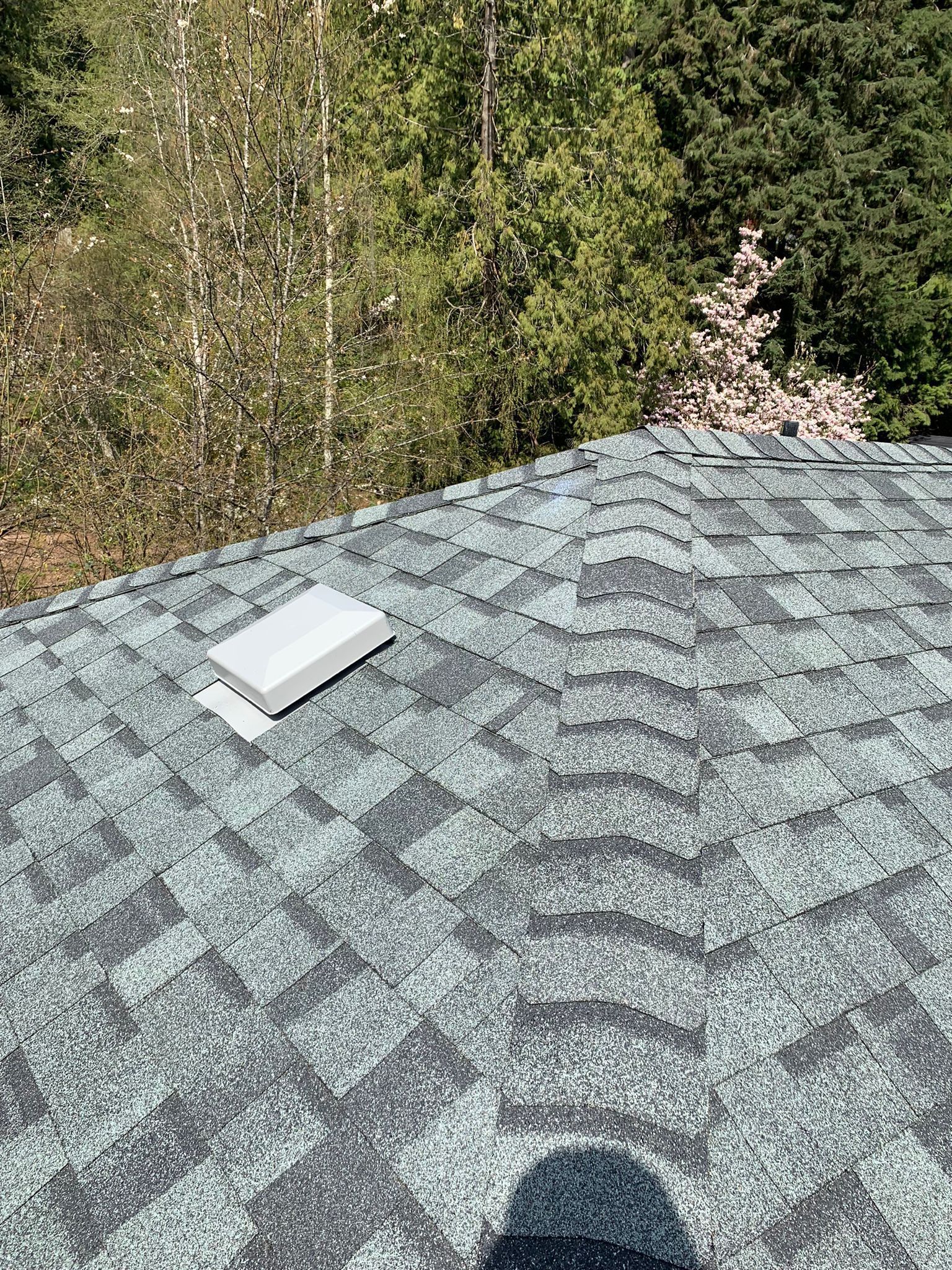
These regional project photographs illustrate visible details, not maintenance visits in West Vancouver. A photograph cannot prove the condition of concealed flashing, the cause of a leak or the remaining life of a roof.
TELL US WHAT YOU HAVE NOTICED
Share your West Vancouver address, roof type if known, recent concerns and access restrictions. Use the details field to describe maintenance needs and any photographs or written summary you require. Confirm the service scope and any fees before booking; an enquiry does not authorize work.
FOLLOW THE WATER
Leaves or needles in a valley can interrupt drainage even when the gutter below looks clear. Gutters, downspouts and visible discharge points each need attention. Clearing one component does not establish that a concealed drain is working.
For recurring overflow, record where it happens and whether it appears during ordinary rain or only heavier rainfall. A safely taken photograph can help explain the pattern. The cause may involve debris, a damaged component or a drainage arrangement that needs investigation.
Gutter guards still need assessment and cleaning. Confirm how the system will be reached and whether removing and refitting guards is included. Do not assume a guard eliminates maintenance.
On lower membrane sections, note outlet concerns and water that remains after rain. Drain clearing, repairing an outlet and changing roof drainage are different tasks. Establish the work boundary when a drainage specialist or another trade is needed.
CARE WITHOUT UNNECESSARY DAMAGE
Moss should prompt an assessment of the surface beneath it and the conditions around it. Cleaning is not a substitute for repairing damaged material or failed flashing. Do not pressure wash asphalt shingles or aggressively scrape their surface; the method can damage granules and seals.
Before agreeing to treatment, ask which product and method are proposed for the installed roofing. Any pesticide should be authorized for use in Canada and used only for its labelled purpose and application rate. Coastal location is not a reason to increase the concentration or repeat treatment automatically.
Ask how plants beneath the eaves, nearby surfaces and wash water will be protected or managed. West Vancouver’s storm drains carry water to natural waterways without treatment. Harmful cleaning substances should not be washed into those drains. Product instructions, roof compatibility and runoff precautions belong in the work plan.
MATCH THE METHOD TO THE MATERIAL
Identify the actual product before choosing a cleaner, coating or repair material. A multi-level home can have more than one roof system, and a method suitable for one may damage another.
| Roof material | What deserves attention | What to avoid |
|---|---|---|
| Asphalt shingles | Displaced or damaged pieces, surface wear, debris and details around vents, walls and edges. | Pressure washing, aggressive brushing and assuming algae resistance means moss cannot develop. |
| Cedar | Debris between pieces, visible deterioration and roof junctions. Assess condition before proposing cleaning or treatment. | Automatic preservative schedules, high pressure washing or treating a colour change alone as a replacement verdict. |
| Metal | Panel or shingle details, penetrations, exposed accessories, debris and visible corrosion or finish damage. | A maintenance free claim, abrasive cleaning or a chemical assumed safe for every coating. |
| Copper | Joints, flashing, drainage and contact with neighbouring materials. Consider the roof’s intended appearance and natural patina. | Polishing or applying a general roof treatment without specialist advice on the copper assembly. |
| Synthetic shake or slate | The specific product’s care requirements, drainage paths, fasteners and accessories where visible. | Assuming a method approved for wood, asphalt or metal is appropriate for a different product. |
| Low slope membranes | Seams, terminations, outlets and service routes. Identify the membrane before specifying cleaning or patching. | Unidentified repair compounds, sharp cleaning tools and dismissing persistent ponding as normal. |
For wider material decisions, explore cedar roofs in West Vancouver, metal and copper roofs, or synthetic shake and slate. Maintenance should follow the installed system, not a promise that any material eliminates future care.
DIFFERENT SURFACES, DIFFERENT CHECKS
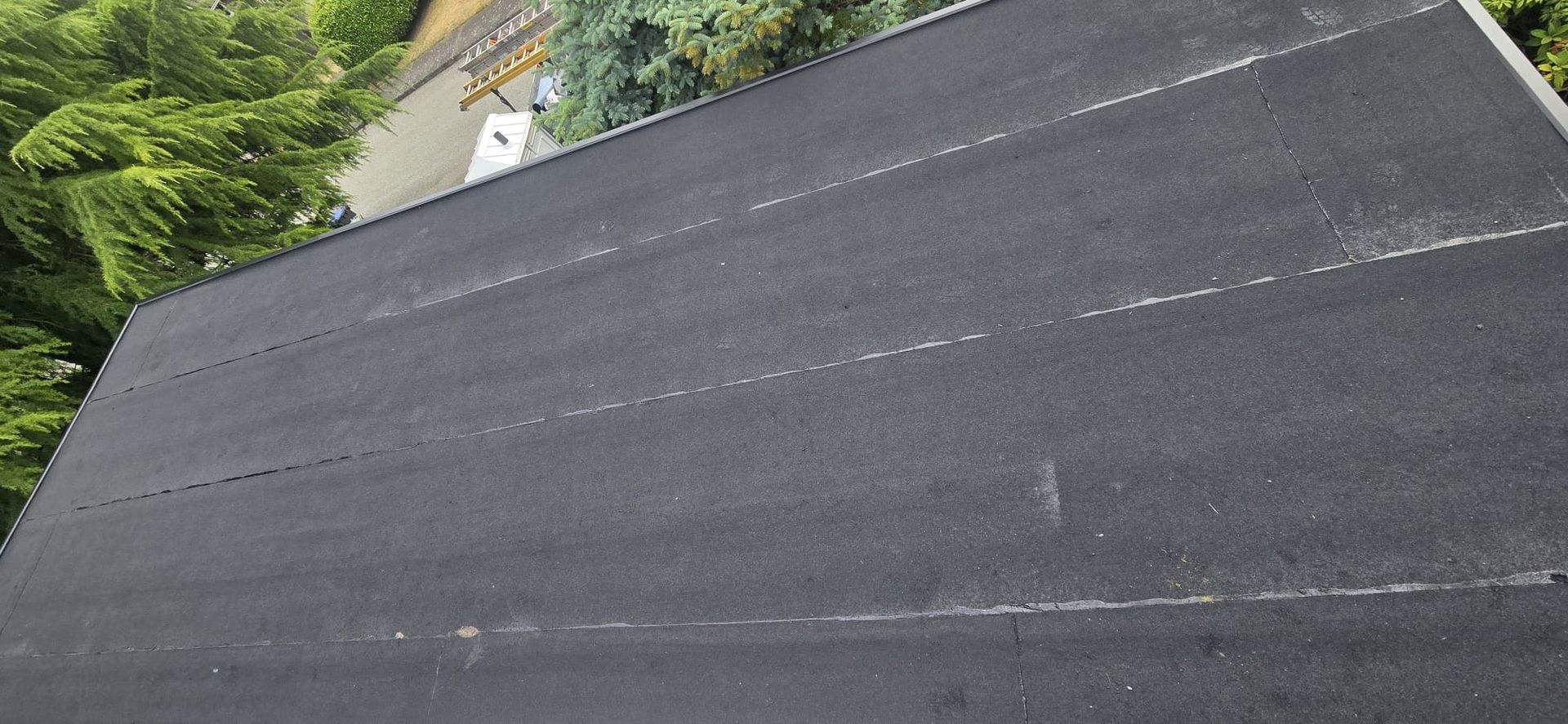

These project views show why a maintenance record should identify each roof area and material. They do not establish that a roof has been cleaned, tested or inspected during a maintenance visit.
COMPARE THE WORK, THEN THE PRICE
Roof size and pitch, access equipment, tree cover, materials, gutter runs and the number of chimneys, skylights and other openings affect the work. A single annual price can conceal substantial differences in coverage. Ask for a written scope before comparing proposals.
| Scope question | What to establish |
|---|---|
| Which roof areas? | Name the main roof, lower sections and outbuildings. Identify areas that cannot be reached safely and how limitations will be recorded. |
| Cleaning, inspection or repair? | Separate debris removal from condition assessment and corrective work. State any minor work specifically authorized. |
| Which drainage components? | Confirm gutters, guards, outlets, downspouts and visible discharge checks. Identify where concealed drainage or another trade falls outside the visit. |
| What treatment method? | Confirm material compatibility, product instructions, access, plant protection and wash-water management where treatment is proposed. |
| What records and follow up? | Agree whether photographs or a written summary are included, how urgent concerns are communicated and what needs a separate repair quotation. |
Do not assume an inspection fee covers every repair it identifies. Agree how additional access, concealed damage or further investigation would be authorized. Weather and safe access can affect timing; explain any deadline before arranging the visit.
KEEP THE NEXT DECISION VISIBLE
Identify the roof area, date, observed condition and any access limitations. Separate a suspected cause from a confirmed finding and keep photographs with the entry.
Distinguish completed cleaning or repair from work merely recommended. A cleared outlet does not close a separate concern about the wall detail beside it.
Record the next action, who will arrange it and when to review the area. Add later water entry, repairs and work by other trades to the same history.
Maintenance can support timely decisions, but it cannot reverse all deterioration or guarantee a particular roof lifespan or resale value.
FOR SHARED AND MANAGED BUILDINGS
Nominate a contact who can arrange access, receive findings and confirm who may authorize additional work. Give the contractor previous roof reports, known leak locations and any required reporting format. Resident notices and access arrangements should be planned alongside the technical scope.
Separate immediate concerns, planned repairs and monitoring items so routine cleaning does not hide unresolved work. A maintenance visit is not automatically an engineering opinion, a building envelope assessment or a complete capital plan. See our guide to strata and townhouse roofs in West Vancouver for broader project planning.
COMMON HOMEOWNER QUESTIONS
Spring and autumn are useful planning points, with additional attention after significant storms or rooftop work. The actual schedule should follow the roof’s condition, manufacturer requirements, debris exposure and previous findings. Different areas of one property may need different attention.
Only the work agreed in the service scope. Discuss roof areas, safe access, debris removal, condition checks, gutters and outlets, any treatment, and the records you need. Confirm fees and repair authorization before booking.
Base the schedule on actual needle accumulation, drainage performance and earlier findings. Check from safe ground viewpoints after significant debris fall and arrange professional clearing when needed. A fixed number of visits is not right for every property.
Gutter cleaning addresses one part of the drainage system. Roof maintenance can also involve roof surfaces, flashing, penetrations, outlets and previous repairs. Confirm which tasks and roof areas are included.
An unsuitable chemical, concentration or cleaning method can damage roofing. Identify the installed material, follow its care guidance and use any pesticide only as its label permits. Include plant protection and wash-water management in the work plan.
Do not use pressure washing as routine asphalt shingle care. It can damage granules and lift or disturb shingles. Have the condition assessed and use a method consistent with the shingle manufacturer’s guidance.
Damaged roofing, failed flashing, recurring leaks or defective drainage components need assessment and a defined corrective scope. Clearing debris does not repair those defects. Agree the proposed work and authorization separately from routine care.
Yes. Drainage, roof edges, penetrations and accessories still need attention. Care should follow the exact installed product and its condition, without assuming a material is immune to coastal exposure or future damage.
Report concerns through the designated strata or property-management contact. Confirm access, the roof areas involved, documentation needs and who may approve extra work. Keep routine care and larger repair decisions clearly recorded.
No fixed extension can be promised for an individual roof. Maintenance can reveal issues and support timely action, but concealed conditions, existing deterioration, storms and later work affect future performance.
WEST VANCOUVER
Tell us about the driveway, roof levels, landscaping and any access restrictions. For a managed building, identify the person coordinating entry and resident notices.
TURN OBSERVATIONS INTO A PLAN
Share the property details and known concerns with Paragon Roofing BC. We can discuss the assessment or maintenance scope before work is arranged. Explore West Vancouver roofing services or call 604 358 3436.

View our Better Business Bureau profile and browse the West Vancouver roofing guides.

997 Seymour St Suite 250, Vancouver,
BC V6B 3M1, Canada
Email: contact@paragonroofingbc.ca
Mon - Sun: 6AM-6PM