Roofing Safety Standards: Compliance in British Columbia
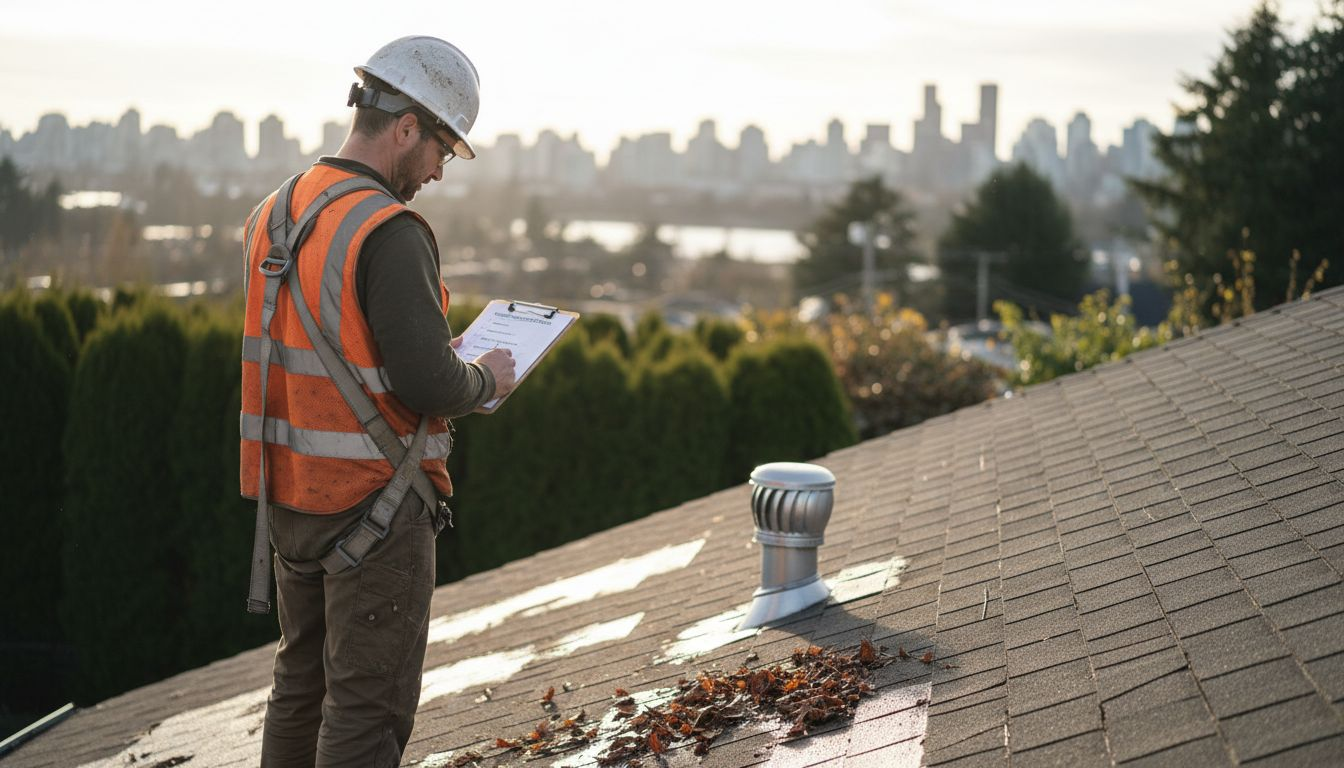
Managing roofing installation and maintenance in Vancouver and Surrey brings complex challenges tied to local weather and strict provincial regulations. Property managers and owners face requirements set by the British Columbia Building Code 2024, which outlines critical objectives including moisture control, fire safety, and structural integrity. Understanding and complying with these roofing safety standards is key to protecting your investment and avoiding legal risks. This guide breaks down what matters most for safe and reliable roofing across British Columbia’s diverse environments.
Table of Contents
- Defining Roofing Safety Standards In BC
- Key Roofing Safety Codes And Regulations
- Types Of Roofing Safety Certifications
- Essential Safety Practices And Equipment
- Property Manager Responsibilities And Legal Liabilities
- Common Roofing Safety Risks To Avoid
Key Takeaways
| Point | Details |
|---|---|
| BC Roofing Standards | The BC Building Code 2024 provides essential guidelines tailored to the province’s unique climatic conditions, ensuring safety and performance. |
| Certification Importance | Roofing professionals must hold various certifications to guarantee competence and adherence to preventive safety measures in complex roofing environments. |
| Legal Responsibilities | Property managers play a crucial role in ensuring compliance with safety standards and mitigating legal liabilities through regular assessments and documentation. |
| Proactive Risk Management | Daily safety briefings and thorough site assessments are vital for identifying and addressing potential hazards in BC’s challenging roofing conditions. |
Defining Roofing Safety Standards in BC
British Columbia’s roofing safety standards represent a comprehensive framework designed to protect building occupants, workers, and property from environmental challenges unique to our coastal region. These standards, established within the British Columbia Building Code 2024, provide critical guidelines that address our province’s specific climatic and structural requirements.
At the core of BC’s roofing safety regulations are several key objectives that govern every construction and maintenance project:
- Protection against moisture intrusion
- Structural integrity under extreme weather conditions
- Fire safety and prevention
- Worker safety during installation and maintenance
- Long-term building performance
The provincial building code establishes minimum performance standards that every roofing project must meet. These standards account for British Columbia’s diverse geography, from coastal rainforests to interior mountain regions, ensuring roofing systems can withstand significant environmental stressors. Provincial safety regulations emphasize not just technical specifications, but also the broader objectives of protecting human health, accessibility, and structural resilience.
Roofing professionals in BC must navigate a complex landscape of requirements that go beyond simple installation techniques. The standards mandate rigorous assessment of materials, installation methods, drainage systems, and ongoing maintenance protocols. This comprehensive approach ensures that roofing systems are not just constructed, but systematically designed to perform under our region’s challenging environmental conditions.
Here’s a summary of how BC roofing safety standards address diverse regional challenges:
| Region in BC | Key Weather Challenge | Roofing Safety Standard Focus |
|---|---|---|
| Coastal | Heavy rainfall, moisture | Enhanced moisture barriers, drainage design |
| Interior Mountains | Snow loads, freezing temperatures | Strong structural supports, insulation |
| Urban Areas | High winds, pollution | Durable materials, secure fasteners |
| Rural, Remote | Accessibility, variable climates | Flexible maintenance, site-specific assessment |
Pro tip: Always verify that your roofing contractor is familiar with the latest BC Building Code requirements and can demonstrate compliance with current safety standards.
Key Roofing Safety Codes and Regulations
British Columbia’s roofing safety regulatory landscape is complex and multifaceted, designed to protect both workers and property owners from potential hazards. Safety Standards Act provides the foundational legal framework that governs technical safety requirements for roofing projects across the province.
The key roofing safety codes encompass several critical areas of regulation:
- Material quality and durability standards
- Installation method specifications
- Worker safety protocols
- Environmental performance requirements
- Structural integrity compliance
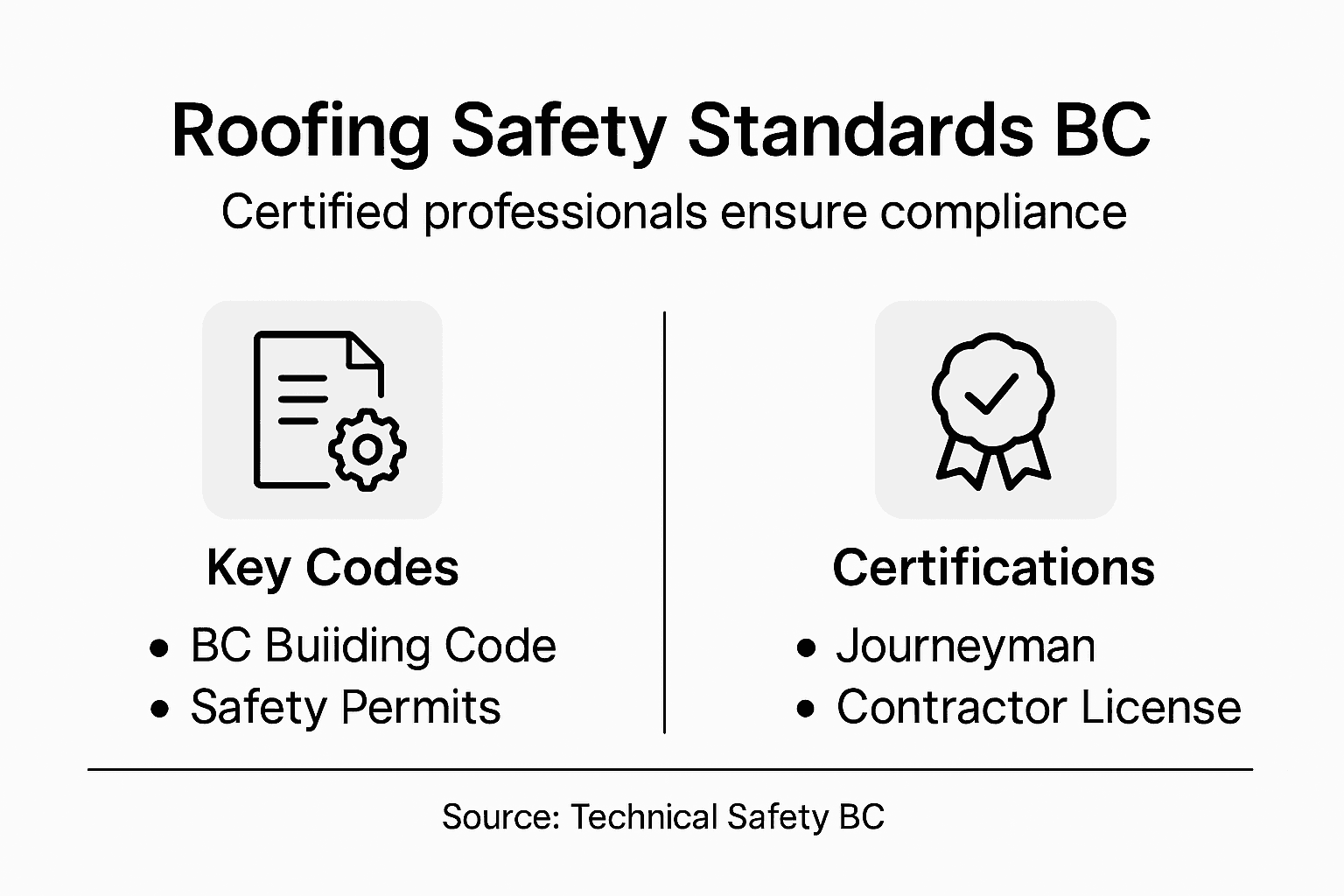
Under the BC Building Code 2024, roofing professionals must adhere to stringent guidelines that account for our province’s unique geographical challenges. These regulations mandate comprehensive assessments of roofing systems, ensuring they can withstand coastal moisture, mountain snow loads, and temperature variations typical in British Columbia’s diverse landscape.
Technical Safety BC plays a crucial enforcement role, requiring contractors to obtain proper permits, demonstrate professional certifications, and undergo regular compliance assessments. This rigorous approach ensures that every roofing project meets exacting standards designed to mitigate potential risks and protect public safety.
Pro tip: Always request documentation proving your roofing contractor’s current certifications and compliance with provincial safety regulations before commencing any roofing project.
Types of Roofing Safety Certifications
Roofing safety certifications in British Columbia represent a comprehensive system designed to ensure professional competence and workplace protection. Technical safety certifications are critical for maintaining high standards in the roofing industry, protecting both workers and property owners from potential hazards.
The primary categories of roofing safety certifications include:
- Journeyman Roofing Technician Certification
- Working at Heights Safety Training
- Fall Protection Specialist Qualification
- Technical Safety BC Professional License
- Workplace Hazardous Materials Information System (WHMIS) Certification
Each certification requires rigorous training and ongoing professional development. Journeyman Roofing Technicians, for instance, must complete extensive practical and theoretical training, demonstrating comprehensive understanding of installation techniques, material properties, and safety protocols specific to British Columbia’s challenging environmental conditions.
Contractors in BC must maintain multiple certifications to legally operate, with Technical Safety BC enforcing strict compliance through regular audits and permit assessments. These requirements ensure that only qualified professionals can perform complex roofing work, minimizing risks and maintaining high industry standards across the province.
This table highlights the main types of roofing safety certifications and their roles in BC:
| Certification Type | Key Skills Covered | Impact on Safety |
|---|---|---|
| Journeyman Technician | Installation, material knowledge | Ensures code-compliant construction |
| Working at Heights | Fall prevention techniques | Reduces risk of falls and injuries |
| Fall Protection Specialist | Advanced safety protocols | Enhances site-specific risk management |
| Technical Safety BC Licence | Regulatory compliance | Authorizes legally safe operations |
| WHMIS | Chemical hazard protocols | Protects health around hazardous materials |
Pro tip: Always verify a roofing contractor’s current certifications and licenses before signing any project agreement.
Essential Safety Practices and Equipment
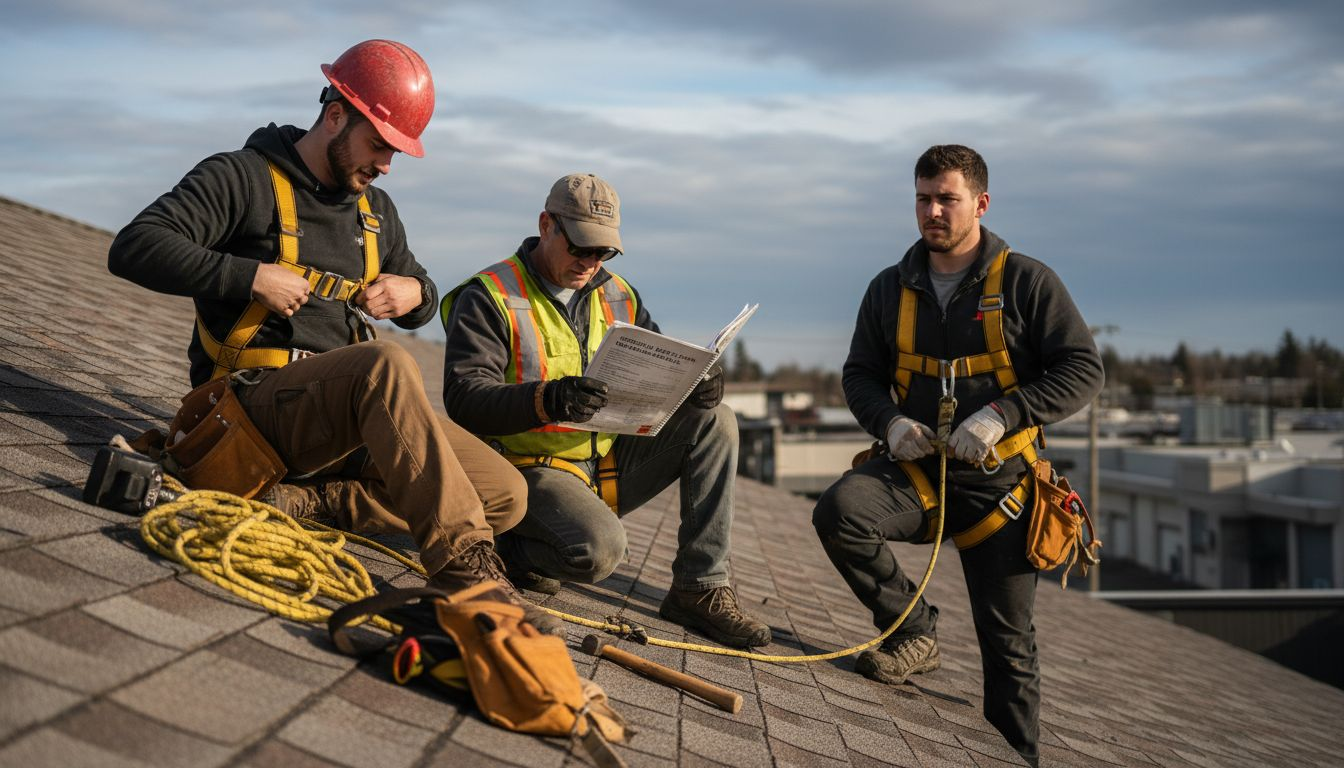
Roofing safety in British Columbia demands meticulous attention to practices and equipment that protect workers from potential hazards. Workplace safety regulations establish comprehensive guidelines that mandate specific protective measures for roofing professionals working in challenging environments.
Essential safety equipment for roofing professionals includes:
- Full-body fall arrest harnesses
- Anchor point systems
- Non-slip safety footwear
- Hard hats with chin straps
- Protective eyewear
- Hearing protection
- High-visibility clothing
- Respirators for dust and chemical protection
British Columbia’s harsh weather conditions and complex roof structures require more than standard protective gear. Professionals must conduct thorough site assessments, identifying potential fall risks, unstable surfaces, and environmental challenges before beginning any roofing project. This proactive approach involves creating detailed safety plans that outline specific protocols for equipment usage, emergency response, and worker protection.
Workers must undergo comprehensive training in fall protection techniques, understanding not just how to use equipment, but how to inspect, maintain, and properly deploy safety systems in real-world scenarios. Annual recertification and continuous skills upgrading ensure that roofing professionals remain current with the latest safety technologies and regulatory requirements.
Pro tip: Invest in high-quality, regularly inspected safety equipment and never compromise on proper training, as these are your primary defences against workplace accidents.
Property Manager Responsibilities and Legal Liabilities
Property managers in British Columbia face significant legal responsibilities when managing roofing maintenance and safety for residential and commercial properties. Strata property management regulations establish clear guidelines that define the comprehensive scope of their legal obligations and potential liabilities.
Key responsibilities for property managers include:
- Conducting regular roof condition assessments
- Hiring licensed and certified roofing contractors
- Maintaining comprehensive maintenance records
- Ensuring compliance with safety standards
- Implementing preventative maintenance strategies
- Documenting all inspection and repair activities
- Communicating potential risks to property owners
Legal liability in roofing management extends beyond simple maintenance oversight. Property managers can be held financially and professionally responsible for damages resulting from negligence, such as failing to address known roofing defects, hiring unqualified contractors, or ignoring safety protocol recommendations. This means thorough documentation, proactive maintenance, and strict adherence to provincial safety regulations are not just best practices, but critical legal safeguards.
Under BC’s regulatory framework, property managers must demonstrate due diligence in roof management. This involves creating comprehensive maintenance schedules, conducting thorough risk assessments, and maintaining transparent communication channels with property owners about potential structural vulnerabilities or necessary repair work.
Pro tip: Develop a detailed roofing maintenance log and schedule regular professional inspections to mitigate potential legal risks and protect your professional reputation.
Common Roofing Safety Risks to Avoid
In British Columbia’s challenging roofing environment, understanding and mitigating potential safety risks is critical for protecting workers and property. Workplace safety regulations establish comprehensive guidelines to address the unique hazards faced by roofing professionals in our province.
The most significant roofing safety risks include:
- Falls from height
- Slippery surfaces caused by moisture and ice
- Electrical hazards near rooftop equipment
- Insufficient personal protective equipment
- Scaffold and ladder instability
- Improper use of fall arrest systems
- Extreme weather exposure
- Material handling injuries
British Columbia’s coastal climate introduces unique challenges that amplify standard roofing risks. The region’s frequent rainfall, sudden temperature changes, and complex terrain demand heightened awareness and specialized safety protocols. Workers must be particularly vigilant about surface conditions, equipment stability, and potential environmental hazards that can emerge rapidly during roofing projects.
Comprehensive risk management requires more than standard precautions. Roofing teams must conduct thorough pre-work site assessments, implement rigorous safety training programs, and maintain constant communication about changing environmental conditions. This proactive approach helps identify potential risks before they become dangerous situations, protecting both workers and property owners.
Pro tip: Conduct daily safety briefings and maintain a dynamic risk assessment approach that adapts to changing weather and site conditions.
Ensure Your Roofing Project Meets BC Safety Standards with Trusted Experts
Navigating British Columbia’s detailed roofing safety standards can be overwhelming for property owners and managers focused on protecting investments and lives. From moisture barriers in coastal areas to structural supports in snowy mountain regions, understanding and complying with these rigorous requirements are critical for long-lasting, safe roofing. Paragon Roofing BC specialises in bringing peace of mind by delivering expert roofing installation, maintenance, and inspections that strictly adhere to the latest BC Building Code provisions and safety certifications.
Don’t risk costly repairs or legal liabilities by hiring uncertified contractors. Choose Paragon Roofing BC for professional roofing services backed by certified expertise, tailored to meet regional challenges. Whether you need a full roof replacement or a thorough safety inspection, our team ensures compliance with all safety protocols and employs premium materials suited for BC’s diverse climate.
Take the proactive step today to protect your property and those who occupy it. Visit our roofing services page to learn more or contact us for your free inspection. Your roofing safety is our priority—trust Paragon Roofing BC to get the job done right and safely.
Frequently Asked Questions
What are the key objectives of roofing safety standards in British Columbia?
The key objectives of roofing safety standards in British Columbia include protection against moisture intrusion, ensuring structural integrity under extreme weather conditions, promoting fire safety, safeguarding worker safety during installation and maintenance, and supporting long-term building performance.
How do roofing safety certifications ensure competency in the industry?
Roofing safety certifications ensure competency by requiring professionals to complete rigorous training and demonstrate their knowledge of installation techniques, material properties, and safety protocols, which are vital for effective and safe roofing practices.
What essential safety practices should roofing contractors follow?
Roofing contractors should follow essential safety practices such as conducting thorough site assessments, using proper personal protective equipment (PPE), establishing detailed safety plans, and maintaining compliance with the latest safety regulations to minimize risks and protect workers.
What legal liabilities do property managers face regarding roofing maintenance?
Property managers face legal liabilities for any negligence in managing roofing maintenance, such as failing to conduct regular roof condition assessments, hiring unqualified contractors, or neglecting to maintain compliance with safety standards, which can lead to financial and professional consequences.