
RICHMOND HOMEOWNER GUIDE
Tile Roof Replacement in Richmond, BC
A tile roof can leak even when the tiles look intact. The cause may be a broken tile, flashing, or deterioration beneath the covering. Start with the condition of the whole roof before choosing repair, renewal of the tile assembly, or conversion to another material.
This guide explains the decisions behind a Richmond tile roof replacement: what needs inspection, how asphalt, metal and composite options differ, and what belongs in the written scope.
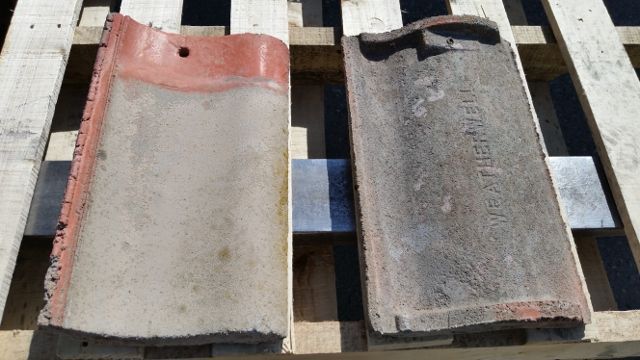
LOOK BENEATH THE SURFACE
Does the whole tile roof need replacing?
A ceiling stain is a reason to investigate. It does not identify the failed component or prove the entire roof has reached the end of its useful life. Note when water appears, whether wind direction matters, and what earlier repairs have addressed. Photographs taken safely from the ground and previous inspection records help establish that history.
A localized repair may be suitable
A limited defect, such as an isolated broken tile or a specific flashing problem, may be repairable when the surrounding assembly is sound and compatible replacement pieces are available. The repair needs to address the water entry route, not only the visible stain or a patch of surface sealant.
Broader work may be justified
Recurring leaks in several roof areas, widespread deterioration or inaccessible failing layers can make repeated spot repairs poor value. The assessment should explain which findings support opening a roof area, renewing the assembly or replacing the roof, and which conditions remain concealed.
Why intact tiles can sit above a leaking roof
Clay and concrete tiles shed rain, but the roof also relies on underlayment, flashings, the supporting deck and the way water drains through the assembly. A durable tile surface does not make the concealed layers permanent. Opening selected areas may reveal conditions that a view from the street cannot show.
The investigation should distinguish broken or displaced tiles from problems at valleys, roof edges, walls, chimneys, skylights and vents. A distorted roof line or suspected framing damage calls for further assessment. Colour loss, moss or the age of the house alone is not a complete replacement diagnosis.
PLAN FOR WET WEATHER
What matters on a Richmond roof
Richmond shares the Lower Mainland’s long wet season. Debris that collects around valleys, gutters and roof penetrations can keep vulnerable areas damp and interfere with drainage. A shaded roof, a sheltered valley and an exposed roof edge can have different maintenance needs even on the same property.
The practical response is to inspect the actual exposure and details, keep water routes clear, and plan reliable temporary protection during removal. Replacement scheduling should allow for weather and unexpected deck repairs. Exposure and roof details matter more than a neighbourhood label when assessing a particular home.
Site planning also matters: driveway access, bin placement, overhead obstructions, landscaping and neighbouring buildings affect how heavy tile is removed and where materials can be staged.
CHOOSE THE ASSEMBLY, THEN THE LOOK
Your tile roof replacement options
Changing the covering changes more than appearance. Compare the roof slope, support, detailing, maintenance and product requirements for the proposed assembly. A lighter covering does not remove the need to check damaged decking or framing.
Keep tile where it is practical
Ask whether sound tiles can be lifted and reused while the underlying assembly is renewed, or whether new compatible tile is appropriate. Feasibility depends on tile condition, breakage during handling, matching pieces, attachment details and the supporting structure. Reuse is an option to assess, not a guaranteed saving. Our tile roofing service page explains the broader tile system.
Convert to another covering
Asphalt shingles, standing seam metal and synthetic products offer different textures and detailing. Compare samples against the home’s roof shape and exterior. Confirm the specified product, roof slope limits, deck requirements and flashing package before comparing prices.
On smaller screens, scroll the table sideways to compare all columns.
| Option | Appearance and fit | What to check | Ongoing care |
|---|---|---|---|
| Architectural asphalt | A layered shingle surface that changes the depth and pattern of a tile roof. | Deck suitability, underlayment, starter and ridge components, valleys and ventilation. | Inspect shingles and flashing, manage debris and follow the product’s cleaning guidance. |
| Standing seam metal | Long panel lines for a more architectural appearance. Hips and valleys affect panel layout. | Panel profile and metal specification, attachment, movement allowance, compatible underlayment and penetration details. | Keep drainage paths clear and review seams, flashings, penetrations and coating damage. |
| Synthetic composite | Shake, slate or tile inspired profiles, depending on the selected product. | Product identity, slope limits, fastening, spacing, starter and ridge details. Different composites are not interchangeable. | Clear debris and use the manufacturer’s maintenance instructions. Do not assume the roof is immune to growth. |
| Renewed tile assembly | Retains a tile appearance where the structure and selected tiles are suitable. | Tile condition, matching stock, support, underlayment, battens, attachment and breakage allowance. | Inspect tiles, ridges and flashings using appropriate access. Avoid unnecessary foot traffic. |
Asphalt: compare the complete package
A shingle conversion needs a suitable continuous deck and details built for the new covering. Existing tile battens or flashings should not simply be assumed suitable for shingles. Review eave protection, underlayment, starter strips, valleys, wall connections and ventilation together. See asphalt roofing in Richmond.
Metal: details determine the result
Specify the actual metal, thickness, profile, finish and attachment system. Some assemblies call for high temperature underlayment, and penetrations need compatible components. A concealed fastening system still requires carefully designed edges and flashing; it is not a promise that every detail is maintenance free. See Richmond metal roofing.
Composite: confirm the exact product
Composite roofing covers different materials and profiles. Fastener positions, spacing and accessory details follow the selected manufacturer’s instructions. Ask to see the installed profile and colour samples, and compare the actual product documentation. Our composite roofing page explains this category.
SEE THE DIFFERENCES
Roof surfaces and installation details
These images illustrate material choices and details. The shingle project is in Surrey. The metal and composite photographs focus on visible roof details.
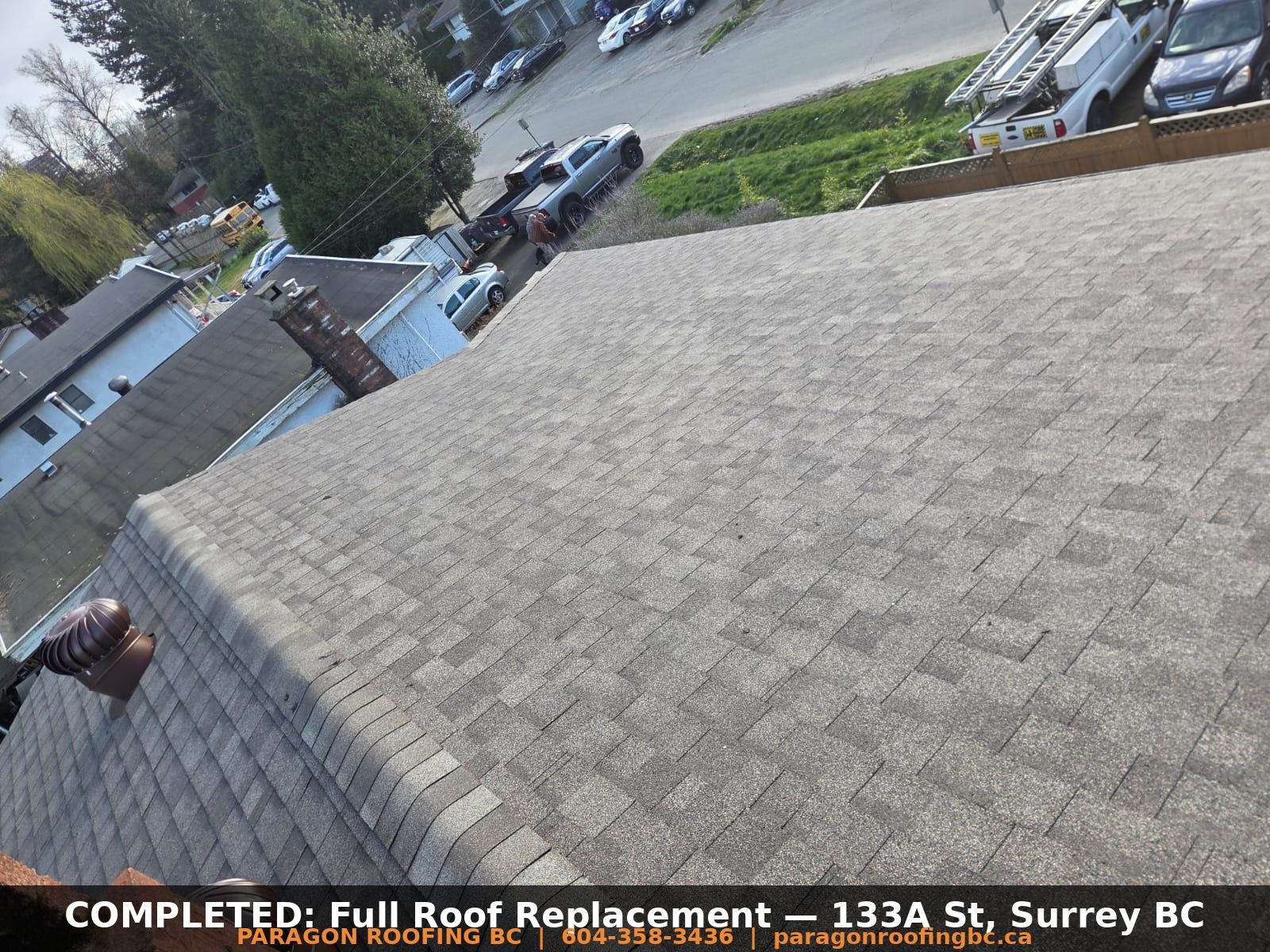
Architectural shingles
The finished shingle surface at Paragon’s 133A Street project in Surrey. The image shows the appearance of this option, rather than the hidden roof assembly.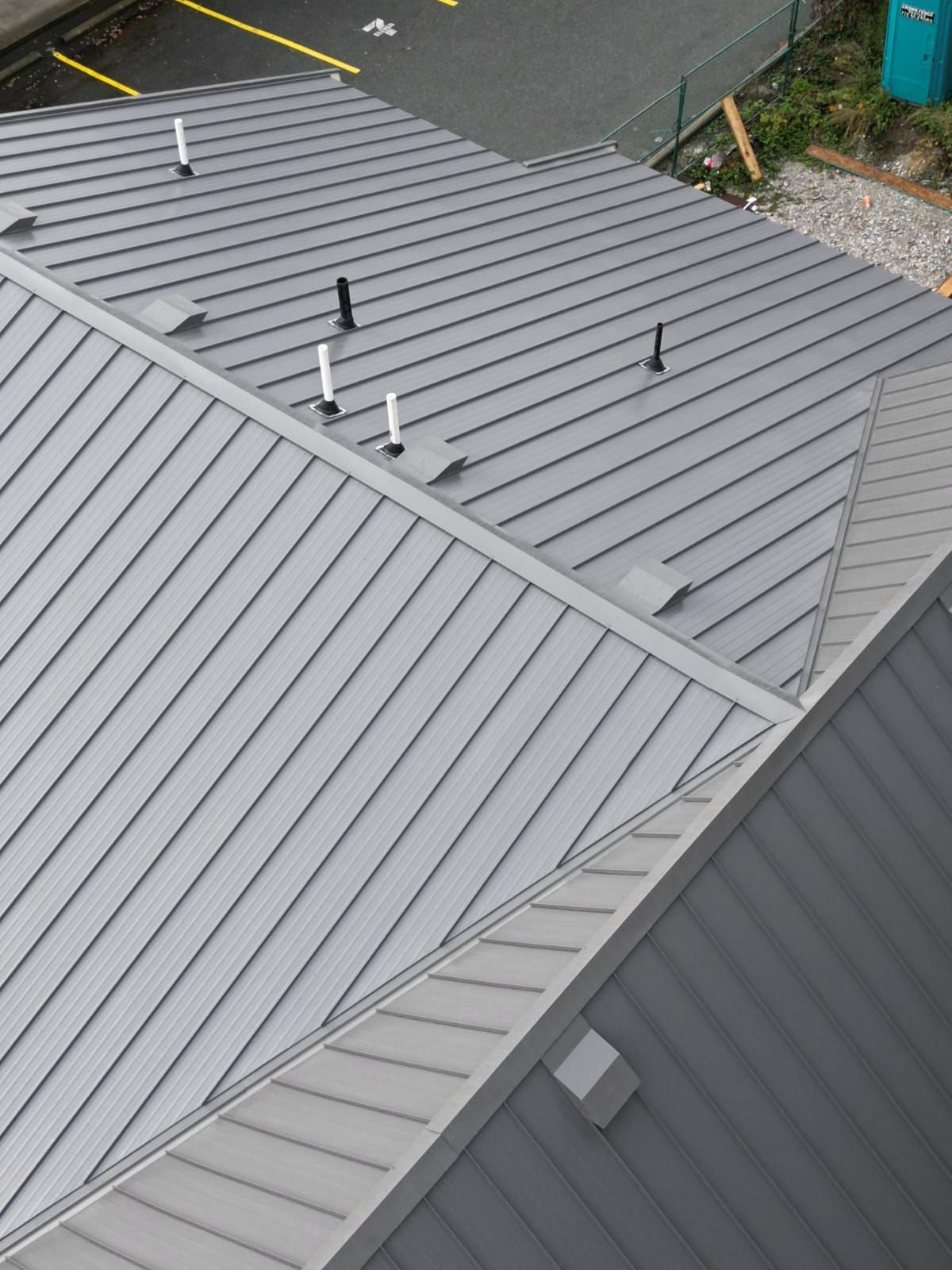
Metal panel details
Raised panel seams, intersecting roof planes and pipe penetrations. These junctions belong in the proposed flashing scope.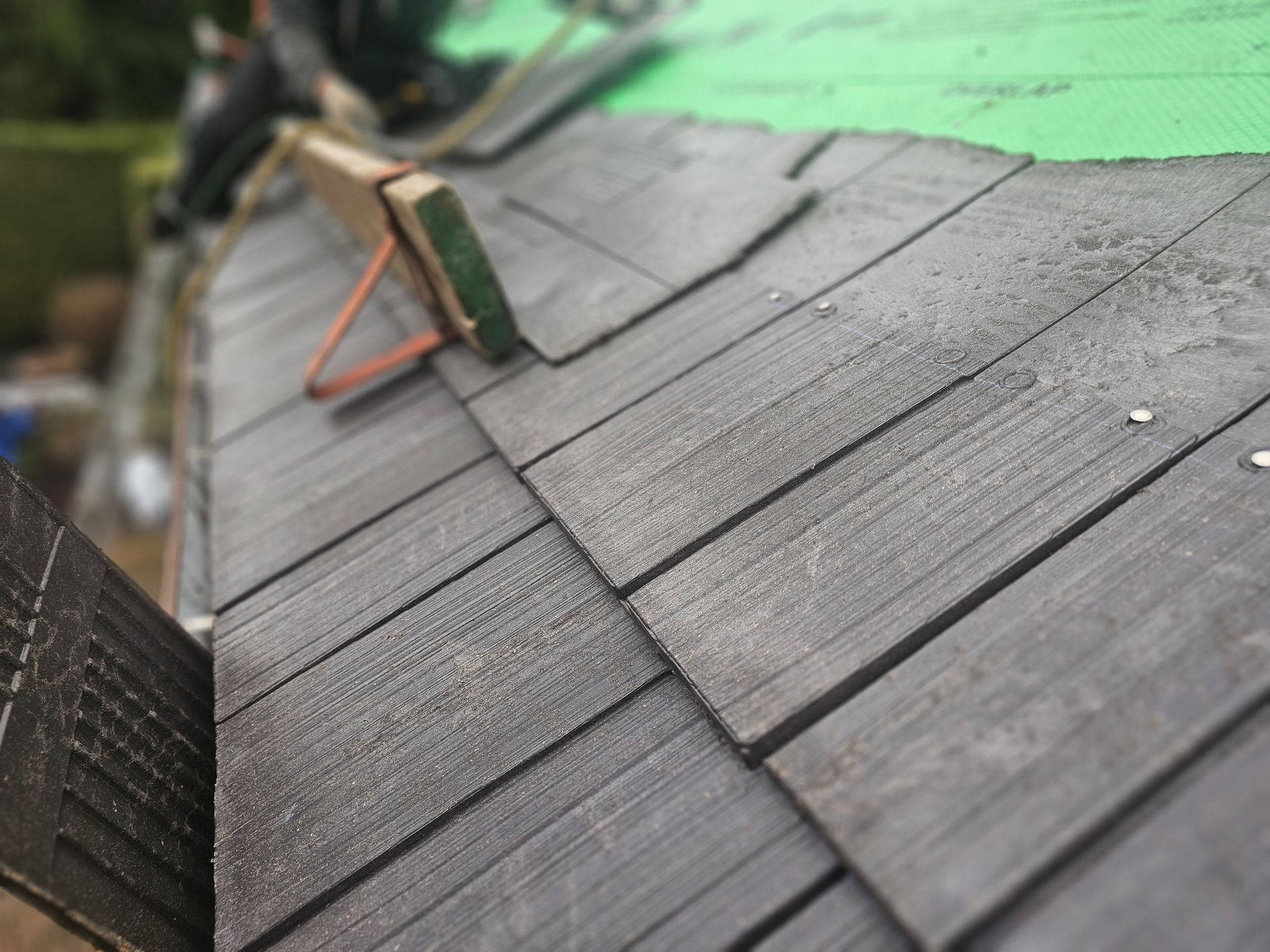
Composite work in progress
Textured shake profiles beside exposed underlayment. A new covering and the layers beneath it must be specified together.START WITH YOUR ROOF
Tell us what you have noticed
Share your Richmond address, the existing roof material, leak history and any earlier assessment. Let us know whether you want to retain a tile appearance or compare other coverings. Paragon’s own crews carry out installation, with owner involvement and a written scope for the work.
Use the enquiry form below or call 604 358 3436 to discuss the assessment scope and available appointment times.