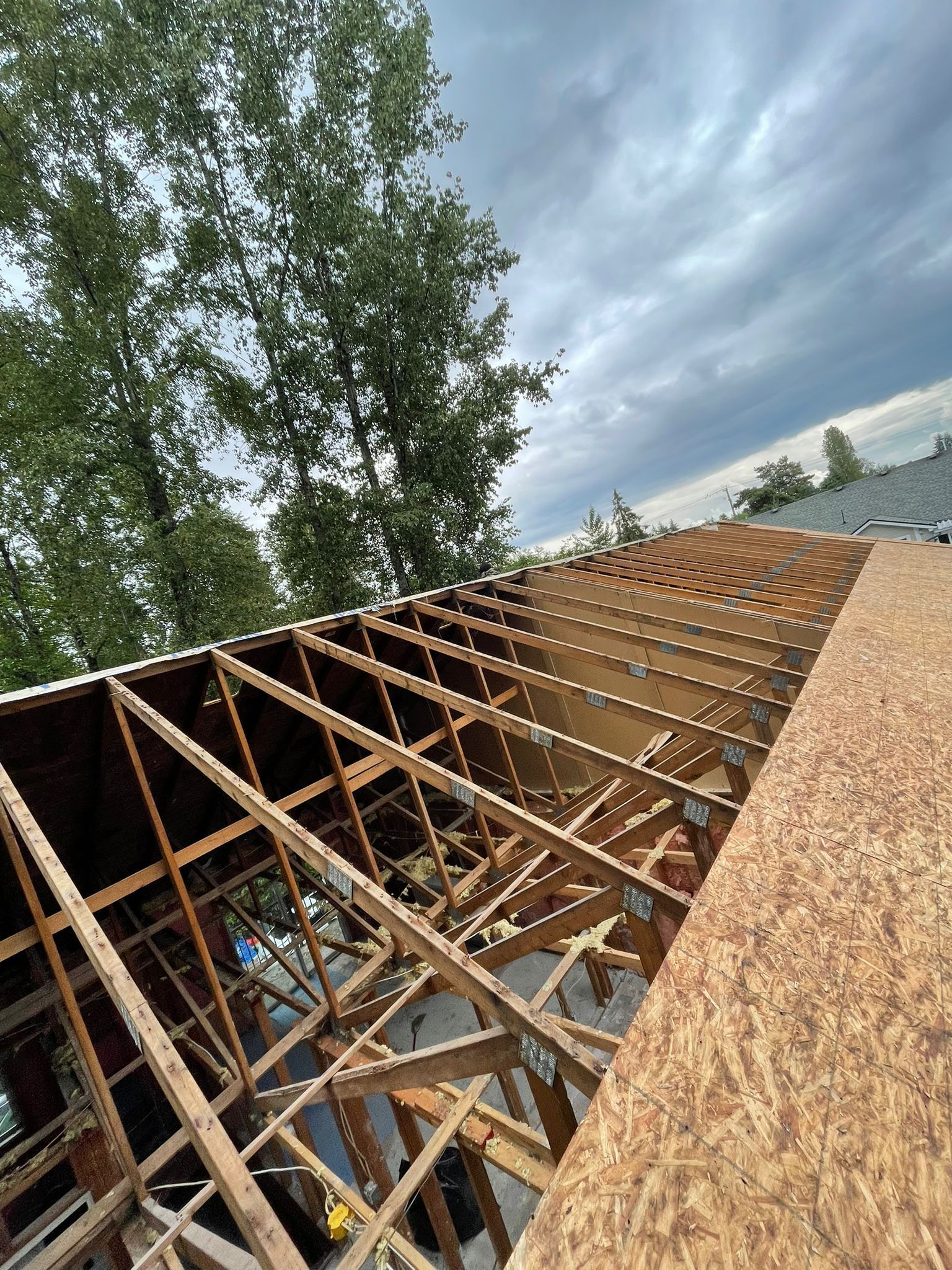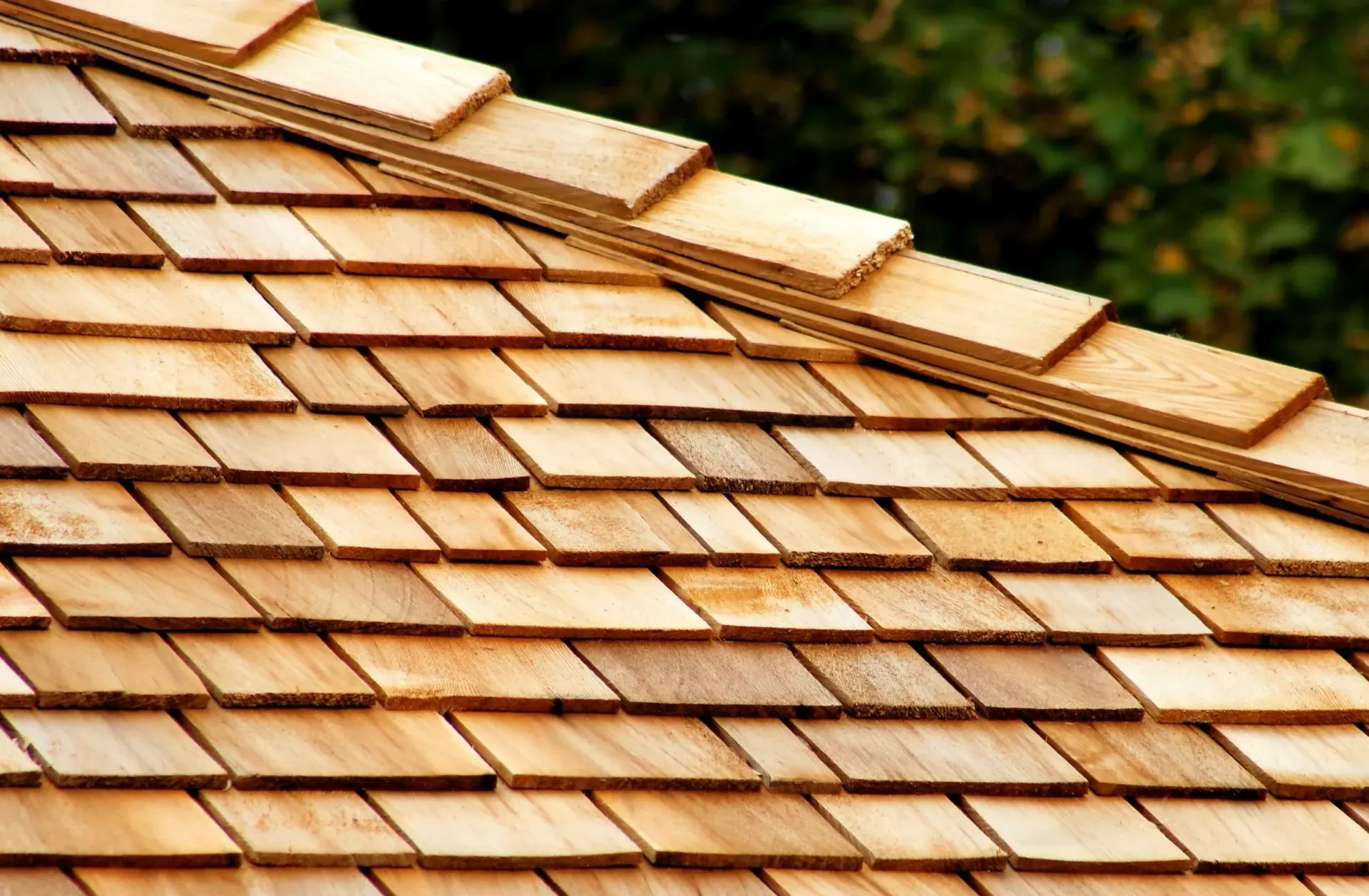
Why Timely Roof Repair Matters for Surrey Property Managers
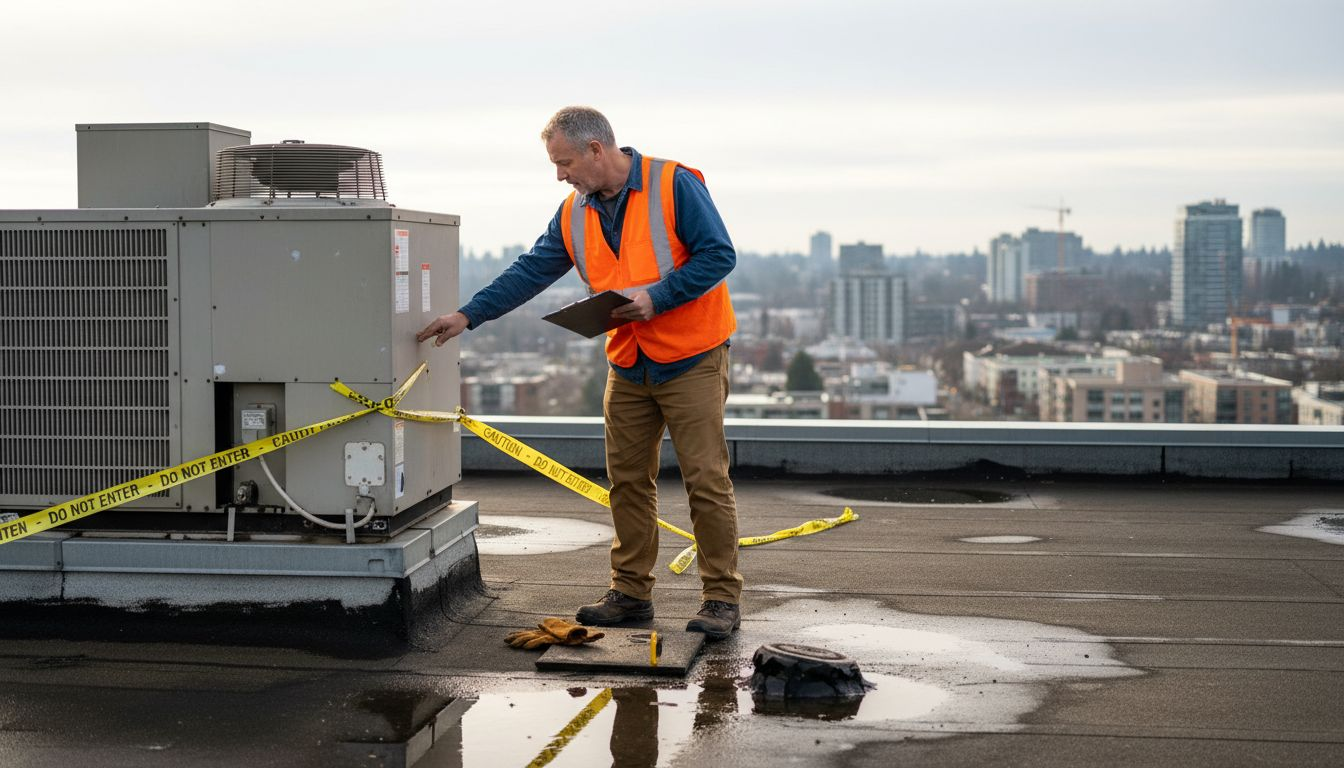
Every rainy season in Surrey or Vancouver, even a small roof leak can quickly snowball into major headaches for property managers. Rapid attention is vital because water sneaks past shingles and finds its way into insulation, walls, and framing, risking costly repairs and frustrated tenants. Timely roof repair means protecting your building’s value and ensuring tenant safety before minor problems spiral into emergencies —this guide explains what matters most and why swift action is the property manager’s smartest strategy.
Timely Roof Repair in Surrey: A Property Manager’s 24–48 Hour Rule
In Surrey’s rainy season, even a small roof leak can escalate fast—water can move past shingles into insulation and framing, creating hidden damage, tenant complaints, and expensive repairs. For property managers, speed matters: scheduling an inspection within 48 hours can prevent water from reaching wall cavities, while urgent conditions like active leaks, holes, or flashing failures require action within 24 hours to reduce rot risk and liability exposure.
This video explains why deferred maintenance can lead to mould and indoor air quality concerns, why insurers may deny claims when known issues aren’t addressed promptly, and how certified contractors help keep multi-family buildings compliant and protected in the Lower Mainland climate.
Table of Contents
- Timely Roof Repair Explained For Property Managers
- Why Speed Matters For Your Bottom Line
- What “Timely” Actually Means In Practice
- Common Delays And Why They Cost You
- Taking Action: Immediate Steps
- Types Of Roof Damage Requiring Urgent Action
- Damage Types Requiring Immediate Action
- Why These Damage Types Matter
- Secondary Damage Indicators
- Seasonal Urgency In Surrey And Burnaby
- How Repairs Protect Property And Tenants
- Protecting Your Property’s Value
- Protecting Tenant Health And Safety
- The Tenant Retention Advantage
- Financial And Legal Risks Of Delayed Repairs
- The Escalating Financial Trap
- Insurance And Coverage Complications
- Legal Liability For Injuries And Damages
- Building Code And Regulatory Exposure
- Choosing Certified Roofing Contractors In BC
- Why Certification Matters In BC
- What To Verify Before Hiring
- Red Flags To Avoid
- The Selection Process
Key Takeaways
| Point | Details |
|---|---|
| Timeliness is Critical | Address roof issues promptly to avoid escalating repair costs and potential structural damage. |
| Document Everything | Maintain thorough records of inspections and repairs to protect against liability claims. |
| Engage Certified Contractors | Hire licensed and insured roofing professionals to ensure quality work and compliance with local standards. |
| Emphasize Tenant Communication | Keep tenants informed throughout the repair process to enhance trust and satisfaction. |
Timely roof repair explained for property managers
Timely roof repair means addressing problems when you first notice them, not waiting months or seasons until damage spreads. For property managers overseeing residential units in Surrey and the surrounding Lower Mainland, this distinction matters enormously because small roof issues compound quickly into expensive structural problems.
When water penetrates your roof, it doesn’t stop at the shingles. Water travels through decking, insulation, and into wall cavities where it causes rot, mould growth, and structural deterioration. What starts as a minor leak in spring can become a foundation issue by winter if left unattended.
Property managers face unique pressure. You’re responsible for tenant safety, building code compliance, and protecting the owner’s asset. Delaying repairs creates liability exposure. A tenant injured by water damage or mould can pursue claims against you and the property owner.
Why Speed Matters for Your Bottom Line
Repair costs follow a brutal trajectory:
- One shingle gap:$500–$1,500 repair cost
- Same gap after 6 months:$3,000–$8,000 (interior damage, framing replacement)
- Same gap after 12 months:$15,000–$40,000+ (structural failure, potential roof replacement)
The difference between catching a problem in week one versus week 26 often means the difference between a repair and a catastrophic rebuild.
Property managers in Surrey and Burnaby deal with significant rainfall, especially autumn through spring. Your roofs work harder than those in drier regions. Rain doesn’t forgive delays—it exploits every gap, crack, and weakened seam.
Addressing roof damage immediately prevents exponential cost growth and protects your liability position as a property manager.
What “Timely” Actually Means in Practice
Timely repair isn’t vague. Here’s the timeline property managers should follow:
- Tenant reports leak or damage – Schedule inspection within 48 hours
- Inspector confirms issue – Begin repairs within 5–7 business days (unless emergency; then immediately)
- Contractor completes work – Finish and document completion within 14 days
This pace prevents water from entering wall cavities and gives you documented evidence of responsible management, which protects you if disputes arise later.
When planning your repair strategy, understanding roof maintenance practices helps you identify issues before they become emergencies.
Common Delays and Why They Cost You
Property managers often delay repairs for these reasons:
- Waiting for multiple quotes (takes 2–3 weeks)
- Budget review cycles (approvals take weeks)
- Contractor availability (booking out 4+ weeks)
- Hoping the problem resolves itself (it never does)
- Uncertainty about whether repair is actually needed
Each delay multiplies your exposure. Water damage compounds daily. Mould colonies expand. Structural wood weakens.
Taking Action: Immediate Steps
When you suspect roof damage, act decisively:
- Document the issue with photos and dates
- Schedule a professional inspection immediately
- Get a written quote outlining scope and timeline
- Approve work within 24 hours of receiving the quote
- Track completion and verify repairs resolve the issue
This approach protects your property, your tenants, and your professional standing.
Here’s a summary showing how quick action versus delays in roof repair affects property management outcomes:
| Response Speed | Financial Impact | Tenant Impact | Legal Risk |
|---|---|---|---|
| Immediate repair | Low cost, minor fixes | Tenants remain satisfied | Minimal liability exposure |
| Short delay (1-2 wks) | Moderate cost increase | Potential tenant discomfort | Growing legal exposure |
| Prolonged delay (months) | Catastrophic expenses | Tenant dissatisfaction, turnover | High liability, insurance denial |
Pro tip: Establish a relationship with a trusted roof contractor before emergencies strike, so you can schedule inspections and repairs quickly without scrambling to find someone available.
Types of roof damage requiring urgent action
Not all roof damage deserves the same response timeline. Some problems demand immediate action within hours, while others can wait a few days without serious risk. As a property manager in Surrey or Vancouver, knowing the difference saves you money, protects your tenants, and keeps you compliant with building codes.
Urgent roof damage falls into a specific category: anything that allows water to enter your building right now. Once water breaches the roof membrane, the clock starts ticking toward mould, rot, and structural failure.
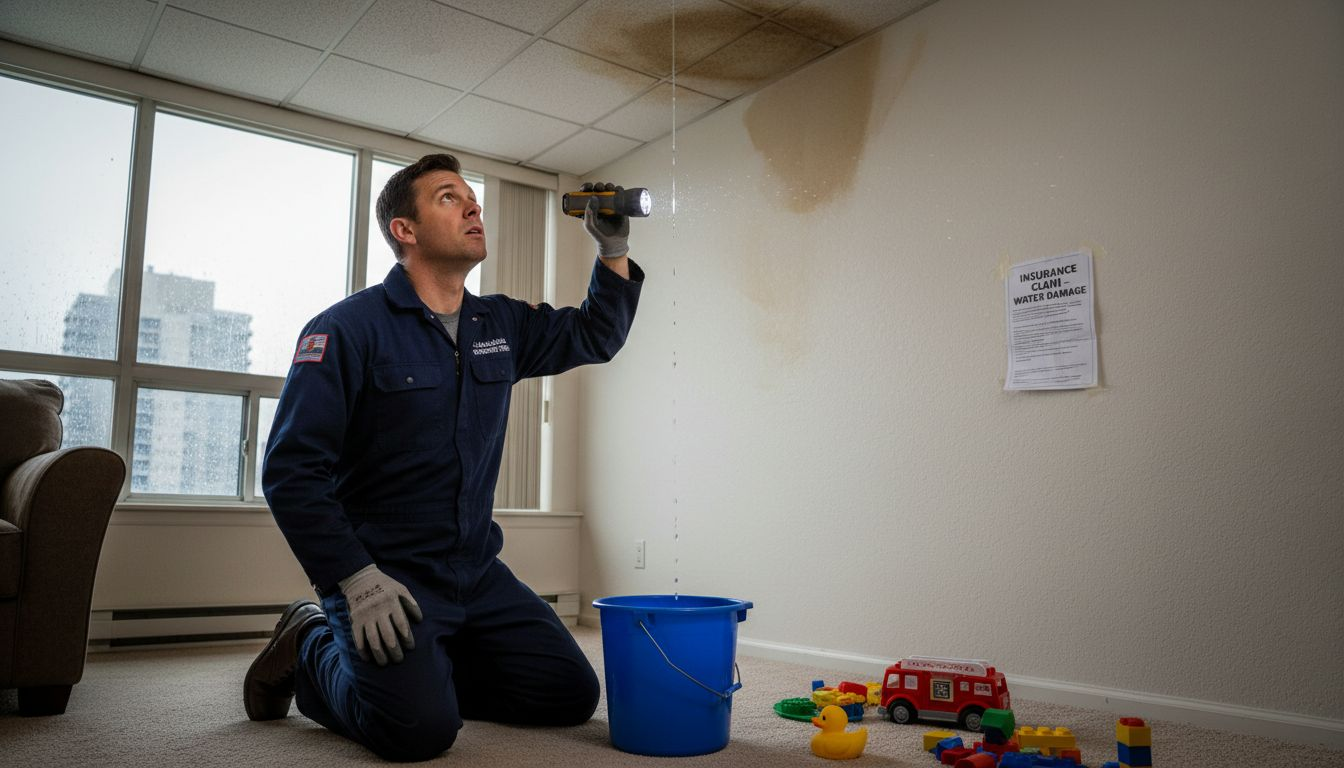
Damage Types Requiring Immediate Action
These issues need attention within 24 hours:
- Active leaks – Water actively dripping inside during rain or snowmelt
- Large holes or tears – Branches through shingles, missing sections of roofing material
- Flashing failures – Gaps around chimneys, vents, or wall intersections where water pours in
- Ice dams – Backed-up water forcing its way under shingles and into wall cavities
- Hail damage – Compromised shingles or metal roofing dented and cracked, exposing underlayment
- Sagging roof deck – Visible depression or waviness indicating structural compromise
These conditions create emergency situations requiring rapid response to prevent water ingress and further deterioration.
Water entering your building during an active leak spreads to areas beyond the initial breach within hours, making speed critical.
Why These Damage Types Matter
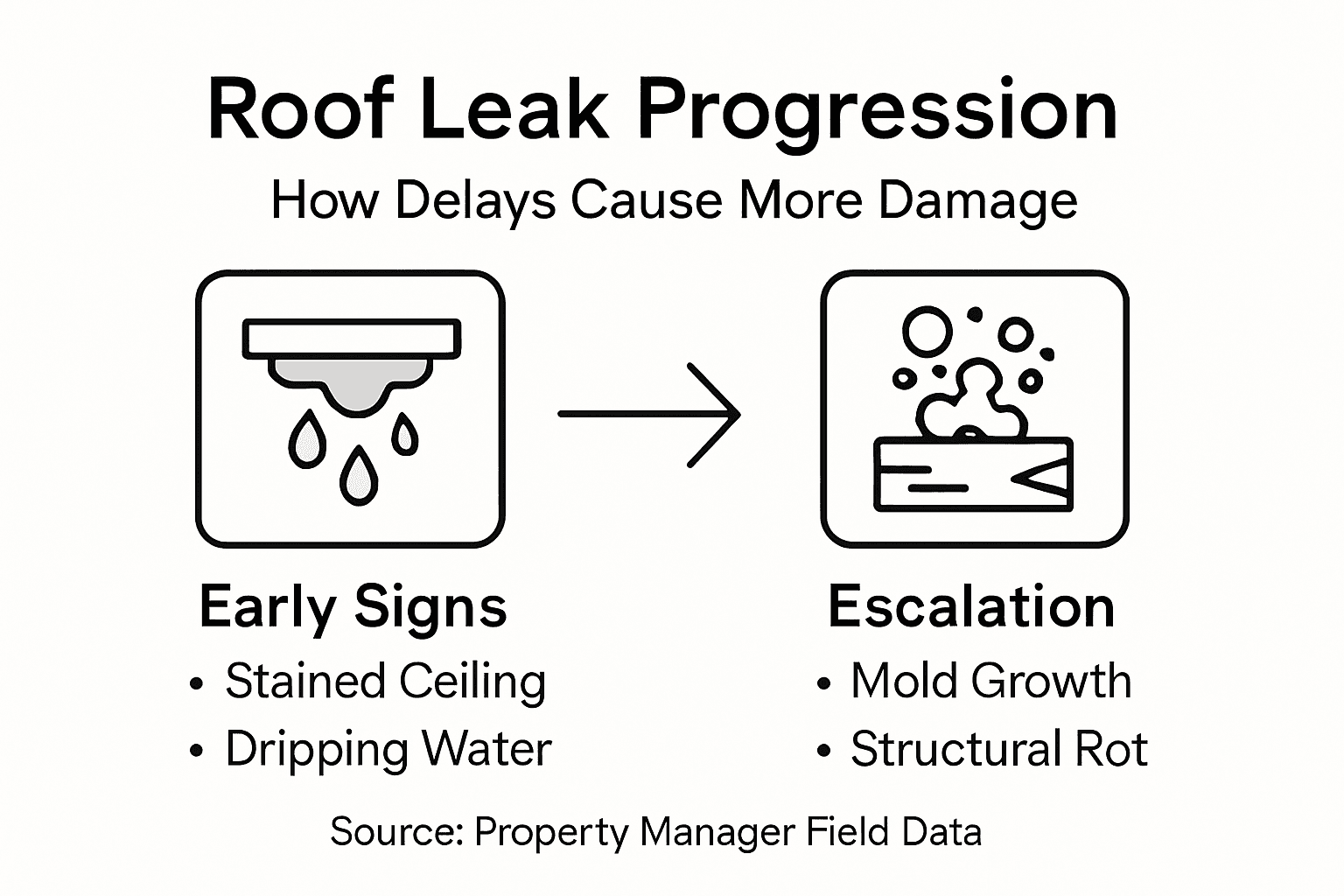
Each type follows a dangerous progression. An active leak might seem contained to one spot, but water follows gravity and finds cracks you cannot see. Within two days, it reaches insulation. Within a week, it reaches structural framing.
Ice dams present a particular threat in the Lower Mainland’s winter climate. Snow accumulates, then melts partially, then refreezes at the eaves. Backed-up water forces itself under shingles and into wall cavities where it freezes again. This cycle repeats, creating massive pressure.
Hail damage looks deceptive. Your roof might appear intact from ground level, but baseball-sized hail dents shingles and cracks the granule layer. Rain finds these microscopic breaches and penetrates deeper than you’d expect.
Secondary Damage Indicators
Look for these warning signs that urgent roof damage exists:
- Water stains on ceilings or upper-floor walls (active leak happened, may continue)
- Damp insulation visible in attics (water already penetrated)
- Musty odours in upper rooms (mould forming behind walls)
- Sagging ceiling drywall (structural weight of trapped water)
- Granules in gutters (hail or weather damage stripping shingles)
These indicators mean water has already breached your roof. You’ve moved past prevention into damage control.
Seasonal Urgency in Surrey and Burnaby
Autumn through spring demands heightened vigilance. Heavy rainfall, wind, and occasional snow create perfect conditions for flashing failures, ice dam formation, and weather-related tears.
Spring melt combined with accumulated debris clogs gutters and redirects water back toward shingles and flashing. Summer brings fewer emergencies, but hail can strike anytime.
Pro tip: Photograph all roof damage immediately with date stamps, document weather conditions, and contact your insurance provider before scheduling repairs—this creates a clear record for claims and protects your liability position as property manager.
How repairs protect property and tenants
Roof repairs serve two critical functions. They protect your building’s physical structure and monetary value, and they protect your tenants’ health, safety, and quality of life. Both matter equally from a property management perspective, though they operate in different ways.
When you delay repairs, you’re not just watching your roof deteriorate. You’re allowing water damage to spread through walls, insulation, and framing. You’re risking mould growth that affects air quality. You’re exposing tenants to conditions that violate housing standards and create liability for you.
Protecting Your Property’s Value
Your building is an asset. Roof damage reduces that asset’s worth immediately and dramatically. Water intrusion compromises structural integrity, reduces market value, and increases insurance premiums.
Here’s what happens when repairs get delayed:
- Sheathing and framing rot – Structural wood loses strength and stability
- Insulation becomes ineffective – Wet insulation loses R-value, increasing heating costs
- Interior finishes fail – Drywall, paint, and fixtures require replacement
- Foundation issues develop – Water redirected downward can damage footings
- Building envelope fails – Air sealing breaks down, energy costs spike
Timely roof repairs preserve structural integrity and prevent water damage that compromises walls and interiors. A roof repair costing $2,000 today prevents a $50,000 foundation repair in three years.
Your building’s structural integrity depends on preventing water intrusion, and roof repairs are your first line of defence.
Protecting Tenant Health and Safety
Tenants depend on you to maintain safe, habitable conditions. Water leaks create mould, mould creates respiratory problems, and mould creates legal liability for you. This isn’t theoretical—Canadian housing standards explicitly require that properties prevent water intrusion and mould formation.
Water damage affects tenants through:
- Mould growth – Visible or hidden mould behind walls triggers allergies and asthma
- Poor air quality – Moisture promotes dust mites and odours
- Compromised insulation – Cold drafts and temperature fluctuations reduce comfort
- Visible damage – Water stains, peeling paint, and soft ceilings signal neglect to tenants
Tenant dissatisfaction leads to turnover. Turnover costs you money—advertising, screening, lost rent during vacancy, and damage from rushed move-outs. A $3,000 repair prevents losing a $1,800 monthly rental for three months, plus turnover costs.
The Tenant Retention Advantage
Tenants who feel safe and comfortable stay longer. Prompt repairs signal that you take maintenance seriously and respond to problems. This builds trust and reduces vacancy rates in Surrey and Vancouver’s competitive rental market.
Proactive property managers see lower turnover, faster lease renewals, and fewer repair requests because problems get addressed early. Reactive managers chase problems, replace tenants constantly, and see escalating repair costs.
Pro tip: When scheduling repairs, inform affected tenants in advance, provide regular updates on completion, and document all work with photos—this demonstrates responsible management and builds tenant confidence in your stewardship.
Financial and legal risks of delayed repairs
Delaying roof repairs isn’t just a maintenance issue. It’s a financial and legal gamble that property managers in Surrey, Vancouver, and Burnaby cannot afford. Every day you postpone addressing roof damage, you accumulate liability exposure and accelerate your path toward catastrophic costs.
The financial risks are straightforward: small repairs cost less than large ones. The legal risks are more dangerous because they can involve personal liability, not just property loss.
The Escalating Financial Trap
Roof repair costs follow an exponential curve, not a linear one. Delaying action doesn’t save money—it multiplies costs.
Consider this progression:
- Week 1:$800 shingle repair
- Month 2:$3,500 decking replacement (water damage spreads)
- Month 4:$12,000 structural framing replacement (rot reaches supports)
- Month 8:$45,000 roof replacement (damage too extensive for repair)
When damage reaches this stage, you’ve crossed from repair territory into replacement territory. Insurance may not cover negligent maintenance, leaving you personally responsible for costs.
Delaying roof repairs exposes property managers to significant financial risks including costly emergency repairs and accelerated roof replacement needs.
Every month of delay doesn’t add cost—it multiplies it. Your financial exposure compounds daily.
Insurance and Coverage Complications
Many property insurance policies explicitly exclude damage caused by deferred maintenance. If you delay repairs and water damage occurs, your insurer can deny your claim entirely.
Insurance companies investigate claims thoroughly. They look for:
- Evidence of known roof damage before the incident
- Documentation of maintenance requests ignored
- Patterns of delayed response to tenant complaints
- Photos or inspection reports showing pre-existing problems
If they find that you knew about roof issues and delayed action, they deny coverage. You’re left paying the full cost yourself. Additionally, failure to comply with maintenance requirements can result in increased insurance premiums and policy penalties.
Legal Liability for Injuries and Damages
Tenants injured by water damage or mould have legal grounds to sue. If you can prove you knew about roof damage and delayed repairs, courts find negligence.
Liable scenarios include:
- Tenant develops respiratory illness from mould caused by roof leak
- Guest injured by falling drywall from water-damaged ceiling
- Property damage to tenant’s belongings from water intrusion
- Reduced rental value due to uninhabitable conditions
These claims proceed against you personally if your insurance denies coverage due to negligence. Legal defence costs alone exceed $10,000 before any settlement.
Building Code and Regulatory Exposure
Canadian building codes and provincial housing standards require property managers to maintain safe, habitable conditions. Roof damage that allows water intrusion violates these codes.
Inspectors conducting routine visits can issue orders requiring immediate repairs. Failure to comply results in fines, work orders, and potential loss of rental licensing authority.
Pro tip: Create a documented maintenance log for every roof inspection and repair, including dates, findings, and completion timelines. This documentation protects you legally by proving you acted promptly and responsibly, which is essential if disputes or claims arise.
Choosing certified roofing contractors in BC
Not all roofers are created equal. Hiring the wrong contractor wastes money, creates liability, and leaves you with substandard repairs that fail within months. Property managers in Surrey, Vancouver, and Burnaby need contractors who understand British Columbia’s specific climate challenges, building codes, and insurance requirements.
A certified roofing contractor brings expertise, accountability, and protection that unqualified workers cannot provide. This choice directly impacts your repair outcomes and long-term property safety.
Why Certification Matters in BC
British Columbia’s wet climate and building code requirements demand specialized knowledge. Local weather patterns—heavy rain, snow load, wind exposure—create unique roofing challenges that differ from other provinces.
Certified roofing contractors understand local weather challenges and building codes, reducing risks of subpar work and offering warranty protections. An uncertified contractor might not understand how BC’s moisture levels affect material selection or how provincial codes mandate specific installation methods.
Certification also means the contractor carries proper licensing, insurance, and bonding. These protections shield you from liability if someone gets injured during repairs or if work causes property damage.
The table below compares certified and uncertified roofing contractors for BC property managers:
| Contractor Type | Qualification | Warranty Support | Liability Protection |
|---|---|---|---|
| Certified | Licensed and insured | Written, enforceable | Strong, includes bonding |
| Uncertified | May lack proper licensing | Often absent or unclear | Weak, risk of disputes |
Certification isn’t a luxury—it’s insurance against costly mistakes and liability exposure.
What to Verify Before Hiring
Before signing any contract, confirm these details:
Licensing and Credentials
- Valid BC Roofing Contractor license (verify through provincial authorities)
- Workers’ Compensation Coverage (WorkSafeBC clearance)
- Current liability insurance (minimum $2 million recommended)
- Bonding coverage for completed work
Experience and Specialisation
- Years operating in BC (minimum 5–10 years preferred)
- Experience with your specific roof type (asphalt shingles, metal, flat roofing, etc.)
- References from similar-sized properties in your region
- Portfolio of completed projects you can inspect
Warranty and Guarantees
- Written warranty on materials (manufacturer coverage)
- Written warranty on labour (contractor’s guarantee, typically 5–10 years)
- Clear terms for what the warranty covers and doesn’t cover
Red Flags to Avoid
Walk away from contractors displaying these warning signs:
- No proof of licensing or insurance (request documents, don’t accept verbal assurance)
- Pressure to pay in full before work starts
- Refusal to provide written quotes or contracts
- No references or vague references you cannot verify
- Quotes significantly lower than others (usually indicates corners being cut)
- No permanent business address or phone number
These patterns indicate contractors you cannot hold accountable if problems arise. Once work begins and something goes wrong, you have no recourse with an uninsured, unlicensed operator.
The Selection Process
Follow this approach when evaluating contractors:
- Request quotes from at least three certified contractors
- Verify all licensing and insurance documentation independently
- Contact previous clients directly (not just names provided by contractor)
- Ask about handling of unexpected problems discovered during repairs
- Confirm timeline, payment schedule, and warranty terms in writing
- Review the contract thoroughly before signing
This process takes time but protects your investment and prevents expensive disasters later.
Pro tip: Request a detailed scope of work document that specifies exact materials, methods, timeline, and pricing before signing anything. This written clarity prevents misunderstandings and gives you legal protection if disputes arise about what was promised versus what was delivered.
Protect Your Surrey Properties with Expert Timely Roof Repairs
When small roof issues turn into costly repairs and legal risks delaying action is not an option. As highlighted in the article, timely roof repairs are essential for Surrey property managers to prevent water intrusion, mould growth, and structural damage that threaten tenant safety and property value. You need a certified roofing contractor who understands these challenges and acts swiftly to protect what matters.
At Paragon Roofing BC, we specialise in professional roof repair and inspection services tailored for the rigorous climate and building codes of the Lower Mainland. Don’t wait for a minor leak to escalate into a major expense. Schedule your free roof inspection today and leverage our expertise across shingles, metal, cedar, and synthetic slate roofing to maintain your assets and reduce liability.
Take control now and ensure your tenants’ safety and your property’s longevity. Visit Paragon Roofing BC to learn more about our comprehensive roof repair services and how timely maintenance preserves your investment. Contact us today for a prompt, professional response that keeps your roofs strong and your tenants confident.
Frequently Asked Questions
How quickly should I respond to a roof leak reported by tenants?
You should schedule an inspection within 48 hours after receiving a report of a leak to prevent further damage.
What are the potential costs of delaying roof repairs?
Delaying roof repairs can escalate costs significantly, ranging from a few hundred dollars for minor issues to tens of thousands for extensive structural damage caused by water intrusion over time.
What types of roof damage require immediate attention?
Urgent roof issues include active leaks, large holes or tears, flashing failures, ice dams, and significant hail damage, which should be addressed within 24 hours to prevent exacerbating the situation.
Why is documenting roof damage important for property managers?
Documenting roof damage helps provide evidence of responsible management and protects against liability claims if issues arise later. Keeping a detailed record of repairs and inspections also supports insurance claims.