What is the best time of year to replace a roof?
A real roofer based in Metro Vancouver determines the optimal time for roof replacement through his assessment of which factor matters most to you between cost and project duration and weather conditions and project timing. The best time to play does not exist but players can find their most effective playing approach. Schedule your roof replacement today
The information below provides an unbiased assessment which draws from my direct experience in the field.
Quick answer (for decision-makers)
The best time to visit occurs during late spring through early fall (May–September) because it offers the most favorable conditions.
- The weather conditions during dry periods lead to fewer delays.
- Materials seal better
- The crews operate at speeds which exceed normal operational limits.
- The tear-off process needs less water exposure during its execution.
But that doesn’t mean winter is “bad.” Winter replacement operations in Vancouver take place often but require both scheduled planning and better waterproofing methods to perform successfully.
Spring (March–May): One of the best times
Why spring is strong
- The rain becomes less intense as it continues to fall.
- The weather conditions provide perfect conditions for shingle and membrane installation.
- The market for roofing materials begins to experience growing demand although it has not reached its highest point.
Pros
- Good install conditions
- The scheduling process becomes easier to handle because it occurs during school hours instead of during summer months.
- The rainy season which approaches now requires immediate solutions to fix winter-related damage.
Cons
- Some rain delays
- Prices may start to rise as demand increases
The program provides benefits to homeowners who actively maintain their properties and those who require insurance-covered item replacements and people who want to perform their scheduled home improvement tasks.
Summer (June–September): Best weather, busiest season
Why summer is popular
- Long dry stretches
- The sealing process achieves its highest results when the surrounding environment stays at warm temperatures.
- Fast production
Pros
- Lowest weather risk
- Fastest installs
- Best conditions for complex roofs and flat roofs
Cons
- The system needs improved scheduling systems to handle its highest usage periods.
- The program does not provide students with any flexibility to begin their education at various times.
- The prices occasionally reach slightly above the average range.
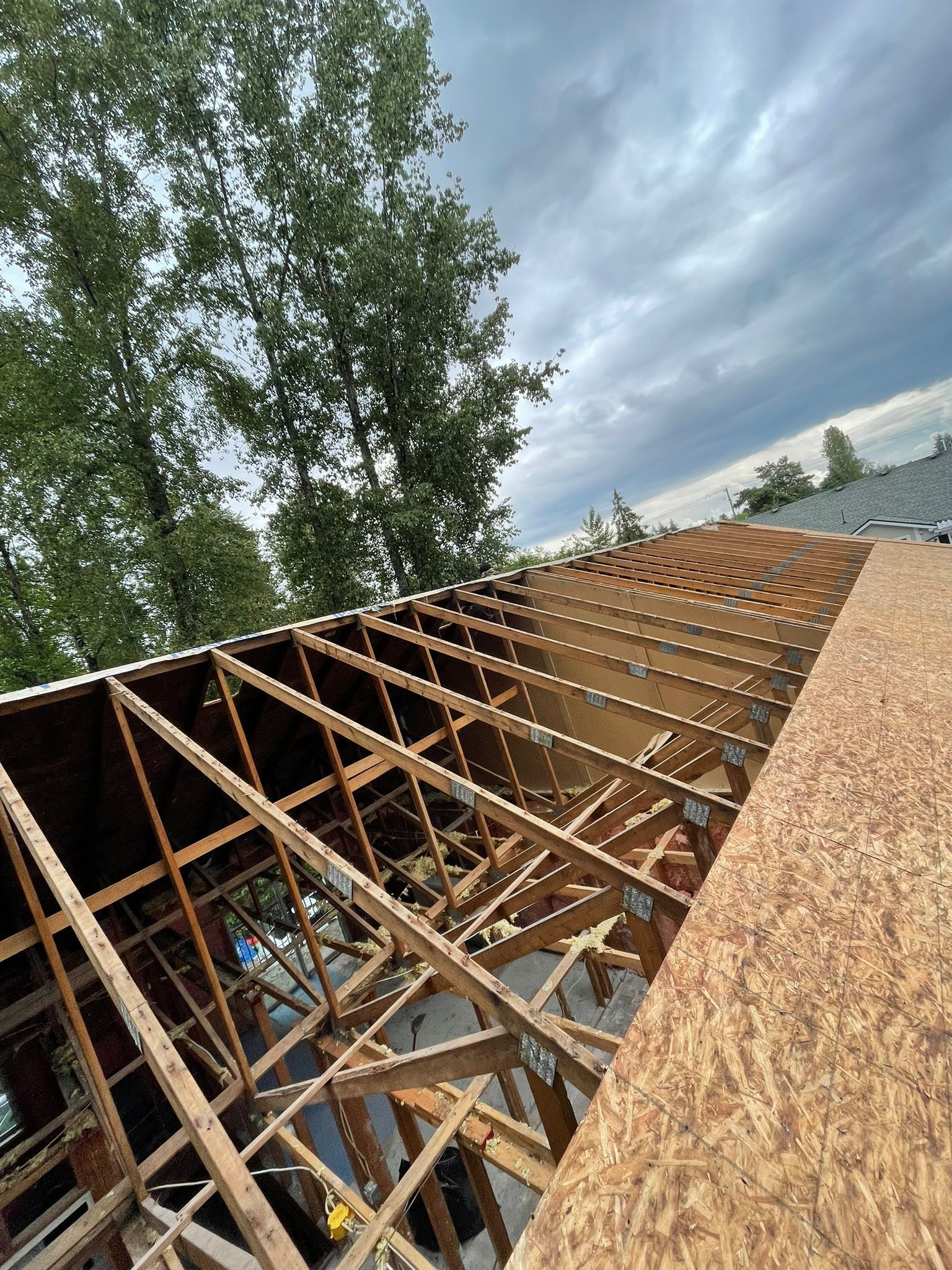
The system works best for handling big construction projects which include metal roofing installations and flat roof construction and complicated building designs.
Fall (October–November): Underrated sweet spot
Why fall is powerful
- The teams must complete their tasks before winter begins.
- Demand tapers slightly
- The system maintains operational temperatures.
Pros
- Possible scheduling advantages
- Often strong workmanship focus
- The labor process operates at higher efficiency when the temperature drops.
Cons
- Increasing rain
- Shorter daylight
- The present project conditions indicate that weather-related conditions will likely lead to project delays.
The system operates best when users need to install asphalt shingles and when they require immediate replacement of their roof or when they need to perform critical dry season maintenance.
Winter (December–February): Not ideal, but very doable
People find this unexpected because Vancouver residents perform roof replacements throughout the entire winter season.
When winter makes sense
- Active leaks
- Failed roof
- Insurance claims
- The situation demands right away waterproofing solutions for buildings which have flat roofs.
Pros
- More scheduling availability
- Sometimes better pricing
- Emergency work prioritized
Cons
- Rain management required
- Slower installs
- More temporary waterproofing
- The disposal process needs special treatment for particular materials which include specific types of shingles.
The solution works best for situations which include emergency responses and flat roof maintenance and immediate leak repair needs.
Material-specific timing (important)
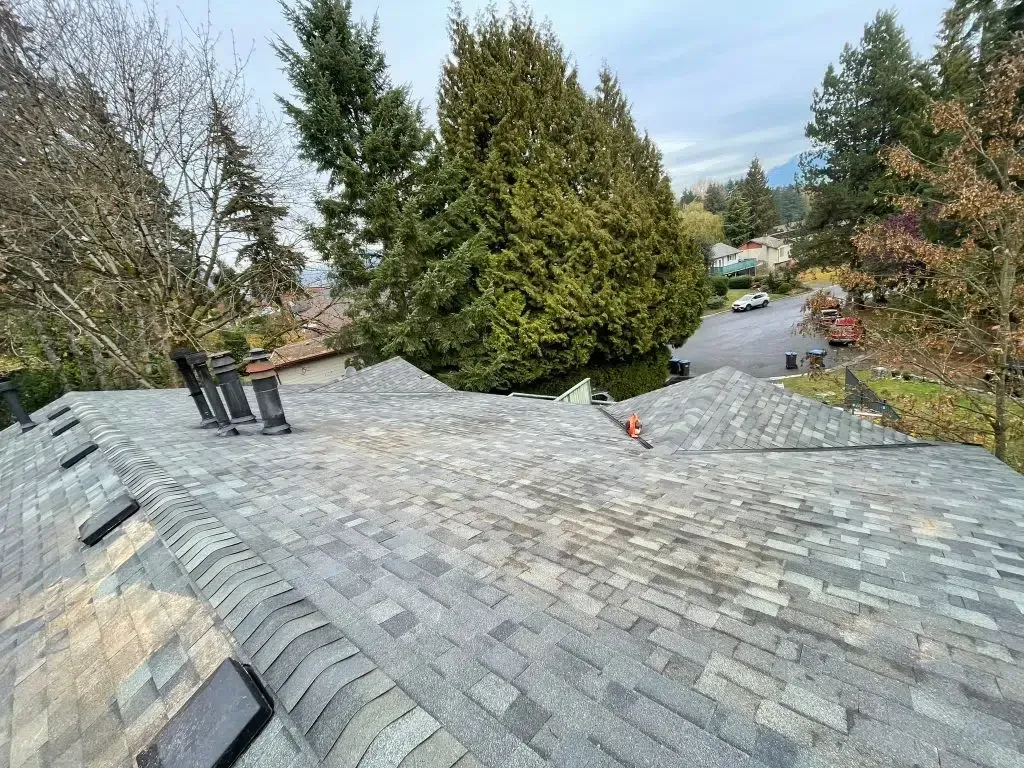
Asphalt shingles
Best: Spring–Fall
Can be done in winter with care, but warmer = better sealing.
Standing seam metal
Best: Spring–Fall
Can be done in winter, but dry windows matter.
Flat roofs (torch-on, SBS, TPO)
Best: Late spring through early fall
The success of adhesion and extended operation depends on dry substrate material.
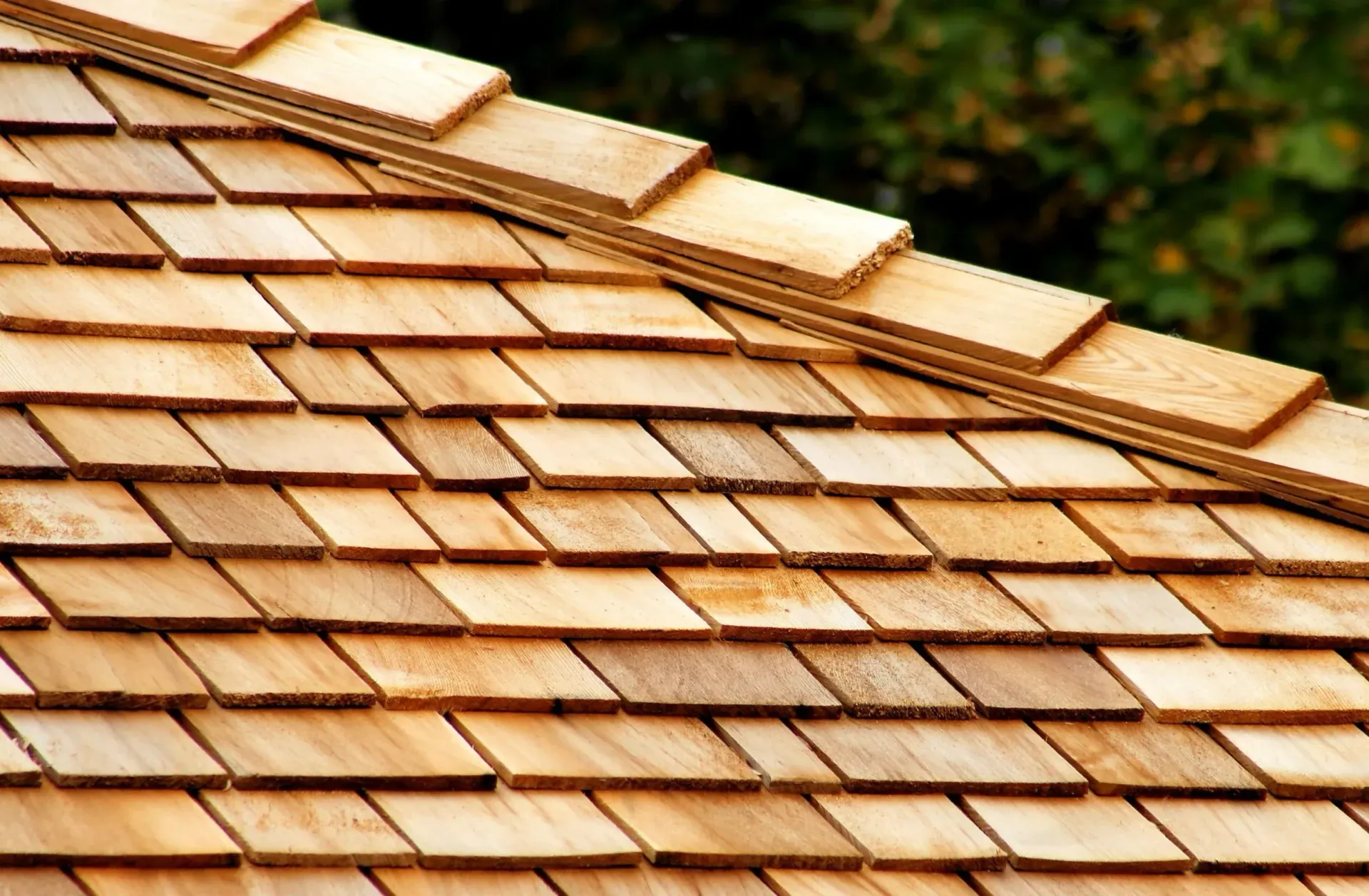
Cedar, synthetic slate, specialty systems
Best: Dry season
The operations need manual labor at a large scale because they require weather conditions to
remain stable.
Real roofer advice (not generic)
The optimal moment for roof maintenance occurs before your roof experiences a complete collapse.
Waiting for “perfect timing” often means:
- Emergency work
- Interior damage
- Higher stress
- Fewer options
The Vancouver climate requires homeowners to replace their roofs at the end of their service life because waiting for weather conditions to determine the replacement time is not practical.
Best strategy for homeowners
If you want the smartest balance:
- The book emerges during the time period which spans from late winter until early spring.
- The installation process needs to occur during springtime or when summer starts.
This gives you:
- ✔ Better scheduling
- ✔ Less panic
- ✔ More choice
- ✔ The system will face lower chances of water leaks during the upcoming winter season.
Bottom line
The best time to visit is during May through September.
March–April and October–November are very good.
Winter is acceptable when needed.
If you want, tell me:
- Roof type
- Material
- Whether you’re leaking
- City (Surrey, Vancouver, Langley, etc.)
The evaluation process will determine if you should delay your work or if you must begin right away to stop water from causing damage.
Our Roofing Blog
Have more questions about roofing?
Check out our FAQs or give us a call today to speak to an expert roofer in Vancouver Lower Mainland, BC. We're here to help our neighbours make educated decisions about their roof. For our team, we value helping clients save money while making their roofs last.