Plan the roof work around the building it protects.
Paragon Roofing BC provides commercial roof installation, replacement, repair and maintenance in Burnaby. We help building owners, property managers and strata councils assess the roof concern and define the work needed.
Flat roofs, membrane systems and adjoining roof details. Discuss your building, access and current availability.
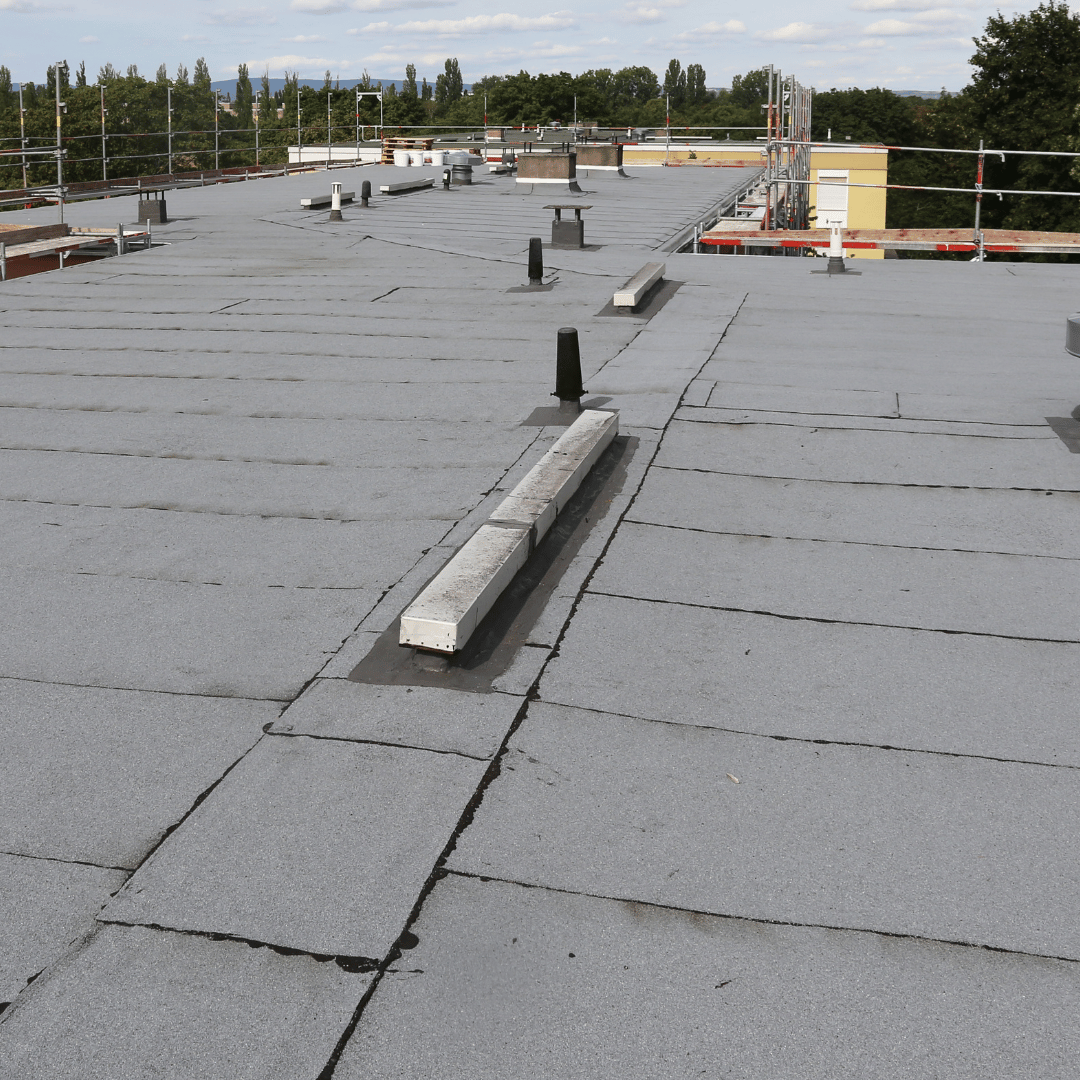
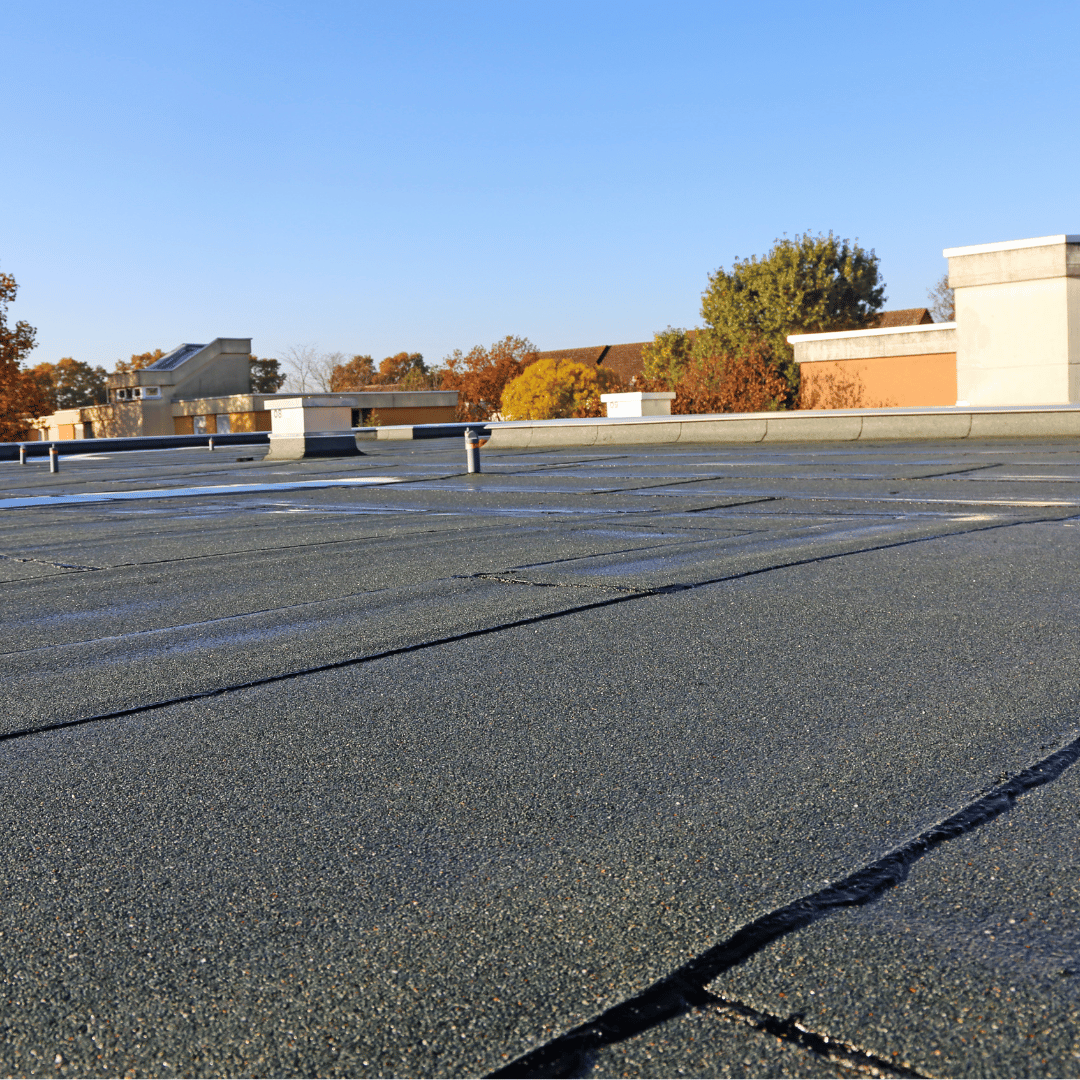
A commercial roof assessment considers the field membrane, equipment details and drainage routes together.
START WITH THE BUILDING
Tell us what your property needs
Share the Burnaby address, building use, roof material if known and the reason for the request. For a leak, note when it appears, the area affected and any earlier repairs. Include roof access arrangements and the person authorized to discuss the work.
Thank you for contacting us. We will get back to you as soon as possible.
Oops, there was an error sending your message. Please try again later.
MATCH THE WORK TO THE CONDITION
Does the commercial roof need repair or replacement?
A leak does not automatically mean the whole roof needs replacement. A sound decision starts with the membrane, underlying layers, drainage and history of the problem. Water may travel before it appears inside, so the ceiling stain alone does not locate the roof defect.
On a small screen, scroll the table sideways.
Work option
When to consider it
What the assessment should clarify
Targeted repair
A defined leak or damaged area with serviceable surrounding roofing.
Entry point, compatible repair materials, adjacent flashing and whether concealed moisture extends beyond the visible defect.
Maintenance
An existing roof needs condition checks, outlet cleaning or attention to developing defects.
Safe access, seams and flashings, drainage routes, equipment traffic and a record of findings and repairs.
Recover
A compatible new assembly may be installed over suitable existing layers.
Moisture, deck condition, attachment, loading, existing layers and drainage. A recover is not appropriate for every roof.
Removal and replacement
Widespread deterioration, trapped moisture or unsuitable layers require access below the surface.
Keep people and equipment away from the affected area and call to discuss the leak and current availability. Weather, access and site conditions determine what can safely be done. Ask whether the next step is temporary protection, investigation or a permanent repair.
COMPARE COMPLETE ASSEMBLIES
Which commercial roofing system suits the property?
The membrane is one part of the roof. Deck condition, insulation, attachment, roof use and the connections at walls and equipment affect the choice. Compare the proposed assembly and its installation details, rather than choosing by a material name alone.
On a small screen, scroll the table sideways.
System
How it works
Planning considerations
SBS modified bitumen
A reinforced asphalt membrane assembly, commonly using a base sheet and a cap sheet. Application methods depend on the specified products.
Base and cap compatibility, substrate preparation, installation method, flashing and fire prevention arrangements where heat is used.
TPO
A single ply thermoplastic membrane with hot air welded seams. The specified attachment secures the assembly to the roof structure.
Weld access, wind attachment, compatible accessories, insulation and protection along equipment service routes.
EPDM
A synthetic rubber membrane using system specific seam tapes, adhesives and flashing components.
Substrate compatibility, seam preparation, penetrations, attachment and suitable protection where regular access is needed.
Ask for named membrane products, their attachment method and the layers beneath them. A reflective surface does not guarantee energy savings, and no membrane has one guaranteed lifespan across every building. Product coverage and workmanship coverage need their own written terms.
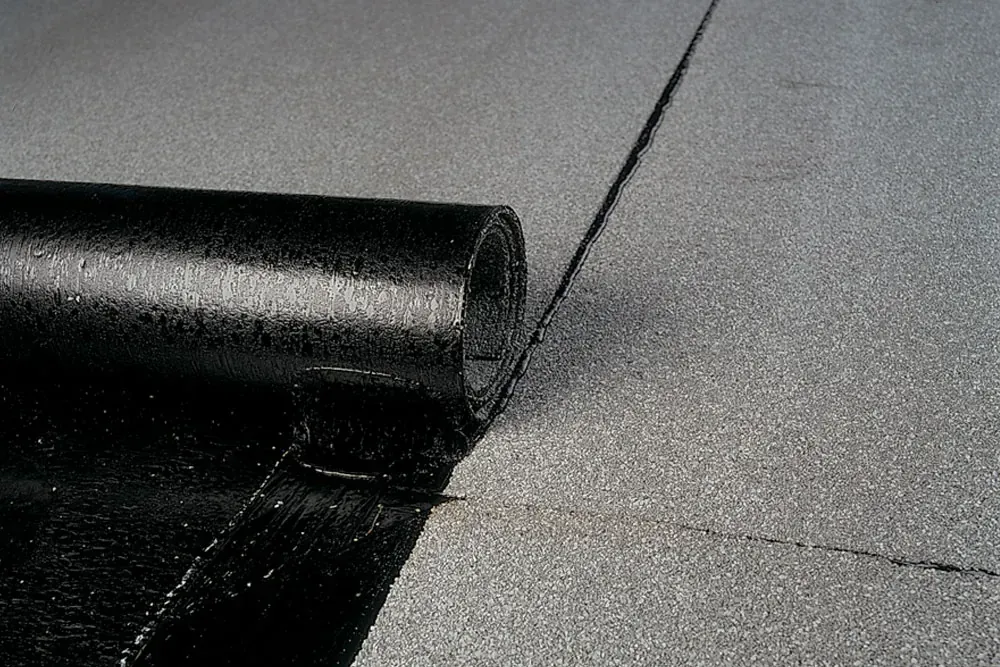
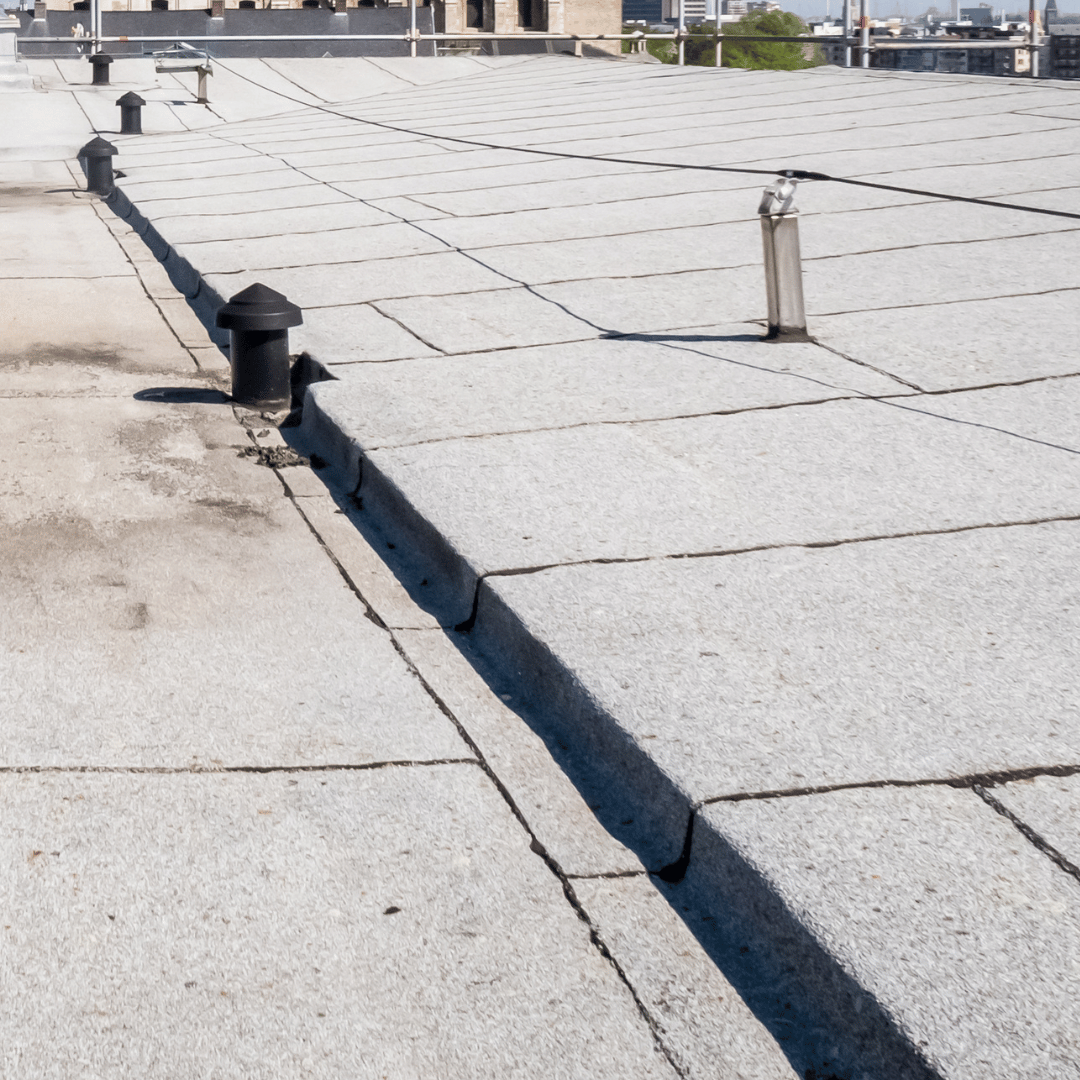
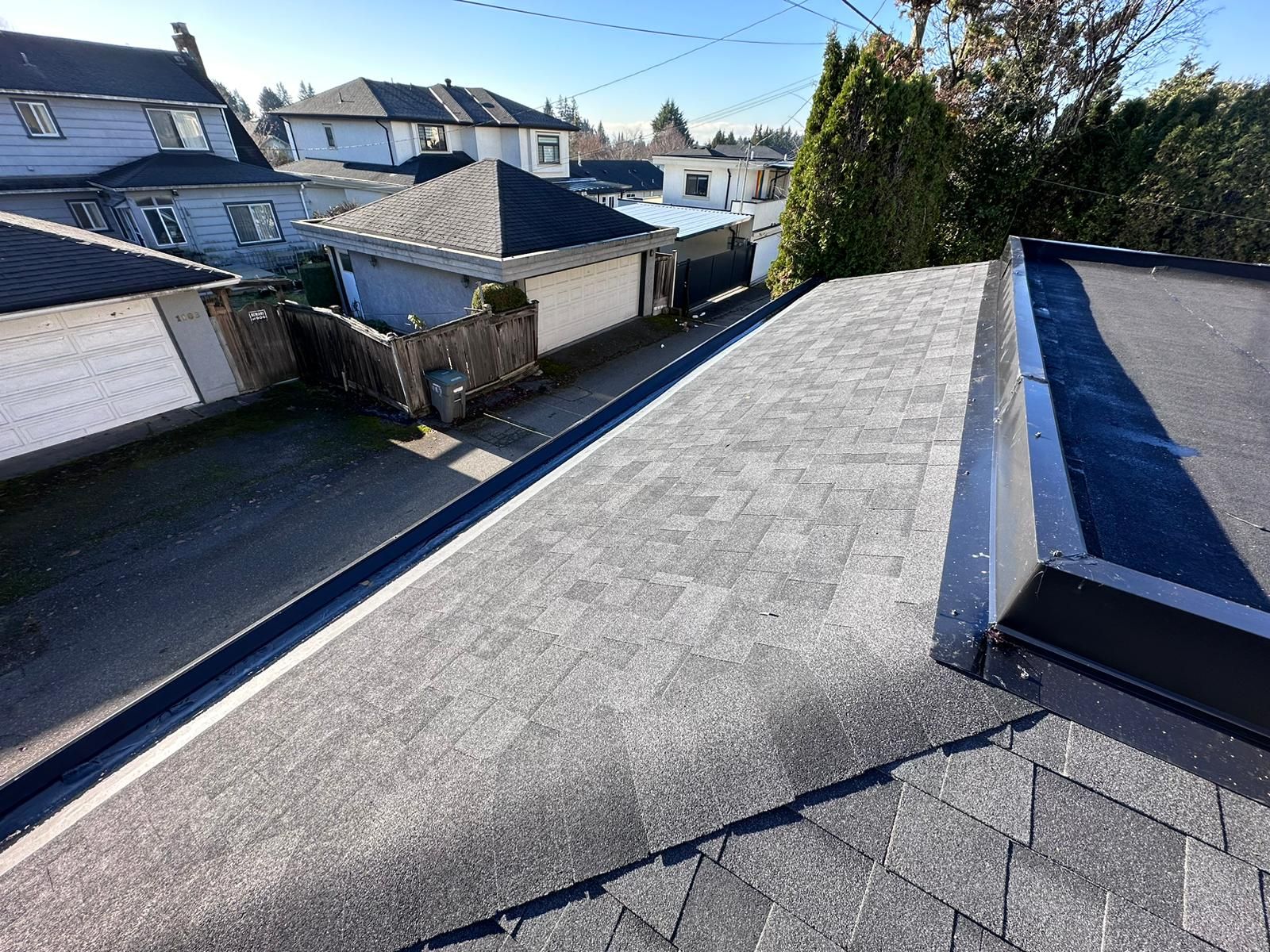
Membrane seams and penetrations are separate details within the same weather protection system.An SBS cap sheet provides the exposed surface of an appropriate layered assembly.Upstands and penetrations need compatible flashing and room for inspection.
RAIN, EDGES AND ROOF ACCESS
Details that matter through Burnaby weather
Drainage and low areas
Persistent standing water needs investigation. Check debris, outlets, roof shape and underlying movement. Tapered insulation or crickets may help direct water where the design supports them. Drain capacity and overflow arrangements must work with the complete roof.
Parapets and wall junctions
Wind driven rain can expose weaknesses at roof edges, metal caps and wall transitions. Inspect membrane upstands, terminations and adjoining cladding. Replacing the field membrane alone may leave an unresolved leak at another assembly.
Equipment and penetrations
Curbs, pipes, vents and roof hatches interrupt the membrane. Review their flashing and the routes used by service trades. Equipment removal, reconnection or changes to supports may need a separate trade and an agreed scope.
Mixed roof areas
Some properties combine low slope membranes with shingles or metal roofing. Each surface needs an appropriate pitch, underlay and flashing detail. The junction between systems deserves the same attention as the main roof area.
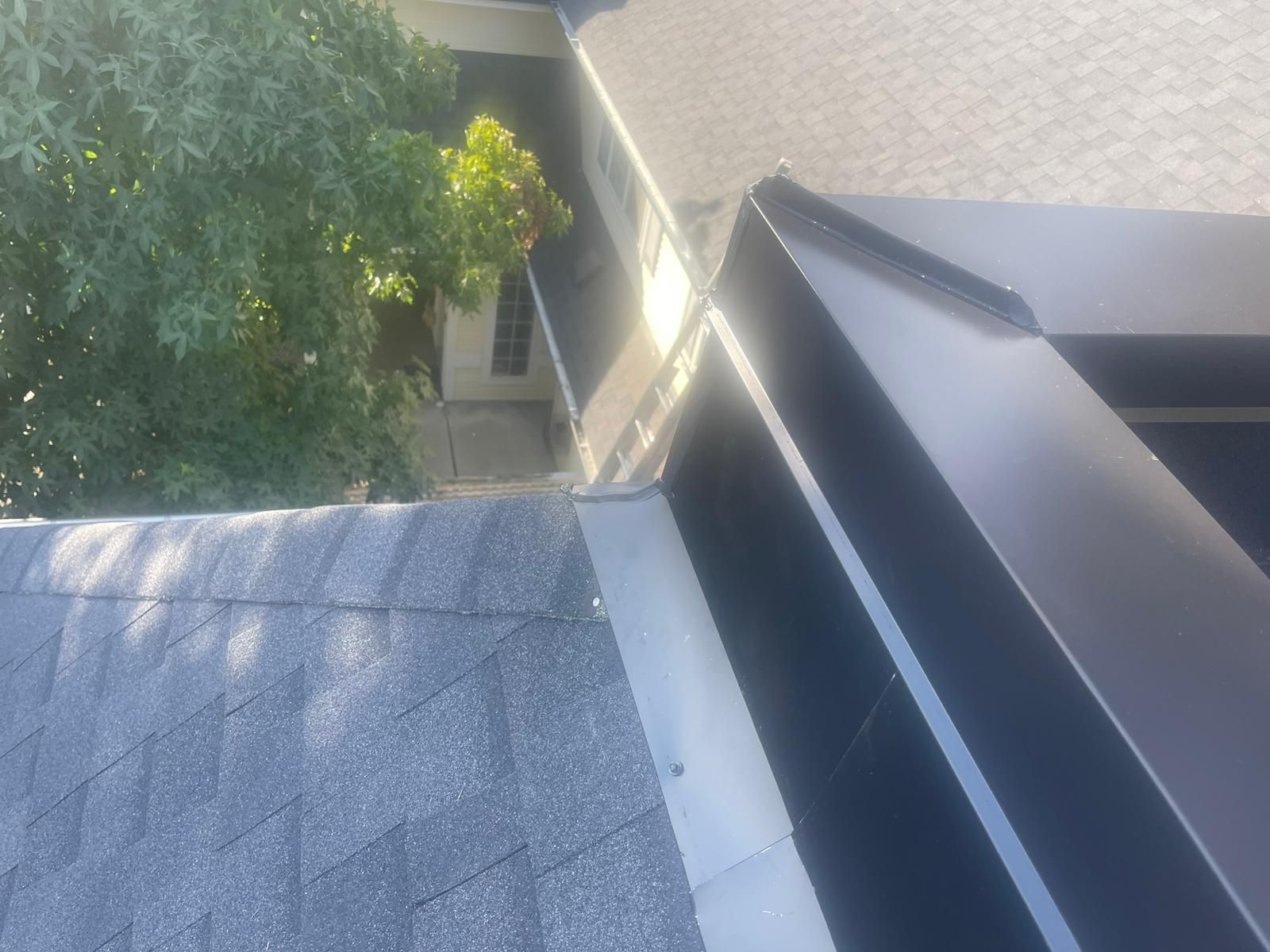
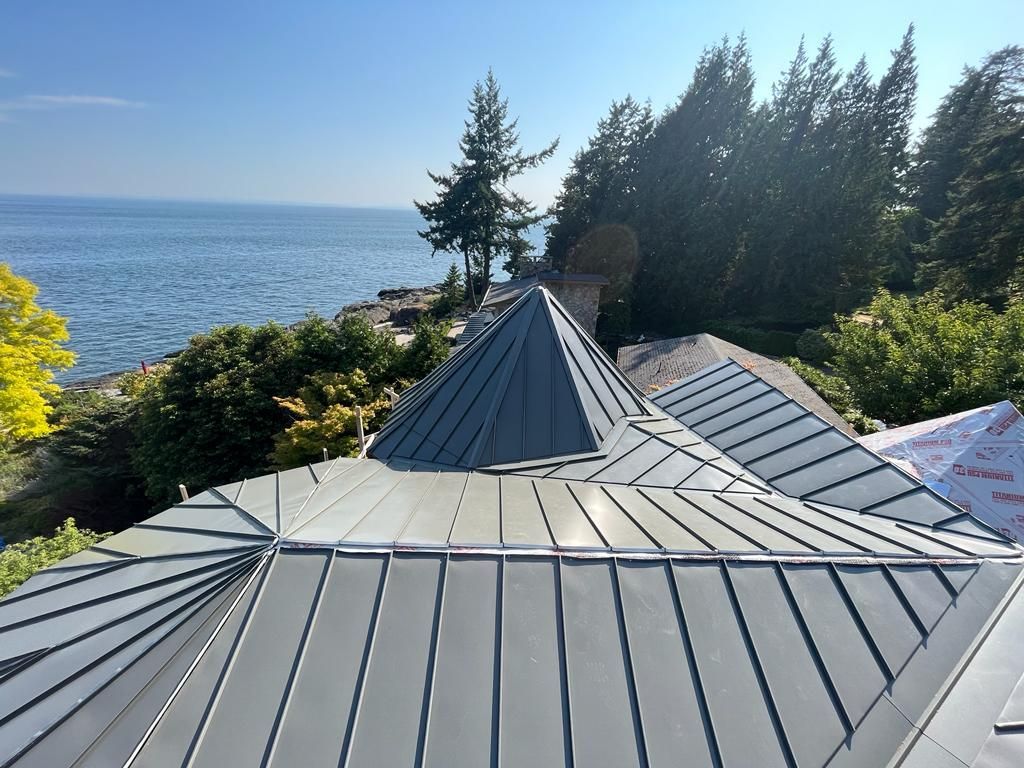
A transition between slopes needs a clear route for water and a compatible edge detail.Flashing connects different roof surfaces and protects vulnerable junctions.On a pitched metal roof, intersections, valleys and penetrations influence the scope.
OCCUPIED BUILDINGS AND STRATA
Plan access, approvals and disruption before work starts
Warehouses and industrial properties
Identify delivery routes, loading areas, stock storage and equipment that must remain accessible. Discuss where materials and disposal bins can go, and whether roof openings or lifting operations affect activity below.
Retail and office buildings
Review tenant hours, customer entrances, ventilation intakes and noise sensitive areas. Agree on notices and access restrictions. A phased sequence may be possible, but uninterrupted operation should never be assumed.
Strata and mixed use properties
Confirm who approves the scope and changes, how occupants receive notices and which roof areas are included. Keep roof condition findings alongside planning records. See Burnaby strata roofing
and our Burnaby strata roofing guide.
Local access and approvals
A constrained Metrotown site and a building with a large service yard can need different delivery and staging arrangements. Confirm City of Burnaby permit requirements for the actual scope, particularly structural changes, new openings or exterior alterations.
The Metrotown roofing guide
provides more local planning context. Roof use, access and the building itself should drive the proposal.
Installation and fire prevention
Before work involving heat, confirm the installation method, protection of combustible areas, fire watch arrangements and access for inspection. These controls depend on the site and specified system. They are part of project planning, not a reason to assume every membrane can be installed the same way.
FROM CONDITION CHECK TO CLOSEOUT
What should the commercial roofing process include?
Review the roof and records
Share leak history, earlier repairs, available drawings and known roof layers. The assessment should distinguish visible findings from conditions that need further investigation before a firm scope can be set.
Agree on a written scope
Identify work areas, removal or recover limits, named products, insulation, flashing and drainage work. Clarify exclusions and how concealed deck damage or additional work will be priced and approved.
Coordinate the sequence
Discuss weather windows, deliveries, temporary protection, building access and other trades. Confirm who communicates with occupants and who can authorize changes while the work is underway.
Review completion and care
Check the completed scope, cleanup, remaining items and applicable written warranty terms. Retain product information, photos and completion records for future maintenance and property management.
What affects the price?
Area is only one factor. Height, access, existing layers, disposal, wet insulation, deck repairs, drains, parapets and equipment details can change the cost. Compare estimates against the same work limits and ask which items are allowances. A square foot figure without those details is a weak basis for a budget.
PRACTICAL ANSWERS
Commercial roofing questions, answered
Who provides commercial roofing in Burnaby?
Paragon Roofing BC provides commercial roof installation, replacement, repair and maintenance in Burnaby. Call 604 358 3436 or send an estimate request with the property address, building use, roof concern and access information.
Can a leaking commercial roof be repaired?
A defined defect may be repairable when the surrounding membrane and underlying layers remain serviceable. The assessment should identify the entry point, compatible repair materials and any wider moisture damage before choosing a patch, recover or replacement.
Which membrane is best for a Burnaby commercial roof?
There is no single best membrane for every building. Compare SBS modified bitumen, TPO or EPDM as complete assemblies, including the deck, attachment, insulation, drainage, flashing and expected roof access.
Can tenants stay in the building during roofing work?
That depends on the work, occupancy and site conditions. Discuss noise, ventilation intakes, entrances, protection and restricted areas before agreeing on the schedule. Phasing may help, but continuous operation must be assessed for the specific project.
What should a commercial roofing estimate include?
Ask for work limits, removal or recover areas, specified roof products, insulation, flashing, drainage work, access arrangements, exclusions, cleanup and written warranty terms. Confirm how allowances and concealed damage will be handled.
How should strata councils prepare for roof work?
Gather the roof history, previous reports and available drawings. Confirm the decision maker, approval process, access arrangements and occupant communication plan. Make sure the proposal identifies the roof areas included and who can approve changes.
How often should a commercial roof be maintained?
Set an inspection and cleaning schedule around the roof system, exposure, nearby trees, equipment traffic and warranty conditions. Keep outlets clear through safe professional access and record leaks, damage and completed repairs. Further checks may be needed after significant weather.
What warranty applies to commercial roofing?
Confirm the written terms for the actual products and work before accepting a proposal. Manufacturer coverage and workmanship coverage are different and may include conditions or exclusions. Do not assume a single warranty period applies to every repair or roof system.
Tell us whether you need help with a current leak, planned replacement, new installation or maintenance. Share the building location, access constraints and your preferred timing so we can discuss the next step.