Repairs, replacement, installation and roof care for commercial and strata properties.
Paragon Roofing BC helps owners and property managers define the work their roof needs. Tell us about the existing roof, the problem and how the building operates. We can discuss an assessment and a written scope for the next step.
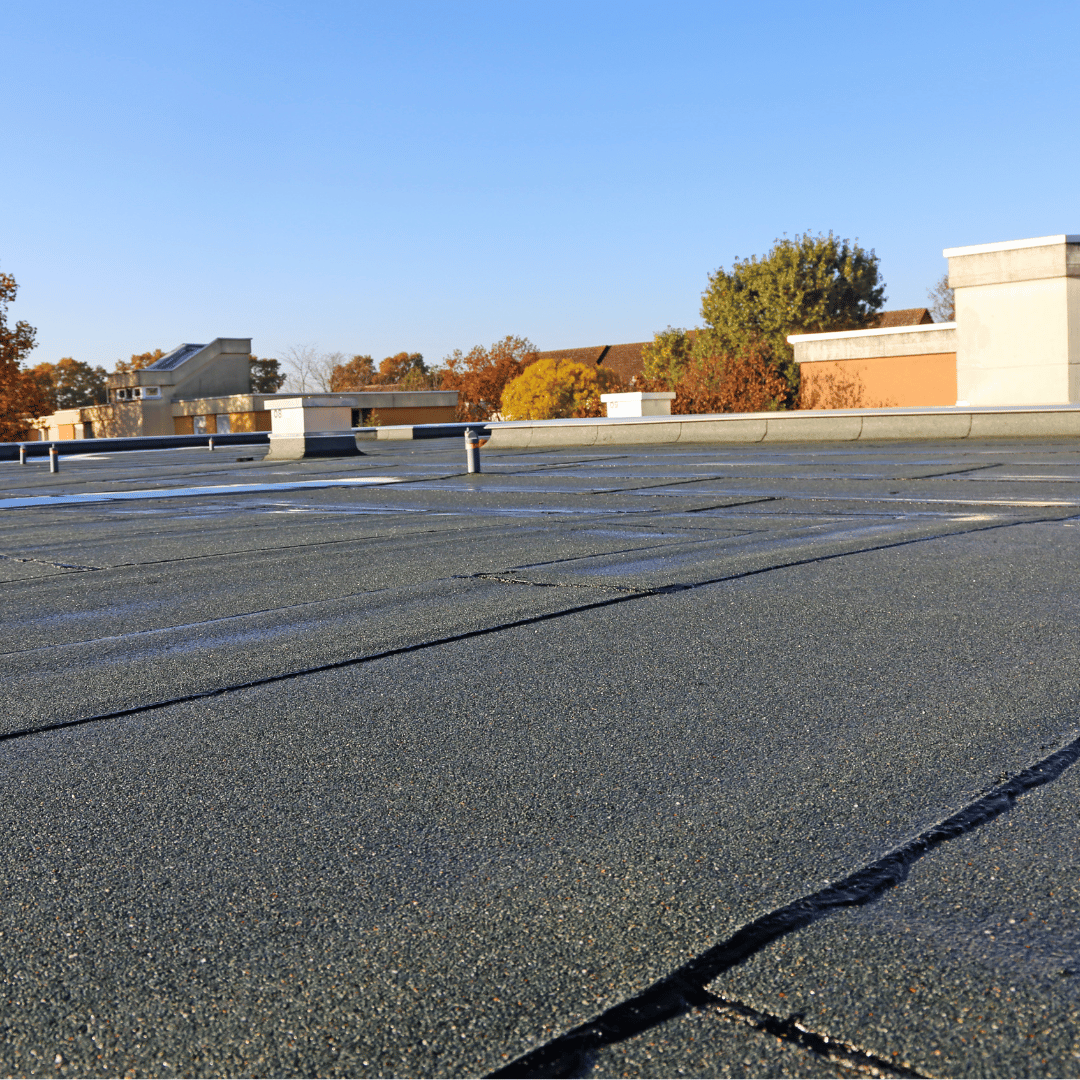
A commercial roof is an assembly of surfaces, edges, openings and drainage details. Each belongs in the assessment.
START WITH THE WORK YOU NEED
Commercial roof services
Installation and replacement
For a new roof, coordinate the roofing assembly with the building design and other trades. For a replacement, establish which areas are being removed, what supporting materials can remain and how new work meets adjoining roof sections.
Commercial roof repairs and maintenance start with understanding the roof system, the reported problem and how your building is used. An assessment can identify visible membrane damage, open seams, flashing concerns and drainage obstructions, while noting conditions that need further investigation. We prepare a written scope for targeted repairs or planned maintenance, including access arrangements, exclusions and any follow up recommendations.
For strata councils, commercial owners and managers, a useful starting point is the property location, roof history, access arrangements and decision maker. Discuss the proposed work and building requirements before assuming a particular system or schedule is suitable.
TELL US ABOUT THE PROPERTY
Request a commercial roofing assessment
Include the building location, roof type if known, areas affected, leak history and the work you are considering. Existing drawings, inspection reports and photographs can help explain the concern.
Use the form below or call 604 358 3436
to discuss scope and current availability.
Paragon Commercial #1
Thank you for contacting us. We will get back to you as soon as possible.
Oops, there was an error sending your message. Please try again later.
LOOK BEYOND THE CEILING STAIN
Should a commercial roof be repaired or replaced?
A leak does not automatically mean the whole roof needs replacing. The entry point, surrounding membrane, supporting materials and drainage need assessment. Water can travel within the assembly before it appears indoors.
Swipe to compare all columns on smaller screens.
Repair, maintenance or replacement
Situation
What to investigate
Possible next step
An isolated leak
A seam, flashing, curb or penetration near the reported area, plus the condition around it.
A compatible targeted repair when the surrounding assembly remains serviceable.
Recurring ponding or overflow
Drainage obstructions, low areas and the route to drains and overflows.
Cleaning, a drainage assessment or corrective work appropriate to the cause.
Repeated leaks across several areas
Previous repairs, membrane condition, concealed moisture and the supporting deck.
Compare further investigation and repair with a defined replacement scope.
A planned equipment change or renovation
New penetrations, access routes, loads and connections to existing roofing.
Coordinate roof details with the relevant designer and trades before work starts.
Age is one piece of the history, not a diagnosis. A visual inspection cannot confirm every concealed condition. Ask which findings are established, which remain uncertain and whether further investigation is needed before choosing the scope.
MATCH THE ASSEMBLY TO THE BUILDING
Understanding commercial roof systems
The existing roof, measured slope, deck, drainage, rooftop activity and project requirements guide system selection. The following comparison explains common options to discuss. Confirm the proposed product and installation scope for your property in writing.
Swipe to compare all columns on smaller screens.
Commercial roofing systems compared
System
What distinguishes it
Details to confirm
SBS modified bitumen
Reinforced bituminous sheets, commonly arranged as a base and cap layer on low slope roofs. Torch application is one method, not the only method.
Compatible layers, attachment, flashings and the installation method appropriate to the site.
TPO or PVC
Single ply thermoplastic membranes with heat welded seams. They are different materials and require their own compatible accessories.
Membrane specification, seam checks, attachment and treatment of curbs and penetrations.
EPDM
A synthetic rubber membrane with system specific seam and flashing materials. It is different from torch applied modified bitumen.
Approved adhesives or seam tapes, compatible repairs and the specified attachment method.
Built up roofing
Multiple reinforcing layers combined with bitumen, with surfacing that varies by assembly. Existing gravel can conceal the membrane below.
Existing layers and condition, investigation limits, removal scope and suitability of any proposed repair.
Metal and asphalt shingles
Options for suitable sloped roof areas. Minimum pitch and details depend on the actual product.
Roof slope, underlayment, flashings, ventilation where applicable and connections to low slope areas.
Modern asphalt shingles commonly use a fibreglass reinforcing mat. Asphalt and fibreglass are not automatically separate competing roof systems. Likewise, choosing a reflective membrane does not by itself establish a building energy saving.
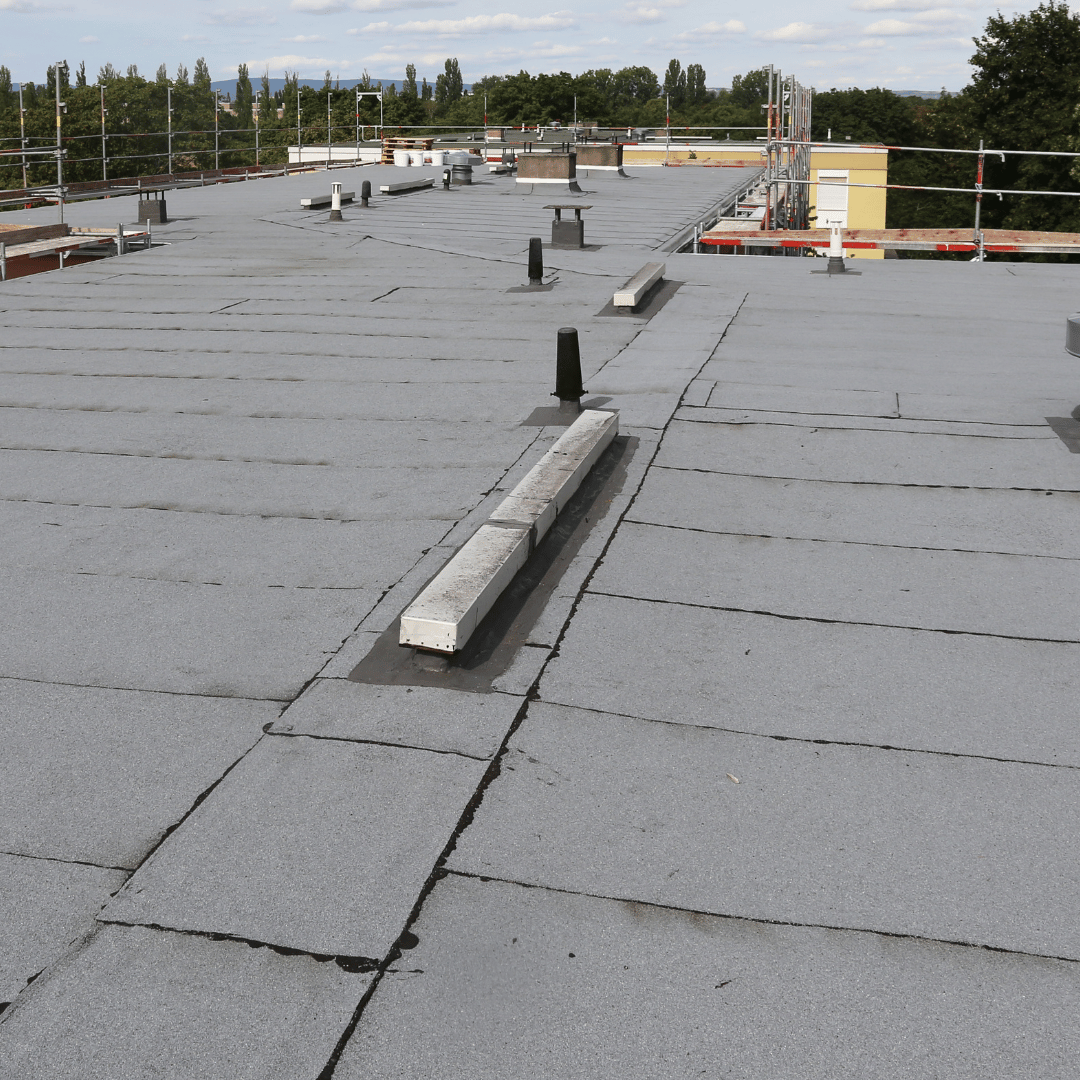
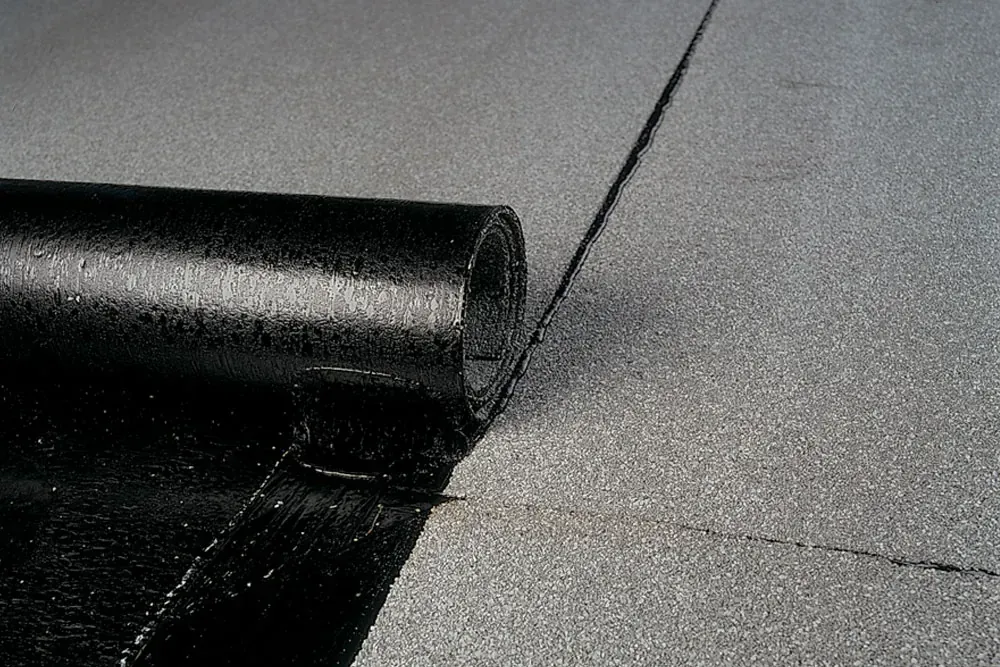
Roof openings and supports interrupt the field membrane. Include their flashing and access needs in the scope.Sheet material is one part of the system. Preparation, compatible layers and the completed seams also matter.
PLAN AROUND THE PEOPLE BELOW
Working on an occupied building
Many commercial roofing projects need to be planned around tenants, staff, residents and deliveries. Whether a building can remain open depends on the work, access, safe separation and its particular operations. Agree the arrangements before the start date.
Access and staging
Identify delivery and lifting areas, material storage, waste removal and protected pedestrian routes. Keep entrances and exits in the plan. Confirm who can authorize changes when access conditions differ from the assessment.
Noise, odour and equipment
Discuss sensitive operations, air intakes and rooftop equipment. Coordinate any required isolation or equipment work with the appropriate trade. The chosen installation method affects site planning.
Weather and temporary protection
Agree work areas, sequencing and temporary weather protection while the roof is open. Rain and safe working conditions can change the programme. A proposed schedule should explain those dependencies.
Communication and cleanup
Name the site contact, notice process and approval authority. Set expectations for progress updates, daily housekeeping, inspections and the final review. Strata projects also need a clear route for resident questions.
KEEP A USEFUL ROOF RECORD
What should an inspection and maintenance scope cover?
A practical scope identifies the roof areas, safe access, inspection limits and the items to review. These may include membrane seams, flashings, roof edges, drains, scuppers, overflows and equipment curbs. Past repair locations and reported indoor leaks help focus the assessment.
Ask for findings to distinguish routine care, defects requiring repair and conditions needing further investigation. Photographs, marked locations and a record of completed work help managers compare changes over time and plan budgets.
Confirm the inspection frequency, report format and any follow up visits for your building. A maintenance discussion is not automatically a fixed service contract or a promise that future leaks cannot occur.
Metro Vancouver and Fraser Valley buildings face long wet periods. Review drains, scuppers, overflows, perimeter details and low areas together. Replacing the surface alone may leave an underlying drainage problem unresolved.
Insulation and moisture
Wet insulation or a deteriorated deck can change the repair or replacement scope. Review the existing assembly, air leakage and moisture conditions. Ventilation requirements differ between roof assemblies.
Penetrations and traffic
Vents, pipes, skylights and equipment supports need compatible flashing details. Coordinate maintenance access so repeated service visits do not damage the roof covering.
Edges and transitions
Roof edges, parapets and changes from a sloped roof to a low slope area deserve particular attention. The detail must account for the adjoining materials and the route water follows.
LOOK UNDER THE COVERING
Why the supporting condition matters
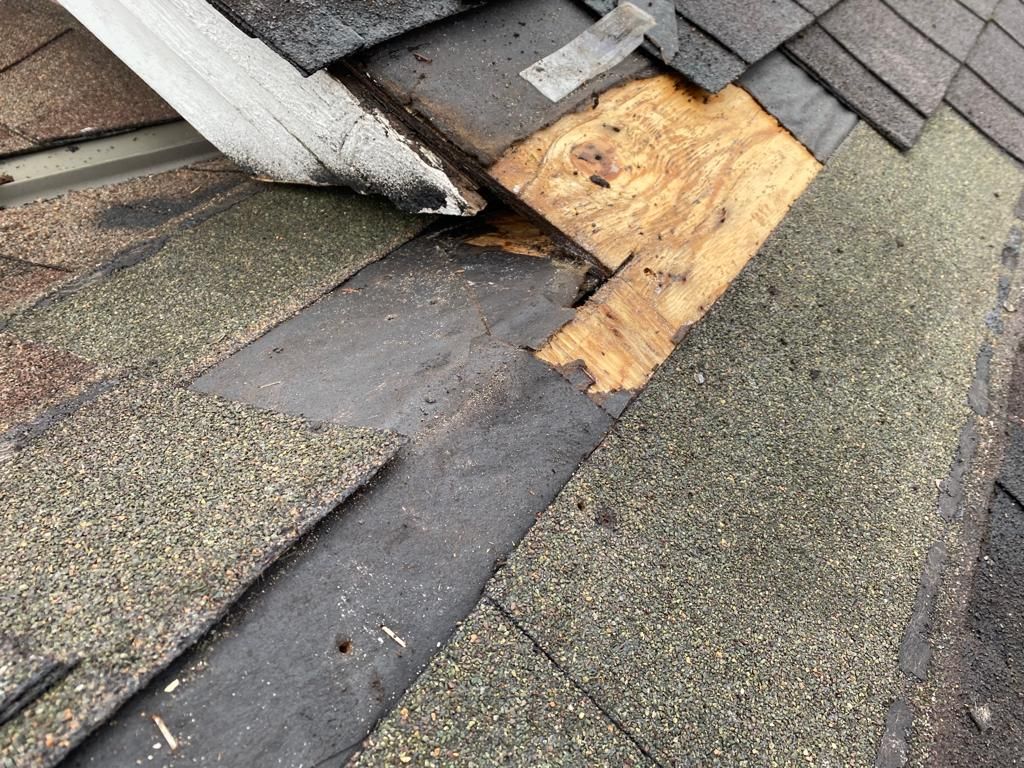
Damage below a roof edge can change the work needed. Agree how concealed repairs are documented and approved.A roof junction brings several layers together. A surface patch alone may not address the underlying detail.
These photographs illustrate conditions and roof details to discuss. The scope for your building follows its own assessment.
BEFORE REMOVAL STARTS
Hazardous materials and older buildings
Roofing felt and some other older building materials can contain asbestos. Appearance alone cannot establish whether a material contains it. Before renovation or removal work that may disturb hazardous materials, arrange the required assessment by a qualified person and make the findings available to the project team.
Identified hazardous materials must be safely contained or removed, with the required written confirmation, before work that would disturb them proceeds. Asbestos abatement requires appropriately licensed and certified specialists. Confirm responsibility for surveys, any abatement and the roofing sequence before tear off begins.
Ask the local permit authority about the proposed work and required documents. Permit needs depend on the municipality and scope. Include any assessment or specialist work in the budget and programme.
FROM ENQUIRY TO HANDOVER
A clear process for the roofing work
Describe the concern
Share the property location, current roof, leak history and operational constraints. Identify the owner or manager responsible for decisions.
Assess the accessible conditions
Review roof areas and visible details, record limitations and identify any further investigation or design input needed.
Compare the written scope
Set out materials, preparation, details, access, exclusions and how additional work will be priced and approved.
Plan the site and sequence
Agree access, occupant communication, protection, deliveries and coordination with other trades. Allow for weather dependencies.
Complete the agreed work
Follow the specified assembly and compatible detail requirements. Record changes to the scope and obtain the agreed approvals.
Review and keep the records
Compare completed work with the proposal. Discuss remaining items, care requirements, photographs and applicable written warranty terms.
COMPARE THE WHOLE SCOPE
What affects commercial roofing cost?
A useful estimate depends on the building and the actual work. A price per square foot cannot explain every removal layer, penetration or access constraint.
Swipe to compare all columns on smaller screens.
Items to compare in a commercial roofing proposal
Scope item
Why it matters
Question for the proposal
Roof area and geometry
Multiple levels, edges and openings change the amount of detail work.
Which roof sections and adjoining interfaces are included?
Removal and supporting condition
Existing layers, disposal, damaged decking and wet insulation affect preparation.
What is allowed for, and how are concealed conditions approved?
System and drainage
Membrane specification, attachment, insulation and drainage changes affect the assembly.
Are the competing proposals describing equivalent work?
Access and occupied areas
Lifting, staging, protection and work hours affect the sequence.
What must the owner arrange before work starts?
Specialist work and documentation
Hazardous materials assessment, design input, permits and equipment trades may be separate.
Who provides each item, and what is excluded?
Keep product warranty terms and workmanship terms distinct. Request the applicable written coverage, conditions and exclusions. Confirm payment stages, change approvals and completion documents before authorizing the work.
Paragon Roofing BC serves Metro Vancouver and the Fraser Valley. Use the existing city service pages for local enquiries, or share your exact property location through the regional form.
Who can I contact for commercial roofing in Metro Vancouver?
Paragon Roofing BC provides commercial roof installation, replacement, repair and maintenance services across Metro Vancouver and the Fraser Valley. Share the building location, roof type and concern to discuss an assessment and a written scope.
Can roofing work happen while our building stays open?
Often it can, depending on the work and the building. Access, pedestrian protection, noise, odour, air intakes and sensitive operations need a site specific plan. Agree those arrangements before work begins.
Does a leak mean we need a complete replacement?
No. An isolated defect may be repairable when the surrounding assembly is serviceable. Repeated leaks, widespread deterioration or concealed moisture may justify further investigation and a comparison with replacement.
What should a commercial roof inspection include?
Agree the areas and inspection limits. A useful assessment reviews accessible roofing, seams, flashings, drainage and penetrations, relates findings to reported problems, and records repair priorities and any further investigation needed.
Which membrane is best for our building?
There is no universal answer. Compare the existing assembly, slope, drainage, access, rooftop use and project requirements. Confirm the exact system and compatible details proposed for your property.
Do you work with strata councils and property managers?
Yes. Identify the management contact, buildings included, approval process and occupant communication needs. Existing reports and repair records help establish the assessment and proposed work.
Does an older roof need an asbestos check?
Potential hazardous materials need assessment before work that could disturb them. Some roofing materials can contain asbestos, and a visual check alone is not enough. Confirm the survey, specialist work and required records before removal begins.
Is a permit needed for commercial reroofing?
Requirements depend on the municipality and proposed changes. Ask the local authority about the actual scope, including structural, drainage or assembly changes, and agree who is responsible for the required documents.
What records should we keep after roofing work?
Keep the agreed scope, approved changes, relevant photographs, completion information, care instructions and applicable written warranties. Agree the required handover documents when comparing proposals.
What should we do about an active roof leak?
Report the location, timing and any recent roof or equipment work. Keep people away from unsafe areas and arrange qualified help where water affects electrical equipment. Call to discuss assessment and current availability. Do not climb onto the roof to investigate.
Whether the concern is an active leak, planned maintenance or a future replacement, start with the property and the work you need assessed. Include known access restrictions and the contact responsible for the project.