
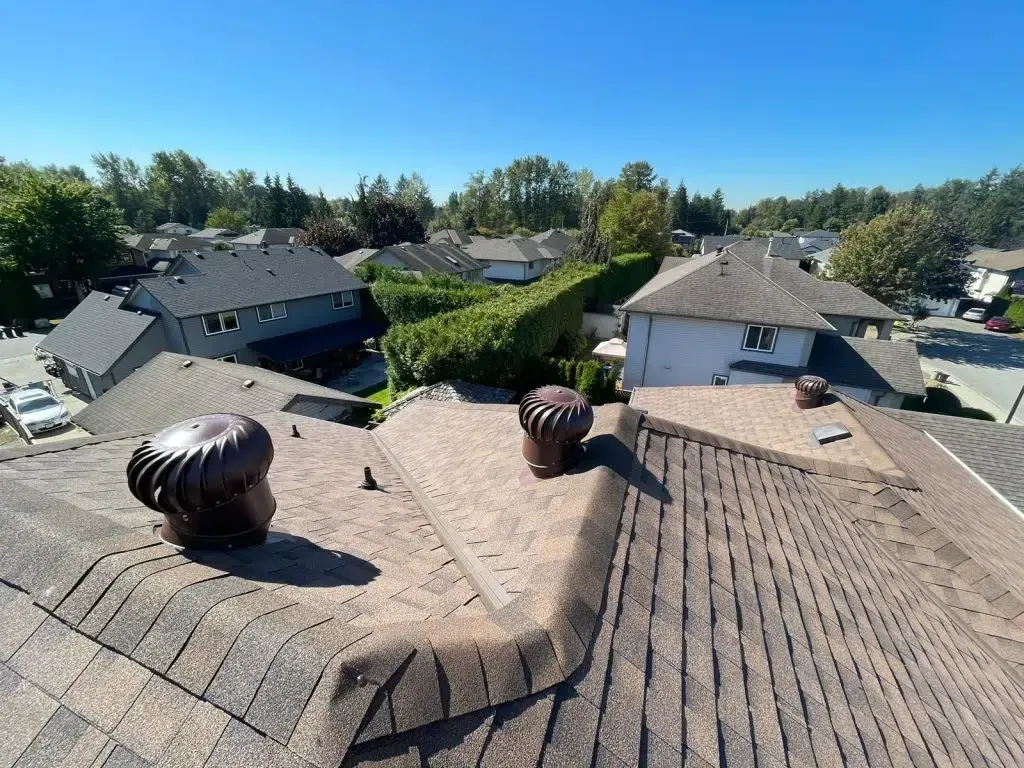
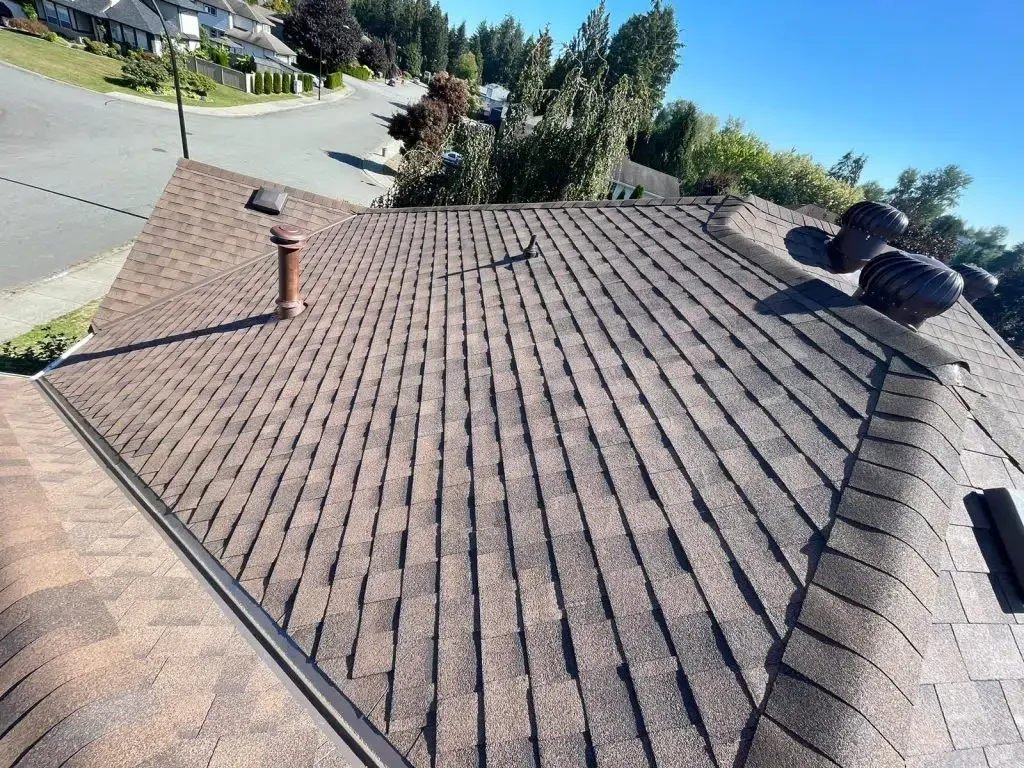
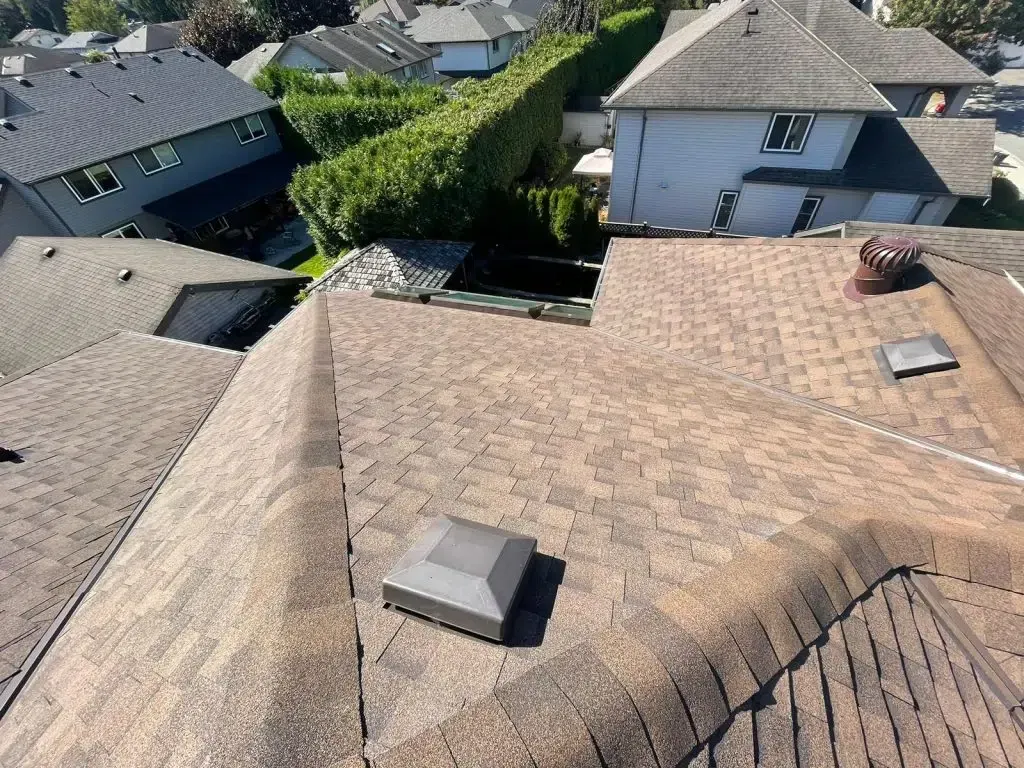
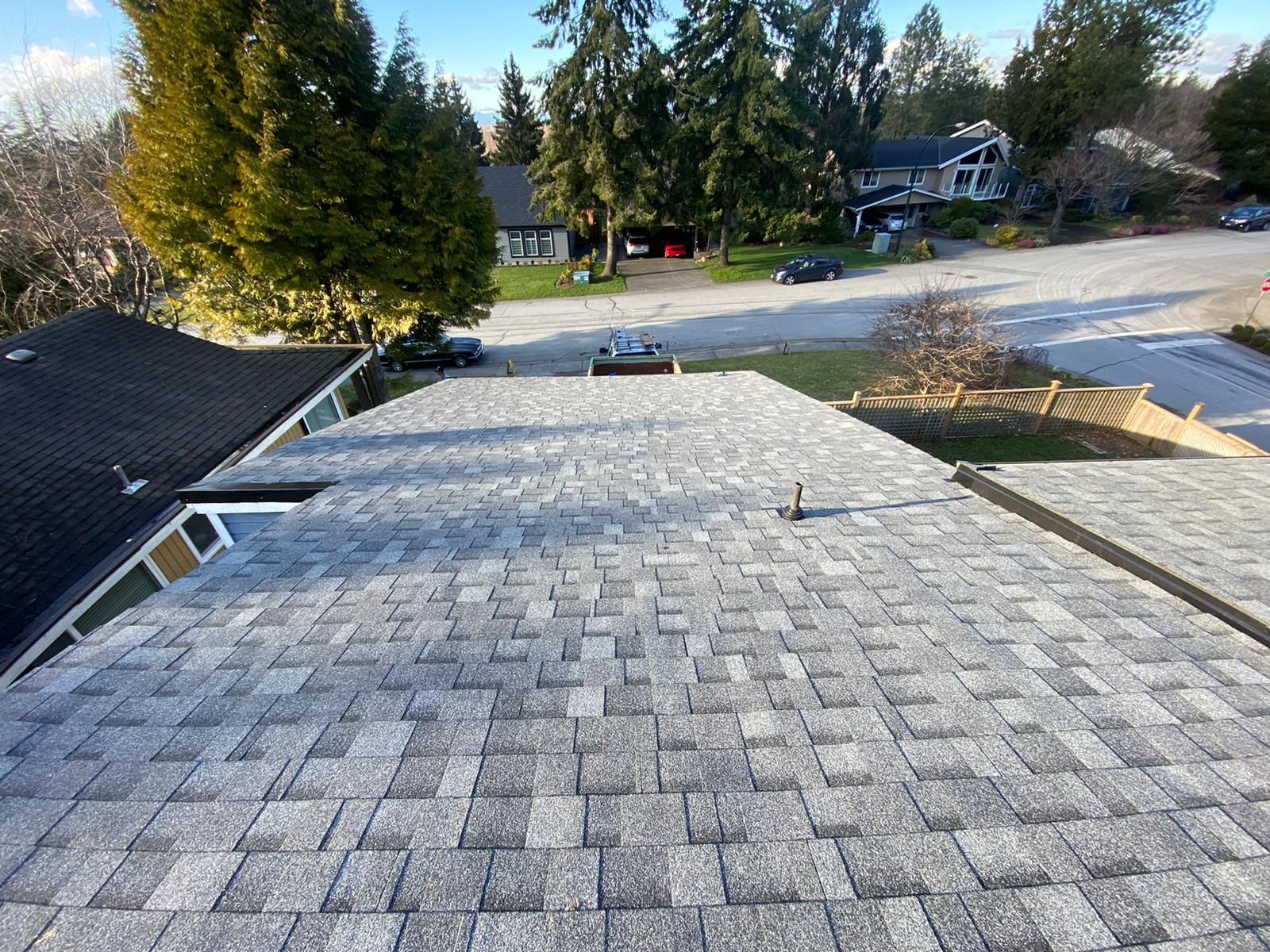
Roof Replacement in Whistler – When It’s Time to Re-Roof
The process of replacing roofs in Whistler depends on more than just appearance and how long the roof has been in use. The narrative explores the survival methods which people used to endure the winter months. The combination of snow load and ice dams and freeze–thaw stress and wind exposure and extended shoulder seasons creates ongoing stress for roofs in this area. Whistler roofs experience gradual deterioration which leads to their eventual failure through slow deterioration until they collapse during a harsh winter season.
The ability to determine when roof replacement should occur together with proper planning methods will protect your project from becoming an unexpected winter emergency.
Lifespan expectations for metal, shingle and cedar roofs in Whistler
The roofing lifespan in Whistler operates with shorter durations which show unpredictable patterns compared to coastal and valley regions. The performance of a roof depends more on climate conditions and elevation height and snow accumulation abilities and roof structure design than on information found in manufacturer brochures.
Metal roofing systems provide the longest possible lifespan in Whistler because they can last for 40 to 60 years or more when properly installed. The material demonstrates exceptional performance in mountainous environments because it enables snow to pass through while preventing water from entering and it remains resistant to multiple freeze-thaw cycles.
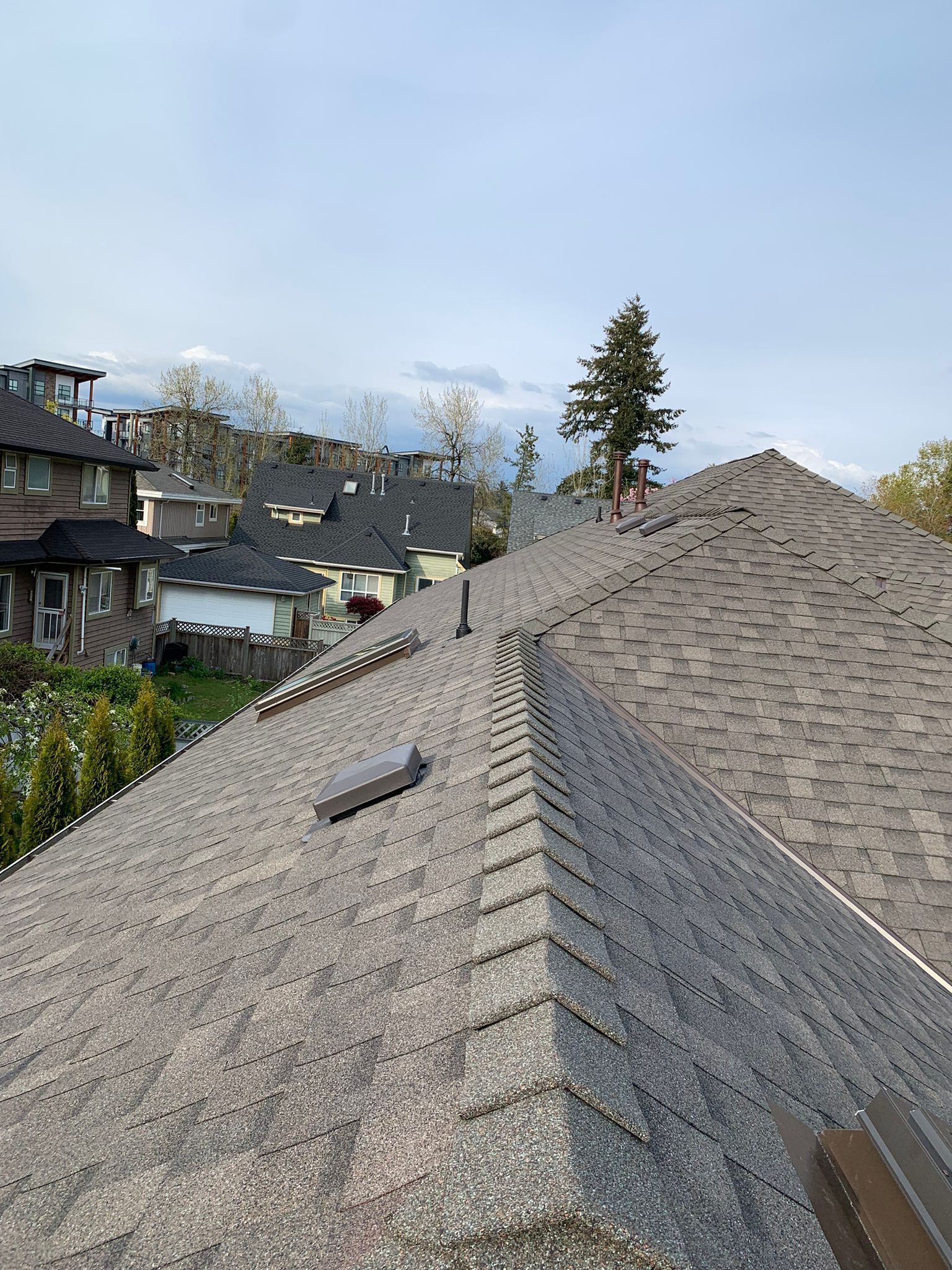
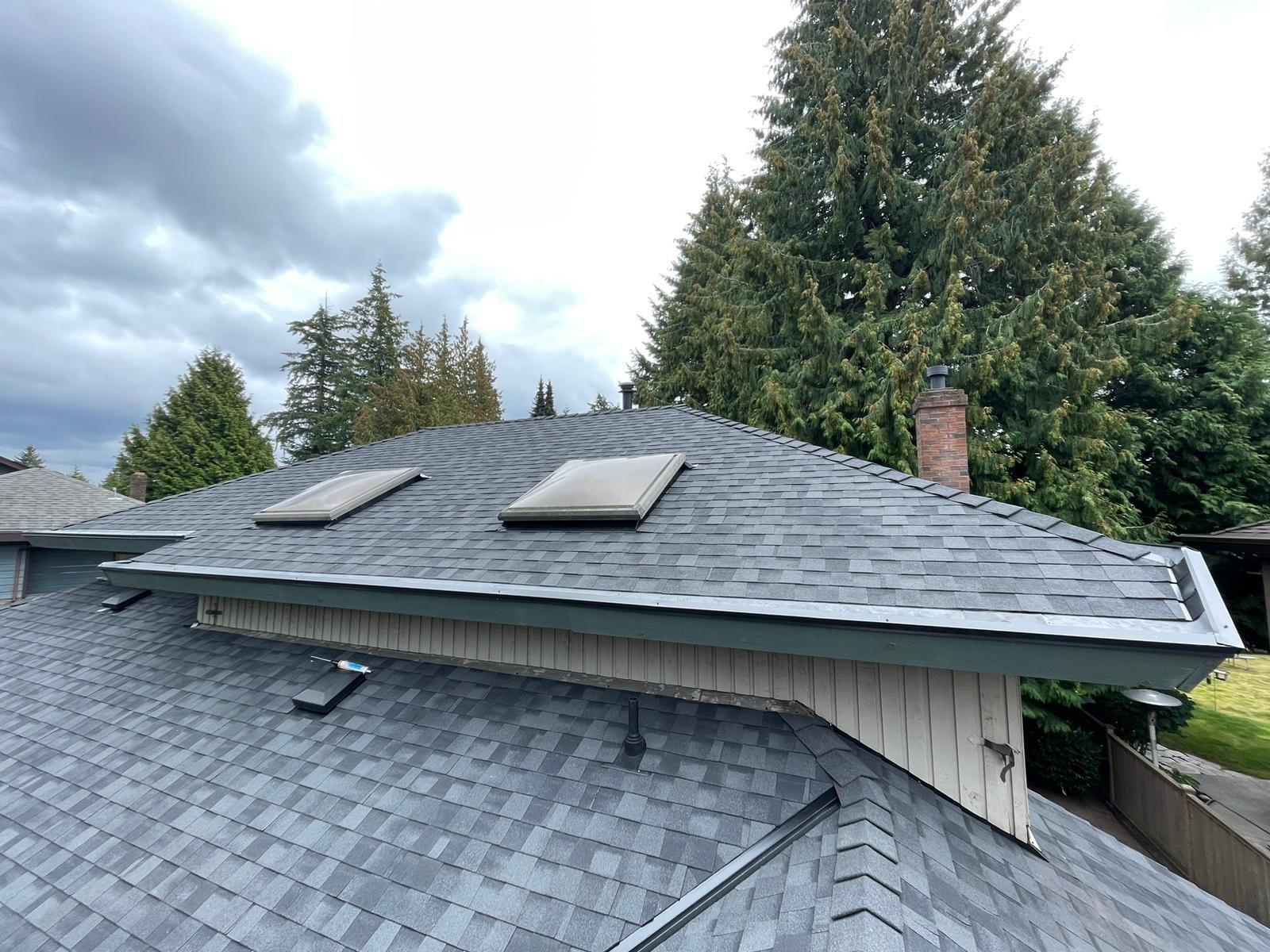
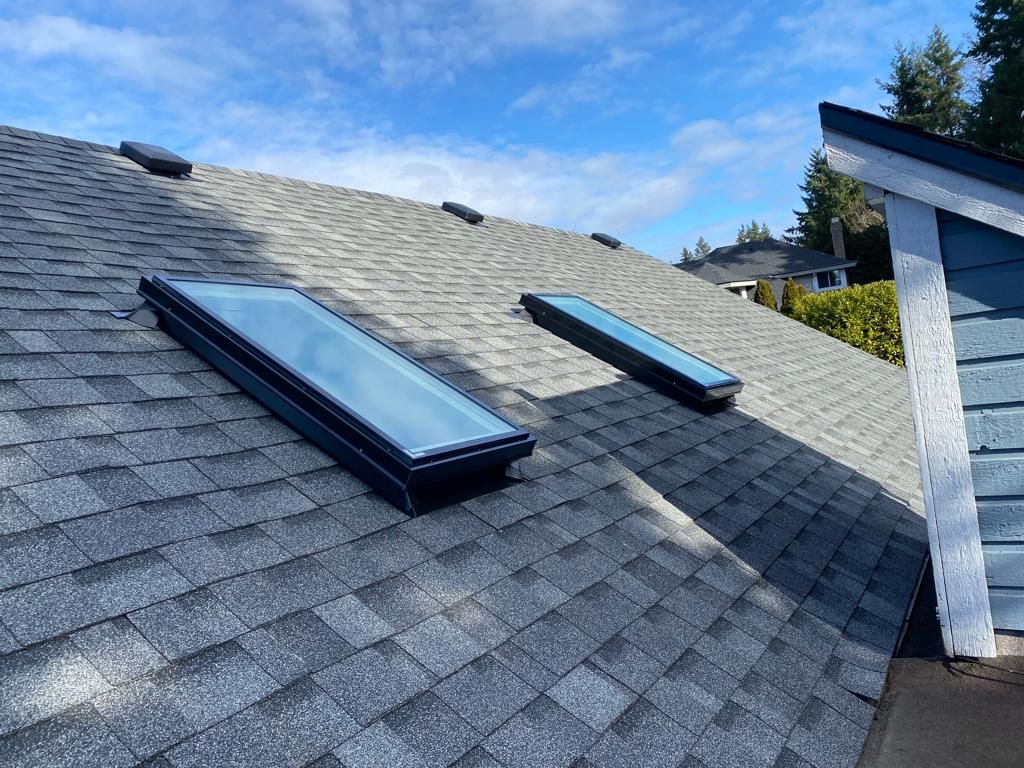
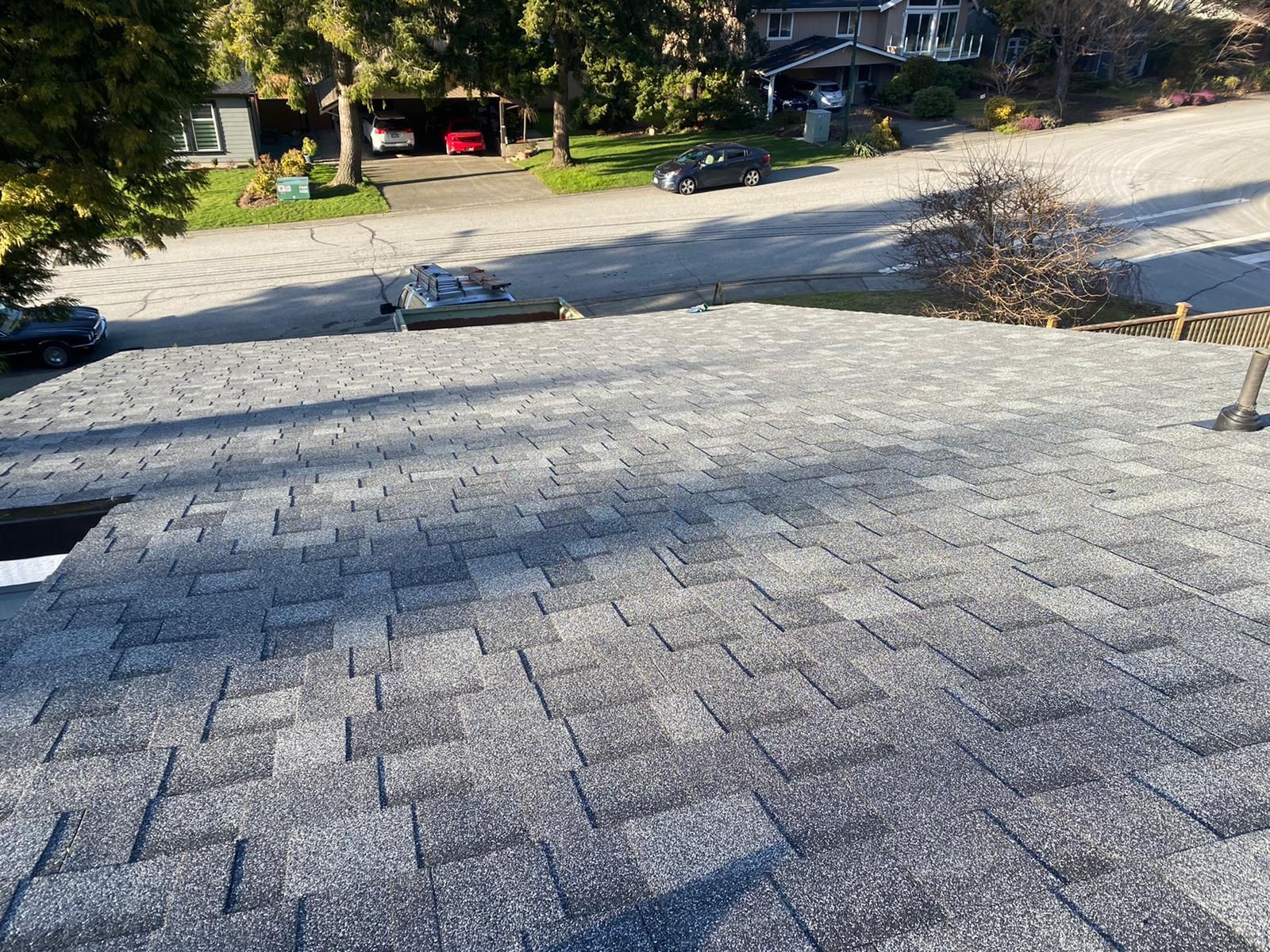
The typical lifespan of architectural asphalt shingles in Whistler extends to 20–30 years when they receive appropriate underlayment support and ice-dam protection and ventilation systems. The combination of insufficient ventilation and roof shading causes asphalt failure because ice dams produce damage while thermal cycling temperature changes speed up the deterioration process.
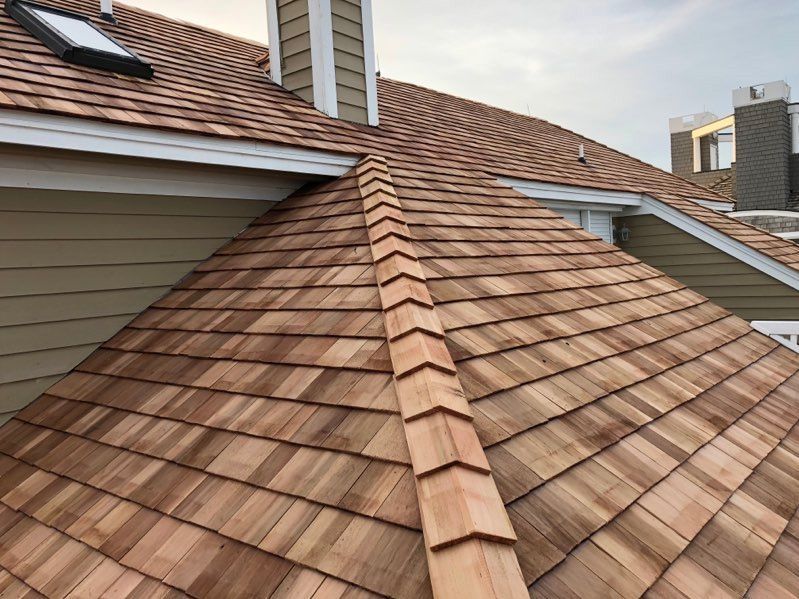
Cedar roofs are the most unpredictable. Well-maintained cedar systems have the potential to endure for many decades yet Whistler cedar roofs tend to deteriorate quickly because they hold moisture which slows down the drying process and causes repeated freezing events. The maintenance of cedar wood becomes impractical when trees grow in areas which remain shaded or experience heavy snowfall.
The design process together with detailed work stands as more important than the selection of materials in Whistler.
Signs your roof won’t survive another winter
Mountain roof failures begin with unnoticeable signs which eventually lead to a dramatic and loud collapse. The most obvious indicators of a problem include ice dams which keep returning along with interior staining and ceiling discoloration that appears near exterior walls.
The presence of leaks which occur only during temperature changes between freezing and thawing points indicates a serious issue. These often indicate water backing up under the roof covering rather than a simple surface failure.
The exterior condition of the roof shows signs of failure because shingles have cracked and metal seams have lifted while flashings have deteriorated and snow loads have accumulated debris and moss. The attic space shows signs of moisture issues because frost appears on surfaces and insulation becomes wet and the roof decking turns dark which will worsen during winter months.
The requirement for multiple storm-related emergency roof repairs shows that the building does not have enough reserve capacity to handle Whistler winter weather conditions.
Full replacement vs staged upgrades (ventilation, underlayment, etc.)
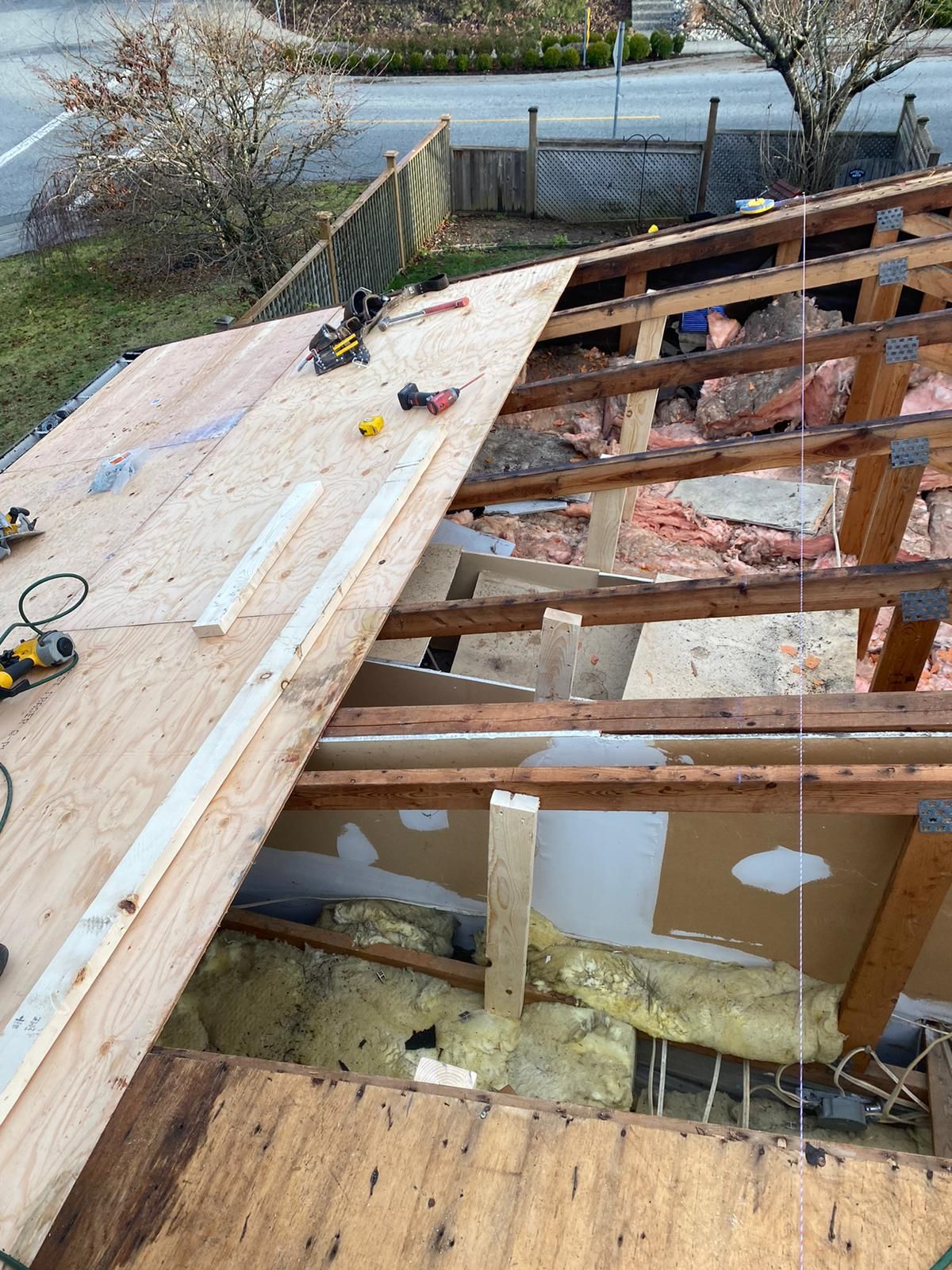
The immediate replacement of every Whistler roof does not apply but partial solutions become effective only through proper strategic planning. The process of staged upgrades provides a safe method to lengthen roof lifespan when the main building framework remains intact.
The installation of new ventilation systems together with better air sealing and ice and water protection at exposed points will help decrease the occurrence of ice dams and related moisture-related damage. These steps are often worthwhile when a roof is approaching the end of its life but isn’t structurally compromised yet.
The staged work approach has specific limits which restrict its usage in different situations. The investment transforms into a deceptive financial system because roof covering materials become brittle and start cracking and reach their maximum usage limit. The process of water intrusion through to the deck or framing requires complete replacement because it becomes both safer and more affordable.
The key question isn’t “Can this roof be repaired?” The real question is whether the system will operate through emergency response measures during the upcoming winters which will extend into multiple seasons.
Scheduling roof work around Whistler’s weather and tourist seasons
The timing in Whistler stands as the most critical factor which exists throughout the entire area. The roofing process needs to handle both weather windows and it must deal with restricted access areas and snow accumulation and the highest point of tourist activity.
The best time for full roof replacement occurs between late spring and early fall because snow has disappeared and all building materials operate correctly. The weather patterns in mountainous areas show no relation to calendar dates because their conditions tend to change rapidly during shoulder season periods.
Organizations can perform winter replacements of metal structures and emergency work but they need to develop particular plans which must contain safety protocols and they must recognize how construction duration will increase.
Tourist seasons also matter. The operation of the hotel faces three major challenges which include noise restrictions and parking limitations and access problems that occur when the hotel reaches its highest occupancy during winter and summer months. Work progresses through stages which achieve maximum quality while maintaining operations with minimal disruptions because of advance planning.
The main point is that Whistler roof replacement requires more than new materials because it needs to restore the entire winter protection system. The process of understanding material durability and identifying initial signs of failure and selecting between step-by-step equipment updates and complete system replacement and determining the optimal time for maintenance work will result in a roof that meets mountain requirements.
Roofing for Whistler Rental Properties, Strata & Resorts
Roofing in Whistler takes on an added layer of complexity when the property isn’t just a single-family home. The management of nightly rentals and chalets and strata buildings and resort developments creates three types of challenges which affect roofing decisions through their impact on operations and finances and public image. A leak that happens during peak ski season skiing will cause customers to cancel their bookings while they pursue insurance compensation but the business will sustain lasting damage to its revenue stream.
Roofing requires the same level of infrastructure planning as it does because it needs to function like a building system.
Roofing strategies for nightly rentals and managed chalets
The rental properties located in Whistler operate under distinct risk factors which affect their operations. The properties remain unoccupied between guest bookings which allows roof problems to remain undetected while snow builds up and ice dams form and small issues develop into major problems. By the time a leak is discovered, the damage is often far worse than it would be in an owner-occupied home.
The design of rental properties needs roofing systems which contain duplicate elements and follow established design patterns. The process requires owners to spend money on advanced materials and strong ice-dam protection systems and basic design elements which can handle some level of maintenance failure. The typical upgrades for rental properties with heavy usage include metal roofing systems and improved underlayment protection and enhanced flashing systems.
The management of chalets needs to preserve identical operational standards throughout all business activities. The design of roofs needs to create systems which operate independently from human supervision to minimize both structural damage and property loss and emergency responses.
Coordinating work with property managers and strata councils
Strata and resort projects succeed or fail on coordination. The roofing operations in Whistler require involvement from different parties who include property managers and strata councils and owners and engineers and insurers and hospitality operators. Clear documentation and phased planning are essential.
The process of effective coordination needs complete inspections which generate photo-based reports that display necessary actions along with their supporting reasons. The system enables councils and managers to obtain necessary approvals while they plan their budgets and make decisions through secure budget planning.
The execution of roofing work for big complexes requires multiple stages which span different buildings or sections to achieve cost management and reduce operational interference. The combination of clear project schedules with established access protocols and regular team updates enables mountainous projects to continue their work during weather delays.
Noise, access and guest/owner communication during projects
The roofing process for rental and resort properties requires special consideration because it needs to protect the guest experience. The presence of noise together with staging areas and crane access and material delivery operations creates negative impacts on both guests and owners and neighboring units.
Project success depends on identifying these effects when projects first start their development process. The work schedule follows the hotel's check-in/check-out times and it takes place during peak guest periods and when resort events do not conflict with each other. Clear communication—advance notices, timelines, and regular updates—reduces frustration and builds trust with owners and guests alike.
Access planning needs to receive the same degree of importance. Many Whistler properties sit on steep terrain with limited parking or shared driveways. The planning process needs to include safe material staging and snow management and worker access systems which will prevent any interference with guest activities and operational activities.
Maintenance plans to avoid mid-season roof emergencies
The highest return on investment for Whistler rentals and strata buildings comes from performing routine maintenance tasks. The risk of major equipment breakdowns during winter operations becomes minimal when organizations perform scheduled inspections at both winter start and end and when they remove debris and check drainage systems and fix all small problems right away.
Maintenance plans are especially valuable for properties that can’t easily shut down. The process of identifying weak points enables organizations to solve known ice dam areas and drainage problems and aging flashings during shoulder seasons instead of during peak winter months.
The property will continue to generate rental income while the roof maintenance schedule extends its lifespan which helps prevent expensive repairs. The system enables insurance discussions to become more accessible because it demonstrates patient health responsibilities and protects them from developing future medical problems.
The main point is that Whistler rental buildings and strata properties and resorts need roofing systems which serve as both water barriers and operational and financial and image protectors in this harsh Canadian environment. Roofing becomes a dependable asset which operates without human supervision through the combination of proper material selection and strategic planning and direct communication and scheduled upkeep.