
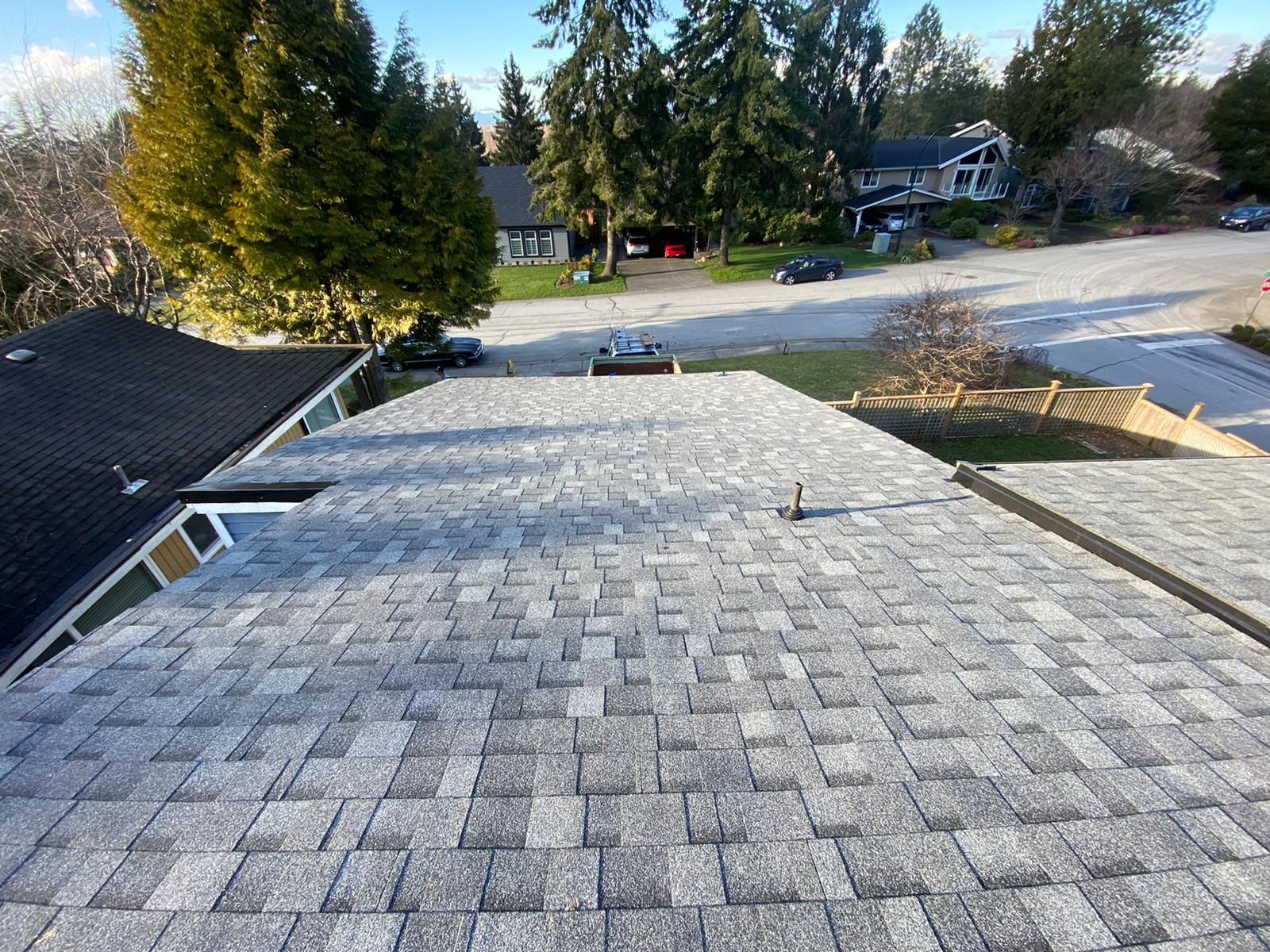
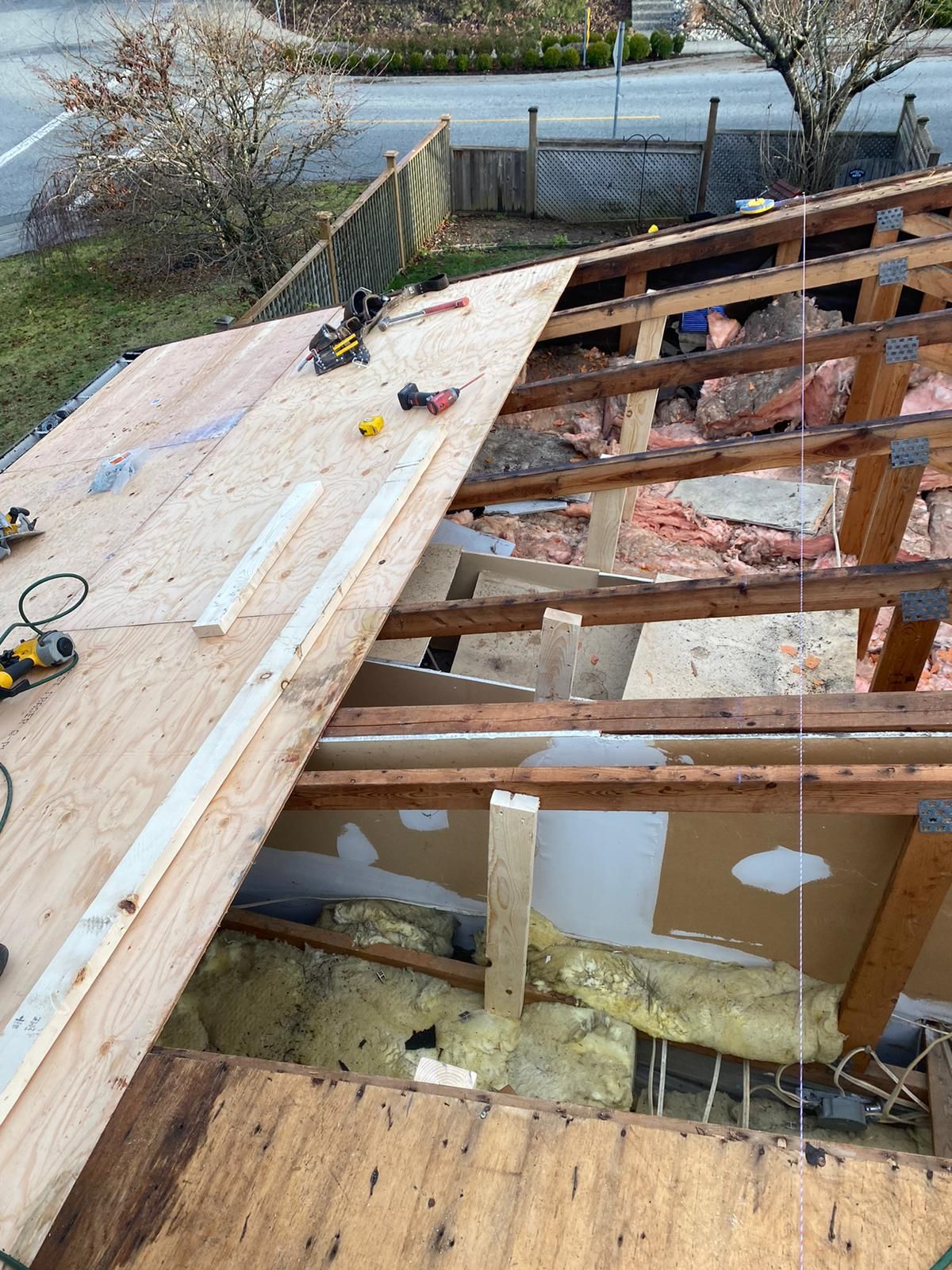
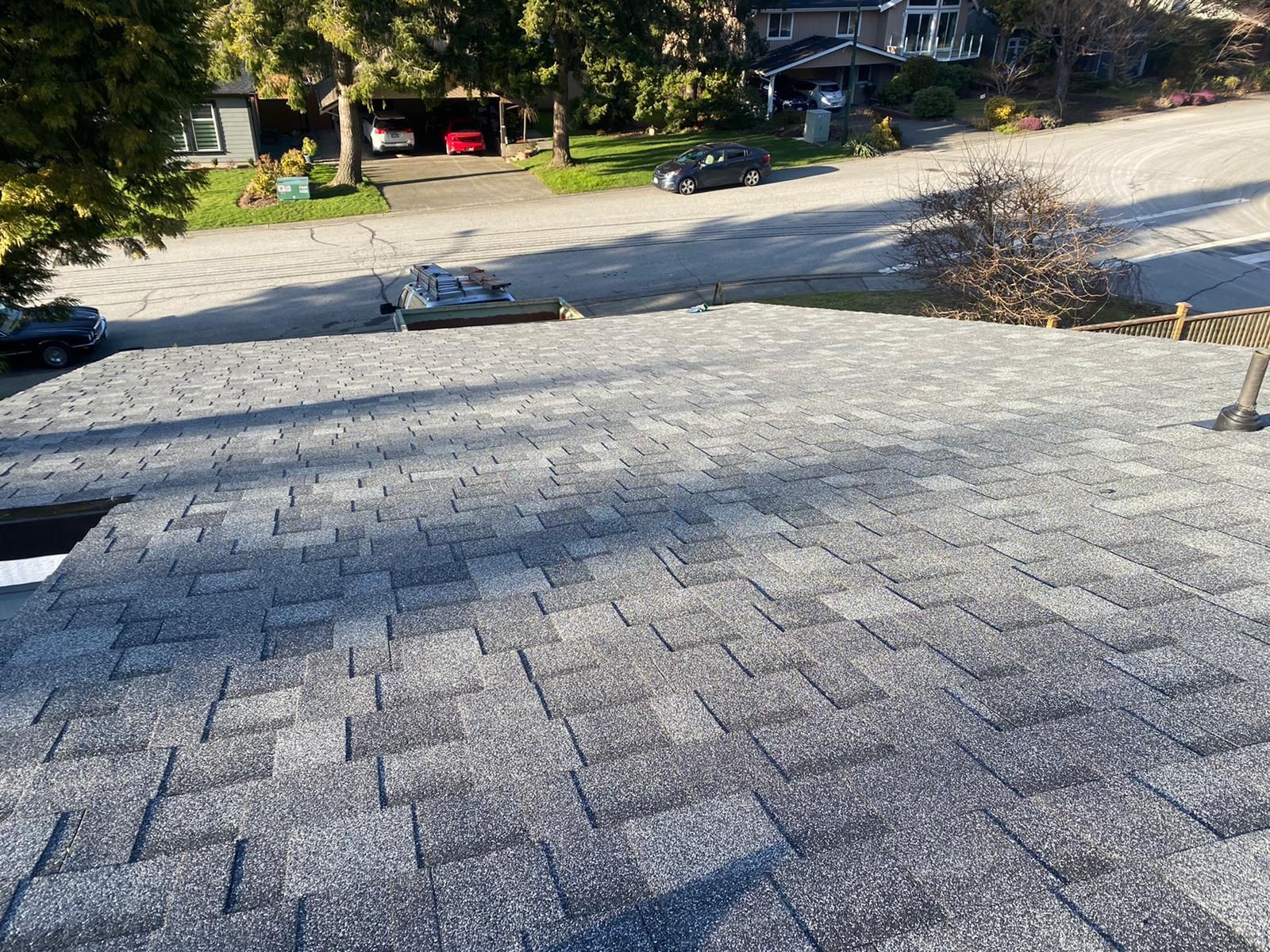
Built for Delta’s Coastal, Windy and Wet Climate
Delta roofs don’t live in a gentle, inland bubble. They sit in the path of coastal systems that roll in off the Strait of Georgia, hammering homes in Ladner and Tsawwassen with wind-driven rain, sideways gusts and long stretches of damp, grey weather. A proper cedar roof conversion here isn’t just about “looking good from the street”—it’s about engineering a roof assembly that respects the way water, wind and moss actually behave in this part of the Lower Mainland.
When we design a cedar conversion in Delta, we’re thinking about:
- How rain hits the building when the wind shifts direction mid-storm
- How fast water gets off the roof and away from walls, chimneys and penetrations
- How long surfaces stay wet in shaded cul-de-sacs, ravine edges and treed streets
- How the attic and deck dry out between weather systems
Every detail—underlayment, flashing, vent layout, material choice—is tuned to those realities, not just to what works on paper somewhere drier.
Handling wind-driven rain from Ladner and Tsawwassen exposures
In Ladner and Tsawwassen you don’t just get vertical rain; you get angled rain that wraps around corners, hits gable ends and tries to force its way under every overlap. Old cedar systems, once they thin and curl, simply can’t defend against that kind of weather anymore.
When we convert cedar in these areas, we:
- Use ice & water membranes in key zones where wind-driven rain tends to back up—valleys, lower slopes, eaves, wall intersections and transition points.
- Tighten up valley designs, moving away from tired woven cedar valleys to metal or closed-cut shingle valleys that shed water quickly instead of holding it.
- Reinforce rake edges and end walls where storms hit hardest, so wind can’t lift edges or drive water sideways under the system.
We also look at exposure: homes facing open fields, farmland or the water often need slightly more aggressive detailing than sheltered subdivision lots. That’s baked into the scope from the beginning, the same way we adjust assemblies across the projects featured on our Delta roofing services page.
Stopping chronic cedar leaks at valleys, walls and chimneys
By the time many Delta cedar roofs reach us, the story is the same:
- “This valley has leaked three times.”
- “We’ve had someone caulk this sidewall more than once.”
- “The ceiling stain near the chimney keeps coming back after big storms.”
Those chronic leaks aren’t random; they’re symptoms of an aging cedar system and outdated detailing. During conversion, we effectively reset all of those weak points:
- Valleys are rebuilt with proper metal, underlayment and shingle/metal layout so water is guided, not allowed to wander.
- Walls and sidewalls get step flashing or appropriately detailed membrane/metal interfaces instead of relying on old, reused flashings and gobs of sealant.
- Chimneys are re-detailed with new flashings, saddles/crickets where needed, and properly integrated membranes so water is deflected around the structure, not allowed to pool behind it.
Instead of chasing individual leaks season after season, a proper cedar conversion wipes the slate clean and creates a modern, coherent water-management strategy for the entire roof.
Reducing moss growth with better materials and airflow
Delta’s mix of tall trees, cooler temperatures and long wet periods is perfect for moss and algae—especially on older cedar roofs that stay damp. You’ll see north- and east-facing slopes in North Delta and Ladner turning green long before the rest of the roof looks tired.
With a conversion, we attack the problem from two angles:
- Materials
- Architectural asphalt shingles, metal and many synthetic systems have surfaces that shed water faster and don’t hold moisture like rough, weathered cedar.
- We pay attention to shingle colour and finish—some tones and coatings warm and dry slightly faster, which can make a difference on shaded slopes.
- Airflow and drying
- Upgraded attic ventilation removes moist air from inside the home, reducing the likelihood of condensation that can feed biological growth from the underside.
- Better roof geometry at transitions (crickets, saddles, adjusted slopes) helps eliminate “dead pockets” where water lingers and moss colonizes first.
Moss may still show up over the years in heavily treed pockets—it’s the Pacific Northwest—but it won’t be fighting against a roof that’s perpetually wet and starving for airflow. For homeowners who want a broader seasonal strategy, our Delta weather roof maintenance checklist gives a practical rhythm for keeping that new system clean and healthy.
Treating tricky transitions: skylights, sidewalls, dormers and vents
Most of the real “roof problems” on older Delta cedar systems aren’t in the open fields of shingles—they’re where planes intersect, surfaces change direction, or another structure cuts through the roof. That includes:
- Skylights in bonus rooms and vaulted living spaces
- Dormers added during past renovations
- Sidewalls where upper roofs die into lower walls
- Plumbing stacks, exhaust vents and kitchen/bath fans that were flashed to cedar decades ago
During a cedar conversion we treat these areas like mini-projects of their own:
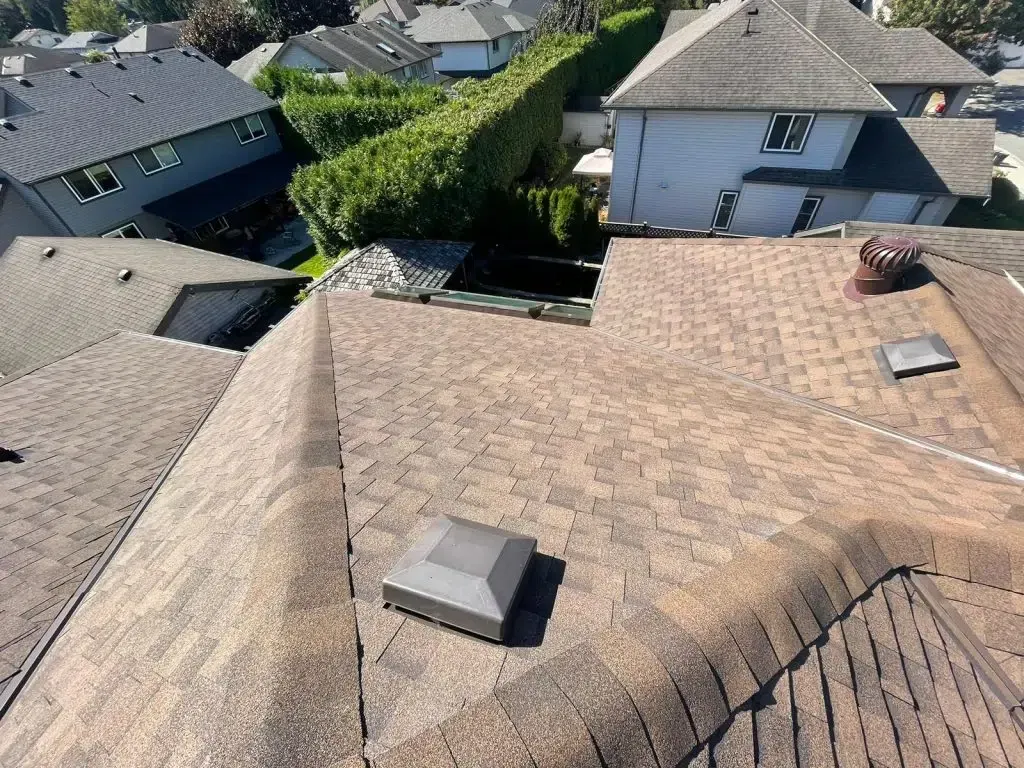
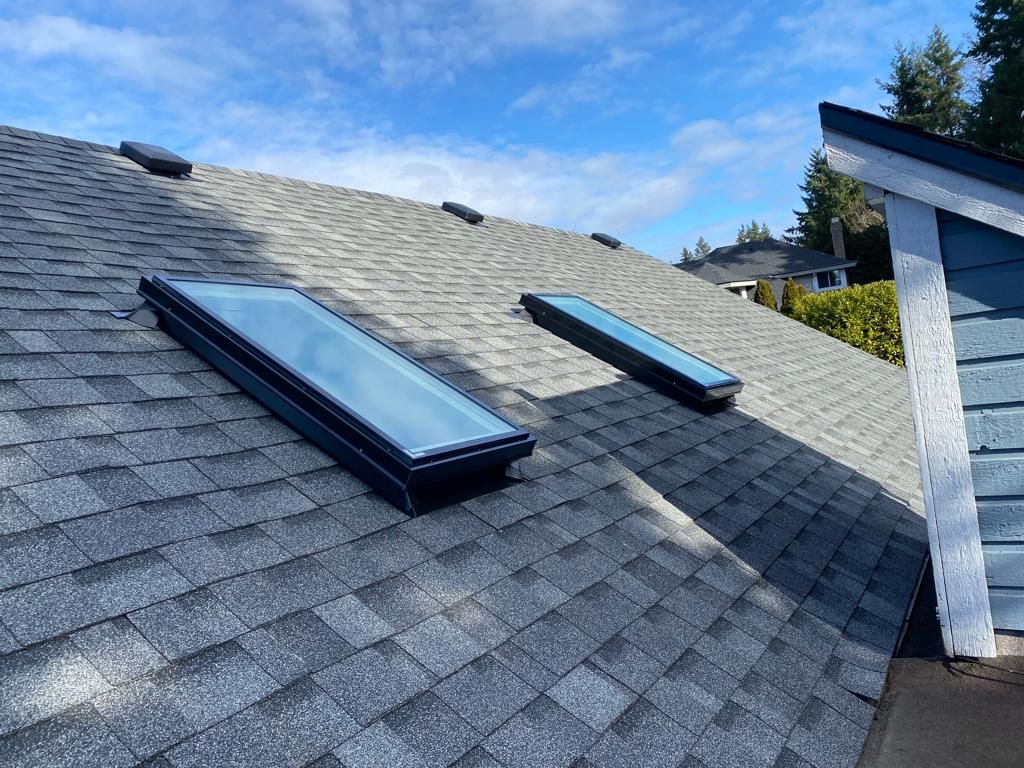
- Skylights may be replaced outright if they’re at end-of-life, then re-flashed with modern kits and membranes that integrate into the new roof system instead of sitting on top of it.
- Sidewalls and dormers get proper step flashing, counter-flashing (where applicable) and underlayment that climbs the wall, not just a strip of metal and caulking.
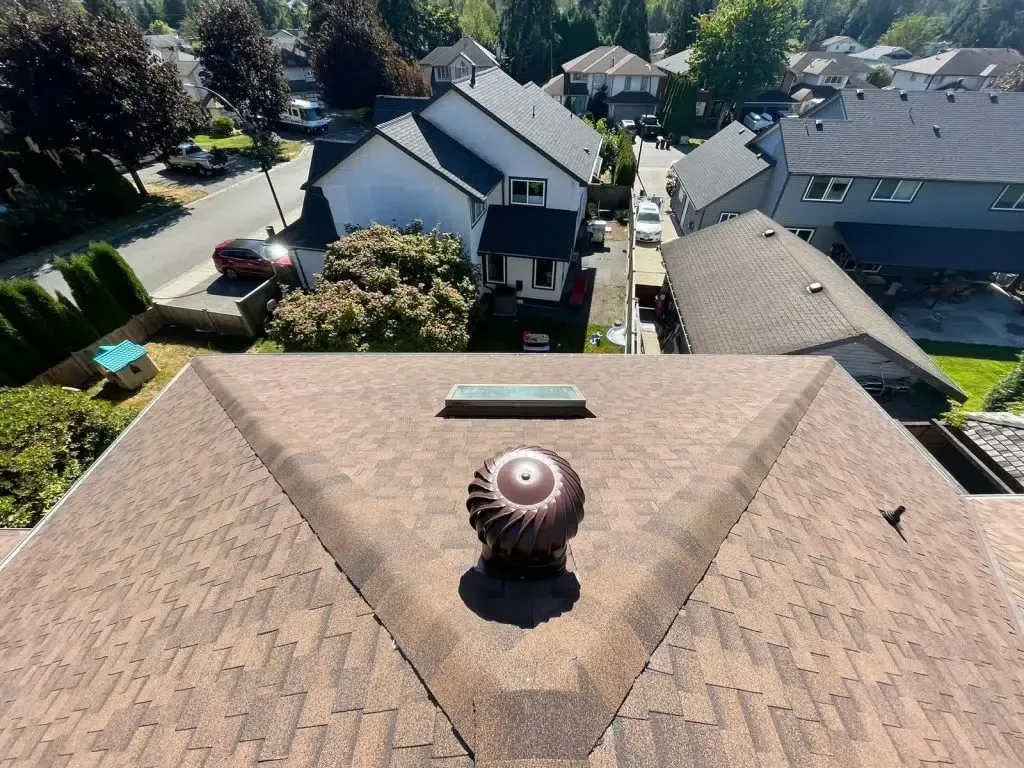
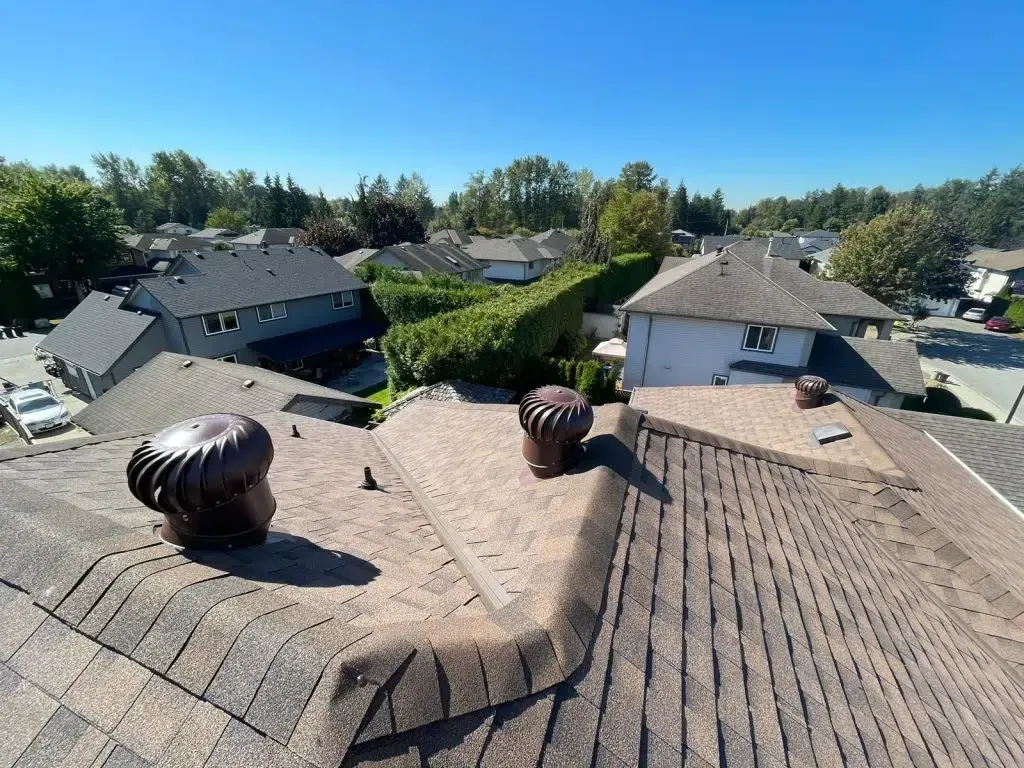
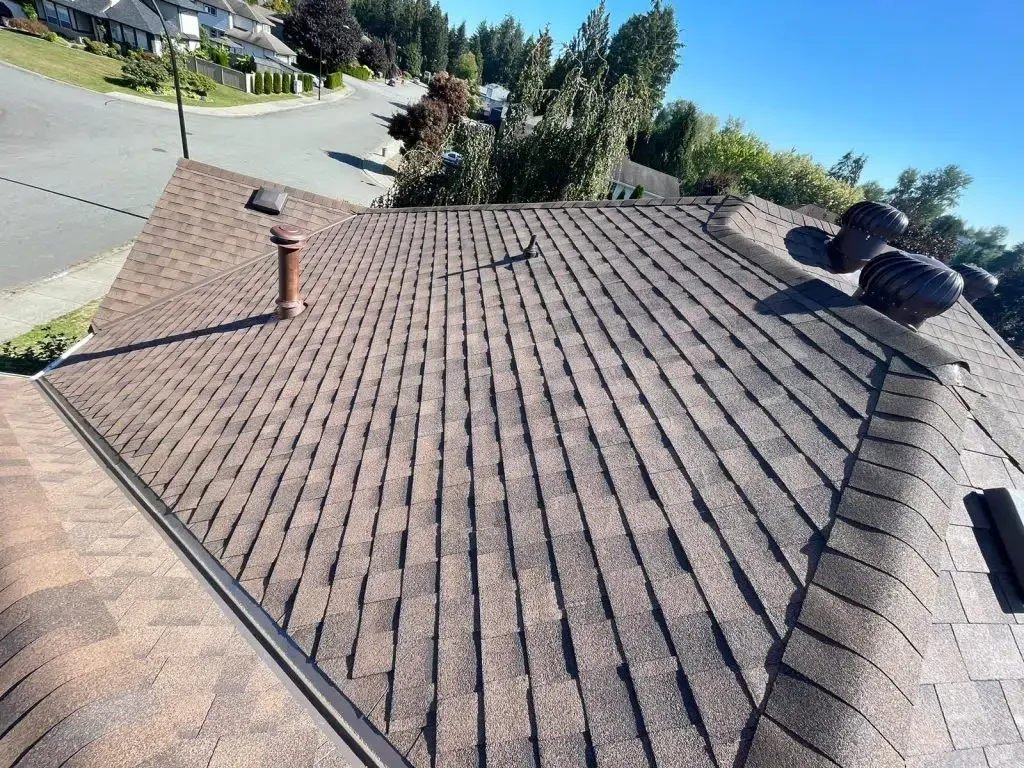
- Vents and penetrations are updated to modern, low-profile, well-sealed units that tie into both the membrane and the finished surface.
The goal is simple: every “complex” detail is rebuilt as if it’s the most important part of the roof—because in Delta’s coastal weather, it often is. When the tricky areas are handled properly, the rest of the system can do its job without you wondering, every time a storm warning hits, which corner of the house will show a new stain next.
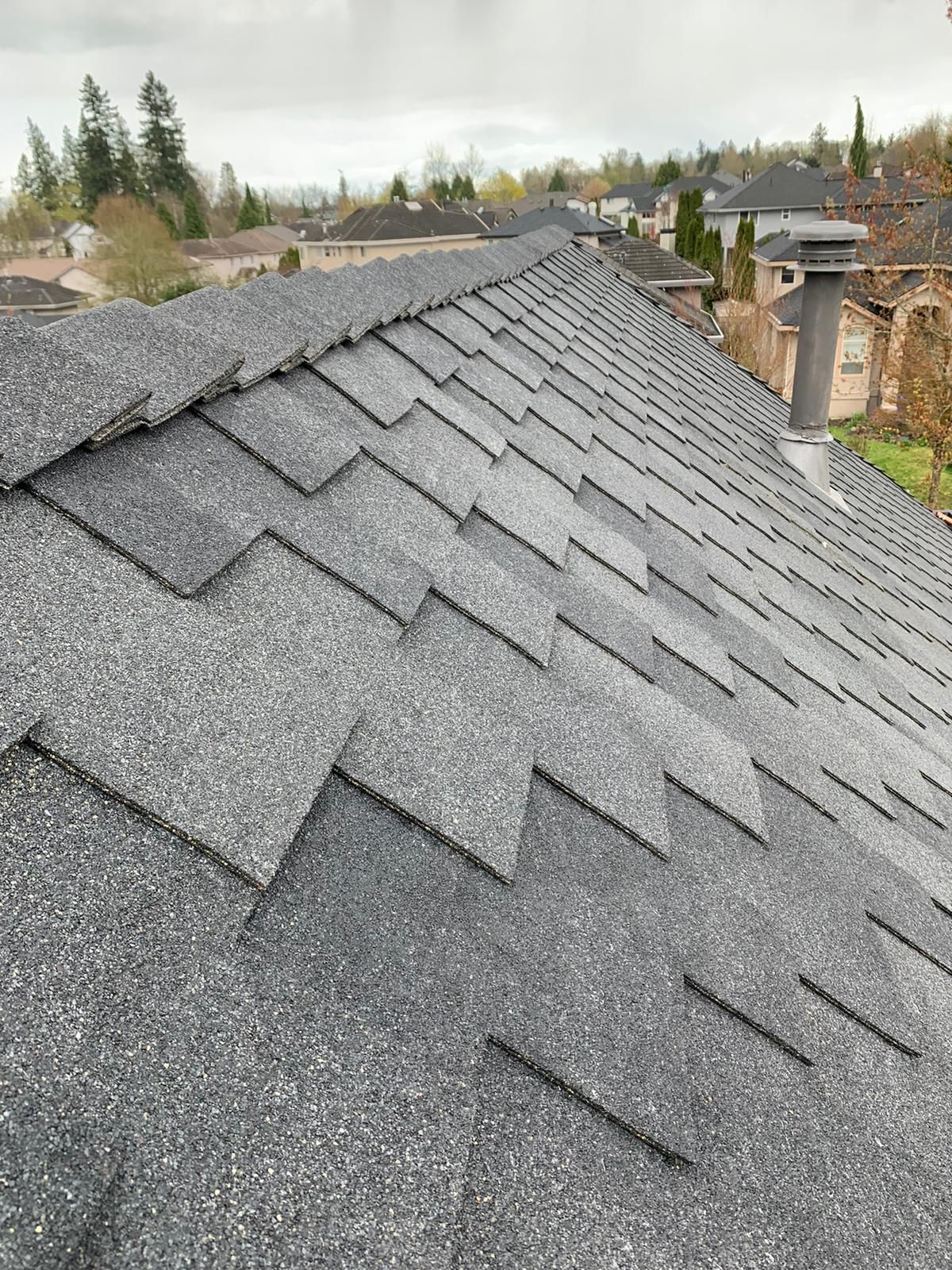
Cedar vs Asphalt vs Metal vs Synthetic – What Works Best in Delta?
Choosing what to replace your cedar roof with in Delta isn’t just a style decision. It’s a trade-off between lifespan, maintenance, noise, weight, insurance, and how buyers will feel when they pull up in front of your house five or ten years from now. Delta’s coastal wind, driving rain and moss-heavy shade make those trade-offs sharper than in drier parts of BC.
Lifespan, maintenance needs and warranties compared
Cedar (existing)
- When it’s new and thick, cedar can be beautiful and reasonably durable.
- In Delta’s climate, though, constant moisture, moss and UV tend to thin shakes faster than owners expect.
- By 20–30+ years, most cedar roofs here are on borrowed time: cracked, cupped, patched and prone to chronic leaks.
- Warranties are usually long gone, and repairs become more about crisis management than asset protection.
Architectural asphalt shingles
- Typical lifespan in Delta: 25–30+ years with proper installation, ventilation and maintenance.
- Moderate maintenance: periodic moss control, gutter cleaning, and occasional repairs from wind or branches.
- Strong manufacturer warranties when installed to spec.
Metal (standing seam or metal shingles)
- Typical lifespan: 40–50+ years with correct installation.
- Very low maintenance—clear gutters, check flashings, trim branches.
- Long-term finish and weathertight warranties available.
Synthetic “cedar-look” systems
- Middle ground: longer lifespan than cedar, similar or slightly better than high-end asphalt.
- Low maintenance: no splitting, thinning, or heavy water absorption.
- Generally strong warranties compared to natural wood.
For a deeper Delta-focused comparison, see our article on the best roofing materials in Delta.
Noise, weight and structural considerations on older homes
Noise
- Asphalt and synthetic systems are quiet with proper underlayments.
- Metal is only slightly louder in heavy rain when installed poorly—but properly installed metal is muted and even-toned.
Weight
- Aging cedar can be surprisingly heavy when saturated.
- Most modern systems (asphalt, metal, synthetic) are lighter than an old, waterlogged shake roof.
Structure
- Older Delta homes sometimes hide rot from long-term cedar leaks.
- We repair the sheathing and structural components during conversion.
- The goal is a solid, stable base with no flex or sag.
Fire resistance, insurance implications and peace of mind
Cedar
- Beautiful—but inherently more combustible.
- Some insurers are cautious about older cedar roofs.
Asphalt, metal and synthetic
- Much stronger fire resistance.
- Metal performs particularly well in fire testing.
- Insurance renewals and underwriting tend to be smoother post-conversion.
Fire resistance affects not just compliance, but how confidently you sleep during heatwaves or wind events.
Curb appeal and resale value in Delta neighbourhoods
- Architectural asphalt suits most Delta subdivisions and blends well with local architecture.
- Metal elevates modern and view homes—buyers see it as premium.
- Synthetic cedar-look keeps heritage character without the maintenance.
A well-executed conversion boosts resale: buyers don’t want to inherit a looming cedar roof problem.
Cedar Roof Conversion Costs in Delta
Costs in Delta depend on roof size, pitch, complexity, deck condition and your chosen system. It’s not just “dollars per square foot”—it’s the long-term cost of protection over 15–25 years.
Key price drivers – size, pitch, access and deck repairs
- Roof size – Bigger roofs cost more, but often less per sq. ft.
- Pitch & complexity – Dormers, valleys and steep slopes increase labour.
- Access – Tight driveways or backyard-only access affect the quote.
- Deck condition – Soft or rotted sheathing must be repaired during conversion.
Cost differences between asphalt, metal and synthetic options
- Architectural asphalt – Best value for most Delta homes.
- Synthetic cedar-look – Above asphalt in price, premium look with low maintenance.
- Metal – Highest upfront, lowest long-term cost per year due to lifespan.
More context here: how much a new roof costs in Delta.
When it makes sense to invest now vs. patching an old cedar roof
- Repeated leak calls every rainy season.
- Interior damage more than once.
- Soft decking in multiple areas.
- Medium-term plans to stay or improve resale.
Patching feels cheaper now—but almost always costs more over 10–15 years.
Budgeting, staged projects and financing options
- Staged work – Tackle worst slopes first when appropriate.
- Coordinate with other upgrades – Roofing + gutters/siding = reduced access costs.
- Financing options – Spread payments over time rather than over years of leak repairs.