Commercial Roof Installation in Vancouver: Options, Timelines & Costs
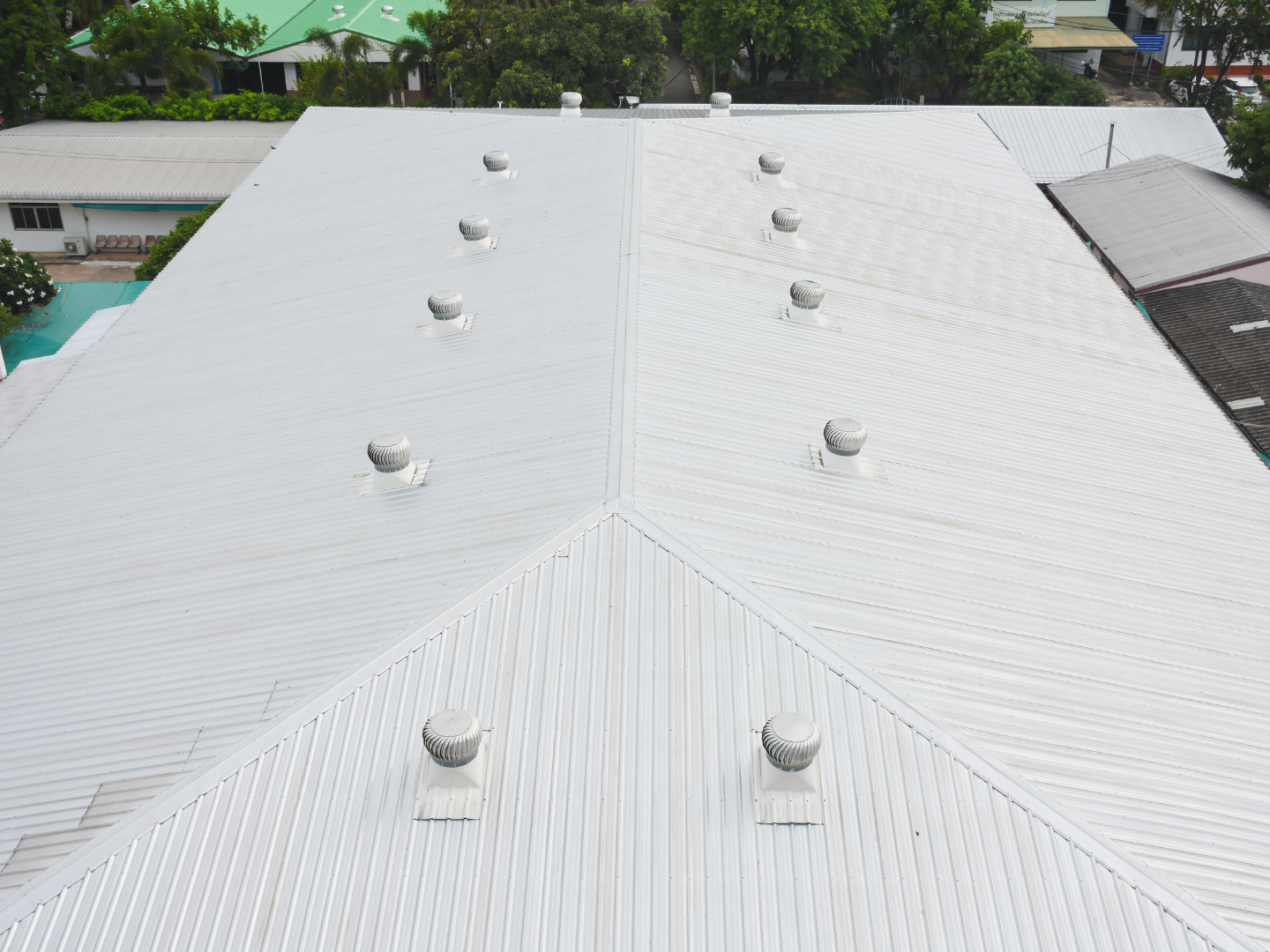
Most commercial buildings in Vancouver feature flat or low-slope roofs. This design choice isn't arbitrary; it maximizes usable building footprint, accommodates rooftop mechanical equipment, and works well with the construction methods used for multi-story commercial structures.
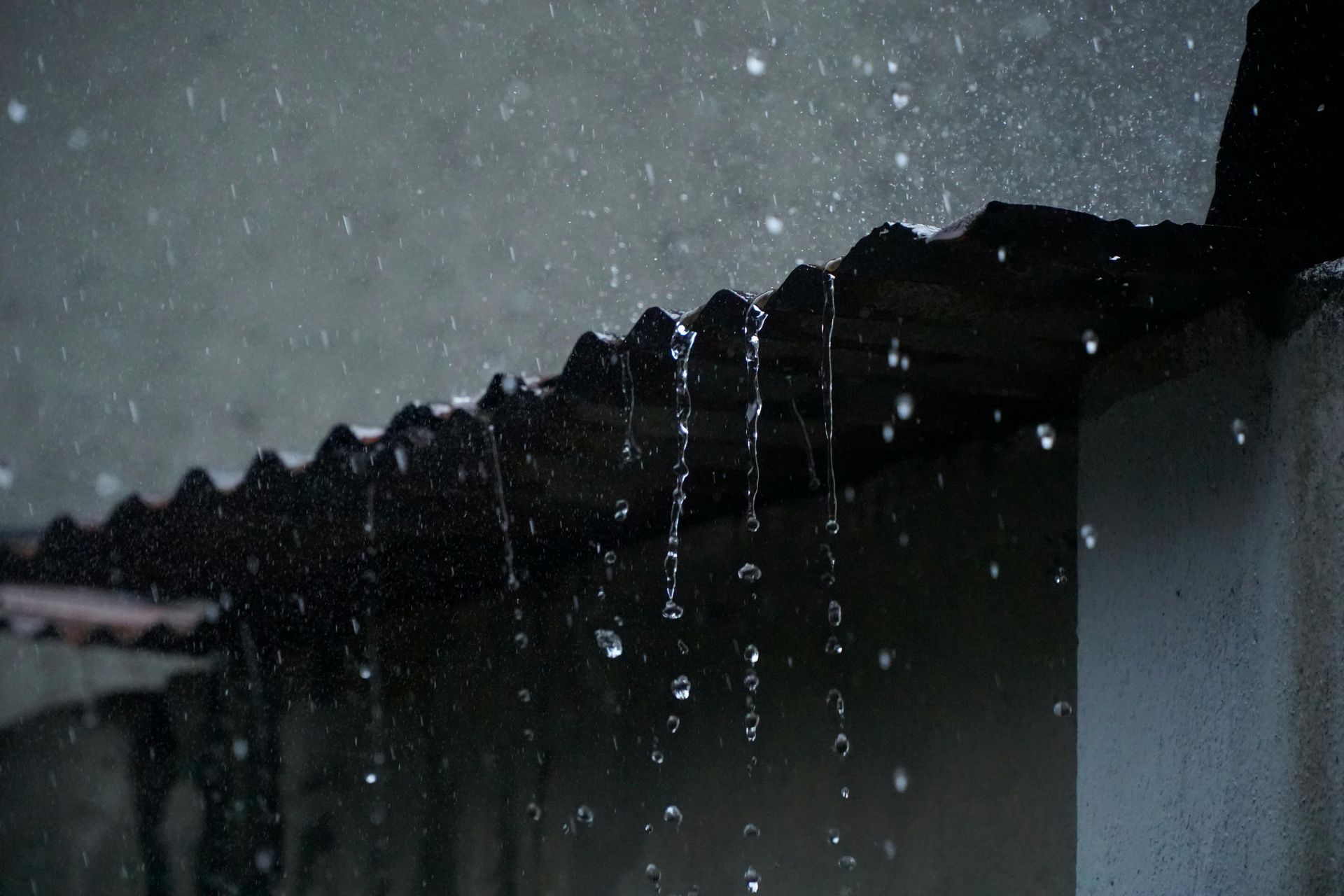
Vancouver's climate creates specific challenges for these roof systems. Our city averages over 1,150mm of annual rainfall, and flat roofs don't shed water the way sloped residential roofs do. Standing water, drainage problems, and moisture infiltration become serious concerns without proper design and installation.
The difference between planning and reacting:
- Planned installations happen on your timeline, during optimal weather
- Reactive replacements occur during emergencies, often in winter
- Proper planning reduces costs, minimizes disruption, and extends roof life
Whether you're managing a new development or replacing an aging roof system, understanding your options and timeline expectations helps you make informed decisions. Quality commercial roof installation in Vancouver requires contractors who understand both flat roof systems and local climate demands.
What to Know Before Installing a Commercial Roof in Vancouver
When Do You Need a New Commercial Roof Installation?
New Construction vs Existing Roof Replacement
New commercial developments require complete roof systems from the ground up. This includes structural deck installation, insulation layers, moisture barriers, and the final roofing membrane. The advantage here is building everything correctly from the start, with proper drainage design and no compromises from existing conditions.
Full tear-off replacements remove the entire existing roof system down to the structural deck. This approach allows inspection and repair of the roof deck, ensures proper installation of new underlayment and insulation, and eliminates problems hidden under old roofing. While more expensive than overlays, tear-offs represent the best long-term investment.
Overlays involve installing new roofing material over existing systems. This option costs less and takes less time, but you're building on top of potentially deteriorated materials. Overlays also add weight to the structure and can hide ongoing problems.
Signs a Commercial Roof Requires Full Installation
Aging membrane systems show their years through visible cracking, shrinkage, and loss of flexibility. Modified bitumen roofs typically last 15-20 years in Vancouver's climate. TPO and EPDM systems can reach 20-25 years with proper maintenance. Once you're approaching these timeframes, full replacement becomes the smart choice.
Indicators requiring full installation:
- The membrane is brittle, cracked, or shrinking away from the edges
- Multiple leak locations across the roof surface
- Previous repairs have failed repeatedly
- Insulation is wet or deteriorated
- Drainage slopes have degraded or reversed
Repeated leaks suggest systemic failure rather than isolated damage. When commercial roof repair and maintenance become a constant cycle, you're spending money without solving the underlying problem.
Structural or drainage issues require addressing the roof deck and slope. Ponding water that remains 48 hours after rainfall indicates inadequate drainage. This accelerates membrane deterioration and eventually causes leaks. Correcting these problems requires full installation with proper slope creation.
For a comprehensive understanding of commercial roofing systems and when replacement makes sense, our commercial roofing services page provides additional context.
How Vancouver's Climate Impacts Commercial Roof Installation
Rain Management During Installation
Installing a commercial roof in Vancouver means planning around rain. The roof will be exposed during the tear-off and installation phases, creating vulnerability to weather damage.
Moisture protection strategies include installing sections in phases rather than exposing the entire roof, using temporary waterproofing barriers on completed areas, and scheduling installation during historically drier months. May through September offer the best weather windows, though even summer months can bring unexpected rainfall.
Temporary waterproofing might involve tarping exposed areas at the end of each workday, installing underlayment and base layers quickly, or using fast-curing materials where appropriate. The goal is never to leave the building interior exposed to potential rain damage
Drainage Design for Flat Roofs
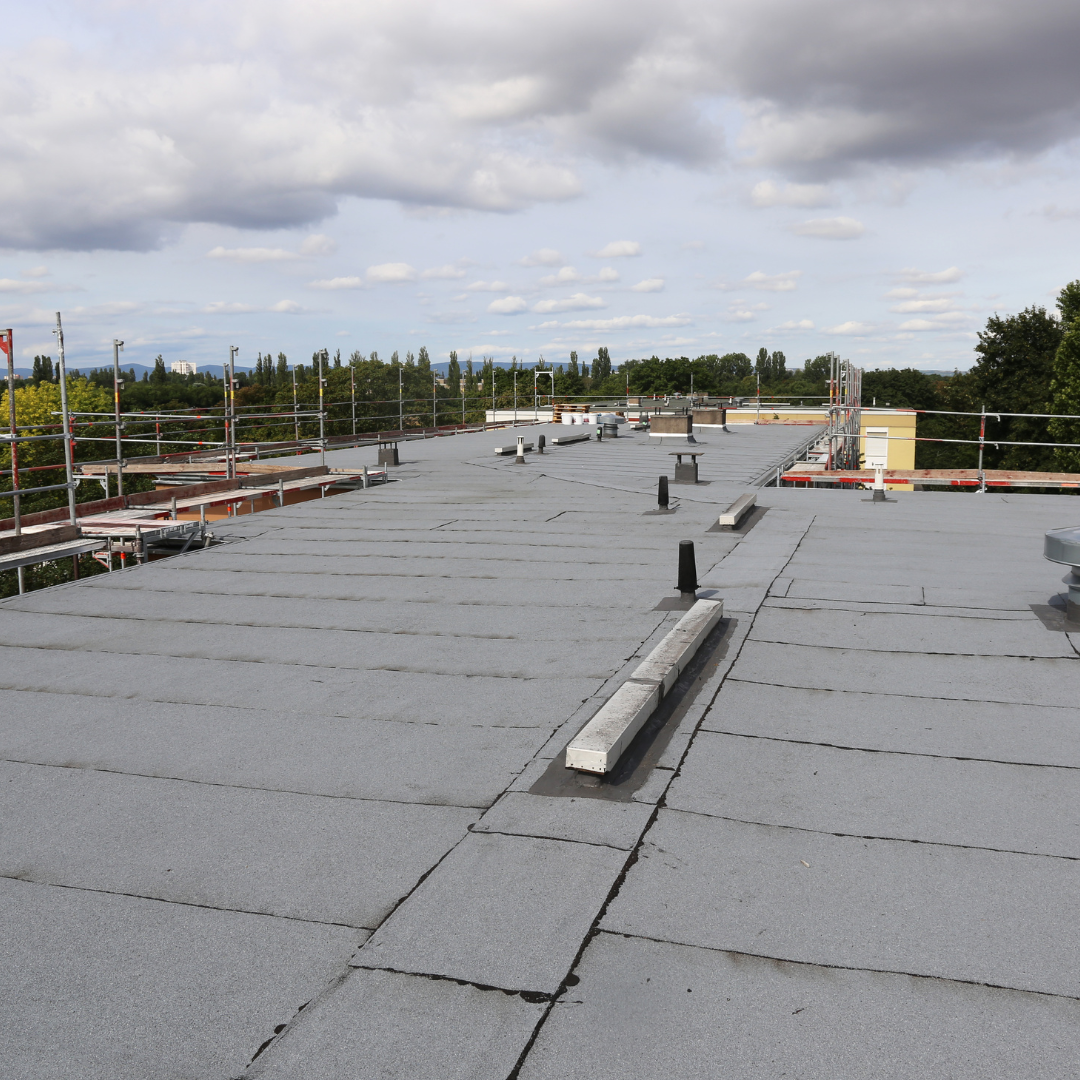
Slope creation is critical for flat roof performance in our climate. True flat roofs don't exist in proper construction; all require minimum slopes of 1/4 inch per foot to direct water toward drains.
Creating slope happens through tapered insulation systems or structural deck modifications. Tapered insulation uses varying thickness to create drainage paths without modifying the building structure. This approach works for most retrofit installations and allows precise drainage design.
Drainage system options:
- Internal drains: Penetrate through the building, drain to interior plumbing
- Scuppers: Openings through parapet walls connecting to external downspouts
- Gutters: Perimeter collection systems (less common on commercial buildings)
Internal drains work well for larger roofs and buildings where external drainage isn't feasible. They require backup drains or overflow scuppers to prevent roof loading if the primary drains clog. Scuppers provide visible drainage and easier maintenance access but need proper sizing for Vancouver's heavy rainfall rates.
Seasonal Timing Considerations
Best installation windows run from late spring through early fall. June, July, and August offer the most reliable dry weather, though scheduling during these months requires booking contractors well in advance.
Weather-related delays are inevitable even during optimal seasons. A project scheduled for two weeks might extend to three if rain interrupts work. This reality makes planning buffer time into your schedule important, particularly for buildings where roof access disrupts operations.
Fall installations carry a higher risk. September can be dry, but October through April bring frequent rain systems. Winter installations require extensive temporary protection measures and accept a higher weather delay risk.
Flat Roof Options for Commercial Buildings in Vancouver
Torch-On (SBS Modified Bitumen)
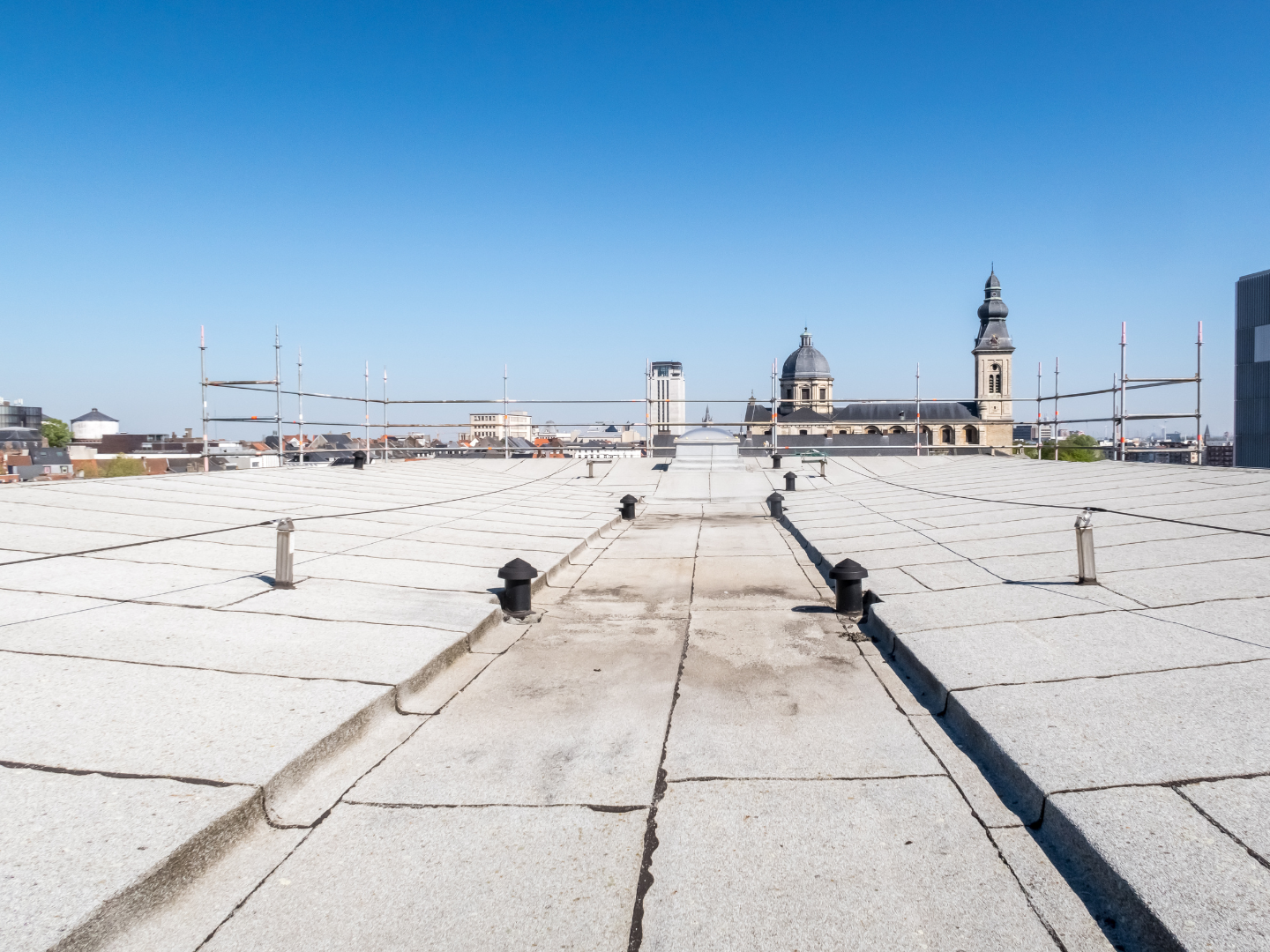
Torch-on roofing represents the most common commercial flat roof system in Metro Vancouver. This modified bitumen system uses heat to bond overlapping membrane sheets, creating a continuous waterproof barrier.
SBS (styrene-butadiene-styrene) modifiers give the bitumen flexibility and durability in wet climates. Unlike older built-up roofs, modified bitumen maintains flexibility through temperature cycles and resists cracking from building movement.
Key advantages for Vancouver:
- Excellent performance in high-moisture environments
- Proven track record in local climate (30+ years)
- Repairable without full replacement
- Available in multiple colors for energy efficiency
Torch-on systems typically last 15-20 years with proper installation and maintenance. The heat-welded seams create stronger bonds than adhesive systems, reducing leak risk at overlaps.
TPO Roofing Systems
TPO (thermoplastic polyolefin) has gained popularity for commercial installations over the past 15 years. This single-ply membrane offers bright white surface options that reflect heat, reducing cooling costs for occupied buildings.
Heat-welded seams create monolithic waterproofing. Unlike mechanically fastened or adhesive systems, welded seams form chemical bonds stronger than the membrane itself. This makes TPO particularly resistant to wind uplift and water infiltration.
Energy efficiency benefits matter for temperature-controlled buildings. White TPO reflects up to 85% of solar radiation, keeping roof surface temperatures 40-50 degrees cooler than darker membranes. This translates to measurable cooling cost savings.
EPDM Roofing Systems
EPDM (ethylene propylene diene monomer) rubber roofing offers proven flexibility and long-term performance. This synthetic rubber membrane has been used commercially since the 1960s and performs reliably in diverse climates.
Flexibility allows EPDM to expand and contract with temperature changes without cracking. This characteristic makes it forgiving of building movement and settling, common in both new construction and older buildings.
Long-term performance expectations run 20-25 years for quality EPDM installations. The material resists UV degradation well and maintains waterproofing integrity even as it ages. Black EPDM absorbs more heat than white TPO, which can be advantageous in Vancouver's cooler climate for reducing ice dam risk.
Built-Up Roofing (BUR) Systems
Built-up roofing uses multiple layers of bitumen and reinforcing fabric to create redundant waterproofing. Traditional hot-tar systems have largely been replaced by modified bitumen, but BUR remains relevant for specific applications.
Multi-layer protection means a single puncture doesn't penetrate to the roof deck. The overlapping layers create backup waterproofing if the top layer fails. This redundancy appeals to building owners prioritizing longevity over initial cost.
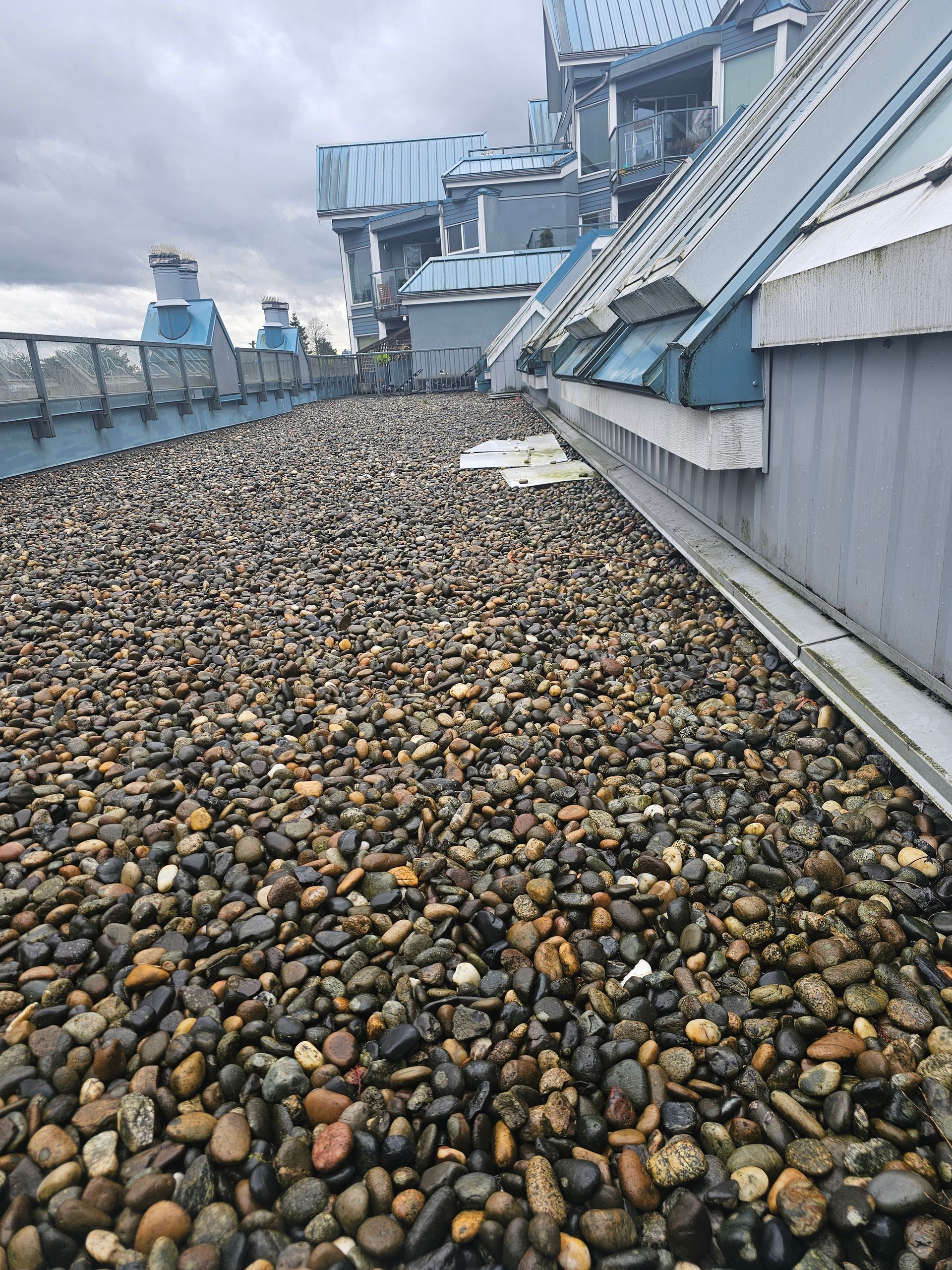
Weight considerations matter for BUR systems. Multiple layers of heavy bitumen and gravel surfacing add significant load to the roof structure. Older buildings may require structural evaluation before installing or replacing BUR systems.
Metal Roofing for Low-Slope Commercial Roofs
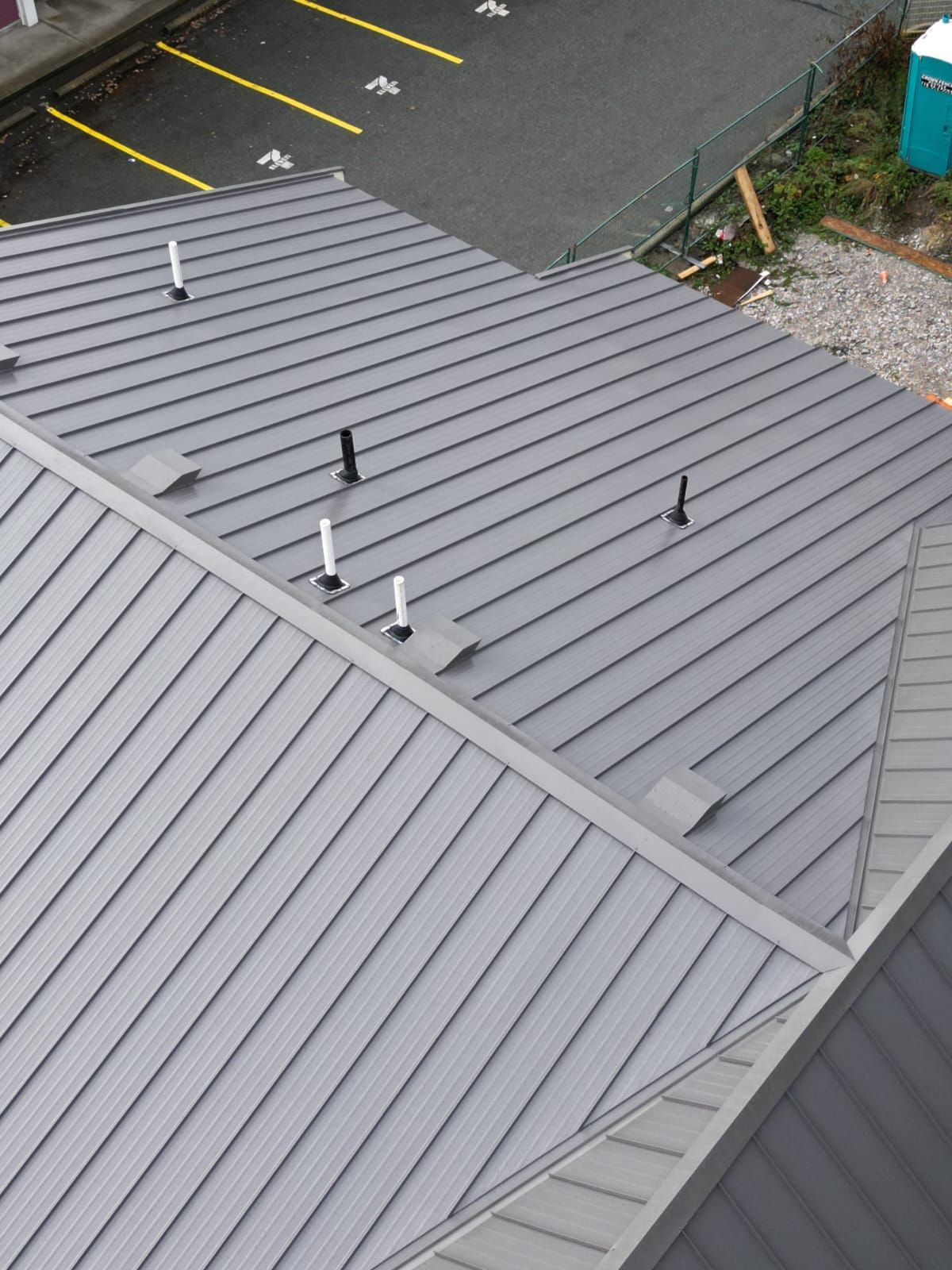
Metal roofing works for low-slope commercial applications when properly designed. Standing seam metal roofs can function on slopes as low as 1/4:12, though 1:12 or greater provides better long-term performance.
When metal is appropriate includes buildings with moderate slopes, structures requiring maximum longevity (40+ years), and facilities where roof access for maintenance is limited. Industrial buildings and warehouses frequently use metal roofing.
Longevity advantages include durability measured in decades rather than years, resistance to puncture and impact damage, and minimal maintenance requirements. Metal roofs cost more initially but often prove economical over their extended service life.
For detailed information on material options and their specific applications, our
roofing materials guide provides comprehensive comparisons.
Step-by-Step Commercial Roof Installation Process
Step 1: Initial Roof Assessment & Planning
Structural evaluation determines if the existing roof deck can support new roofing systems. This includes checking for rot, deterioration, or damage that requires repair before installation begins.
Moisture scans use infrared thermography or nuclear moisture meters to identify wet insulation. Installing new roofing over wet insulation traps moisture, leading to continued deterioration and premature system failure. All wet areas must be removed and replaced.
Step 2: Safety Planning & Site Preparation
Fall protection systems are legally required and ethically non-negotiable. Commercial roof work involves perimeter guardrails, personal fall arrest systems, or warning line systems, depending on the specific site conditions.
Tenant safety considerations include protecting building occupants from noise, dust, and falling materials. This might involve restricting roof access, establishing safe zones below work areas, and communicating work schedules clearly.
Step 3: Tear-Off or Overlay Preparation
Removal considerations for tear-offs include disposal logistics, protecting the building during removal, and managing debris. Commercial roofs generate substantial waste material requiring multiple dumpsters and potentially special disposal for materials like old insulation.
Waste management planning reduces project costs and environmental impact. Some roofing materials can be recycled, while others require landfill disposal. Planning waste handling before the tear-off begins prevents delays.
Step 4: Deck Repairs & Slope Corrections
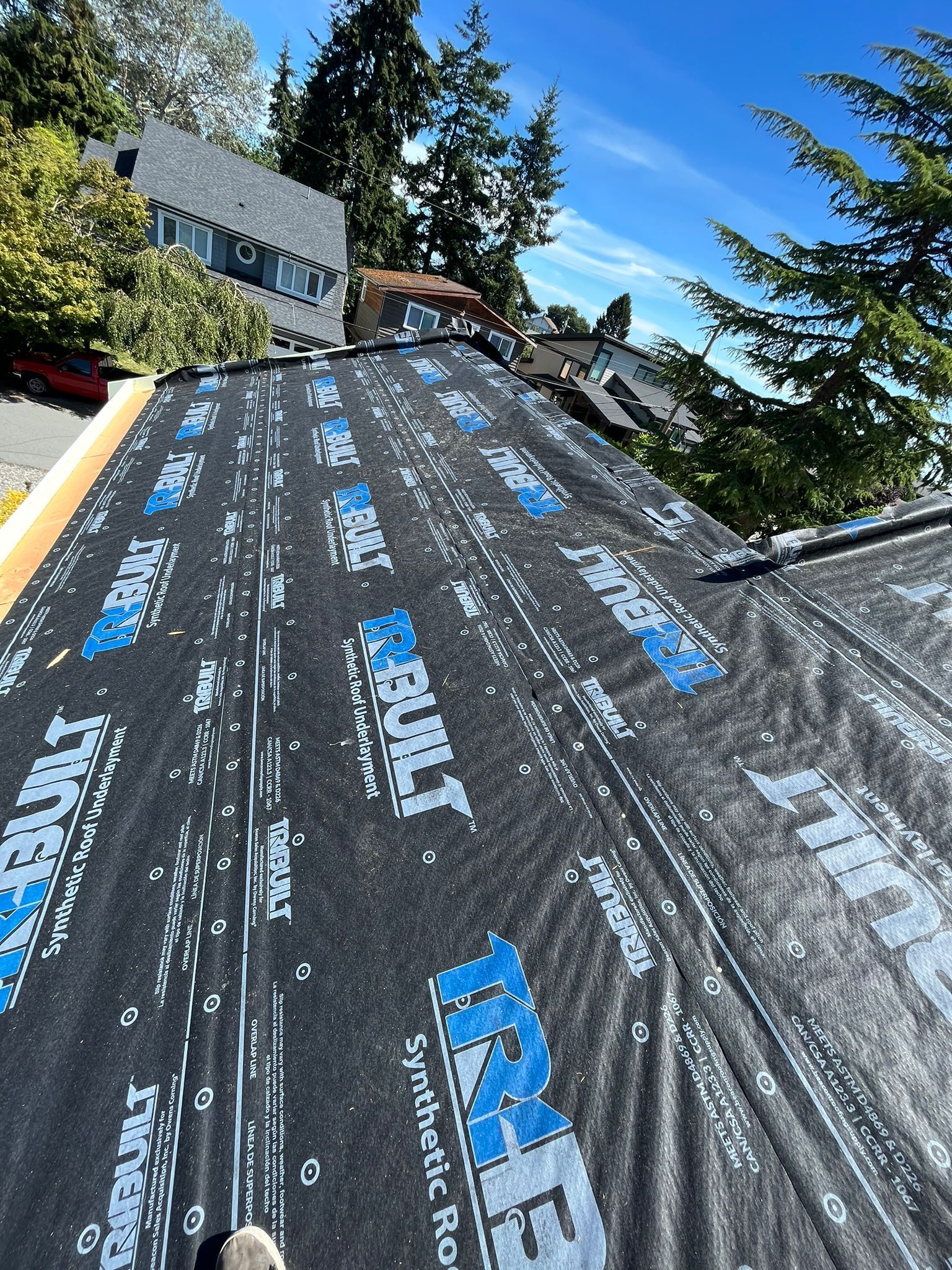
Plywood replacement addresses any rotted, damaged, or deteriorated decking discovered during the tear-off. This work must be completed before the new roofing installation can proceed.
Drainage improvements often include installing tapered insulation systems to create proper slopes toward drains. On some projects, this step reveals the need for additional drains or scupper locations to handle Vancouver's heavy rainfall.
Step 5: Installation of Roofing System
Material-specific installation methods vary significantly. Torch-on requires propane torches and skilled applicators who heat the membrane to the proper bonding temperature without overheating. TPO needs specialized welding equipment and trained technicians to create proper seam welds. EPDM installation involves adhesives or mechanical fastening with careful seam preparation.
Each system has manufacturer specifications that must be followed exactly to maintain warranty coverage. Experienced commercial roofing crews understand these requirements and execute them consistently.
Step 6: Flashing, Drains & Penetrations
Parapets require careful flashing where the roof membrane transitions to vertical walls. This detail is critical in Vancouver's climate; failed parapet flashing causes many commercial roof leaks.
HVAC units penetrate the roof membrane and create potential leak points. Proper curb flashing and pitch pans or manufactured boots ensure waterproof penetrations that accommodate equipment vibration and thermal movement.
Skylights need integration with the roofing system through proper flashing. For new skylight installations or replacements during roof projects, our skylight repair and installation services ensure waterproof integration.
Ventilation system installations similarly require proper flashing and sealing to maintain roof integrity.
Step 7: Final Inspection & Quality Assurance
Manufacturer requirements often include third-party inspection for warranty activation. Some warranties require certified installers, specific installation methods, and documented inspections at various stages.
Code compliance verification ensures the installation meets British Columbia Building Code requirements for commercial structures. This includes proper insulation R-values, fire resistance ratings, and wind uplift resistance.
How Long Does Commercial Roof Installation Take in Vancouver?
Typical Installation Timelines by Roof Type
Torch-on installations for average-sized commercial buildings (10,000-20,000 sq ft) typically require 1-2 weeks. Larger buildings or complex layouts extend this timeline.
TPO installations often proceed faster than torch-on for similar-sized projects, running 1-1.5 weeks for straightforward applications. The single-ply membrane covers the area quickly once deck preparation is complete.
EPDM systems install at similar speeds to TPO, with 1-2 weeks typical for mid-sized commercial roofs. Adhesive EPDM may go faster than mechanically fastened versions.
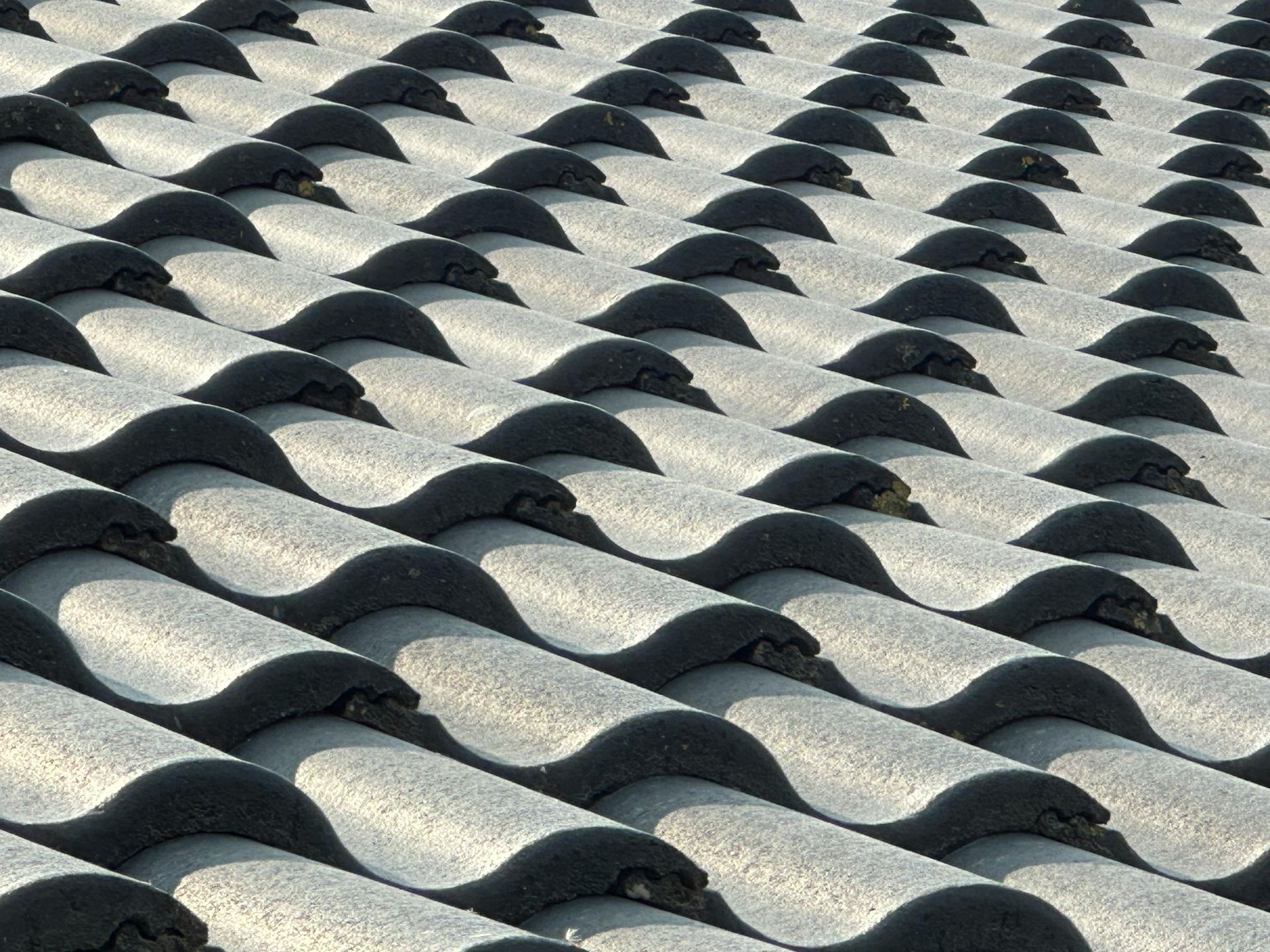
Metal roofing timelines vary widely based on roof complexity and panel lengths. Simple low-slope metal roofs might complete in 2-3 weeks, while complex configurations with multiple penetrations take longer.
Factors That Affect Installation Timelines
Roof size and complexity create the biggest timeline variations. A simple rectangular 15,000 sq ft roof installs much faster than a 15,000 sq ft roof divided across multiple levels with numerous penetrations and parapet details.
Timeline impact factors:
- Weather delays (potentially add 20-30% to timeline in shoulder seasons)
- Extent of structural repairs discovered during tear-off
- Access limitations (crane availability, working around occupied spaces)
- Permit processing and inspection scheduling
- Material delivery schedules
Structural repairs can extend timelines significantly. Finding extensive deck rot or deterioration during tear-off might add days or weeks to address properly. This unpredictability is why experienced contractors build contingency time into project schedules.
Commercial Roof Installation Costs in Vancouver
Factors That Influence Installation Costs
Square footage drives base costs. Commercial roofing prices are quoted per square foot, with total project costs scaling with roof area. Larger roofs achieve some economies of scale, but not proportionally.
Roofing system choice significantly impacts costs. Basic torch-on systems start around $8-12 per square foot installed. TPO runs $10-15 per square foot. Premium systems or specialty applications cost more.
Major cost variables:
- Tear-off vs overlay (tear-off adds $2-4 per square foot)
- Insulation type and thickness required
- Extent of structural repairs needed
- Safety requirements and site access
- Number and complexity of penetrations
- Drainage modifications or additions
Tear-off versus overlay represents a major cost decision. Overlays save on labor and disposal costs but don't address underlying problems. For most commercial buildings, a tear-off provides better long-term value despite a higher initial cost.
Safety requirements add costs but are non-negotiable. Perimeter protection, fall arrest systems, and site safety plans all factor into installation pricing. These costs scale with building height and site complexity.
Drainage upgrades might include new drains, scuppers, or a complete slope redesign using tapered insulation. These improvements prevent future problems but add to project costs.
Typical Commercial Roof Installation Cost Ranges
Flat roof installations in Vancouver typically cost:
- Basic torch-on system: $10-16 per square foot
- TPO single-ply: $12-18 per square foot
- EPDM rubber: $11-17 per square foot
- Premium modified bitumen: $16-24 per square foot
- Metal roofing: $18-30+ per square foot
Specialty systems, including green roofs, intensive insulation packages, or complex drainage designs, cost more. These numbers include tear-off, basic deck repairs, and complete installation. Extensive structural work or unusual access requirements increase costs beyond these ranges.
For a 15,000 square foot commercial roof, total project costs might run $180,000-$360,000 depending on system choice and conditions. This wide range reflects the variables in commercial roofing projects.
Cost ranges reflect Vancouver-area pricing as of 2024-2025. Actual project costs depend on specific building conditions and requirements.
Understanding your options helps in planning and budgeting. Our commercial roofing services provide detailed assessments and transparent pricing for your specific project.
New Installation vs Repair or Overlay: What's Best?
When Full Installation Is Necessary
End-of-life systems that have exceeded their design lifespan need replacement, not patching. A 25-year-old modified bitumen roof might still be holding water, but it's living on borrowed time. Full installation provides known performance for the next 15-20 years.
Structural issues require full roof removal to be addressed properly. Rotted decking, failed insulation, or drainage problems can't be fixed through overlays or repairs. You need access to the roof deck for these corrections
When Overlays May Be Considered
Budget constraints sometimes make overlays the practical choice. If full replacement isn't feasible but the roof needs immediate attention, an overlay extends service life 5-10 years while you plan for eventual full replacement.
Overlay requirements:
- The existing roof must be structurally sound
- Only one previous layer present (code limit total layers)
- No widespread moisture in the existing system
- Deck condition is known to be good
Roof condition determines overlay feasibility. Overlays only work on roofs in decent condition with isolated problems. Widespread deterioration requires full replacement
Risks of Delaying Full Installation
Escalating damage from aging roof systems affects more than just the roof. Water infiltration damages insulation, structural framing, electrical systems, and interior finishes. What starts as a $200,000 roof replacement can become a $400,000 building restoration project if delayed too long.
Higher long-term costs result from repeated temporary repairs. Spending $15,000 annually on emergency leak repairs adds up quickly. After a few years, you've spent replacement money without getting a new roof.
Our
commercial roof repair and maintenance services help extend roof life and plan for eventual replacement, but they can't indefinitely postpone the need for new installation
Minimizing Disruption During Commercial Roof Installation
Tenant & Occupant Safety
Protecting building occupants starts with clear communication. Tenants need advance notice about work schedules, noise expectations, and any access restrictions. This prevents complaints and maintains good tenant relations.
Physical protection measures include barrier systems preventing materials from falling to ground level, designated safe zones away from work areas, and restricted access to roof areas during active construction.
Noise, Access & Scheduling
Noise management becomes critical for occupied buildings. Tear-off work generates significant noise that can disrupt office work or disturb residents. Scheduling noisy work during non-peak hours or weekends reduces impact.
Access considerations include maintaining emergency exits, preserving parking areas, and coordinating equipment delivery. Large projects might require crane time for material lifts, affecting parking and site access temporarily.
Phased Installation Strategies
Phased installation breaks large roofs into sections, completed sequentially. This approach keeps portions of the building protected at all times and reduces the area exposed to weather risk on any given day.
For multi-tenant buildings, phasing allows coordinating work around lease terms or seasonal business cycles. Retail buildings might phase installation to avoid peak shopping seasons, while office buildings might work around fiscal year-end periods
Warranties & Compliance for Commercial Roof Installation
Manufacturer vs Workmanship Warranties
Manufacturer warranties cover material defects and typically run 10-20 years, depending on the roofing system. These warranties require approved installers, proper installation methods, and sometimes regular maintenance documentation.
Workmanship warranties from the installing contractor cover installation errors and typically run 2-10 years. Quality contractors stand behind their work with meaningful workmanship guarantees that provide real protection beyond material warranties.
Inspection & Documentation Requirements
Many commercial roof warranties require third-party inspection at completion. This independent verification confirms proper installation according to manufacturer specifications and activates warranty coverage.
Documentation should include installation photos, material certifications, warranty certificates, and maintenance requirements. This package becomes part of the building's permanent records and transfers with property sales.
Code & Safety Compliance in Vancouver
The British Columbia Building Code sets minimum requirements for commercial roof systems. This includes fire ratings, wind uplift resistance, insulation values, and structural loading limits.
Safety compliance includes WorkSafeBC requirements for fall protection, site safety plans, and worker certification. Contractors must demonstrate compliance through documentation and on-site practices.
How to Choose a Commercial Roof Installation Contractor in Vancouver
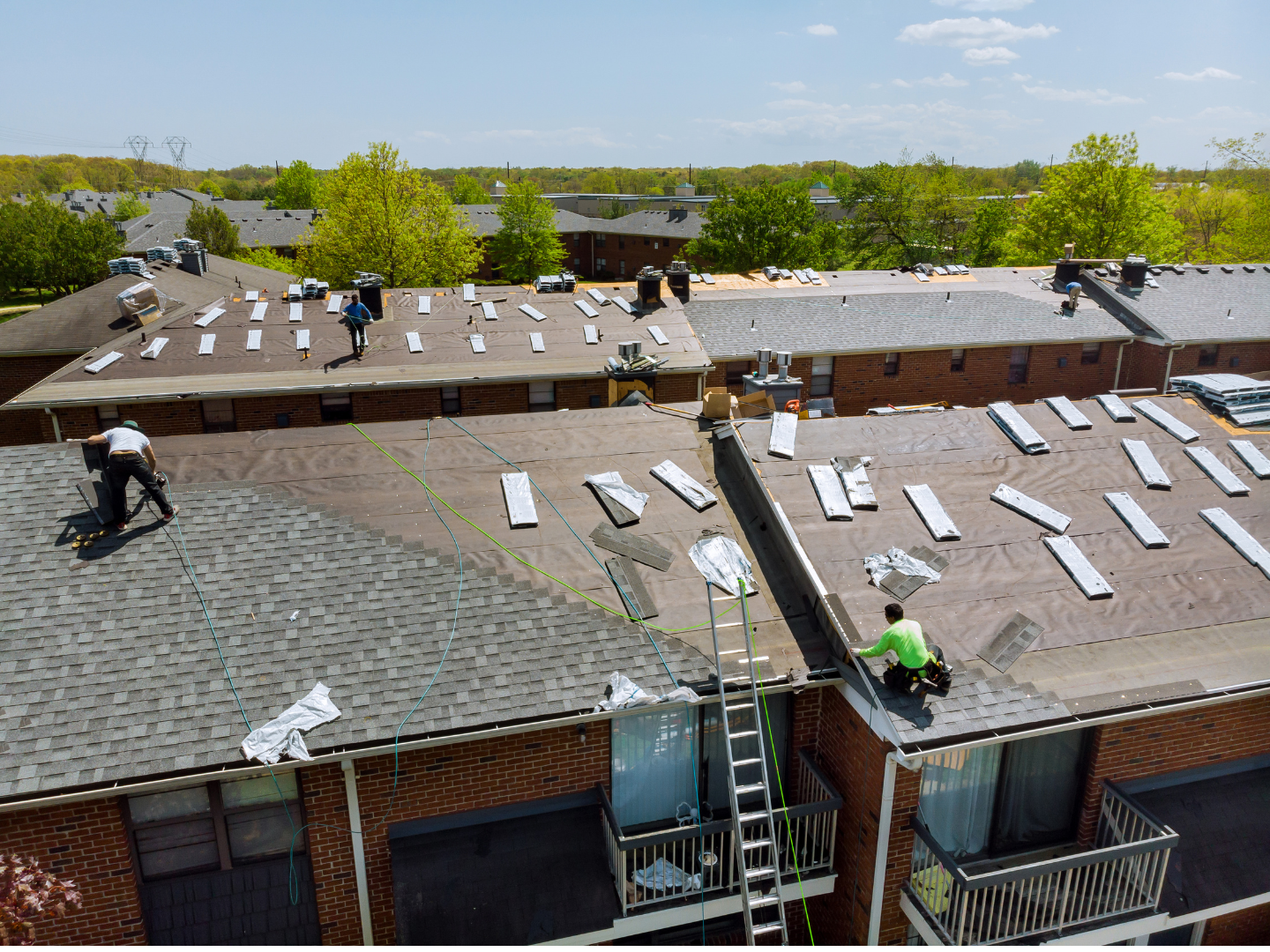
Flat-roof experience matters more than general roofing experience. Commercial flat roofing requires different skills and knowledge from residential sloped roofing. Look for contractors with portfolios of commercial projects similar to yours.
Contractor evaluation criteria:
- Minimum 5-10 years of commercial roofing experience
- Safety certifications and WorkSafeBC compliance
- Manufacturer certifications for proposed roofing systems
- Local commercial references you can contact
- Clear project scopes with detailed timelines
- Transparent pricing without hidden costs
Safety certifications indicate professional operations. Ask about fall protection plans, worker training programs, and safety records. Contractors serious about safety protect both their workers and your property.
Transparent scopes and timelines show professionalism. Detailed proposals outlining every phase of work, expected timelines, and potential weather contingencies demonstrate experience and realistic planning.
Commercial Roof Installation FAQs Vancouver
When do you need a new commercial roof installation instead of repairs?
You typically need a full installation when the membrane is brittle or shrinking, leaks occur in multiple locations, insulation is wet, or drainage slopes have failed. If ponding water remains 48 hours after rainfall, it often signals drainage or slope issues that require full replacement work.
What’s the difference between a tear-off replacement and an overlay?
A tear-off removes the old roof down to the deck so you can fix hidden moisture, replace wet insulation, and correct drainage properly. An overlay costs less upfront and installs faster, but adds weight and can hide existing problems, often reducing long-term reliability.
What commercial flat roof systems are most common in Vancouver?
The most common Vancouver commercial flat roof systems are torch-on (SBS modified bitumen), TPO, and EPDM. Torch-on is widely used locally for its proven performance, while TPO offers reflective energy benefits and EPDM is valued for long-term flexibility and repairability.
How does Vancouver’s climate affect commercial roof installation?
Rain exposure during tear-off and installation means projects must use phasing, temporary waterproofing, and careful scheduling in drier months (typically May–September). Proper slope and drainage design are critical because flat roofs don’t shed water like pitched roofs.
How long does commercial roof installation take in Vancouver?
Mid-sized flat roofs (about 10,000–20,000 sq ft) often take 1–2 weeks depending on system type, deck repairs, and weather delays. Complex penetrations, parapet details, and unexpected structural repairs can extend timelines.
How much does commercial roof installation cost in Vancouver?
Installed commercial flat roof costs commonly range around $10–$16/sq ft (basic torch-on), $12–$18/sq ft (TPO), $11–$17/sq ft (EPDM), and $18–$30+/sq ft (metal), with total cost driven by tear-off needs, insulation, deck repairs, access, and drainage upgrades.
How can building owners reduce disruption during a commercial roof install?
Disruption is reduced by phasing work, scheduling noisy tear-off during low-impact hours, protecting access routes and occupant areas, and communicating timelines clearly with tenants. Phased installation also limits how much roof area is exposed to weather on any given day.
Next Steps for Commercial Roof Installation in Vancouver
Planning a commercial roof installation starts with a professional assessment. A thorough roof evaluation identifies current conditions, determines remaining service life, and outlines replacement options suited to your building and budget.
Our comprehensive
commercial roofing services include assessment, planning, and installation across all flat roof systems.
Contact us to discuss your commercial roof installation needs and receive a detailed evaluation of your property. Visit our
homepage to learn more about our commercial and industrial roofing expertise across Metro Vancouver.
Disclaimer: Pricing and cost ranges shown are for general informational purposes only and are not quotes or guarantees. Actual commercial roofing costs in Vancouver vary based on roof size, system type, existing conditions, tear-off requirements, insulation and drainage needs, access and safety constraints, permitting, and weather. Final pricing and scope require a professional on-site assessment.
Here's What Our Existing Clients Think.
Home and business owners we've served across the greater Vancouver area.
Our Google Reviews
Edit Google Reviews Widget
We look forward to helping you.
For all your roofing needs, contact Paragon Roofing BC — call, text, or email us at 604-358-3436
Paragon Res Roof Install #2
We will get back to you as soon as possible.
Please try again later.