Commercial Roofing in Vancouver: Flat Roof Systems, Costs & Long-Term Planning

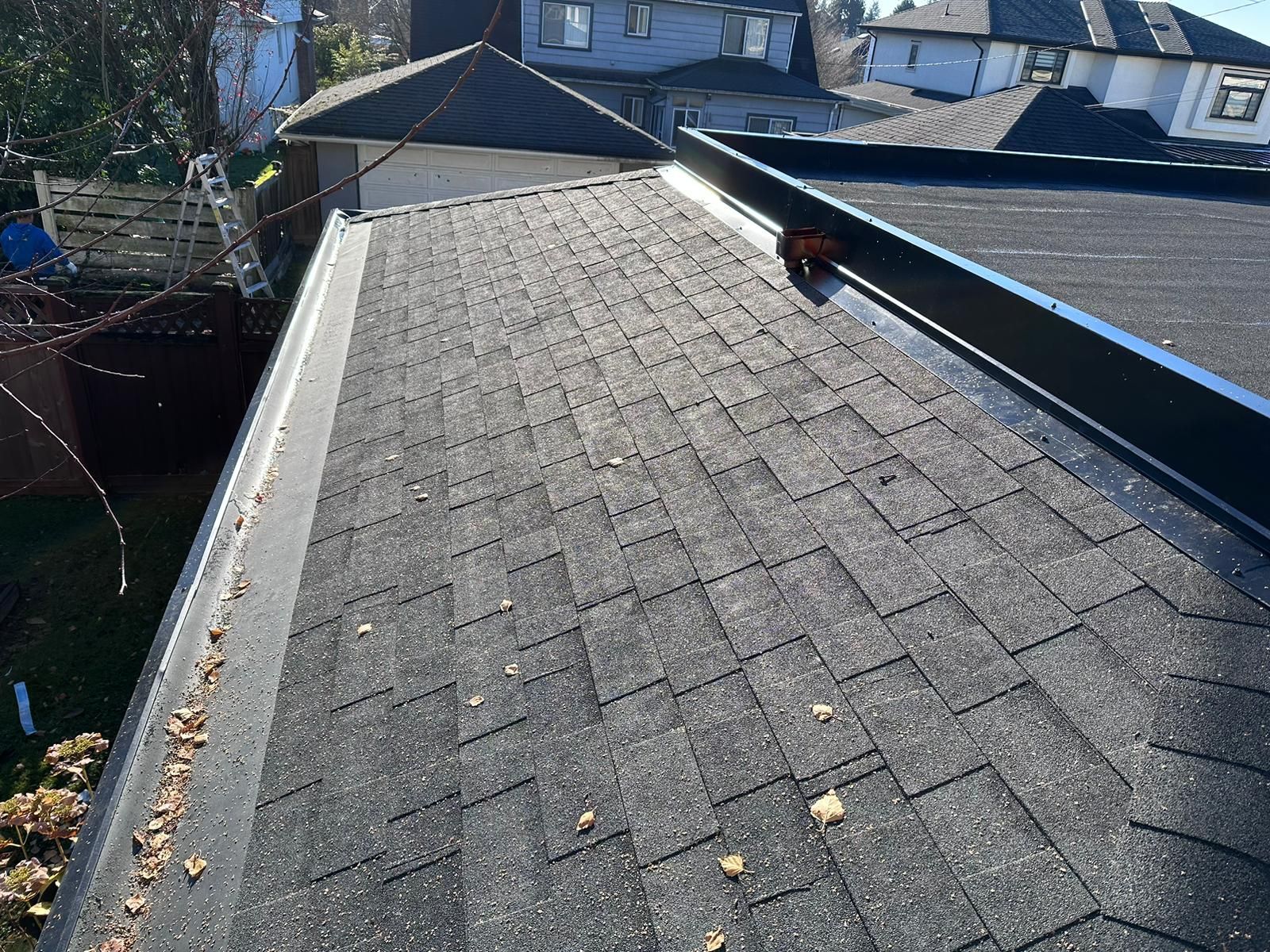
Commercial roofing in Vancouver demands specialized approaches distinct from residential applications. Our coastal climate, delivering 1,189mm annual rainfall, creates persistent challenges for flat and low-slope roofs dominating commercial construction. Unlike pitched residential roofs, where gravity assists water shedding, flat commercial systems rely entirely on proper drainage and waterproofing integrity, preventing water infiltration.
Commercial roof failures create cascading business impacts beyond repair costs. Water damage affects inventory, equipment, operations, and tenant relationships. Emergency roof repairs during business hours disrupt productivity. Rushed replacement decisions from catastrophic failures often result in higher costs and suboptimal material selections. Professional property owners and facility managers treat roofing as a strategic asset management requiring proactive planning rather than reactive crisis response.
This comprehensive guide explains how Vancouver's weather impacts commercial roofing systems, common flat roof types and their performance characteristics, building-specific considerations, realistic cost factors, installation and replacement processes, maintenance program benefits, lifecycle planning, contractor selection criteria, and risk management approaches protecting commercial property investments.
What Makes Commercial Roofing in Vancouver Unique
How Vancouver's Climate Impacts Flat & Commercial Roof Systems
Constant Rain & Moisture Exposure
Membrane stress from persistent dampness: Commercial roofing membranes (TPO, EPDM, modified bitumen) experience 170+ days annually with direct moisture exposure. This constant wetting accelerates material degradation, UV damage amplification, and seam stress. Materials rated for 25-year performance in dry climates achieve 22-25 years here with proper maintenance, potentially 18-20 without regular care.
Seal & flashing failure acceleration: Penetration flashings (HVAC units, vents, drains) and perimeter edge details deteriorate faster in persistent moisture. Sealants lasting 15-20 years in interior regions fail in 10-15 years in Vancouver conditions, requiring more frequent inspection and preventative replacement.
Ponding Water on Flat Roofs
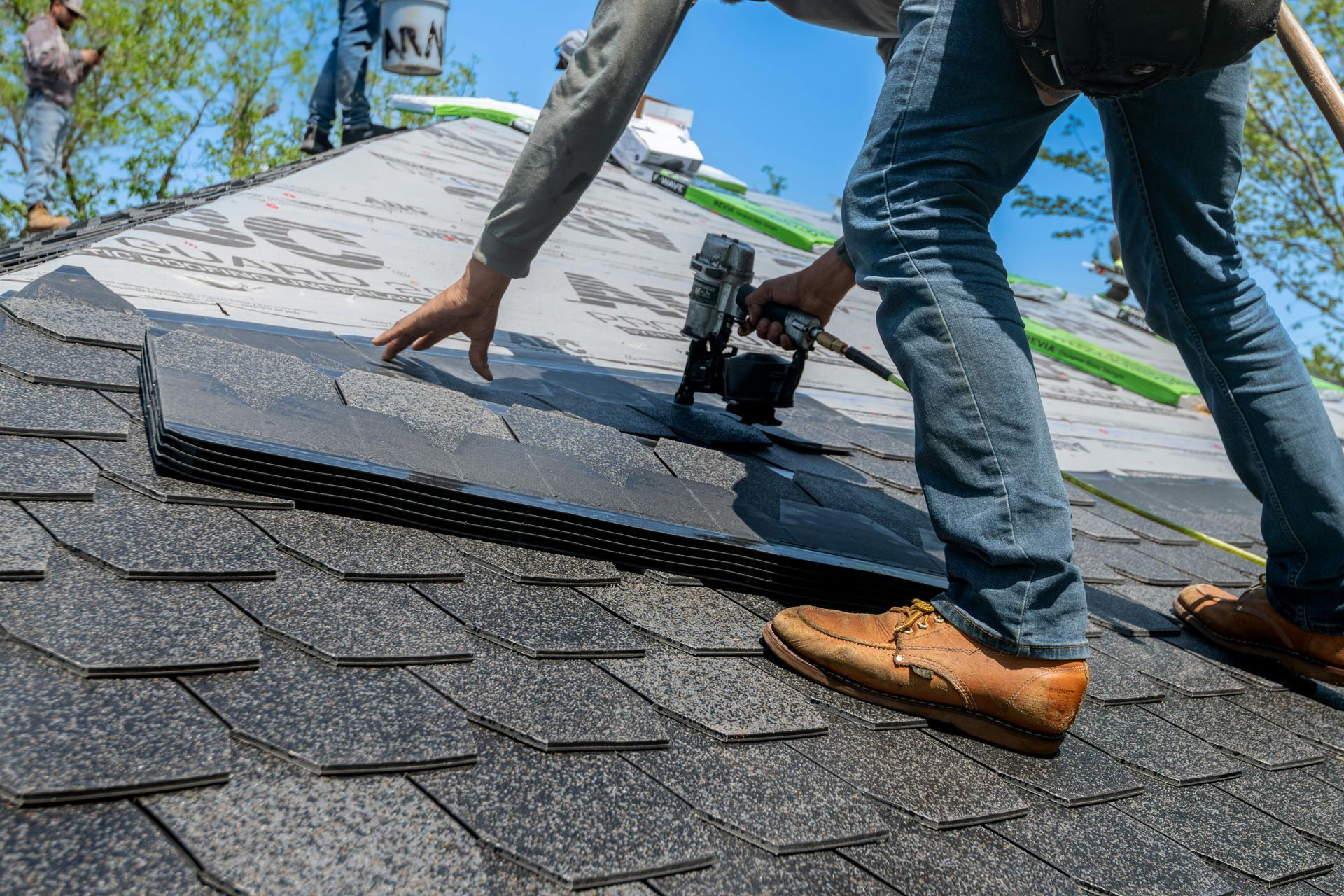
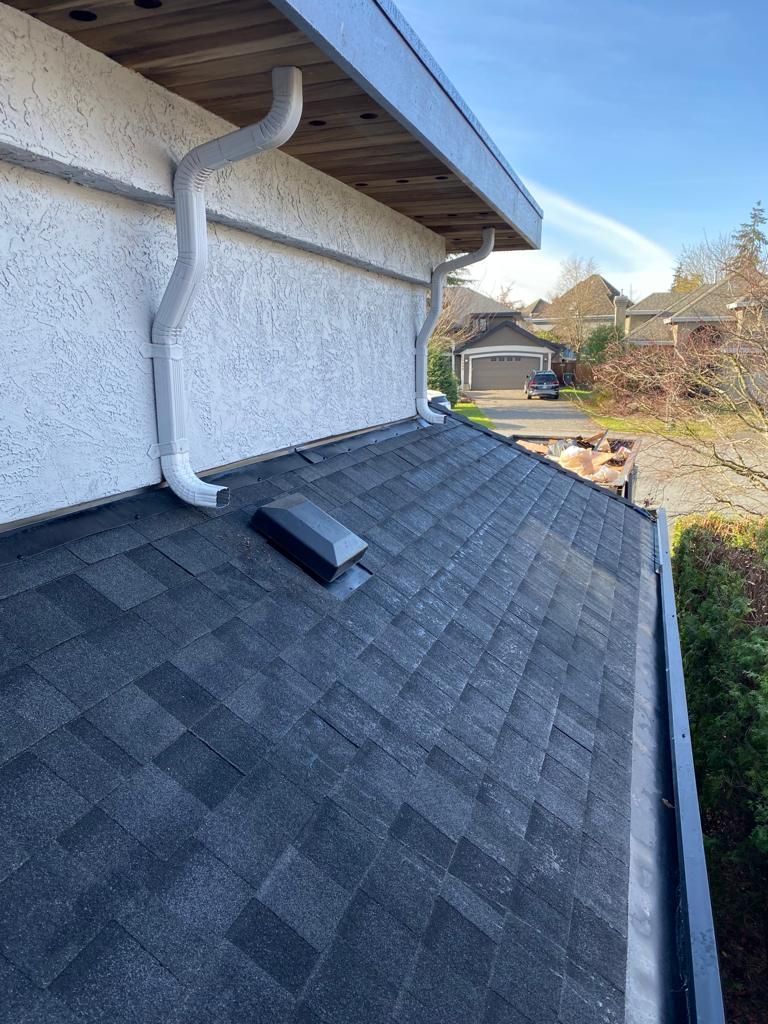
Drainage challenges specific to Vancouver: Heavy rainfall events (occasionally 40-60mm in 24 hours) test drainage capacity. Roofs with inadequate slope (less than 1/4 inch per foot) or undersized drains create ponding conditions. Standing water exceeding 48 hours accelerates membrane deterioration, adds structural dead load stress, and indicates design deficiencies requiring correction.
Structural risk from water accumulation: Water weighs approximately 5 pounds per square foot per inch of depth. Significant ponding (3-4 inches across large areas) adds substantial structural load. Older buildings designed for lower snow loads may experience stress from unexpected water accumulation during heavy rain with blocked drains.
Wind, Storms & Seasonal Wear
Membrane uplift during windstorms: Vancouver's winter storms (80-90 km/h gusts) create uplift forces on large flat roof surfaces. Improperly secured membranes or aged adhesives allow wind to lift sections, causing billowing, seam stress, or complete blow-offs requiring emergency repairs.
Edge detailing vulnerabilities: Parapet caps, perimeter flashings, and roof edge terminations experience concentrated wind forces. Loose or inadequate fastening allows water infiltration behind edge details, creating hidden damage before becoming evident through interior leaks.
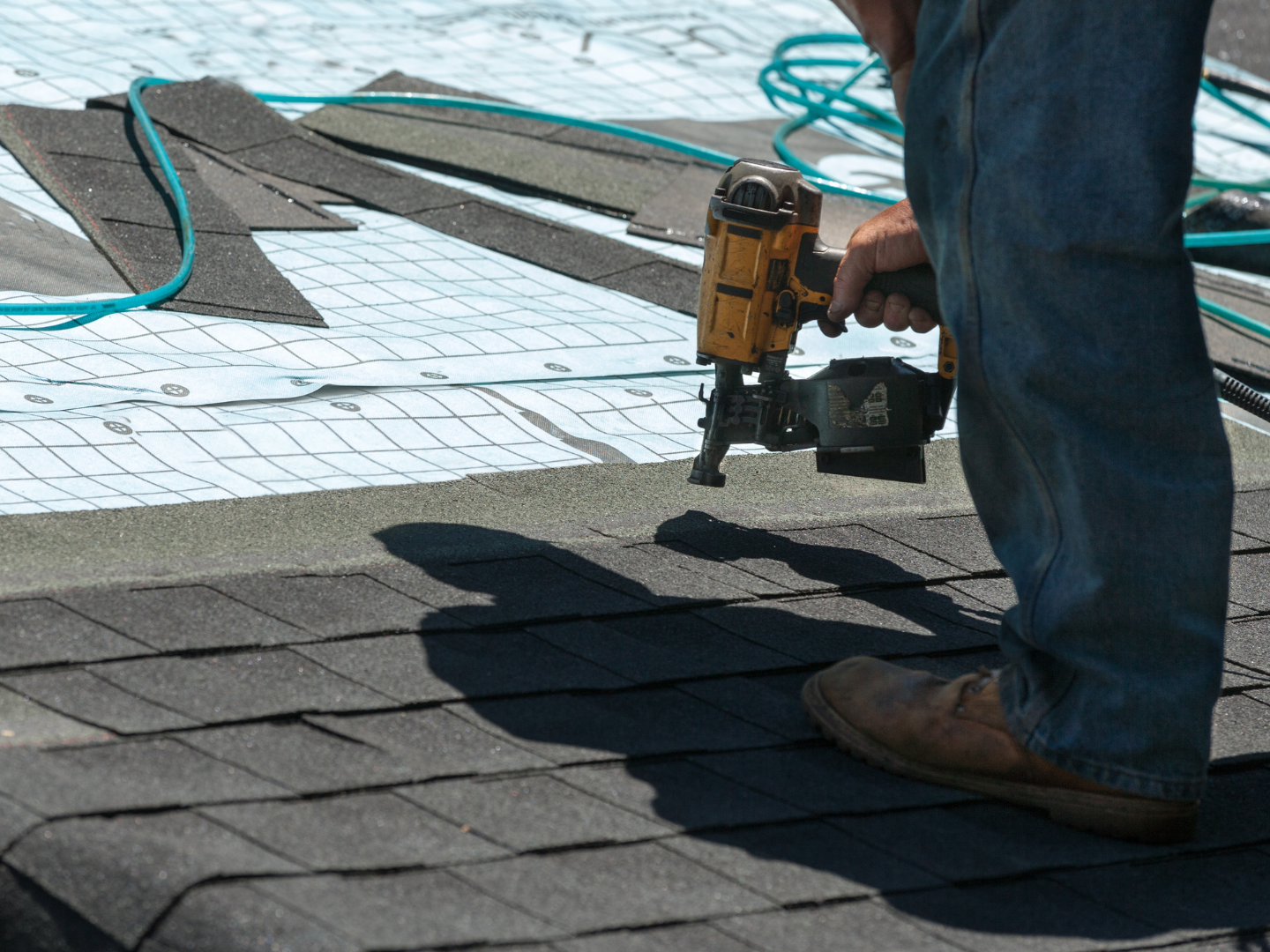
Professional maintenance programs identify developing problems before they escalate into business-disrupting emergencies
Common Commercial Roofing Systems Used in Vancouver
Different systems suit varying building types, budgets, and performance requirements.
Torch-On (SBS) Roofing Systems
Popularity in Vancouver: Modified bitumen torch-applied systems represent the most common commercial roofing in Metro Vancouver. Multi-layer installation provides redundant waterproofing. Heat-welded seams create durable bonds. Proven 25-30 year local performance track record.
Performance in wet climates: Excellent moisture resistance through multiple waterproofing layers. Self-healing characteristics allow minor punctures to seal. Repairs integrate seamlessly with the existing membrane. Costs $8-14/sq ft installed.
TPO Roofing Systems
Energy efficiency advantages: White reflective surface reduces cooling loads during summer heat events. Heat-welded seams provide superior bond strength compared to adhesive systems. Growing Vancouver adoption, especially in newer commercial construction.
Seam-welded membrane benefits: Hot-air welding creates molecular bonds stronger than the base material. Properly installed TPO seams rarely fail. 25-30 years expected lifespan. Lighter weight than torch-on, beneficial for buildings with load limitations. Costs $7-12/sq ft installed.
EPDM Roofing Systems
Durability & flexibility: Synthetic rubber membrane with 60+ year proven global track record. Remains flexible in cold weather without cracking. Black surface absorbs heat (disadvantage), but proven reliability makes it a solid choice for many applications.
Repairability advantages: Straightforward repairs using compatible patches. Seams use tape or liquid adhesives (less robust than heat-welded systems but adequate for many applications). Costs $6-12/sq ft installed.
Modified Bitumen & Hybrid Systems
Multi-layer protection: Some installations combine different membrane types or use cap sheets over base layers, providing enhanced performance. Flexibility in system design addresses specific building requirements or challenging conditions.
Proven track record: Modified bitumen products have decades of proven Vancouver performance. Material science improvements continue to enhance durability and installation efficiency.
Metal Roofing for Commercial Buildings
Sloped commercial applications: Standing seam metal suits commercial buildings with adequate pitch (3:12 or greater). Superior weather resistance, minimal maintenance, and a 50-70 year lifespan justify a premium investment for long-term ownership.
Longevity benefits: Avoiding multiple replacement cycles over building lifetime provides favorable lifecycle economics despite higher initial cost ($12-20/sq ft installed).
Comprehensive material guidance is available throughroofing materials resources.
Commercial Roofing by Building Type in Vancouver
Different property types present unique requirements and challenges.
Office Buildings
Low disruption requirements: Occupied office buildings demand minimal tenant impact during roofing work. Phased installations, completing sections sequentially, after-hours work for critical phases, and comprehensive communication prevent productivity losses.
Long-term planning: Professional office properties benefit from proactive 20-25 year replacement cycles coordinated with capital budgets. Systematic maintenance extends serviceable life, allowing strategic timing rather than emergency response.
Retail & Mixed-Use Buildings
Drainage & foot traffic concerns: Retail centers often have rooftop equipment, amenity spaces, or access requirements, creating membrane traffic concerns. Walkway systems protect roofing from foot traffic damage. Complex drainage around multiple roof levels demands careful design.
Tenant coordination: Mixed-use properties require scheduling to minimize retail disruption during peak business periods. Weekend or after-hours work prevents customer impact.
Industrial & Warehouse Buildings
Large surface areas: Industrial facilities often have expansive single-plane roofs (50,000-200,000+ sq ft). Economy of scale reduces per-square-foot costs. However, comprehensive scope and material volumes create substantial total project investments ($300,000-2,000,000+).
Load considerations: Warehouses frequently support rooftop equipment, solar panels, or stored materials requiring structural verification before roof replacement. Installation phasing prevents business disruption in active facilities.
Multi-Unit & Strata-Managed Commercial Properties
Budget cycles: Strata-managed commercial buildings follow capital planning tied to depreciation reports and reserve fund schedules. Roofing projects require council approval and owner communication similar to residential strata procedures.
Approval processes: Major commercial strata projects need detailed proposals, cost transparency, and timeline clarity, allowing informed decision-making. Cross-reference strata roofing guidance for multi-unit considerations.
Commercial Roofing Costs in Vancouver (What Impacts Pricing)
Understanding complete project economics enables realistic budgeting and prevents surprise expenses.
Factors That Affect Commercial Roofing Costs
Roof size & access: Larger roofs benefit from economies of scale, reducing per-square-foot costs. However, difficult access (urban locations, limited staging areas, crane requirements) adds 15-30% to baseline pricing. Buildings with surrounding occupied structures, parking constraints, or restricted hours increase complexity.
System type: Material selection significantly impacts costs:
- EPDM: $6-12/sq ft
- TPO: $7-12/sq ft
- Torch-on: $8-14/sq ft
- Metal (sloped applications): $12-20/sq ft
Tear-off vs overlay: Complete removal allows deck inspection and repair, but adds $2-4/sq ft for labor, disposal, and equipment. Overlays (installing a new membrane over existing) save tear-off costs but hide potential deck damage and reduce new membrane lifespan.
Drainage upgrades: Addressing inadequate slope, enlarging undersized drains, or adding overflow scuppers during replacement adds $5,000-25,000+, depending on extent. These improvements prevent future ponding problems, justifying investment.
Safety requirements: Multi-story buildings, occupied facilities, or urban locations with pedestrian traffic below require comprehensive fall protection, barriers, and safety protocols, adding 10-20% to costs. WorkSafeBC compliance is non-negotiable for all commercial work.
Typical Commercial Roofing Cost Ranges (Vancouver 2026)
Small commercial building (5,000-10,000 sq ft):
- Complete replacement: $35,000-120,000
- Per-square-foot: $7-12/sq ft
Medium commercial building (20,000-40,000 sq ft):
- Complete replacement: $120,000-480,000
- Per-square-foot: $6-12/sq ft
Large commercial building (50,000-100,000 sq ft):
- Complete replacement: $300,000-1,200,000
- Per-square-foot: $6-12/sq ft
Costs include tear-off (if required), disposal, deck repairs (typical 10-15% contingency), new membrane, flashings, edge details, and project management. Extensive structural work, complex drainage modifications, or challenging logistics add to base ranges.
Professional installation services ensure proper execution and warranty compliance.
Commercial Roof Installation & Replacement in Vancouver
Understanding replacement timing and process helps property managers plan appropriately.
When Commercial Roof Replacement Is Necessary
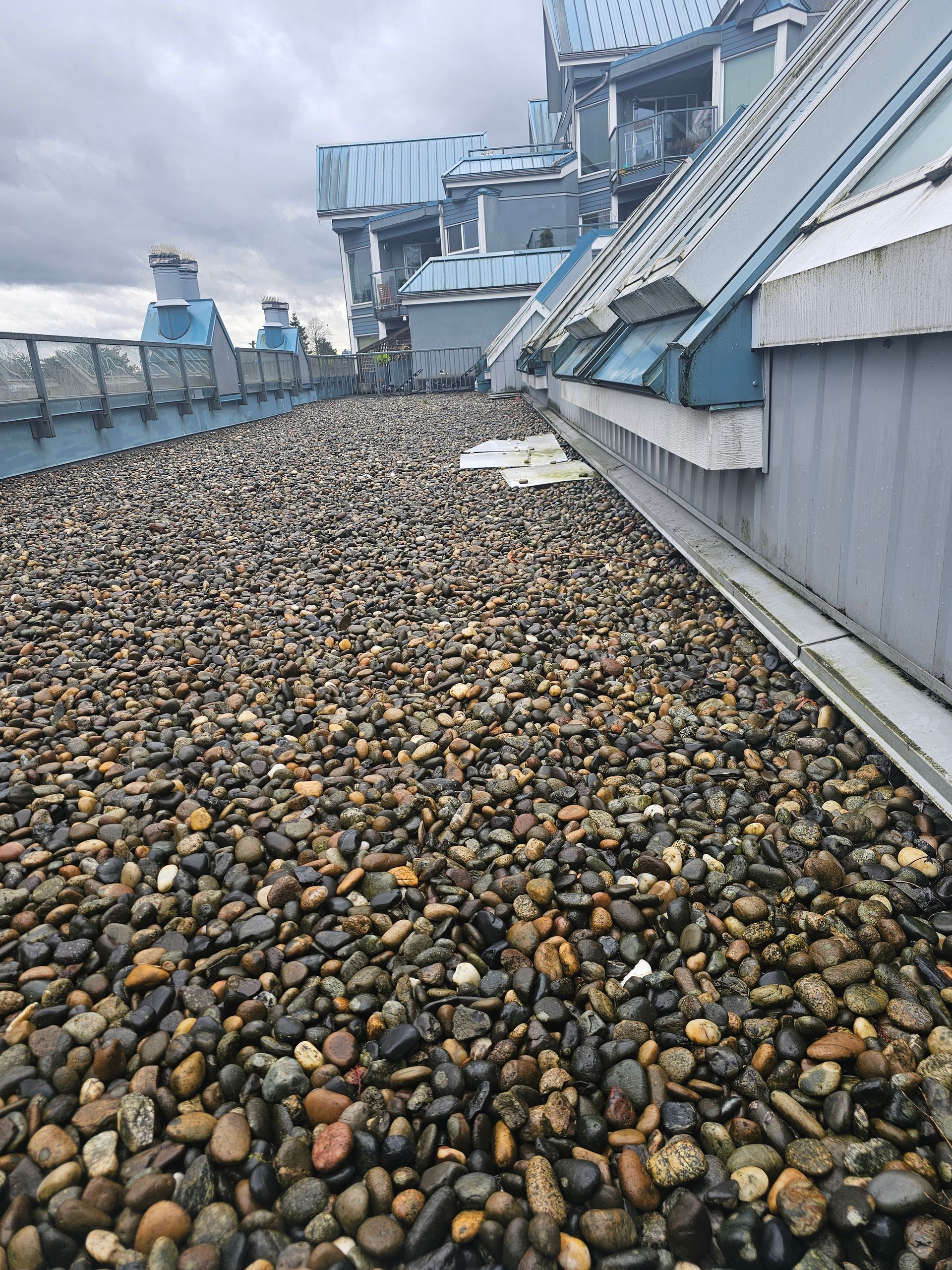
Aging membranes (20-25+ years): Commercial roofing systems approaching or exceeding expected Vancouver lifespan warrant replacement consideration. Materials exhaust capacity is becoming increasingly unreliable, requiring frequent repairs.
Repeated leaks in multiple locations: Different areas failing continuously indicate systemic problems beyond economical repair. Annual repair expenses approaching 10-15% of replacement cost signal appropriate replacement timing.
Structural risk from deck deterioration: Soft spots, visible sagging, or extensive moisture damage require comprehensive reconstruction. Attempting a membrane overlay over a compromised structure risks catastrophic failure and liability exposure.
Commercial Roof Installation Process (High-Level)
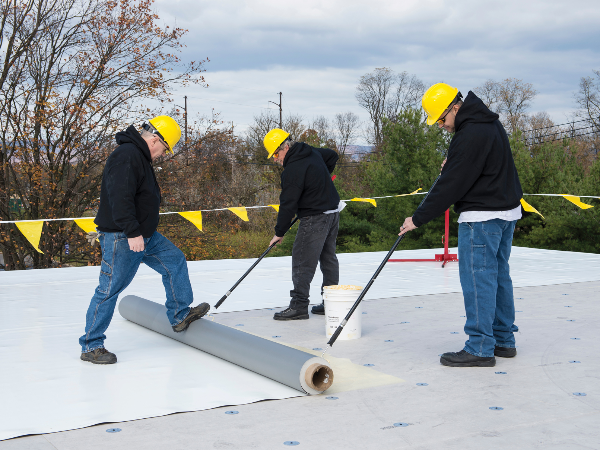
Comprehensive assessment: Professional evaluation determines existing membrane condition, deck integrity, drainage adequacy, and structural capacity. This assessment informs the scope of preventing mid-project surprises.
Tear-off or overlay decision: Complete removal allows thorough deck inspection and repair. Overlays (when building codes permit) reduce costs and disruption but limit visibility of hidden problems.
Phased installation: Large buildings often use sequential phasing, completing sections over multiple weeks. This approach limits weather exposure, allows continued building operation, and manages contractor resource allocation efficiently.
Quality control protocols: Mid-installation inspections verify proper application. Many projects include third-party quality assurance, ensuring manufacturer warranty eligibility. Documentation provides records protecting building owners.
Commercial Roof Repair & Maintenance in Vancouver
Systematic maintenance programs deliver measurable return on investment through extended lifespan and reduced emergency situations.
Common Commercial Roof Problems
debris, and flashing deterioration. Early detection through regular inspections allows $500-3,000 repairs, preventing $15,000-50,000 interior damage and business disruption.
Ponding water: Standing water indicates drainage deficiencies, accelerating membrane failure. Addressing slope corrections, drain enlargement, or additional drainage points prevents premature roof replacement.
Membrane damage from equipment: HVAC maintenance, satellite installations, or other rooftop activities creates punctures or tears. Walkway systems and proper access protocols prevent most damage.
Planned Maintenance vs Emergency Repairs
Cost comparison: Scheduled maintenance during business hours costs 40-60% less than after-hours emergency response. Planned $2,000 repair prevents $8,000 emergency situation, plus interior damage remediation and business interruption.
Risk reduction quantified: Commercial buildings averaging 2-3 preventable emergency repairs annually ($3,000-6,000 each) through maintenance programs costing $3,000-8,000 deliver a positive return while avoiding tenant disruption and inventory damage.
Benefits of Ongoing Commercial Roof Maintenance
Extended lifespan: Proper maintenance adds 5-8 years to expected service life. A commercial roof costing $250,000 lasting 28 years versus 20 years saves $89,000 in avoided premature replacement (present value calculation accounting for inflation).
Budget predictability: Operating budget maintenance expenses ($5,000-15,000 annually) integrate smoothly with capital planning, versus emergency replacements forcing unplanned expenditures affecting cash flow and operations.
Reduced business disruption: Planned repairs during low-activity periods minimize tenant impact. Emergency situations occur during business hours, creating productivity losses, tenant complaints, and potential lease issues.
Commercial Roof Maintenance Planning & Budgeting
Strategic approach to roof asset management optimizes lifecycle costs and minimizes risk.
Creating a Multi-Year Roof Maintenance Plan
Annual inspection minimum: All commercial properties require at least one comprehensive professional assessment annually. This baseline evaluation identifies developing problems and informs capital planning.
Bi-annual optimal: Spring and fall inspections provide better protection through more frequent problem detection. Cost difference is minimal ($3,000-6,000 vs $2,000-4,000 annually) while significantly reducing emergency risk.
Quarterly for high-risk: Buildings with aging roofs (18-25+ years), leak history, or critical operations benefit from quarterly monitoring, catching deterioration early.
Post-storm protocols: After significant weather events (windstorms, extreme rainfall, rare snow), immediate inspection identifies damage while conditions are fresh for insurance documentation.
Budget Forecasting for Commercial Roofs
Capital planning alignment: Depreciation studies project roof replacement timing (typically 22-28 years for flat systems). Property owners accumulate reserves, preventing crisis funding when replacement becomes necessary.
Maintenance budget allocation: Commercial properties should budget 1-3% of replacement cost annually for maintenance. $300,000 roof replacement justifies $3,000-9,000 annual maintenance investment protecting the asset.
Contingency reserves: Unexpected repairs occur despite maintenance programs. Budget 20-30% beyond planned maintenance, addressing unforeseen issues without impacting operations budgets.
Documentation & Reporting
Inspection reports: Professional assessments produce detailed written documentation including:
- Roof condition assessment with severity ratings
- Photo documentation of problem areas
- Prioritized recommendation lists
- Cost estimates for recommended work
- Historical condition tracking
Warranty tracking: Maintain manufacturer warranty certificates, installation documentation, and registration confirmations. Track maintenance compliance, protecting warranty coverage.
Asset management integration: Roof condition data integrates with property management systems, informing capital planning, insurance reviews, and property valuations.
How Long Do Commercial Roofs Last in Vancouver?
Realistic lifespan expectations inform replacement planning and maintenance program design.
Lifespan by Roofing System (Vancouver climate with proper maintenance)
Torch-on (modified bitumen): 25-30 years
- Proven local track record
- Multi-layer redundancy extends serviceable life
- Repairs integrate well, extending the overall lifespan
TPO (thermoplastic polyolefin): 25-30 years
- Relatively recent product (25-year proven history)
- Heat-welded seams are very durable
- The white reflective surface shows soiling but maintains integrity
EPDM (rubber membrane): 25-30 years
- Longest proven track record (60+ years globally)
- Flexible in temperature extremes
- Tape/adhesive seams are less robust than heat-welded
Metal roofing: 50-70 years
- Premium investment justified through extreme longevity
- Minimal maintenance requirements
- Avoids multiple replacement cycles
What Shortens Commercial Roof Lifespan
Lack of maintenance: Neglected roofs fail at 18-22 years versus maintained systems achieving 25-30+ years. Deferred maintenance shortens lifespan 20-30% while increasing total lifecycle costs through premature replacement.
Poor drainage: Persistent ponding accelerates membrane deterioration. Roofs with standing water exceeding 48 hours regularly experience failure 5-10 years early.
Unaddressed leaks: Small leaks allowing deck saturation create progressive damage. What begins as a $500-2,000 membrane repair becomes a $20,000-60,000 deck reconstruction if water infiltration continues unaddressed.
Professional commercial roof maintenance maximizes return on roofing investment.
How to Choose a Commercial Roofing Contractor in Vancouver
Contractor selection significantly impacts project outcomes and long-term roof performance.
Licensing & insurance requirements:
WorkSafeBC compliance: All commercial roofing requires proper worker coverage. Request clearance letters confirming contractor and all subcontractors maintain registration. This protects property owners from liability exposure.
Liability insurance: Minimum $2-5 million commercial general liability is essential for commercial work. Larger projects may require $10 million coverage. Request certificates naming the property owner as additional insured.
Bonding capacity: Significant projects benefit from contractor bonding, providing financial protection if the contractor defaults. Verify bonding capacity matches project scale.
Experience with flat roofs:
Commercial roofing demands distinct expertise from residential work:
- Understanding membrane application techniques
- Proper drainage design and installation
- Commercial building code compliance
- Occupied building protocols minimizing disruption
Request references from similar commercial projects. Verify a successful track record with comparable building types and roof systems.
Safety compliance:
Comprehensive safety programs: Commercial contractors should maintain documented safety protocols, training programs, and incident tracking. Review safety records and procedures before engagement.
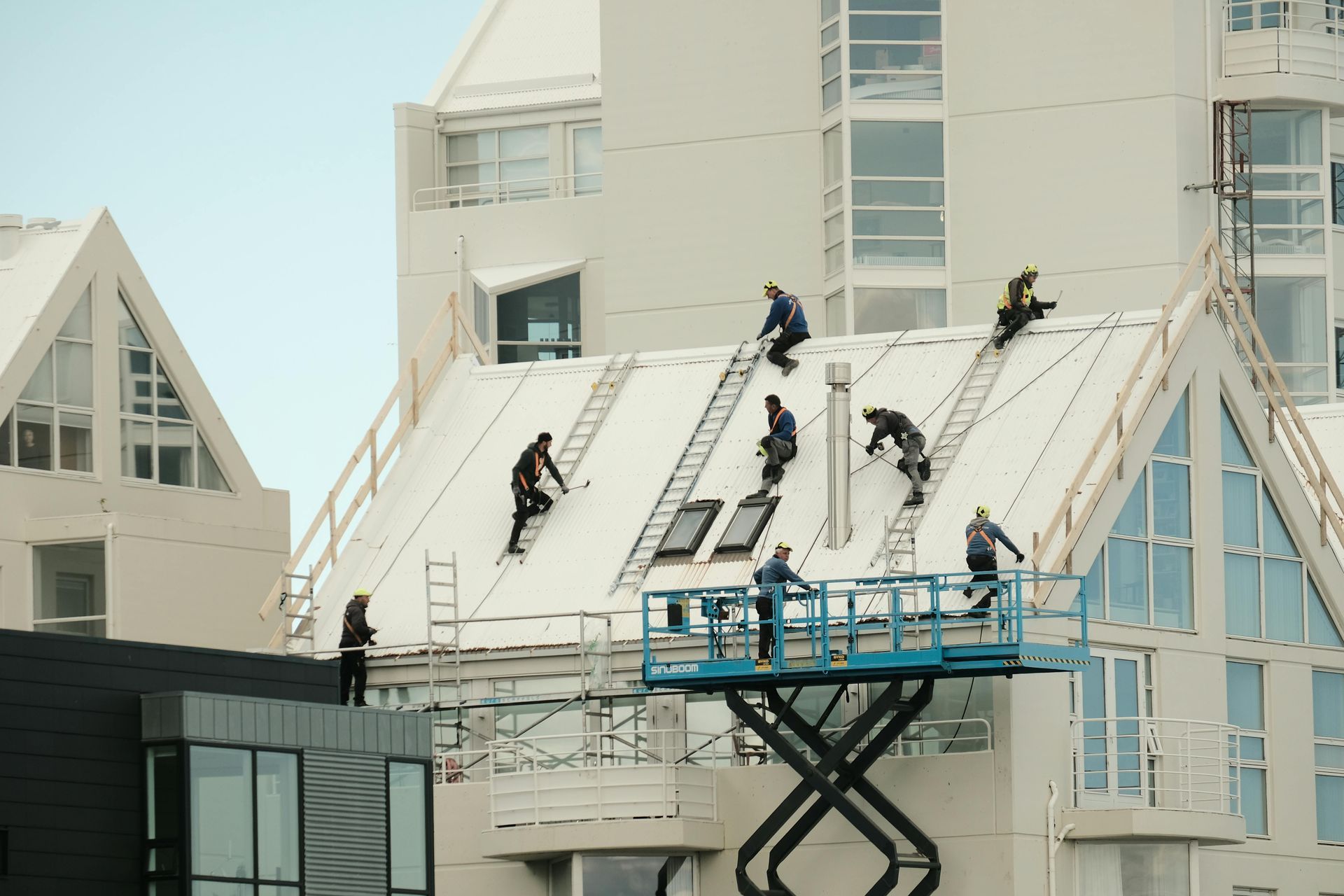
Fall protection systems: Proper guardrails, harnesses, and safety anchors protect workers and demonstrate professional operations. Site-specific safety plans should address building-specific hazards.
WorkSafeBC standing: Verify clean compliance history through the WorkSafeBC website. Companies with a violation history present liability risks.
Minimal disruption planning:
Professional commercial contractors plan projects, minimizing business impact:
- Phasing strategies limiting exposed areas
- After-hours work for critical phases
- Clear communication protocols with tenants
- Emergency response procedures if unexpected weather occurs
Clear scopes & warranties:
Detailed proposals specify:
- Complete scope (tear-off extent, deck repairs anticipated, drainage work, materials)
- Material specifications (manufacturer, product line, warranty terms)
- Timeline with weather contingencies
- Payment schedule tied to milestones
- Project management and communication protocols
Warranty terms: Commercial warranties typically include:
- Manufacturer material warranty (15-30 years, depending on system)
- Contractor workmanship warranty (5-15 years)
- Understand coverage, exclusions, maintenance requirements, and claim procedures
Managing Risk & Compliance for Commercial Roofing Projects
A professional approach to documentation and regulatory compliance protects property owners.
Safety regulations: BC WorkSafeBC requirements govern all commercial construction. Contractors must maintain comprehensive safety programs, provide worker training, and document compliance. Property owners share liability for workplace safety violations.
Insurance considerations: Notify property insurance carriers before major roofing work. Some policies require advance notification or temporary coverage adjustments during construction. Verify that contractor insurance adequacy protects against claims.
Documentation requirements: Maintain comprehensive project records:
- Contracts and payment documentation
- Inspection reports (pre-installation, mid-project, final)
- Material specifications and warranty certificates
- Lien releases from contractors and suppliers
- Final inspection approvals and permits
These records support warranty claims, inform future maintenance, and provide evidence of due diligence if disputes arise.
Commercial Roofing FAQs in Vancouver
Why is commercial roofing in Vancouver more challenging than in drier cities?
Commercial roofing is harder in Vancouver because flat and low-slope roofs face constant moisture exposure and rely entirely on drainage and membrane integrity. With about 1,189 mm of annual rainfall, small drainage or flashing issues can quickly become leaks and business-disrupting damage.
What are the most common flat roof problems for Vancouver commercial buildings?
The most common problems are membrane leaks at seams and penetrations, flashing deterioration, wind-related membrane uplift, and ponding water from blocked drains or inadequate slope. Standing water lasting 48+ hours is a red flag for drainage or design issues.
What commercial flat roof systems are most common in Vancouver?
Common commercial flat roof systems in Vancouver include torch-on (SBS modified bitumen), TPO, and EPDM. Torch-on is widely used for its multi-layer waterproofing, while TPO offers reflective energy benefits and EPDM is valued for long-term durability and repairability.
How much does commercial roofing cost in Vancouver in 2026?
Commercial roof replacement in Vancouver typically ranges from $6–$12 per sq ft for many flat systems, with total project costs often around $35,000–$120,000 (small buildings), $120,000–$480,000 (medium), and $300,000–$1.2M+ (large), depending on scope and logistics.
How long do commercial flat roofs last in Vancouver?
With proper maintenance, many commercial flat roofs in Vancouver last 25–30 years for torch-on, TPO, and EPDM systems, while sloped metal roofs can last 50–70 years. Poor drainage and deferred maintenance can shorten lifespan by 20–30%.
How often should commercial roofs be inspected and maintained in Vancouver?
Commercial roofs should be inspected at least annually, with spring and fall inspections preferred for better risk reduction. Buildings with aging roofs, leak history, or critical operations often benefit from quarterly checks.
What should a long-term commercial roofing plan include?
A long-term commercial roofing plan should include routine inspection reporting, maintenance budgeting (often 1–3% of replacement cost annually), drainage performance tracking, warranty compliance documentation, and a replacement timeline aligned with capital planning.
Next Steps for Commercial Roofing in Vancouver
Ready to address commercial roofing needs?
Connect with us:
Strategic commercial roofing management through proactive planning, quality installation, and systematic maintenance protects property values while minimizing business disruption and controlling long-term costs.
Disclaimer: Pricing and cost ranges shown are for general informational purposes only and are not quotes or guarantees. Actual commercial roofing costs in Vancouver vary based on roof size, system type, tear-off versus overlay decisions, deck condition and required repairs, drainage upgrades, building height and access, safety requirements, and scheduling (planned vs emergency). Final pricing and project planning require a professional on-site assessment
Here's What Our Existing Clients Think.
Home and business owners we've served across the greater Vancouver area.
Our Google Reviews
Edit Google Reviews Widget
We look forward to helping you.
For all your roofing needs, contact Paragon Roofing BC — call, text, or email us at 604-358-3436
Paragon Res Roof Install #2
We will get back to you as soon as possible.
Please try again later.