Residential Roof Replacement in Vancouver: Costs, Signs & What to Expect

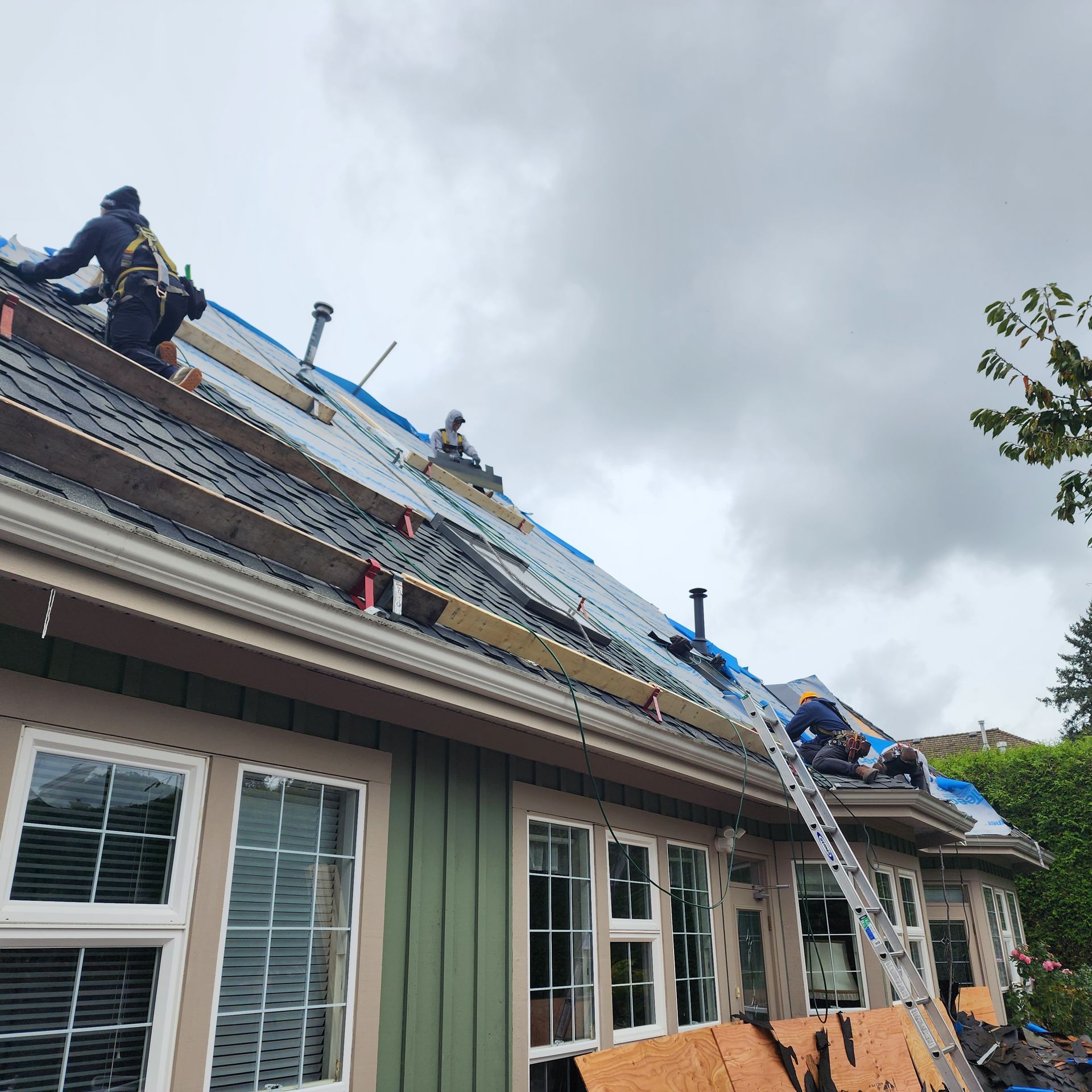
Residential roof replacement decisions often involve uncertainty. Should you repair again or replace completely? Vancouver homeowners face this question more frequently than drier-climate counterparts, as our 1,189mm annual rainfall accelerates deterioration. Roofs lasting 30 years in interior BC achieve only 20-25 years here, sometimes less, without proper maintenance.
The distinction between "can repair" and "should replace" involves more than technical feasibility. Repeatedly patching failing systems often costs more over 3-5 years than a comprehensive replacement, while enduring ongoing disruption, leak anxiety, and potential interior damage.
This comprehensive guide explains why Vancouver roofs wear out faster, warning signs indicating replacement necessity, repair versus replacement decision factors, material options, realistic cost ranges, replacement process details, timeline expectations, home value impacts, post-replacement care, and contractor selection criteria
When Roof Replacement Becomes the Smarter Option for Vancouver Homes
Why Residential Roofs Wear Out Faster in Vancouver
Constant Rain & Moisture Exposure
Accelerated shingle breakdown: Asphalt shingles absorb minimal moisture, but constant dampness accelerates granule loss, exposing underlying asphalt to UV damage. Adhesive seal strips degrade faster in persistent humidity, reducing wind resistance. Materials rated for 25-year performance achieve 18-22 years in Vancouver conditions.
Hidden moisture damage: Water infiltrating through minor deficiencies (small flashing gaps, lifted shingle edges, penetration seals) saturates deck sheathing and framing lumber. Homeowners often discover extensive rot during replacement tear-off despite the roof appearing adequate from exterior inspection.
Moss, Algae & Organic Growth
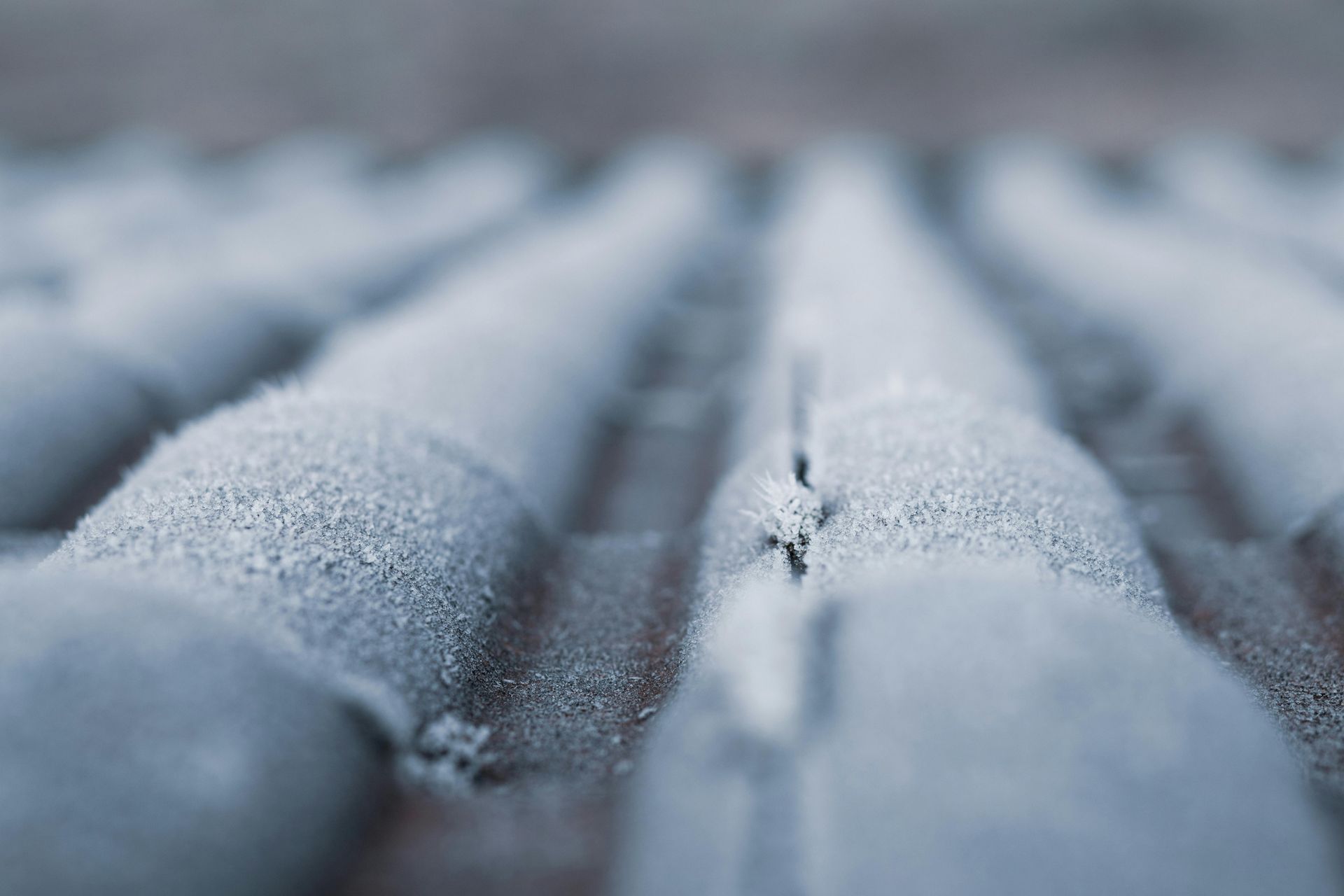
Granule loss acceleration: Moss root structures penetrate between shingle granules, breaking the adhesive bond with the underlying asphalt. As granules dislodge, bare asphalt deteriorates rapidly from UV exposure and weather. Properties in shaded neighborhoods (Dunbar, Kerrisdale, areas near Pacific Spirit Park) experience aggressive growth, and can take many years off service life..
Structural degradation: Moss holds moisture against the surface,s creating persistent damp conditions. This trapped moisture accelerates wood deck deterioration, corrodes fasteners, and promotes biological growth in attic spaces, affecting structural integrity beyond just surface roofing.
Storms, Wind & Seasonal Stress
Lifted shingles: Vancouver's winter windstorms (80-90 km/h gusts) test aging adhesive seals. Shingles are losing bond lift during wind events, allowing water infiltration beneath. Each lift-and-reset cycle weakens materials further. Roofs 15-20 years old experience an increasing blow-off frequency as adhesives fail.
Repeated small failures: Multiple minor issues (occasional leaks, periodic blow-offs, gradual deterioration) compound over the years. Each repair addresses symptoms while the underlying system continues aging toward inevitable replacement.
Professional roof repair services address specific issues, but systematic failures require comprehensive replacement.
Warning Signs It's Time to Replace Your Roof
Recognizing indicators helps homeowners determine when replacement becomes necessary rather than optional.
Interior Warning Signs
Ceiling stains: Water damage visible on interior ceilings indicates established leak pathways. Staining, bubbling paint, or discolored drywall suggests ongoing moisture exposure. Multiple ceiling locations showing damage signal widespread roof failure beyond isolated repairs.
Attic moisture: Damp insulation, water stains on rafters or sheathing, or visible mold growth in attic spaces indicate water infiltration. Persistent attic moisture often reveals itself through musty odors in upper-floor rooms before visible ceiling damage appears.
Mold smells: Distinctive musty odors indicate biological growth from sustained moisture exposure. Attic mold spreads spores into living spaces through ceiling penetrations, affecting indoor air quality and signaling serious moisture problems.
Exterior Warning Signs
Curling or missing shingles: Edges curling upward or downward indicate asphalt deterioration from age and weather exposure. Missing shingles from blow-offs or brittleness suggest adhesive failure and material exhaustion. Widespread curling (affecting 20%+ of the roof) signals replacement timing.
Bald spots/granule loss: Asphalt shingles shedding granules heavily show bare black asphalt beneath. Check gutters for excessive granule accumulation. Once 40-50% of granules are lost, shingles provide inadequate protection, requiring replacement.
Sagging roof lines: Visible dips, waves, or sagging sections indicate structural problems (deck deterioration, inadequate support, water damage). Sagging requires immediate professional assessment as it suggests a potential failure risk.
Repeated Repairs That Don't Last
Patch fatigue: Continually repairing different roof areas every 1-2 years indicates systemic failure. When repair frequency increases and individual patches solve problems only temporarily, the roof has exceeded economical repair viability.
Escalating costs: Annual repair expenses approaching $5,000-10,000 signal approaching end-of-life. Properties spending this amount annually on aging roofs essentially finance replacement over an extended timeline while enduring ongoing problems.
Roof Repair vs Roof Replacement — How to Decide
Systematic evaluation clarifies the appropriate intervention level.
When Roof Repair Is Still an Option
Localized damage: Isolated issues affecting small areas (under 10% of the roof) can be repaired economically. Storm damage to specific sections, individual component failures (skylights, chimneys), or limited leak points warrant targeted repairs costing $500-3,000.
Younger roofs: Systems under 12-15 years old with adequate overall condition justify repairs extending serviceable life. Quality repairs defer expensive replacement 5-10 years, allowing budget accumulation while addressing specific problems.
No structural issues: Roofs with sound deck sheathing, adequate framing, and proper ventilation repair successfully when only surface materials show deterioration. Comprehensive structural problems require replacement, addressing underlying deficiencies.
Professional repair services provide cost-effective solutions for appropriate situations.
When Roof Replacement Is the Better Investment
Older roofs (18-25+ years): Asphalt approaching or exceeding expected Vancouver lifespan (20-25 years) warrants replacement regardless of apparent condition. The materials' exhaust capacity becomes increasingly unreliable with age.
Multiple leak points: Different areas failing continuously indicate systemic problems beyond targeted repairs. Spending $8,000-15,000 over 2-3 years patching various locations often exceeds 50% of the replacement cost while the roof continues deteriorating.
Structural or deck damage: Soft spots indicating deck rot, visible sagging, or extensive moisture damage require comprehensive reconstruction. Attempting surface repairs over a compromised structure risks catastrophic failure and ongoing problems.
Economic analysis: Compare 3-5 year projected repair costs against replacement investment. If repairs total 40-60% of replacement while the roof remains near end-of-life, replacement delivers better long-term value through an extended new system lifespan.
Residential Roof Replacement Options for Vancouver Homes
Material selection balances budget, aesthetics, lifespan, and maintenance requirements.
Asphalt Shingle Roof Replacement
Most common choice: Architectural shingles provide a 20-30 year Vancouver lifespan at an accessible cost ($11,000-19,000 for typical homes). Wide contractor availability, extensive color options, and a proven track record make asphalt the standard residential choice.
Cost-effective option: Lower initial investment suits moderate-term homeowners (10-20 years), balancing quality and affordability. Premium architectural products with enhanced warranties provide better performance than basic 3-tab while remaining economically accessible.
Metal Roof Replacement
Long lifespan advantage: Standing seam or ribbed panels last 50-70 years with minimal maintenance, avoiding 2-3 replacement cycles required for asphalt. Initial investment ($24,000-40,000) is justified through extended service, eliminating future replacement expenses.
High rain performance: Smooth non-porous surfaces shed water instantly. Interlocking seams create a superior weather barrier. Moss doesn't require metal-eliminating treatment costs common with asphalt or cedar.
Cedar Shake Roof Replacement
Visual appeal: Authentic West Coast aesthetics enhance heritage and character homes. Natural wood beauty commands a premium in appropriate neighborhoods (Kitsilano, Mount Pleasant, Shaughnessy heritage districts).
Higher maintenance reality: Vancouver's wet climate demands intensive ongoing care. Annual treatments ($500-1,500), biannual inspections, and prompt repairs are required achieving 25-30 year potential lifespan. Without aggressive maintenance, cedar deteriorates in 12-18 years.
Flat or Low-Slope Roof Replacement
Torch-on / membrane systems: Homes with flat sections (additions, garages, modern designs) require specialized low-slope products. Modified bitumen (torch-on) provides proven 25-30 year Vancouver performance. TPO and EPDM single-ply alternatives offer similar lifespans.
Drainage importance: Critical for flat roof longevity. Replacement projects must address inadequate slope, undersized drains, or ponding areas. Proper drainage design prevents premature membrane failure from standing water.
Comprehensive material guidance is available through
roofing materials resources
How Much Does Residential Roof Replacement Cost in Vancouver?
Understanding complete project expenses enables realistic budgeting and prevents surprises.
Factors That Affect Replacement Cost
Roof size & pitch: Square footage directly impacts material quantities and labor hours. Pitch affects installation difficulty. Roofs steeper than 8:12 require additional safety equipment and a slower work pace, increasing costs 20-40%.
Tear-off & disposal: Removing existing roofing adds $2,000-6,000 for a typical home,s depending on layers (single vs multiple), material type (asphalt vs shake vs tile), and disposal fees. Vancouver requires proper waste handling, adding to costs.
Material choice: Dramatic variation between products. Asphalt $11,000-19,000, metal $24,000-40,000, cedar $34,000-52,000 for standard 2,000 sq ft homes. Premium product grades within each category add 15-30% to base pricing.
Deck repairs: Discovering rotted sheathing during tear-off adds unforeseen costs. Budget 10-15% contingency. Typical deck repair adds $1,500-5,000. Extensive rot affecting 30%+ of the deck can add $5,000-15,000.
Access & safety: Properties with limited access, steep terrain, or height requiring scaffolding add equipment and labor expenses. Urban locations with parking restrictions complicate material delivery. Simple ground-accessible roofs cost 15-25% less than challenging sites.
Average Residential Roof Replacement Cost Ranges (Vancouver 2026)
Asphalt shingle replacement (2,000 sq ft):
- 3-tab: $9,000-16,000 complete
- Architectural: $11,000-19,000 complete
- Premium architectural: $14,000-24,000 complete
Metal roof replacement (2,000 sq ft):
- Ribbed panels: $18,000-30,000
- Standing seam: $24,000-40,000
Cedar shake replacement (2,000 sq ft):
- Taper-sawn: $34,000-52,000
- Premium hand-split: $48,000-72,000
Costs include complete tear-off (one layer), disposal, synthetic underlayment, ice & water shield, new roofing material, all flashings, ridge cap, and thorough cleanup. Multiple existing layers, extensive structural repairs, or complex geometries add to base ranges.
Residential Roof Replacement Timeline in Vancouver
Understanding typical project duration helps homeowners plan appropriately.
Typical Replacement Timeline by Roof Type
Asphalt shingle replacement:
- Simple gable roof (2,000 sq ft): 2-3 days
- Complex hip/valley (2,000 sq ft): 3-5 days
- Large home (3,000+ sq ft): 4-7 days
Metal roofing replacement:
- Standing seam: 4-6 days
- Ribbed panels: 3-5 days
- Precision cutting and fastening are slower than shingles
Cedar shake replacement:
- Standard installation: 5-8 days
- Premium hand-split: 6-10 days
- Individual shake placement is time-intensive
What Can Delay a Roof Replacement Project
Weather interruptions: Rain halts work immediately, requiring temporary protection and rescheduling. Even summer months experience occasional delays. Extended wet periods postpone completion 2-5 days beyond initial estimates.
Structural repairs: Discovering extensive deck rot, inadequate framing, or drainage deficiencies extends the timeline 2-5 days while corrections are being completed. Unforeseen structural work represents the most common delay factor.
Material availability: Special-order colors, premium products, or supply disruptions occasionally delay start dates by 1-3 weeks. Standard products are typically stocked locally, but custom specifications require lead time.
How a New Roof Boosts Home Value, Insurance & Energy Savings
Replacement investment provides returns beyond immediate weather protection.
Increased Resale Value
New roofs increase home sale appeal and valuations. Real estate studies suggest roof replacement recovers 60-70% of the cost in increased sale price. More importantly, buyers often require recent roof replacement or price reductions equivalent to replacement cost when roofs appear aged.
Insurance & Inspection Benefits
Many insurers reduce premiums for homes with new roofs (10-20% discounts are common), recognizing reduced claim risk. Conversely, aging roofs (20+ years) may trigger coverage restrictions, higher deductibles, or policy non-renewal.
Energy Efficiency Improvements
Modern underlayments and ventilation systems installed during replacement reduce heating/cooling costs. Proper attic ventilation prevents heat buildup in summer and moisture accumulation in winter. Improved insulation coordination during deck repair phases enhances overall thermal performance.
Structural review: Professional contractors assess roof framing adequacy, identify sagging indicating support problems, and verify capacity for new roofing weight. Metal and tile materials require confirmation existing structures can handle their loads.
Moisture evaluation: Infrared scanning or comprehensive attic inspection identifies hidden water damage. Addressing moisture sources (ventilation deficiencies, plumbing leaks, bathroom exhaust issues) before replacement prevents recurring problems.
Scope determination: Detailed assessment establishes the extent of deck repairs anticipated, ventilation upgrades needed, drainage improvements required, and any code compliance updates necessary during replacement.
Removing the Existing Roof
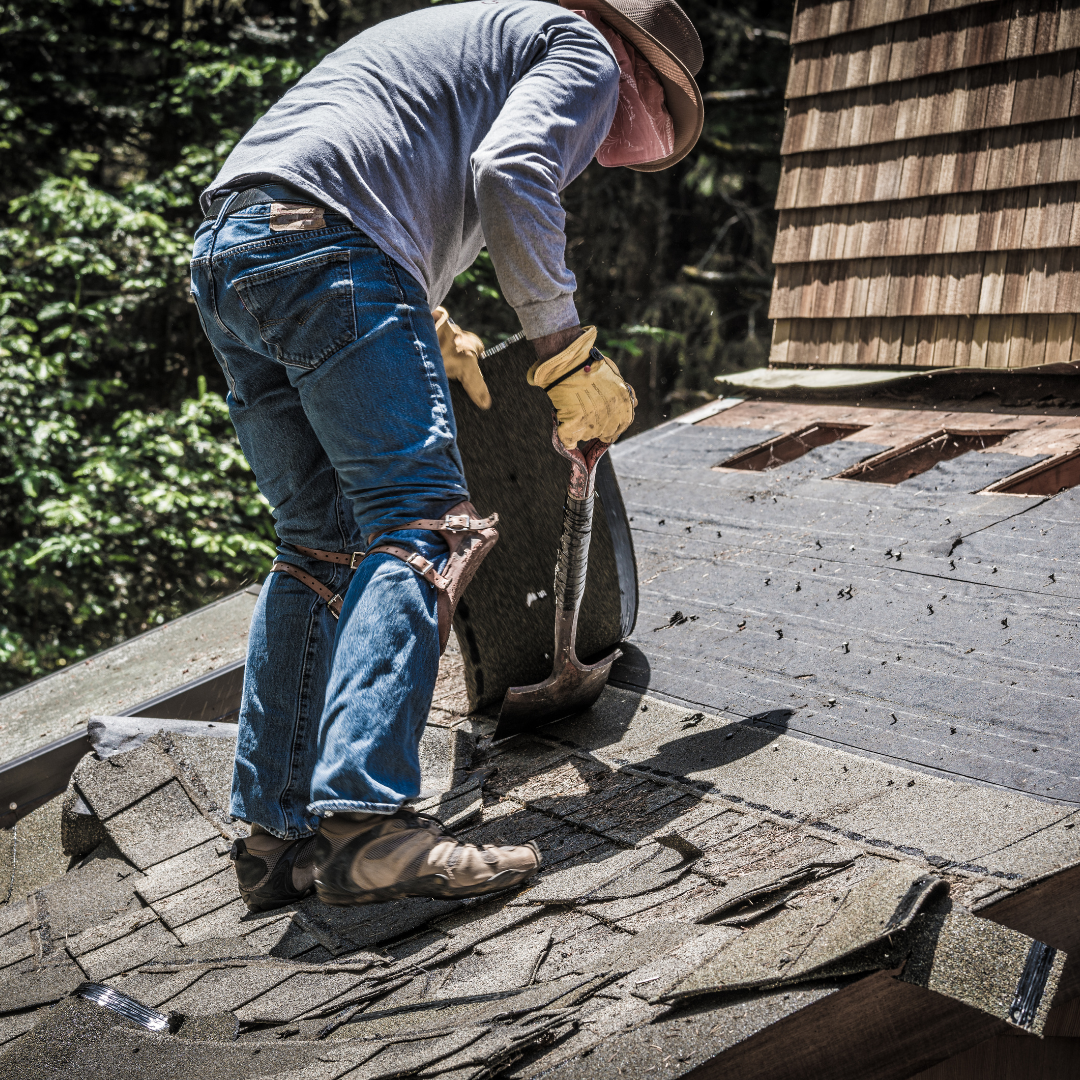
Tear-off process: Crews systematically strip existing shingles, underlayment, and degraded flashings, exposing the roof deck. Work proceeds in manageable sections, maintaining weather protection if the project spans multiple days. Careful removal around chimneys, skylights, and penetrations preserves components requiring retention.
Disposal management: Vancouver mandates proper waste handling. Contractors coordinate debris removal through designated facilities. Dumpsters or dump trailers are positioned for efficient loading. Asphalt shingle disposal generates 2-4 tons of waste for typical homes, requiring appropriate disposal planning.
Damage discovery: Tear-off reveals hidden problems invisible during roof-surface inspections. Rotted sheathing, inadequate fastening, amateur previous repairs, or moisture damage discovered at this phase affects the timeline and cost.
Deck Repairs & Waterproofing
Replacing damaged plywood: Soft, rotted, or deteriorated sheathing receives replacement. Quality installations use 5/8-inch plywood (or OSB meeting structural requirements) properly fastened to framing every 6 inches at panel edges, 12 inches in field areas.
Underlayment upgrades: Premium synthetic underlayment (lasting 30-40 years) provides long-term secondary waterproofing, matching the new roof membrane lifespan. Vancouver installations justify investment in superior products given our challenging climate.
Ice & water shield application: Self-adhering rubberized membrane applied extensively at eaves (6+ feet up from edge), valleys (full coverage), and around all penetrations provides critical leak protection. Vancouver's heavy rainfall warrants more extensive coverage than the minimum building code.
Installing the New Roofing System
Material-specific installation: Asphalt shingles installed with proper overlap, alignment, and fastener placement per manufacturer specifications. Metal panels require precise measurements and specialized fastening techniques. Cedar shake demands individual piece placement and grading. Each material needs distinct expertise and application methods.
Quality control checkpoints: Professional installations include mid-project inspections verifying proper underlayment, flashing integration, and material application before proceeding. Manufacturer representatives sometimes conduct field inspections certifying installation quality, qualifying for extended warranty coverage.
Weather monitoring: Contractors track forecasts closely, scheduling tear-off during favorable periods and maintaining temporary protection protocols if unexpected weather occurs.
Flashing, Ventilation & Penetrations
Chimney integration: Step flashing is installed with each shingle course up the chimney sides, creating a shingled water-shedding system. Counter flashing properly embedded 1-2 inches into mortar joints (not caulked) protects step flashing from weather exposure.
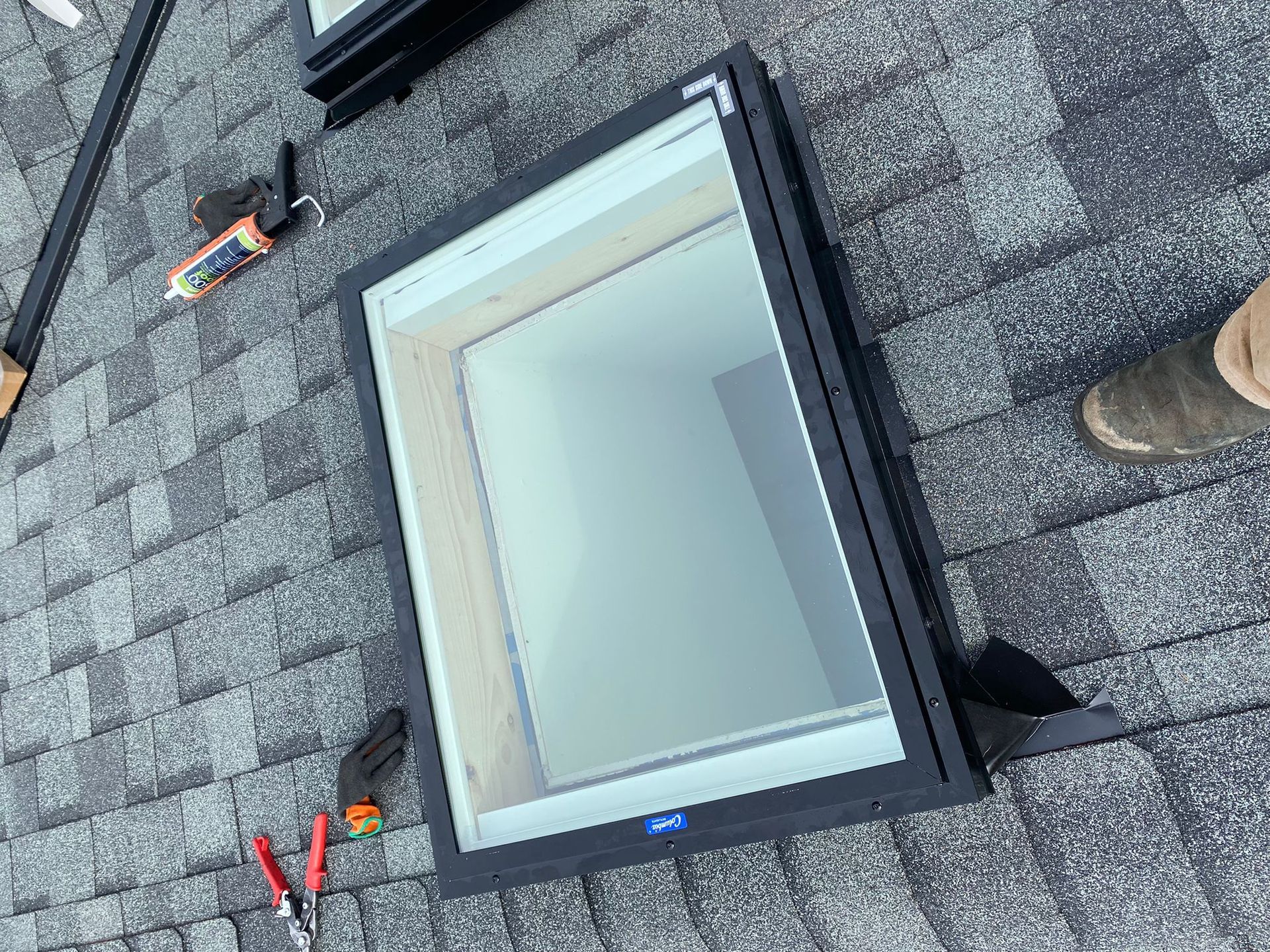
Skylight coordination: Curb flashings integrate carefully with underlayment layers and shingle courses. Proper installation requires understanding water flow patterns and manufacturer specifications. Many replacements include new skylights, eliminating aged units requiring imminent replacement.
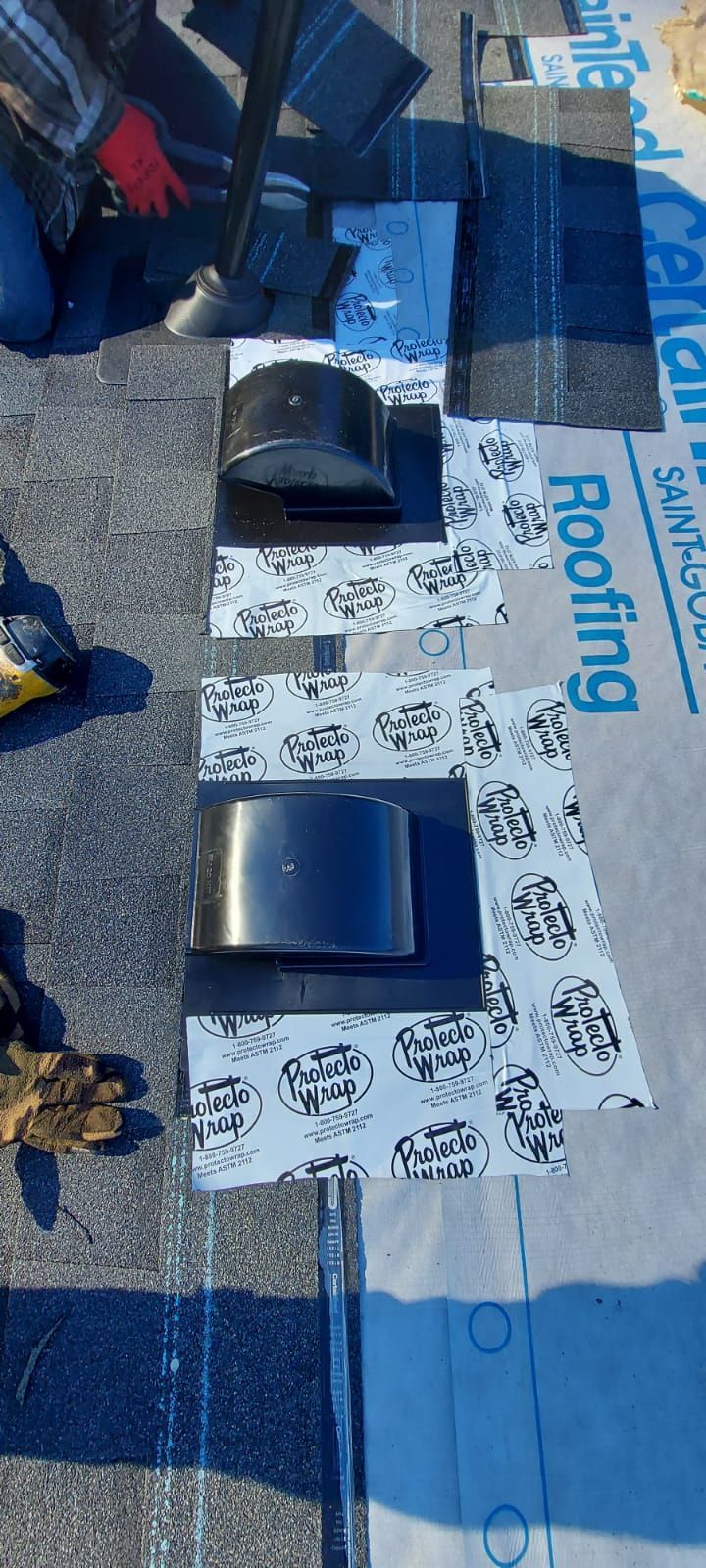
Ventilation upgrades: Ridge vents provide continuous exhaust along peaks. Soffit vents create balanced intake. Adequate net free area (1 sq ft per 300 sq ft attic floor) ensures proper airflow. Baffles maintain clear channels above insulation from eaves to peak, preventing blockages.
Final Inspection & Cleanup
Comprehensive debris removal: Professional cleanup removes all tear-off materials, packaging, construction waste, and stray fasteners. Tarps protecting landscaping are removed once areas are cleared.
Magnetic nail sweep: Multiple passes with magnetic tools collect fasteners from driveways, walkways, and lawn areas, preventing tire punctures or barefoot injuries. Quality contractors perform thorough property sweeps.
Final walkthrough: Homeowner and contractor review completed replacement together. Address any concerns, verify cleanup quality, discuss warranty registration procedures, and receive maintenance recommendations before final payment.
Documentation delivery: Warranty certificates, installation photos, material specifications, permit completion documents, and care instructions provided for homeowner records.
Step-by-Step Residential Roof Replacement Process
Understanding the complete workflow reassures homeowners about what to expect during this major project.
Initial Inspection & Replacement Assessment
Caring for Your New Roof After Replacement
Post-replacement practices protect investment and maximize lifespan.
Initial Post-Replacement Inspection
30-60 day follow-up: Many contractors schedule a brief inspection 1-2 months after completion, verifying proper settling and addressing any minor adjustments needed. This interval allows material cure periods to complete before final assessment.
First-year monitoring: Homeowners should observe roof performance through the initial seasonal cycle. Note any concerns (lifted shingles, interior moisture signs, unusual sounds during storms) and report promptly while the workmanship warranty is fully active.
Ongoing Maintenance Recommendations
Annual inspections: Professional roof inspections identify developing problems requiring $300-1,500 repairs before they become $5,000-15,000 emergencies. New roofs need minimal intervention but benefit from systematic monitoring.
Debris management: Keep valleys, gutters, and roof surfaces clear of accumulated leaves, needles, and organic material. Quarterly clearing in heavily-treed locations prevents drainage blockages and reduces moss establishment.
Moss treatment (if needed): Shaded properties may require annual treatments even on new roofs. Proactive treatment costs $300-800 but prevents aggressive growth, shortening lifespan.
Drainage verification: After heavy rainfall, verify that gutters flow freely, and downspouts direct water away from the foundation. Blocked drainage creates moisture problems affecting the roof and building envelope.
Protecting Your Warranty
Manufacturer warranty registration: Complete registration within the required timeframe (typically 30-90 days) to activate extended coverage. Missed registration deadlines may limit warranty to basic coverage only.
Maintenance documentation: Keep records of all inspections, cleaning, and repairs. Most warranties require demonstrated regular maintenance. Documentation proves compliance if warranty claims become necessary.
Prohibited modifications: Installing satellite dishes, solar panels, or other penetrations typically requires manufacturer approval to maintain warranty validity. Unauthorized modifications void most coverage.
Professional
roof maintenance programs
provide systematic care, protecting replacement investment.
How to Choose a Roof Replacement Contractor in Vancouver
Contractor selection significantly impacts replacement quality, warranty protection, and long-term satisfaction.
Licensing & insurance verification:
WorkSafeBC coverage: Request current clearance letters confirming contractor and all subcontractors maintain proper registration. Verify status through the WorkSafeBC website. This protects homeowners from liability if worker injuries occur.
Liability insurance: Minimum $2 million commercial general liability is essential. Request the current certificate naming you as an additional insured for the project duration. Verify coverage directly with the insurance company for major projects.
Municipal licensing: Confirm current business license and required trade certifications. Established legitimate contractors maintain proper credentials, while fly-by-night operators often lack appropriate registrations.
Replacement-specific experience: Vancouver's climate demands specialized knowledge:
- Proper ventilation design for coastal humidity
- Extended ice & water shield application for heavy rainfall
- Moss-resistant installation techniques
- Heritage property considerations
Material certifications & manufacturer relationships:
Certified installers: Many manufacturers maintain certification programs, training contractors on proper installation. Certified status is often required for extended warranty coverage.
Factory relationships: Established contractors with solid manufacturer connections ensure consistent material quality, warranty support, and technical guidance for complex applications.
Product expertise: Quality contractors explain material options objectively without pushing specific products. They help homeowners understand tradeoffs, making informed decisions matching budgets and expectations.
Written scopes & warranties:
Comprehensive proposals specify:
- Complete scope (tear-off extent, disposal, anticipated deck repairs, materials, flashings)
- Material specifications (brand, product line, color, warranty terms)
- Labor breakdown and timeline
- Payment schedule (deposit, material delivery, completion milestones)
- Permit handling and inspection coordination
- Cleanup procedures and completion standards
Workmanship warranty terms: Obtain 5-10 year workmanship coverage in writing. Understand what's covered, exclusions, and claim procedures. Verify contractor commitment to warranty service.
Communication & project management:
Dedicated contact: Single point of contact addresses questions and concerns. Accessible project managers prevent communication breakdowns during critical phases.
Progress transparency: Regular updates about the timeline, weather impacts, or unforeseen issues keep homeowners informed. Professional contractors communicate proactively rather than requiring the owner to follow up.
Problem resolution approach: Review online feedback and references specifically about how contractors handle unexpected situations. Replacement projects often encounter surprises requiring professional problem-solving and transparent communication.
Post-replacement support:
Warranty service commitment: Verify contractor will address warranty items promptly. Established companies honor commitments, while some operators disappear or become unresponsive after payment.
Maintenance programs: Contractors offering ongoing inspection and care demonstrate commitment beyond initial sale. Annual maintenance programs protect replacement investment long-term.
Emergency availability: Confirm 24/7 contact for urgent situations and typical response times. Local established contractors provide more reliable emergency support than distant companies.
Red flags requiring caution:
- Requires full payment upfront (legitimate contractors use milestone-based payments)
- High-pressure tactics or limited-time offers
- Significantly lower pricing than competitors (30-40% below suggests missing scope or inferior materials)
- Lacks proper licensing or insurance documentation
- Cannot provide verifiable local references from recent projects
- Unwilling to provide a detailed written proposal
- Door-to-door solicitation or "leftover materials" offers
Quality contractors welcome scrutiny, provide comprehensive documentation, and build trust through transparency rather than pressure sales tactics.
Residential Roof Replacement Guide FAQs in Vancouver
Why do roofs need replacement sooner in Vancouver?
Roofs in Vancouver wear out faster because constant rainfall and high humidity accelerate material breakdown, moss growth, and hidden moisture damage. Roofs that last 30 years in dry climates often reach end-of-life in 20–25 years locally.
What are the clearest signs it’s time to replace a roof?
Clear signs include recurring leaks in multiple areas, widespread shingle curling or granule loss, attic moisture or mold, sagging roof lines, and annual repair costs approaching $5,000–10,000.
When is roof replacement smarter than continued repairs?
Roof replacement is the smarter option when repairs only provide short-term fixes, the roof is near the end of its expected lifespan, or projected repair costs over 3–5 years exceed 40–60% of replacement cost.
How much does residential roof replacement cost in Vancouver?
Residential roof replacement in Vancouver typically ranges from $11,000–19,000 for asphalt, $24,000–40,000 for metal, and $34,000–52,000+ for cedar shake on a standard 2,000 sq ft home, depending on complexity and repairs.
How long does roof replacement take in Vancouver?
Most residential roof replacements take 2–5 days for asphalt, 3–6 days for metal, and 5–10 days for cedar shake, with weather and structural repairs being the most common causes of delay.
Does replacing a roof increase home value in Vancouver?
Yes, a new roof typically recovers 60–70% of its cost in resale value while improving buyer confidence, reducing insurance risk, and preventing price reductions during home inspections.
What maintenance is required after roof replacement?
After replacement, homeowners should register warranties, schedule annual inspections, keep drainage areas clear, and document maintenance. Proper care can extend roof life 5–10 years and protect warranty coverage.
Next Steps for Residential Roof Replacement in Vancouver
Ready to assess your roof replacement needs? Contact Paragon Roofing BC.
Connect with us:
- Request a free replacement assessment
- Explore residential roofing services
- Learn about the roof installation process
Understanding replacement indicators, realistic costs, and process details helps protect your Vancouver home through informed decisions, balancing near-term investment against long-term value and peace of mind.
Disclaimer: Pricing, cost ranges, and timelines shown are for general informational purposes only and are not quotes or guarantees. Actual residential roof replacement costs and schedules in Vancouver vary based on roof size and pitch, material selection, access, existing roof layers, weather conditions, and structural or moisture damage discovered during tear-off. Final pricing and timelines require a professional on-site inspection.
Here's What Our Existing Clients Think.
Home and business owners we've served across the greater Vancouver area.
Our Google Reviews
Edit Google Reviews Widget
We look forward to helping you.
For all your roofing needs, contact Paragon Roofing BC — call, text, or email us at 604-358-3436
Paragon Res Roof Install #2
We will get back to you as soon as possible.
Please try again later.