
Roof Replacement in North Vancouver – Durable Roofing for North Shore Weather
PARAGON ROOFING BC
Protecting Your Home.
Building Your Family’s Future.

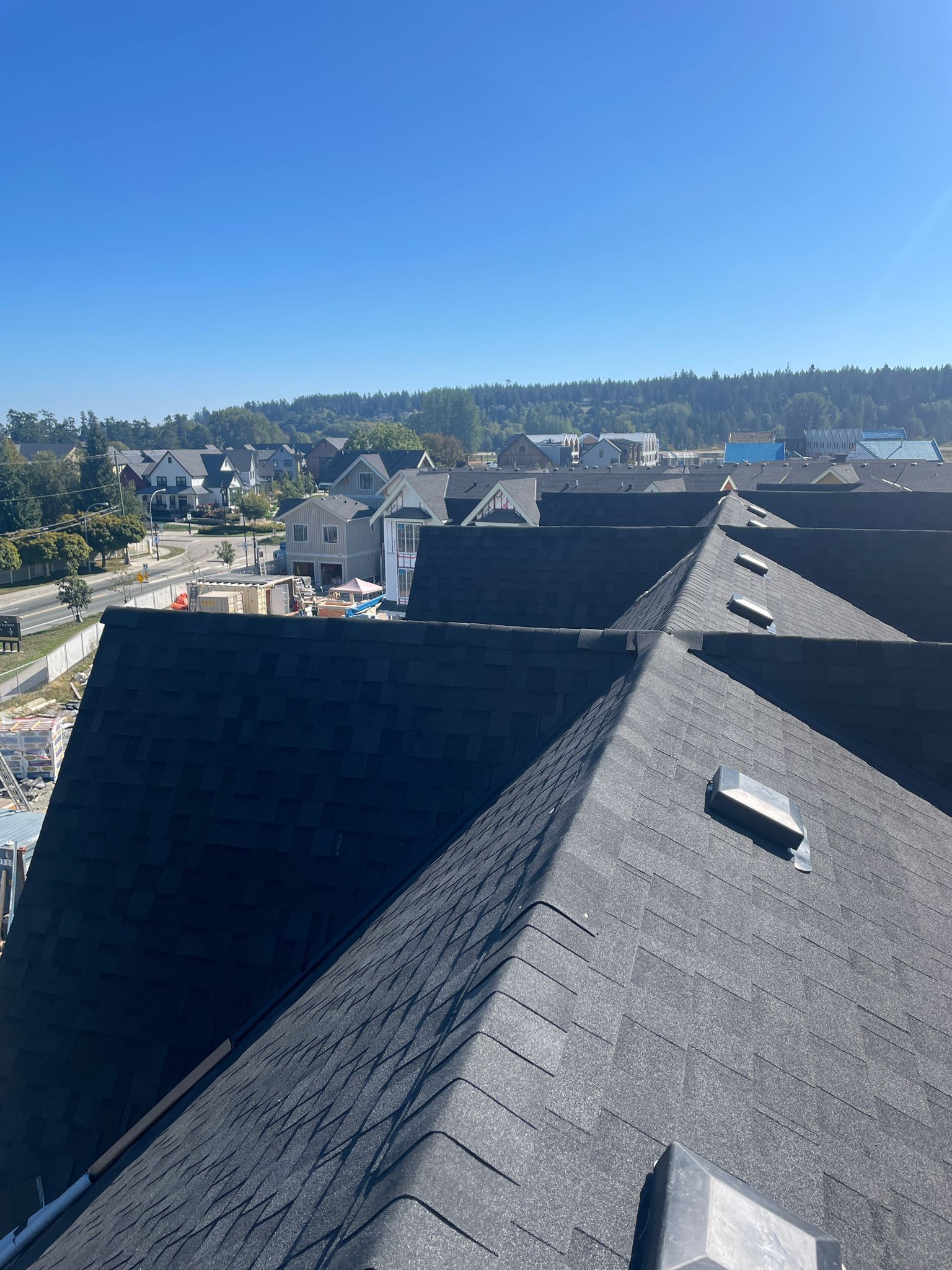
Roof Replacement in North Vancouver – What You Need to Know
How North Shore rain, snow and trees affect your roof
North Vancouver roofs live a harder life than most. You’ve got year-round rain, heavy winter snow, and entire streets lined with tall evergreens that keep roofs shaded and damp for months at a time. That mix is brutal on older roofing systems.
Constant moisture and limited sun mean:
- Shingles stay wet longer, which speeds up moss, algae and lichen growth
- Cedar shakes lose oils faster and start to split, cup and go soft
- North-facing and tree-covered slopes age much quicker than the rest of the roof
- Valleys, gutters and low spots clog with needles and debris, causing water to back up under shingles
Add in North Shore snowfall and freeze–thaw cycles, and you get lifted shingles, ice build-up at eaves, and minor weaknesses turning into real leaks. A roof that might last 25–30 years in a drier climate can reach its limit much sooner in areas like Lynn Valley, Blueridge, Edgemont and Deep Cove.
If you’re already fighting moss every year, or seeing shingles lose granules and curl on the shaded sides, your roof is telling you it’s closer to replacement than you think. For more on how local conditions affect materials, our dedicated North Vancouver roofing services page goes deeper into neighbourhood-specific challenges.
Common roof types we replace in North Vancouver (cedar, asphalt, metal, flat)
Most of the replacements we do on the North Shore fall into four broad categories: cedar, asphalt, metal and flat/membrane systems. Each reacts differently to local weather:
- Aging cedar shakes
- Very common on older custom homes and leafy streets
- Typically at the end of life when you see heavy moss, widespread splitting and soft spots in the deck
- Often replaced with architectural asphalt, metal, or high-performance synthetics during a full cedar conversion
``` - Architectural asphalt shingles
- The “workhorse” for many North Vancouver homes
- Fail faster on shady, moss-heavy slopes if ventilation and deck conditions aren’t right
- Common replacements include full tear-off, new underlayment, flashing upgrades and ventilation corrections
- Metal roofing (standing seam or metal shingles)
- Increasingly popular on modern builds and view homes
- Fantastic for shedding snow and managing heavy rain when installed correctly
- Needs proper underlayment, clip spacing and flashing details to avoid noise, movement issues and condensation
- Flat and low-slope roofs (torch-on, TPO, EPDM)
- Often found on additions, garages, contemporary homes and multi-family buildings
- North Van’s rain and debris can overwhelm poorly designed drainage, leading to ponding and seam failures
- Replacement usually involves membrane upgrades, improved slope and better drain/scupper detailing
```
A key part of our inspection is matching the right replacement system to how your particular roof behaves in North Vancouver’s micro-climates—whether you’re up on the slopes or tucked into a heavily treed street close to the creek.
When repair isn’t enough and it’s time for full replacement
Repairs absolutely have their place—but there’s a point where patching an old North Vancouver roof becomes throwing good money after bad. It’s usually time to seriously consider full replacement when:
- Leaks move from one area to another, even after multiple repairs
- You see widespread shingle failure (curling, cracking, bald spots, missing tabs)
- Cedar shakes are soft underfoot, thin, or breaking apart across whole planes
- Attic inspections show ongoing moisture, mould, staining or rusty nails, not just isolated drips
- Decking is starting to go soft in more than one location, especially near valleys or eaves
- Repair quotes are stacking up to a significant percentage of a full replacement cost
In North Van, the constant rain means even small weaknesses are tested over and over. A roof that might survive a few more summers in a drier area can turn into an expensive interior problem once the winter systems roll through.
A full replacement lets us:
- Strip everything back to the deck and fix hidden issues properly
- Upgrade underlayment, flashings and ventilation to current standards
- Choose a material that’s actually suited to your specific exposure and tree cover
- Reset the clock on leaks, moss battles and emergency tarps every time there’s a storm warning
If you’re unsure whether you’re still in the “good repair candidate” zone or you’ve crossed into “it’s time,” we usually confirm that with a roof + attic check, photos, and an honest breakdown of what another repair will realistically buy you in North Vancouver’s conditions.
We're Excited To Serve YOU!
Paragon Res Roof #1
We will get back to you as soon as possible.
Please try again later.
Signs You Need a Roof Replacement in North Vancouver
Curling, cracking and missing shingles or shakes
On the North Shore, shingles don’t usually fail quietly. They start to curl up at the edges, crack across the face and lose granules in the gutters, especially on the colder, shaded slopes that never quite dry out. Cedar shakes go thin, brittle and “feathery,” with the butt ends splitting and lifting. When you can see uneven texture from the street, exposed dark patches of mat, or random bare spots where pieces have blown off in a wind event, you’re not just dealing with cosmetics anymore—you’re losing the roof’s ability to shed water. At that point, even a small storm can drive water under the system and into the deck.
Chronic leaks, interior stains and musty attic smells
If you’ve had more than one leak in different areas of the house, especially during typical North Vancouver rain (not just freak storms), it’s a strong sign the system has failed in multiple places. Interior clues include brown or yellow rings on ceilings, bubbling or peeling paint near exterior walls, or drywall seams that keep re-cracking after heavy weather. In the attic, a persistent musty smell, dark staining on the underside of the plywood, rusty nail tips or visible mould growth tell you moisture is getting in regularly—not just from one-off events. At that stage, spot repairs often just “chase” the symptoms around; a full replacement is usually the only way to reset the roof and stop new damage to insulation, framing and finishes.
Heavy moss, needles and debris under overhanging trees
North Vancouver roofs sit under cedars, firs and maples that constantly drop needles, cones and branches. When that debris builds up in valleys and behind chimneys, water can’t drain properly and starts to back up under shingles. Moss then moves in, acting like a sponge that keeps the roof wet for days. On older cedar and asphalt, thick moss mats and visible debris “dams” are more than just ugly—they accelerate rot, lift shingles, and hide small openings where water can drive straight into the deck. If cleaning only gives you a short break before everything grows back and you’re seeing soft spots or raised shingles under the moss, it’s usually a sign the roof has simply reached the end of what it can handle in this environment. Our practical guide to managing this kind of buildup is covered in detail in our North Van–focused moss article, moss removal tips in North Vancouver.
Typical lifespan ranges for cedar and asphalt roofs on the North Shore
On paper, you’ll hear numbers like 25, 30 or even 40 years—but North Vancouver rarely behaves like the brochure. Most original cedar roofs here need serious attention or full conversion somewhere in the 18–25 year range, sooner if they’ve been under big trees or never maintained. Architectural asphalt shingles, when installed properly with good ventilation, often give 20–30 years, but heavy shade, constant moisture and poor airflow can pull that down into the mid-teens. Roofs on open, sunnier slopes tend to last longer than ones tucked into deep, forested pockets. When your roof is inside those age brackets and showing the other warning signs—curling, chronic leaks, attic odours—it’s usually smarter to plan a proactive replacement than to wait for a mid-winter failure. For a broader look at service life across the region and how North Vancouver fits into the picture, our main North Vancouver roofing services page outlines what we see on real homes year after year.
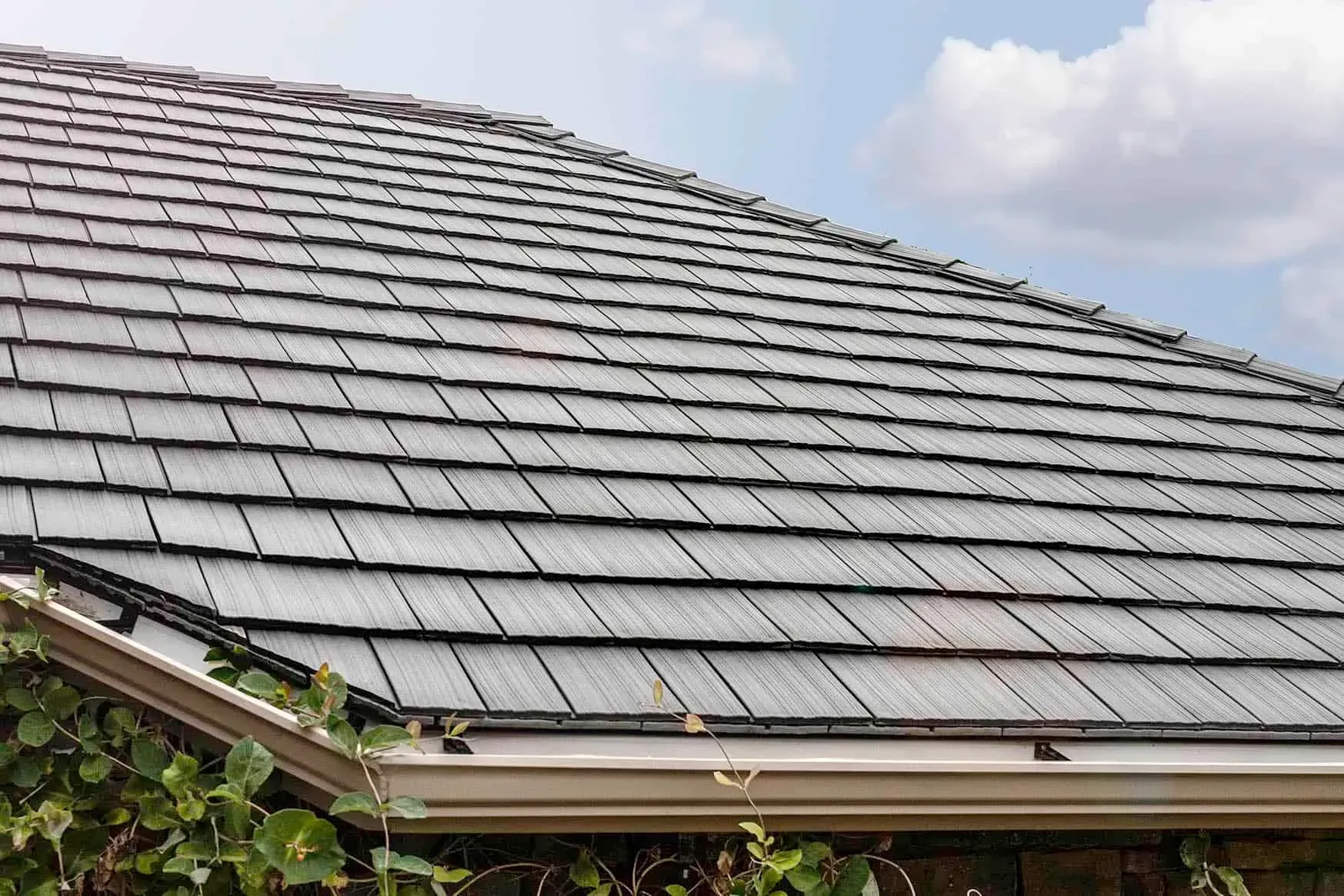
Roof Replacement Options for North Vancouver Homes
Architectural asphalt shingles for steep and complex roofs
Most North Vancouver homes aren’t simple rectangles. You’ve got steep pitches, multiple gables, valleys everywhere, skylights, dormers and chimneys all crammed into a tight lot with big trees around it. Architectural asphalt shingles are built for exactly that kind of chaos.
They give you:
- A thicker, laminated profile that locks in better on steep slopes
- Strong resistance to wind uplift during those North Shore storm warnings
- Colours and profiles that can either tone things down or really frame the house
On complex roofs, the “system” matters more than just the shingle: underlayment, ice & water at eaves and valleys, proper step flashings at walls, and correctly sized vents. Done properly, an architectural shingle roof can give you decades of service life in North Van—even with shade, needles and regular rain—while still being more budget-friendly than cedar or metal.
Cedar-to-asphalt and cedar-to-metal conversions
There are entire pockets of North Vancouver built with original cedar shake roofs that are now tired, thin and failing. When those roofs reach the end, you’ve basically got a fork in the road: convert to a modern asphalt system or invest in a metal upgrade.
Cedar-to-asphalt:
- Ideal when you want solid durability and a cleaner look at a reasonable price
- Involves full tear-off, removal of strapping, new plywood sheathing and a modern shingle system
- Lets us correct ventilation, add proper underlayment and upgrade all flashings
Cedar-to-metal:
- Makes sense on high-value view homes or properties that see intense weather exposure
- Often chosen when homeowners want a “do it once, do it right” solution with very long life
- Demands careful detailing around chimneys, skylights, sidewalls and valleys, especially on steep pitches
A proper cedar conversion isn’t just slapping new material on; it’s rebuilding the roof deck so your new system—whether asphalt or metal—has a solid, code-compliant foundation under it.
Premium metal roofing for long life on exposed slopes
Some North Vancouver roofs sit right in the path of wind, driving rain and full UV exposure —especially on higher elevations and open view lots. That’s where premium metal roofing really earns its keep.
Standing seam or high-quality metal shingle systems:
- Shed snow and heavy rain quickly on steep slopes
- Resist wind uplift when the winter fronts roll in
- Offer excellent long-term performance when paired with proper underlayments and ventilation
On exposed slopes, we pay special attention to clip spacing, fastener placement, expansion and contraction, and the transition details at ridges, hips and valleys. Done right, a premium metal roof can outlast multiple asphalt roofs, which is why more homeowners are exploring options like those on our dedicated best metal roofing services page.
Synthetic “cedar” and “slate” systems for high-end homes
In some North Vancouver neighbourhoods, the look of cedar or slate is part of the character of the street. The problem? Real cedar and real slate don’t always play nicely with constant moisture, needles and freeze–thaw cycles —and not every home is engineered for heavy stone.
That’s where synthetic cedar and slate systems shine:
- They mimic the texture, shadow and depth of premium roofs without the same weight or fragility
- They’re engineered to resist moss, UV and cracking far better than aging natural materials
- They’re a strong fit for custom homes, architect-designed builds and higher-end properties that need both aesthetics and longevity
These systems pair well with upgraded flashings, high-performance underlayment and robust ventilation, giving you the look of an estate-style roof with more predictable performance. For homeowners who want that appearance without the structural and maintenance downsides, our region-wide synthetic slate roofing services are often a good starting point.
Matching your new roof to siding, gutters and overall curb appeal
A roof replacement in North Vancouver isn’t just a technical upgrade—it changes how your whole house feels. The wrong colour or profile can fight your siding, while the right choice can make everything look more modern, balanced and high-end.
When we plan a roof replacement, we look at:
- Existing siding (stucco, Hardie, wood, brick) and trim colours
- Gutter and downpipe tones, metal details and window frames
- Street context—what neighbouring homes look like and how bold you want to go
On steep North Shore roofs that you can see clearly from the street or driveway, shingle or metal colour, texture and pattern impact curb appeal as much as the front door and landscaping. We often build the roof choice around what will tie all those elements together so the house feels cohesive, not like a patchwork of separate upgrades done in different decades.
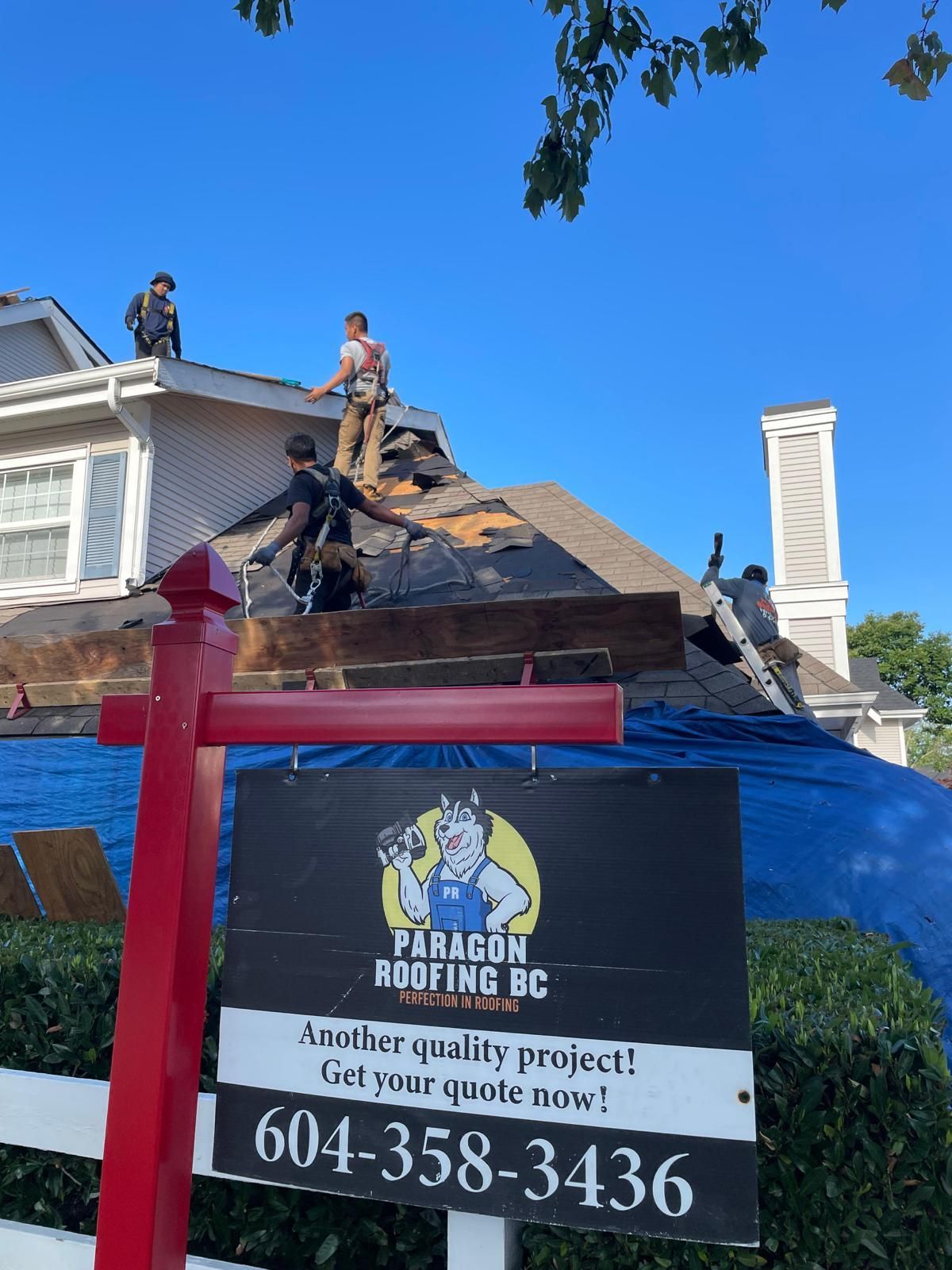


Our Roof Replacement Process in North Vancouver
On-site roof and attic assessment with photos and report
Everything starts with a proper look—not a drive-by quote or a guess from the sidewalk. On North Vancouver homes, we get up on the roof, into the attic and around the property so we can see how rain, snow and trees are actually affecting your system. On the roof, we check shingles or shakes, flashings, valleys, skylights, chimneys and transitions where past leaks have likely started. In the attic, we look for moisture staining, mould, rusty nail tips, frost history and signs of poor ventilation or insulation gaps. Throughout the visit, we take clear, zoomed-in photos so you’re not just “taking our word for it.” You get a written summary that explains what’s urgent, what’s aging and what can wait—so the decision to move forward with replacement feels logical, not pressured. This same assessment framework underpins the recommendations we make on our main roof replacement page at residential roof replacement services.
Full tear-off, disposal and detailed deck inspection
On the North Shore, a “roof over” is almost never the right choice. With constant moisture and heavy tree cover, you need a full tear-off so we can see what’s really happening underneath. We strip all existing shingles or shakes, underlayment, old flashings and debris down to the bare deck. As the roof comes off in sections, we inspect each area for soft spots, dark staining, previous patchwork and hidden rot—especially at eaves, valleys and where walls meet the roof. All waste is loaded directly into bins or trucks; we don’t leave piles sitting around the property for days. By the time tear-off is complete, we know exactly what needs repair, what’s solid and where to focus structural upgrades before the new system goes on.
Plywood/sheathing repairs and upgrades where needed
Once the old roof is gone, the deck tells the truth. On older cedar roofs, we often find spaced sheathing, weak planks or plywood that’s gone soft from slow leaks and years of moss. We replace compromised sections with new, properly fastened sheathing and, where needed, convert from skip sheathing to solid plywood to support modern shingle or metal systems. If the structure allows, we correct minor waves and dips so water flows cleanly to gutters and drains instead of sitting in low spots. This is also where we address any framing issues around skylights, chimneys or problematic transitions that have caused recurring leaks. The goal is simple: when we install your new roof, it sits on a stable, code-compliant deck that’s ready for decades of heavy North Vancouver weather.
Ice & water shield, underlayment and flashing details
The difference between a roof that “looks good at first” and a roof that lasts in North Vancouver is often hidden under the shingles. We install self-adhered ice & water membrane in critical areas—eaves, valleys, low-slope sections, roof-to-wall transitions and other leak-prone zones—so wind-driven rain and minor ice build-up can’t sneak under the system. Over the rest of the deck, we use high-quality synthetic underlayment to shed moisture and provide a stable substrate. Then we rebuild all flashing details: drip edge, step flashing at walls, chimney flashings, backpans, counterflashings and metal in valleys. Every seam, overlap and fastener is placed with local rain, slope and exposure in mind. The result is a layered, integrated waterproofing system, not just “shingles on wood.”
Ventilation upgrades for healthier attics and longer shingle life
North Vancouver homes are notorious for damp, under-ventilated attics thanks to trees, older construction and lots of retrofit work over the years. During replacement, we calculate intake and exhaust needs based on your roof area and layout, then design a venting plan that actually works with your architecture. That might mean adding or resizing roof vents, introducing ridge venting on certain peaks, and making sure soffit or other intake paths are open—not stuffed with insulation. Proper airflow helps remove excess moisture from the attic so the deck stays drier, mould risk drops and shingles don’t “cook” from the underside. Ventilation isn’t a nice-to-have in this climate; it’s one of the key reasons some roofs fail early and others hit their full lifespan. For homeowners who want to dive deeper into this topic, we expand on these principles in our installation-focused article, the roof installation process in Vancouver – a roofer’s perspective.
Installing the new roof system to manufacturer standards
Once the prep work is done, we start building your new system exactly the way the manufacturer intended it to be installed—and often more carefully than the minimum specs. We follow precise nail patterns, exposure lines, starter courses, valley details and ridge treatments that match both product guidelines and North Shore conditions. For architectural shingles, that means no high-nailing, no short-fastening along edges and no shortcuts at hips, ridges or critical flashings. For metal or synthetic systems, we pay attention to clip spacing, expansion, fastening schedules and transition trims so the roof can move, drain and perform under wind, snow and rain. The goal is not just to make it look right on day one, but to qualify you for strong manufacturer backing and predictable long-term performance.
Final cleanup, magnet sweep and homeowner walkthrough
A good roof job ends with a clean, safe property and a homeowner who understands what was done. We run ground-level cleanup as we go, then perform a detailed sweep at the end—collecting debris, cutting down plastic, removing leftover materials and running magnets across driveways, walkways and lawn edges for stray nails. Once the site is tidy, we walk you through the completed roof from the ground and via photos: showing key details, explaining what was repaired or upgraded, and confirming that all agreed scope items were completed. You’ll know where your new vents are, how your flashings were improved and what to expect in terms of lifespan and maintenance. When we leave, you’re not left guessing; you’ve got a clear sense of how your new North Vancouver roof was built and how it will protect your home.
Let's Chat Roofing!
Paragon Res Roof #2
We will get back to you as soon as possible.
Please try again later.
Roof Replacement Built for North Shore Conditions
Handling year-round rain, snow loads and freeze–thaw cycles
On the North Shore, your roof doesn’t get an off-season. It deals with driving rain almost every month of the year, wet snow events that load up valleys and eaves, and constant freeze–thaw cycles where meltwater refreezes at night along cold edges and overhangs. A proper roof replacement here has to be built around those realities. That means generous use of ice & water shield at eaves, valleys, low-slope areas and problem transitions; high-quality synthetic underlayment instead of bargain felt; and installation methods that keep wind-driven rain from getting under laps and flashings. We also look at how snow sheds from upper to lower roofs, how water is channeled into gutters and drains, and where ice dams are likely to form based on past staining and attic conditions. The goal isn’t just “new shingles”—it’s a system that can survive North Vancouver’s weather script year after year without constantly flirting with leaks.
Protecting tree-lined properties from debris and moss
Most North Vancouver homes don’t sit in wide-open sunlight—they live under cedars, firs and maples that constantly dump needles, cones and branches onto the roof. That shade and debris combination is the perfect recipe for moss, algae and slow, hidden rot if the roof isn’t designed with it in mind. When we replace a roof in these conditions, we pay close attention to valley design, water paths and where debris naturally piles up. We choose profiles and colours that handle organic staining better, install metal details in key areas to discourage growth, and ensure the new deck and membranes can tolerate longer dry-out times. We also talk honestly about maintenance: how often to clear valleys, what to avoid (aggressive pressure washing), and how to keep gutters and drains flowing so needles don’t turn into small dams. For homes where moss and debris have already caused damage, we rebuild those sections so the new system starts on a clean, solid foundation.
Managing complex rooflines, skylights, chimneys and valleys
North Vancouver architecture loves complexity—multi-gable designs, dormers tucked into slopes, big chimneys, skylights grouped together, and intersecting valleys that concentrate water flow. Those details are almost always where leaks begin, especially on older roofs that were flashed to “bare minimum” standards. During replacement, we strip these areas back to the deck and rebuild them properly: full-width valley membranes, metal valleys where appropriate, step flashings at every course along sidewalls, correct counterflashing at chimneys, and properly integrated skylight curb flashing instead of caulk-heavy shortcuts. We re-think how water travels through the maze of roof planes and adjust details so the system sheds water cleanly instead of relying on hope and sealant. If you’ve had recurring leaks in the same spots, those areas get special attention so the new roof doesn’t just cover the problem—it eliminates the weak point.
Safe access and staging on sloped lots and tight driveways
A lot of North Vancouver homes sit on steep, narrow lots with challenging driveways, limited street parking and drop-offs around the house. That isn’t just a logistics issue; it affects how safely and efficiently a roof can be replaced—and it’s a genuine cost driver. We plan access carefully: where bins can be placed, how materials will be loaded (by crane, boom or manual carry), and how to protect driveways, retaining walls and landscaping from damage. On steep slopes, we design staging and safety tie-off points so crews can work effectively without rushing or cutting corners. This planning stage is one of the reasons our North Shore projects are structured differently than jobs in flatter, more open suburbs; it’s also why homeowners in the area tend to look for a roofer who actually understands local terrain, as outlined on our dedicated North Vancouver roofing services page.
Roof Replacement Costs in North Vancouver
Key cost drivers – size, pitch, access and material choice
There’s no single “North Vancouver roof price,” because four main variables control most of the numbers:
- Size and layout – More surface area, more planes, more valleys and more details all mean more labour and materials.
- Pitch (slope) – A 4/12 roof and a 12/12 roof live in different worlds. Steep roofs require harnesses, roof jacks, planks and slower, more careful production.
- Access – Tight streets, steep driveways, no place for a bin, or crane-only loading all add time and handling costs.
- Material choice – Architectural asphalt, cedar, metal and synthetic systems each sit in different price bands for both material and labour.
A relatively simple, walkable asphalt roof with easy bin placement will always be at the lower end for the area; a steep, multi-level home needing crane support and a premium metal or synthetic system will naturally sit higher. Good quoting in North Vancouver is really about explaining how each of those variables applies to your specific home, not throwing out a generic “per square foot” number.
Cost differences: asphalt vs cedar vs metal vs synthetic
Think of materials as tiers rather than exact fixed prices:
- Architectural asphalt shingles – Typically the most cost-effective choice, especially on complex roofs. Strong value, solid warranties, and a good balance of performance vs price.
- Cedar – Once standard on the North Shore, now more of a specialty option. Higher material and installation cost, shorter lifespan than premium metal or some synthetics in this climate, and more maintenance.
- Metal roofing – Includes standing seam and metal shingles. Higher upfront investment, but excellent longevity, durability and performance on exposed slopes.
- Synthetic “cedar” or “slate” – Sits in the upper bands of cost, similar to or above high-end metal in many cases, but brings a premium look with lower weight than natural slate and better weather resistance than real cedar.
The right choice depends on how long you plan to stay, what the house demands architecturally, and how much maintenance you’re willing to take on. In many North Vancouver projects, we’re comparing long-term cost of ownership—how many roofs you’ll go through over 30–40 years—rather than just day-one install price.
How access, steep slopes and trees impact pricing
Two homes with the same square footage can have very different quotes if one is tucked into a steep, treed hillside and the other is open and flat. Steep slopes slow production and require more safety equipment and staging; trees add time for protection, debris management and cleanup, and can limit crane or boom access. If bins can’t sit right beside the house, crews spend more time moving material by hand. If the roof requires extra fall protection measures or complex staging around drop-offs and retaining walls, that’s built into the labour portion—not because anyone’s padding the quote, but because the job physically takes longer and carries higher risk. When we price a North Vancouver roof, a significant part of the site visit is measuring not just the roof, but the difficulty of working on and around the property.
When investing more now saves future leak and repair costs
There’s a point where “cheap now” becomes “very expensive later,” and North Vancouver hits that point faster than many areas because of the climate. Skipping ice & water shield, under-ventilating the attic, using thin underlayment or cutting corners on flashings might save a bit on the quote—but if those decisions lead to chronic leaks, mould, damaged ceilings and repeated repair calls over the next decade, the real cost is far higher. Sometimes it also means burning through a roof 5–10 years earlier than necessary.
Spending more upfront on:
- A full tear-off instead of a roof-over
- Proper deck repairs and sheathing
- Robust membrane and flashing details
- Adequate ventilation and quality materials
…can easily pay for itself by avoiding a second replacement or major interior damage down the line. For homeowners who want a deeper breakdown of how those decisions affect budgets across Metro Vancouver, our cost-focused guide, roof replacement cost in Vancouver – a no-nonsense guide , walks through real-world scenarios and trade-offs.
Where We Go.
Proudly serving our local community & focused on being the best Vancouver roofers possible.
Vancouver
Acadia Park, Arbutus Ridge, Burrard Indian Reserve, Cambie, Capilano Indian Reserve 5, Cedar Cottage, Champlain Heights, Chinatown, Coal Harbour, Collingwood, Commercial Drive, Creekside, Davie Village, Downtown, Downtown Eastside, Downtown South, Downtown Vancouver, Dunbar Southlands, East Hastings, English Bay, Fairview, False Creek Flats, False Creek North, False Creek South, Fraser, Fraserview, Gastown, Grandview - Woodland, Granville, Granville Entertainment District, Granville Island, Greektown, Hastings - Sunrise, Hastings Crossing, Hastings East, Hillcrest, Historic Japan Town, Hogans Alley, Kensington - Cedar Cottage, Kerrisdale, Killarney, Kits Point, Kitsilano, Knight, Langara, Little Ginza, Little India, Little Mountain, Lost Lagoon, Lower Hudson, MacKenzie Heights, Main, Marpole, Metro Vancouver, McMillan Island 6, Mole Hill, Mount Pleasant, Mt. Pleasant, Musqueam, Musqueam Indian Reserve 2, Norquay Village, North Vancouver, Oak, Oakridge, Olympic Village, Quilchena, Renfrew - Collingwood, Renfrew Heights, Riley Park, Seymour Creek Indian Reserve, Shaughnessy, Shaughnessy Heights, South Cambie, South False Creek, South Granville, South Hill, South Vancouver, Southlands, Southwest Marine, Stanley Park, Stanley Park Subdivision, Strathcona, Sunrise, Sunset, The Drive, Tsawwassen Indian Reserve, University Endowment Lands, University Hill, Victoria - Fraserview, West Broadway, West End, West Point Grey, West Vancouver, Westbrook Village, White Rock, Woodland, Yaletown - Stadium District
West Vancouver
Altamont, Ambleside, Ambleside Beach, Bayridge, British Properties, Cammeray, Canerbury, Caulfeild, Cedardale, Chartwell, Chelsea Park, Cypress, Cypress Bowl, Cypress Park, Cypress Park Estates, Deer Ridge, Dundarave, Dundarave Village, Eagle Harbour, Eagle Ridge, Furry Creek, Gleneagles, Glenmore, Horseshoe Bay, Howe Sound, Lions Bay, Olde Caulfeild, Panorama, Panorama Village, Park Royal, Porteau Cove, Queens, Rockridge, Sandy Cove, Sentinel Hill, Sunset Beach, Upper Caulfeild, Upper Levels Highway, Wentworth, West Bay, Westhill, Westmount, Whitby Estates, Whytecliff
North Vancouver
Blueridge, Boundary, Braemar, Canyon Heights, Capilano, Carisbrooke, Cedar Village, Central Lonsdale, Central Lynn, Cleveland, Cove Cliff, Deep Cove, Delbrook, Dollarton, Edgemont Village, Grand Boulevard, Grouse Woods, Handsworth, Highlands, Indian River, Keith Lynn, Kirkstone, Lions Gate, Lower Capilano, Lower Capilano Marine, Lower Lonsdale, Lower West Lynn, Lynn Canyon, Lynn Creek, Lynn Valley, Lynn Valley Centre, Lynnmour North, Lynnmour South, Mahon, Main Street, Maplewood, Marine-Hamilton, McCartney Woods, Mission IR#1, Moodyville, Norgate, Northlands, Norwood Queens, Parkgate, Parkway, Pemberton Heights, Riverside East, Riverside West, Roche Point, Seymour Heights, Tempe, Upper Capilano, Upper Delbrook, Upper Lonsdale, Upper Lynn, Upper West Lynn, West Lynn Terrace, Westview, Windridge, Windsor Park
Port Moody
April Road, Barber Street, Belcara, College Park, Coronation Park, Glenayre, Harbor Heights, Heritage Mountain, Heritage Woods, Inlet Centre, Ioco, Moody Centre, Mountain Meadows, Noons Creek, North Shore, Pleasantside, Port Moody Centre, Seaview, Twin Creeks
Lions Bay
Alberta Bay, Kelvin Grove, Brunswick Beach, Oceanview Road, Panorama Road, Bayview, Sunset Drive, Stewart Road
Pitt Meadows
Central Pitt Meadows, North Pitt Meadows, Pitt Meadows City Centre, Pitt Polder, West Pitt Meadows
Bowen Island
Apodaca Park, Arbutus Point, Artisan Square, Bluewater, Bowen Bay, Cates Hill, Collins Road, Cove Bay, Cowan Point, Davies Orchard, Deep Bay, Eagle Cliff, Fairweather, Fairweather Point, Galbraith Bay, Grafton Bay, Hood Point, Hood Point West, Josephine Lake, King Edward Bay, Miller's Landing, Mount Gardner, Mt Gardner, Ocean view, Queen Charlotte Heights, Scarborough, Sealeigh Park, Seven Hills, Seymour Bay/Alder Cove, Snug Cove, Snug Point, Sunset Park, Sunset Park Estates, The Cape, The Holdings, The Valley, Timber Grove, Tunstall Bay, Union Bay, Valhalla, Village Square
Delta
Annieville, Beach Grove, Boundary Beach, Cliff Drive, Delta Manor, East Delta, English Bluff, Hawthorne, Holly, Ladner, Neilson Grove, Nordel, Pebble Hill, Port Guichon, Scottsdale, Sunshine Hills, Tsawwassen Central, Tsawwassen East, Tsawwassen North, Annacis Island, Ladner Village, Holly Park, Ladner Rural, Westham Island, Ladner Central, Marina Garden Estates, Canoe Pass Village, Country Woods, Elliot, Riverside Industrial Park, Whitelaw, Mountain View, Tilbury Industrial Park, Tilbury North, Tilbury East, Westridge Industrial Park, Delta Heritage Airpark, Delta Port Industrial Park, Tilbury Business Park, West Ladner Industrial Park, Tilbury Auto Mall, Tsawwassen Heights, Boundary Bay, Tsawwassen Shores, Annacis Island Industrial Park, Kennedy, Sunshine Woods, The Highlands, Imperial Village, Forest-by-the-Bay, Sunbury
Belcarra
Belcarra Village, Belcarra Bay, Bedwell Bay, Coombe, Cosy Cove, Woodhaven, Belvedere, Twin Islands
Surrey
Alluvia, Aloha Estates, Amble Green, Anniedale - Tynehead, Bear Creek Green Timbers, Campbell Heights, Clayton, Cloverdale, Cloverdale Town Centre, Crescent Beach, Crescent Beach – Ocean Park, Douglas, East Clayton, East Clayton North, East Clayton West, East Newton, East Newton North, East Newton South, East Panorama Ridge, Elgin, Elgin - Chantrell, Elgin Chantrell, Fleetwood, Fleetwood Enclave, Fleetwood Town Centre, Fraser Heights, Grandview Heights, Guildford, Guildford Town Centre, Highway 99 Corridor, King George Corridor, Morgan Creek, Morgan Heights, Mud Bay, Newton, Newton Town Centre, North Cloverdale East, North Cloverdale West, North Grandview Heights, North Surrey, Ocean Park, Orchard Grove, Panorama Ridge, Queen Mary Park, Rosemary Heights Central, Rosemary Heights West, Saint Helen’s Park, Semiahmoo Town Centre, South Newton, South Port Kells, South Surrey, South Westminster, South Westminster Heights, Sullivan, Sunnyside Heights, Surrey Metro Centre, Surrey Newton, West Clayton, West Cloverdale North, West Cloverdale South, West Newton, West Newton - Highway 10, West Newton North, West Newton South, Whalley
Richmond
Aberdeen Village, Acheson-Bennett, Ash Street, Boyd Park, Boyde Park, Brideport Village, Bridgeport, Brighouse, Brighouse South, Brighouse Village, British Columbia Packers, Broadmoor, Capstan Village, Central West, Dover Crossing, East Cambie, East Livingstone, East Richmond, Garden City, Gilmore, Golden Village, Granville, Hamilton, Historic Steveston Village, Ironwood, Lackner, Lansdowne Village, Laurelwood, London - Princess, McLennan, McLennan North, McLennan South, McNair, Mitchell Island, Moffatt, North Granville, Oval Village, Quilchena, Riverdale, Saunders, Sea Island, Seafair, South Arm, St Albans, Steveston North, Steveston South, Steveston Village, Sunnymeade North, Terra Nova, West Cambie, Westwind, Woodwards
Burnaby
Ardingley-Sprott, Big Bend, Brentwood, Brentwood Park, Buckingham Heights, Burnaby Heights, Burnaby Lake, Capitol Hill, Cariboo, Cariboo-Armstrong, Cascade-Schou, Central Burnaby, Central Park, Clinton-Glenwood, Deer Lake, Deer Lake Place, Douglas-Gilpin, East Burnaby, Edmonds, Englewood Mews, Forest Glen, Forest Hills, Garden Village, Government Road, Highgate, Kingsway-Beresford, Lake City, Lakeview-Mayfield, Lochdale, Lougheed, Lyndhurst, Marlborough, Maywood, Metrotown, Montecito, Morley-Buckingham, North Burnaby, Oakalla, Oaklands, Parkcrest, Parkcrest-Aubrey, Richmond Park, Second Street, Simon Fraser Hills, Simon Fraser University, South Burnaby, South Slope, Sperling-Broadway, Sperling-Duthie, Stride Avenue, Stride Hill, Sullivan Heights, Suncrest, Sussex-Nelson, The Crest, Upper Deer Lake, Vancouver Heights, West Central Valley, Westridge, Willingdon Heights, Windsor
Langley & Langley Township
Aldergrove, Alice Brown, Anderson Creek, Bedford Landing, Belair Estates, Bell Park, Blacklock, Brookswood, Brookswood Homes, Brookswood-Fernridge, Campbell Valley, Campvell Valley, Carvolt, Carvolth, Cedar Ridge, Cedar Ridge Estates, Civic Center District, Country Line Glen Valley, Country Woods, County Line Glen Valley, Derby Hills, Douglas, Downtown Langley, Eaglecrest, East Brookwood, Entertainment District, Fairview Estates, Fern Ridge, Fern Ridge Park, Fernridge East, Fernridge Estates, Fernridge Meadow, Fernridge North, Fernridge Place, Fernridge South, Fernridge West, Forest Hills, Forest Knolls, Fort Langley, Fraserview, Glen Valley, Glen Valley Estates, Glen Valley Farms, Glen Valley North, Glen Valley Regional Park, Glen Valley South, Glen Valley Terrace, Glen Valley Woods, Gloucester, Gloucester Industrial Estates, Gould / Poplar Grove, Grasslands, Greenwood Estates, High Point, Hopington, Jericho, Jericho Ridge, Kensington Circle, Langley City, Langley Meadows, Langley Meadows Park, Logan Creek, Manor Park, Meadowbrook, Milner, Milner Heights, Milner Village, Mossey Estates, Mount Lehman, Murray's Corner, Murrayville, Murrayville Village, Newlands, Nicomeki, Nicomekl, North Blackburn, North East Gordon, North Otter, North West Yorkson, Northwest Langley, Otter, Otter District, Park Avenue, Poppy Estate, Port Kells, Routley, Salmon River, Salmon River Area, Salmon River Estate, Salmon River Heights, Salmon River Meadows, Salmon River Place, Salmon River Ranch, Salmon River Road, Salmon River Uplands, Simonds, Smith, South East Gordon, South Langley, South Thornton, South West Murrayville, Strawberry Hills, Surrey Bend, Tall Timbers, Trinity, Trout Lake, Uplands, Uplands / Latimer Heights, Upper Murrayville, Walnut Grove, Walnut Grove Estates, Walnut Grove Park, Walnut Ridge, West Latimer, West Willoughby, Williams, Willoughby, Willoughby - Willowbrook, Willoughby Central, Willoughby East, Willoughby Heights, Willoughby Park, Willoughby West, Willow Edge, Willowbrook, Willowbrook Estates, Willowbrook Gardens, Willowbrook Gate, Yorkson
Aldergrove
Aldergrove North, Aldergrove South, Alderwood Manor, Bertram Estates, Cedar Park Estates, Creekside Villas, Lions Grove Estate, Northeast Aldergrove, Parkside Village, Southwest Aldergrove, Twin Firs, Willow Creek Estates
Anmore
Alder Way, Alpine Drive, Anmore Creek Way, Barber Street, Bedwell Bay Road, Birch Winde, Black Bear Way, Blackberry Drive, Buntzen Creek Road, Canterwood Court, Charlotte Crescent, Chestnut Crescent, Creekside Place, Crystal Creek Drive, Deerview Lane, Dogwood Drive, Eaglecrest Drive, East Road, Elementary Road, Evergreen Crescent, Fern Drive, Fir Court, Forestview Lane, Hemlock Drive, Heron Way, Highland Crescent, Hummingbird Drive, Lancaster Court, Lanson Crescent, Ludlow Lane, Ma Murray Lane, Madley Place, Magnolia Way, Mainland Road, Maple Court, Mountain Ayre Lane, None, Oak Court, Pondside Road, Pumphouse Road, Ravenswood Drive, Robin Way, Seymour View Road, Sparks Way, Spence Way, Strong Road, Sugar Mountain Way, Summerwood Lane, Sunnyside Road, Sunset Ridge, Thomson Road, Uplands Drive, Valley Crescent, Westridge Lane, Wollny Court, Wyndham Crescent
Maple Ridge
Albion, Cottonwood, East Central Maple Ridge, East Haney, Hammond, Haney, North Maple Ridge, Northeast Maple Ridge, Northwest Maple Ridge, Port Haney, Ruskin, Silver Valley, Southwest Maple Ridge, The Ridge, Thornhill, Webster’s Corners, West Central Maple Ridge, Whonnock, Yennadon
Mission
Cedar Valley, Dewdney Deroche, Downtown Mission, Hatzic, Hemlock, Lake Errock, Mission, Mission West, Silverdale, Silverhill, Squamish Nation, Stave Falls
Coquitlam
Anmore, Austin Heights, Burke Mountain, Canyon Springs, Cape Horn, Central Coquitlam, Chineside, Coquitlam East, Coquitlam West, Eagle Ridge, East Coquitlam, Harbour Chines, Harbour Place, Heritage Woods, Hockaday, Laurentian Belaire, Lincoln Park, Lower Hyde Creek, Maillardville, Meadow Brook, Meadow Brooks, Mary Hill, New Horizons, North Coquitlam, Oxford Heights, Park Ridge Estates, Partington Creek, Ranch Park, River Heights, River Springs, Scott Creek, Smilling Creek, Summit View, The Foothills, Town Centre, Upper Eagle Ridge, Upper Hyde Creek, Westwood, Westwood Plateau, Westwood Summit
Port Coquitlam
Birchland Manor, Central Port Coquitlam, Citadel, Glenwood, Lincoln Park, Lower Mary Hill, Mary Hill, Oxford Heights, Riverwood, Sun Valley, Woodland Acres
Abbotsford
Abbotsford Centre, Abbotsford East, Abbotsford West, Aberdeen, Arnold, Auguston, Babich, Bateman, Bradner, Central Abbotsford, Clayburn, Clearbrook Centre, Downes, Eagle Mountain, East Abbotsford, East Townline, Fairfield, Huntingdon, Kilgard, Lower Ten Oaks, Matsqui, Matsqui Prairie, Matsqui Village, McMillan, Mill Lake, Mount Lehman, North Clearbrook, North Poplar, Old Clayburn, Pepin Brook, Poplar, Sandy Hill, South Clearbrook, South Poplar, Straiton, Straiton - Auguston, Sumas Mountain, Sumas Prairie, Townline Hill, University District, Upper Ten Oaks, West Abbotsford, West Clearbrook, West Townline, Whatcom
New Westminster
Brow of the Hill, Brunette Creek, Connaught Heights, Downtown New Westminster, Eastburn, Glenbrooke North, Glenbrooke South, Kelvin, North Arm North, North Arm South, Queen's Park, Queensborough, Sapperton, Uptown, Victory Heights, West End
White Rock
Marine Drive, Town Centre Commercial Area, Town Centre Residential Area, Lower Town Centre, West Beach Business Area, East Beach Business Area, Terry Road, Malabar, Blackburn, Coldicutt, Landcaster, Cory, North Bluff, Chestnut, Bergstrom
Chilliwack
Atchelitz, Barrowtown, Bridal Falls - Popkum, Camp River, Chilliwack Lake/Radium Valley, Chilliwack Mountain, Chilliwack Proper Village West, Chilliwack River Valley, Columbia Valley, Cultus Lake, Downtown Chilliwack, East Chilliwack, East Young-Yale, Eastern Hillsides, Evans, Fairfield, Fairfield Island, Garrison Crossing, Greendale, Little Mountain, Majuba Hill, Minto Landing, North Yale-Well, Promontory, Rosedale, Rosedale Popkum, Ryder Lake, Sardis, Sardis East Vedder Road, Sardis West Vedder Road, Tzeachten, Veddar South Watson-Promontory, Vedder, Vedder Crossing, Village West, West Young-Well, Yale Road West, Yarrow
Furry Creek
Collector, Howe Sound, Marina, Mountain, North East Furry Creek, North West Furry Creek, Oliver's Landing, Porteau Cove, Resort Hotel, Uplands North, Uplands South, Upper Benchlands, Village Center, Village Commercial, Waterfront
Squamish
Brackendale, Brennan Center, Britannia Beach, Business Park, Central Squamish, Cheakamus, Cheekye, Crumpit Woods, Dentville, Downtown, Downtown Squamish, Eagle Run, Garibaldi Estates, Garibaldi Highlands, Hospital Hill, Kowtain, Loggers East, Minaty Bay, North Yards, Northridge, Oceanfront, Paradise Valley, Plateau, Ring Creek, Rural Squamish, Seaichem, Stawamus, Squamish Valley, Tantalus, University Heights, University Highlands, Upper Squamish, Valleycliffe, Waiwakum, Yeakwapsem
Whistler
Adara, Alpenglow, Alpha Lake Village, Alpine Meadows, Alta Lake, Alta Vista, Alta Vista 2, Aspens, Athletes' Village, Bayshores, Benchlands, Black Tusk, Black Tusk Estates, Blackcomb Benchlands, Blackcomb Springs Suites, Blacktusk, Blueberry, Blueberry Hill Whistler, Brio, Callaghan, Cheakamus, Cheakamus Crossing, Creekside, Cypress, Delta Whistler, Eagle Ridge, Emerald Estates, Evolution, Four Seasons, Function Junction, Function Junction Industrial and Commercial zone, Gables, Garibaldi, Glaciers Reach, Granite Court, Green Lake Estates, Hilton Whistler, Kadenwood, Kadenwood Estates, Lagoons At Stoney Creek, Lake Placid Lodge, Le Chamois, Legends, Lost Lake Lodge, Marquise, McGuire's – Northair, Mons, Montebello, Mount Currie, Nesters, Nicklaus North, Nordic, Nordic Estates, Nordic Estates Official - Club Cabins, Nordic Estates Official - Rimrock, Northern Lights, Owl Creek, Paralympic Village, Pemberton, Pemberton Valley Lodge, Pinecrest, Pinecrest Estates, Pinnacle Ridge, Rainbow – Baxter Creek, Rainbow Estates, Rainbow Lodge, Snowy Creek, Solana, Southern Whistler, Spring Creek, Sproatt, Spruce Grove, Squamish Lillooet Regional District, Stonebridge, Tamarisk, Tamarisk Estates, Tantalus Lodge, The Benchlands Whistler, Treeline, Upper Village, Vale Inn, Wedge Woods, West Side Road, Westin Resort, Westside, Whistler Cay, Whistler Cay Estates, Whistler Cay Heights, Whistler Creek, Whistler Creekside, Whistler Highlands, Whistler Upper Village, Whistler Village, Whistler Village North, White Gold
Roof Replacement for North Vancouver Strata & Multi-Family Buildings
Townhomes, duplexes and low-rise strata roofing
Townhomes, duplexes and low-rise strata buildings on the North Shore don’t just need “a new roof”—they need a system that respects shared walls, party-line details, multiple unit types and very different expectations from dozens of owners. In North Vancouver, these complexes often mix pitched shingle roofs with flat or low-slope sections over corridors, garages and common rooms, all while sitting under heavy tree cover and taking on serious rain and snow. When we approach a strata or multi-family roof replacement, we look at the entire site as one connected system: slopes, drainage paths, access routes, parking patterns and how rain actually moves through the property. The goal is consistent quality across every block and building, not a patchwork of different “fixes” that age at different speeds. For strata councils who want a broader overview of how we handle these projects across Metro Vancouver, our dedicated multi-family section at strata & multifamily roofing services is often the first stop.
Coordinating with strata councils, property managers and consultants
Strata and multi-family roof replacements are as much about communication as they are about construction. Councils need clear scopes to vote on, property managers need timelines and logistics, owners want to know “what this means for my day-to-day,” and building consultants (when involved) expect that details are followed precisely. We start by translating our roof inspection into plain-language condition reports with photos, priorities and options—so councils aren’t forced to interpret technical jargon at AGM night. From there, we attend meetings when requested, answer questions directly, and provide revised scopes if budgets or phasing need to shift. During the project, we coordinate daily or weekly updates with the manager, keeping them ahead of bin moves, crane days, loud work periods and any weather-related schedule adjustments. If an engineer or roofing consultant is overseeing the job, we follow their specifications line-by-line and communicate openly so there are no surprises on site or in their final report.
Phasing work to reduce impact on residents and parking
On a North Vancouver townhouse or low-rise strata, you can’t just “take over” the entire site and disrupt everyone’s lives for weeks. Parking is tight, streets are narrow, and residents still need to get kids to school, commute downtown and live their lives while the project is underway. That’s why phasing matters. We break the project into logical sections—by building, block or roof area—and schedule work so only a portion of residents are directly impacted at any given time. Bins and materials are staged in rotation rather than occupying every available space. Noisy, high-disruption tasks like tear-off or crane lifts are clustered into predictable windows and communicated in advance so people can plan around them. For large complexes, we often map out multi-year programs that tackle the worst roofs first and then move through the site systematically, pairing good construction with predictable budgeting so the CRF doesn’t get blindsided. Over time, councils start to see the project not as chaos, but as a controlled, organized upgrade of one of their most important shared assets.
North Vancouver Neighbourhoods We Service
Upper & Lower Lonsdale, Central Lonsdale and Grand Boulevard
From older character homes near the water in Lower Lonsdale to steeper, more exposed properties climbing up into Upper Lonsdale and Grand Boulevard, these neighbourhoods pack a lot of variety into a small area. Many roofs here are at that “second replacement” stage—original cedar long gone, first asphalt roof aging out—and now need a system that respects modern code, better ventilation and the realities of heavier traffic, more density and tight access. Driveways are often narrow, rear lanes can be congested, and parking is at a premium, so planning bin placement, material loading and safe crew access is absolutely critical. We design each project around how the street actually lives: busy commuter corridors, school zones, bike routes and neighbours who are close enough to notice everything. Our North Vancouver overview at North Vancouver roofing services gives homeowners in these areas a clear sense of how we approach roofs in this part of the city.
Lynn Valley, Lynn Creek, Westlynn and Blueridge
In Lynn Valley, Lynn Creek, Westlynn and Blueridge, roofs have to survive a constant diet of tall trees, heavy rain and long stretches of shade. Needles pile into valleys and gutters, moss comes back fast if details aren’t right, and older cedar roofs are often at the edge of their lifespan. Many homes in these pockets have complex rooflines, multiple additions and tricky transitions where old work meets new, making proper flashing and underlayment detailing critical. When we replace roofs in these neighbourhoods, we pay special attention to moisture paths: how water and debris move from upper to lower roofs, how quickly they reach gutters, and where backups have historically occurred. We often recommend ventilation upgrades and thoughtful material choices that handle shade and organic growth better—because a good roof here isn’t just about resisting a storm, it’s about thriving in an environment that never really dries out.
Edgemont, Canyon Heights and Grouse-area homes
Roofs around Edgemont, Canyon Heights and the Grouse Mountain slopes face a different set of challenges: elevation, exposure and, in many cases, higher-end architecture. Here, steep pitches, complex gables and big view windows are common, and those elements demand both aesthetic sensitivity and technical precision. Winds can hit harder, snow can linger longer, and access is often more difficult with sloped driveways and retaining walls. In these areas, we’re frequently replacing cedar with architectural asphalt, metal or premium synthetic systems that better match the expectations of the home and the way the weather behaves. We design each replacement around long-term performance—ice & water membrane in the right places, robust flashing packages, and ventilation that respects both the attic and the interior comfort. For many of these homeowners, roof replacement is as much about protecting a major investment as it is about keeping water out.
Deep Cove, Dollarton and Indian Arm waterfront properties
Deep Cove, Dollarton and Indian Arm roofs live in some of the most beautiful—and most demanding—conditions on the North Shore. Constant moisture, ocean influence, wind, salt-laden air and dense tree cover all conspire to age roofs faster if they’re not built correctly. Waterfront and near-water properties can see more aggressive wind-driven rain, sideways storms and difficult access from steep slopes or limited roads. When we replace roofs in these locations, we treat them like the premium, high-exposure projects they are: enhanced waterproofing details, careful material selection that balances appearance, corrosion resistance and longevity, and extra attention to skylights, chimneys, decks and intricate transitions. Logistics matter too; bins, cranes and crews have to be coordinated tightly so we’re not fighting tide-level traffic and narrow roads any more than necessary. The end result is a roof designed not just to “handle a storm,” but to quietly and reliably protect a home that sits right in the heart of North Vancouver’s most rugged weather.
We let our reviews do the talking.
Brands you know and trust.





Roofing Installs Designed By You
Let us help you select the right roofing material for your home.
Experience The Paragon Roofing BC Difference
Perfection in roofing. Because we're different.
Your satisfaction is guaranteed. Throughout the whole process, from the initial onsite consult to the final roof install, our friendly and knowledgeable team members will work with you to maintain open communication.
Why North Vancouver Homeowners Choose Us for Roof Replacement
Experience with steep, treed and weather-exposed North Shore roofs
North Vancouver roofs aren’t “standard” suburban roofs. They’re perched on steep lots, hemmed in by tall evergreens and hammered by sideways rain, wet snow and constant shade. We work on these conditions every week, not once in a while. That means we’re used to roofs where access is awkward, driveways are sloped, and every valley is packed with needles and moss. Over time, you start to recognize patterns—where ice dams form first, which slopes burn out faster in the sun, how tree cover changes drying time after a storm. We bring that experience straight into the design of each replacement: more robust membranes in the right places, better valley and wall details, and ventilation plans that actually match how North Shore homes are built, not how a generic textbook says they “should” be.
Manufacturer-approved installs and written workmanship warranties
On the North Shore, you don’t just need a roof that “looks” right for the first few years; you need a system installed exactly the way the manufacturer intended, or warranties don’t mean much when you really need them. We follow shingle, metal and synthetic installation manuals line by line—exposure, nailing, step flashing, starter courses, hip and ridge details—so that if there’s ever a problem down the road, you’re not caught between a contractor and a manufacturer pointing fingers at each other. We back that up with clear, written workmanship warranties that spell out what’s covered and for how long. No vague promises, no handshake-only guarantees. For homeowners wanting a deeper dive into how we approach North Shore materials and maintenance as a whole, our guide on roofing companies in North Vancouver and material choices is a solid starting point.
Detailed quotes, clear scopes and honest recommendations
Most North Vancouver homeowners have seen at least one “mystery quote” in their lives—a single number, a one-line description, and not much else. We don’t operate that way. Our roof replacement proposals are broken down into plain-English line items: tear-off, disposal, plywood repairs, underlayment, membranes, flashing packages, ventilation changes, and the exact material system we’re recommending. If there are options—good, better, best—we label them that way and explain the trade-offs so you can pick based on how long you plan to stay, what your budget is, and how much maintenance you’re prepared to handle. And if we think a full replacement is overkill? We’ll say so, and outline what a repair-based plan would look like instead. The goal is for you to understand exactly what you’re paying for, not to feel pressured into something that doesn’t make sense.
Clean job sites, respectful crews and responsive after-care
On a tight North Vancouver street or shared lane, roofing work is impossible to ignore—unless it’s done thoughtfully. We invest a lot of effort into how we show up: driveway protection, lawn and garden protection, organized staging areas, and bins placed where they make sense for both you and your neighbours. Crews are instructed to keep the site tidy throughout the day, not just at the very end, because kids, pets and vehicles still need to move around safely. At the end of the project, we run magnet sweeps for nails, clear walkways and leave the property in a condition you’d actually be comfortable inviting guests into. If something ever needs attention after the job—an adjustment, a question, a small concern after a big storm—you’re not left wondering who to call. You reach out, and we respond. That ongoing relationship is a big reason many homeowners in the area eventually send friends and neighbours our way or find us through our dedicated North Vancouver roofing services page.
Roof Replacement FAQs – North Vancouver
How long will my new roof last in North Vancouver’s climate?
In North Vancouver, roof lifespan is less about the marketing number on the shingle wrapper and more about three things: installation quality, ventilation and environment. A properly installed architectural asphalt roof with good attic airflow on a reasonably open lot can often deliver 20–30 years of practical life. Put the same product under dense trees, constant shade and heavy needle/moss buildup with poor ventilation, and that number can drop significantly. Metal and high-end synthetic systems generally stretch longer, but they’re still subject to the same core rule: if water, debris and moisture aren’t managed, nothing lasts as long as it should. During an inspection, we don’t just guess at lifespan—we look at granule loss, curling, exposed mat, soft spots in the deck, attic conditions and leak history to give you a realistic, North Shore-specific expectation, not a generic brochure estimate.
Can you replace my roof in winter or during rainy periods?
Short answer: yes, it can be done safely and properly—but only with strict planning and weather management. North Vancouver doesn’t give you long stretches of bone-dry weather, especially outside summer, so waiting for “the perfect week” can sometimes mean waiting forever. Instead, we break projects into manageable sections and only open as much roof as we can reliably dry-in the same day. We watch forecasts, use temporary protection when needed, and prioritize critical areas (like valleys and lower slopes) first. Some materials have temperature requirements, so we’ll time certain steps around that, but a lot of roofs on the North Shore are successfully replaced in shoulder seasons and even during milder winter windows. The key factor isn’t just the calendar—it’s whether the crew knows how to work with the climate without taking risks with your home.
Do I need to move out or cover belongings during the job?
Most North Vancouver homeowners stay in their homes during roof replacement. You’ll hear noise—hammering, footsteps, tear-off—but you don’t have to move out. What you should do is take a few smart precautions: remove or protect fragile items in the attic, especially under slopes that are being worked on; avoid parking directly where debris might fall or bins may sit; and, if you work from home, plan around the louder tear-off days if possible. Inside the house, dust is usually minimal, but if you have very delicate items or open attic access, we can advise you on simple coverings or temporary adjustments. Our crew will let you know which areas are being worked on each day so you’re not guessing where to park or which entrances are best to use.
What’s the best roof type for a heavily treed North Vancouver lot?
A heavily treed lot changes the game. Shade, needles, cones and trapped moisture all shorten a roof’s effective life if the system isn’t designed for it. For many North Vancouver properties under dense tree cover, a good architectural asphalt system with strong underlayment, upgraded membranes in vulnerable areas and well-thought-out valleys performs very well—but you must commit to regular cleaning and maintenance. Metal can be an excellent choice on the right structure because it sheds debris more efficiently and dries faster, but it also needs correct detailing so branches and falling debris don’t damage panels or coatings. Whatever system you choose, we’ll talk through valley style, colour, moss resistance, and how water and debris actually move across your roof. The “best” roof isn’t the one with the fanciest brochure; it’s the one matched to your trees, slope, layout and willingness to maintain it.
How do I compare quotes from different roofers on the North Shore?
When you’re comparing roof replacement quotes in North Vancouver, focus less on the final number and more on what’s actually included. Are all old layers being removed or is someone quoting a roof-over? Is plywood replacement included as a line item or just vaguely mentioned? Do they specify ice & water shield locations, type of underlayment, flashing approach and ventilation changes, or is it all lumped into “labour and materials”? Check how much detail you get, what the warranty actually says in writing, and how clearly the contractor explains access, safety and cleanup on a steep or treed lot. Also look for local proof: photos, addresses in your area, and North Shore–specific references, not just generic city-wide claims. A slightly higher quote that includes proper tear-off, deck repairs, code-compliant ventilation and robust detailing is often the real bargain once you factor in lifespan and reduced risk of leaks in this climate.
Frequently Asked Questions.
Roofing is an investment into your property. Here are some FAQs to help navigate making that choice.
What are signs I need roof repairs?
Roof leaks cause stains on walls and ceilings which make them visually obvious. If your insulation is compromised, you’ll likely smell moist air that could be from water coming in through a leaky roof.
How long can I expect my roof repair or new roof to last?
A new roof will last longer than a repair or patch job. However, you might not need a completely new roof installed because some repairs are small enough to prevent larger issues from getting worse.
How much do roofing services cost?
All roofing projects are different. The scope of the roofing service will be unique to each home. If it’s a small repair or a full roof replacement, you’ll see much different bottom lines on the estimates. With Paragon Roofing BC, we always provide transparent pricing that you’ll be able to rely on.
Here's What Our Existing Clients Think.
Home and business owners we've served across the greater Vancouver area.
Our Google Reviews
Edit Google Reviews Widget
Related Services & Resources for Roof Replacement in North Vancouver
- Roofing Companies North Vancouver – Maintenance & Materials Guide
- Moss Removal Tips in North Vancouver
- Expert Shingle Roofer Advice – Paragon Roofing BC
- Roof Insulation in Vancouver – Everything You Need to Know
- Expert Tips for Low-Slope Roofs in Metro Vancouver
- Spring Roofing Tips – Vancouver & Surrounding Areas
Core Vancouver Roofing Hubs
- Paragon Roofing BC – Home
- Vancouver Roofing Overview
- All Vancouver Roofing Services
- Residential Roofing – Vancouver
- Commercial Roofing – Vancouver
- Strata & Multi-Family Roofing – Vancouver
- Roofing Materials – Vancouver
Key Vancouver Service Pages
- Roof Installation – Vancouver
- Roof Replacement – Vancouver
- Roof Repair – Vancouver
- Roof Maintenance – Vancouver
- Commercial Roof Installation – Vancouver
- Commercial Roof Repair & Maintenance – Vancouver
- Roof Ventilation – Vancouver
- Skylight Repair & Installation – Vancouver
- Chimney Repair & Flashing – Vancouver
Metal Roofing in Vancouver
- Metal Roof Ventilation & Condensation in Vancouver
- Metal Roof Fasteners vs Concealed Clips – Vancouver
- Metal Roof Warranty & Strata Rules – Vancouver
- Metal Roofing for Low-Slope Roofs in Vancouver
- Metal vs Asphalt in Vancouver Rain
- Metal Roof Temperature & Insulation – Vancouver
- Do Vancouver Roofs Need Ice & Water Shield?
- Standing Seam vs Metal Shingles – Vancouver
- Do Metal Roofs Rust Near Vancouver’s Ocean Air?
- Are Metal Roofs Noisy in Vancouver Rain & Wind?
- How Long Do Metal Roofs Last in Vancouver?
- Installing Metal Over Shingles in Vancouver
- Metal Roof Cost – Vancouver 2025 Guide
- Expert Insights on Metal Roofing in Vancouver
- Standing Seam Metal Roofing – Ultimate Vancouver Guide
Roofing Materials & Systems in Vancouver
- Ultimate Guide to Roofing Materials in Vancouver
- Practical Guide to Asphalt Shingles in Vancouver
- Roof Insulation in Vancouver – Everything You Need to Know
- Attic Insulation & Ventilation – Vancouver R-Values, Moisture & Mould
- Asphalt Shingles vs Metal in Rainy Vancouver
- Flat Roofs in Vancouver – Managing Rainwater & Drainage
- Converting a Flat Roof to Low-Slope – Vancouver
- Drainage on Commercial Flat Roofs – Vancouver
Vancouver Climate, Weather & Roof Maintenance
- Flat Roofing in Vancouver’s Coastal Climate
- Common Vancouver Roof Maintenance Mistakes
- Impact of Coastal Winds on Vancouver Roofs
- Handling Roofing During Vancouver’s Rainy Season
- Moss Growth on Vancouver Roofs – Causes & Control
- How Coastal Weather Affects Vancouver Roofing
- Preparing Vancouver Roofs for Winter & Rainy Seasons
- Why Roof Ventilation Is Non-Negotiable in Vancouver
- Maximizing the Lifespan of Vancouver Roofs
- How Long Do Roofs Last in Vancouver?
Cost, Financing & Roof Replacement Decisions – Vancouver
- How Much Does a Roof Replacement Cost in Vancouver? (2025)
- No-Nonsense Roof Replacement Cost Guide – Vancouver
- Roof Replacement vs Roof Repair – Making the Right Choice
- When to Replace Your Roof in Vancouver
- Timeframe for Roof Installation Projects – Vancouver
- Roofing Costs & Financing Options – Vancouver
- Roofing Insurance & Claims – Vancouver
Choosing a Vancouver Roofer & Why Paragon
- Choosing a Roofing Contractor in Vancouver
- Why Choose Paragon Among Vancouver Roofing Companies
- Raising the Bar in Roofing Vancouver, BC
- Answering Roofing Questions & Debunking Myths – Vancouver
Installation, Repair & General Vancouver Roofing Guides
- All You Need to Know – Roof Installation & Replacement in Vancouver
- When to Replace Your Roof in Vancouver
- Preparing Your Vancouver Roof for Winter & Rain
- (Cross-regional) How Roofing Enhances Home Value – Paragon Perspective
Energy Savings & Eco Roofing in Vancouver
- Maximizing Energy Savings Through Roofing in Vancouver
- Eco-Friendly Roofing Options in Vancouver – Honest Take
Metro Vancouver & North Shore Related Guides
We look forward to helping you.
For all your roofing needs, give us a call, text, or email. 604-358-3436
Paragon Res Roof #3
We will get back to you as soon as possible.
Please try again later.