7 Commercial Roof Repair Tips for Property Managers
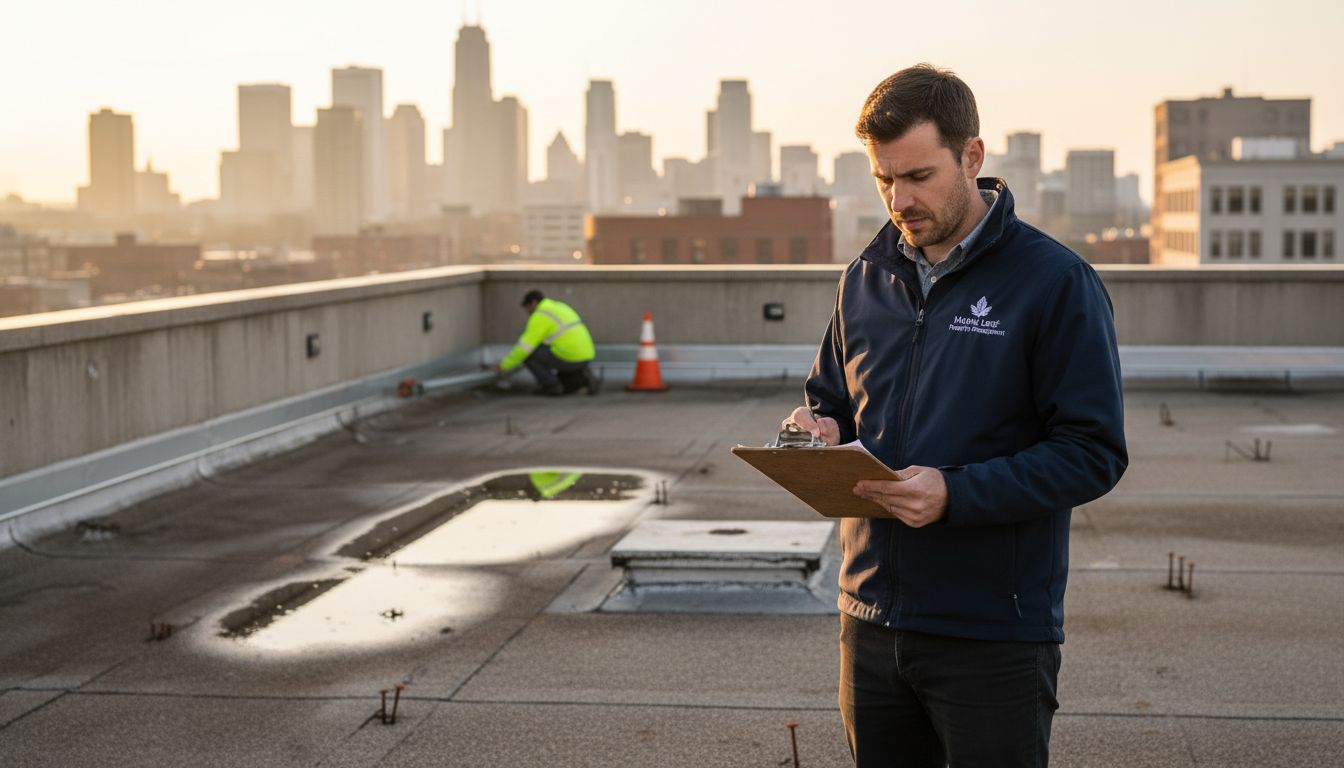
Vancouver’s climate poses unique challenges for canadian property managers, with commercial roofs facing more than 1,700 millimetres of annual rainfall in some areas. Delaying even minor repairs can lead to escalating maintenance costs and unexpected downtime that strain budgets. Discover practical strategies tailored to local conditions that help extend your roof’s lifespan, reduce emergency calls, and safeguard your property investments in this demanding Pacific Northwest environment.
Table of Contents
- 1. Inspect Roofs Regularly for Early Problem Detection
- 2. Clear Drains and Gutters to Prevent Water Damage
- 3. Use Weather-Resistant Materials for Repairs
- 4. Hire Certified Roofing Contractors Only
- 5. Schedule Repairs During Off-Peak Hours
- 6. Track and Document All Roof Repairs
- 7. Plan Preventative Maintenance to Reduce Costs
Quick Summary
| Takeaway | Explanation |
|---|---|
| 1. Schedule Regular Roof Inspections | Conduct inspections biannually to spot issues early and prevent costly repairs. Focus on areas like membrane integrity and drainage. |
| 2. Maintain Drainage Systems | Clear gutters and drains quarterly to prevent water buildup and structural damage. Ensure proper alignment and water direction away from the foundation. |
| 3. Use Weather-Resistant Materials | Choose durable roofing materials that withstand extreme weather conditions, ensuring longevity and structural integrity of the roof. |
| 4. Hire Certified Roofing Contractors | Verify contractors’ credentials, insurance, and safety compliance to ensure quality repairs and protect your investment. |
| 5. Document All Repairs Thoroughly | Keep detailed records of repairs and inspections to support future maintenance decisions and warranty claims, enhancing long-term property management. |
1. Inspect Roofs Regularly for Early Problem Detection
Commercial roof inspections are your first line of defence against potential structural damage and costly repairs. By implementing systematic roof assessments twice annually, property managers can proactively identify and address emerging issues before they escalate.
In the Lower Mainland, where our roofs battle intense rainfall, freeze thaw cycles, and significant moisture, regular inspections become even more critical. Most commercial roofs experience wear and tear that can compromise their structural integrity if left unchecked. Spotting early warning signs like small cracks, minor leaks, or areas of water pooling can prevent substantial damage that might otherwise require complete roof replacement.
Typically, property managers should schedule comprehensive roof assessments in spring and autumn. These inspections should thoroughly examine critical areas including membrane integrity, flashing conditions, drainage systems, and potential structural weaknesses. Professional roofers will look for subtle indicators of potential problems such as:
- Membrane Damage: Tears, bubbles, or separation in roofing materials
- Water Infiltration: Signs of moisture penetration or interior water staining
- Drainage Issues: Blocked or inefficient water flow pathways
- Structural Stress: Sagging areas or visible deformation
By dedicating time to systematic inspections, you transform roof maintenance from a reactive to a preventative strategy. This approach not only extends your roof’s lifespan but also significantly reduces unexpected repair expenses.
Pro tip: Maintain a detailed inspection log documenting each assessment’s findings, enabling you to track your roof’s condition over time and identify developing patterns.
2. Clear Drains and Gutters to Prevent Water Damage
Commercial roof drainage systems are the unsung heroes of building maintenance, quietly protecting your property from potentially catastrophic water damage. Understanding the critical role of commercial gutter maintenance can save your organisation substantial repair costs and prevent structural deterioration.
In the Lower Mainland, where our climate delivers significant rainfall, a well maintained drainage system is not just recommended it is essential. Water accumulation on commercial roofs can lead to numerous problems including structural weakening, mold growth, and potential interior damage. Regular gutter and drain clearing helps prevent these issues by ensuring water is efficiently channelled away from the building.
Property managers should implement a systematic approach to drainage maintenance that includes:
- Quarterly Inspections: Check gutters and drains for debris buildup
- Comprehensive Cleaning: Remove leaves, twigs, and sediment thoroughly
- Downspout Assessment: Ensure downspouts direct water at least three metres from the building foundation
- Structural Evaluation: Look for signs of gutter damage or misalignment
By proactively managing your roof drainage system, you protect your building from water related risks and extend the overall lifespan of your roofing infrastructure. This approach transforms drainage maintenance from a reactive task to a strategic asset management strategy.
Pro tip: Schedule professional drainage system assessments during shoulder seasons (spring and autumn) to catch and address potential issues before extreme weather conditions arise.
3. Use Weather-Resistant Materials for Repairs
In the challenging climate of British Columbia, selecting the right roofing materials is more than a technical decision it is a critical investment in your building’s long term resilience. Weather-resistant roofing materials represent the frontline defence against our region’s demanding environmental conditions.
The Lower Mainland experiences dramatic weather variations from intense summer heat to prolonged winter moisture. Commercial property managers must choose repair materials that can withstand these extreme fluctuations without compromising structural integrity. Materials like TPO (Thermoplastic Olefin), EPDM (Ethylene Propylene Diene Monomer), and metal roofing offer superior durability and protection.
When considering weather resistant materials, property managers should evaluate key performance characteristics:
- Impact Resistance: Ability to withstand hail and debris
- Temperature Flexibility: Performance across wide temperature ranges
- Water Repellency: Preventing moisture penetration
- UV Protection: Resistance to sun degradation
- Longevity: Expected lifespan under local climate conditions
Understanding the specific demands of our regional climate allows for strategic material selection. Metal roofing systems, for instance, excel in snow prone areas by facilitating quick snow shedding, while synthetic membranes provide exceptional waterproofing for flat commercial surfaces.
Pro tip: Consult with local roofing professionals who understand British Columbia’s unique microclimate conditions to select the most appropriate weather resistant materials for your specific building.
4. Hire Certified Roofing Contractors Only
In the complex world of commercial roofing, selecting the right contractor can mean the difference between a successful repair and a potential disaster. Verifying a contractor’s professional credentials is not just a recommended step it is an essential safeguard for your property investment.
Certified roofing contractors bring more than technical skills to your project. They represent a comprehensive approach to safety, quality, and professional standards that protect both your building and your organisation’s financial interests. In British Columbia, legitimate contractors must demonstrate specific qualifications including valid business licensing, comprehensive insurance coverage, and adherence to provincial safety regulations.
When evaluating potential roofing contractors, property managers should scrutinise the following critical factors:
- Certification Verification: Check provincial trade credentials
- Insurance Documentation: Confirm comprehensive liability and workers compensation coverage
- Safety Compliance: Review workplace safety training and protocols
- Professional References: Request and contact previous commercial clients
- Detailed Written Contracts: Ensure comprehensive project scope documentation
Understanding these requirements helps property managers mitigate risks and ensure high quality commercial roof repairs. A certified contractor not only brings technical expertise but also provides peace of mind through professional accountability.
Pro tip: Request copies of a contractor’s safety certifications and insurance documents before signing any agreements, and do not hesitate to independently verify these credentials with issuing organisations.
5. Schedule Repairs During Off-Peak Hours
Strategic timing can transform commercial roof repairs from a potential business disruption into a seamless operational enhancement. Minimizing operational interference requires thoughtful planning and precise scheduling that respects your business continuity.
In the Lower Mainland’s dynamic commercial landscape, property managers must balance maintenance necessities with operational demands. Scheduling roof repairs during off-peak hours allows businesses to maintain productivity while ensuring critical infrastructure receives necessary attention. This approach is particularly vital for organisations with extended operating hours or multiple tenant environments.
Effective repair scheduling involves several strategic considerations:
- Identify Low Traffic Periods: Weekends, evenings, or seasonal slowdowns
- Phased Repair Approach: Break complex projects into manageable segments
- Communication Planning: Notify tenants and stakeholders in advance
- Contingency Mapping: Develop backup schedules for unexpected complications
- Minimal Disruption Strategy: Select times with lowest operational impact
By carefully selecting repair windows, property managers can protect their building assets without compromising daily business functions. The goal is to create a repair strategy that feels almost invisible to day to day operations.
Pro tip: Develop a comprehensive repair calendar that aligns with your organisation’s unique operational rhythms, allowing for maximum flexibility and minimal disruption.
6. Track and Document All Roof Repairs
Documenting commercial roof repairs is not just administrative housekeeping it is a strategic asset management approach that protects your property investment. Comprehensive maintenance documentation serves as a critical record that supports warranty claims, facilitates future planning, and demonstrates proactive property management.
In the rapidly changing British Columbia commercial real estate landscape, maintaining meticulous repair records can significantly impact your building’s long term value and performance. Every repair, inspection, and maintenance activity tells a story about your roof’s condition and potential future needs.
Property managers should create a systematic documentation process that captures:
- Repair Dates: Exact timeline of each intervention
- Contractor Details: Name, contact information, credentials
- Materials Used: Specific products, brands, quantities
- Repair Scope: Detailed description of work performed
- Cost Breakdown: Expenses associated with each repair
- Photographic Evidence: Visual documentation of before and after conditions
- Warranty Information: Related manufacturer or service guarantees
By maintaining a comprehensive digital or physical log, property managers transform routine maintenance into a strategic planning tool. This approach enables predictive maintenance, supports budget forecasting, and provides a clear historical perspective of the building’s roofing infrastructure.
Pro tip: Leverage cloud based digital management systems that allow real time updates, easy sharing with stakeholders, and secure long term storage of critical roof maintenance documentation.
7. Plan Preventative Maintenance to Reduce Costs
Preventative maintenance is the strategic cornerstone of intelligent commercial roof management that transforms ongoing expenses into long term asset protection. Implementing a comprehensive maintenance program enables property managers to shift from reactive repairs to proactive preservation.
In the challenging British Columbia climate, where roofs endure extreme moisture, temperature variations, and potential storm damage, strategic maintenance is not optional it is essential. By anticipating potential issues before they escalate, property managers can significantly reduce unexpected repair costs and extend roof infrastructure lifespans.
Successful preventative maintenance strategies should include:
- Regular Professional Inspections: Twice annual comprehensive assessments
- Immediate Minor Repair Interventions: Address small issues promptly
- Seasonal Preparation Protocols: Specific maintenance for winter and summer
- Detailed Documentation: Track all maintenance activities
- Budget Allocation: Reserve funds for predictive maintenance
By viewing roof maintenance as an investment rather than an expense, property managers can transform their approach to building infrastructure management. This strategy not only preserves structural integrity but also optimises long term financial planning.
Pro tip: Create a digital maintenance calendar with automated reminders for inspections, cleaning, and potential repair windows to ensure consistent and timely roof care.
Below is a comprehensive table summarizing strategic maintenance practices for commercial roofs as discussed in the article.
| Topic | Description | Benefits |
|---|---|---|
| Regular Inspections | Implement systematic roof assessments twice annually to detect early issues. | Avoid structural damage and reduce repair costs. |
| Drainage Maintenance | Clear gutters and drains quarterly to prevent water accumulation. | Protect against water damage and prolong infrastructure lifespan. |
| Weather-Resistant Materials | Use durable materials like TPO, EPDM, and metal roofing for repairs. | Ensure resilience to British Columbia’s climatic conditions. |
| Certified Contractors | Hire contractors with valid credentials, insurance, and safety compliance. | Guarantee quality work and mitigate risks. |
| Strategic Repair Timing | Schedule repairs during off-peak hours to minimise disruption. | Maintain operational continuity and optimise repairs. |
| Document All Repairs | Record detailed logs, including dates, costs, and materials involved. | Assist in warranty claims and long-term planning. |
| Preventative Maintenance | Develop a comprehensive program with regular inspections and minor repairs. | Extend roof lifespan and optimise future budgets. |
Protect Your Commercial Roof with Expert Solutions from Paragon Roofing BC
Managing a commercial roof comes with many challenges such as spotting early problems, maintaining drainage systems, and choosing durable weather-resistant materials. These pain points can lead to costly repairs and business disruptions if not handled proactively. At Paragon Roofing BC, we understand these critical needs and offer reliable services including roof inspections, repairs, and maintenance tailored specifically for British Columbia’s demanding climate.
Implementing preventative strategies like routine assessments and professional repairs with certified contractors ensures your building stays protected year-round. Trust Paragon Roofing BC to help you extend your roof’s lifespan and avoid unexpected expenses with expert care and local knowledge.
Don’t wait until minor issues become major problems. Visit Paragon Roofing BC now to schedule a free inspection or get a custom roofing solution designed for your property. Explore our full range of commercial roofing services and start protecting your investment today.
Learn more about our comprehensive roof repair and maintenance services and why certified professional contractors matter for your peace of mind.
Frequently Asked Questions
How often should I schedule commercial roof inspections?
You should schedule commercial roof inspections at least twice a year, ideally in spring and autumn. This helps identify potential issues early and can prevent costly repairs down the road.
What are common signs of roof damage that I should look for?
Look for signs such as membrane damage, water infiltration, drainage issues, and structural stress. If you notice small cracks, leaks, or pooling water, address these promptly to avoid major repairs.
How can I effectively clear drains and gutters on my commercial roof?
Implement a systematic approach that includes quarterly inspections and thorough cleaning of debris. Make sure to also assess downspouts to ensure they direct water away from the building effectively.
What materials should I choose for roof repairs in challenging climates?
Select weather-resistant materials like TPO, EPDM, or metal roofing for repairs. These materials withstand extreme weather variations, ensuring your roof remains protective and durable over time.
Why is it important to hire certified roofing contractors?
Hiring certified roofing contractors ensures quality workmanship and adherence to safety standards. Always verify a contractor’s credentials, including their licensing and insurance, before hiring them for your project.
What steps can I take to plan preventative maintenance for my commercial roof?
Establish a preventive maintenance program that includes regular inspections, prompt repairs, and seasonal preparation protocols. By scheduling at least two inspections annually, you can extend the lifespan of your roofing and reduce unexpected repair costs.