
How many years by should you replace the roof on your house?
Short answer: most residential roofs should be replaced somewhere between 15 and 40 years, depending on the roofing system, installation quality, and your local climate. Contact us about roof replacement timing
In Metro Vancouver’s wet, moss-heavy, coastal environment, many roofs fail earlier than their brochure lifespan — so real-world replacement timing matters more than what manufacturers advertise.
Here’s the straight, field-tested breakdown from a roofer’s point of view.
Typical roof replacement timelines (realistic)
Asphalt shingles (most common)
Replace every 18–25 years(often sooner here)
- 3-tab shingles: 12–18 years
- Architectural shingles: 18–25 years
- Premium laminated shingles: 22–30 years (if well installed & maintained)
⚠️ In Vancouver’s rain + moss, many asphalt roofs start leaking around 18–22 years, even if they “look okay.”
Cedar shake or shingle
Replace every 20–35 years
- Untreated cedar: 20–25 years
- Pressure-treated cedar: 25–35 years
Cedar ages fast in wet climates and often fails from underneath before it looks bad from the street.
Standing seam metal
40–70+ years
- Extremely durable
- Fasteners, sealants, and flashings usually fail before panels
- Coatings matter
Often a lifetime roof if detailed properly.
Synthetic slate / rubber roofing (Euroshield, Brava)
30–50+ years
- Excellent in wet climates
- High upfront cost, long-term durability
- Very stable under freeze/thaw
Flat & low-slope roofs (torch-on, SBS, TPO)
15–30 years
- Torch-on / SBS: 18–25 years
- TPO / PVC: 20–30 years
Flat roofs are more sensitive to drainage, movement, and maintenance.
Why Vancouver roofs fail sooner
Local factors shorten lifespan:
- Heavy rain
- Moss and algae growth
- Evergreen debris
- Freeze/thaw cycles
- Shaded roof sections
- Poor ventilation in older homes
That’s why a “30-year shingle” often doesn’t make it 30 years here.
Replace based on condition — not just age
Age is a guideline, but these are real replacement triggers:
Signs it’s time (even if under 20 years)
- Granule loss
- Curling or cracking shingles
- Repeated leaks
- Soft spots in decking
- Widespread moss holding moisture
- Exposed nail heads
- Failing flashings
If you’re seeing multiple issues, replacement is often smarter than chasing repairs.
The danger zone by age
From the field, here’s how risk increases:
- 0–12 years: Low risk
- 12–18 years: Moderate risk
- 18–25 years: High risk
- 25+ years: Very high risk in Vancouver
At 20+ years, most asphalt roofs are living on borrowed time.
Roofer truth (not sales talk)
Waiting until a roof fails usually costs more.
Emergency replacements often include:
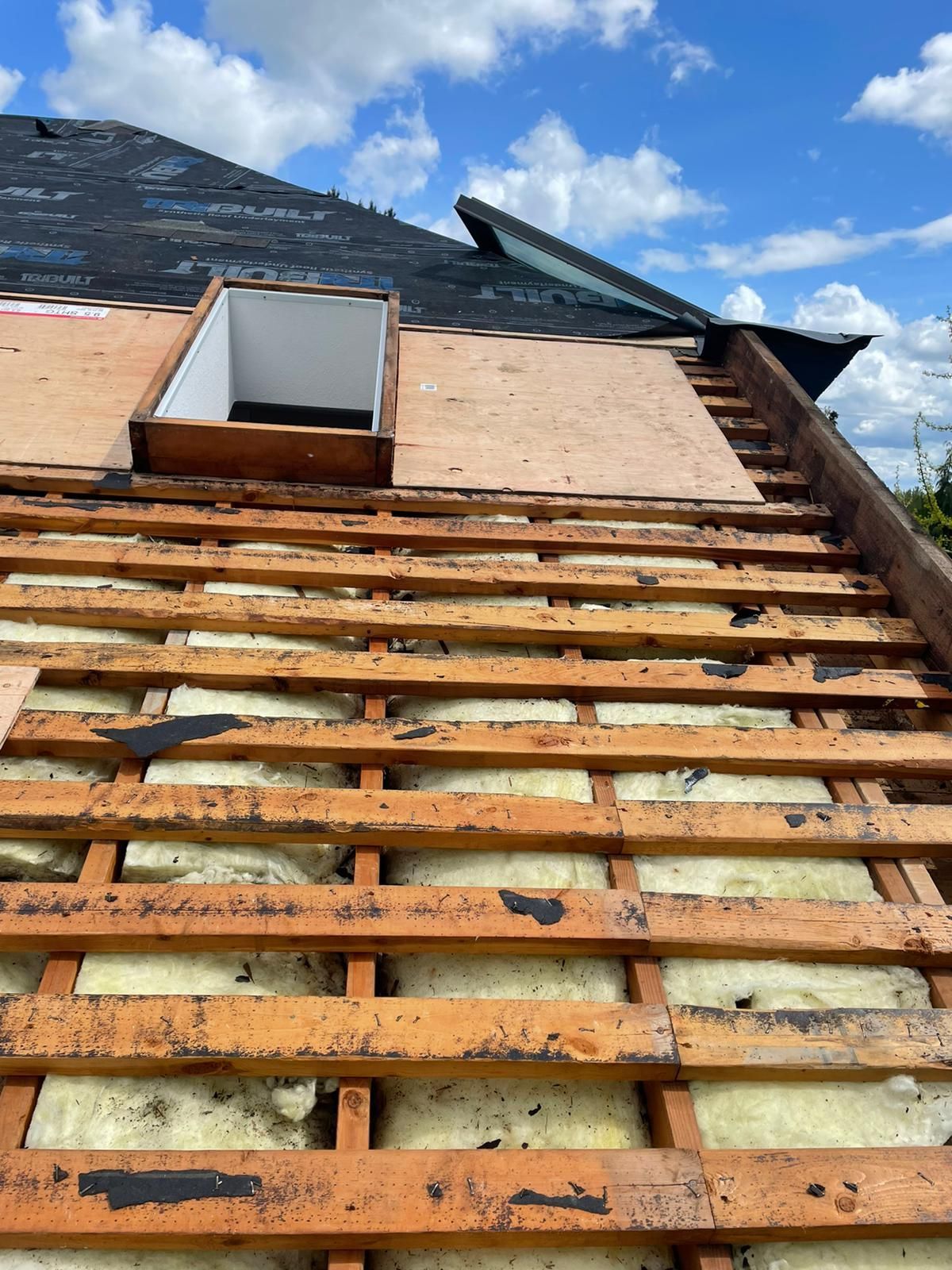
- Interior ceiling damage
- Mold
- Insulation replacement
- Rotten plywood
- Higher stress + fewer options
Planned replacements save money and give you control.
Simple rule of thumb
- Asphalt and 18–22+ years old → start planning
- Asphalt and 25+ years old → you’re on borrowed time
- Cedar and 25+ years old → high risk
- Flat roof and 18–25+ years old → inspect yearly
If you want, tell me:
- Roof material
- Approx age
- Any leaks or moss
- City (Surrey, Vancouver, Langley, etc.)
I can give you a realistic “replace now vs monitor” call based on what actually fails in your area.
Our Roofing Blog
Have more questions about roofing?
Check out our FAQs or give us a call today to speak to an expert roofer in Vancouver Lower Mainland, BC. We're here to help our neighbours make educated decisions about their roof. For our team, we value helping clients save money while making their roofs last.