
Should I replace my roof if it's not leaking?
Short answer: not always — but in many cases, waiting for a leak is the most expensive way to manage a roof.
From a real roofer’s perspective in Metro Vancouver, a roof can be “not leaking” and still be near the end of its useful life. The trick is knowing when proactive replacement saves money versus when you can safely ride it out.
Here’s how to make that call intelligently.
Why “no leaks” doesn’t mean “good roof”
A roof is a system — not just shingles.
Many serious failures start before water shows up inside:
- Failing underlayment
- Deteriorated flashings
- Micro-cracks in shingles
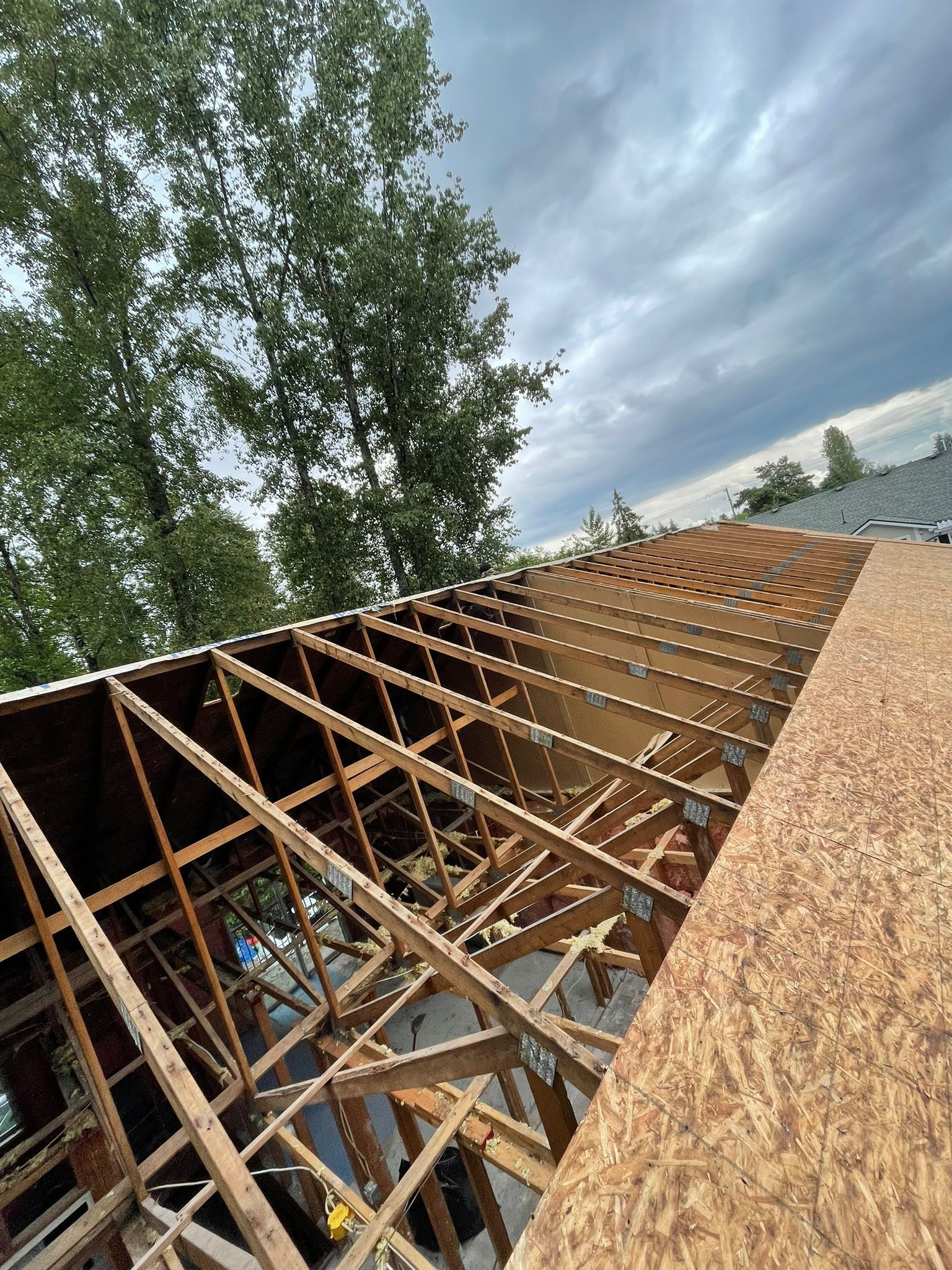
- Soft or marginal decking
- Capillary leaks at valleys and penetrations
By the time you see water inside, damage has often been happening for months or years.
When replacing early makes sense
You should seriously consider replacement (even without leaks) if:
1. The roof is near or past its realistic lifespan
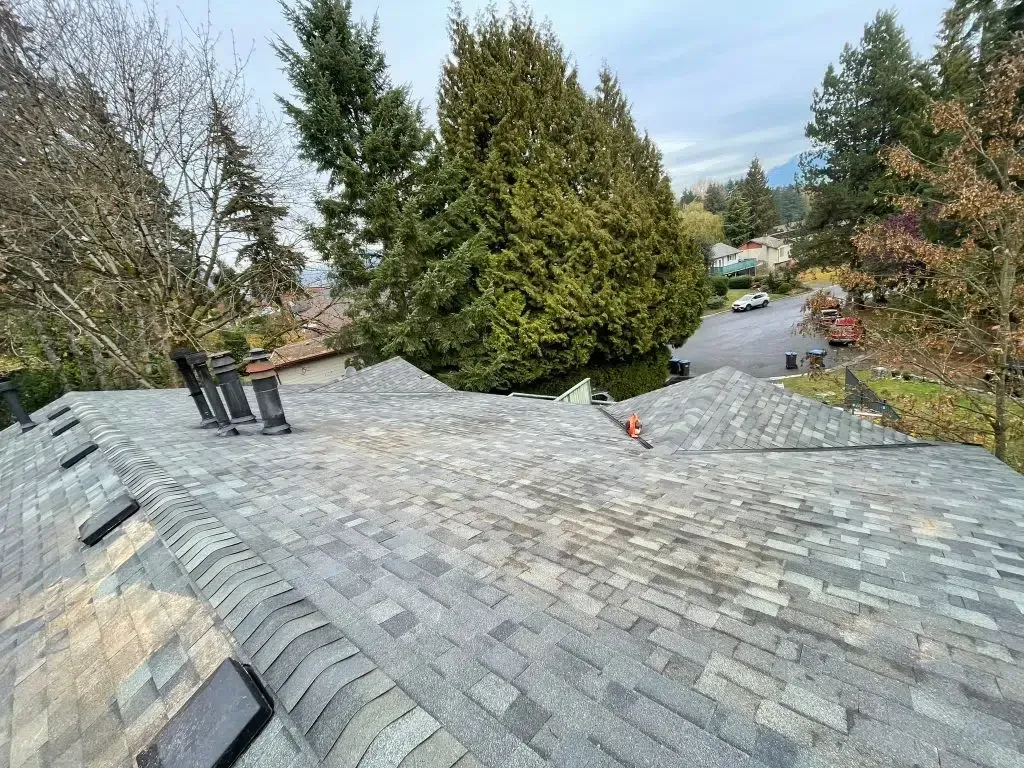
- Asphalt shingles: 18–25 years in Vancouver
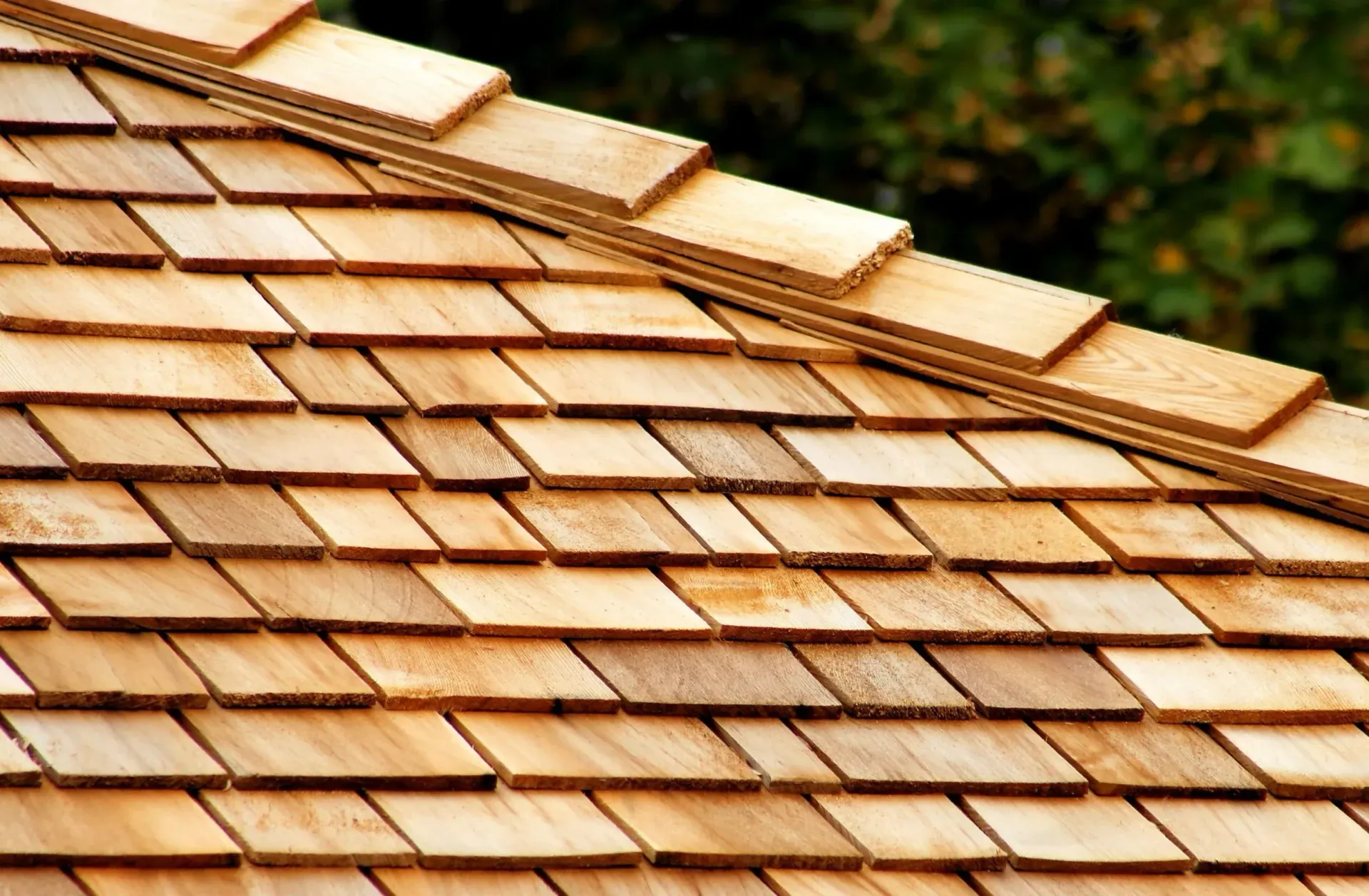
- Cedar: 20–30 years
- Flat roof: 18–25 years
Age alone doesn’t condemn a roof — but risk rises sharply after these ranges.
2. You’re seeing widespread surface failure
Red flags:
- Granule loss
- Curling, cracking, or brittle shingles
- Bald spots
- Exposed nail heads
- Moss holding moisture long-term
These mean water resistance is degrading — even if it hasn’t reached drywall yet.
3. Flashings are failing
Most leaks start at:
- Chimneys
- Skylights
- Valleys
- Wall transitions
- Plumbing stacks
If flashings are old and brittle, you’re one storm away from leaks.
4. You’ve had multiple “small repairs”
Recurring repairs are a major signal that the system is aging out.
Chasing $400–$800 repairs every year often costs more than planned replacement.
5. You’re doing other exterior work
If you’re:
- Replacing siding
- Changing gutters
- Adding skylights
- Renovating attic insulation/venting
It’s often smarter (and cheaper long-term) to coordinate roof replacement.
When it’s reasonable to wait
You can often safely wait if:
- ✔ Roof is under ~15–18 years (asphalt)
- ✔ Shingles still flexible
- ✔ Minimal granule loss
- ✔ Flashings in good condition
- ✔ No soft spots
- ✔ No history of recurring leaks
In this case, inspections + minor maintenance can extend life.
Financial reality (roofer truth)
The most expensive roofs are:
- Emergency replacements
- Winter failures
- Roofs with rotten decking
- Roofs that damaged ceilings/insulation
Proactive replacement usually:
- ✔ Reduces plywood replacement
- ✔ Avoids interior damage
- ✔ Gives you better scheduling
- ✔ Lowers stress
Vancouver-specific factor
In our climate, moss and constant moisture mean roofs often fail from underneath first.
By the time it leaks inside, you’re often looking at:
- Rotten plywood
- Moldy insulation
- Compromised framing edges
That’s real money.
Simple decision framework
Ask yourself:
- How old is the roof?
- Do I see surface deterioration?
- Have I done multiple repairs?
- Am I planning other exterior work?
If you answer “yes” to 2+ of those → proactive replacement is usually smarter.
Straight roofer advice
If your roof is approaching 20+ years (asphalt) and showing visible wear, replacing before it leaks is often the cheaper, safer move in Vancouver.
If it’s younger and in good shape, monitor it — but don’t wait for a disaster.
If you want, tell me:
- Roof type
- Approx age
- Any visible issues (moss, curling, etc.)
- City (Surrey, Vancouver, Langley, etc.)
I can give you a very practical “replace vs wait” call based on what actually fails around here.
Our Roofing Blog
Have more questions about roofing?
Check out our FAQs or give us a call today to speak to an expert roofer in Vancouver Lower Mainland, BC. We're here to help our neighbours make educated decisions about their roof. For our team, we value helping clients save money while making their roofs last.