Roof Life Expectancy: What Homeowners in BC Need to Know
Peeling shingles after a Vancouver winter or spotting water stains on the ceiling in your Surrey home can leave any homeowner uneasy about the health of their roof. Understanding roof life expectancy is vital because Canadian climates, especially in British Columbia’s coastal zone, put constant stress on asphalt shingles. Guidance on roof maintenance and timely replacement helps you protect your investment and avoid unexpected costs, making your long-term comfort and safety a top priority.
Table of Contents
- Defining Roof Life Expectancy In Canada
- Roof Lifespan By Material Type
- Key Factors Affecting Roof Longevity
- Signs A Roof Is Nearing Replacement
- Extending The Life Of Your Roof
Key Takeaways
| Point | Details |
|---|---|
| Understanding Roof Life Expectancy | Roof life expectancy varies based on material, climate, and maintenance; Canadians should prioritize understanding these factors. |
| Significance of Climate | Canadian climates significantly impact roof longevity; ongoing maintenance is crucial to counteract environmental stressors. |
| Importance of Professional Inspections | Regular professional inspections (every 3-5 years) can identify potential issues early, extending roof life and preventing costly repairs. |
| Material Selection Considerations | When choosing roofing materials, consider initial costs, longevity, and suitability for local climate challenges to make an informed decision. |
Defining Roof Life Expectancy in Canada
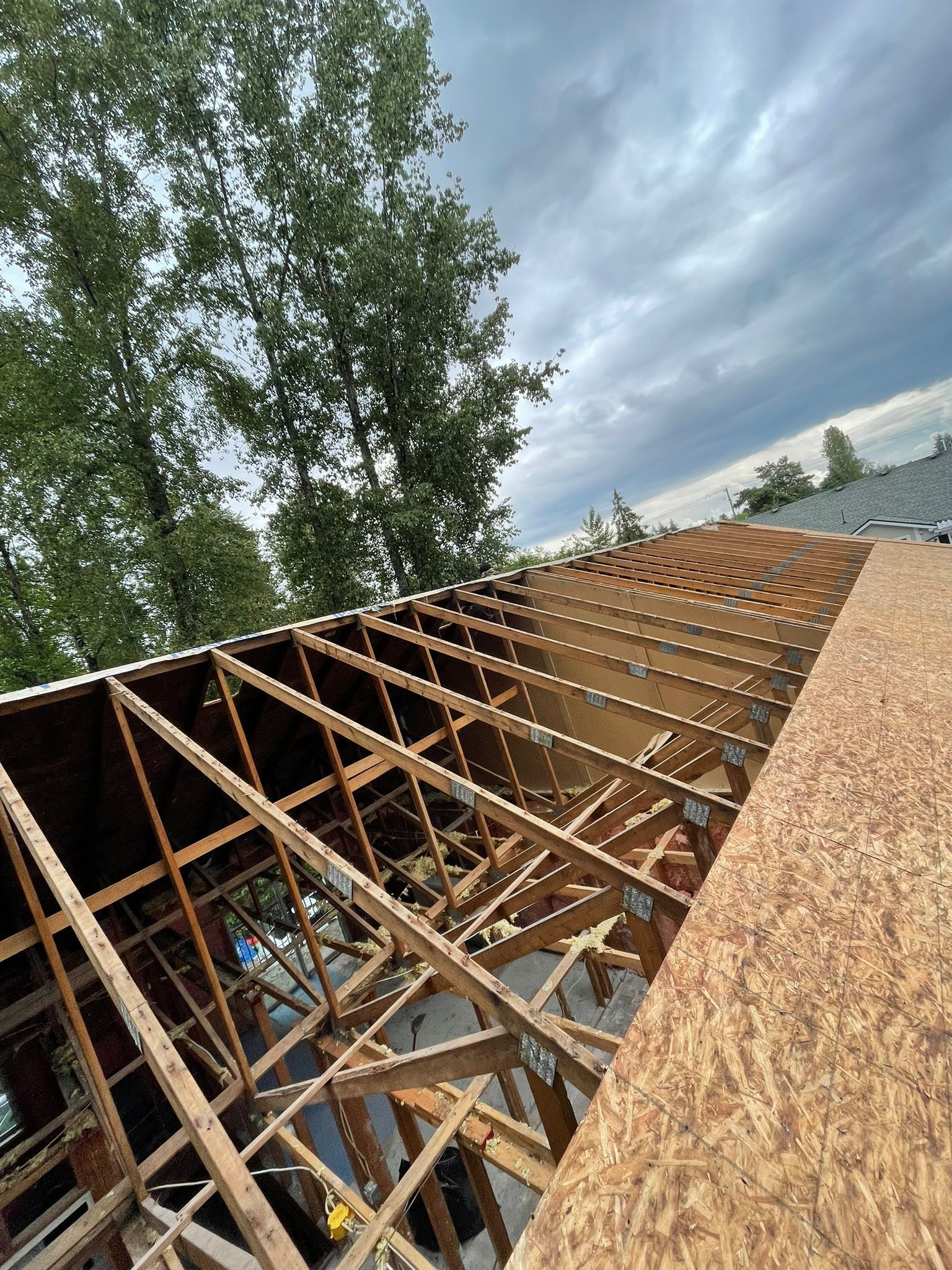
Roof life expectancy represents the anticipated period a roof can effectively protect a building from environmental elements without requiring substantial repairs or total replacement. For Canadian homeowners, understanding this concept is crucial given our complex and challenging climate conditions. National research on roof performance defines roof life expectancy as the duration a roofing system can maintain its protective function under typical usage and maintenance scenarios.
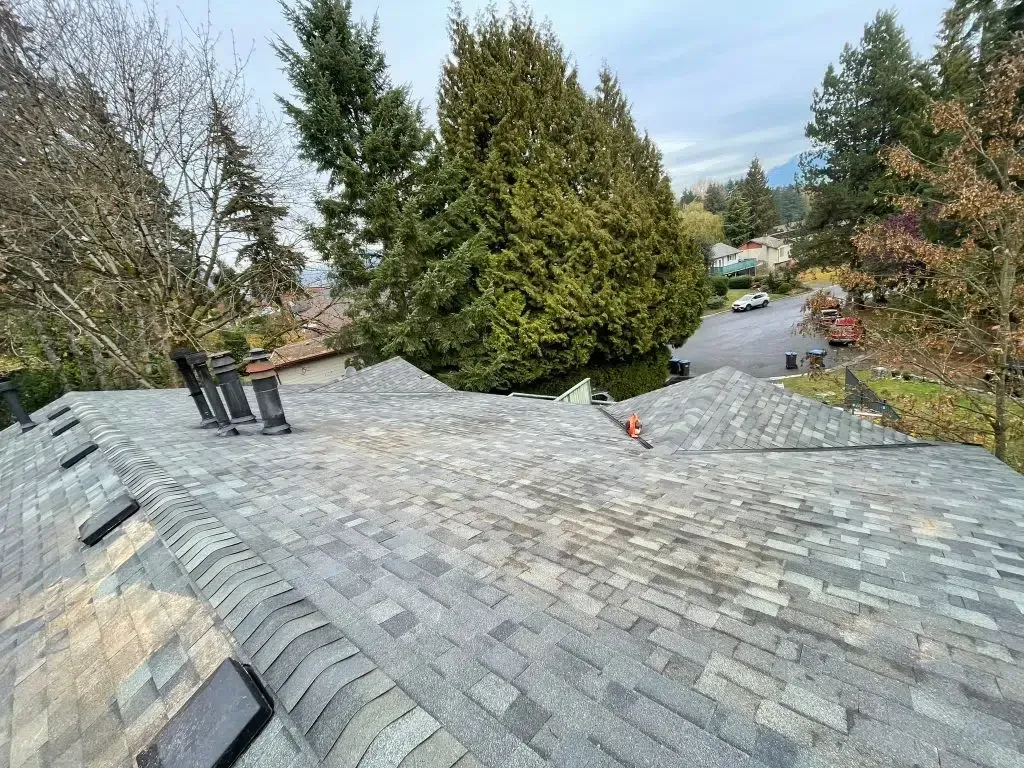
In the Canadian context, roof life expectancy is not a static number but a dynamic range influenced by multiple interconnected factors. These include material composition, installation quality, local climate conditions, maintenance frequency, and exposure to environmental stressors like heavy rainfall, snow loads, temperature fluctuations, and wind exposure. Asphalt shingle roofs, the most common residential roofing material in British Columbia, typically range between 15 to 30 years depending on these specific variables.
Climate plays a particularly significant role in determining roof longevity in Canada. The Lower Mainland’s unique coastal environment presents specific challenges such as high moisture levels, frequent rainfall, and occasional freeze-thaw cycles that can accelerate roof degradation. Homeowners must understand that manufacturer warranties provide a baseline expectation, but actual roof performance depends heavily on ongoing maintenance, proper installation, and proactive damage prevention strategies.
Pro tip: Have a professional roof inspection conducted every 3-5 years to catch potential issues early and extend your roof’s functional lifespan.
Roof Lifespan by Material Type
Roofing materials in British Columbia have vastly different lifespans, with each type offering unique performance characteristics suited to our challenging coastal climate. Lifespan data for common roofing materials reveals significant variations in durability and expected service life across different roofing options.
Asphalt shingles, the most prevalent roofing material in Vancouver and surrounding areas, typically last between 15 to 25 years. These affordable and versatile roofing solutions work well for most residential properties but require more frequent replacement compared to premium materials. Metal roofing emerges as a robust alternative, offering exceptional durability with potential lifespans ranging from 40 to 70 years. In the Lower Mainland’s demanding climate, metal roofs demonstrate superior resistance to moisture, wind, and temperature fluctuations.
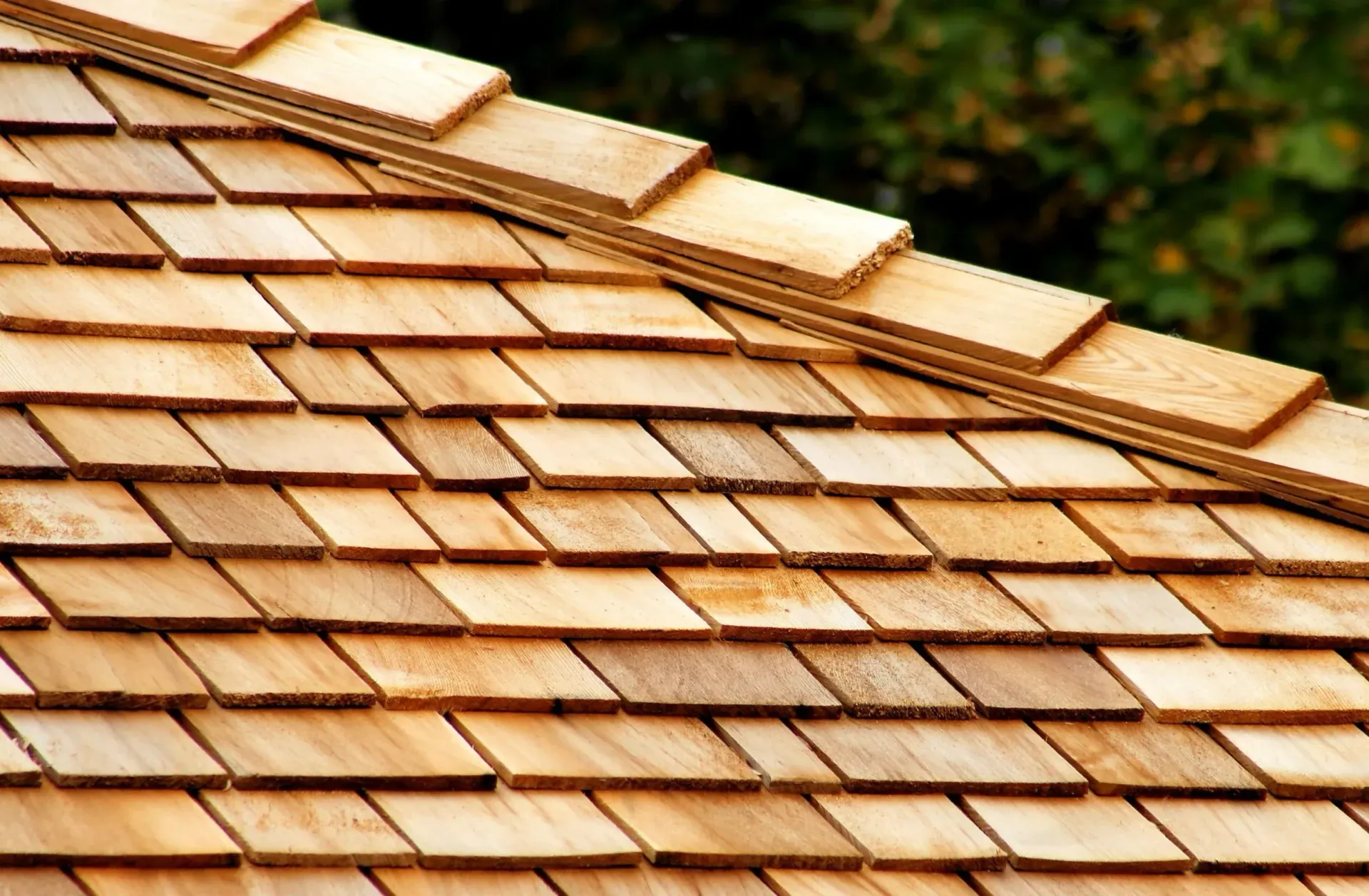
Specialty roofing materials like slate and clay tiles represent the pinnacle of longevity, with potential lifespans exceeding 100 years when properly installed and maintained. These premium options come with significantly higher upfront costs but provide unparalleled durability and aesthetic appeal. Cedar shake roofs, a traditional favourite in British Columbia, typically last 20 to 40 years, depending on the quality of materials, installation precision, and ongoing maintenance. Each material brings unique advantages, and homeowners must carefully consider factors like initial investment, maintenance requirements, and local environmental conditions when selecting their roofing solution.
Below is a comparison of common roofing materials and factors influencing their longevity in British Columbia:
| Roofing Material | Typical Lifespan | Main Strength | Main Limitation |
|---|---|---|---|
| Asphalt Shingles | 15-25 years | Cost-effective | More frequent replacement |
| Metal Roofing | 40-70 years | High durability | Higher initial cost |
| Cedar Shakes | 20-40 years | Natural insulation | Needs regular treatment |
| Slate/Clay Tiles | 75-100+ years | Exceptional longevity | Very heavy, costly |
Pro tip: Consult with a local roofing professional to assess which material best matches your specific property’s architectural style, budget, and regional climate challenges.
Key Factors Affecting Roof Longevity
Roof longevity is a complex interplay of multiple environmental and structural factors unique to British Columbia’s challenging coastal landscape. Roof performance factors in Canadian climates reveal that homeowners must consider a comprehensive range of variables beyond simple material selection. Critical elements like installation quality, maintenance frequency, and regional climate conditions dramatically influence how long a roof will effectively protect a property.
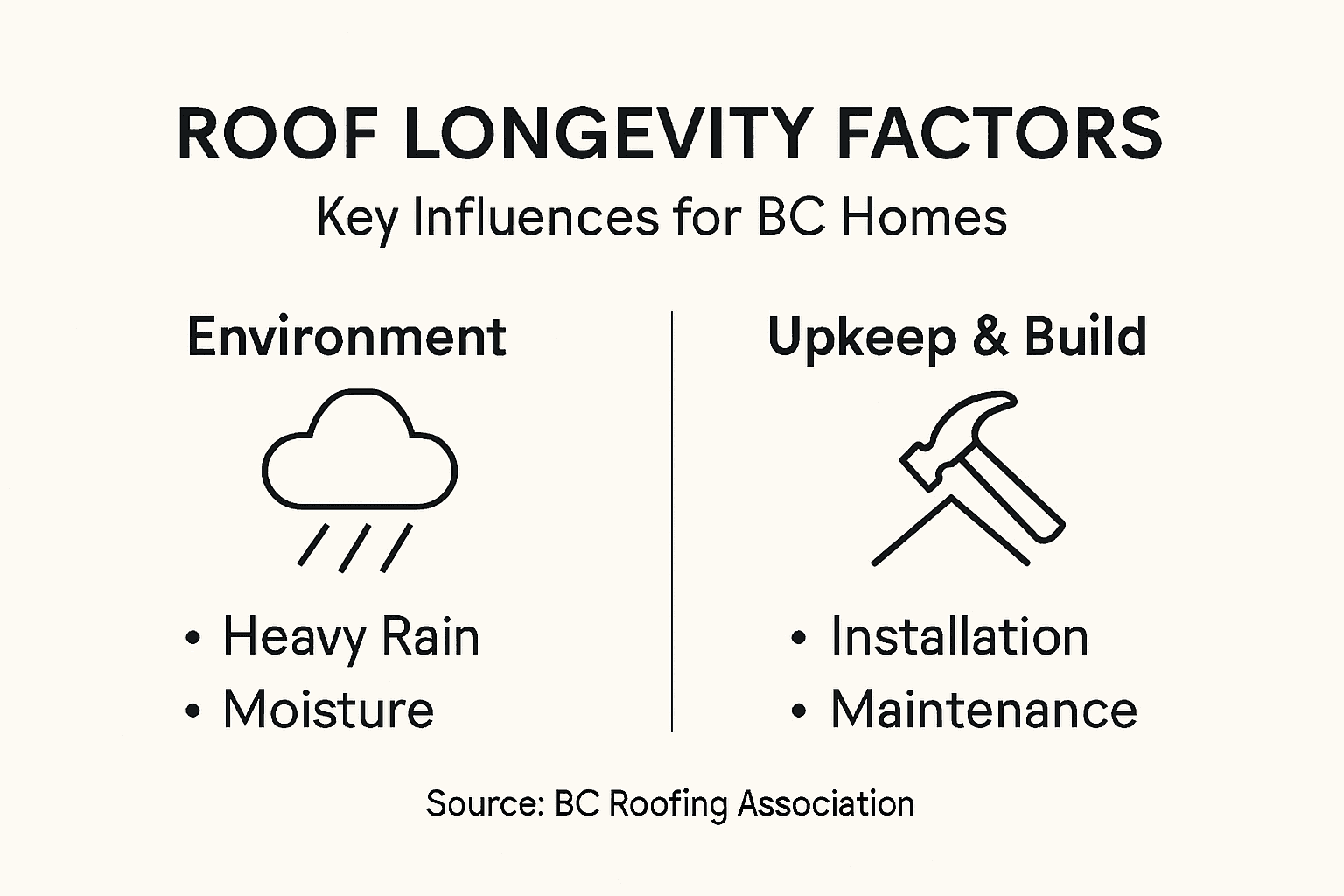
In the Lower Mainland, environmental stressors pose significant challenges to roof durability. Moisture levels, extreme temperature variations, wind exposure, and salt air from the Pacific coast can accelerate material degradation. Attic ventilation emerges as a crucial but often overlooked factor, with poor air circulation leading to premature roof failure. Proper ventilation prevents heat and moisture buildup, reducing the risk of structural damage, wood rot, and potential mould growth that can compromise roof integrity.
Material selection, installation precision, and ongoing maintenance represent the three primary pillars of roof longevity. Homeowners must consider not just the initial material cost, but its performance characteristics within British Columbia’s unique microclimate. Professional installation by experienced roofers who understand local environmental challenges can extend a roof’s lifespan by up to 30%. Regular inspections, prompt repairs, and proactive maintenance become essential strategies for mitigating potential damage and maximizing the return on roofing investment.
Pro tip: Schedule annual professional roof inspections, especially after severe winter or storm seasons, to identify and address potential issues before they escalate into costly repairs.
Signs a Roof Is Nearing Replacement
Recognizing the warning signs of roof deterioration is crucial for British Columbia homeowners seeking to prevent costly structural damage. Common indicators of roof replacement needs help residents identify potential issues before they escalate into major problems. The Pacific Northwest’s unique climate demands vigilant roof maintenance, with certain telltale signs signalling that a roof is approaching the end of its functional lifespan.
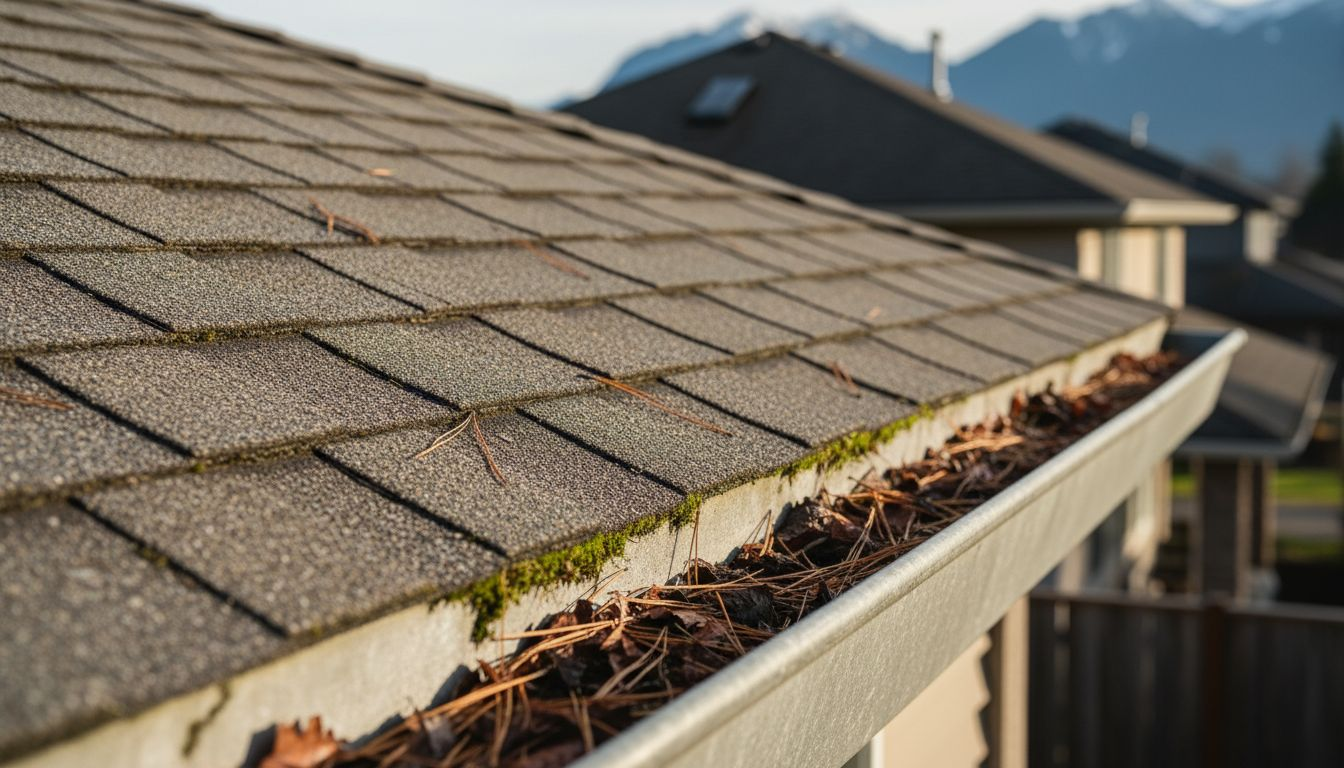
Visual inspection reveals several critical warning signs of roof degradation. Cracked, curling, or missing shingles indicate significant material breakdown, especially problematic in the Lower Mainland’s moisture-rich environment. Water stains on interior ceilings or walls suggest active leakage, potentially resulting from compromised roofing materials or underlying structural issues. Granule loss on asphalt shingles appears as bare patches or accumulation of granules in gutters, signalling advanced material wear that compromises the roof’s protective capabilities.
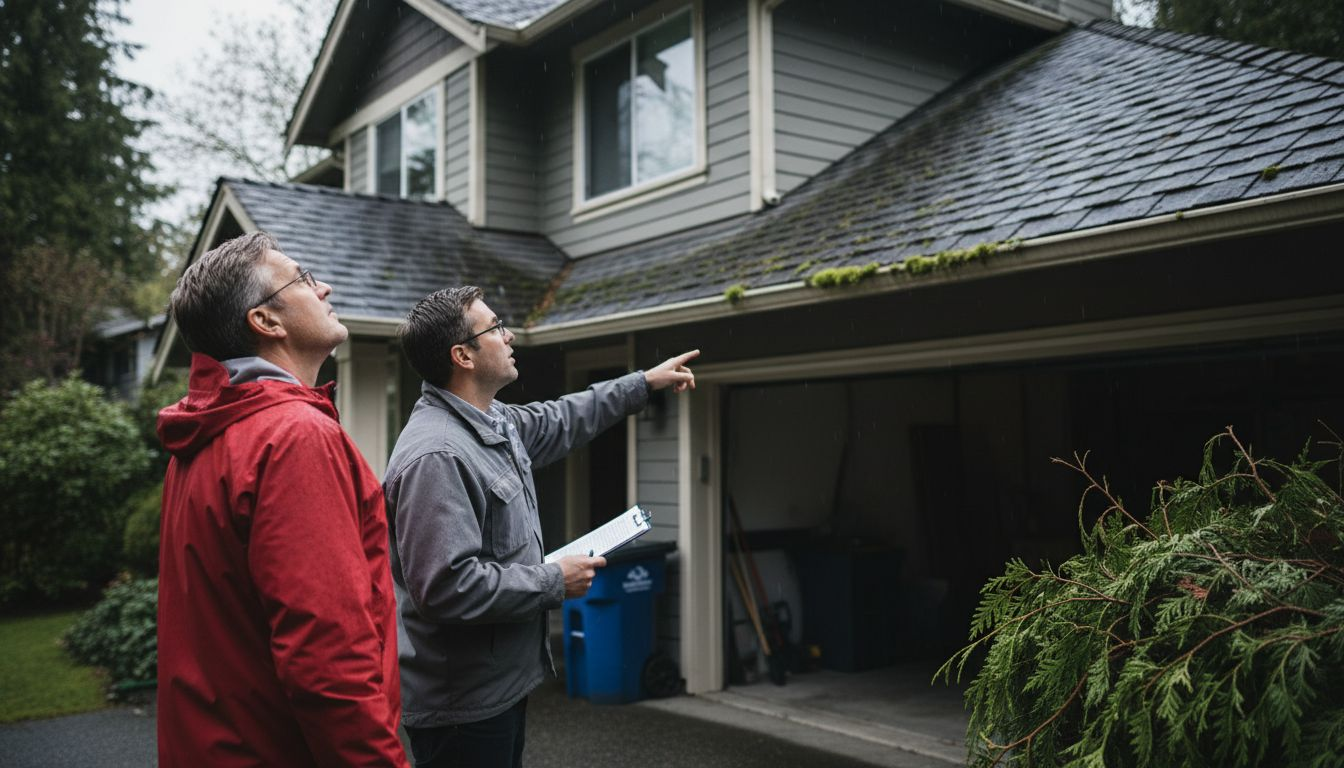
Structural indicators of roof failure extend beyond surface-level damage. Visible sagging or drooping areas suggest potential structural compromise, often resulting from prolonged moisture exposure or inadequate support. Dark streaks or moss growth indicate trapped moisture and potential wood rot, particularly common in Vancouver’s humid coastal climate. Homeowners should pay special attention to roof valleys, flashing points, and areas around chimneys and vents, as these are typically the first locations to show significant deterioration. Age remains a critical factor, with most roofing materials showing significant performance decline after 15-25 years, depending on installation quality and maintenance history.
Pro tip: Conduct a thorough roof inspection from ground level using binoculars, and schedule a professional assessment if you notice multiple signs of potential damage.
Extending the Life of Your Roof
Proactive roof maintenance is fundamental to preserving your home’s structural integrity in British Columbia’s challenging coastal environment. Practical strategies for roof longevity demonstrate that strategic care can significantly extend a roof’s functional lifespan well beyond standard expectations. Consistent, thoughtful maintenance becomes especially critical in the Lower Mainland, where moisture, temperature fluctuations, and wind exposure can rapidly accelerate material degradation.
Seasonal maintenance represents the cornerstone of roof preservation. Homeowners should prioritize comprehensive gutter cleaning, removing debris that can trap moisture and create potential water damage points. Trimming overhanging tree branches prevents potential impact damage and reduces moss and algae growth. Conducting twice-yearly professional inspections allows early detection of potential issues like minor leaks, damaged flashing, or compromised shingle surfaces before they transform into expensive structural problems.
Attic ventilation and insulation play crucial roles in roof longevity that many British Columbia homeowners overlook. Proper airflow prevents heat and moisture buildup, which can cause premature shingle deterioration and potential wood rot. During winter, adequate insulation prevents ice dam formation by maintaining consistent roof temperatures. Selecting materials specifically designed for the Pacific Northwest’s climate—such as algae-resistant shingles or enhanced waterproof underlayments—provides an additional layer of protection against the region’s unique environmental challenges.
Here’s a summary of proactive strategies to extend roof life in Canada’s coastal climate:
| Strategy | Benefit | When to Apply |
|---|---|---|
| Professional Inspection | Detects early issues | Every 3-5 years |
| Gutter Cleaning | Prevents water damage | Spring and Fall |
| Trimming Tree Branches | Reduces impact/moss risk | Annually |
| Proper Attic Ventilation | Prevents moisture build-up | At installation & ongoing |
| Upgraded Roofing Materials | Increases weather resistance | During roof replacement |
Pro tip: Create a dedicated roof maintenance calendar with seasonal tasks and professional inspection dates to ensure consistent, systematic care throughout the year.
Protect Your Home with Expert Roofing Solutions in British Columbia
Understanding roof life expectancy is essential for any homeowner in BC facing the challenges of our coastal climate. If you have noticed signs like damaged shingles, leaks, or are unsure about how long your current roof will last, Paragon Roofing BC has the expertise you need. We specialize in tailored roof installation, inspection, maintenance, and replacement services using materials suited for the local environment such as asphalt shingles, metal, cedar, and more.
Do not let minor issues turn into costly repairs. Schedule a professional roof inspection today to extend your roof’s lifespan and protect your home long-term. Visit Paragon Roofing BC now to explore how our trusted team can help you maintain a strong, weather-resistant roof and provide peace of mind through every season. Learn more about our comprehensive roof maintenance solutions and take the first step towards a safer, more durable roof.
Frequently Asked Questions
What is the typical lifespan of asphalt shingles in a coastal climate?
Asphalt shingles generally last between 15 to 25 years, depending on installation quality and maintenance.
How does climate affect roof life expectancy?
Climate significantly influences roof longevity, with factors like moisture levels, temperature fluctuations, and wind exposure impacting material degradation.
What maintenance practices can extend my roof’s lifespan?
Regular professional inspections, seasonal gutter cleaning, tree trimming, and ensuring proper attic ventilation can all enhance roof longevity.
What are the signs that my roof may need replacement?
Critical signs include cracked or missing shingles, water stains on ceilings, significant granule loss, and visible sagging. Age is also a key factor, with most roofs showing decline after 15-25 years.