Multi-Family Roofing: Impact on Strata Compliance in BC
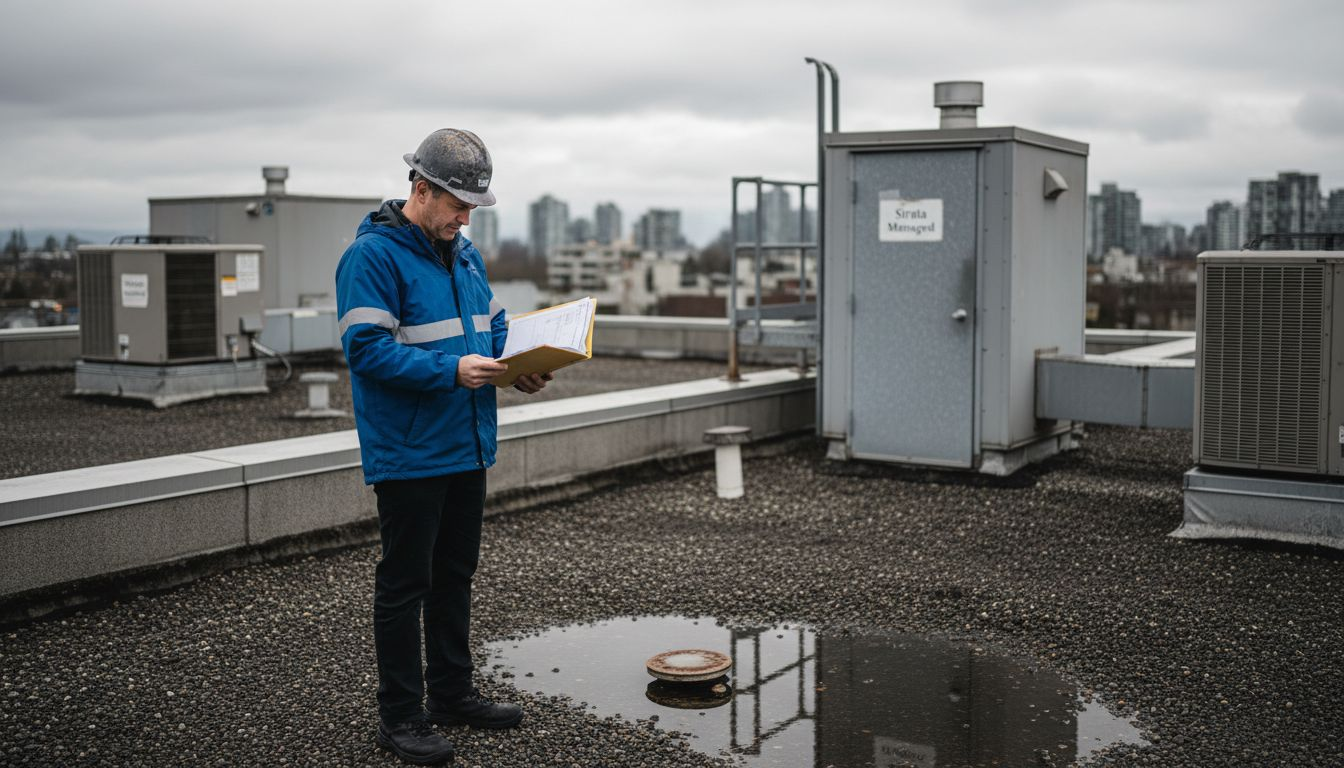
Managing a Vancouver multi-family property means facing the complex reality of aging roofs and ever-changing regulations. With the British Columbia Building Code 2024 combining national standards and local amendments, property managers and strata councils must navigate strict requirements for roof design, fire safety, and energy efficiency. This guide explains how multi-family roofing solutions in British Columbia address building standards, maintenance challenges, and long-term durability—so you can make confident decisions for your strata community.
Table of Contents
- What Multi-Family Roofing Means in BC
- Types of Multi-Family Properties and Roofs
- Key Materials and Roofing System Choices
- Building Code and Strata Compliance Essentials
- Warranties, Lifespan, and Cost Factors
- Common Mistakes in Multi-Family Roofing Projects
Key Takeaways
| Point | Details |
|---|---|
| Multi-Family Roofing Requirements | Multi-family roofing in British Columbia must comply with the British Columbia Building Code, addressing safety, durability, and energy efficiency specific to coastal climate conditions. |
| Material Selection | Choosing appropriate roofing materials is crucial for long-term durability and performance; options should be based on unique property requirements and local climate. |
| Strata Management Considerations | Strata corporations need to ensure collective decision-making for maintenance and legal compliance regarding roofing as common property. |
| Financial Planning | Comprehensive financial analysis should include warranty coverage, material lifespan, and anticipated maintenance costs to protect investments over time. |
What Multi-Family Roofing Means in BC
In British Columbia, multi-family roofing represents a specialized sector of construction focusing on residential buildings with multiple dwelling units, such as condominiums, apartment complexes, and strata-titled properties. Unlike single-family home roofing, these systems require comprehensive design strategies that address complex structural, regulatory, and environmental challenges specific to our coastal climate.
The British Columbia Building Code establishes precise requirements for multi-family roofing systems, encompassing critical aspects like material selection, structural integrity, and performance standards. These regulations ensure that roofing installations meet stringent safety, durability, and energy efficiency criteria unique to our province’s diverse geographical conditions.
Key characteristics of multi-family roofing in BC include:
- Shared ownership and maintenance responsibilities
- Complex structural design requirements
- Enhanced fire resistance standards
- Energy efficiency considerations
- Climate-adaptive material selections
Strata-managed properties introduce additional layers of complexity to roofing management. Strata housing regulations dictate that roofing systems are considered common property, meaning maintenance and replacement decisions require collective agreement and financial planning from the entire property ownership group.
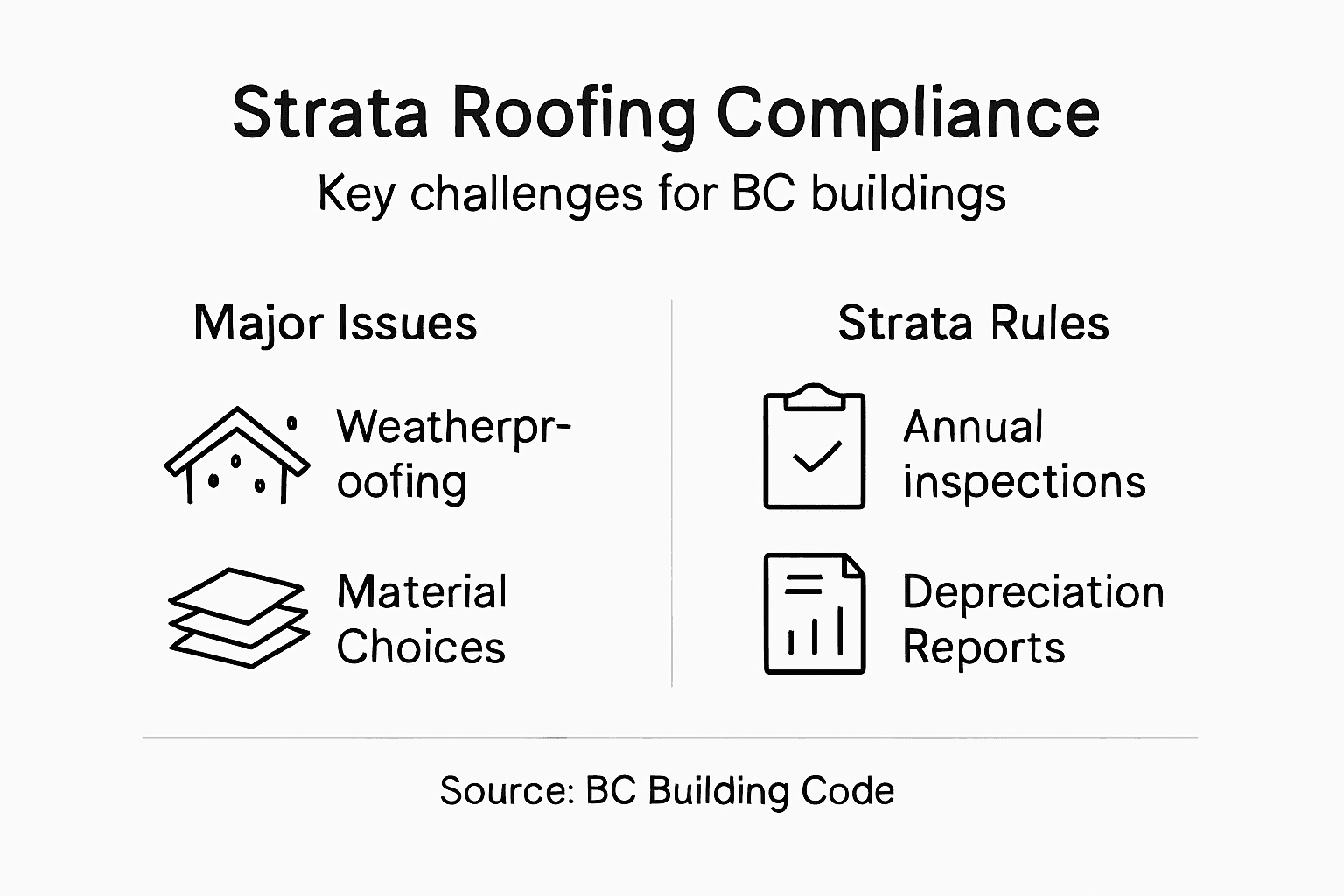
The technical sophistication of multi-family roofing extends beyond simple covering installation. These systems must withstand Vancouver’s challenging maritime climate - characterized by heavy rainfall, occasional snow loads, and persistent moisture exposure. Professional roofing teams must design solutions that integrate waterproofing, thermal performance, structural support, and long-term durability.
Pro Tip: Always conduct comprehensive roof assessments with professional engineers who understand BC’s unique strata and building code requirements before making any significant roofing decisions.
Types of Multi-Family Properties and Roofs
British Columbia features a diverse range of multi-family property types, each presenting unique roofing challenges and design considerations. Standardized housing classifications capture the architectural complexity of our residential landscapes, from compact urban dwellings to expansive strata complexes.
The primary multi-family property categories in BC include:
- Duplexes: Two-unit residential structures
- Triplexes: Three-unit residential buildings
- Quadplexes: Four-unit residential complexes
- Townhomes: Connected multi-unit residential structures
- Low-rise Apartments: Buildings under 5 storeys
- Mid-rise and High-rise Apartments: Structures exceeding 5 storeys
Roofing systems for these properties vary significantly based on architectural design, climate requirements, and structural load-bearing capabilities. Multi-residential property assessments highlight the critical importance of selecting appropriate roofing materials that match each property’s unique characteristics.
Different multi-family properties demand specialized roofing approaches:
- Townhomes often feature pitched roofs with asphalt shingles
- Low-rise apartments typically use membrane or modified bitumen roofing
- High-rise buildings require robust, multi-layered roofing systems with enhanced waterproofing
- Strata complexes might incorporate multiple roof styles within a single development
The technical complexity of multi-family roofing extends beyond simple material selection. Professionals must consider thermal performance, structural integrity, water drainage, and long-term durability when designing roofing solutions for these diverse property types.
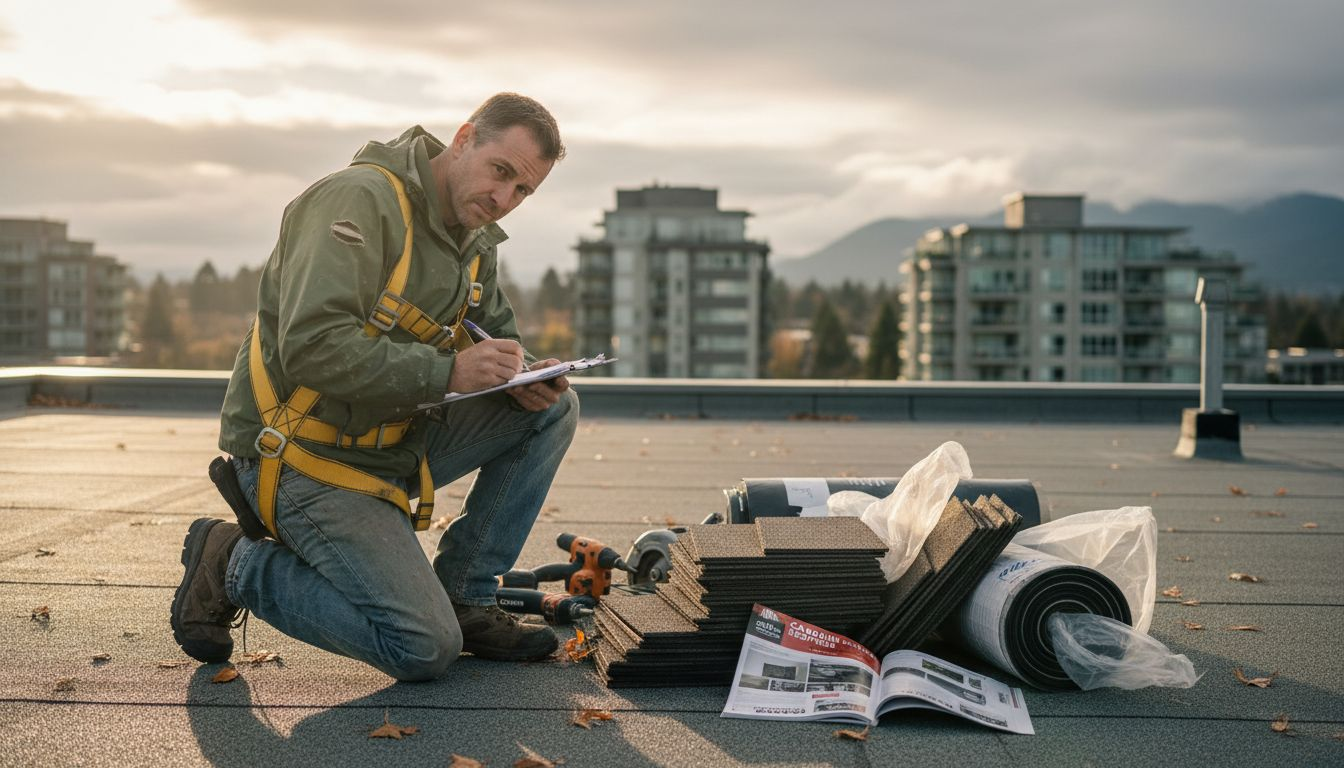
Here’s a quick comparison of roofing systems commonly used in multi-family properties across British Columbia:
| Roofing System Type | Typical Use in BC | Advantages | Challenges |
|---|---|---|---|
| Asphalt Shingles | Townhomes and duplexes | Cost-effective and versatile | Shorter lifespan, moderate durability |
| Modified Bitumen | Low-rise apartments | Strong water resistance | Limited aesthetic options |
| Metal Roofing | High-rise and triplexes | Long lifespan, low maintenance | Higher upfront cost |
| PVC Membranes | Large strata complexes | Excellent waterproofing | Needs skilled installation |
| Green Roofing Systems | Eco-focused developments | Environmental benefits | Complex installation, higher maintenance |
Pro Tip: Engage a professional roofing consultant who specializes in multi-family properties to conduct a comprehensive assessment of your specific building’s roofing requirements.
Key Materials and Roofing System Choices
Multi-family roofing in British Columbia demands sophisticated material selections that can withstand our challenging coastal climate. Roofing systems must balance durability, performance, and compliance with stringent local building regulations.
The primary roofing materials for multi-family properties include:
- Asphalt Shingles: Cost-effective and versatile
- Modified Bitumen: Excellent for low-slope roofs
- Metal Roofing: Extremely durable and long-lasting
- PVC Membranes: Superior waterproofing capabilities
- Green Roofing Systems: Environmentally sustainable options
- Synthetic Underlayment: Enhanced moisture protection
Each material presents unique advantages tailored to specific architectural configurations and environmental demands. Professional roofers consider multiple factors when recommending systems, including:
- Building height and structural load
- Local climate conditions
- Energy efficiency requirements
- Long-term maintenance costs
- Aesthetic considerations
- Strata council regulations
British Columbia’s coastal environment necessitates robust, multilayered roofing solutions that can manage persistent moisture, occasional snow loads, and significant temperature variations. Strata corporations must prioritize materials that offer comprehensive protection while meeting strict compliance standards.
Pro Tip: Consult a professional roofing engineer who understands BC’s specific multi-family building requirements before making any material selection decisions.
Building Code and Strata Compliance Essentials
Strata corporations in British Columbia operate within a complex legal framework that governs maintenance and repair responsibilities for multi-family properties. Strata Property Act regulations establish precise guidelines for managing common property elements, including critical roofing infrastructure.
Key compliance requirements for strata corporations include:
- Obtaining comprehensive depreciation reports
- Maintaining a contingency reserve fund
- Conducting regular professional roof inspections
- Documenting all maintenance and repair activities
- Ensuring work meets BC Building Code standards
- Hiring certified roofing professionals
Roofing compliance involves multiple critical dimensions. Strata councils must understand their legal obligations, which extend beyond simple maintenance to strategic long-term planning. Repair and maintenance duties specifically mandate that common property elements like roofs remain in optimal condition.
The responsibilities are clear: strata corporations must proactively manage roofing systems to protect property values, ensure resident safety, and maintain warranty coverage. This requires a sophisticated approach involving professional assessments, strategic budgeting, and disciplined maintenance protocols.
Pro Tip: Develop a comprehensive, multi-year roofing maintenance strategy that anticipates potential issues and allocates resources systematically.
Warranties, Lifespan, and Cost Factors
Multi-family roofing investments in British Columbia require sophisticated financial planning and risk management strategies. Homeowner Protection Act regulations establish critical frameworks for warranty coverage and consumer protection in residential construction projects.
Typical roofing material lifespans and warranty considerations include:
- Asphalt Shingles: 20-30 years, standard manufacturer warranties
- Metal Roofing: 40-50 years, extended warranty options
- Modified Bitumen: 15-25 years, performance-specific warranties
- PVC Membranes: 25-30 years, robust waterproofing guarantees
- Green Roofing Systems: 30-40 years, specialized environmental warranties
Cost factors extend beyond initial installation, encompassing long-term maintenance, potential repair expenses, and warranty coverage complexity. Roofing manufacturer warranties provide critical insights into expected performance, covering aspects like material defects, installation workmanship, and potential environmental damage.
Strata corporations must conduct comprehensive cost-benefit analyses that consider not just upfront expenses, but projected maintenance requirements, energy efficiency potential, and potential future replacement costs. This holistic approach ensures strategic financial planning and minimizes unexpected financial burdens.
Pro Tip: Always request detailed warranty documentation and perform a thorough lifecycle cost analysis before committing to any roofing system investment.
Use this summary to anticipate financial and planning considerations for multi-family roofing in BC:
| Factor | Description | Long-Term Impact | Planning Tip |
|---|---|---|---|
| Warranty Coverage | Length and scope of warranties | Protects investment | Review fine print and expiry dates |
| Material Lifespan | Years before major replacement needed | Affects budgeting | Choose materials for climate needs |
| Maintenance Costs | Ongoing upkeep expenses | Impacts reserve funds | Schedule annual inspections |
| Energy Efficiency | Insulation and energy savings | Reduces utility bills | Consider materials with high R-value |
Common Mistakes in Multi-Family Roofing Projects
Multi-family roofing projects in British Columbia are fraught with potential pitfalls that can compromise structural integrity and financial stability. Strata repair and maintenance guidelines highlight critical areas where strata councils frequently make costly errors.
Common mistakes in multi-family roofing projects include:
- Insufficient preventative maintenance planning
- Neglecting regular professional roof inspections
- Poor contractor selection processes
- Inadequate budgeting for repairs
- Delayed response to identified roofing issues
- Lack of clear communication among strata owners
One of the most significant and overlooked errors involves misunderstanding warranty coverage. Contractor warranty complexities can create significant financial risks for strata corporations, particularly when specific claim procedures and expiry dates are not carefully tracked.
Strata councils must adopt a systematic approach to roof management, implementing comprehensive inspection protocols, maintaining detailed documentation, and proactively addressing potential issues before they escalate into expensive repairs. This requires ongoing education, strategic financial planning, and a commitment to understanding the unique challenges of multi-family roofing systems in British Columbia’s diverse climate.
Pro Tip: Develop a comprehensive roof management strategy that includes annual professional inspections, detailed documentation, and proactive maintenance scheduling.
Ensure Your Multi-Family Roofing Meets Strata Compliance in British Columbia
Navigating the complex strata compliance and building code demands for multi-family roofing can be overwhelming. Challenges like maintaining common property roofs within tight budgets and adhering to the Strata Property Act regulations require expert guidance. With concerns regarding warranties, maintenance planning, and meeting coastal climate demands, property managers and strata councils need trusted partners who understand these unique pressures.
Paragon Roofing BC specialises in professional multi-family roofing solutions that address these exact pain points. Our team delivers thorough roof installation, inspection, maintenance, and repair services tailored to strata properties across British Columbia. We prioritise durable material selections, code-compliant workmanship, and proactive roof management strategies. Working with us means you gain peace of mind that your roofing system supports long-term strata compliance and protects your investment.
Take the next step today to safeguard your property’s roof and maintain compliance with BC regulations. Explore our comprehensive roofing services at Paragon Roofing BC and discover why so many British Columbia property owners trust us for their multi-family roofing needs.
Contact us now for a free professional roof inspection and ensure your multi-family roofing meets all strata requirements without surprises. Don’t wait until costly repairs or compliance issues arise. Visit Paragon Roofing BC to learn more and get started.
Learn more about expert roofing solutions at Paragon Roofing BC and rely on our trusted experience for every roofing project.
Frequently Asked Questions
What are the key compliance requirements for strata corporations managing roofing systems?
Strata corporations must obtain comprehensive depreciation reports, maintain a contingency reserve fund, conduct regular professional roof inspections, document maintenance activities, ensure work complies with BC Building Code standards, and hire certified roofing professionals.
How does the BC Building Code affect multi-family roofing projects?
The BC Building Code sets specific requirements for multi-family roofing systems, including material selection, structural integrity, and performance standards to ensure safety, durability, and energy efficiency in diverse environmental conditions.
What are some common mistakes made in multi-family roofing projects?
Common mistakes include insufficient preventative maintenance planning, neglecting regular professional inspections, poor contractor selection, inadequate budgeting for repairs, delaying responses to roofing issues, and lack of clear communication among strata owners.
Why is it important to conduct regular professional roof inspections for strata properties?
Regular professional roof inspections are crucial for identifying and addressing potential issues early, ensuring compliance with building codes, protecting property values, and maintaining the safety and integrity of the roofing system.