7 Essential Tips for a Complete Roof Repair Checklist
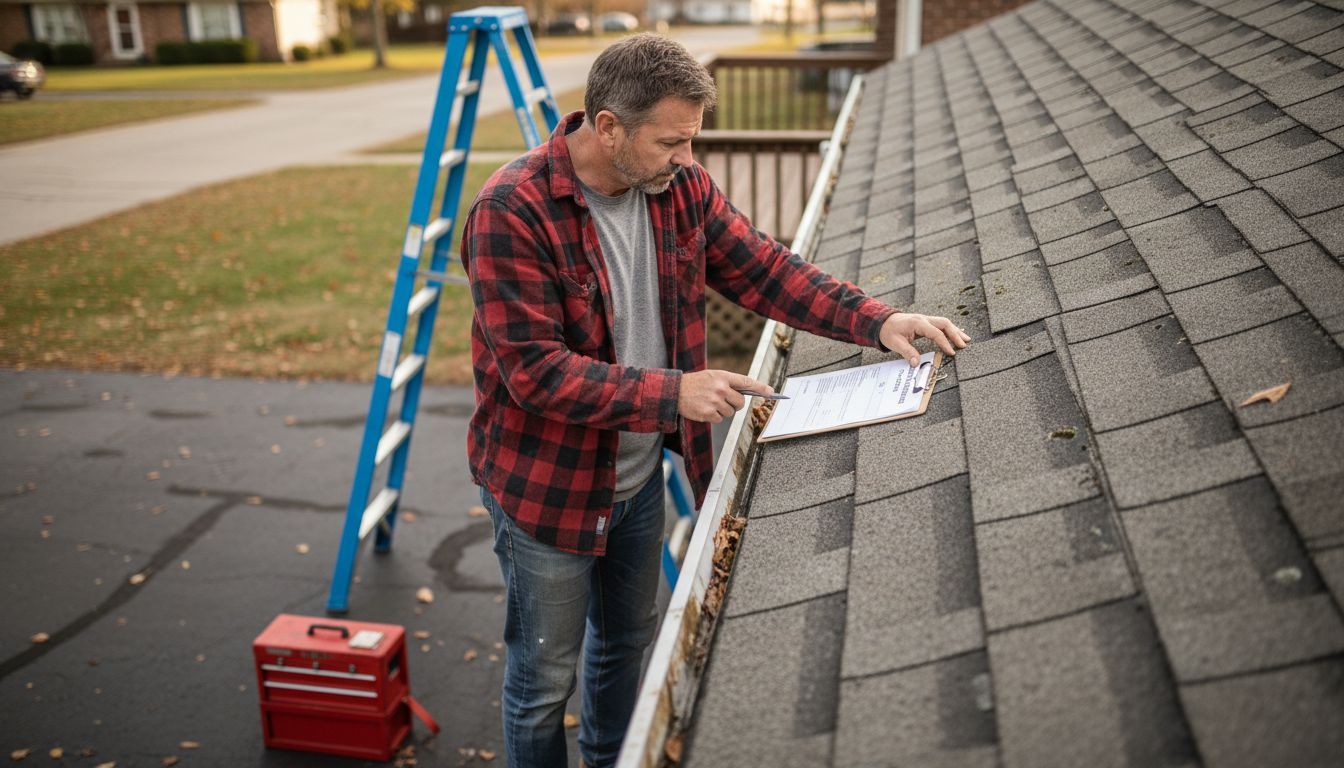
Spotting roof problems before they turn into expensive repairs can feel overwhelming, especially with the unpredictable weather in Canada. Too often, leaks and water damage go unnoticed until they cause major headaches and hefty bills. Regular, focused inspections can make a real difference, protecting your home and saving money over the long run.
This guide reveals practical roof maintenance steps trusted by Canadian experts. You will learn exactly where to look for early warning signs and what actions to take to avoid hidden damage. Get ready to discover clear, actionable tips that help you keep your roof and home protected, rain or shine.
Table of Contents
- Inspect Roof Surface For Visible Damage
- Check Attic And Ceilings For Hidden Leaks
- Clear Gutters And Downspouts Of Debris
- Examine Flashing Around Chimneys And Vents
- Assess Shingle Or Tile Condition Closely
- Review Roof Ventilation And Insulation
- Know When To Call A Professional Roofing Contractor
Quick Summary
| Takeaway | Explanation |
|---|---|
| 1. Conduct Regular Roof Inspections | Inspect your roof twice a year to catch damages early and extend its lifespan. Look for cracked shingles, granule loss, and signs of water damage. |
| 2. Check for Hidden Leaks | Regularly inspect your attic and ceilings for water stains and damp insulation to prevent costly structural issues from unnoticed moisture. |
| 3. Maintain Clean Gutters | Clear gutters and downspouts of debris seasonally to prevent water damage and extensive repairs caused by blockages or overflowing water. |
| 4. Inspect Flashing for Damage | Ensure flashing around chimneys and vents is intact to prevent leaks; check for cracks and proper installation techniques. |
| 5. Know When to Hire Professionals | Engage a professional roofer for extensive damage or complex repairs to ensure safety and proper work, especially when dealing with insurance claims. |
1. Inspect Roof Surface for Visible Damage
A comprehensive roof inspection starts with a systematic visual examination of the entire roof surface to identify potential damage and prevent costly future repairs. By catching issues early through routine surface inspections , homeowners can significantly extend their roof’s lifespan and avoid more extensive damage.
When inspecting your roof surface, look for these critical signs of damage:
- Cracked or broken shingles indicating structural compromise
- Curling or warped shingle edges suggesting age and weathering
- Missing shingles that expose vulnerable roof sections
- Granule loss on asphalt shingles revealing material deterioration
- Discolouration or dark spots potentially indicating water damage or moss growth
The Lower Mainland’s harsh weather conditions - with heavy rainfall, freeze-thaw cycles, and significant wind exposure - make regular roof surface inspections crucial. BC homeowners should pay special attention to areas around chimneys, vents, and roof edges where damage frequently occurs.
A small, undetected roof issue can transform into a $10,000 repair if left unchecked.
Professional roofers recommend conducting a thorough surface inspection at least twice annually: once in spring after winter storms and again in late autumn before the rainy season. During these inspections, use binoculars or carefully walk the roof perimeter to examine shingle conditions without risking personal safety.
Pro tip: Schedule your roof inspections during dry, clear days when sunlight helps reveal subtle surface damages that might be missed during overcast conditions.
2. Check Attic and Ceilings for Hidden Leaks
Unlike visible roof damage, hidden leaks in your attic and ceiling can silently compromise your home’s structural integrity and create expensive repair challenges. Detecting water intrusion early is crucial for preventing long-term damage in British Columbia’s challenging moisture environments.
When inspecting your attic and ceiling for hidden leaks, focus on these key indicators:
- Water stains on ceiling surfaces or wooden structures
- Discoloured or damp insulation suggesting moisture penetration
- Mould growth in corners or along rafters
- Musty odours indicating potential hidden moisture issues
- Sagging or warped ceiling sections revealing significant water damage
The Lower Mainland’s persistent rainfall and high humidity make homes particularly susceptible to concealed water damage. Homeowners should conduct thorough inspections, especially after intense storm systems or during seasonal transitions when roof vulnerabilities become most apparent.
Even minor leak points can lead to extensive structural damage if left unaddressed.
Professional roofers recommend using a bright flashlight during attic inspections to reveal subtle moisture signs that might be invisible to the naked eye. Pay special attention to areas around chimneys, vents, and roof penetrations where water can easily infiltrate.
Pro tip: Use a moisture metre during your inspection to detect hidden water presence in materials before visible signs of damage emerge.
3. Clear Gutters and Downspouts of Debris
Gutters and downspouts play a critical role in protecting your home from water damage - yet they are often the most overlooked maintenance item for homeowners in British Columbia. Proper drainage management can prevent thousands of dollars in potential roof and foundation repair costs.
In the Lower Mainland, where rainfall is abundant, keeping gutters clear is not just recommended - it is essential. Debris accumulation can lead to significant problems:
- Water overflow causing exterior wall damage
- Foundation erosion from improper water redirection
- Ice dam formation during winter months
- Roof rot and structural weakening
- Potential basement flooding from blocked drainage
Your gutter maintenance routine should include seasonal cleaning, particularly after autumn leaf falls and before winter storms. Inspect your gutters for:
- Leaf and twig blockages
- Sagging or misaligned sections
- Signs of rust or corrosion
- Loose gutter attachments
- Vegetation growth
Neglected gutters can transform from a $100 maintenance issue into a $10,000 structural repair nightmare.
Professional roofers recommend checking your gutters at least twice annually - ideally in late autumn after leaf fall and early spring before the rainy season begins. For homes surrounded by trees, more frequent inspections might be necessary.
Pro tip: Consider installing gutter guards to reduce debris accumulation and minimise the frequency of manual cleaning.
4. Examine Flashing around Chimneys and Vents
Flashing represents the unsung hero of roof waterproofing - those critical metal strips protecting vulnerable transition points where chimneys, vents, and other roof penetrations meet roofing materials. Proper flashing installation can mean the difference between a dry home and catastrophic water damage.
In the challenging Lower Mainland climate, where persistent rainfall and dramatic temperature shifts are common, flashing deterioration happens faster than many homeowners realise. Critical inspection points include:
- Metal strip condition around roof penetrations
- Sealant integrity between flashing and roofing materials
- Rust or corrosion indicators
- Gaps or separation in flashing edges
- Previous repair attempts
Professional roofers recommend comprehensive flashing examination using these systematic steps:
- Check for visible cracks or splits
- Verify metal overlap techniques
- Test sealant adhesion
- Inspect for potential water staining
- Evaluate overall material condition
One compromised inch of flashing can permit gallons of water into your home’s structure.
While some homeowners attempt DIY repairs, flashing work requires precision. Improper installation can create more problems than it solves. The goal is creating a continuous water-resistant barrier that redirects moisture away from critical roof transitions.
Pro tip: Use a high-powered flashlight during inspections to reveal subtle flashing imperfections that might be invisible in standard lighting.
5. Assess Shingle or Tile Condition Closely
Shingles are the frontline defence protecting your home from British Columbia’s relentless rainfall and harsh weather conditions. Wood shingle assessment requires a meticulous eye for subtle signs of deterioration that could compromise your entire roofing system.
The Lower Mainland’s unique climate demands rigorous shingle inspection. Homeowners should carefully examine roofing materials for these critical warning signs:
- Curling or buckling shingle edges
- Visible granule loss on asphalt shingles
- Cracked or split tile surfaces
- Discolouration or dark spots
- Moss or algae growth
Professional roofers recommend a systematic approach to shingle condition assessment:
- Inspect from ground level using binoculars
- Check roof sections with direct sunlight exposure
- Look for uneven or irregular surface patterns
- Note areas with previous repairs
- Compare shingle conditions across different roof sections
A single compromised shingle can create a cascade of roofing failures.
Homeowners in coastal regions like Vancouver face accelerated material degradation due to constant moisture and UV exposure. Understanding these unique environmental challenges helps prioritise proactive maintenance.
Pro tip: Conduct your roof assessment during mid-morning when sunlight provides optimal visibility without creating harsh shadows that might obscure subtle damage.
6. Review Roof Ventilation and Insulation
Proper roof ventilation and insulation are critical defence mechanisms against moisture damage and energy loss in British Columbia’s challenging climate. Effective ventilation techniques can prevent thousands of dollars in potential structural repairs.
In the Lower Mainland, where humidity and temperature fluctuations are extreme, homeowners must understand key ventilation principles:
- Balanced air flow between intake and exhaust vents
- Consistent insulation coverage
- Moisture barrier effectiveness
- Proper vent placement
- Adequate attic space clearance
Professional roofers recommend these systematic inspection steps:
- Check soffit and ridge vent functionality
- Measure insulation depth and distribution
- Look for signs of moisture accumulation
- Verify vapour barrier integrity
- Assess overall thermal performance
A poorly ventilated roof can reduce home energy efficiency by up to 30 percent.
Understanding British Columbia’s specific building code requirements helps homeowners maintain optimal roof performance. Incorrect ventilation can lead to mould growth, wood rot, and premature roofing system failure.
Pro tip: Use an infrared camera during inspections to detect subtle temperature variations that might indicate insulation or ventilation issues.
7. Know When to Call a Professional Roofing Contractor
Some roof repairs are best left to professionals who understand the nuanced challenges of British Columbia’s unique climate and construction standards. Professional contractor safety protocols protect both your property and the workers addressing complex roofing issues.
Recognize these critical scenarios where professional intervention becomes essential:
- Extensive water damage
- Structural roof deformation
- Large section replacement required
- Complex flashing repairs
- Insurance claim documentation needed
Professional roofers bring expertise that DIY efforts cannot match. Consider professional help when:
- Damage exceeds 30% of roof surface
- Structural integrity seems compromised
- Repairs involve load-bearing elements
- Technical skills exceed your expertise
- Warranty requirements demand certified work
A $500 professional inspection can prevent $10,000 in potential structural damage.
The Lower Mainland’s challenging weather - with heavy rainfall, wind exposure, and temperature variations - demands sophisticated repair techniques that require specialised training and equipment.
Pro tip: Request detailed written estimates from multiple licensed contractors and compare their proposed repair strategies before making a final decision.
Below is a comprehensive table summarizing the key inspection and maintenance steps for ensuring a durable and functional roof based on the article’s detailed recommendations.
| Maintenance Area | Key Actions | Benefits |
|---|---|---|
| Roof Surface | Visually inspect for cracked, curling, or missing shingles and other signs of wear. | Identifies damage early to prevent costly repairs and extend roof lifespan. |
| Attic and Ceilings | Check for water stains, mould growth, and musty odours using flashlights and moisture metres. | Detects hidden leaks, safeguarding structural integrity and avoiding extensive damage. |
| Gutters and Downspouts | Clear debris, check for sagging sections, and consider installing guards to reduce debris build-up. | Maintains effective water drainage, preventing water overflow and foundation erosion. |
| Flashing | Examine for gaps, separation, and material corrosion around chimneys and vents. | Ensures waterproofing at vulnerable roof transition points. |
| Shingle or Tile Condition | Observe for granule loss, buckling, discolouration, or moss growth on roofing materials. | Maintains the protective barrier against external elements, prolonging roofing material life. |
| Ventilation and Insulation | Inspect air flow balance, insulation thickness, and vapour barrier condition using appropriate equipment. | Enhances energy efficiency and mitigates moisture-related structural risks. |
| Professional Expertise | Consult contractors for extensive issues like structural deformation or large-scale material replacement. | Ensures the correct and safe resolution of complex roofing problems. |
Protect Your Home From Costly Roof Repairs with Expert Care
Understanding the essential tips for a complete roof repair checklist is the first step to safeguarding your property against the challenges posed by British Columbia’s harsh climate. From inspecting roof surfaces for cracked or missing shingles to clearing gutters and checking the integrity of flashing around chimneys, homeowners face the daunting task of preventing hidden leaks and structural damage that can quickly escalate repair costs. The persistent rain, freeze-thaw cycles, and abundant humidity in the Lower Mainland mean that ignoring these critical maintenance steps can lead to expensive problems and compromised home safety.
Do not let small roof issues become overwhelming. At Paragon Roofing BC, we specialise in professional roof repair, maintenance, and inspection services tailored to the unique demands of BC residences and businesses. Our team is experienced with asphalt shingles, cedar, metal, and tile roofing systems and ready to help you thoroughly assess and protect your investment. With trusted expertise and a commitment to customer satisfaction, we make sure your roof stays in top condition year-round.

Ready to secure your roof’s future and prevent costly damage? Visit Paragon Roofing BC today for a comprehensive roofing inspection and tailored repair solutions. Start by exploring our roof repair services and take the first step towards peace of mind. Don’t wait until leaks or damaged shingles threaten your home. Contact us now to schedule your free roof inspection and protect what matters most.
Frequently Asked Questions
What are the essential steps for inspecting my roof for damage?
To inspect your roof for damage, start with a visual examination of the roof surface, checking for cracked or missing shingles, granule loss, and discoloration. Use binoculars if needed and conduct this inspection at least twice a year, ideally in spring and late autumn.
How can I check for hidden leaks in my attic or ceiling?
To check for hidden leaks, look for water stains, damp insulation, mould growth, and musty odours in your attic and ceiling areas. Perform this inspection using a bright flashlight, and ensure to check especially after heavy rain or during seasonal transitions.
What should I do if my gutters are clogged with debris?
If your gutters are clogged, manually clean them to ensure proper water flow and prevent potential roof or foundation damage. Aim to perform this maintenance at least twice a year, especially after autumn leaf falls and before the rainy season begins.
How can I assess the condition of my roof shingles or tiles?
To assess your roof shingles, look for curling edges, visible granule loss, or signs of moss growth. Conduct this check from ground level using binoculars, and note conditions across different roof sections to ensure comprehensive maintenance.
When should I consider calling a professional roofing contractor?
Consider calling a professional when you notice extensive water damage, large areas of compromise, or if structural integrity seems at risk. If repairs exceed 30% of your roof surface, it’s best to consult an expert to address the issues correctly and efficiently.