How Vancouver’s Rain Patterns Really Affect Roof Lifespan
Vancouver’s Rainy Climate – What Your Roof Is Up Against
Roofing in Vancouver isn’t about surviving the occasional storm—it’s about enduring months of near-constant moisture with very little recovery time. The city’s climate applies slow, relentless pressure to roofing systems, exposing weaknesses that might never show up in drier regions.
How much rain Vancouver actually gets (and when it really hits)
Vancouver averages well over 1,100 mm of rainfall per year, but the raw number doesn’t tell the full story. What matters most is distribution. From late fall through early spring, rain arrives in long stretches—days or weeks where roofs never fully dry. October through March delivers the bulk of annual rainfall, often in steady, soaking events rather than short downpours.
This timing is critical. Cool temperatures slow evaporation, shaded roof sections stay damp, and materials remain saturated for extended periods. During these months, even small flaws—an exposed fastener, a lifted shingle edge, a compromised flashing—can allow water to migrate deeper into the roof system. It’s not dramatic; it’s persistent. And persistence is what causes damage.
Why long wet seasons are tougher on roofs than “big storms”
Big storms get attention, but long wet seasons do more damage. A single heavy storm might test wind resistance; months of drizzle test waterproofing integrity. When materials stay wet, they soften, swell, and lose adhesion. Sealants degrade faster. Nails loosen. Organic debris holds moisture against surfaces.
Roofs are designed to shed water, not to live in it. When drying cycles are short or nonexistent, water has time to find pathways—through capillary action, gravity, and pressure differences. That’s why roofs with borderline detailing often fail in Vancouver even if they would last decades elsewhere. It’s not about extremes; it’s about duration.
The difference between Vancouver, North Shore and Valley rain patterns
Microclimates across the Lower Mainland matter. Vancouver proper sees frequent rain with moderate intensity, often driven by wind that pushes water sideways. The North Shore experiences higher totals due to orographic lift—moist air rises against the mountains, cools, and drops more rain. Add steep slopes, dense tree cover, and occasional snow loads, and roofs there face amplified stress.
The Fraser Valley often sees slightly less total rainfall but longer foggy periods and higher humidity, which keeps roofs damp even when it’s not actively raining. Each area exposes roofs differently, but the common thread is moisture that lingers. Successful roofing systems adapt to these patterns instead of relying on generic specs.
The Science of Water, Roofing Materials and Time
Water doesn’t need force to cause damage— it needs time. In Vancouver, time is exactly what water gets.
How constant moisture breaks down asphalt shingles and cedar
Asphalt shingles rely on adhesion and granule protection. Constant moisture weakens sealant strips, allowing wind to lift tabs. Granules loosen and wash away, exposing asphalt to UV and accelerating aging. Once water reaches the mat, deterioration speeds up.
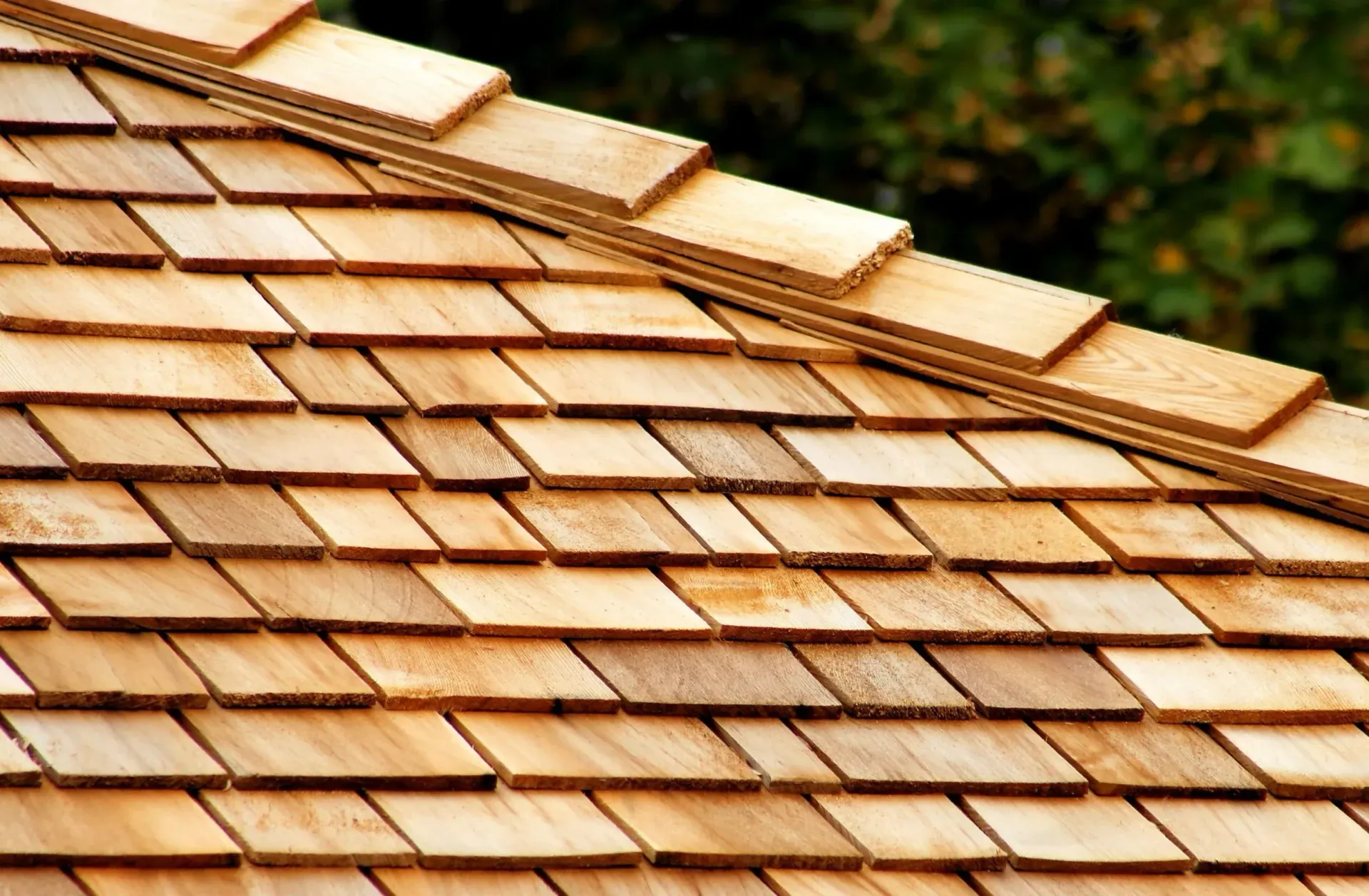
Cedar is even more vulnerable. It absorbs moisture, swells, and then slowly dries—over and over. This cycling leads to splitting, cupping, and rot, especially in shaded areas where drying is incomplete. Moss thrives, holding additional moisture against the wood. Without aggressive maintenance, cedar roofs in Vancouver often fail far earlier than their advertised lifespan.
Wet–dry cycling, UV exposure and freeze–thaw on Vancouver roofs
Even in a wet climate, UV still plays a role. South- and west-facing slopes dry faster and receive more sun, causing uneven aging across the same roof. Materials expand and contract at different rates, stressing fasteners and seams.
Freeze–thaw cycles add another layer. Water that seeps into tiny gaps can freeze, expand, and widen those gaps—especially at eaves and shaded sections. Over years, microscopic openings become pathways. This is why underlayments, membranes, and flashing continuity matter so much in Vancouver: they absorb the damage that surface materials can’t avoid.
Why small detailing mistakes get exposed faster in our climate
In dry climates, a minor shortcut might never be noticed. In Vancouver, it becomes a leak. A missing membrane overlap, a reversed flashing sequence, a nail placed too low—these aren’t theoretical problems. They’re entry points that get tested hundreds of times a year.
Because roofs stay wet longer, water has time to move laterally, wick upward, and bypass gravity-based defenses. Detailing mistakes don’t fail immediately; they fail inevitably. That’s why coastal-grade roofing focuses on redundancy and sequencing—assuming water will reach the details and making sure it has nowhere to go from there.
Bottom line: Vancouver roofs don’t lose battles to storms—they lose wars to moisture and time. The systems that last here are the ones designed for long wet seasons, uneven exposure, and the quiet persistence of water doing what it always does: finding the smallest weakness and slowly making it bigger.
7 Ways Vancouver’s Rain Patterns Shorten Roof Lifespan
The roofs of Vancouver buildings experience failure through gradual processes instead of single extreme weather occurrences. They fail because of repetition —the same moisture pressures applied again and again, season after season. The rain in this area brings more than heavy precipitation because it maintains a steady flow while following specific paths and it brings temperatures that keep roofs from achieving complete dryness.
1. The environment maintains continuous moisture which creates conditions for moss and algae and lichen to thrive.
The extended periods of wet weather in Vancouver establish perfect conditions for biological organisms to thrive. The three substances moss algae and lichen create a physical barrier which prevents water from reaching the roofing materials. The installation method creates prolonged moisture exposure to shingles and cedar shakes which exceeds their original design specifications thus leading to faster granule deterioration and wood rot and edge deterioration. The establishment of moss creates an additional problem because it prevents water from draining through the surface which leads to increased damage during each subsequent rain event.
2. The wind pushes rainwater to enter through the shingle and flashing systems.
The arrival of rain in Vancouver brings wind which modifies the behavior of falling water. Water follows an irregular path because it gets deflected in three different directions which include moving horizontally and vertically while it enters spaces under shingle edges and behind flashings and wall connections. Roofing systems which depend on gravity for drainage become ineffective in such situations. The wind-driven events continue to occur which reveals tiny weaknesses in building details to create persistent leaks from initial installation mistakes.
3. Overflowing gutters and downpipes that back water into the roof edge
Heavy rain that lasts for an extended period together with blocked gutters produces a regular pattern where water escapes from the system. The drainage system becomes overwhelmed when water flow exceeds its capacity which results in water accumulation under roof edges and eaves. This is one of the most common causes of hidden deck rot in Vancouver homes. The roof covering may look fine from above, while the plywood beneath slowly deteriorates from repeated saturation at the edges.
4. The combination of standing water and slow drainage patterns exists on roofs which have flat or low-sloping roofs.
The rain patterns in Vancouver create severe damage to buildings which have flat or low-sloping roofs. The extended rain period results in water accumulation which stays for multiple days. Membranes which stay underwater permanently will experience faster aging regardless of their correct initial installation. The system becomes more prone to leaks because small defects in seams and drains and penetrations receive continuous stress which reduces the system's operational duration.
5. The system shows water leaks through its ability to detect them during periods of continuous rainfall.
The leaks become visible only after brief storm periods have passed. The elements become visible only when multiple days of continuous rain have soaked all materials to their core before water penetrates the inner areas. The leaks present a dangerous situation because people tend to view them as unimportant random events which occur sporadically. The system shows signs of being overwhelmed by excessive moisture accumulation instead of having a single point of failure.
6. Saturated roof decks that never fully dry out under moss
The surface becomes inaccessible to sunlight and air when moss grows to form a blanket on top of it. The roof deck beneath can remain damp for weeks or months at a time. The roof system experiences gradual deterioration because saturated plywood material loses its strength while fasteners become loose and the structure deteriorates through its bottom layers. The home displays major destruction through all its visible signs of damage.
7. The interior space experiences two sources of moisture which come from both outside and inside the building.
The climate of Vancouver creates two types of damage to roofs because it brings wetness from both the top and bottom sections. High interior humidity, combined with cool attic temperatures, leads to condensation on the underside of the roof deck. The accumulation of moisture becomes a problem when buildings lack sufficient ventilation because it leads to mold growth and material deterioration and roof failure before the exterior roof covering shows any damage.
Neighbourhood Micro-Climates – Why Your Friend’s Roof Lasts Longer
Two homes constructed during the same period with identical building materials will develop distinct aging patterns when located in Vancouver. The main reason for this situation is micro-climate which creates small environmental variations that produce significant changes in roof moisture behavior.
Tree-covered North Vancouver vs exposed East Van vs ocean-side homes
The residential areas of North Vancouver experience heavy tree coverage which creates problems with shaded areas and tree branches that fall and the persistent wet conditions. The roofs in this area maintain wet conditions for extended periods which leads to rapid moss growth. The rainy conditions of East Vancouver do not prevent roofs from drying because properties in this area experience direct sunlight and wind exposure which promotes roof drying. The oceanfront location of these homes creates exposure to wind-borne rain and saltwater mist which speeds up corrosion deterioration and creates specific stress marks on roof systems. The same urban area shows two distinct roofing systems which operate under completely different conditions.
The study evaluates north-facing slopes against south-facing slopes through an examination of rain and evaporation patterns.
Orientation matters. The north-facing slopes of the land receive reduced sunlight which allows them to dry at a slow rate thus becoming ideal areas for moss growth and water storage. The south-facing slopes receive more UV radiation which causes materials to deteriorate faster but also accelerates the drying process. The roof fails unevenly because different slopes on the roof experience different moisture and drying patterns.
Rooftops near tall trees, ravines or open water vs more sheltered streets
The location of houses near ravines and parks and open water corridors makes them more exposed to high humidity and strong winds and increasing organic matter levels. The system faces two main factors which boost moisture absorption while shortening the drying process. The duration of roof lifespan extends in sheltered streets which have minimal tree coverage and receive direct sunlight even though they use the same materials and receive the same installation treatment.
The aging process of Vancouver roofs occurs at different rates for various sections. The rate at which moisture damages systems depends on five main factors which include rain patterns and wind and shade and building orientation and environmental conditions. The comparison between your roof and your neighbor's roof becomes untrustworthy because coastal-grade design plays a crucial role in this city which experiences unpredictable rain patterns.
Materials That Handle Vancouver’s Rain Better (And Worse)
Not all roofing materials fail the same way in Vancouver—and some are far better suited to long wet seasons than others. The difference usually isn’t about strength or thickness. It’s about how materials behave when they stay damp, get hit by wind-driven rain, and don’t have time to dry out.
Architectural asphalt shingles vs basic 3-tabs in constant rain
Architectural asphalt shingles perform noticeably better in Vancouver than basic 3-tab shingles. Thicker construction, stronger sealant strips, and layered profiles help architectural shingles resist wind uplift and water intrusion during prolonged rain events. They also tolerate minor moisture exposure better over time.
By contrast, 3-tabs are thin, rely heavily on sealant adhesion, and lose integrity faster when they remain damp. In long wet seasons, sealant failure, curling, and granule loss show up much sooner. That’s why 3-tabs often fail years earlier than expected in coastal climates—even when installed correctly.
Cedar shakes and shingles – why they struggle in long, damp seasons
Cedar looks great, but Vancouver is one of the hardest places to make it last. Cedar absorbs moisture, swells, and then slowly dries—if it dries at all. In shaded or tree-covered neighbourhoods, that drying cycle barely happens. The result is splitting, cupping, rot, and heavy moss growth.
Even well-maintained cedar requires regular treatments and repairs to survive here. Without aggressive upkeep, cedar roofs often deteriorate far earlier than their advertised lifespan. The material itself isn’t the problem—the climate is.
Metal roofing performance under wind-driven rain
Metal roofing performs extremely well in Vancouver’s rain. Its smooth surface sheds water instantly, leaving very little opportunity for absorption or wicking. Properly installed metal systems also resist wind-driven rain better than most materials, as long seams and fasteners are detailed correctly.
The key with metal is installation quality. Poorly detailed penetrations or incorrect fastening patterns can still cause problems. But when built correctly, metal is one of the most reliable options for constant rain and high exposure.
Torch-on and membranes on low-slope roofs in heavy rain zones
Flat and low-slope roofs face the toughest conditions during Vancouver’s rainy months. Torch-on and modern membrane systems are designed for this reality, creating continuous waterproof layers that don’t rely on gravity alone.
The risk comes from ponding water and poor drainage. Even the best membrane ages faster if water sits on it for days. That’s why slope correction, drain placement, and overflow protection matter just as much as the membrane itself.
Design & Detailing Choices That Make a Huge Difference
In Vancouver, detailing matters more than material choice. Many roofs fail not because the product was wrong, but because the system wasn’t designed for sideways rain and prolonged moisture.
Underlayment, ice & water shield and full-deck coverage in a rainy city
Underlayment is your real waterproofing layer when rain gets past the surface material. In Vancouver, expanded ice & water coverage at eaves, valleys, penetrations, and wall transitions dramatically improves roof resilience. On high-exposure or complex roofs, full-deck membrane coverage provides an extra safety net during extreme weather.
Roofs built to minimum coverage standards are far more likely to leak during multi-day rain events.
Valleys, wall flashings and skylight details built for sideways rain
Most leaks happen at transitions. Valleys, sidewalls, chimneys, and skylights must be detailed with the assumption that water will be pushed sideways and upward. Proper sequencing—membrane first, flashing second, surface material last—is critical.
Shortcuts like relying on sealant alone don’t survive Vancouver weather. Sealant fails. Layered systems don’t.
Overhangs, gutters and downpipe sizing for Vancouver storm events
West Coast rain overwhelms undersized drainage systems. Overhangs protect walls, but only if gutters and downpipes can handle the volume of water coming off the roof. Overflowing gutters back water under shingles and into roof edges—one of the most common sources of hidden rot.
Proper sizing and placement are simple upgrades that prevent expensive damage.
Roof ventilation so wet attics can actually dry between storms
A roof that never dries from the inside will fail early, even if it never leaks from above. Balanced intake and exhaust ventilation allows moist attic air to escape, reducing condensation and protecting the roof deck.
In Vancouver’s cool, damp climate, ventilation is not about heat—it’s about moisture control.
Maintenance Habits That Add (or Steal) Years from Your Roof
Even the best roof needs help surviving Vancouver’s rain cycles. Maintenance habits can extend lifespan—or quietly shorten it.
Seasonal Vancouver roof maintenance schedule – fall, winter, spring
- Fall: Clear gutters, valleys, and roof surfaces before heavy rains begin.
- Winter: Watch for leaks during prolonged storms; address issues early.
- Spring: Inspect for moss growth, flashing movement, and winter damage.
Skipping seasonal checks lets small problems turn into major repairs.
Safe moss treatment vs pressure washing your shingles to death
Moss should be treated gently. Pressure washing strips granules, damages shingle edges, and shortens roof life dramatically. Low-pressure treatments and preventative measures work far better and don’t destroy the roof in the process.
Keeping gutters, valleys and drains clear before the big rains
Clogged drainage is one of the fastest ways to shorten roof lifespan. Leaves and debris trap water where it doesn’t belong, forcing it into roof assemblies. Simple cleaning prevents some of the most expensive failures we see.
When to book a professional inspection based on our rain cycles
The best time for inspections is before and after the wettest months. Fall inspections catch vulnerabilities before storms arrive. Spring inspections reveal damage that only shows up after long wet periods.
Bottom line: In Vancouver, roofs don’t fail because of rain alone—they fail because rain stays too long. The right materials, smarter detailing, and consistent maintenance turn that reality from a liability into something your roof can handle year after year.
How to Tell If Rain Has Already Shortened Your Roof’s Lifespan
In Vancouver, roofs rarely fail all at once. Rain shortens lifespan quietly, years before a dramatic leak ever appears. The key is knowing how to read the early signals—on the roof, inside the home, and during a proper inspection.
Early warning signs on shingles, cedar and flat roofs
On asphalt shingle roofs, rain-related aging often shows up as premature granule loss, lifted or curling edges, exposed nail heads, and dark staining that doesn’t wash away. These aren’t just cosmetic issues—they indicate prolonged moisture exposure and weakening adhesion.
On cedar roofs, warning signs appear faster. Splitting, cupping, thinning shakes, heavy moss growth, and soft areas underfoot all point to a roof that has stayed wet too long. In Vancouver, cedar that no longer dries between rain cycles is already on borrowed time.
On flat and low-slope roofs, look for ponding water marks, membrane wrinkles, seam separation, blistering, or clogged drains. These often signal that rainwater is lingering where it shouldn’t, accelerating membrane breakdown even if leaks aren’t obvious yet.
Subtle interior clues – stains, smells, drafts and condensation
Some of the most telling signs show up inside, not on the roof surface. Faint ceiling stains that darken during long rain periods, musty smells in closets or upper floors, or unexplained humidity near attic hatches are all red flags.
Condensation on windows or cold drafts near ceiling lines can also point to moisture problems tied to roof ventilation or hidden leaks. In Vancouver, interior symptoms often appear long before water visibly drips—because moisture migrates slowly through insulation, framing, and drywall during extended wet weather.
What an on-site inspection reveals that you can’t see from the ground
A proper roof inspection goes far beyond binoculars or drone photos. Walking the roof reveals soft spots, uneven drying patterns, moss buildup in critical zones, and subtle flashing failures. An attic inspection adds even more insight—staining on the underside of the deck, rusted fasteners, compressed insulation, and condensation patterns all tell the story of how rain has interacted with the roof over time.
These are things homeowners simply can’t diagnose from the yard. In Vancouver’s climate, they’re often the difference between a manageable repair and an expensive surprise later.
Planning Your Next Roof Around Vancouver’s Rain Patterns
Replacing or repairing a roof without accounting for rain patterns is one of the most common—and costly—mistakes homeowners make here. The smartest roofs in Vancouver are planned around how water behaves locally, not generic product brochures.
Matching materials and details to your specific micro-climate
Your roof’s exposure matters. Tree cover, orientation, elevation, proximity to water, and wind corridors all change how rain hits and lingers. A shaded North Vancouver roof needs different strategies than a sun-exposed East Van home or a wind-battered coastal property.
Material choice, underlayment coverage, flashing design, and ventilation should all be adjusted to reflect these realities. There is no single “best” roof—only the best roof for where your house actually sits.
Budgeting for upgrades that actually add extra years of life
Not all upgrades are equal. In Vancouver, money spent on expanded underlayment coverage, improved drainage, upgraded flashings, and better ventilation usually adds far more lifespan than simply choosing a higher-end surface material.
Planning for these rain-focused upgrades upfront often reduces lifetime costs by preventing early deck damage, repeated repairs, and premature replacements. It’s less about spending more—and more about spending smarter.
Questions to ask a roofer about rain performance before you sign
Before committing, ask how the roof will handle multi-day rain events, wind-driven water, and prolonged moisture. Ask where membranes will be installed, how ventilation will be balanced, and how drainage is being sized for West Coast rainfall.
A roofer who truly understands Vancouver rain should be able to explain these details clearly—without relying on vague reassurances or minimum-code language.
FAQs – Roof Lifespan and Rain in Vancouver
How many years does a typical Vancouver roof really last?
In real-world conditions, many asphalt roofs last 20–30 years, cedar often lasts 15–25 years without heavy maintenance, metal systems can reach 40–70+ years, and well-built synthetic systems often land in the 40–50+ year range. Detailing and ventilation often matter more than the material itself.
Does heavy rain alone cause leaks, or is it always an installation issue?
Rain exposes weaknesses—it doesn’t create them out of nowhere. Most leaks are caused by detailing errors, aging materials, or drainage failures that only show themselves during prolonged or wind-driven rain. Vancouver’s climate simply reveals problems faster.
Is it worth paying more for “rain-optimized” roofing products?
Often, yes—especially if the added cost goes toward underlayments, flashings, drainage, and ventilation rather than just branding. Rain-optimized systems reduce failure points and typically extend roof lifespan more reliably than surface upgrades alone.
Can you replace or repair my roof in the rainy season?
Yes, with proper planning. Experienced Vancouver roofers work year-round by staging tear-offs, using temporary protection, and sequencing work around weather windows. In some cases, waiting for a “perfect” dry season causes more damage than addressing problems promptly—even during rain.
Bottom line: In Vancouver, rain doesn’t just test roofs—it shortens them quietly. Recognizing the signs early and planning your next roof around how rain actually behaves is the most effective way to protect both your home and your long-term investment.
Our Roofing Blog
Have more questions about roofing?
Check out our FAQs or give us a call today to speak to an expert roofer in Vancouver Lower Mainland, BC. We're here to help our neighbours make educated decisions about their roof. For our team, we value helping clients save money while making their roofs last.