Why Roof Replacement Matters for West Vancouver Homes
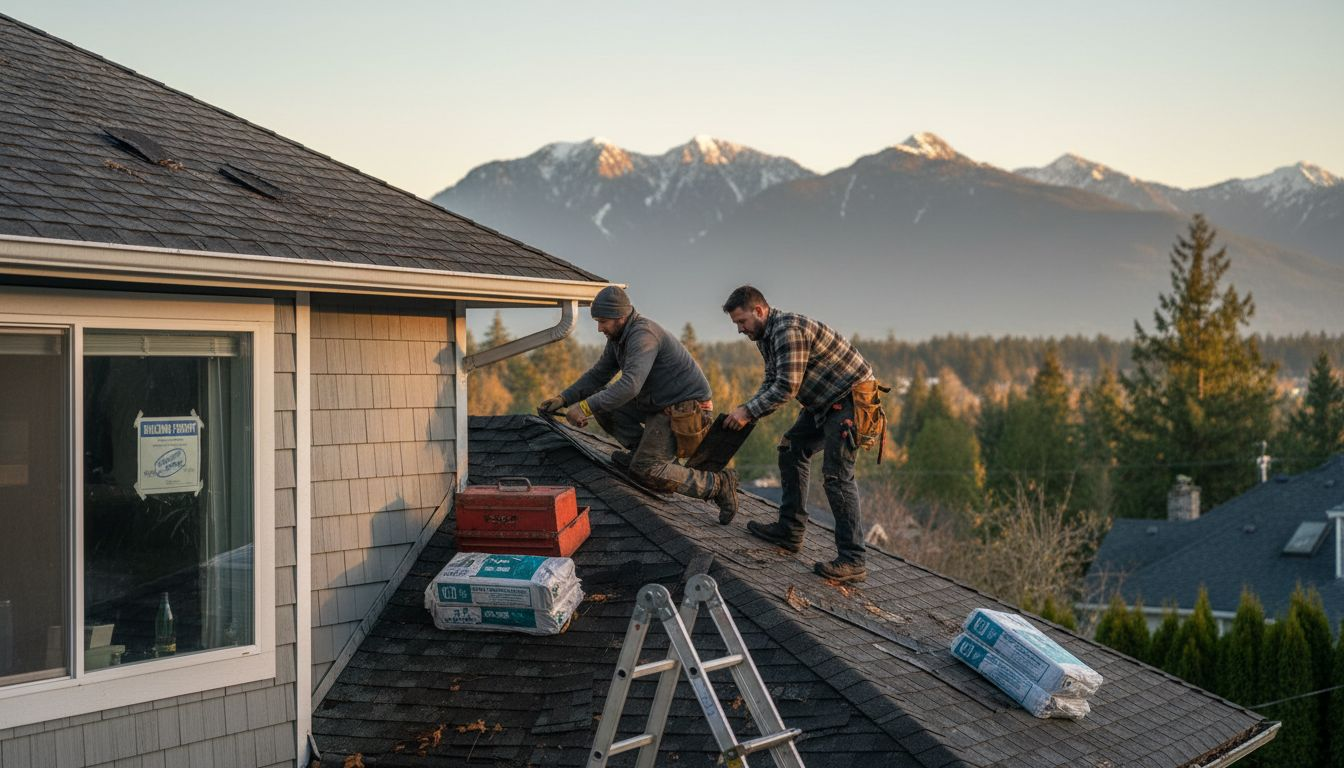
Noticing worn shingles or small leaks can make homeowners in West Vancouver worry about their property’s future. The region’s coastal climate puts roofs to the test year after year, so knowing when a full roof replacement becomes necessary is more than a matter of looks. This article uncovers the real complexity behind roof replacement and highlights why timely professional intervention protects both your family’s safety and your home’s value.
Table of Contents
- Defining Roof Replacement And Common Misconceptions
- Key Roof Types And Materials In British Columbia
- How Roof Replacement Protects Your Property
- Energy Efficiency, Comfort, And Climate Impact
- Financial And Legal Implications For Homeowners
- Risks Of Delaying Roof Replacement Decisions
Key Takeaways
| Point | Details |
|---|---|
| Roof Replacement Complexity | Roof replacement involves critical structural interventions beyond mere cosmetic upgrades, requiring professional expertise to ensure proper installation. |
| Climate-Specific Roofing Solutions | In British Columbia, selecting suitable roofing materials is vital to withstand the region’s specific environmental challenges, enhancing resilience and longevity. |
| Financial and Legal Implications | Roof replacement can improve property value and may qualify homeowners for tax credits, making it a strategic financial investment. |
| Risks of Delaying Replacement | Postponing roof replacement can lead to severe structural damage and increased repair costs, so timely intervention is essential for home safety. |
Defining Roof Replacement and Common Misconceptions
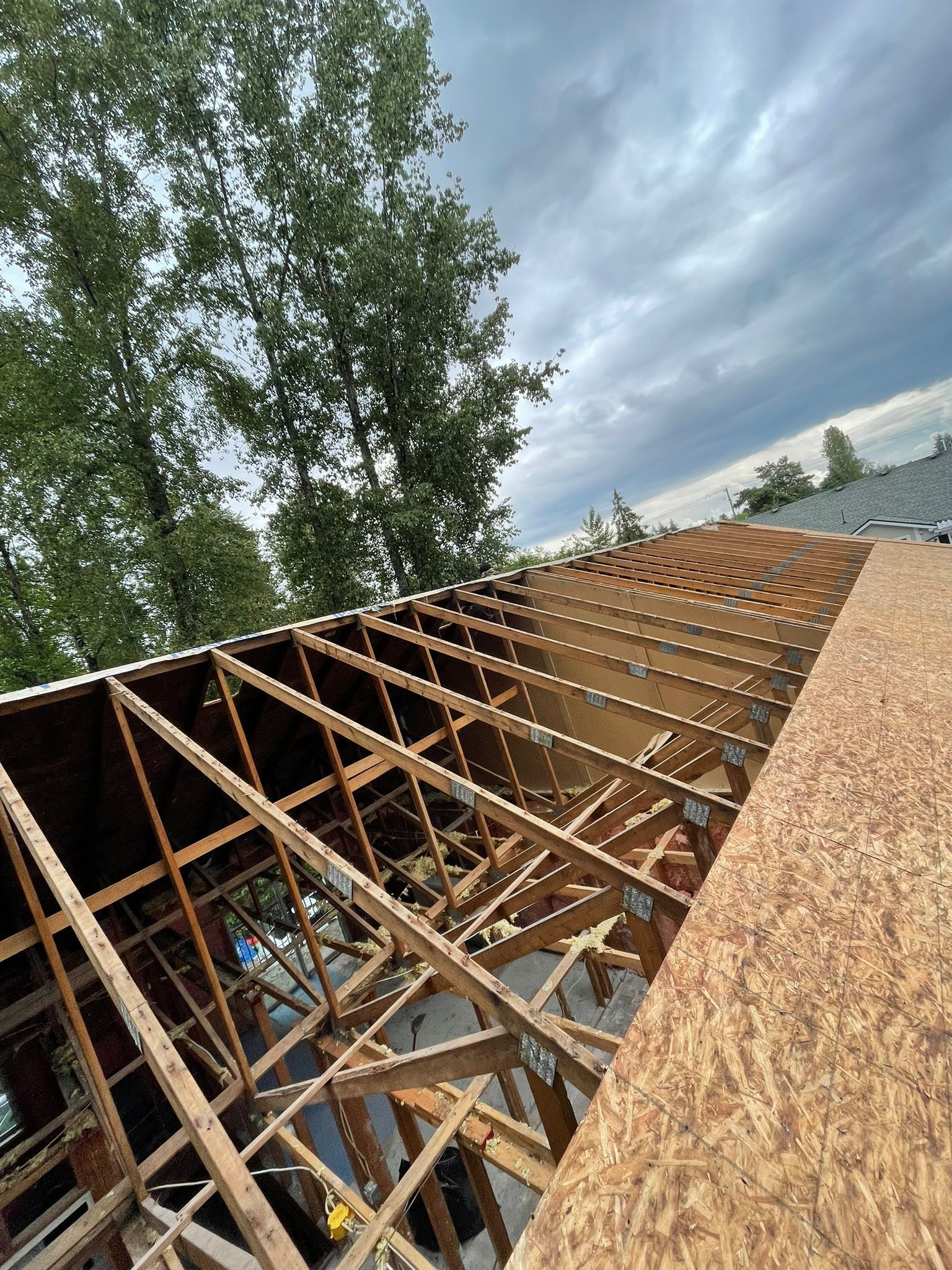
Roof replacement is far more complex than simply swapping out old shingles for new ones. It represents a comprehensive process of removing the existing roof system and installing a completely new protective layer that safeguards your West Vancouver home against our region’s challenging coastal weather conditions. Explore our roof replacement services
Many homeowners misunderstand the true scope of roof replacement. It’s not just a cosmetic upgrade, but a critical structural intervention that involves multiple intricate steps:
- Comprehensive structural inspection of roof decking
- Evaluation of underlying water barrier integrity
- Precise removal of existing roofing materials
- Installation of new secondary water barriers
- Proper flashing and edge protection placement
- Ensuring robust roof-to-wall connections
The complexity of roof replacement is often underestimated. Complex roof system requirements extend far beyond surface-level improvements. Professionals must carefully assess structural integrity, potential damage zones, and implement precise installation techniques that protect against wind, rain, and potential structural failures.
In the West Vancouver context, roof replacement becomes even more critical due to our unique environmental challenges. Our coastal climate with heavy rainfall, occasional snow loads, and persistent moisture demands robust roofing solutions that can withstand extreme conditions. Each replacement becomes a strategic investment in home protection.
Roof replacement is not an expense, but a crucial long-term investment in your home’s structural integrity and value.
Workers performing roof replacements also face significant safety challenges. Residential roofing involves substantial worker safety risks, including potential falls and structural collapse hazards. This underscores why professional expertise is non-negotiable in roof replacement projects.
Pro tip: Always request a comprehensive inspection and detailed scope of work before committing to any roof replacement project, ensuring you understand exactly what work will be performed.
Key Roof Types and Materials in British Columbia
British Columbia’s diverse climate demands sophisticated roofing solutions that can withstand everything from coastal rain to mountain snowfall. Domestic roof construction techniques vary widely, but our province requires specific approaches that balance durability, performance, and environmental resilience.
The most common roof types in West Vancouver and surrounding areas include:
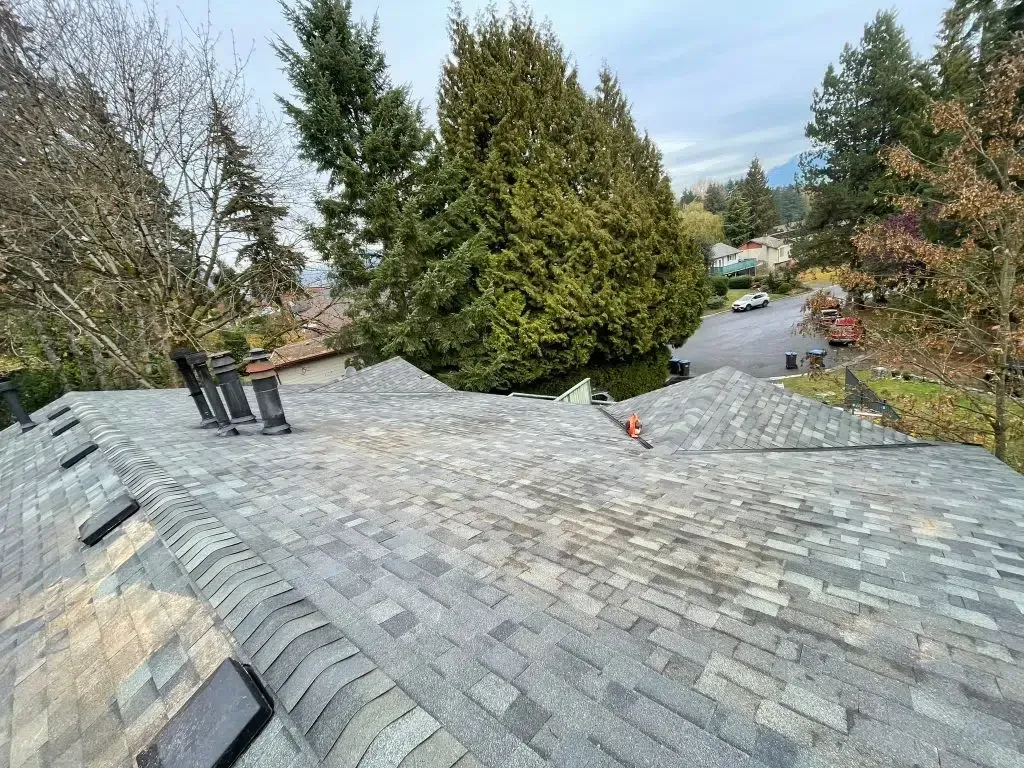
- Asphalt Shingle Roofs: Most popular residential roofing material
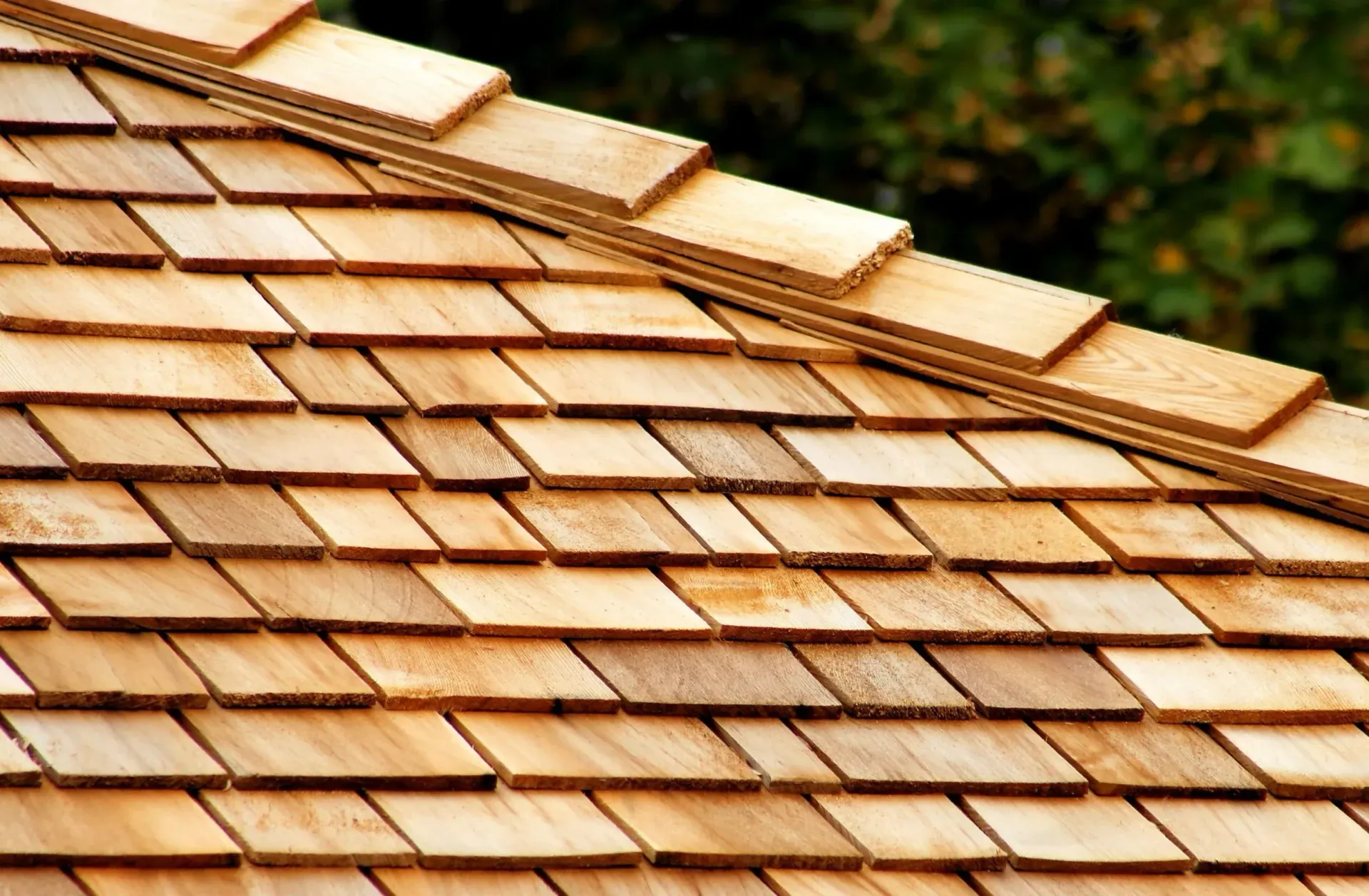
- Cedar Shake Roofs: Traditional and aesthetically pleasing option
- Metal Roofing: Increasingly preferred for durability and longevity
- Synthetic Composite Roofs: Modern alternative with enhanced performance
- Slate Tile Roofs: Premium option for high-end properties
Steep-slope roof systems in British Columbia typically incorporate complex components designed to manage our challenging environmental conditions. These include robust rafters, oriented strand board (OSB) or plywood sheathing, waterproof underlayment, precise flashing techniques, and comprehensive ventilation systems.
Each roofing material offers unique advantages tailored to specific home requirements. Asphalt shingles remain cost-effective and versatile, while cedar provides natural insulation and aesthetic charm. Metal roofing excels in durability, particularly in areas experiencing significant precipitation and temperature fluctuations.
Here’s how popular roofing materials used in British Columbia compare on key criteria:
| Roofing Material | Lifespan | Suitability for Coastal Climate | Maintenance Requirements |
|---|---|---|---|
| Asphalt Shingle | 15-25 years | Handles rain, poor with heavy snow | Moderate, annual inspection recommended |
| Cedar Shake | 20-30 years | Good moisture resistance, natural insulation | High, periodic sealing needed |
| Metal Roofing | 40-70 years | Excellent for rain and snow, resists corrosion | Low, minimal upkeep required |
| Synthetic Composite | 30-50 years | Outstanding durability, resists moisture and UV | Low, occasional cleaning |
| Slate Tile | 50+ years | Superior against weather extremes | Low, check for cracks periodically |
Selecting the right roofing material is not just about appearance, but about creating a protective shield for your most valuable asset.
The selection process involves carefully evaluating factors like local weather patterns, home architecture, budget constraints, and long-term maintenance considerations. Professional assessment becomes crucial in making an informed decision that balances immediate costs with future performance.
Pro tip: Consult with a local roofing professional who understands British Columbia’s unique microclimates to determine the most suitable roofing material for your specific location and home design.
How Roof Replacement Protects Your Property
Your home represents a significant investment, and roof replacement serves as a critical defence mechanism against potential structural damage. Roof assemblies protect property by creating a comprehensive shield that prevents moisture intrusion, maintains structural integrity, and safeguards your entire building envelope.
Key protective functions of a new roof include:
- Water Damage Prevention: Blocking moisture infiltration
- Structural Integrity: Reinforcing roof deck and supporting structures
- Energy Efficiency: Improving insulation and reducing heat loss
- Mould and Rot Prevention: Eliminating potential moisture build-up zones
- Wind Resistance: Strengthening attachment points and edge connections
Roof replacement strengthens home protection through advanced installation techniques that significantly reduce vulnerability to severe weather conditions. Modern replacement strategies involve installing stronger roof edges, using sealed decking materials, and implementing superior attachment methods that dramatically enhance your home’s resilience.
In West Vancouver’s challenging coastal environment, roof replacement becomes more than a maintenance task - it’s a critical investment in long-term property preservation. The region’s unique combination of heavy rainfall, occasional snowfall, and fluctuating temperatures demands robust roofing solutions that can withstand extreme environmental stress.
A strategic roof replacement is your first line of defence against potential structural damage and costly future repairs.
The comprehensive protection offered by a new roof extends beyond immediate weather resistance. Professional replacement ensures proper ventilation, prevents moisture accumulation, and addresses potential structural weaknesses before they become significant problems. This proactive approach can save homeowners thousands of dollars in potential repair costs.
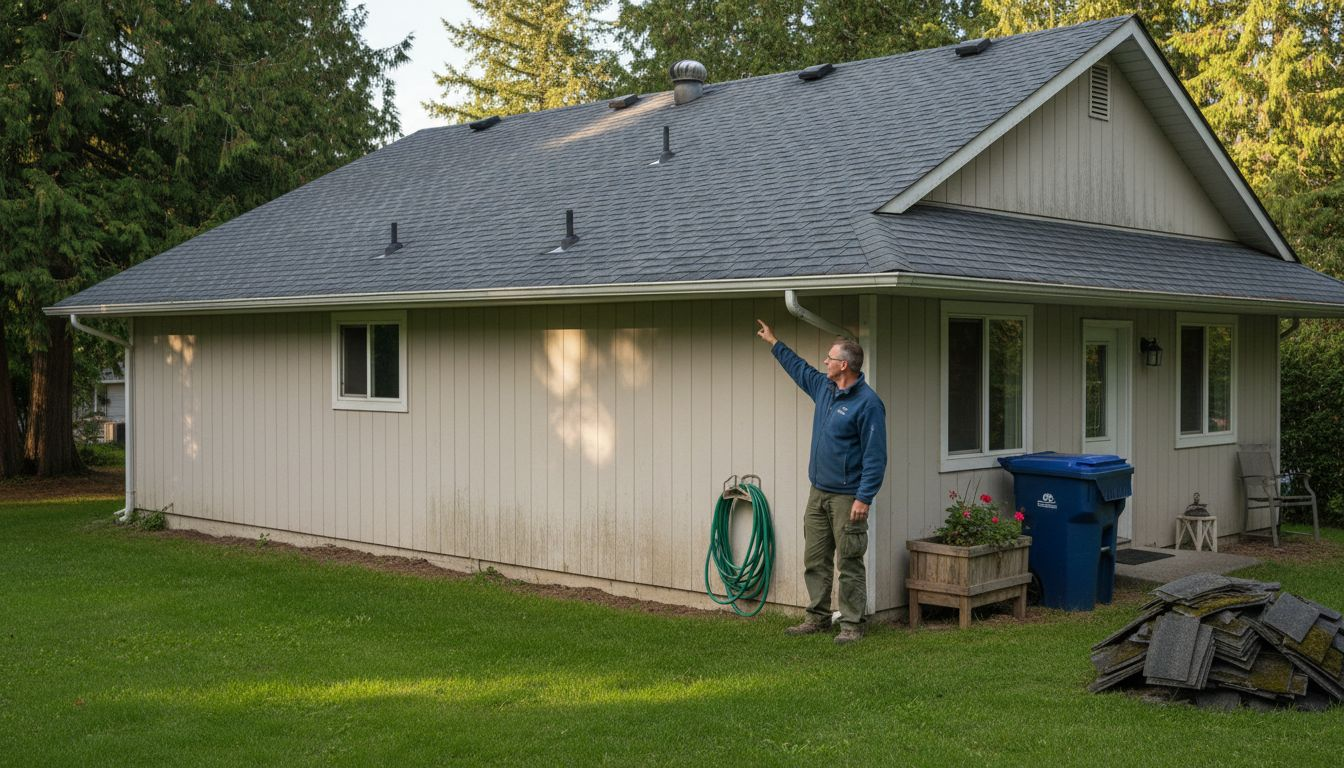
Pro tip: Schedule a professional roof inspection every three to five years to identify potential vulnerabilities and plan strategic replacement before critical damage occurs.
Energy Efficiency, Comfort, and Climate Impact
Roof replacement represents a pivotal opportunity to transform your home’s energy performance and environmental sustainability. Energy efficiency in buildings plays a critical role in reducing global carbon emissions, with roofing technologies offering significant potential for improved thermal regulation and reduced energy consumption.
Key energy efficiency benefits of modern roof replacements include:
- Thermal Insulation: Reducing heat transfer and maintaining consistent indoor temperatures
- Solar Reflection: Minimizing heat absorption during summer months
- Air Leakage Prevention: Creating airtight building envelopes
- Ventilation Optimization: Improving air circulation and moisture control
- Sustainable Material Selection: Choosing environmentally responsible roofing options
Cool roof technologies can dramatically reduce indoor temperatures, lowering air conditioning demands by up to 15%. In West Vancouver’s variable climate, this translates to meaningful energy savings and enhanced home comfort throughout the year.
The environmental impact extends beyond individual home performance. By selecting energy-efficient roofing materials and implementing strategic installation techniques, homeowners directly contribute to broader climate change mitigation efforts. Each roof replacement becomes a small but significant step towards reducing overall carbon emissions.
Strategic roof replacement is an investment in both personal comfort and global environmental responsibility.
Modern roofing solutions combine advanced materials engineering with sophisticated thermal management principles. These innovations provide homeowners with unprecedented opportunities to create more comfortable, energy-efficient living spaces while simultaneously reducing their carbon footprint.
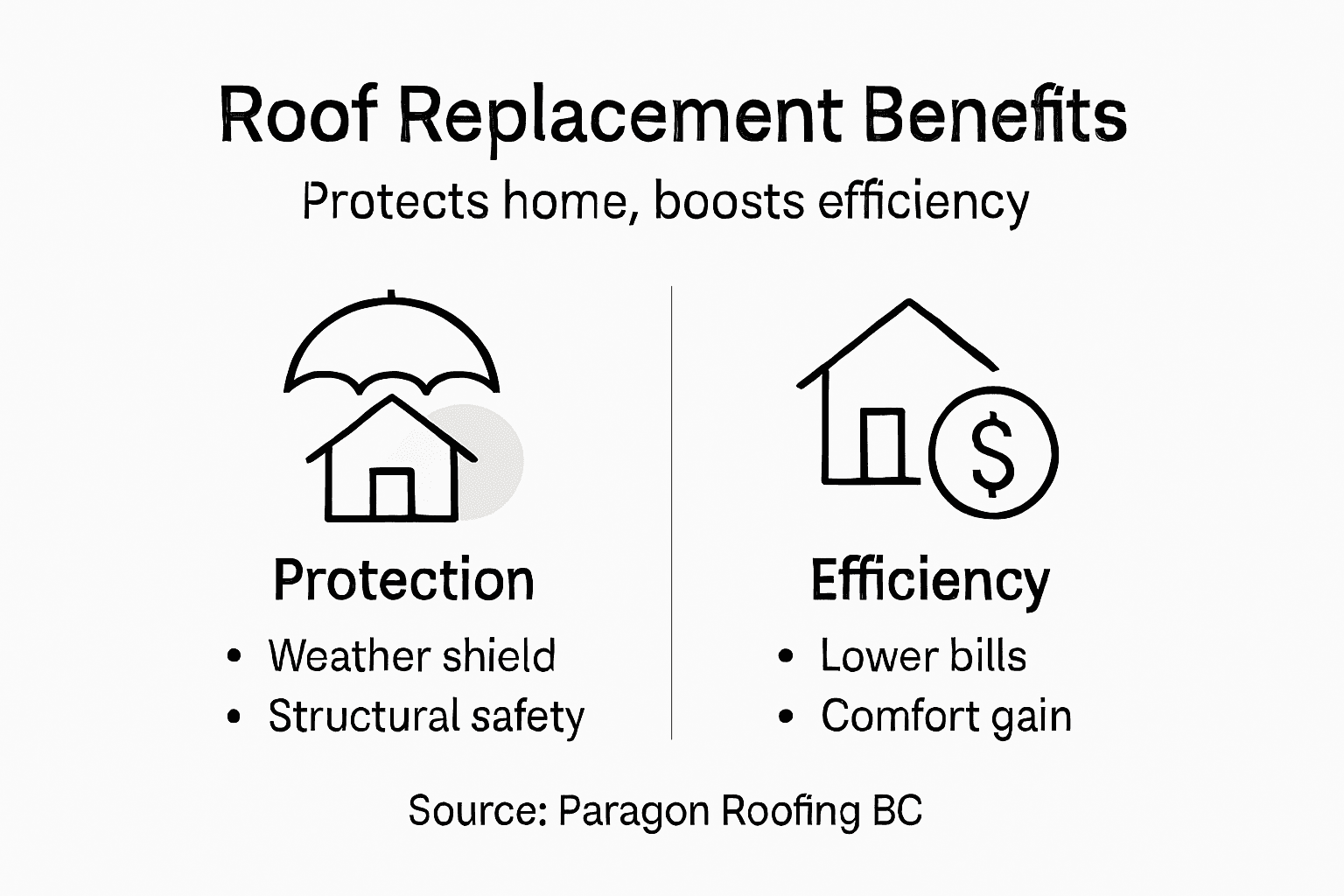
Pro tip: Choose roofing materials with high solar reflectance and thermal emittance ratings to maximize energy efficiency and reduce cooling costs during summer months.
Financial and Legal Implications for Homeowners
Roof replacement involves complex financial and legal considerations that extend far beyond simple home maintenance. Tax implications for property improvements can significantly impact homeowners’ long-term financial strategies, particularly for rental properties where capital improvements have specific accounting treatments.
Key financial considerations include:
- Property Value Enhancement: Direct increase in home market value
- Insurance Premium Adjustments: Potential rate reductions with modern roofing
- Energy Efficiency Tax Credits: Possible government incentives
- Depreciation Accounting: Tax treatment for residential properties
- Maintenance Cost Reduction: Long-term savings from proactive replacement
Financial incentives for home upgrades can substantially offset initial roof replacement costs. Many jurisdictions offer tax credits, insurance discounts, and grants for homeowners who invest in resilient roofing systems that meet current building standards and improve property protection.
Legal compliance represents another critical dimension of roof replacement. British Columbia’s building codes and municipal regulations mandate specific standards for roofing materials, installation techniques, and structural integrity. Non-compliance can result in potential legal challenges, insurance complications, and reduced property marketability.
Roof replacement is not just a maintenance expense, but a strategic financial and legal investment in your property’s future.
Professional documentation becomes crucial in this process. Homeowners should maintain comprehensive records of roof replacement, including professional assessments, material specifications, installation certificates, and compliance documentation to protect their legal and financial interests.
Review some financial and legal benefits directly associated with roof replacement:
| Aspect | Financial Benefit | Legal Impact |
|---|---|---|
| Property Value | Higher resale and appraisal values | Improved marketability |
| Insurance Premium | Potential discounts on coverage | Fewer claim disputes |
| Tax Credits & Grants | Access to energy retrofit programs | Compliance with incentive rules |
| Documentation | Justifies replacement as capital expense | Supports code and warranty claims |
Pro tip: Consult with a tax professional and local building inspector to understand specific financial incentives and legal requirements associated with your roof replacement project.
Risks of Delaying Roof Replacement Decisions
Procrastinating on roof replacement can transform a manageable maintenance project into a catastrophic and expensive home disaster. Construction site safety risks dramatically escalate when homeowners delay addressing critical roofing issues, creating potential structural and safety challenges that far outweigh the initial replacement costs.
Significant risks of postponing roof replacement include:
- Structural Integrity Compromise: Progressive deterioration of roof framework
- Water Damage Escalation: Increased potential for interior property damage
- Mould and Rot Development: Higher likelihood of toxic growth
- Insulation Performance Reduction: Decreased energy efficiency
- Insurance Coverage Complications: Potential claim rejection
Roof structural failure risks extend beyond immediate property damage. Delayed replacements create hazardous conditions for repair workers, increasing the likelihood of accidents, falls, and potential injuries during eventual repair work.
West Vancouver’s unique coastal environment amplifies these risks. Persistent moisture, temperature fluctuations, and occasional extreme weather events accelerate roof degradation, making timely replacement even more critical for maintaining home safety and value.
Procrastination in roof maintenance is not just a financial risk, but a potential threat to your family’s safety and your home’s structural integrity.
The cumulative consequences of delaying roof replacement can far exceed the initial investment. What might start as a minor repair can quickly escalate into extensive structural damage, requiring comprehensive and expensive remediation.
Pro tip: Schedule annual professional roof inspections to identify potential issues early and develop a proactive replacement strategy before critical damage occurs.
Protect Your West Vancouver Home with Expert Roof Replacement Services
Understanding why roof replacement matters is the first step in safeguarding your home against the harsh coastal climate and avoiding costly damages from delayed maintenance. At Paragon Roofing BC, we recognize the unique challenges West Vancouver homeowners face, from moisture infiltration to structural risks. Our skilled team specializes in providing comprehensive roof replacement solutions using premium materials like asphalt shingles, metal, cedar, and synthetic composites designed for maximum durability and energy efficiency.
Do not wait for small issues to become dangerous problems. We offer thorough roof inspections and tailored replacement plans that address all critical aspects mentioned in the article including water damage prevention, enhanced wind resistance, and improved energy performance. Trust our certified professionals to protect your most valuable investment with precision and care.
Ready to secure your home with a trusted roofing expert? Visit Paragon Roofing BC to schedule your free roof inspection today. Learn more about our services and how we can help you choose the perfect roofing material by exploring our expert roofing solutions. Don’t wait for damage to worsen—contact us now and experience lasting peace of mind.
Frequently Asked Questions
What is roof replacement?
Roof replacement involves removing the existing roofing materials and installing a completely new roof system to protect your home from environmental elements, ensuring structural integrity and prolonged lifespan.
Why is roof replacement important for my home’s safety?
A new roof provides essential protection against water damage, structural compromise, and potential mould growth, enhancing home safety and preserving the building envelope.
How often should I consider replacing my roof?
In general, roof replacement is recommended every 15-50 years depending on the roofing material used and environmental factors. Regular inspections every 3-5 years are advisable to spot potential issues early.
What roofing materials are best for energy efficiency in my home?
Energy-efficient roofing materials include metal roofing, synthetic composites, and cool roof technologies, all of which optimize thermal insulation, reduce heat absorption, and enhance overall energy performance.