
Why Asphalt Shingles in BC: Proven Value for Homes
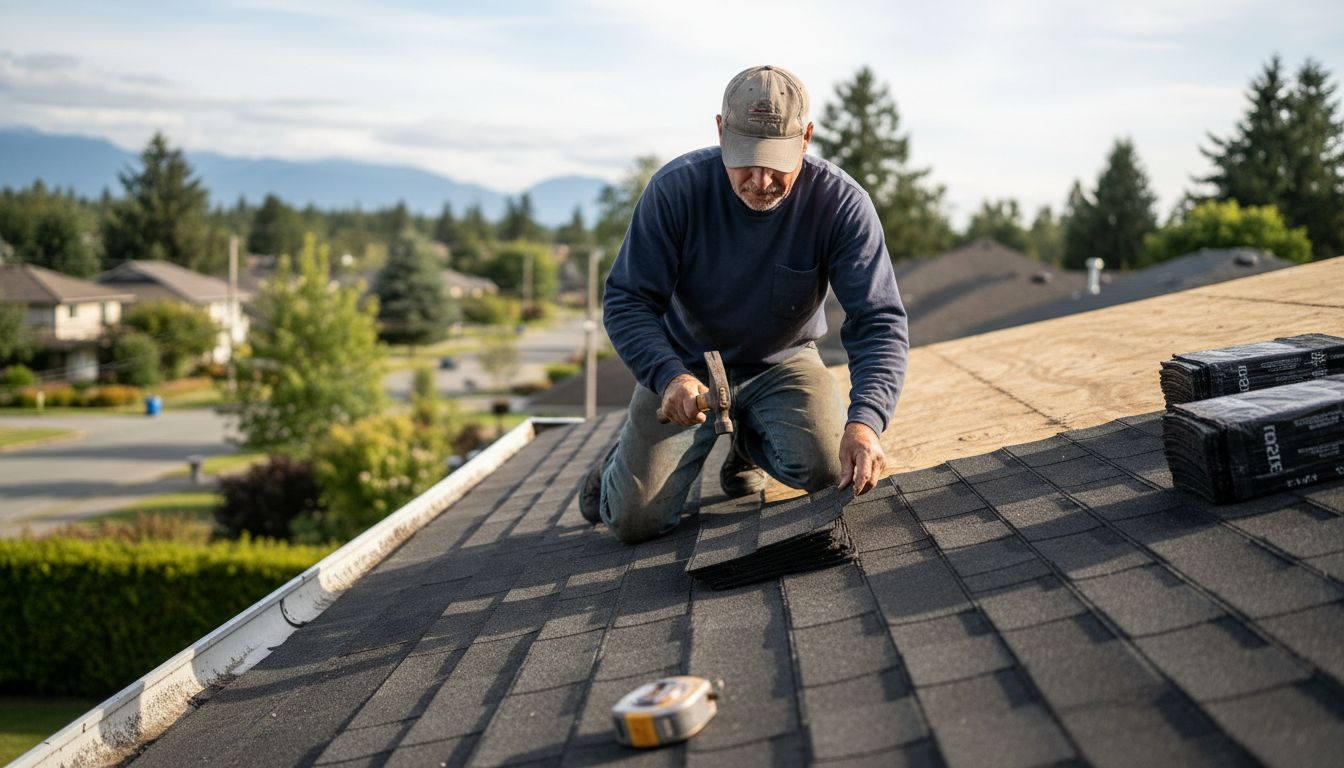
Leaky roofs and rising maintenance bills are a familiar headache for many Vancouver homeowners. With the region’s heavy rainfall and shifting temperatures, finding a roofing solution that stands up to the elements is a real concern. Asphalt shingles have become the trusted choice across British Columbia, blending cost-effective protection with impressive durability. This guide uncovers why more families in Vancouver and surrounding areas count on asphalt shingles, helping you make the right choice for your home’s long-term security and value.
Table of Contents
- What Are Asphalt Shingles in BC?
- Types of Asphalt Shingles Used Locally
- How Asphalt Shingles Perform in BC’s Climate
- Cost, Lifespan and Warranty Factors
- Comparing Asphalt Shingles to Other Roofing Options
Key Takeaways
| Point | Details |
|---|---|
| Asphalt Shingles Dominance | Asphalt shingles are the primary roofing choice in British Columbia, especially fiberglass-based options, due to their cost-effectiveness and durability against climate challenges. |
| Types of Shingles | Homeowners can choose between 3-tab and architectural laminated shingles, with the latter providing better durability and aesthetic appeal suited for variable environments. |
| Climate Performance | The multi-layer construction of modern asphalt shingles offers superior protection against British Columbia’s diverse weather conditions, making proper installation critical. |
| Cost and Longevity | Prices for asphalt shingles vary based on type and installation; lifespan can range from 15 to 50 years, emphasising the importance of quality materials and professional installation. |
What Are Asphalt Shingles in BC?
Asphalt shingles are the predominant roofing material for homes across British Columbia, offering a reliable and cost-effective solution for protecting residential structures against our region’s challenging coastal climate. These roofing components are manufactured with a core mat - traditionally made of either organic fibres or modern fiberglass - that is saturated and coated with asphalt and topped with protective mineral granules.
In British Columbia, most residential roofs utilize fiberglass-based asphalt shingles, which provide superior water resistance and durability compared to older organic variants. These shingles consist of several critical layers designed to withstand our province’s unique environmental conditions:
- Fiberglass base mat for structural integrity
- Waterproof asphalt coating
- Ceramic granule surface layer for UV protection
- Adhesive strips for wind resistance
The Provincial Roofing Practices Manual outlines strict installation standards for these roofing systems, ensuring they can effectively manage our region’s substantial rainfall, snow loads, and temperature variations. Professional roofers in Vancouver and surrounding areas must follow these guidelines to guarantee proper performance and water-tight protection for residential structures.
Pro tip: When selecting asphalt shingles for your British Columbia home, prioritize products rated for high wind resistance and designed specifically for coastal moisture conditions.
Types of Asphalt Shingles Used Locally
In British Columbia, homeowners have several distinct asphalt shingle options tailored to our unique coastal and mountain environments. Residential roofing systems primarily utilise two fundamental types: 3-tab and architectural laminated shingles, each offering specific advantages for our province’s challenging weather conditions.
3-Tab Shingles represent the traditional, economical roofing solution. These single-layer shingles feature a uniform, flat appearance and provide basic protection at a lower initial cost. They typically have:
- Thinner profile
- Lower wind resistance
- Shorter warranty periods (15-20 years)
- Most budget-friendly option
Architectural Laminated Shingles have become increasingly popular in Vancouver and surrounding regions. These multi-layered shingles offer superior durability and aesthetic complexity, making them ideal for British Columbia’s variable climate. Key characteristics include:
- Dimensional, textured appearance
- Enhanced wind resistance up to 150 km/h
- Longer warranty periods (30-50 years)
- Better protection against moisture and UV damage
For homes in coastal and mountain regions, architectural shingles provide superior performance, mimicking the appearance of premium materials like slate or wood while delivering exceptional weather resistance. Their multi-layered construction helps homeowners manage our province’s demanding environmental challenges.
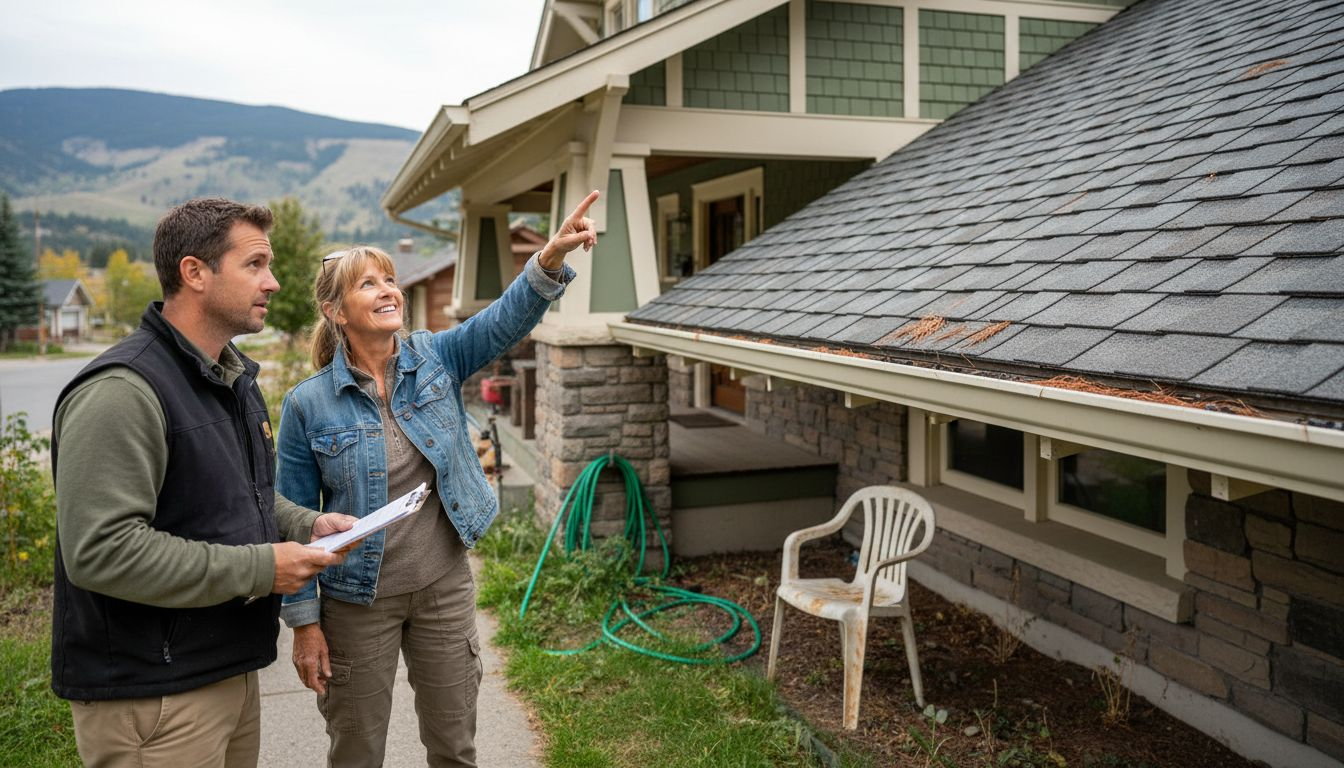
Pro tip: Consider your specific neighbourhood’s microclimate and elevation when selecting asphalt shingles, as wind exposure and precipitation levels can vary significantly across British Columbia.
Here’s how British Columbia’s main asphalt shingle types compare:
| Attribute | 3-Tab Shingles | Architectural Shingles |
|---|---|---|
| Appearance | Flat and uniform | Textured and dimensional |
| Weather Adaptability | Moderate | Excellent |
| Typical BC Applications | Entry-level homes | Coastal, mountain homes |
| Curb Appeal | Basic | Enhanced |
| Expected Maintenance | More frequent | Less frequent |
How Asphalt Shingles Perform in BC’s Climate
British Columbia’s unique and challenging climate demands exceptional roofing performance, and asphalt shingles have proven to be a resilient solution for homeowners across our diverse landscape. Asphalt shingle durability depends critically on how well they can withstand our province’s extreme temperature variations, persistent moisture, and significant weather challenges.
In the Lower Mainland and coastal regions, asphalt shingles face a particularly demanding environment characterized by:
- High annual rainfall
- Frequent freeze-thaw cycles
- Significant humidity and moisture exposure
- Potential for wind-driven rain
- Occasional snow and ice accumulation
The multi-layered construction of modern architectural shingles provides superior protection against these environmental stressors. Their advanced design includes specialized granules and flexible asphalt compounds that resist cracking, granule loss, and moisture penetration. Proper installation becomes crucial, with careful attention to ventilation and underlayment helping mitigate potential weather-related deterioration.
Mountain and interior regions present different challenges, with more extreme temperature swings and intense UV exposure. Here, shingles must demonstrate remarkable flexibility, maintaining structural integrity through rapid temperature changes while resisting sun-induced degradation. Manufacturers have responded by developing shingle formulations with enhanced UV stabilizers and more robust binding agents specifically tailored to British Columbia’s demanding climate conditions.
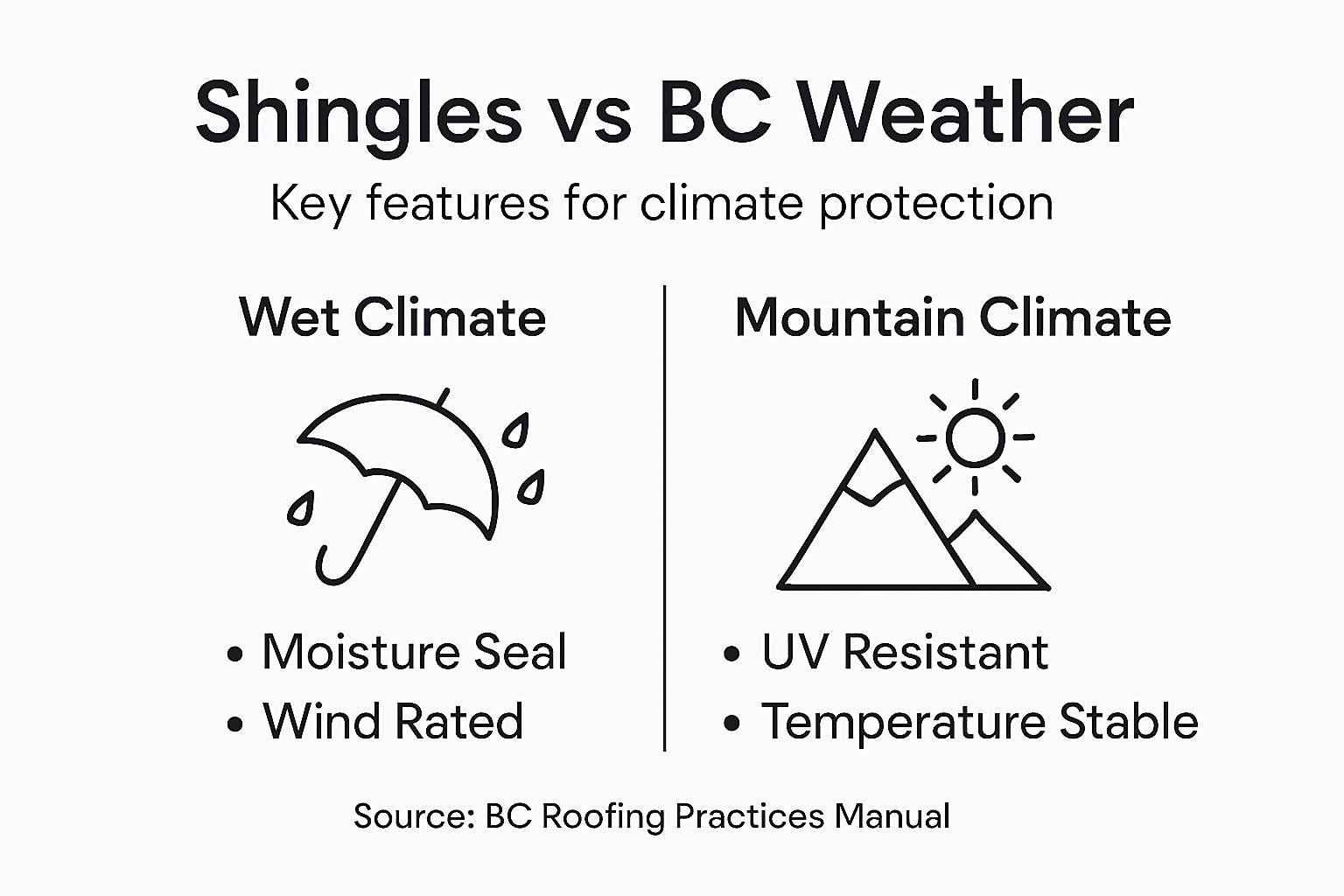
Pro tip: Invest in professional installation and periodic roof inspections to maximize your asphalt shingles’ performance and longevity in British Columbia’s variable climate.
Cost, Lifespan and Warranty Factors
Asphalt shingle investments in British Columbia represent a critical decision for homeowners, balancing upfront costs with long-term performance and protection. Asphalt shingle warranties typically range from 15 to 50 years, depending on the product quality, material composition, and manufacturer’s confidence in their roofing solution.
Cost considerations for asphalt shingles in BC vary significantly based on several key factors:
- Material grade (3-tab vs architectural)
- Total roof square footage
- Complexity of roof design
- Installation quality
- Local labour rates
Typical pricing ranges demonstrate the investment spectrum:
- Basic 3-tab shingles: $3-$5 per square foot
- Architectural shingles: $5-$8 per square foot
- Premium designer shingles: $8-$12 per square foot
Lifespan expectations correlate directly with material quality and installation precision. Budget 3-tab shingles might provide 15-20 years of protection, while high-end architectural shingles can potentially last 30-50 years in optimal conditions. Professional installation becomes crucial, as improper techniques can dramatically reduce a roof’s functional lifespan and void manufacturer warranties.
Pro tip: Always request detailed warranty documentation and understand exactly what is and isn’t covered before finalizing your asphalt shingle roofing project.
Comparing Asphalt Shingles to Other Roofing Options
British Columbia homeowners face numerous roofing material choices, but asphalt shingles consistently emerge as a top performer when evaluating overall value and performance. Roofing system components demonstrate that asphalt shingles offer unique advantages over alternative materials like metal, cedar, and synthetic options.
Key comparison points highlight asphalt shingles’ strengths:
Metal Roofing
- Higher upfront cost (2-3 times more expensive)
- More complex installation
- Better for commercial structures
- Limited residential aesthetic appeal
Cedar Roofing
- Significantly higher maintenance requirements
- Shorter lifespan (15-25 years)
- Higher susceptibility to moisture damage
- More expensive initial installation
Synthetic/Composite Roofing
- Substantially higher material costs
- Less proven performance in British Columbia’s climate
- Limited local installation expertise
- More challenging repair processes
Asphalt shingles distinguish themselves through remarkable versatility, providing an optimal balance between affordability, durability, and aesthetic flexibility. Their ability to withstand British Columbia’s challenging coastal and mountain environments while maintaining reasonable replacement costs makes them the preferred choice for residential roofing across our province.
Installation complexity and long-term performance further underscore asphalt shingles’ advantages. Professional roofers can complete installations more efficiently compared to alternative materials, reducing overall project timelines and labour expenses. The wide range of style options additionally allows homeowners to match roofing with their specific architectural preferences.
This table highlights key differences between common residential roofing materials in BC:
| Feature | Asphalt Shingle | Metal Roofing | Cedar Roofing |
|---|---|---|---|
| Upfront Cost | Low to moderate | High | High |
| Longevity | 15-50 years | 40-70 years | 15-25 years |
| Climate Suitability | Coastal and interior | All regions | Drier zones preferred |
| Maintenance | Minimal | Minimal | High ongoing care |
| Installation Speed | Fast | Moderate | Slow |
Pro tip: Consider consulting a local roofing professional who understands British Columbia’s specific environmental challenges when selecting your roofing material.
Protect Your British Columbia Home with Expert Asphalt Shingle Roofing
Choosing the right asphalt shingles is critical for withstanding British Columbia’s unique climate challenges like heavy rainfall, wind-driven moisture, and extreme temperature changes. If you want durable, weather-resistant roofing that offers superior value and peace of mind, Paragon Roofing BC has the expertise to deliver exceptional results. Our professional team ensures every asphalt shingle installation meets local building standards and maximizes product performance for long-lasting protection.
Don’t let roofing concerns become a costly problem. Visit Paragon Roofing BC now to explore our full range of residential roofing services including expert installation, maintenance, and repair for asphalt shingles and other materials. Take advantage of our trusted local knowledge and Certified craftsmanship to safeguard your home today with a free inspection or detailed roofing consultation.
Frequently Asked Questions
What are asphalt shingles and how do they work?
Asphalt shingles are roofing materials made from a core mat of organic fibres or fiberglass, saturated with asphalt and topped with mineral granules. They provide protection against weather elements, particularly in areas with challenging climates.
What types of asphalt shingles are available for residential homes?
Homeowners can choose between 3-tab shingles and architectural laminated shingles. 3-tab shingles are economical and offer basic protection, while architectural shingles provide superior durability, aesthetic appeal, and longer warranties.
How do asphalt shingles perform in varying climates?
Asphalt shingles are designed to withstand extreme temperature variations, moisture, and other environmental challenges. Modern architectural shingles have advanced features to resist cracking, moisture penetration, and UV degradation, making them suitable for various climates.
What factors influence the cost and lifespan of asphalt shingles?
Cost is affected by material grade, roof size, design complexity, and installation quality. Lifespan varies based on these factors as well, with 3-tab shingles lasting about 15-20 years, while architectural shingles can last 30-50 years with proper installation.