Asphalt Shingles in Vancouver: Cost, Lifespan & Climate Performance

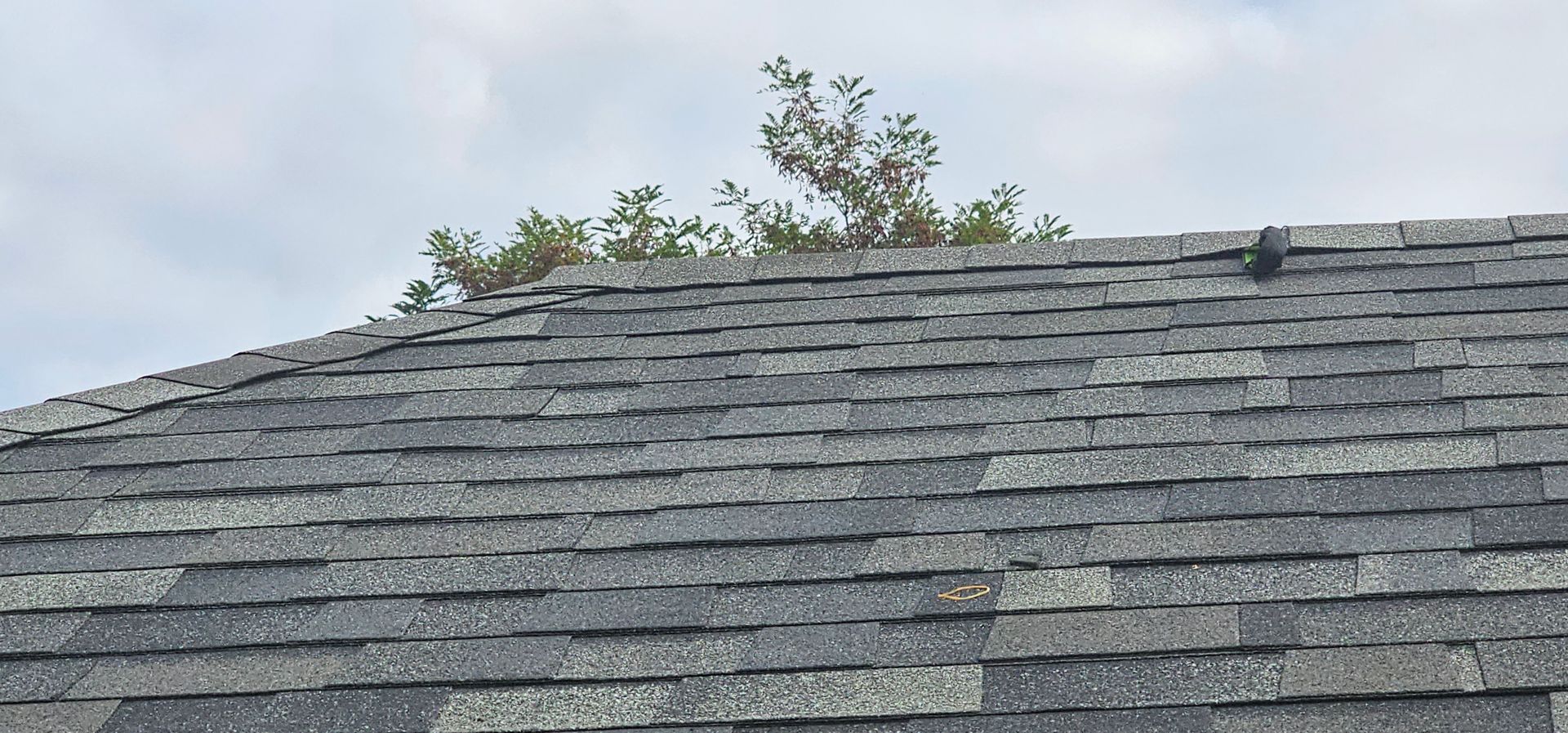
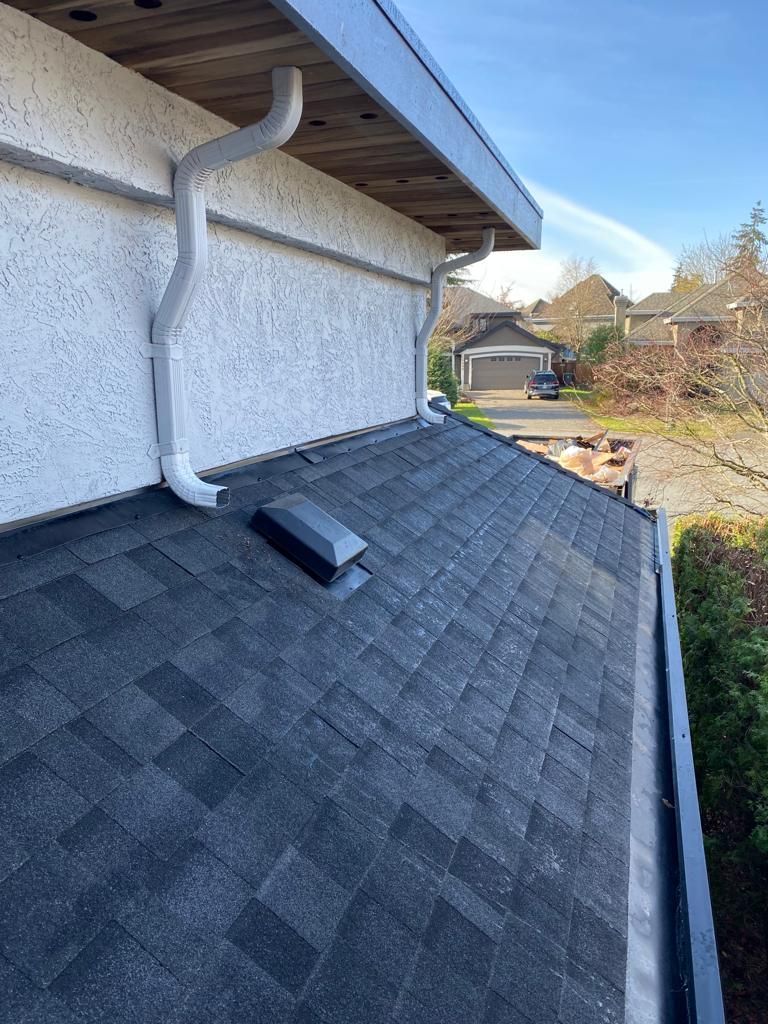
Asphalt shingles account for approximately 80% of residential roofing in North America, making them the most common choice for homeowners. The material's widespread use stems from accessible cost ($10,000-24,000 for typical homes), straightforward installation, easy repairs, and broad contractor familiarity. Properties throughout Metro Vancouver, from single-family homes in Burnaby and Surrey to townhouse complexes in Richmond and Coquitlam, rely on asphalt shingles for weather protection.
But Vancouver's 1,189mm annual rainfall and persistent dampness challenge asphalt shingles more than dry-climate installations. Constant moisture accelerates granule loss, promotes moss growth, and shortens lifespan compared to manufacturer ratings. Quality architectural shingles lasting 30 years in Arizona may only achieve 20-25 years in Vancouver. Installation quality matters significantly here because our climate exploits any installation deficiencies through water infiltration and biological growth.
This guide explains how different asphalt shingle types perform in coastal conditions, realistic lifespan expectations for Vancouver, costs, maintenance requirements, and helps determine which asphalt product suits your property and budget.
Why Asphalt Shingles Are Popular and Challenging in Vancouver
Asphalt Shingles & Vancouver's Coastal Climate
Understanding performance in our specific weather patterns sets accurate expectations.
Heavy Rain & Prolonged Moisture Exposure
Water infiltration risks: Vancouver's frequent multi-day rain events (October through March especially) test shingle waterproofing continuously. Water finds any gap in overlaps, penetrates around fasteners, and exploits poor flashing details. Quality installation becomes critical because our climate doesn't allow installation errors to go unpunished.
Seal strip degradation: Asphalt shingles rely on adhesive strips to bond overlapping courses. Constant moisture exposure accelerates adhesive breakdown, allowing wind to lift shingles more easily than in dry climates. Older roofs (15+ years) show increased wind vulnerability as seals weaken.
Granule loss acceleration: Rain and moisture cause protective granules to loosen from the asphalt coating. Lost granules expose black asphalt beneath, which absorbs more UV radiation and heat, further accelerating deterioration. Properties see faster aging in Vancouver compared to low-rainfall regions.
Moss, Algae & Organic Growth
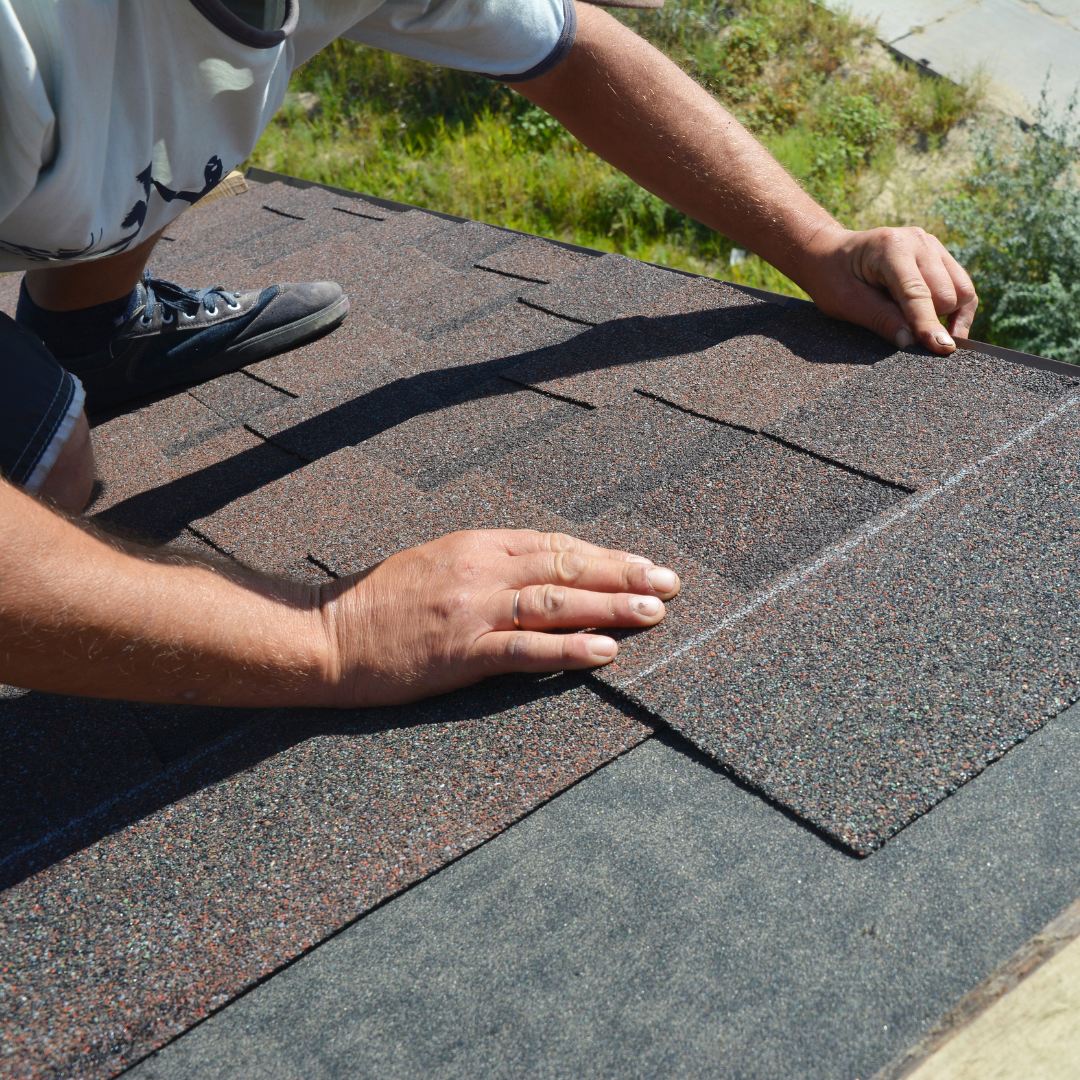
Biological colonization: Shaded properties in Dunbar, Kerrisdale, forested areas of West Vancouver, and neighborhoods near Pacific Spirit Park see moss establishment within 2-3 years on north-facing slopes. The granular texture provides a foothold for spores while persistent dampness supports growth.
Accelerated surface breakdown: Moss doesn't just create aesthetic concerns. Root structures penetrate between granules, breaking their bond with the underlying asphalt. Moss holds moisture against shingle surfaces, accelerating rot and shortening lifespan by 30-40% compared to clean roofs with good solar exposure.
Treatment requirements: Annual moss treatment costs $300-800, depending on roof size. Zinc or copper strips along ridges inhibit growth but don't eliminate it entirely on heavily shaded roofs. Regular maintenance becomes an ongoing expense factored into the total ownership cost.
Wind & Seasonal Storms
Shingle lifting: Vancouver's occasional winter windstorms (November through February) with 80-90 km/h gusts cause blow-offs on improperly installed or aging roofs. Architectural shingles with 110-130 mph wind ratings handle these events better than 3-tab products rated for 60-70 mph.
Nail pull-through: Wind uplift combined with moisture-weakened deck sheathing allows fasteners to pull through shingles. This progressive failure starts at the eaves and rakes, working inward. Quality installation with proper nail length and placement prevents this deterioration.
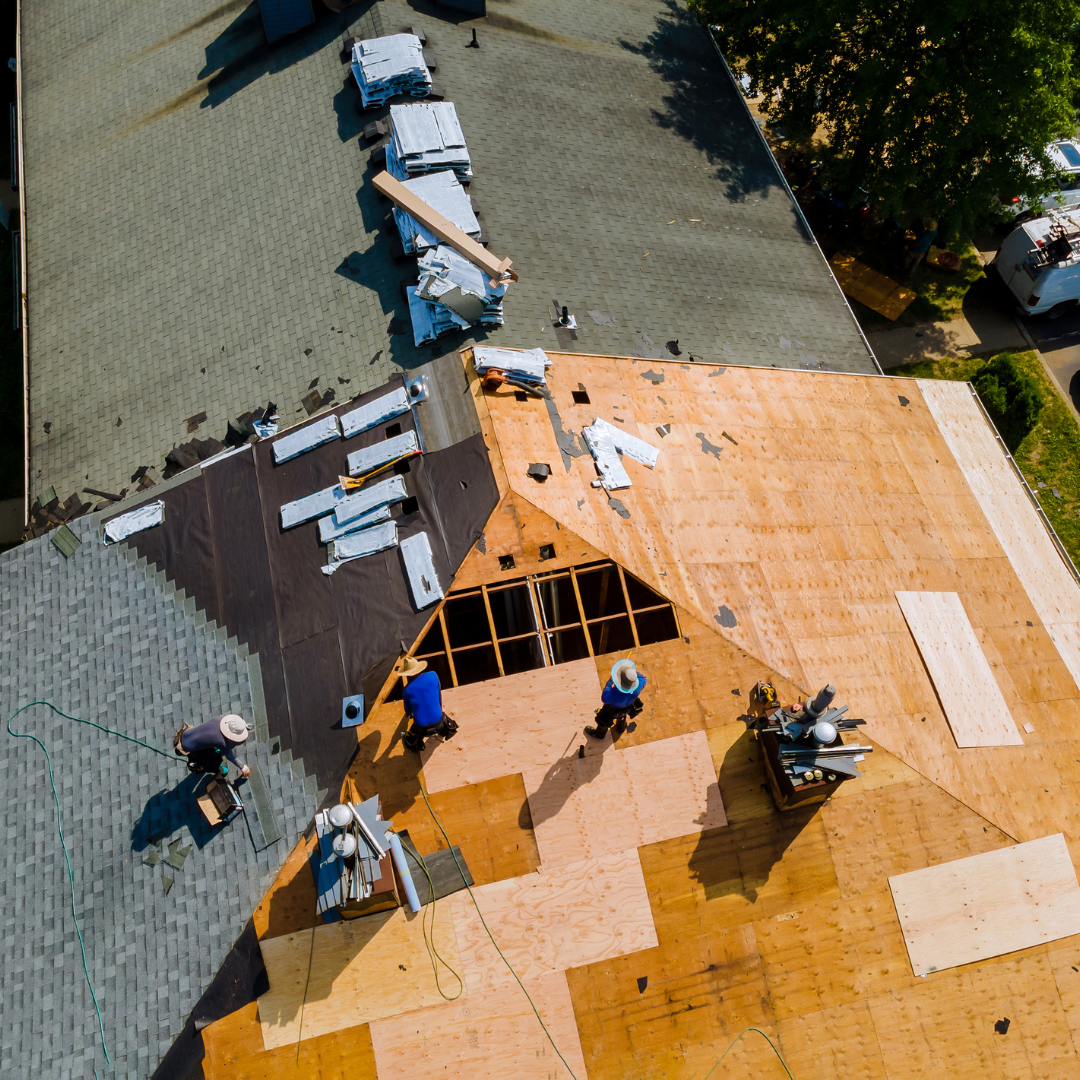
Types of Asphalt Shingles Commonly Used in Vancouver
Different asphalt products suit various budgets and performance requirements.
3-Tab Asphalt Shingles
Construction: Single-layer fiberglass mat coated with asphalt and mineral granules. Three evenly-spaced cutouts create a uniform rectangular appearance.
Vancouver lifespan: 15 years typical with good maintenance, 12-15 years in challenging conditions (heavy shade, poor drainage).
Cost: $4.50-8/sq ft installed ($9,000-16,000 for 2,000 sq ft).
When appropriate: Short-term ownership (under 7 years), rental properties, tight budgets, temporary solutions before major renovations.
Limitations: Lower wind resistance (60-70 mph), thinner construction offers less weather protection, shorter warranties (20-25 years), and faster deterioration in wet climates.
Detailed information in our
3-tab shingles guide.
Architectural / Laminated Shingles
Construction: Multi-layer laminated design with dimensional texture. Layers bonded with asphalt sealant create a 3D appearance mimicking wood shake or slate.
Vancouver lifespan: 25 years typical with proper maintenance, 20-25 years in challenging conditions.
Cost: $5.50-9.50/sq ft installed ($11,000-19,000 for 2,000 sq ft).
Advantages: Better wind resistance (80-130 mph depending on product), thicker construction provides more weather redundancy, enhanced curb appeal, and longer warranties (30-50 years).
Recommendation: Best value for most Vancouver residential applications. The moderate premium over 3-tabs ($2,000-5,000 for a typical home) delivers significantly better performance and longevity.
Impact-Resistant & Premium Shingles
Construction: Reinforced with additional layers or modified asphalt for enhanced impact resistance. Class 4 (highest) rating withstands 2-inch hail impacts.
Benefits: Superior durability against falling branches, hail, and foot traffic. Some insurance companies offer discounts for Class 4 installation (check with the carrier).
Cost: $7-12/sq ft installed. Premium for specialized performance.
Vancouver context: Our climate rarely produces hail, but properties beneath mature trees benefit from impact resistance, protecting against falling branches and debris.
How Much Do Asphalt Shingle Roofs Cost in Vancouver?
Understanding complete project costs helps budget appropriately.
Factors Affecting Costs
Shingle type: 3-tab ($60-100/square material), architectural ($100-150/square), premium ($150-250/square).
Roof complexity: Simple gable roofs install efficiently. Multiple valleys, dormers, skylights, hips increase material waste and labor time. Steep pitch (8:12 or greater) adds safety equipment costs and premium labor rates.
Tear-off requirements: Removing existing roofing adds $1-3/sq ft. Many projects include a complete tear-off, allowing deck inspection and repair.
Access challenges: Dense urban properties with limited access, high-rise buildings, or difficult site conditions increase labor costs through rigging and material handling

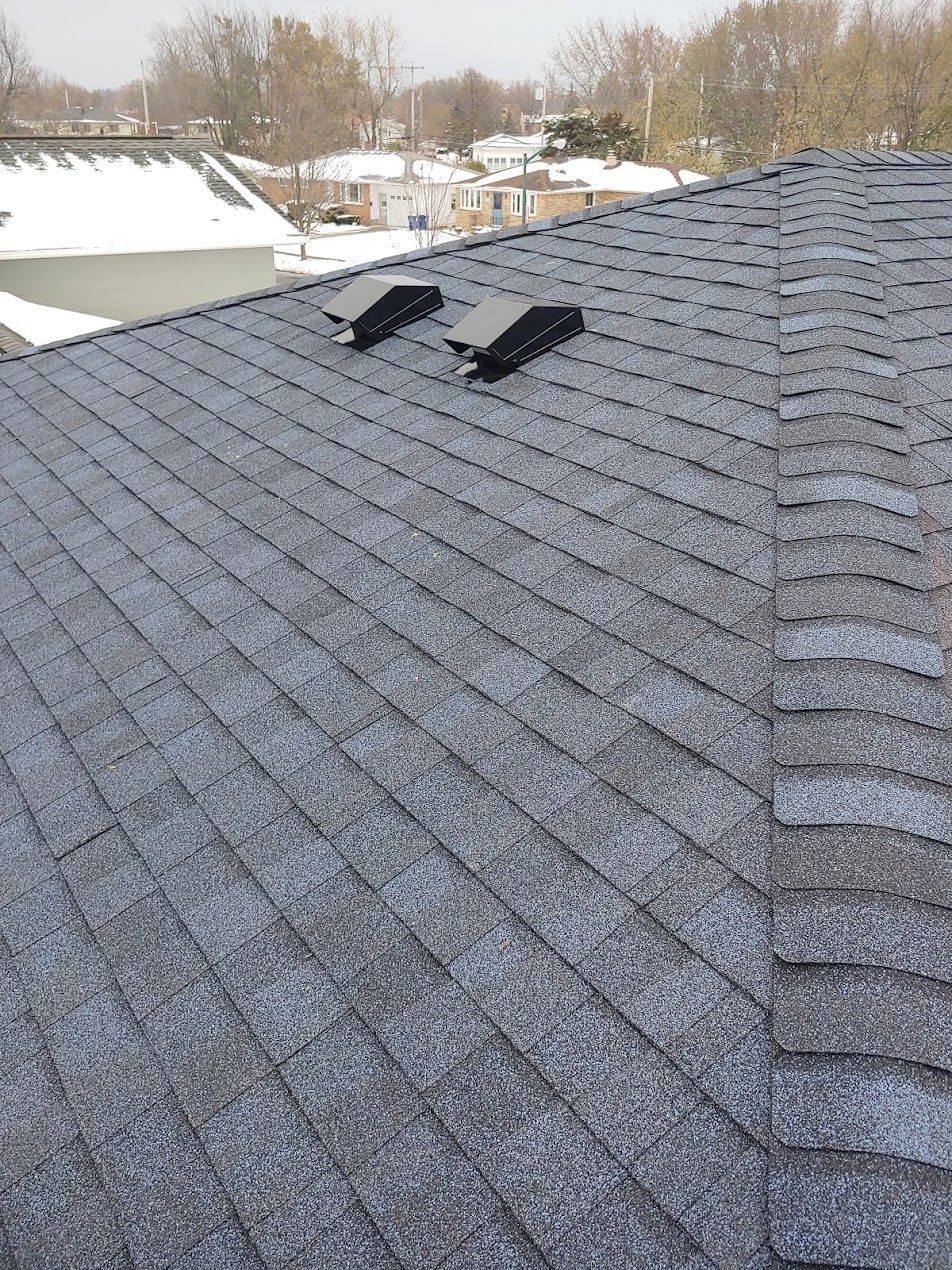
Typical Cost Ranges
Vancouver installed costs (2026):
3-tab shingles:
- Basic installation: $4.50-8/sq ft
- 2,000 sq ft roof: $9,000-16,000
Architectural shingles (most popular):
- Standard installation: $5.50-9.50/sq ft
- 2,000 sq ft roof: $11,000-19,000
Premium architectural/impact-resistant:
- Enhanced installation: $7-12/sq ft
- 2,000 sq ft roof: $14,000-24,000
Costs include tear-off of one layer, synthetic underlayment, ice & water shield at eaves and valleys, standard flashing, and disposal. Complex projects or premium products cost more.
How Long Do Asphalt Shingles Last in Vancouver?
Realistic expectations prevent disappointment and budget surprises.
Manufacturer ratings vs reality: Products claim 20-50 year lifespans depending on type. Vancouver's wet climate shortens these significantly.
What shortens lifespan:
- Poor attic ventilation trapping moisture and heat
- Moss buildup left untreated (reduces lifespan 30-40%)
- North-facing or heavily shaded exposure (limited drying between rains)
- Inadequate underlayment (allows water infiltration, damaging the deck)
- Installation errors (improper nailing, inadequate fastening, poor flashing)
What extends lifespan:
- Annual moss treatment on shaded roofs
- Biannual professional inspections
- Prompt minor repairs
- Adequate ventilation (soffit intake + ridge exhaust)
- Quality installation by experienced contractors
Realistic Vancouver lifespans:
- 3-tab shingles: 12-18 years with maintenance, 10-12 years in challenging conditions
- Architectural shingles: 20-30 years with maintenance, 18-25 years in challenging conditions
- Premium shingles: 25-35 years with maintenance, 22-30 years in challenging conditions
Proper Asphalt Shingle Installation in Vancouver
Installation quality determines whether asphalt shingles reach the expected lifespan or fail prematurely. Vancouver's challenging climate exposes any installation deficiencies.
Importance of Underlayment & Waterproofing
Synthetic underlayment: Quality synthetic products (not felt paper) provide secondary waterproofing lasting 30-40 years. Felt paper degrades in 10-15 years, becoming brittle and losing effectiveness. In Vancouver's damp climate, synthetic underlayment's superior moisture resistance justifies the moderate cost premium.
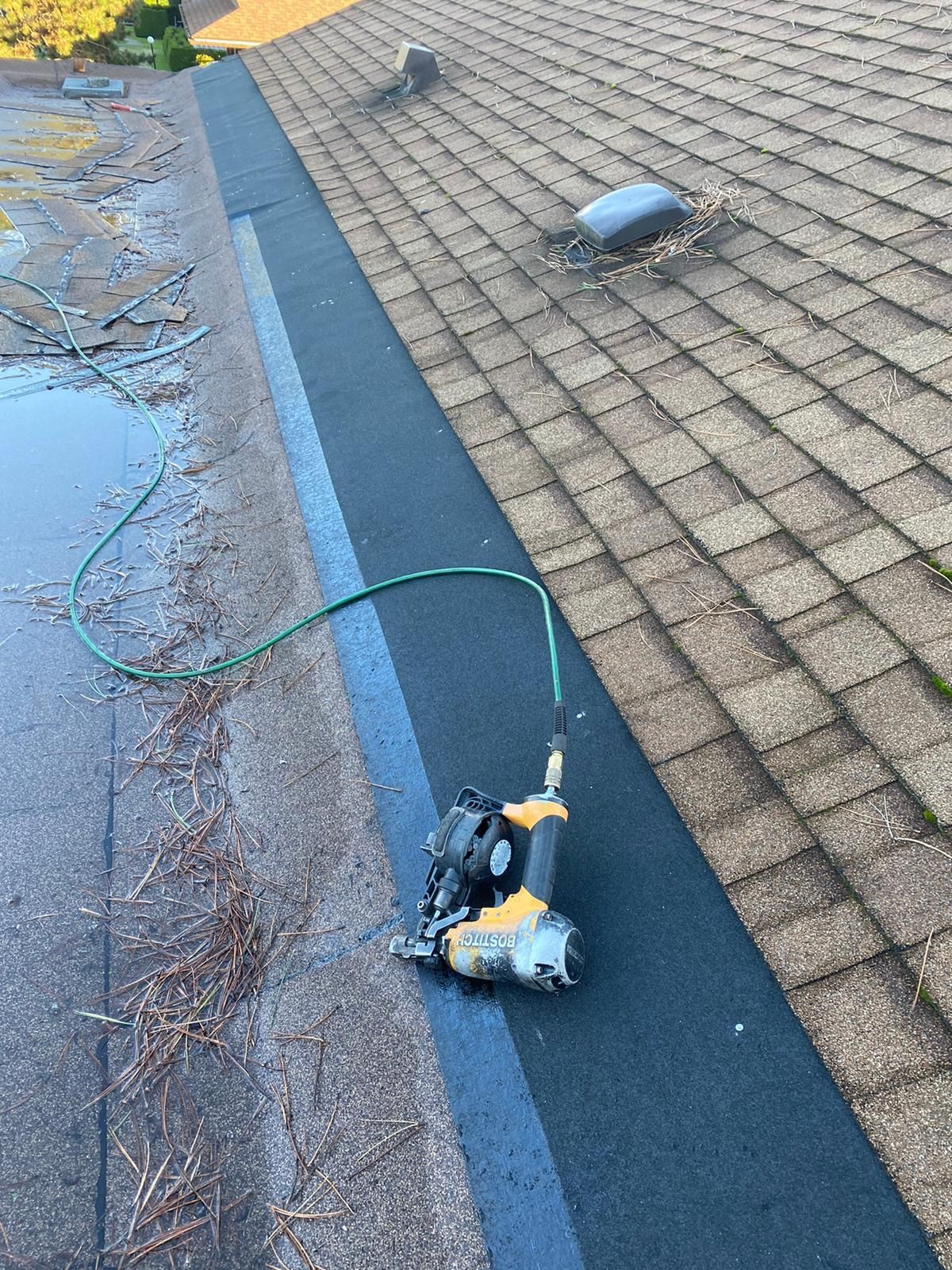
Ice & water shield: Self-sealing membrane applied at eaves (first 3-6 feet), valleys, and penetrations prevents water infiltration. Vancouver rarely experiences ice dams, but this product provides insurance against wind-driven rain and helps prevent leaks at vulnerable areas. Budget installations skip this, creating a leak risk at edges and valleys where water concentrates.
Valley protection: Open valleys require metal flashing (preferably copper or stainless steel for longevity). Woven valleys need proper shingling technique, ensuring each course interlocks correctly without gaps. Valley failures cause 40% of leak complaints on asphalt roofs. Professional installation with attention to valley details prevents water intrusion.
Flashing Integration
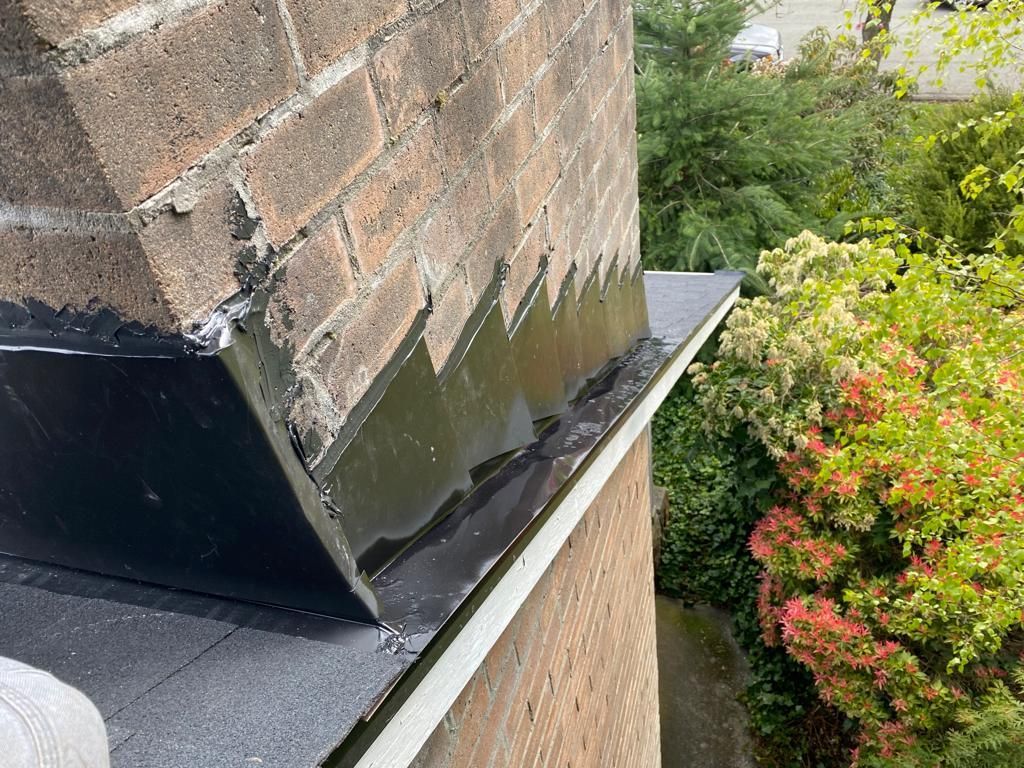
Proper flashing at penetrations prevents most asphalt roof leaks:
Chimney flashings: Step flashing integrates with shingle courses, creating water-shedding layers. Counter flashing embeds in mortar joints, covering step flashing tops. Cheap installations use continuous flashing or rely on caulk, both failing within 5-10 years.
Skylight details: Curbed skylights require custom flashing at the head, sides, and sill. Proper installation includes ice & water shield around the entire opening plus metal flashing integrated with shingle courses. Errors create persistent leaks difficult to trace.
Roof penetrations: Vent pipes, exhaust stacks, and equipment penetrations need proper boots or flashings. Rubber boots degrade in 10-15 years, requiring replacement. Lead or metal flashings last longer but cost more.
Nail Placement & Wind Resistance
Critical fastening: Each shingle requires 4-6 nails (depending on product and wind zone) placed in the manufacturer's designated nail line. Nails driven too high miss the underlying shingle, eliminating wind resistance. Nails too low penetrate the exposed portion, creating leak points and aesthetic concerns.
Common installation errors:
- Overdriven nails breaking through shingle causing immediate failure
- Underdriven nails sitting proud, preventing proper seal strip bonding
- Missed nail zones, creating wind-vulnerable sections
- Incorrect fastener type (smooth vs ring-shank in high-wind areas)
Quality contractors inspect work throughout installation, catching errors before they become expensive problems. Rushed installations, completing 3,000 sq ft in one day, sacrifice quality for speed, creating issues evident within 1-3 years.
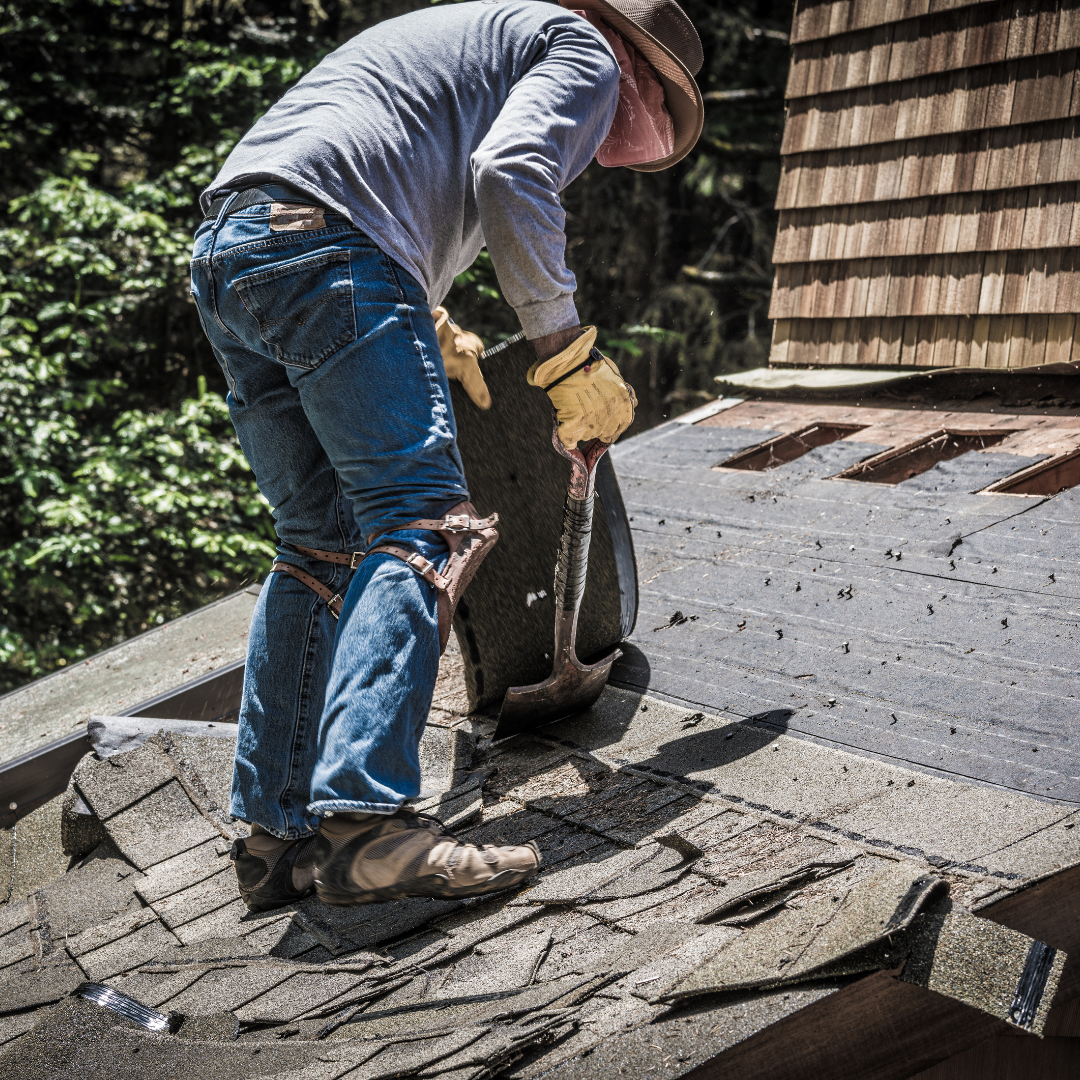
Common Asphalt Shingle Roof Problems in Vancouver
Understanding typical failures helps property owners recognize when professional help is needed.
Leaks & water intrusion: Most leaks occur at valleys, penetrations, and edges rather than in field areas. Water follows the path of least resistance, exploiting any flashing gaps or shingle displacement. Interior stains near chimneys, skylights, or along walls indicate flashing failures requiring professional repair.
Moss & algae damage: Green or black streaks indicate biological colonization. Left untreated, moss penetrates between granules, accelerating deterioration. Properties in shaded locations require annualmaintenance, preventing expensive premature replacement.
Curling, cracking & granule loss: Shingle edges curling upward or downward indicate aging from moisture cycles and thermal stress. Widespread curling (30%+ of roof surface) means replacement is necessary within 1-2 years. Granule loss, exposing black asphalt beneath, accelerates UV damage, creating a feedback loop of progressive deterioration.
Wind damage & missing shingles: Storm events displace improperly installed or aging shingles. Missing pieces expose the underlayment to UV and weather, accelerating overall roof deterioration. Prompt replacement prevents water infiltration and secondary damage.
Pros
✓ Affordable - Lowest-cost pitched roofing option
✓
Widely available - Every roofing contractor installs asphalt
✓
Easy repairs - Individual shingles can be replaced without specialized skills
✓
Variety - Extensive color and style options
✓
Fast installation - 2-4 days for typical homes
✓
Proven performance - Decades of field experience in Vancouver
✓
Insurance acceptance - Standard coverage with no restrictions
Cons
✗ Shorter lifespan in wet climates - 20-30 years vs 40+ for metal
✗
Maintenance required - Annual moss treatment on shaded roofs
✗
Moss vulnerability - Biological growth accelerates deterioration
✗
Granule loss - UV protection degrades over time
✗
Limited recycling - Most end up in landfills
✗
Petroleum-based - Higher environmental impact than some alternatives
Common Asphalt Shingle Roofing Mistakes
Avoiding these errors extends lifespan and prevents expensive problems.
Choosing lowest-cost shingles: 3-tab products save $3,000-7,000 upfront cost significantly more over 30 years through earlier replacement. Architectural shingles deliver better value for homeowners staying 10+ years.
Poor ventilation planning: Inadequate attic ventilation traps moisture and heat, accelerating shingle aging from beneath. Proper intake and exhaust prevent premature failure.
Skipping maintenance: Annual moss treatment costs $300-800 but extends lifespan 5-10 years. The maintenance investment prevents early replacement, costing $12,000-24,000.
Budget installations: Choosing contractors solely on price often means rushed work, inadequate underlayment, improper flashing, and errors evident within 3-5 years requiring expensive corrections.
Overlays without deck inspection: Installing new shingles over old saves $2,000-4,000 but hides deck rot, inadequate ventilation, and structural issues requiring eventual correction at a higher cost.
Are Asphalt Shingles the Right Choice for Your Vancouver Home?
Decision factors:
Budget: Can you afford $11,000-24,000 for quality architectural shingles? If yes, they deliver the best value. If a tight budget demands a cheaper option, 3-tabs provide basic protection, understanding limitations.
Ownership timeline: Planning to stay 15+ years? Invest in quality architectural shingles, avoiding one replacement cycle. Selling within 7 years? Basic 3-tabs are adequate.
Maintenance tolerance: Willing to perform annual moss treatment on shaded roofs? Asphalt requires ongoing attention compared to metal or synthetics.
Property exposure: South/west-facing roofs with good solar exposure perform better. North-facing or heavily shaded locations accelerate deterioration.
Priorities: Value proven materials with wide contractor support? Asphalt fits. Want maximum longevity? Metal or premium synthetics are worth considering.
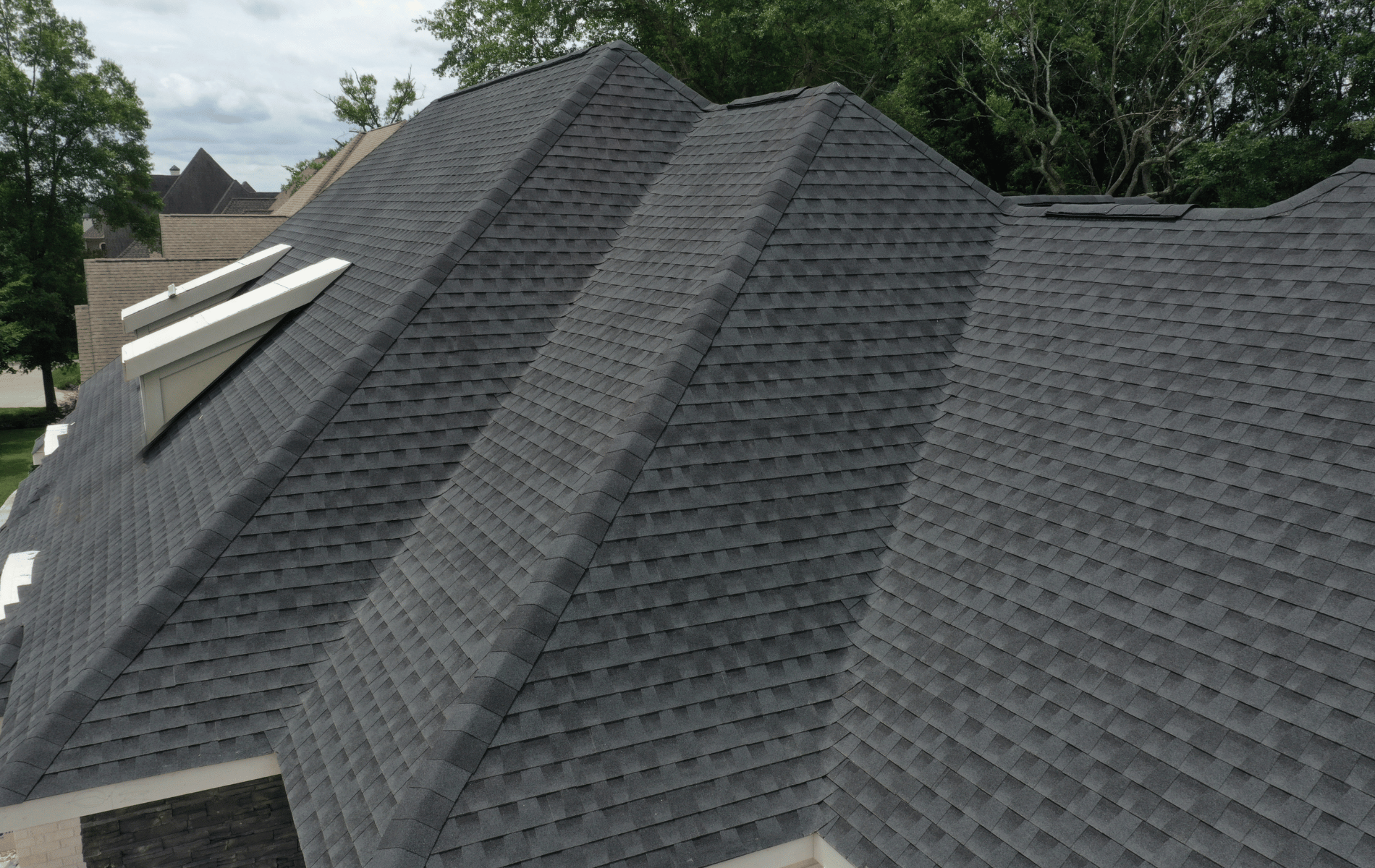
Asphalt Shingles in Vancouver — FAQs
How long do asphalt shingles realistically last in Vancouver?
In Vancouver’s wet coastal climate, architectural asphalt shingles typically last 20–30 years, while 3-tab shingles last about 12–18 years with maintenance. Heavy shade, moss growth, poor ventilation, and installation quality can shorten these ranges.
Are asphalt shingles a good choice for Vancouver’s rain?
Yes , when properly installed and maintained. Asphalt shingles perform well in Vancouver if paired with quality underlayment, proper flashing, ice & water shield at vulnerable areas, and regular moss control. Budget installations tend to fail early in this climate.
What’s the difference between 3-tab and architectural shingles?
- 3-tab shingles are thinner, cheaper, and best for short-term ownership or rentals.
- Architectural (laminated) shingles are thicker, more wind-resistant, last longer, and are the best overall value for most Vancouver homes.
How much maintenance do asphalt shingles need here?
Most Vancouver homes especially shaded or north-facing roofs need annual moss treatment and periodic inspections. Without maintenance, moss can reduce shingle lifespan by 30–40%.
Do asphalt shingles handle Vancouver windstorms well?
Architectural shingles generally do. Many are rated for 110–130 mph winds when installed correctly. Older roofs or 3-tab shingles are more prone to lifting and blow-offs during winter storms.
Can asphalt shingles be installed over an existing roof?
Sometimes, but it’s often not recommended in Vancouver. Overlays can hide deck rot, moisture damage, and ventilation problems. A full tear-off allows inspection and usually results in a longer-lasting roof.
When should I choose asphalt shingles instead of metal or other materials?
Asphalt shingles make sense if:
- You want lower upfront cost
- Your ownership timeline is under 25 years
- You’re comfortable with light ongoing maintenance If you want minimal maintenance and 50+ year lifespan, metal or synthetic materials may be better.
Next Steps for Asphalt Shingle Roofing in Vancouver
Ready to proceed? Here's how:
- Get multiple quotes - Compare at least three proposals
- Verify quality underlayment - Confirm synthetic underlayment and ice & water shield included
- Check credentials - Licensed, insured, Workers Compensation coverage, references
- Review warranties - Understand manufacturer and workmanship terms
- Consider upgrade - Calculate whether premium shingles justify a moderate additional cost
Working with Paragon Roofing BC
Paragon Roofing BC provides honest guidance on asphalt shingle selection throughout Metro Vancouver. We help property owners understand which products deliver the best value for their specific situation, ownership timeline, and budget.
Resources:
- Residential roofing services
- All roofing options
- Contact us for consultation
Asphalt shingles provide reliable weather protection at an accessible cost for Vancouver homes. Understanding climate-specific performance, choosing an appropriate quality level, and maintaining properly maximizes value from North America's most popular roofing material.
Pricing information is for general reference only and may change without notice. Actual asphalt shingle roofing costs depend on roof size, pitch, complexity, material grade, tear-off requirements, deck condition, ventilation upgrades, access constraints, and market conditions at the time of installation. All pricing shown is estimated, and final project cost is determined only after an on-site inspection and a written scope of work.
Here's What Our Existing Clients Think.
Home and business owners we've served across the greater Vancouver area.
Our Google Reviews
Edit Google Reviews Widget
We look forward to helping you.
For all your roofing needs, contact Paragon Roofing BC — call, text, or email us at 604-358-3436
Paragon Res Roof Install #2
We will get back to you as soon as possible.
Please try again later.