Commercial Roof Care in Vancouver: Repairs, Maintenance & Leak Prevention
Vancouver's commercial buildings face relentless moisture exposure. Over 1,150mm of annual rainfall doesn't just test roof systems it actively works to find weaknesses in membranes, flashing, and drainage.
The cost of water intrusion in commercial buildings extends far beyond roof repairs. A single leak can damage inventory worth thousands, disrupt tenant operations, create electrical hazards, and trigger mold growth requiring expensive remediation. Insurance claims, business interruption, and tenant relations all suffer when roofs fail.
The economics are clear:
- Annual maintenance costs: $800–2,500 for typical 5k–25k sq ft roofs
- Emergency leak repair: $2,000-8,000+ per incident
- Interior damage from major leaks: $10,000-100,000+
- Premature roof replacement from neglect: $150,000-500,000
Maintenance isn't an expense it's insurance against catastrophic costs. Regular inspections catch small problems before they become emergencies. A $400 flashing repair identified during routine maintenance prevents a $15,000 emergency call when that flashing fails during a winter storm.
Quality commercial roof repair and maintenance services in Vancouver focus on prevention, not just reaction. The goal is to extend roof life while protecting the building and operations beneath.
Why Proactive Commercial Roof Care Matters in Vancouver
How Vancouver's Climate Impacts Commercial Roof Performance
Constant Rain & Moisture Exposure
Commercial flat roofs in Vancouver never fully dry out. Fall through spring brings continuous moisture exposure, with roofs remaining damp for weeks at a time. This constant saturation tests membrane integrity and accelerates material degradation.
Membrane saturation occurs when water penetrates through cracks, failed seams, or deteriorated flashing. Once moisture enters the roofing system, it becomes trapped between layers. This hidden water causes insulation failure, deck rot, and progressive membrane deterioration from the inside out.
Seal and flashing degradation happens faster in wet climates. Sealants break down under constant moisture exposure, losing adhesion and elasticity. Metal flashing develops corrosion at stress points. These failures typically appear around penetrations, parapet walls, and roof edges where water concentrates.
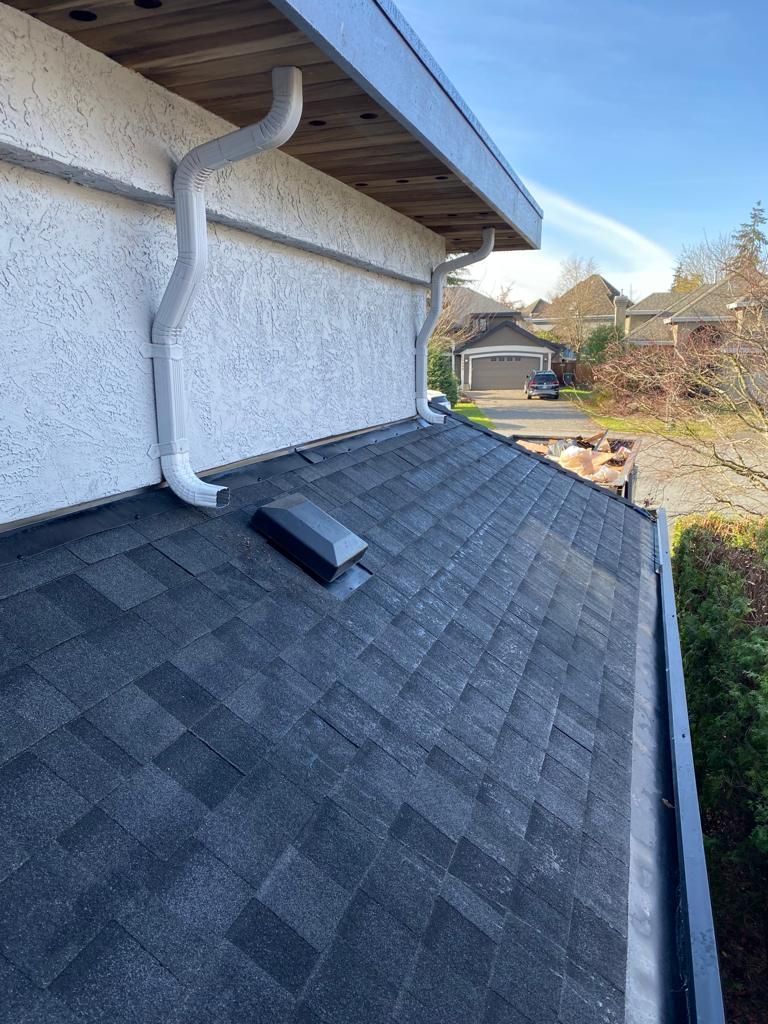
Ponding Water on Flat Roofs
Drainage design flaws become obvious in Vancouver. Water that remains on a roof 48 hours after rainfall indicates inadequate slope or blocked drains. This ponding accelerates membrane wear, adds structural load, and creates ideal conditions for algae growth that further degrades roofing materials.
Common drainage problems:
- Roof slopes that have settled or reversed over time
- Undersized or improperly placed drains for Vancouver's rainfall rates
- Debris accumulation is blocking drainage paths
- Failed crickets or saddles around penetrations
Structural load risks increase with ponding water. A cubic foot of water weighs 62 pounds. Large ponding areas can add thousands of pounds to roof structures not designed for that load. Over time, this can cause deck deflection that worsens the ponding problem.
Wind & Seasonal Storm Damage
Edge lifting occurs during wind events when membrane edges aren't properly secured. Coastal wind gusts exceeding 70 km/h create uplift forces that can peel back inadequately fastened roofing, particularly at building corners and edges.
Parapet and flashing failures happen when wind-driven rain penetrates vulnerable details. The combination of wind pressure and heavy rainfall finds weaknesses in counterflashing, cap flashing, and parapet waterproofing. These failures often go unnoticed until water appears inside the building.
Understanding these climate impacts helps property managers recognize why Vancouver commercial properties need specialized attention beyond what works in drier climates. Our commercial roofing services address these specific challenges
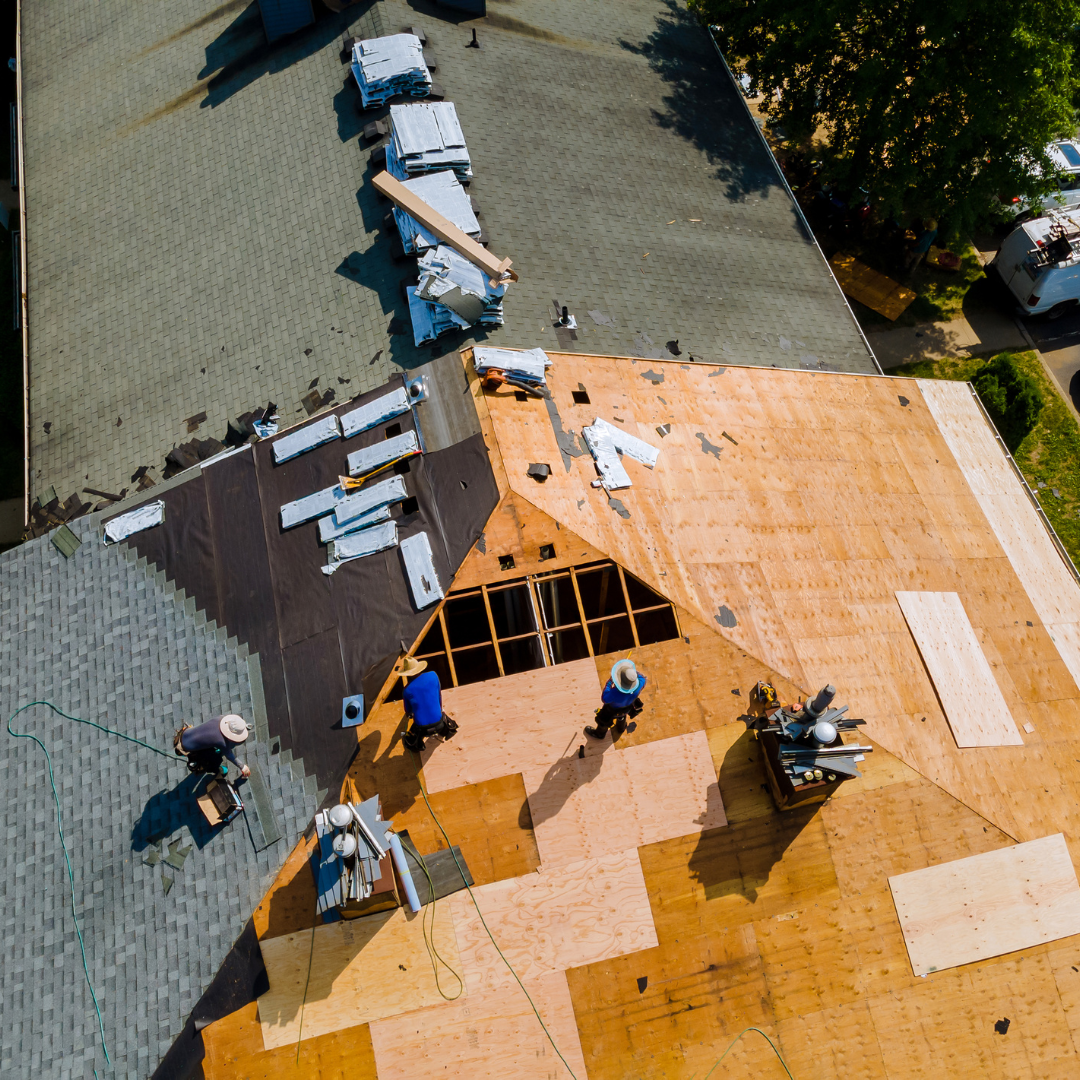
Most Common Commercial Roofing Problems in Vancouver
Roof Leaks & Water Intrusion
Interior damage from roof leaks starts with ceiling stains but quickly progresses to insulation saturation, electrical system exposure, and structural deterioration. Commercial buildings with sensitive equipment or inventory face particularly high risk.
Tenant disruption from leaks can trigger lease violations, rent abatements, or tenant departures. Retail tenants may close temporarily, losing revenue. Office tenants might relocate equipment or staff. The business impact extends well beyond repair costs.
Mold risk develops quickly in moisture-rich environments. Once water penetrates building cavities, mold can establish itself within 48-72 hours. Remediation requires specialized contractors and can force building closures or tenant relocations.
Membrane Damage & Seam Failures
Torch-on splits develop as modified bitumen membranes age and lose flexibility. Thermal cycling causes expansion and contraction, eventually creating cracks. These typically appear first around penetrations and along field seams.
System-specific failures:
- Torch-on: Granule loss, surface cracking, seam separation
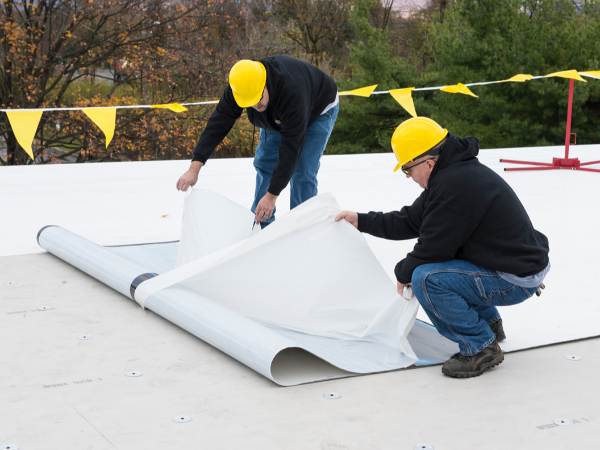
- TPO: Seam delamination, shrinkage, punctures from foot traffic
- EPDM: Punctures, seam tape failure, UV degradation at exposed areas
TPO seam separation happens when heat-welded seams fail due to improper installation or material defects. These failures can be catastrophic, as separated seams allow water to flow freely into the roofing system.
EPDM punctures result from foot traffic, HVAC maintenance, or debris impact. While EPDM is durable, it can be punctured by sharp objects or damaged by concentrated loads.
Drainage & Gutter Problems
Blocked drains are the most common preventable commercial roof problem. Leaves, debris, and roof granules accumulate in drains and scuppers, preventing water discharge. This leads to ponding, increased roof load, and eventual leaks at drain penetrations.
Improper slope results from poor initial design, structural settling, or insulation compression over time. Once slopes reverse or flatten, water has nowhere to go. Correcting slope problems typically requires tapered insulation systems or roof replacement.
Flashing & Penetration Failures
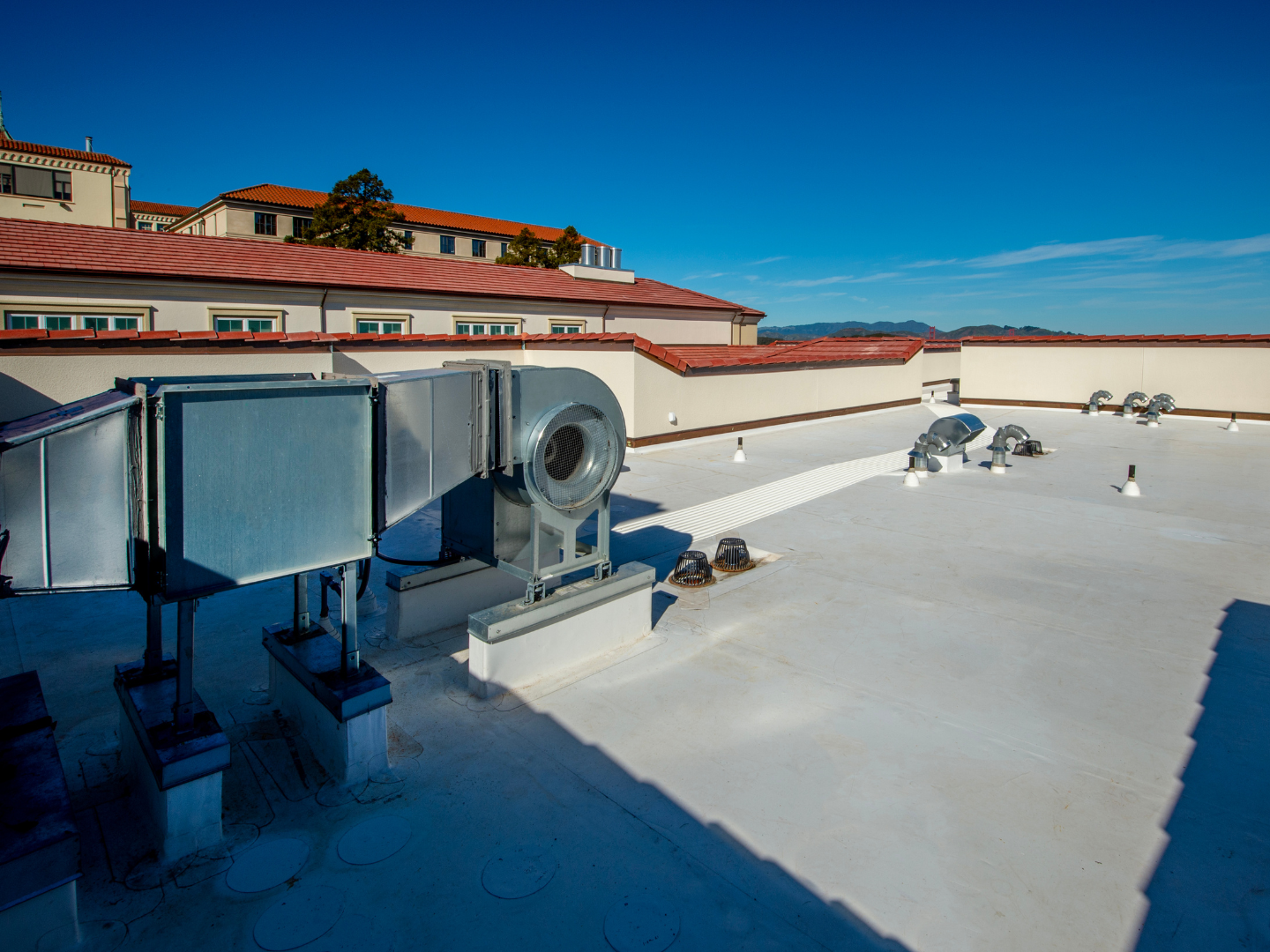
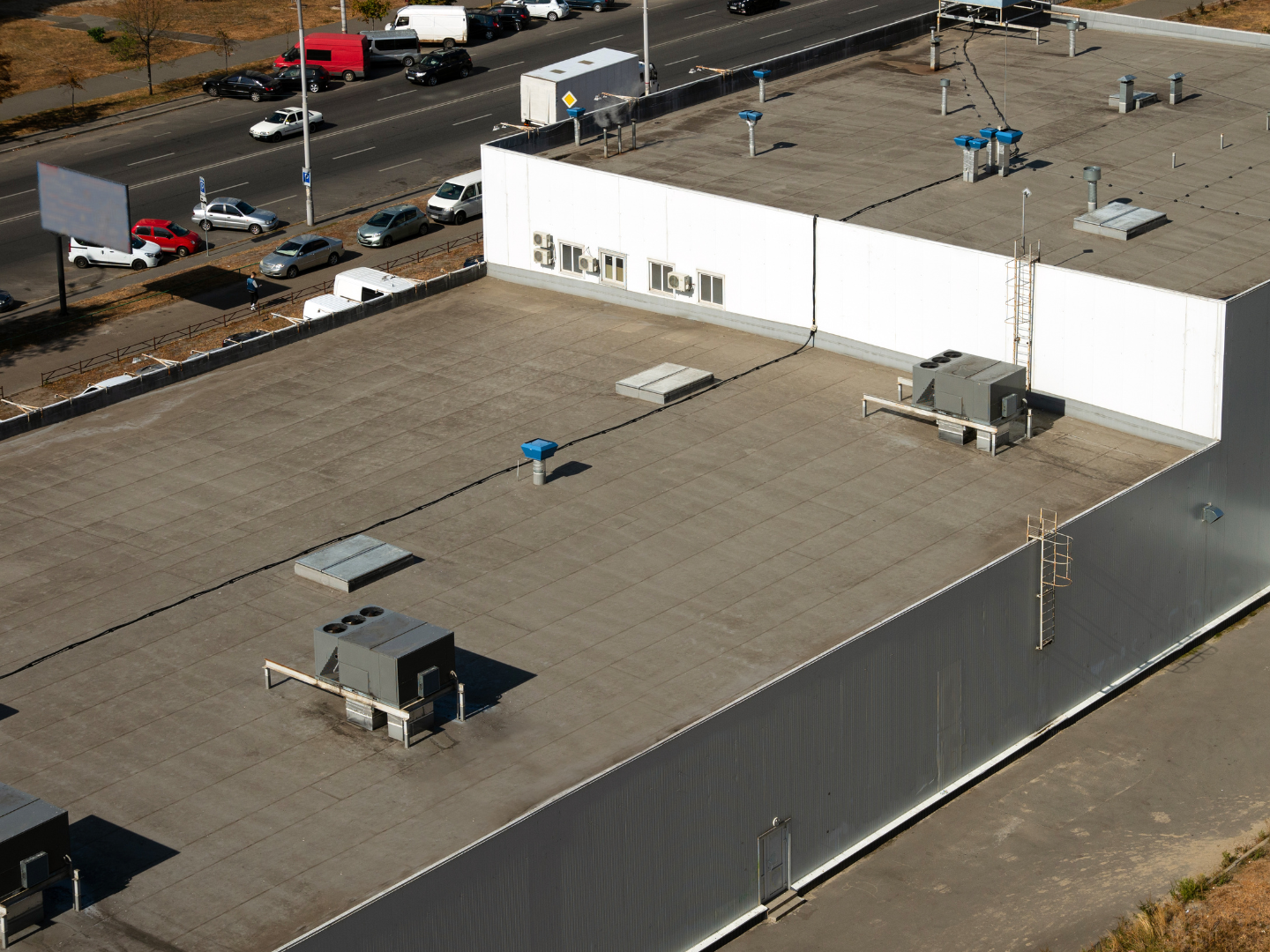
HVAC units create multiple roof penetrations requiring curb flashing, pitch pans, or manufactured boots. Vibration from equipment operation, thermal cycling, and age all contribute to flashing failures around mechanical equipment.
Skylights need proper integration with roofing membranes through manufacturer-specific flashing kits. Failed skylight flashing ranks among the top leak sources on commercial roofs. Our skylight repair and installation services address these critical details.
Roof access points, including hatches, ladders, and walkway supports, all penetrate the roof membrane. Each penetration represents a potential leak point requiring proper flashing and regular inspection.
Ventilation system penetrations similarly require careful flashing and maintenance to prevent water infiltration.
Commercial Roof Repair Options in Vancouver
Targeted Leak Detection & Repairs
Moisture scans using infrared thermography or nuclear moisture meters identify wet areas in roofing systems before they cause visible interior damage. This non-destructive testing locates problem areas for targeted repairs.
Non-invasive diagnostics include visual inspections, moisture detection, and sometimes tracer dye testing to identify leak paths. These methods pinpoint problems without unnecessary roof destruction, reducing repair costs and disruption.
Membrane Repairs & Resealing
Torch-on patches involve cutting out damaged membrane sections and installing new material heat-welded to the existing roof. Proper patching requires matching membrane types and careful preparation to ensure watertight bonds.
Repair techniques by system:
- Modified bitumen: Heat-welded patches with a minimum 6-inch overlap
- TPO: Heat-welded patches with proper surface preparation
- EPDM: Adhesive or tape patches with thorough cleaning and priming
TPO and EPDM seam repairs address separated or failed seams through reactivation, additional mechanical fastening, or complete seam replacement. The specific method depends on the failure cause and extent.
Flashing & Penetration Repairs
Flashing repairs range from simple resealing to complete flashing replacement. Minor repairs might involve new sealant application, while major failures require removing and reinstalling flashing components.
Vent flashing repairs address leaks around plumbing vents, exhaust vents, and other penetrations. These repairs must account for both waterproofing and thermal movement of the penetration.
HVAC curb repairs involve resealing or replacing curb flashing where rooftop equipment sits. Equipment replacement provides opportunities for complete curb and flashing upgrades.
Drainage & Ponding Water Corrections
Drain cleaning removes debris and ensures free water flow. This simple maintenance prevents most ponding water problems and should occur at least twice annually spring and fall.
Slope improvements address persistent ponding through tapered insulation installation or deck modifications. While more expensive than simple repairs, slope corrections prevent ongoing problems and extend roof life.
Commercial Roof Maintenance Programs in Vancouver
What Commercial Roof Maintenance Includes
Scheduled inspections typically occur twice annually, in spring and fall. Spring inspections assess winter storm damage and prepare drainage for summer rainfall. Fall inspections ensure systems are ready for Vancouver's wet season.
Comprehensive maintenance includes:
- Membrane condition assessment
- Seam and flashing inspection
- Drain and scupper cleaning
- Minor repairs (under specified limits)
- Photographic documentation
- Written inspection reports
Minor repairs during maintenance visits catch small problems immediately. Most maintenance contracts include repairs up to a specified value, ensuring issues get addressed before they escalate.
Drainage checks involve clearing drains, testing water flow, and identifying areas where ponding occurs. Maintaining proper drainage is the single most important preventative measure for flat roofs in Vancouver.
Documentation creates a service history that supports warranty claims, insurance requirements, and long-term planning. Photos and reports track roof condition over time, helping predict replacement needs.
Preventative Maintenance vs Reactive Repairs
Cost comparison between maintenance and reactive approaches is stark. Annual maintenance costing $1,500 prevents emergency repairs averaging $5,000-10,000 annually. Over a roof's lifetime, maintenance programs save 40-60% compared to reactive-only approaches.
Preventative maintenance advantages:
- Planned costs vs unpredictable emergency expenses
- Repairs during optimal weather vs emergency conditions
- Extended roof life (often 30-50% longer)
- Reduced interior damage and business disruption
- Better insurance claims history
Risk reduction through maintenance protects both the building and operations. Regular inspections catch problems before they cause interior damage, protecting inventory, equipment, and tenant relationships.
Frequency of Commercial Roof Maintenance
Annual inspections represent the minimum for commercial properties. Buildings with complex roof systems, critical operations, or valuable inventory benefit from quarterly inspections.
Seasonal checks in spring and fall address Vancouver's weather patterns. Spring inspections prepare for occasional summer storms and identify winter damage. Fall inspections ensure drainage is clear and systems are ready for the heavy rainfall season.
Our
commercial roofing programs include customized maintenance schedules based on building age, roof system type, and operational requirements.
How Commercial Roof Maintenance Prevents Leaks
Early Detection of Vulnerable Areas
Seams are the most common leak points on membrane roofs. Regular inspection identifies seam separation, edge lifting, or fish-mouths before they allow water intrusion. Early detection allows simple repairs instead of extensive membrane replacement.
Flashing inspection catches deteriorating sealants, loose metal components, and gaps in waterproofing. These problems worsen rapidly once started, making early detection critical.
Drainage points concentrate water flow and therefore stress roofing materials. Inspecting drains, scuppers, and surrounding areas identifies problems before they cause leaks or structural damage.
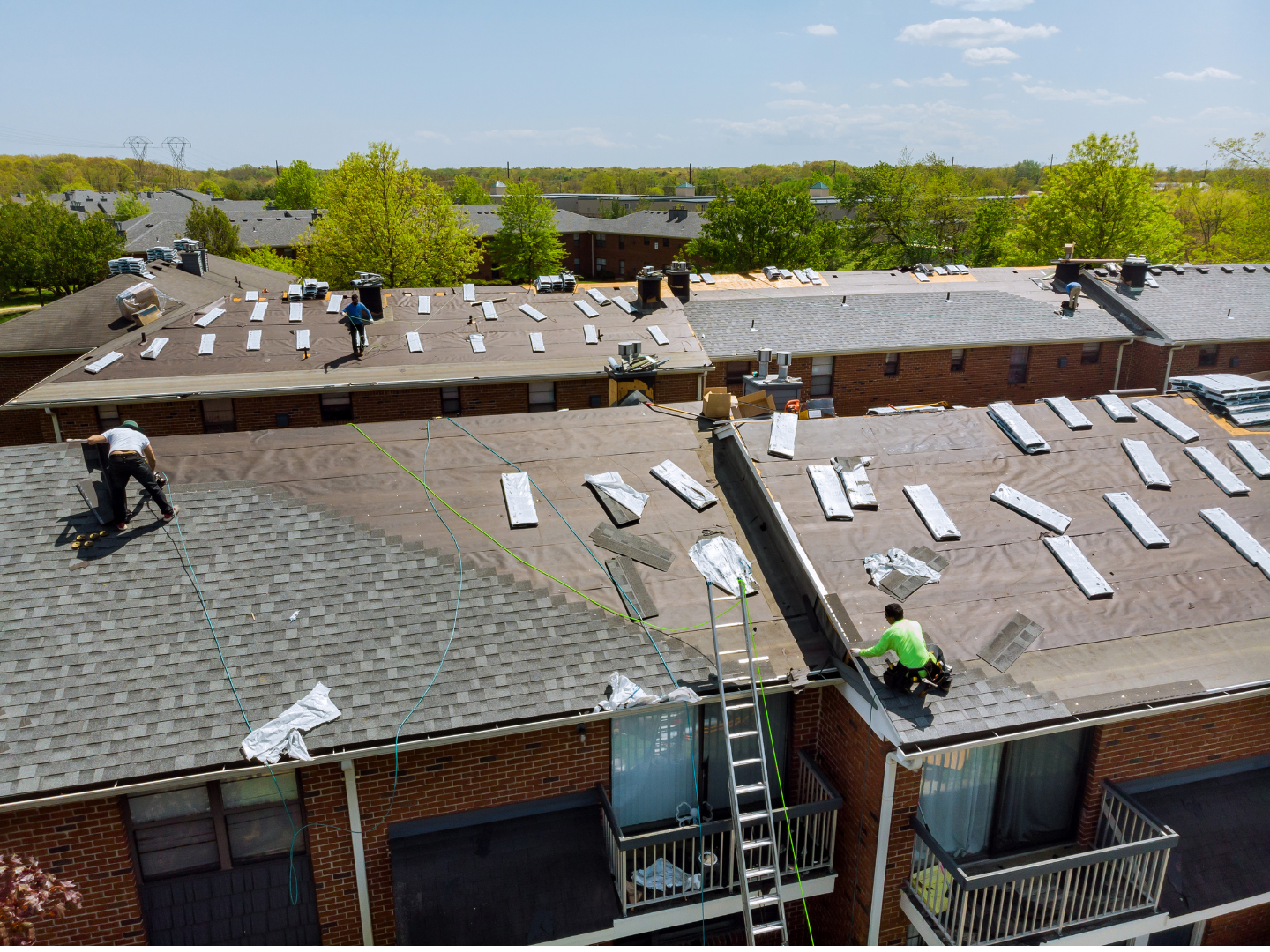
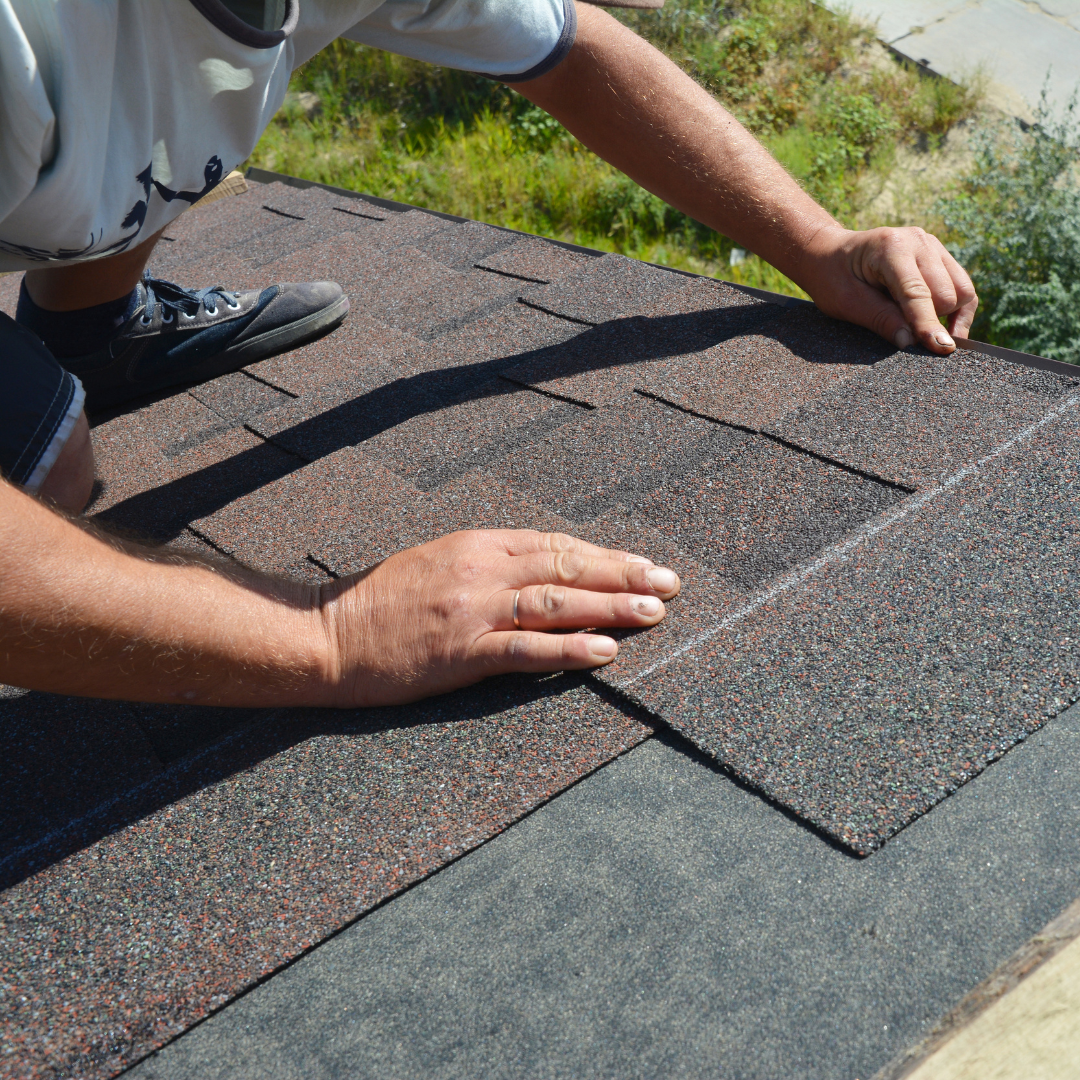
Addressing Small Issues Before Escalation
Minor repairs cost hundreds of dollars and take hours to complete. The same problems left unaddressed become emergency situations costing thousands and requiring days of work.
Escalation examples:
- Small seam separation → complete seam failure → interior flood damage
- Minor flashing gap → parapet leak → wall cavity saturation → mold remediation
- Partially blocked drain → complete blockage → roof collapse risk
Catching problems early breaks this escalation cycle. A $300 repair during scheduled maintenance prevents a $8,000 emergency repair six months later
Protecting Interior Assets & Operations
Inventory protection matters particularly for retail and warehouse operations. Water damage to merchandise can exceed roof repair costs by orders of magnitude. Regular roof maintenance protects these assets.
Equipment, including HVAC systems, electrical panels, and IT infrastructure, requires protection from water intrusion. A single leak damaging electrical systems can cause operational shutdowns costing far more than roof maintenance.
Tenant protection through proactive roof care maintains lease relationships and prevents disputes. Tenants expect dry, safe spaces. Roof leaks breach this fundamental expectation and can trigger legal issues.
Commercial Roof Repair & Maintenance Costs in Vancouver
Factors That Affect Repair & Maintenance Costs
Roof size and access determine base costs. Larger roofs take more time to inspect, but achieve some economies of scale. Difficult access requiring specialized equipment increases costs.
Roofing system type affects maintenance requirements and costs. Torch-on systems need different maintenance than TPO or EPDM. Metal roofs require distinct inspection and repair approaches.
Cost drivers include:
- Building height and access requirements
- Roof system complexity and age
- Number of penetrations requiring inspection
- Frequency of scheduled service
- Included repair allowances
- Emergency vs scheduled service rates
Frequency of service impacts per-visit costs. Annual inspections cost more per visit than quarterly programs, but quarterly programs cost more annually. The right frequency balances cost against risk and roof condition.
Emergency versus scheduled work creates significant cost differences. Emergency repairs often cost 50-100% more than the same repair during scheduled service. Premium rates reflect after-hours work, rapid mobilization, and disrupted schedules.
Typical Cost Ranges
Minor commercial roof repairs:
- Small membrane patches: $400-1,200
- Flashing repairs: $500-1,500
- Drain cleaning and minor repairs: $300-800
- Seam resealing (limited areas): $600-2,000
Ongoing maintenance programs:
- Annual inspection and minor repairs: $800-2,500 for typical commercial buildings
- Bi-annual programs: $1,500-4,000 annually
- Quarterly programs: $2,500-6,000 annually
Emergency repairs:
- Emergency leak response: $1,500-5,000+ per incident
- Storm damage repairs: $3,000-15,000+ depending on extent
- Temporary protection and tarping: $800-3,000
These ranges reflect typical Vancouver-area pricing for buildings 5,000-25,000 square feet. Larger buildings or specialized systems may cost more.
Cost ranges reflect Vancouver-area pricing as of 2024-2025. Actual costs depend on specific building conditions and service requirements.
For a comprehensive understanding of commercial roofing investments, our commercial roof installation guide provides a replacement cost context.
Emergency Commercial Roof Repair in Vancouver
What Qualifies as a Roofing Emergency
Active leaks during business hours constitute emergencies. Water entering the building damages inventory, equipment, and operations. Immediate response prevents escalating damage.
Storm damage, including membrane tears, edge blow-offs, or significant flashing failures, requires emergency attention. These problems worsen rapidly if left exposed to the weather.
Emergency situations:
- Active interior leaking affecting operations or inventory
- Membrane damage, exposing the roof deck to rain
- Blocked drains are causing dangerous water accumulation
- Wind damage is compromising the building envelope
- Structural concerns from water loading
Structural risk from ponding water or damaged roof decking requires immediate evaluation. Water accumulation can exceed design loads, creating collapse risk.
Temporary Mitigation Measures
Tarping provides emergency weather protection while permanent repairs are planned. Proper tarping requires secure attachment points and consideration of Vancouver's wind conditions.
Drain clearing can immediately reduce ponding water and prevent structural overload. Emergency drain service removes blockages, allowing accumulated water to discharge.
Leak containment inside the building protects inventory and operations while external repairs are arranged. This might involve temporary barriers, collection systems, or equipment relocation.
Why Fast Response Matters for Commercial Buildings
Business continuity depends on maintaining dry, safe operations. Every hour of water intrusion increases damage costs and operational disruption. Fast response minimizes these impacts.
Insurance claims benefit from documented rapid response. Insurers look favorably on property owners who act quickly to mitigate damage. Delayed response can affect claim settlements.
Maintenance Planning & Reporting for Commercial Roofs
Creating a Long-Term Roof Maintenance Plan
Multi-year planning aligns roof care with capital budgets and operational schedules. A 5-10 year roof maintenance plan identifies projected repair needs, replacement timing, and annual costs.
Budget forecasting uses inspection data and roof age to predict expenses. This prevents surprise costs and allows proper financial planning for both maintenance and eventual replacement.
Inspection Reports & Documentation
Photos provide visual records of roof condition over time. Comparing photos from successive inspections reveals deterioration patterns and validates repair recommendations.
Comprehensive reports include:
- Overall roof condition assessment
- Specific problem areas with photos
- Completed repairs during visit
- Recommended future repairs with priority levels
- Estimated costs for recommended work
- Roof life expectancy assessment
Repair history documentation tracks all work performed on the roof. This creates accountability, supports warranty claims, and helps new property managers understand roof status.
Warranty compliance requirements often mandate regular maintenance and documentation. Manufacturer warranties may require annual inspections by certified contractors to remain valid
Maintenance for Insurance & Compliance
Claims support from maintenance records demonstrates responsible property management. Insurance adjusters view regular maintenance documentation favorably when evaluating claims.
Risk management through documented maintenance reduces liability exposure. If roof problems cause damage, documentation showing proper care protects property owners from negligence claims.
How Maintenance Extends the Life of Commercial Roofs
Average Lifespan by Roofing System
Expected service life with proper maintenance:
- Torch-on (modified bitumen): 15-20 years, up to 25 with excellent care
- TPO: 20-25 years, potentially 30+ with proper maintenance
- EPDM: 20-25 years, sometimes 30+ years
- Metal roofing: 30-50+ years, depending on coating and maintenance
These lifespans assume regular maintenance, timely repairs, and Vancouver climate conditions. Poor maintenance can reduce these numbers by 30-50%.
How Poor Maintenance Shortens Roof Life
Water infiltration accelerates all deterioration processes. Once moisture enters the roofing system, it attacks insulation, deck materials, and the membrane from the inside. This hidden damage often goes unnoticed until catastrophic failure occurs.
Structural damage from prolonged moisture exposure can require complete roof replacement years before the membrane's expected failure. Rotted decking, damaged structural members, and compromised insulation all necessitate full replacement rather than simple membrane renewal.
When maintenance fails, and replacement becomes necessary, our commercial roof installation services provide comprehensive solutions.
DIY Roof Checks vs Professional Commercial Roof Maintenance
What Building Staff Can Monitor Safely
Visual inspections from inside the building can identify active leaks, ceiling stains, or visible damage. Building staff should report these observations immediately for professional evaluation.
Drain observation from ground level or safe roof access points helps identify obvious blockages. Clearing accessible debris from drains between professional visits extends the time between ponding problems.
Safe building staff activities:
- Interior leak monitoring and reporting
- Ground-level exterior observations
- Clearing accessible debris from drains
- Noting unusual water staining or damage
Why Professional Maintenance Is Essential
Safety requirements for commercial roof work include fall protection, proper training, and appropriate equipment. These requirements exceed most building maintenance staff capabilities and create liability if untrained personnel attempt roof work.
Specialized repairs require roofing expertise and proper materials. Improper repairs often cause more damage than they prevent. Torch work, membrane welding, and flashing installation need professional execution.
Documentation for warranties, insurance, and property records requires professional inspections. Building staff observations supplement but don't replace professional maintenance programs.
How to Choose a Commercial Roof Repair & Maintenance Contractor in Vancouver
Flat-roof experience with commercial properties matters more than residential roofing credentials. The challenges of commercial flat roofs differ significantly from residential sloped roofs.
Essential contractor qualifications:
- Minimum 5-10 years of commercial flat roof experience
- Emergency response capability with 24/7 availability
- Proper WorkSafeBC coverage and safety certifications
- Maintenance program experience, not just a repair focus
- Clear inspection reporting with photos and recommendations
- Transparent pricing for both scheduled and emergency work
Emergency response capability separates commercial contractors from residential operations. Building owners need contractors who respond quickly to urgent problems, including after-hours and weekend availability.
Safety compliance demonstrates professional operations. Commercial roof work involves significant fall risk and requires proper safety systems, training, and documentation.
Commercial Roof Care in Vancouver – FAQs
Why is proactive commercial roof maintenance essential in Vancouver?
Proactive commercial roof maintenance is essential in Vancouver because constant rainfall accelerates membrane, flashing, and drainage failures. Regular inspections prevent small moisture issues from becoming costly leaks, mold growth, and structural damage.
What are the most common commercial roofing problems in Vancouver?
The most common commercial roofing problems in Vancouver are roof leaks, seam failures, ponding water, blocked drains, flashing deterioration, and wind-related membrane damage caused by prolonged moisture exposure.
How does regular commercial roof maintenance prevent leaks?
Regular commercial roof maintenance prevents leaks by identifying seam separation, flashing failure, and drainage blockages early. Addressing these issues during scheduled inspections stops water from entering the roofing system.
How often should commercial roofs be inspected in Vancouver?
Commercial roofs in Vancouver should be inspected at least twice per year, typically in spring and fall. Buildings with complex systems or critical operations often require quarterly inspections.
How much does commercial roof maintenance cost in Vancouver?
Commercial roof maintenance in Vancouver typically costs between $800 and $2,500 per year for mid-sized buildings. Routine maintenance reduces emergency repair costs, which are often significantly higher.
What qualifies as a commercial roofing emergency?
A commercial roofing emergency includes active interior leaks, storm damage exposing the roof deck, dangerous ponding water, wind-related membrane failure, or structural risk from water loading.
How does maintenance extend the life of a commercial roof?
Regular maintenance extends the life of a commercial roof by 30–50% by preventing moisture infiltration, protecting insulation, and avoiding structural deterioration that forces early replacement.
Next Steps for Commercial Roof Repair & Maintenance in Vancouver
Professional roof inspection provides the foundation for any maintenance program. A thorough evaluation identifies current problems, assesses overall condition, and recommends a maintenance schedule appropriate for your building.
Maintenance program consultation discusses frequency options, included services, and cost structures. Customized programs address your specific building needs, operational requirements, and budget parameters.
Emergency repair contact information should be readily available before emergencies occur. Establishing a relationship with a commercial roofing contractor before urgent needs arise ensures a faster response when problems develop.
Our comprehensive
commercial roofing services
include inspection, maintenance programs, emergency repairs, and full replacement when needed.
Contact us to schedule a commercial roof inspection or discuss maintenance program options for your Vancouver property. Visit our
homepage to learn more about our commercial roofing expertise across Metro Vancouver.
Disclaimer: Pricing and cost ranges on this page are provided for general informational purposes only. Actual commercial roof repair and maintenance costs in Vancouver vary based on roof size, system type, building access, existing conditions, and scope of work. All pricing reflects typical Vancouver-area ranges at the time of writing and does not represent a fixed quote or guarantee. A professional on-site inspection is required for accurate pricing.
Here's What Our Existing Clients Think.
Home and business owners we've served across the greater Vancouver area.
Our Google Reviews
Edit Google Reviews Widget
We look forward to helping you.
For all your roofing needs, contact Paragon Roofing BC — call, text, or email us at 604-358-3436
Paragon Res Roof Install #2
We will get back to you as soon as possible.
Please try again later.