Residential Roof Maintenance in Vancouver: Seasonal Checklist & Cost-Saving Tips

Why Roof Maintenance Matters More in Vancouver Than Most Cities
Why Vancouver's Climate Demands More Roof Maintenance
Constant Rain & Moisture Exposure
Seal degradation acceleration: Caulk and sealants around penetrations (vents, skylights, chimneys) deteriorate faster in persistent dampness. Materials lasting 15-20 years in dry climates fail in 8-12 years here, requiring more frequent inspection and replacement.
Hidden leak development: Water infiltrating through small deficiencies travels along the roof framing before becoming visible. By the time ceiling stains appear, extensive hidden damage often exists. Regular inspections catch small problems before they escalate.
Moss, Algae & Organic Growth
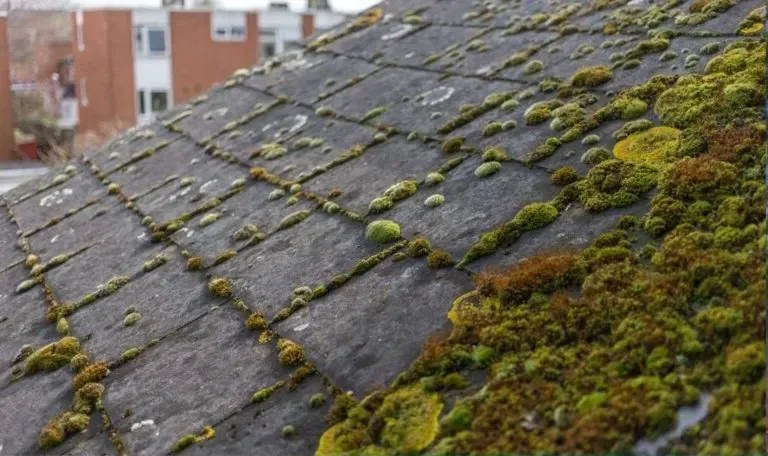
Shingle lifting from biological growth: Moss root structures penetrate between granules, breaking the bond with the underlying asphalt. As growth expands, it physically lifts shingle edges, creating water infiltration pathways.
Granule loss acceleration: Biological colonization holds moisture against surfaces, accelerating granule detachment. Once granules are lost, bare asphalt deteriorates rapidly from UV exposure, potentially cutting years off the expected service life, often reducing a roof’s practical lifespan by a significant margin if left completely untreated.
Drainage blockage: Accumulated organic debris (leaves, needles, moss) blocks gutters and roof drains, causing overflow situations. Water backing up under shingles creates edge deterioration and interior leaks.
Properties with aggressive moss requiring annual treatment without maintenance see shingle deterioration requiring premature replacement. Regular treatment extends lifespan significantly while addressing specific repair needs early.
Seasonal Storms & Wind Damage
Lifted shingles from wind events: Vancouver's winter windstorms (80-90 km/h gusts) test shingle adhesion. Regular inspections identify lifted areas requiring simple refastening before complete blow-offs necessitate emergency repairs.
Flashing movement: Wind-driven rain creates uplift forces on flashing components. Periodic inspection catches loosening fasteners or displaced flashings before water infiltration occurs.
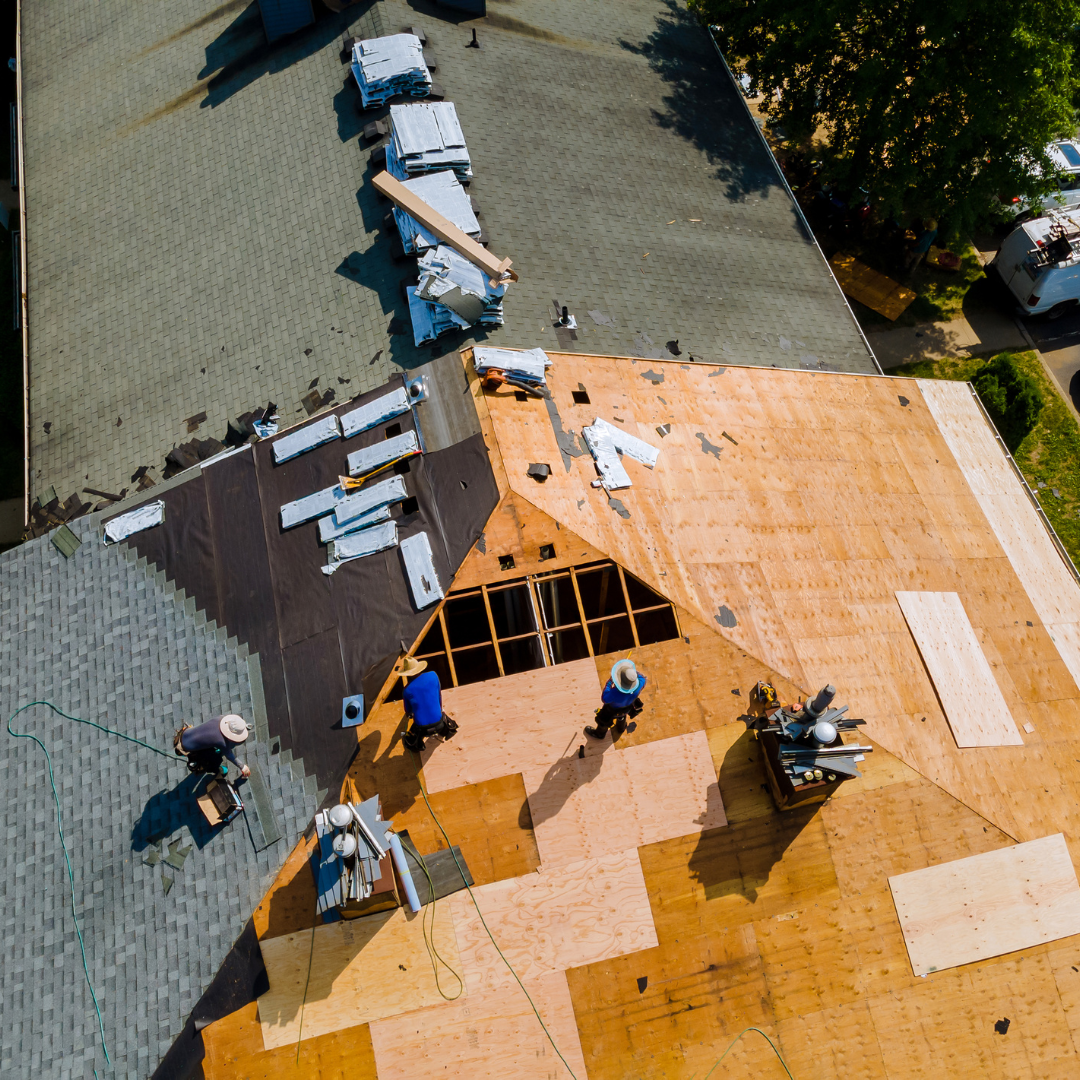
What Residential Roof Maintenance Includes
Clarifying maintenance scope prevents misconceptions about what systematic care provides.
Maintenance differs from repair: Maintenance addresses normal wear requiring minor adjustments, cleaning, or preventative treatments. Repairs fix actual damage or failures requiring material replacement or reconstruction.
Maintenance differs from replacement: Comprehensive care extends the existing roof lifespan but cannot restore exhausted materials. Well-maintained roofs eventually require replacement, but achieve full expected service life rather than premature failure.
Preventative Inspections
Visual checks: Systematic examination of all roof components, identifying:
- Missing, damaged, or lifted shingles
- Flashing condition at chimneys, valleys, and penetrations
- Seal integrity around skylights and vents
- Debris accumulation requiring removal
- Moss or biological growth warrants treatment
- Gutter function and drainage performance
Moisture detection: For properties with leak history or aging roofs, infrared scanning or moisture meters identify hidden water infiltration before interior damage becomes evident.

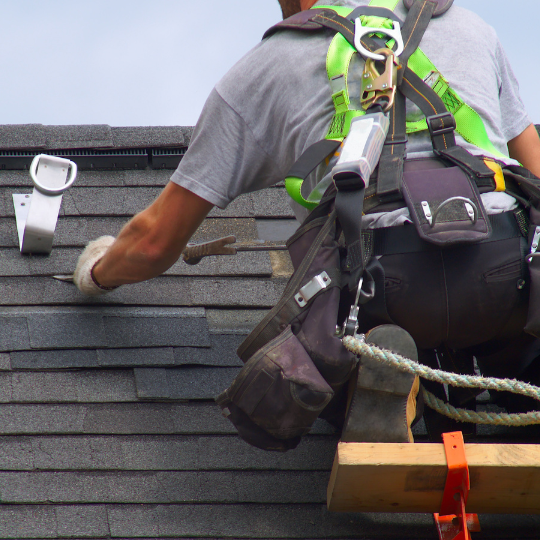
Minor Adjustments & Early Fixes
Resealing small gaps: Caulk touch-ups around penetrations, minor flashing adjustments, or seal maintenance prevent water infiltration at minimal cost ($100-300 typically) versus expensive repairs after leaks establish.
Fastener checks: Refastening lifted shingles, securing loose flashings, or replacing inadequate fasteners addresses wind damage and prevents progressive deterioration.
Clearing debris: Removing accumulated organic material, clearing gutters and drains, and eliminating moss growth prevents drainage problems and biological damage.
Seasonal Roof Maintenance Checklist for Vancouver Homes
Systematic year-round care addresses climate-specific challenges appropriately timed for maximum effectiveness.
Spring Roof Maintenance Checklist (April-May)
Inspect for winter damage:
- Check for missing or damaged shingles from winter storms
- Look for lifted or displaced flashings
- Identify any new ceiling stains indicating leaks
- Examine the attic for moisture signs or condensation damage
Clear moss & debris:
- Remove accumulated winter debris from the roof surface, valleys, and gutters
- Apply moss treatment before summer growth dormancy
- Clear organic material from around chimneys and skylights
- Ensure drainage pathways are clear
Inspect skylights & vents:
- Verify skylight seals are intact without cracks
- Check attic ventilation systems are functioning properly
- Ensure soffit vents are unblocked by insulation
- Confirm ridge vents are clear of debris
Check flashings and sealants:
- Inspect the chimney step and counter flashings for displacement
- Verify skylight curb flashings remain sealed
- Check vent penetration boots for cracking or deterioration
- Note any caulk failures requiring attention
Schedule identified repairs: Address problems discovered during inspection while dry weather allows efficient work.
Summer Roof Maintenance Checklist (June-August)
Look for UV damage:
- Check for excessive granule loss in gutters
- Identify curling or brittleness from heat exposure
- Note any shingle cracking or splitting
- Assess overall material condition
Plan repairs during dry weather:
- Complete non-emergency repairs identified during spring inspection
- Address moss treatment if not done in the spring
- Consider preventative resealing of aging penetrations
- Schedule any significant work requiring extended dry periods
Address ventilation issues:
- Verify adequate airflow, preventing extreme attic temperatures
- Check for condensation signs despite summer heat
- Ensure balanced intake and exhaust ventilation
- Consider ventilation upgrades if deficiencies are identified
Fall Roof Maintenance Checklist (September-October)
Clear gutters & drains:
- Remove accumulated summer and early fall debris
- Verify downspouts direct water away from the foundation
- Check the drain function on flat or low-slope sections
- Ensure overflow systems are clear and functional
Prepare for the heavy rain season:
- Complete any pending repairs before the November rains begin
- Verify all flashings are secure and sealed
- Check for any vulnerable areas requiring attention
- Consider emergency tarp availability if concerns exist
Inspect roof penetrations:
- Chimney flashings and crown condition
- Skylight seals and flashing integrity
- Vent boots and penetration flashings
- Antenna or satellite dish mounting and flashing
Address identified issues: Complete repairs before winter storms rather than emergency situations during heavy rain.
Winter Roof Maintenance Considerations (November-March)
Monitor for active leaks:
- Check the attic during rain events for water infiltration
- Note any new ceiling stains or interior moisture
- Document leak locations for repair when the weather allows
- Implement temporary measures if needed
Ice & wind damage awareness:
- After rare ice or snow events, check for damage
- Monitor for lifted shingles after windstorms
- Be aware of ice dam formation on north-facing slopes
- Clear excessive snow loads if accumulation occurs (rare)
Emergency preparedness:
- Keep contractor contact information accessible
- Know the location of emergency tarps if needed
- Understand how to minimize interior damage if leaks occur
- Plan temporary protection strategies
Common Maintenance Issues Found During Inspections
Understanding typical findings helps homeowners recognize problems requiring attention.
Blocked gutters & poor drainage: Accumulated debris prevents proper water flow, causing overflow situations. Water backing up under shingles creates edge deterioration. Gutter cleaning every 3-6 months (depending on tree proximity) prevents most issues.
Early-stage flashing failure: Small gaps developing at chimney flashings, skylight curbs, or vent penetrations are caught during inspections before leaks establish. Simple resealing costs $200-500 versus $2,000-5,000 repairs after water damage occurs.
Ventilation & condensation problems: Inadequate attic ventilation causes moisture accumulation visible as damp insulation, mold on framing, or condensation on sheathing. Addressing ventilation deficiencies prevents structural rot and premature roof aging.
How Regular Roof Maintenance Saves You Thousands
Quantifying financial benefits demonstrates maintenance program value.
Preventing roof leaks through early detection: Annual inspections identify problems requiring $300-1,500 repairs before they become $5,000-15,000 emergencies involving interior damage. Catching flashing gaps, lifted shingles, or seal failures early prevents water infiltration and secondary damage.
Extending roof lifespan significantly: Proper maintenance adds 5-10 years to expected service life. For a typical home with architectural asphalt ($15,000-19,000 replacement cost), extending lifespan from 20 to 28 years saves $7,000-10,000 in avoided premature replacement (present value calculation).
Protecting manufacturer & workmanship warranties: Most warranties require documented regular maintenance. Failure to maintain per specifications may void coverage when problems occur. Annual professional inspections costing $300-600 protect $15,000-40,000 roof investments through warranty compliance.
How Much Does Residential Roof Maintenance Cost in Vancouver?
Understanding investment requirements helps budget appropriately.
Factors That Affect Maintenance Costs
Roof size & pitch: Larger roofs require more inspection time. Steep pitches (over 8:12) need additional safety equipment and a slower work pace, increasing costs 20-30%.
Material type: Asphalt shingle maintenance is straightforward. Cedar shake requires specialized knowledge and more intensive care. Metal needs minimal intervention but specialized inspection.
Accessibility: Ground-level roofs with simple access cost less than high or complex roofs requiring extensive safety equipment.
Frequency of maintenance: Annual programs cost less per visit than twice-yearly, but bi-annual provides better protection through more frequent monitoring.
Typical Roof Maintenance Cost Ranges (Vancouver 2026)
Annual inspection only: $300-600
- Visual inspection of all components
- Written report with photos
- Recommendation list prioritized by urgency
- No repairs or treatments included
Basic annual maintenance program: $500-1,200
- Spring and fall inspections
- Minor adjustments included (refastening shingles, small seal touch-ups)
- Debris clearing
- Written reports
Comprehensive annual maintenance: $800-1,800
- Quarterly inspections
- Moss treatment (if needed)
- Gutter cleaning (2-4 times annually)
- Minor repairs up to $500
- Priority emergency support
- Detailed documentation
Cost-benefit analysis: $1,000 annual comprehensive program for a typical home extends the $18,000 roof replacement from 20 years to 27 years. Annual investment of $1,000 for 7 additional years ($7,000 total) avoids $18,000 expense, delivering a net benefit of $11,000 plus avoiding disruption and interior damage risk.
DIY Roof Maintenance vs Hiring a Professional
Understanding appropriate intervention levels prevents safety risks while encouraging reasonable homeowner involvement.
What Homeowners Can Safely Do
Visual inspections from ground level: Walking the property perimeter, checking for:
- Missing or obviously damaged shingles
- Debris accumulation is visible in valleys or gutters
- Flashing displacement at chimneys
- Moss growth extent and distribution
- Gutter overflow during rainfall
Ground-level observation provides useful information without the roof access safety risks.
Gutter cleaning (with extreme caution): Homeowners comfortable with ladder work can clear gutters. However:
- Use proper ladder placement and stability
- Never lean ladders against gutters (damage risk)
- Work with a spotter for safety
- Avoid roof access from ladders
- Consider professional service if uncomfortable ($150-400 typically)
Debris removal from roof (if safely accessible): Ground-level roofs with proper safety equipment allow homeowners to remove accumulated leaves and twigs. Never access roofs without:
- Proper footwear with good traction
- Fall protection if steep (over 6:12 pitch)
- Dry conditions (wet roofs extremely slippery)
- Someone is aware of your activities
Interior monitoring: Homeowners should regularly check:
- Attic for moisture signs, leaks, or mold
- Ceilings for new stains or damage
- Unusual odors indicating hidden moisture
When Professional Maintenance Is Recommended
Steep roofs (over 6:12 pitch): Fall risks increase dramatically with pitch. Professional contractors have proper safety equipment, training, and insurance coverage. Homeowner falls can cause serious injuries and potentially void homeowner's insurance if improper activities are involved.
Moisture detection: Identifying hidden leaks or trapped moisture requires specialized equipment (infrared cameras, moisture meters) and interpretation expertise. Professionals provide a systematic assessment that homeowners cannot replicate.
Flashing & seal work: Proper flashing repair or seal application requires understanding water flow patterns, material compatibility, and installation techniques. Improper homeowner attempts often worsen problems, creating difficult repairs later.
Material-specific expertise: Different roofing products require specialized knowledge:
- Cedar shake assessment identifying deterioration patterns
- Metal roof fastener inspection and corrosion evaluation
- Flat membrane condition assessment and repair techniques
- Tile or slate structural concern identification
Documentation & warranty compliance: Professional inspections create written records demonstrating maintenance compliance, protecting manufacturer warranties. DIY efforts lack documentation supporting warranty claims.
Roof Maintenance Needs by Roofing Material
Different materials require adapted maintenance approaches.
Asphalt Shingle Roof Maintenance
Moss treatment: Shaded properties require annual treatment to prevent aggressive growth. Cost $300-800, depending on roof size and access.
Granule monitoring: Check gutters for excessive granule accumulation, indicating accelerated deterioration. Some loss of normal but heavy shedding signals aging.
Seal inspection: Verify adhesive strips are bonding shingles properly. Lifted edges refasten before wind events cause blow-offs.
Flashing attention: Valleys, chimneys, and skylights require periodic inspection to ensure watertight integrity.
Metal Roof Maintenance
Fastener inspection: Check exposed fasteners for loosening or rubber washer deterioration. Tighten loose fasteners and replace deteriorated washers, preventing leaks.
Coating condition: Painted or coated metal requires periodic assessment. Touch up scratches or worn areas to prevent corrosion.
Debris removal: Keep valleys and seams clear of accumulated organic material, preventing moisture retention and corrosion.
Minimal intervention: Metal requires less maintenance than organic materials, but benefits from annual inspection, ensuring longevity.
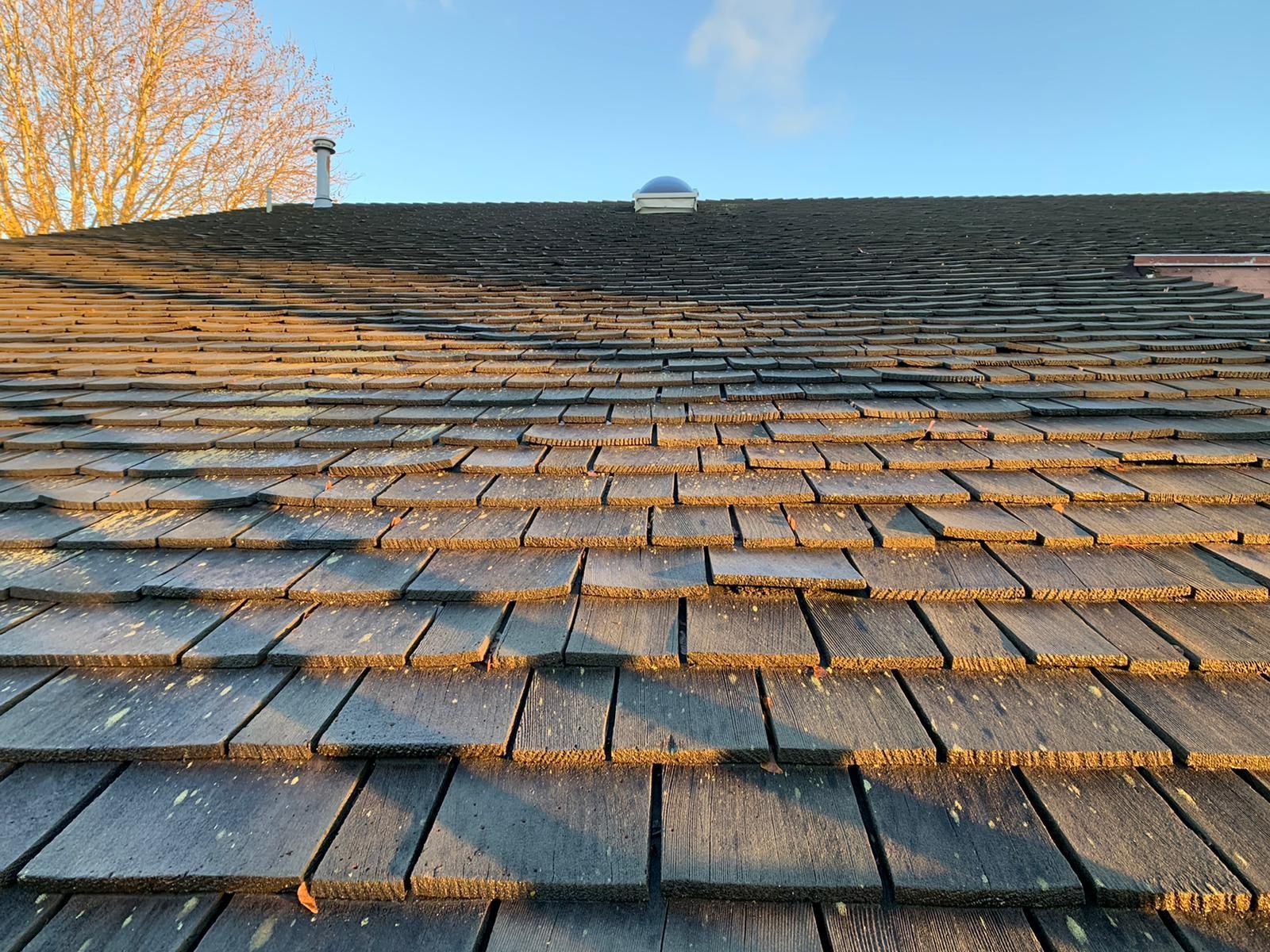
Cedar Shake Roof Maintenance
Intensive care requirements: Cedar demands the most maintenance of common materials:
- Annual treatment with preservative/fungicide ($800-1,500)
- Biannual inspection identifying split or cupped shakes
- Prompt individual shake replacement ($200-500 per incident)
- Clearing debris prevents moisture retention
Moss prevention: Aggressive biological growth control is essential. Cedar's organic nature makes it highly susceptible.
Lifecycle reality: Even with excellent maintenance, cedar achieves 25-30 years in Vancouver. Without intensive care, lifespan drops to 12-18 years.
Flat & Low-Slope Roof Maintenance
Drain cleaning: Critical for flat roof longevity. Quarterly cleaning prevents ponding water, accelerating membrane failure. Cost $150-400 per service.
Membrane inspection: Check for blisters, cracks, or seam separations indicating deterioration. Early intervention prevents extensive damage.
Penetration sealing: HVAC units, vents, and roof drains require periodic seal inspection and maintenance.
Ponding assessment: After heavy rain, check for standing water remaining 48+ hours. Indicates inadequate slope or drainage requiring correction.
Signs Your Roof Needs Maintenance or Repairs
Recognizing when preventative care suffices versus when actual repairs are required.
Early Warning Signs (Maintenance Stage)
Minor moss buildup: Growth covering under 20% of the roof area can be treated successfully, preventing shingle damage. Annual treatment maintains control.
Loose flashing: Slightly displaced or loosened flashings should be refastened simply before water infiltration begins. Periodic inspection catches these before leaks develop.
Accumulated debris: Organic material building up in valleys, around chimneys, or in gutters clears before causing drainage problems or biological growth.
Small seal gaps: Minor caulk failures at penetrations can be resealed inexpensively ($100-300), preventing water infiltration.
Signs Maintenance May No Longer Be Enough
Repeated leaks in different locations: Multiple leak incidents annually indicate systemic deterioration beyond maintenance capacity. Professional assessment determines if repairs are sufficient or replacement is necessary.
Structural concerns: Soft spots, visible sagging, or extensive moisture damage discovered during inspections require repair or replacement rather than routine maintenance.
Age approaching limits: Roofs 18-22 years old (asphalt) warrant replacement consideration even with good maintenance. Continued maintenance of aging systems provides diminishing returns due to the exhaustion of materials' exhaustion capacity.
Widespread deterioration: Curling, cracking, or granule loss affecting 30%+ of the roof area indicates replacement timing regardless of maintenance efforts.
How to Choose a Roof Maintenance Contractor in Vancouver
Selecting appropriate maintenance providers ensures quality care and fair value.
Local Vancouver experience: Contractors familiar with the coastal climate understand:
- Appropriate moss treatment products and timing
- Common failure modes specific to persistent dampness
- Seasonal maintenance scheduling around the weather
- Material performance expectations in our conditions
Verify experience through references from long-term Vancouver maintenance clients.
Licensing & insurance requirements:
WorkSafeBC coverage: Even routine maintenance requires proper worker coverage. Request clearance letters confirming contractor registration, protecting homeowners from liability.
Liability insurance: Minimum $2 million coverage protects during maintenance activities. Verify current certificates.
Maintenance vs replacement bias: Quality maintenance contractors provide an honest assessment about whether roofs benefit from continued care or warrant replacement consideration. Beware contractors pushing replacement on roofs with 5-10+ serviceable years remaining, or conversely maintaining roofs better served by replacement.
Written inspection reports: Professional maintenance includes:
- Detailed written findings from each inspection
- Photo documentation of problem areas
- Prioritized recommendation lists (urgent, soon, monitor)
- Cost estimates for recommended work
- Historical records tracking roof condition over time
Documentation demonstrates maintenance compliance, protecting warranties and informing future decisions.
Maintenance program structure:
Scheduled visits: Programs should specify inspection frequency (annual, bi-annual, quarterly) and include services clearly.
Defined scope: Understand what maintenance includes:
- Inspection only vs inspection plus minor repairs
- Debris clearing, moss treatment, gutter cleaning
- Limits on included repair work (dollar amounts or time limits)
- Additional work approval and pricing processes
Emergency support: Verify maintenance contracts include priority emergency response if problems develop between scheduled visits.
Communication approach: Quality contractors:
- Provide advance notice before scheduled visits
- Communicate findings promptly after inspections
- Discuss options for identified issues
- Respond to homeowner questions or concerns
Long-term commitment: Maintenance relationships span years or decades. Select contractors demonstrating:
- Company stability and longevity (5-10+ years operating)
- Consistent staff reduces turnover disruption
- Fair pricing without annual escalation surprises
- Genuine interest in roof performance versus maximizing billings
Residential Roof Maintenance FAQs in Vancouver
Why is roof maintenance more important in Vancouver than most cities?
Roof maintenance matters more in Vancouver because heavy rainfall (about 1,189 mm across ~170 wet days) keeps roofs damp and accelerates seal, flashing, and shingle deterioration. Small issues escalate quickly in persistent moisture, increasing leak and rot risk.
How much can regular maintenance extend a roof’s lifespan in Vancouver?
Regular maintenance can extend a Vancouver roof’s lifespan by 5–10 years by preventing leaks, controlling moss, and catching flashing or drainage problems early. Well-maintained architectural asphalt roofs can reach 25–30 years, while neglected roofs often fail in 15–20 years.
What does residential roof maintenance typically include?
Residential roof maintenance typically includes a full visual inspection, checking flashings and penetrations, clearing debris from valleys and drainage areas, gutter and downspout checks, minor adjustments (like refastening lifted shingles), and photo documentation with a written report.
What seasonal roof maintenance should Vancouver homeowners do?
In Vancouver, spring maintenance focuses on storm damage checks and moss/debris removal, summer is best for planned repairs and ventilation checks, and fall prioritizes gutter/drain clearing before heavy rains. Winter monitoring focuses on spotting active leaks early during rain events.
What issues are most commonly found during Vancouver roof inspections?
The most common issues found during inspections are blocked gutters and poor drainage, early-stage flashing failures at chimneys/skylights/vents, moss growth, and attic ventilation or condensation problems. These issues often cause leaks if not addressed early.
How much does residential roof maintenance cost in Vancouver in 2026?
Residential roof maintenance in Vancouver typically costs $300–$600 for an annual inspection, $500–$1,200 for basic annual maintenance, and $800–$1,800 for comprehensive programs with more frequent visits and added services, depending on roof type and access.
What roof maintenance can homeowners safely do themselves?
Homeowners can safely do ground-level visual checks, interior attic monitoring for moisture, and cautious gutter cleaning if they are comfortable on ladders. Professional maintenance is recommended for steep roofs, moisture detection, flashing work, and warranty-compliant documentation.
Next Steps for Residential Roof Maintenance in Vancouver
Ready to protect your roof investment?
Get started:
Systematic roof maintenance prevents expensive repairs, extends lifespan significantly, and protects your Vancouver home's most important weather barrier through proactive care rather than reactive emergency responses.
Disclaimer:
Pricing and cost ranges on this page are provided for general informational purposes only. Actual residential roof maintenance costs in Vancouver vary based on roof size, pitch, material type, access and safety requirements, frequency of service, moss severity, gutter complexity, and whether minor repairs are included. All figures reflect typical Vancouver-area ranges at the time of writing and do not represent fixed quotes or guarantees. A professional on-site assessment is required for accurate pricing.
Here's What Our Existing Clients Think.
Home and business owners we've served across the greater Vancouver area.
Our Google Reviews
Edit Google Reviews Widget
We look forward to helping you.
For all your roofing needs, contact Paragon Roofing BC — call, text, or email us at 604-358-3436
Paragon Res Roof Install #2
We will get back to you as soon as possible.
Please try again later.