Strata Roof Installation Vancouver: Approvals, Planning & Timelines

Strata roof installation represents one of the largest capital expenditures strata corporations face, typically costing $150,000-500,000+ for multi-unit buildings. Vancouver's rain-heavy climate, delivering 1,189mm annual rainfall, creates high financial and legal risks when roofing projects fail. Rushed decisions, inadequate planning, or contractor selection based solely on the lowest bid often result in premature failures, resident disputes, insurance claims, and special levies dividing strata communities.
The complexity extends beyond simple material selection. Councils must navigate BC Strata Property Act requirements, secure appropriate owner approvals, coordinate with occupied buildings, minimize resident disruption, manage weather-dependent construction schedules, and establish maintenance programs protecting warranties. Failed projects expose councils to personal liability through negligence claims. Successful installations require a structured approach, treating roofing as a governance responsibility rather than a reactive emergency.
This guide explains when roof replacement becomes necessary, strata council legal obligations, approval processes under BC legislation, planning requirements, roofing system options for the Vancouver climate, step-by-step installation process, realistic timelines, cost factors, and contractor selection criteria. Understanding these elements helps councils make informed decisions, protecting property values and limiting liability.
Why Strata Roof Installation Requires Careful Planning in Vancouver
When Does a Strata Building Need a New Roof Installation?
Distinguishing maintenance-appropriate situations from replacement-required conditions prevents wasting money on deteriorated systems.
End-of-life roofing systems:
Torch-on (SBS modified bitumen) roofs exceed design life at 25-30 years. TPO membranes approach limits at 25-30 years. EPDM rubber maxes out at 28-35 years. Once roofs reach these thresholds,
maintenance programs provide diminishing returns as base materials have exhausted their service capacity.
Repeated leaks & escalating repairs:
When repair frequency exceeds 4-6 incidents annually, or annual repair costs approach 10-15% of replacement cost, continuing maintenance becomes economically inefficient. Properties spending $15,000-25,000 annually on repairs for roofs that would cost $200,000 to replace essentially pay replacement cost over 8-13 years while enduring ongoing disruption.
Structural or code-related issues:
Deck failure (rot, deterioration, inadequate support) requires comprehensive reconstruction rather than membrane overlay. Drainage non-compliance (inadequate slope, undersized drains, code violations) necessitates deck modifications impossible to address through maintenance. Buildings adding significant equipment loads (HVAC upgrades, solar panels) may require structural assessment and reinforcement coordinated with roof replacement.
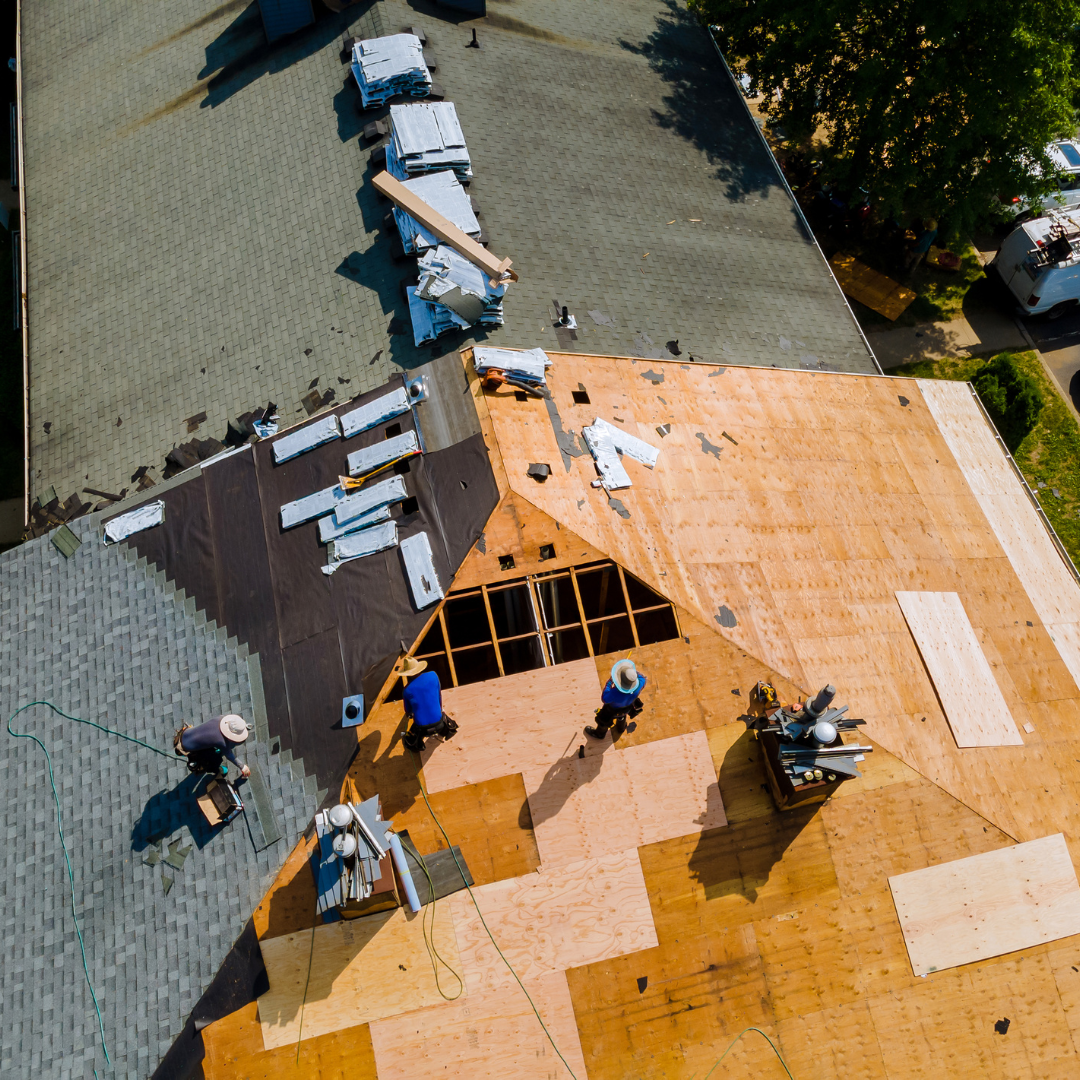
Strata Council Responsibilities During Roof Installation
Understanding legal obligations clarifies why thorough planning and professional execution are non-negotiable.
Legal & fiduciary duties:
BC Strata Property Act Section 72 mandates corporations repair and maintain common property. Roofs protecting multiple strata lots constitute common property requiring council oversight regardless of individual owner preferences. Councils exercising reasonable care through professional assessments, proper approvals, and quality contractors demonstrate fiduciary responsibility. Negligent decisions (choosing unqualified contractors, deferring obvious needs, and inadequate planning) expose individual council members to personal liability.
Common property & roofing responsibility:
Strata corporations hold exclusive authority and responsibility for roof installations. Individual owners cannot make roofing decisions affecting common property. Councils must communicate project necessity, timelines, costs, and disruption expectations to owners while retaining decision-making authority within proper approval frameworks.
Risk management & liability considerations:
Water infiltration during installation affecting multiple units creates significant claim exposure. Proper planning includes weather contingencies, phasing strategies, minimizing exposure, insurance coordination, and emergency protocols. Councils document decisions, obtain professional assessments, and follow proper approval processes, creating a defensible record if owners challenge decisions or claim damages.
Planning a Successful Strata Roof Installation
Comprehensive planning prevents costly surprises and ensures appropriate solutions.
Professional roof assessments & condition reports:
Qualified roofing contractors or building envelope consultants conduct moisture scans identifying hidden water damage, core samples verifying deck condition, structural evaluations assessing load capacity, and drainage analysis confirming proper flow. These assessments inform scope definition, preventing mid-project discoveries requiring expensive change orders.
Scope definition & system selection:
Assessment reports recommend appropriate roofing systems for building type, climate exposure, budget constraints, and expected lifespan. Vancouver strata buildings typically use:
- TPO (white reflective single-ply): 25-30 year lifespan, energy efficient, moderate cost
- Torch-on (SBS modified bitumen): 25-30 years, proven local performance, mid-range cost
- EPDM (rubber membrane): 25-30 years, flexible, good puncture resistance
Selection considers maintenance requirements, warranty terms, proven Vancouver performance, and lifecycle costs rather than just initial price.
Budget forecasting & reserve fund alignment:
Accurate cost estimates include full scope (tear-off, disposal, deck repairs, drainage improvements, new membrane, flashings, warranties) plus 10-15% contingency for unforeseen conditions. Projects coordinate with depreciation report timelines and reserve fund accumulation, avoiding special levies when possible. BC Strata Property Act requires depreciation reports every 5 years (previously 3 years, changed July 2024), informing capital planning.
Strata Approval Process for Roof Installation in Vancouver
BC Strata Property Act governs approval requirements depending on project scope and financial thresholds.
Council approval vs owner vote requirements:
Standard roof replacements: Routine replacement, maintaining existing design, appearance, and functionality typically falls under council authority as common property maintenance per Section 3 of the Act. Council can approve these projects through a simple majority council vote without a general meeting if costs align with approved budgets or reserve fund allocations.
Significant changes requiring 3/4 vote: Projects meeting BC Strata Property Act Section 71 criteria require a 3/4 vote special resolution from owners at a general meeting:
- Alterations significantly changing appearance (asphalt to metal, traditional to modern profiles)
- Substantial alterations to common property beyond routine maintenance
- Projects adding or removing building elements (solar panels, green roofs, significant parapet modifications)
Financial thresholds: Some strata bylaws require owner votes for expenditures exceeding specific amounts (commonly $50,000-100,000) regardless of project type. Review your specific bylaws, determining approval thresholds.
Preparing roofing proposals for approval:
Councils must present comprehensive information enabling informed owner decisions:
Current condition documentation:
- Professional assessment report with photos
- Moisture scan results showing water infiltration
- Structural evaluation of the deck concerns exist
- Documented leak history and repair costs
Recommended solution justification:
- System selection rationale (why TPO vs torch-on vs EPDM)
- Climate suitability for Vancouver conditions
- Expected lifespan and maintenance requirements
- Warranty terms and protection
Complete cost breakdown:
- Material costs itemized
- Labor costs by phase
- Removal and disposal
- Anticipated deck repairs (range based on assessment)
- Contingency allocation (typically 10-15%)
- Total project cost with reserve fund impact or special levy requirement
Timeline & disruption expectations:
- Estimated start date
- Projected completion (with weather contingency)
- Phasing approach minimizing impact
- Noise and access restrictions
- Emergency protocols during installation
Contractor qualifications:
- Company experience with similar strata projects
- Safety record and insurance coverage
- References from comparable buildings
- Warranty and service commitments
Communicating with owners:
Advance notice requirements: BC Strata Property Act requires written notice of general meetings at least 2 weeks prior. For significant roofing projects, councils should provide 3-4 weeks, allowing owners adequate review time.
Information packages: Distribute comprehensive packages including assessment report summary, contractor proposals, cost comparisons, timeline projections, and financing options (reserve fund vs special levy vs combination). Make full documentation available for owner review.
Pre-meeting information sessions: Optional but recommended for major projects. Councils and contractors present project details, answer questions, and address concerns in an informal setting before a formal vote. This often improves approval rates by resolving misunderstandings.
Meeting management: At the general meeting, present a concise summary (15-20 minutes), allow question period, address specific owner concerns, then proceed to vote. Have professional assessment reports and contractor representatives available if complex technical questions arise.
Post-approval communication: Once approved, establish a regular update schedule (weekly or bi-weekly during construction). Provide resident liaison contact information for concerns during installation. Document major milestones with photos for strata records.
Warranties & Compliance for Strata Roof Installation
Understanding warranty coverage protects long-term investment and guides maintenance planning.
Manufacturer vs workmanship warranties:
Manufacturer material warranties: Cover product defects, premature deterioration, or performance failures resulting from manufacturing defects. Terms vary significantly:
- TPO/EPDM/Torch-on systems: Typically 15-20 year standard warranties, 20-30 year extended warranties available with premium products and approved installation
- Asphalt shingles: 25-50 year limited warranties (often prorated after 10-15 years)
- Metal roofing: 30-50 year paint/coating warranties, material lifetime warranties on substrate
Critical warranty considerations: Material warranties typically cover replacement material only, not labor for removal and reinstallation. "Lifetime" warranties often transfer with reduced coverage when properties change ownership. Prorated warranties provide diminishing coverage value over time.
Contractor workmanship warranties: Cover installation errors, improper techniques, or failures resulting from poor workmanship. Standard terms:
- Minimum acceptable: 2 years of workmanship coverage
- Quality contractors: 5-10 year workmanship warranties
- Premium service: 10-15-year comprehensive coverage
Workmanship warranties typically include labor and materials for correcting installation defects. This coverage protects strata corporations from bearing costs when installation errors cause failures.
Insurance & compliance documentation:
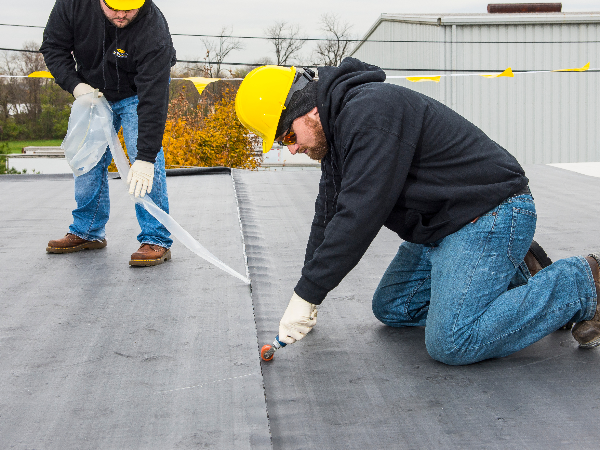
WorkSafeBC compliance: All contractors working on BC job sites must maintain valid WorkSafeBC registration. Strata corporations should obtain clearance letters before work commences, confirming contractor and subcontractor registration. This protects strata from liability if worker injuries occur.
Liability insurance verification: Request current certificates of insurance showing:
- Commercial general liability ($2-5 million minimum)
- Completed operations coverage
- The Strata corporation is named as an additional insured
- Coverage valid for project duration plus extended reporting period
Building permit requirements: Roof replacement typically requires a City of Vancouver building permit when:
- Structural modifications occur (deck reinforcement, drainage alterations)
- Significant design changes implemented
- Building code compliance upgrades necessary
Minor re-roofing, maintaining the existing configuration, may not require permits. Verify requirements with the city planning department or rely on experienced contractors familiar with local permit processes.
Fire and wind ratings: Ensure installed systems meet BC Building Code requirements for fire resistance (typically Class A) and wind ratings appropriate for building location and height. Documentation demonstrating code compliance should be retained in strata records.
Warranty registration & documentation:
Manufacturer warranty activation: Most manufacturers require formal registration within 30-90 days of installation completion. Registration typically requires:
- Completed warranty application
- Proof of purchase
- Installation photos or inspection reports
- Contractor certification form
Record retention: Maintain comprehensive project documentation, including:
- Original contracts and proposals
- Payment records and lien releases
- Inspection reports (pre-installation, mid-installation, final)
- Warranty certificates and registration confirmations
- As-built drawings showing penetration locations, drainage patterns
- Material specifications and safety data sheets
These documents support warranty claims, inform future maintenance, aid in property sales, and provide evidence of due diligence if disputes arise.
Post-Installation Roof Maintenance for Strata Buildings
Establishing maintenance programs immediately after installation protects warranties and maximizes roof lifespan.
Immediate post-installation inspections:
30-day inspection: Contractors should conduct a walk-through 30 days after substantial completion, addressing any settlement, minor adjustments, or concerns identified during the initial occupancy period.
One-year inspection: Most workmanship warranties require contractor inspection at one year, verifying installation performance through a full seasonal cycle. This inspection identifies any deficiencies requiring correction under warranty terms.
Manufacturer inspections: Some manufacturers conduct post-installation inspections, verifying proper installation and activating extended warranty coverage. Schedule these within specified timeframes (typically 30-90 days), avoiding warranty coverage gaps.
Ongoing maintenance scheduling:
Strata corporations should establish systematic maintenance programs immediately after installation:
Quarterly drain cleaning: Prevents debris accumulation, causing ponding water and premature membrane failure. Critical in the Vancouver climate, where leaves, needles, and organic material accumulate rapidly.
Bi-annual professional inspections: Spring and fall inspections identify developing problems requiring minor repairs before they escalate into major failures. These inspections typically cost $800-2,000 but prevent $5,000-20,000 emergency repairs.
Post-storm assessments: After significant weather events (windstorms, heavy snow, extreme rainfall), quick inspections identify damage while events remain fresh for insurance documentation if claims become necessary.
Protecting roofing warranties:
Maintenance requirements: Most manufacturer warranties include maintenance clauses requiring documented regular inspections and prompt repairs. Failure to maintain roofs according to the manufacturer's specifications may void warranty coverage.
Modification approvals: Installing satellite dishes, solar panels, additional HVAC equipment, or other penetrations typically requires manufacturer approval to maintain warranty validity. Unauthorized modifications void most warranty coverage.
Approved contractors for repairs: Some warranties require repairs performed by certified contractors or the original installer. Using unapproved contractors for warranty-period repairs may invalidate remaining coverage.
Documentation protocols: Maintain detailed logs of all inspections, maintenance activities, and repairs. This documentation demonstrates compliance with warranty requirements and supports claims if failures occur.
Transitioning from installation to proactive
maintenance programs protects the significant capital investment while extending functional lifespan 5-10 years beyond neglected systems..
Roofing System Options for Strata Buildings in Vancouver
Building configuration and budget determine appropriate material selection.
Flat & low-slope roofing systems:
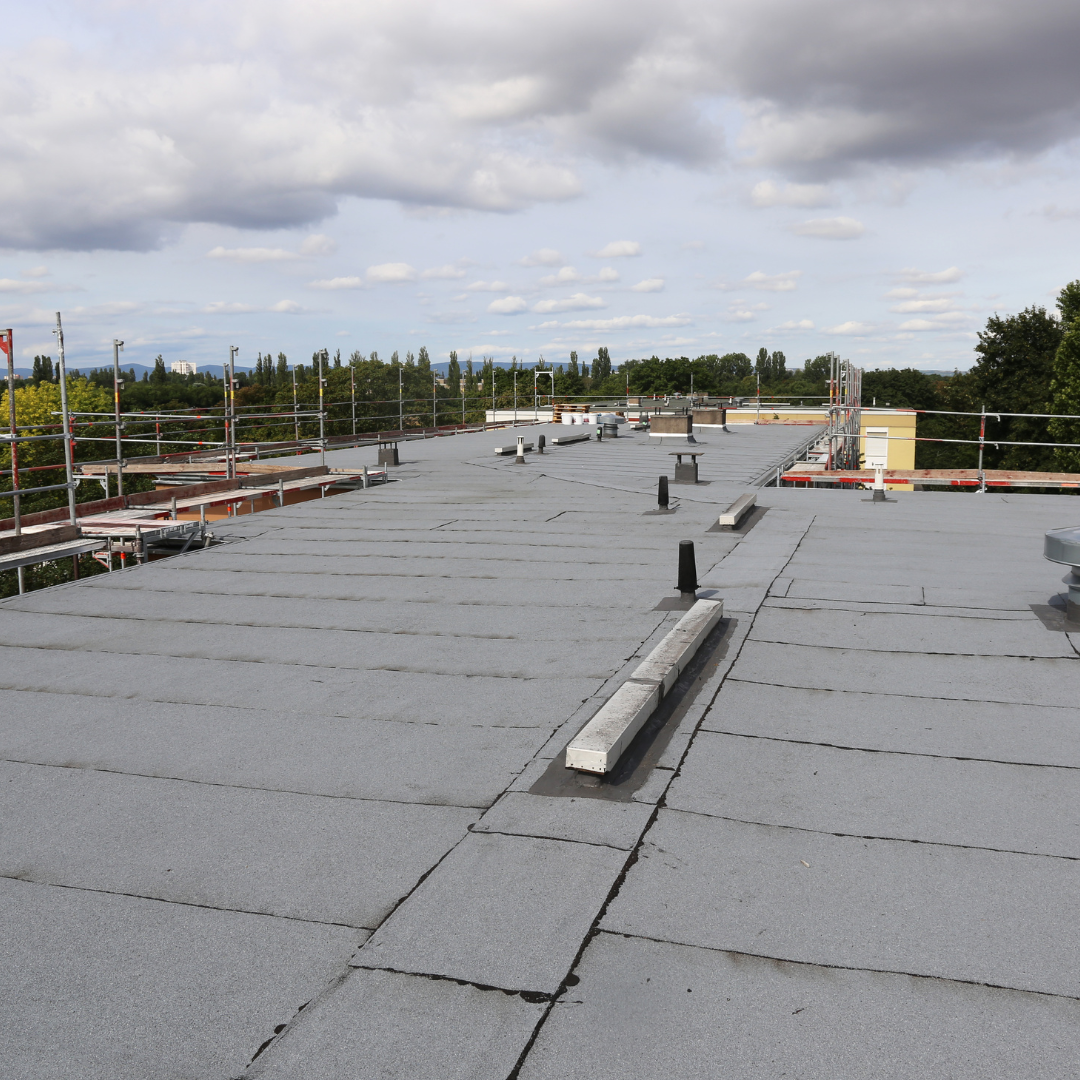
TPO (thermoplastic polyolefin): White reflective membrane heat-welded at seams, creating durable joints. Energy efficiency reduces cooling costs. Proven 25-30 year lifespan in the Vancouver climate. Costs $7-12/sq ft installed.
Torch-on (SBS modified bitumen): Heat-applied multi-layer system providing redundant waterproofing. Proven Vancouver performance over 30+ years. Repairs easily compared to single-ply systems. Costs $8-14/sq ft installed.
EPDM (ethylene propylene diene terpolymer): Black rubber membrane with tape or adhesive seams. Flexible in cold weather. 60+ year proven track record. Costs $6-12/sq ft installed.
Sloped roofing systems:
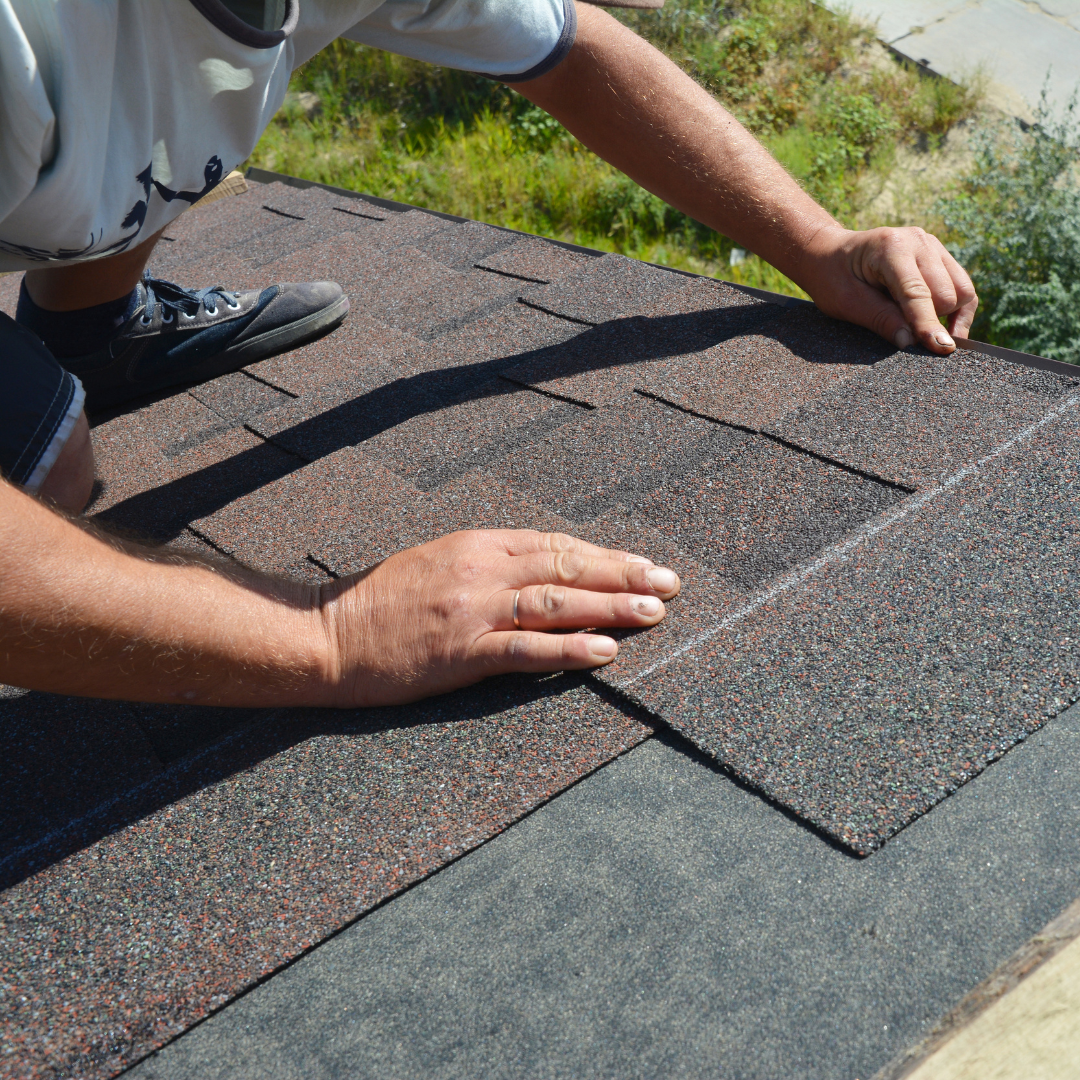
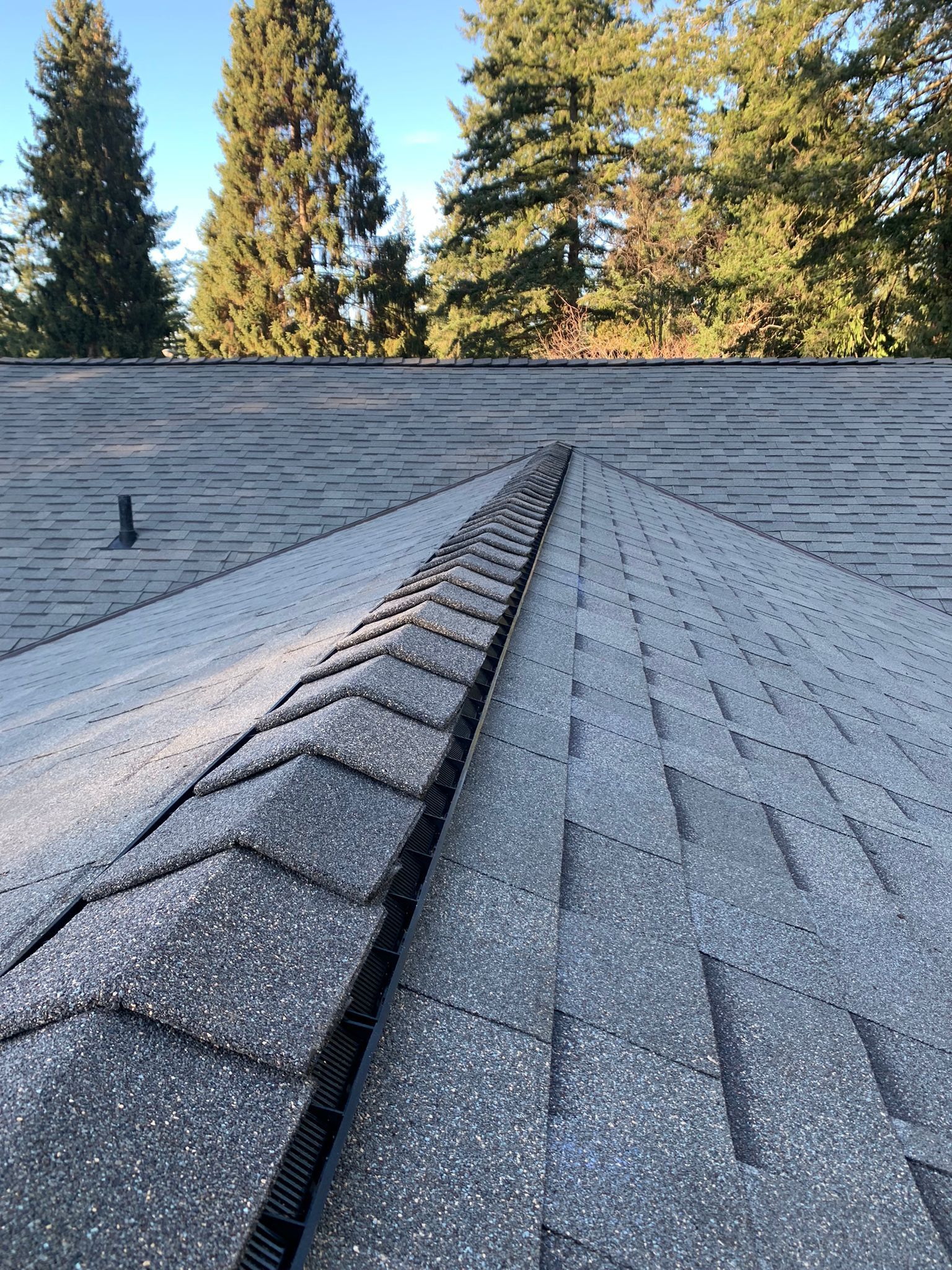
Asphalt shingles: Architectural products provide a 20-30 year lifespan in Vancouver. Most affordable option for townhouse complexes and low-rise buildings. Costs $5-9/sq ft installed.
Metal roofing: Standing seam or ribbed panels last 50-70 years. Superior weather resistance. Higher initial cost ($12-20/sq ft) justified through extended lifespan, avoiding multiple replacements.
Mixed roofing systems on large complexes: Buildings with podium decks, multiple roof levels, or mixed uses often require different systems for varying applications. Flat membrane on the main building, pitched shingles on townhouse sections. Coordination ensures compatible flashings and proper water management between systems.
Step-by-Step Strata Roof Installation Process
Understanding workflow helps councils set realistic expectations and monitor progress.
Step 1: Pre-construction planning & scheduling:
Weather planning targets April through October, avoiding the heavy rain season. Phased installations on large buildings minimize disruption by completing sections sequentially rather than exposing the entire roof simultaneously. Resident communication includes noise schedules, parking restrictions, and emergency protocols.
Step 2: Safety planning & site setup:
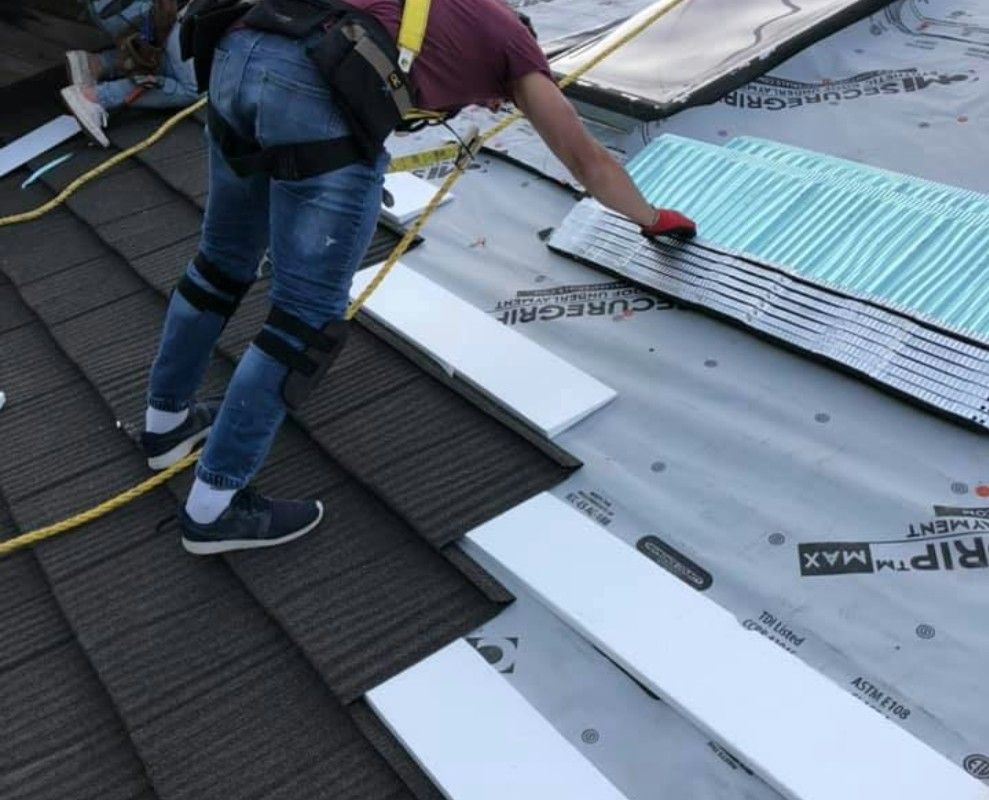
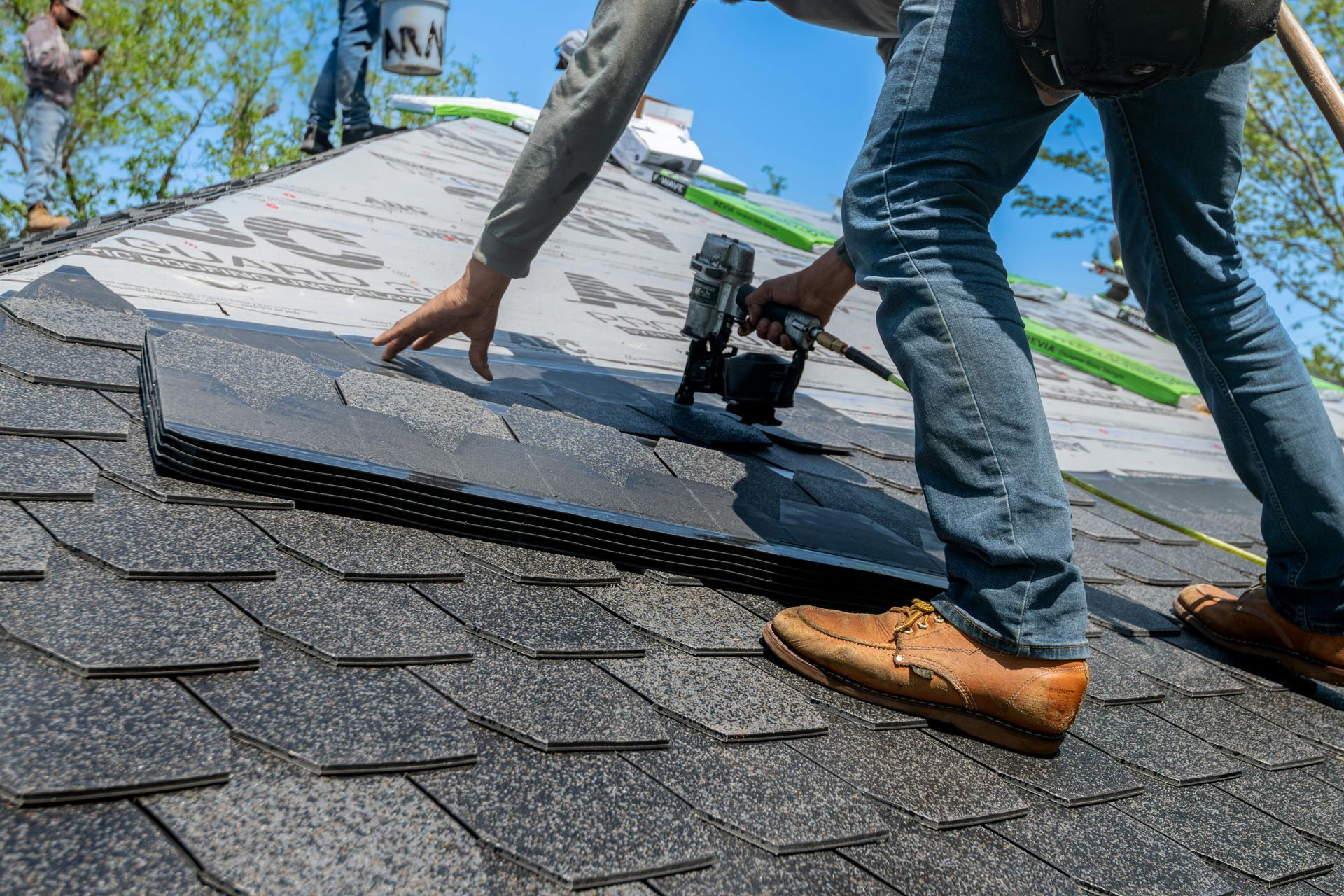
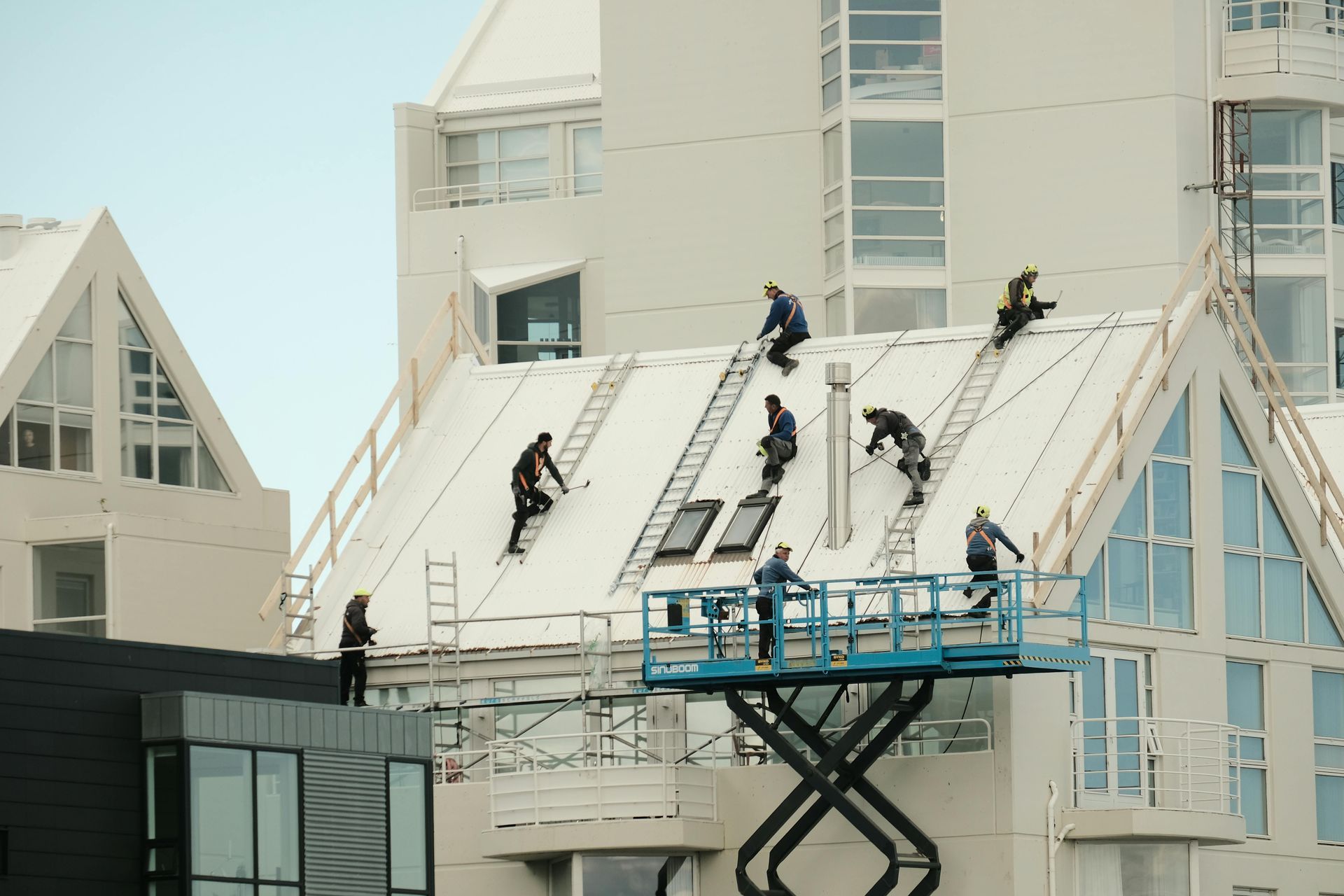
Fall protection systems (guardrails, safety anchors, harnesses) protect workers. Ground-level barriers prevent pedestrian access beneath work areas. Material storage areas minimize impact on resident parking and access.
Step 3: Tear-off or overlay preparation:
Complete removal of existing roofing allows deck inspection and repair. Disposal management coordinates with Vancouver waste requirements. Debris chutes or crane removal prevents ground-level hazards. Weather monitoring ensures the tear-off occurs during dry periods.
Step 4: Deck repairs & drainage corrections:
Rotted plywood replacement, structural reinforcement if required, drainage slope corrections, drain enlargement or relocation meeting current code. This critical phase addresses underlying issues preventing premature membrane failure.
Step 5: Installation of new roofing system:
Material-specific application following manufacturer requirements and RCABC (Roofing Contractors Association of BC) standards. Quality control inspections at key stages ensure proper installation. Manufacturer representatives often conduct mid-installation inspections certifying warranty eligibility.
Step 6: Flashing, penetrations & edge details:
Parapets receive proper counter flashing and cap metal. HVAC unit curbs get custom flashings.
Skylight curbs integrate with the membrane.
Ventilation
penetrations receive proper boots or flashings. Edge metal provides clean termination and prevents wind uplift.
Step 7: Final inspection & documentation:
Third-party inspection (building envelope consultant or manufacturer representative) verifies installation quality. Warranty registration with manufacturers. As-built documentation for strata records. Final walkthrough with the council, addressing any concerns before contractor demobilization.
How Long Does Strata Roof Installation Take in Vancouver?
Timeline expectations help councils plan resident communication and contingency budgets.
Typical installation timelines by building size:
Townhouse complexes (10-20 units, 15,000-25,000 sq ft): 3-6 weeks depending on roof complexity and weather. Simple pitched roofs install faster than complex hip-and-valley configurations.
Low-rise condos (20-50 units, 25,000-50,000 sq ft): 4-8 weeks for flat roof systems. Phasing may extend the timeline while reducing daily disruption.
Mid-rise buildings (50-100 units, 50,000-100,000+ sq ft): 8-16 weeks depending on complexity, equipment, and phasing requirements. Large projects often span the entire dry season.
Factors affecting timelines:
Weather delays: Vancouver averages 170 precipitation days annually. Rain halts membrane installation. Projects scheduled June through September experience fewer delays than April-May or September-October shoulder seasons.
Phasing requirements: Buildings remaining occupied during construction often use a phased approach, completing sections sequentially. This minimizes simultaneous disruption but extends the total project duration 25-40% beyond continuous installation.
Structural repairs: Discovering extensive deck rot, inadequate support, or drainage deficiencies extends timelines 2-6 weeks while repairs are being completed. Contingency planning includes time buffers for these possibilities.
Strata Roof Installation Costs in Vancouver
Understanding investment requirements enables realistic budgeting and reserve fund planning.
Factors affecting installation costs:
Square footage & complexity: Straightforward flat roofs cost less per square foot than complex multi-level systems with extensive penetrations, equipment, and detail work.
Roofing system selection: TPO costs $7-12/sq ft, torch-on $8-14/sq ft, EPDM $6-12/sq ft, architectural shingles $5-9/sq ft, standing seam metal $12-20/sq ft.
Access & safety requirements: High-rise buildings requiring crane access, extensive fall protection, or difficult material handling add 15-30% to base costs.
Deck repairs & modifications: Budget 10-20% of total project cost for unforeseen deck repairs. Extensive rot or structural issues can add $20,000-80,000+ to projects.
Typical cost ranges (Vancouver 2026):
Councils must present comprehensive information enabling informed owner decisions:
Townhouse complex (20,000 sq ft):
- Asphalt shingles: $100,000-180,000
- TPO flat system: $140,000-240,000
Low-rise condo (40,000 sq ft):
- TPO system: $280,000-480,000
- Torch-on system: $320,000-560,000
Mid-rise building (80,000 sq ft):
- TPO system: $560,000-960,000
- Torch-on system: $640,000-1,120,000
Costs include tear-off, disposal, underlayment, new membrane, flashings, basic deck repairs, and cleanup. Extensive structural work, equipment modifications, or building envelope improvements add additional costs.
Minimizing Disruption During Strata Roof Installation
Proactive management reduces resident complaints and council stress.
Resident safety & access management:
Clear communication about restricted areas, alternate access routes, and parking adjustments. Dedicated safety personnel during peak pedestrian times. Barriers preventing unauthorized roof access.
Noise, scheduling & communication:
Work typically occurs 7:00 AM to 5:00 PM weekdays. Heavy equipment operations (crane lifts, tear-off) are scheduled midday, minimizing impact on early morning and evening quiet periods. Weekly updates via email, bulletin boards, or property manager notifications keep residents informed.
Emergency planning during construction:
Contractors maintain emergency contact availability. Temporary waterproofing (tarps, emergency patches) protects exposed sections if unexpected rain occurs. Clear protocols for addressing leaks or damage during installation prevent panic and ensure prompt response.
Choosing a Strata Roof Installation Contractor in Vancouver
Contractor selection significantly affects project outcomes. Quality assessment considers multiple factors beyond price.
Strata-specific experience:
Contractors should demonstrate multi-unit building expertise, understanding occupied building protocols, resident communication, council approval processes, and phasing strategies. Request references from similar strata projects with verified contact information.
Safety & compliance record:
Verify WorkSafeBC registration and compliance history (clearance letters available through the WorkSafeBC website). Confirm liability insurance ($2-5 million minimum) and errors & omissions coverage. Review safety protocols for occupied buildings.
Communication & reporting:
Quality contractors provide detailed proposals, progress reports, and regular council updates. They address resident concerns promptly and professionally. Poor communication creates conflict even when installation quality is adequate.
Long-term service support:
Contractors offering ongoing maintenance programs provide continuity, protecting warranties and building relationships. Emergency response capability matters when post-installation issues arise.
Proposal evaluation criteria:
- Detailed scope matching assessment recommendations
- Material specifications (brand, grade, thickness)
- Warranty terms (material and workmanship)
- Timeline with weather contingencies
- Safety protocols and insurance coverage
- References from similar projects
- Payment schedule tied to milestones
Avoid automatic selection of the lowest bid. Evaluate total value considering experience, materials, warranties, and communication. Price differences of 15-25% between qualified contractors warrant investigation, but shouldn't automatically disqualify higher bidders offering superior materials or service.
Strata Roof Installation Vancouver FAQs
When does a strata building need a full roof installation instead of more repairs?
A full installation is usually the smarter option when the roof is near end-of-life, leaks are happening in multiple areas, repair callouts exceed 4–6 per year, or annual repair spending is approaching 10–15% of replacement cost. Structural deck rot, chronic ponding, or code-related drainage issues also typically require full replacement not patching.
What is the strata council legally responsible for during a roof project?
The strata corporation is responsible for the common-property roof system, including membranes, flashings, drainage, and roof decking, and must follow reasonable care and due diligence under BC strata obligations. That means using professional assessments, proper approvals, qualified contractors, and documented decision-making.
Do we need an owner vote to replace the roof in a strata?
Often, a like-for-like roof replacement is treated as common-property maintenance and may be approved by council if it aligns with budgets and your bylaws. A 3/4 vote may be required when the project is a significant change (appearance, design, or major alterations) or when your bylaws set spending thresholds that trigger an owner vote.
How do strata councils prepare a roof project for approval?
A strong approval package typically includes: a professional condition report (photos + moisture findings), a clear system recommendation (why TPO vs torch-on vs EPDM), 3–5 comparable bids, a full scope + exclusions, a timeline with weather buffers, a contingency for deck repairs, and a plan for resident disruption and safety.
What flat-roof systems are most common for Vancouver strata buildings?
Most strata buildings use torch-on (SBS modified bitumen), TPO, or EPDM on flat/low-slope areas because they’re designed for waterproofing where roofs don’t shed water by gravity. The “best” option depends on drainage design, roof traffic/equipment, warranty requirements, and long-term maintenance plans.
How long does strata roof installation take in Vancouver?
Timelines vary by size, phasing, and weather. As a rough planning range: 3–6 weeks for many townhouse complexes, 4–8 weeks for many low-rise condos, and 8–16+ weeks for mid-rise/large roofs—especially when phased to keep the building protected and occupied.
What should a strata council require from a roofing contractor before work starts?
At minimum: WorkSafeBC clearance, proof of liability insurance naming the strata as additional insured, a detailed written scope, a milestone-based payment schedule, a clear phasing + weather protection plan, and written manufacturer + workmanship warranty terms with documentation and registration steps.
Next Steps for Strata Roof Installation in Vancouver
Councils planning roof replacement should:
- Commission professional assessment - Obtain an independent condition report from a qualified building envelope consultant or roofing contractor
- Review scope & options - Evaluate recommended systems against budget, depreciation report timelines, and expected building lifespan
- Develop approval strategy - Determine whether project requires council-only approval or owner vote
- Obtain multiple proposals - Compare at least three qualified contractors using consistent evaluation criteria
- Plan communication - Establish resident notification protocols, progress reporting, and emergency procedures
Working with Paragon Roofing BC
Paragon Roofing BC provides comprehensive strata roof installation services throughout Metro Vancouver. We understand strata governance requirements, BC Strata Property Act obligations, and resident management challenges unique to multi-unit buildings.
Our strata services:
Successful strata roof installation requires careful planning, appropriate approvals, qualified contractors, and proactive communication. Vancouver's challenging climate demands quality materials, proper installation, and ongoing maintenance to protect these significant capital investments.
Disclaimer: All pricing, cost ranges, and examples shown are provided for general informational purposes only and are not quotes or guarantees. Actual strata roof installation costs in Vancouver vary based on roof size and complexity, roof type (flat or sloped), system selection, tear-off requirements, deck condition and required repairs, drainage or slope corrections, site access and staging (including hoisting or cranes), safety and phasing requirements, permit and inspection needs, and weather-related scheduling impacts. Final pricing and project timelines can only be confirmed following a professional site inspection and a written scope of work.
Here's What Our Existing Clients Think.
Home and business owners we've served across the greater Vancouver area.
Our Google Reviews
Edit Google Reviews Widget
We look forward to helping you.
For all your roofing needs, contact Paragon Roofing BC — call, text, or email us at 604-358-3436
Paragon Res Roof Install #2
We will get back to you as soon as possible.
Please try again later.