Strata Roof Maintenance Vancouver: Risk Reduction & Cost Control

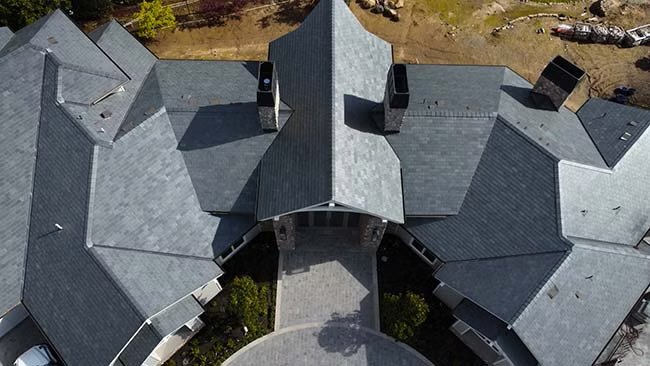
Strata roof maintenance isn't an expense but a risk management investment protecting property value and minimizing council liability. In Vancouver's climate, delivering 1,189mm annual rainfall with extended wet periods from October through April, deferred roof maintenance creates cascading failures affecting multiple units simultaneously. A $3,000 annual maintenance program prevents $50,000-150,000 emergency replacements and associated interior damage claims.
The financial impact multiplies rapidly in multi-unit buildings. A single roof leak affecting one unit costs $5,000-15,000 in repairs. The same deficiency was discovered late, causing damage to five units,totalling $25,000-75,000 in remediation plus potential legal costs if owners pursue strata corporations for negligent maintenance. Insurance claims trigger premium increases affecting all owners for years. Special levies create owner conflict and council turnover.
Maintenance programs shift expenses from unpredictable emergencies to planned budgets aligned with reserve fund schedules. Councils demonstrate fiduciary responsibility through documented preventative care. Property managers reduce after-hours emergency calls and resident complaints. This guide explains strata council responsibilities, how Vancouver's climate increases roof risk, what comprehensive maintenance includes, cost control strategies, and choosing appropriate service providers.
Why Proactive Strata Roof Maintenance Is Essential in Vancouver
Strata Council Responsibilities for Roof Maintenance
Understanding legal obligations and fiduciary duties clarifies why maintenance programs are non-negotiable rather than optional.
Roofing as a common property asset:
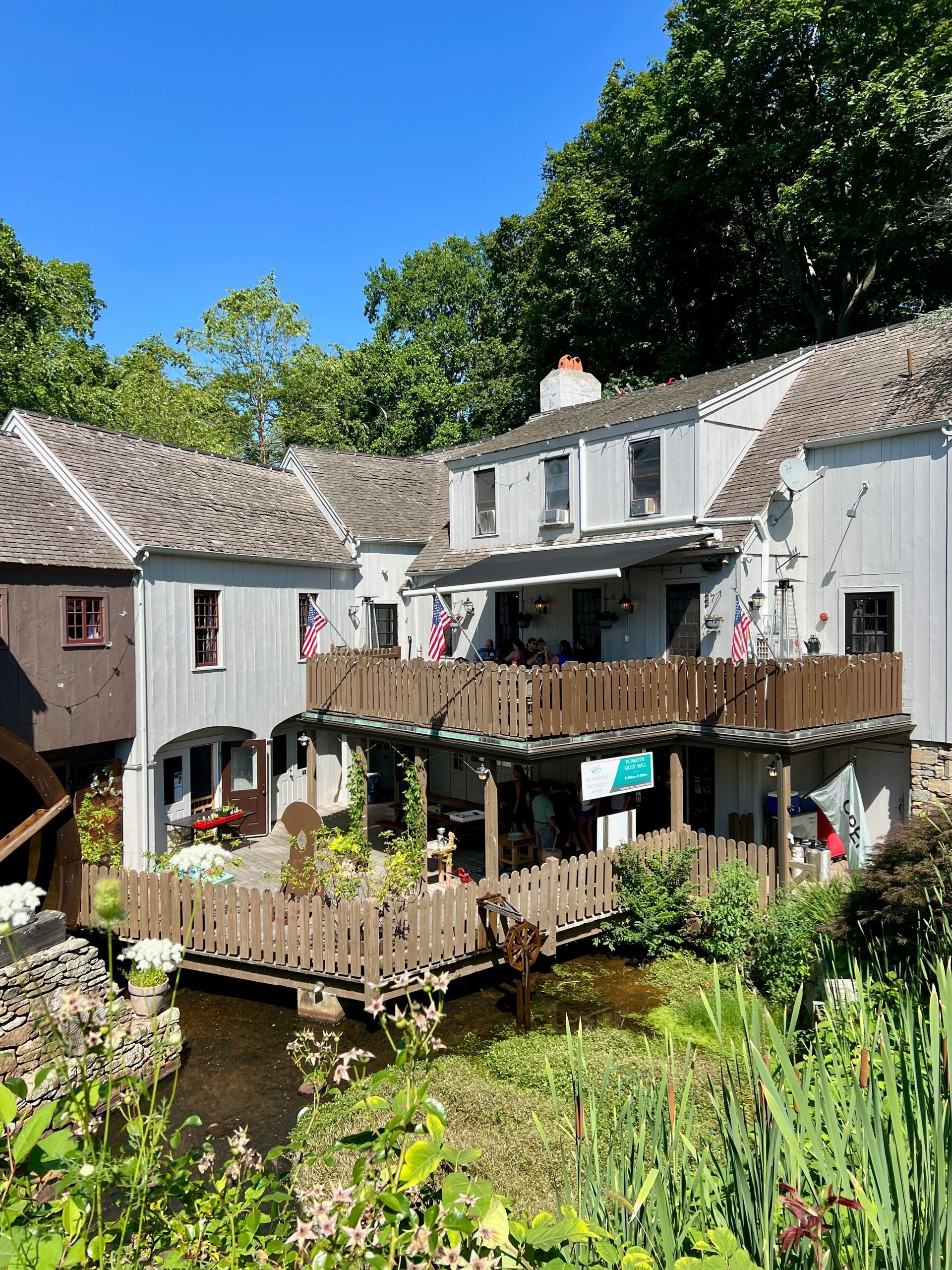
Roofs protecting multiple strata lots constitute common property under the BC Strata Property Act. Strata corporations hold exclusive responsibility for repair and maintenance regardless of individual owner preferences. Councils cannot defer maintenance, citing budget constraints or owner reluctance,without exposing themselves to liability.

Legal & fiduciary duty to maintain:
Strata Property Act Section 72 mandates corporations repair and maintain common property. This creates a legal obligation, not a suggestion. Councils exercising reasonable care demonstrate this through regular inspections, prompt repairs, and documented maintenance programs. Failure to maintain common assets constitutes a breach of fiduciary duty, potentially exposing individual council members to personal liability.
Consequences of inadequate roof maintenance:
Water damage claims: Leaks from deferred maintenance causing interior damage trigger claims against strata corporations. Insurance may deny coverage if claims result from inadequate maintenance rather than sudden events. Strata corporations pay uninsured losses from operating funds or special levies, both creating owner dissatisfaction and potential litigation.
Insurance issues: Repeated claims or deferred maintenance evidence prompt insurance companies to increase premiums, reduce coverage limits, or decline renewal. Properties gaining a reputation for poor maintenance struggle to find affordable coverage. Some insurers now require depreciation reports and maintenance documentation during underwriting.
Owner disputes: Owners affected by preventable water damage pursue legal action against strata corporations for negligent maintenance. Even a successful defense costs $15,000-50,000 in legal fees. Settlement or judgment amounts to compound costs. Conflict creates governance challenges as affected owners seek council positions or vote against existing members.
How Vancouver's Climate Increases Strata Roof Risk
Our specific weather patterns create unique challenges requiring adapted maintenance approaches.
Constant rain & moisture exposure:
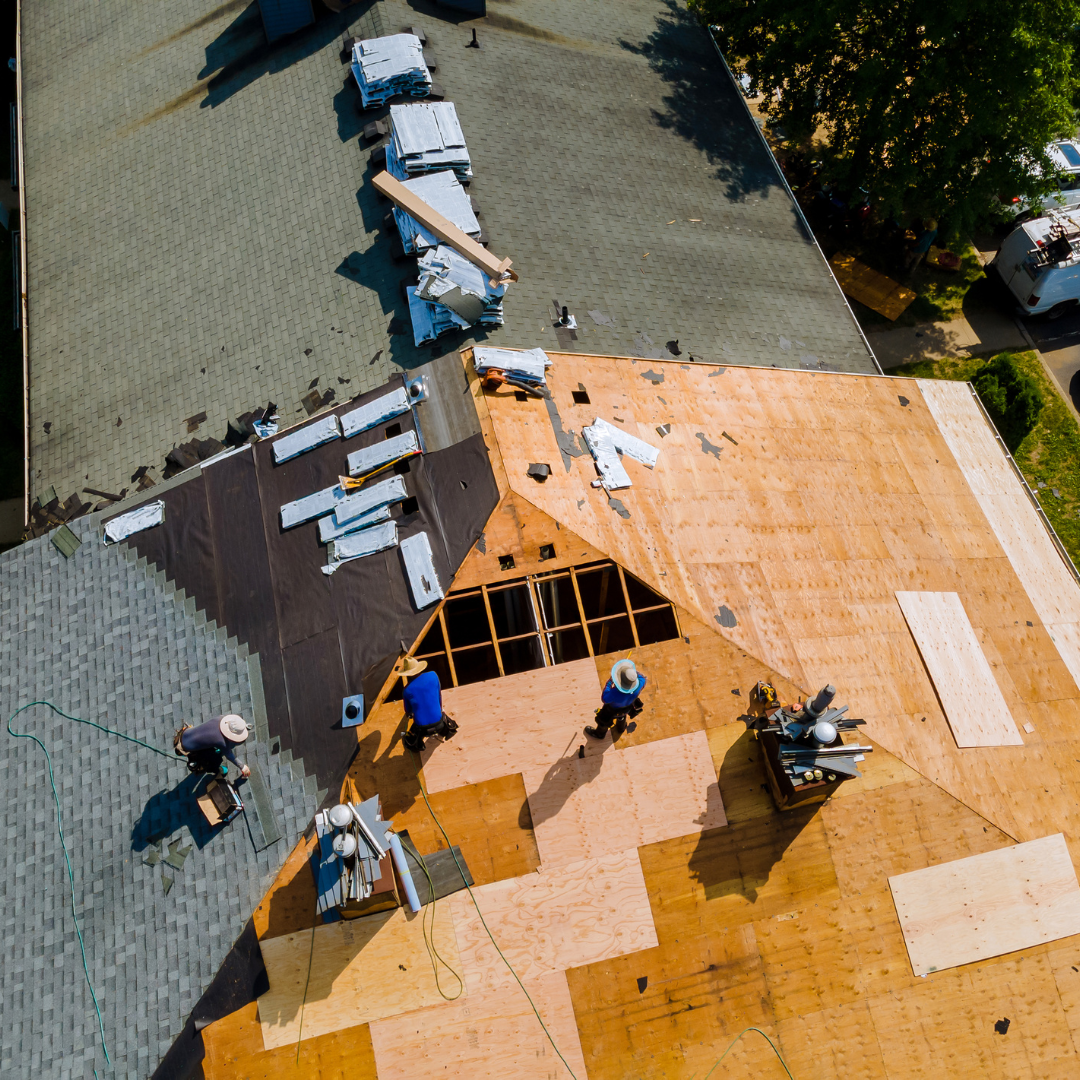
Vancouver's persistent dampness accelerates membrane deterioration, seal failures, and flashing degradation. Roofing systems experiencing 170+ precipitation days annually (versus 90-120 in interior BC or prairie regions) show wear patterns at double normal rates. Materials rated for a 25-year lifespan in dry climates achieve 18-22 years here with proper maintenance, 12-15 without.
Ponding water & drainage challenges:
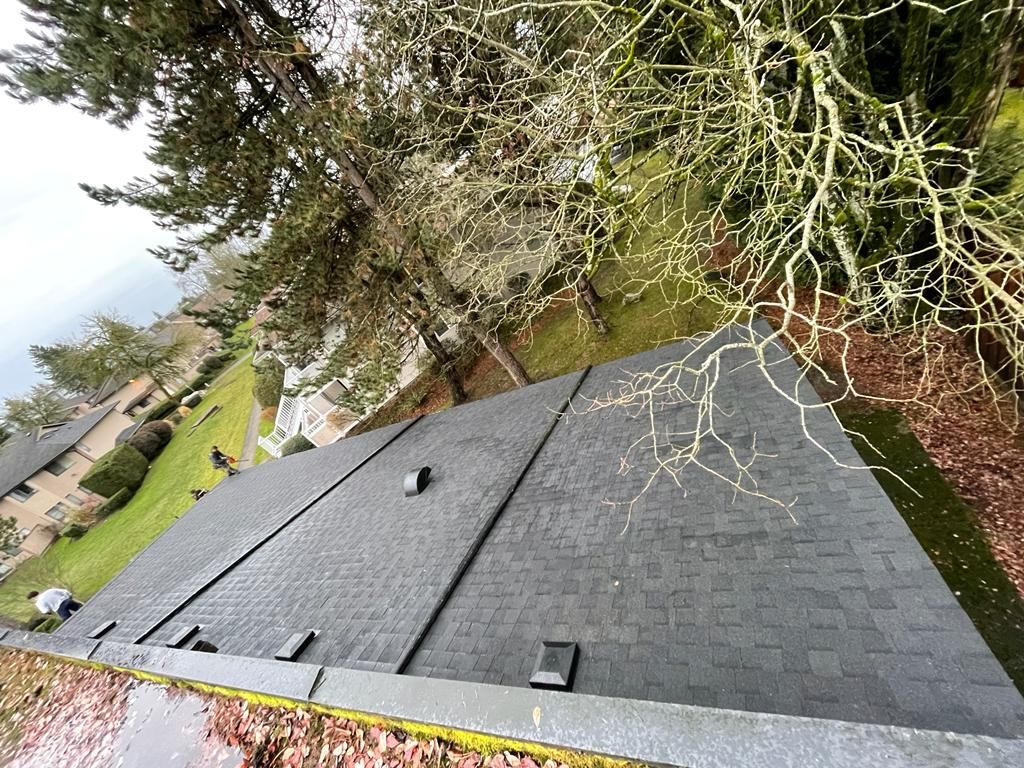
Flat and low-slope roofs (common on strata buildings) require precise drainage to prevent standing water. Vancouver's heavy rainfall events (occasionally 40-60mm in 24 hours) overwhelm inadequate drainage systems. Ponding water accelerates membrane deterioration, adds structural dead load stress, and creates ice hazards during rare freezing events.
Moss, organic growth & debris accumulation:
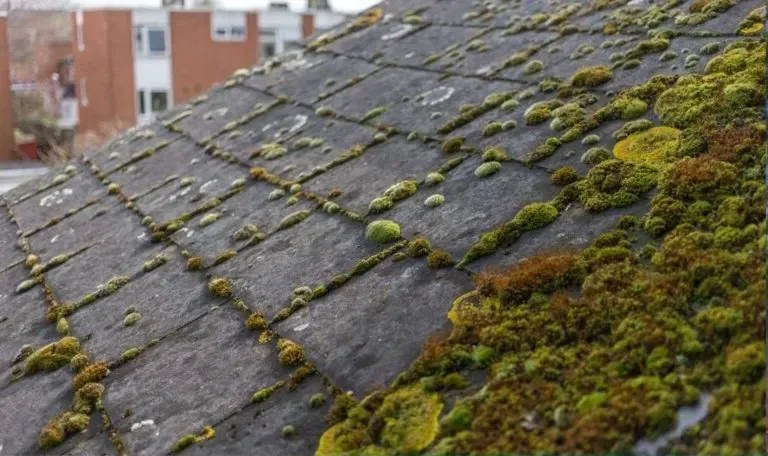
North-facing roof sections and shaded areas develop moss growth within 1-2 years. Biological colonization indicates persistent dampness and often signals underlying moisture problems. Moss holds water against membrane surfaces, accelerating deterioration. Blocked drains from debris (leaves, needles, twigs) create ponding conditions and overflow situations, damaging building facades.
What a Strata Roof Maintenance Program Includes
Comprehensive programs address problems systematically before they become emergencies.
Scheduled roof inspections:
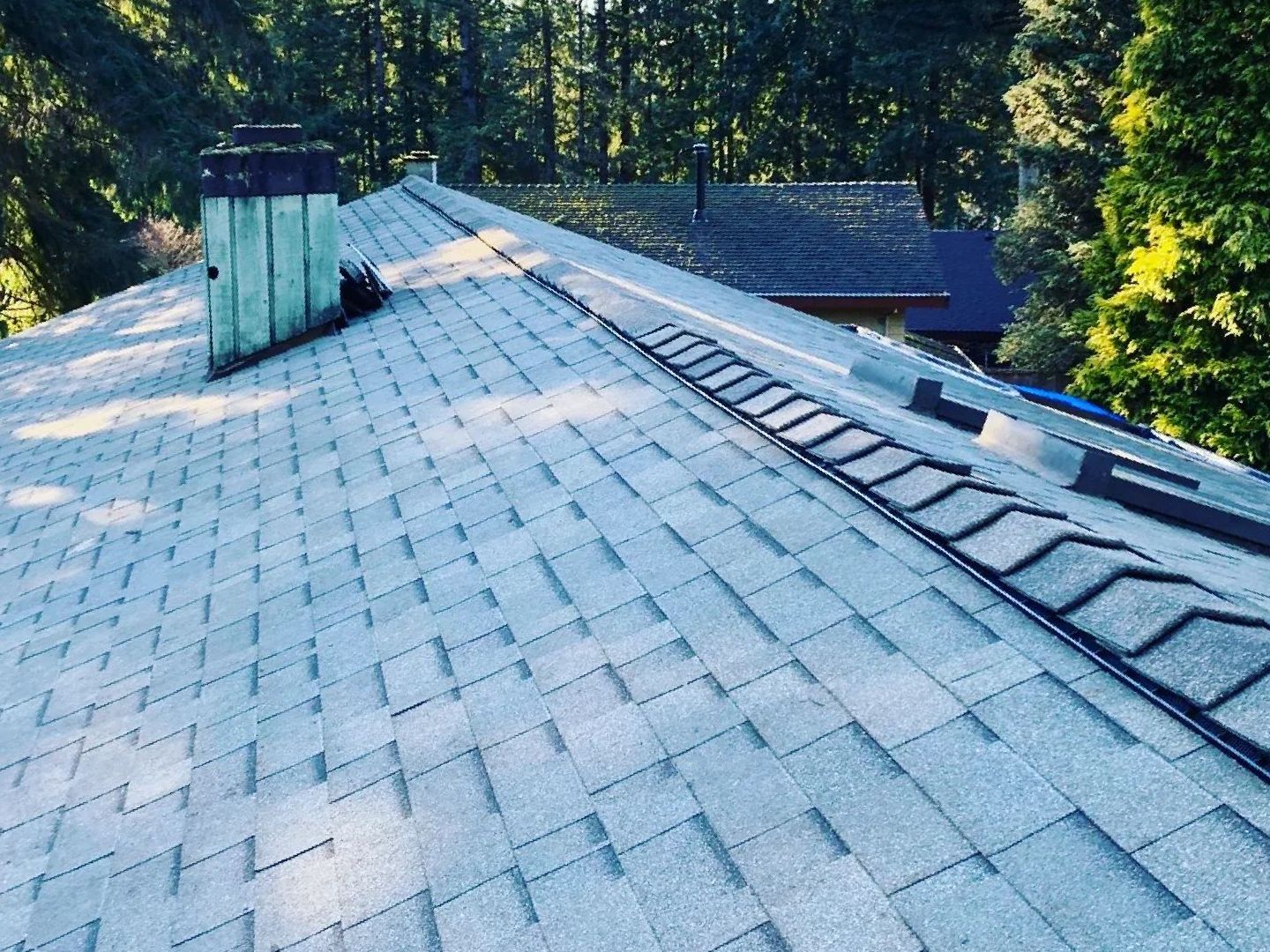
Professional assessments twice annually (spring and fall) identify developing issues requiring attention. Inspections document roof condition, photograph problem areas, and provide written reports to councils. Post-storm inspections after significant weather events catch damage before it escalates.
Preventative repairs & adjustments:
Minor repairs performed during inspections prevent major failures. Examples include resealing penetrations, reattaching loose flashings, clearing drains, patching small membrane defects, and adjusting expansion joints. Addressing $200-800 repairs prevents $5,000-20,000 failures.
Drainage & debris management:
Quarterly drain cleaning prevents blockages, causing ponding and overflow. Removing accumulated debris, flushing drains, inspecting overflow systems, and ensuring positive drainage protects membrane longevity and prevents interior water damage.
Common Roofing Issues Identified During Strata Maintenance
Understanding typical problems helps councils recognize maintenance program value.
Early-stage roof leaks:
Penetrations (vents, skylights, equipment curbs) develop seal failures before membrane damage becomes evident. Maintenance inspections catch deteriorating caulk, loose flashings, or inadequate pitch, allowing water infiltration. Early intervention costs $300-1,500 versus $5,000-15,000 once interior damage occurs.
Flashing & edge detail failures
Parapets, wall transitions, and perimeter edges experience accelerated wear from wind exposure and thermal cycling. Counter flashings pulling away from walls, deteriorated reglets, or inadequate edge metal allow water behind membranes. Preventative repairs maintain waterproof envelope integrity.
Drainage & ponding water problems:
Clogged drains create standing water exceeding membrane design capacity (typically 2-3 inches maximum). Improper roof slope (less than 1/4 inch per foot required for adequate drainage) causes persistent ponding. Maintenance programs identify drainage deficiencies before structural damage occurs.
How Strata Roof Maintenance Reduces Risk
Quantifying risk reduction helps councils justify maintenance budgets.
Preventing interior water damage:
Each prevented leak eliminates $5,000-15,000 in suite repairs (drywall, flooring, paint, contents) plus resident displacement costs. Multi-unit buildings average 2-4 preventable leaks annually without maintenance programs. Preventing these incidents through $3,000-6,000 annual maintenance delivers a 3:1 to 6:1 return on investment.
Reducing emergency repair situations:
Planned maintenance during business hours costs 30-50% less than after-hours emergency calls. Preventing 2-3 emergency callouts annually ($1,500-3,000 each) saves $3,000-9,000 while avoiding resident stress and property manager overtime.
Supporting insurance & claims management:
Documented maintenance programs demonstrate due diligence to insurers. Claims from preventable deferred maintenance may face coverage challenges or premium increases. Maintenance records support favorable underwriting and defend against negligence allegations if claims do occur.
How Strata Roof Maintenance Controls Long-Term Costs
Maintenance delivers measurable financial benefits beyond risk reduction.
Maintenance vs emergency repair costs:
Planned repairs during scheduled visits cost 40-60% less than reactive emergency work. Contractors charge premium rates for after-hours service, rushed material procurement, and expedited scheduling. Emergency situations often require temporary measures (tarping, emergency patching) followed by permanent repairs, essentially paying twice.
Extending roof lifespan through maintenance:
Proper maintenance extends membrane lifespan 5-10 years beyond neglected systems. A roof replacement costing $150,000-400,000 delayed from year 20 to year 28 saves $18,750-50,000 annually in avoided replacement costs (calculating present value of delayed expenditure). This far exceeds the typical $3,000-8,000 annual maintenance investment.
Budget forecasting & reserve fund alignment:
Predictable maintenance expenses integrate smoothly with operating budgets. An extended roof lifespan allows reserve fund contributions to accumulate adequate replacement reserves rather than forcing special levies when roofs fail prematurely. Councils demonstrate fiscal responsibility through proactive planning rather than crisis management.
Strata Roof Maintenance Costs in Vancouver
Understanding investment requirements helps councils budget appropriately.
Factors affecting maintenance costs:
Building size: 10,000 sq ft roof requires less per-square-foot maintenance than a 50,000 sq ft roof due to economy of scale. However, larger buildings have more penetrations, equipment, and complexity.
Roof complexity: Simple flat roofs with minimal penetrations cost less to maintain than complex systems with multiple levels, skylights, equipment platforms, and perimeter details.
Roofing system type: TPO and EPDM single-ply membranes require different maintenance than torch-on systems. Built-up roofs need more frequent attention than modern single-ply products.
Maintenance frequency: Annual programs cost less per visit than bi-annual (twice yearly), but bi-annual provides better protection and earlier problem detection.
Typical cost ranges (Vancouver 2026):
Annual inspection only: $800-2,000
- Visual inspection
- Written report with photos
- Recommendation list
- No repairs included
Basic annual maintenance program: $2,500-5,000
- Two inspections (spring/fall)
- Drain cleaning (quarterly)
- Minor repairs up to $500
- Emergency support
Comprehensive maintenance program: $4,000-10,000+
- Quarterly inspections
- Unlimited drain service
- Minor repairs up to $2,000
- Priority emergency response
- Detailed reporting
Per-square-foot annual costs: $0.15-0.30/sq ft for basic programs, $0.30-0.60/sq ft for comprehensive coverage.
Cost-benefit analysis: $5,000 annual program for a 20,000 sq ft building equals $0.25/sq ft. If this extends the $200,000 roof replacement by 6 years (from 22 to 28 years), the maintenance investment saves $33,333 annually (delayed replacement NPV) while costing only $5,000, delivering a net benefit of $28,333 per year.
How Often Should Strata Roofs Be Maintained?
Establishing appropriate maintenance frequency balances protection and cost.
Recommended inspection frequency:
Annual minimum: All strata buildings require at least one comprehensive professional inspection annually. This baseline assessment identifies developing problems and informs budget planning.
Bi-annual optimal: Spring and fall inspections catch seasonal damage (winter storm effects in spring, preparing for the rainy season in fall). This frequency provides better protection with early problem detection.
Quarterly for high-risk: Buildings with complex roofs, aging systems (15+ years), or a history of problems benefit from quarterly inspections. More frequent assessment catches minor issues before escalation.
Post-storm inspections: After significant weather events (windstorms, heavy snowfall, extreme rainfall), immediate inspection identifies damage while events remain fresh for insurance purposes.
Seasonal maintenance considerations:
Spring (April-May):
- Assess winter storm damage
- Clear accumulated debris from drains and gutters
- Inspect flashings for winter weather stress
- Address moss growth before summer dormancy
- Prepare for the minimal-rain season, allowing repairs
Summer (June-August):
- Perform major repairs during dry weather
- Reseal penetrations and joints
- Apply protective coatings
- Address items identified in the spring inspection
Fall (September-October):
- Pre-winter preparation, ensuring drainage systems are clear
- Remove accumulated summer debris
- Inspect and repair before the heavy rain season
- Address any summer heat damage
Winter (November-March):
- Monitor during heavy rain events
- Emergency-only repairs (conditions prevent major work)
- Document any storm damage for spring attention
Adapting schedules to building type:
Townhouse complexes: Individual pitched roofs require less frequent professional inspection (annually sufficient). However, shared drainage systems need quarterly attention to prevent overflow affecting multiple units.
Low-rise buildings (3-4 stories): Bi-annual inspections are optimal. Relatively simple roof access and limited equipment complexity allow efficient twice-yearly assessment.
Mid-rise buildings (5-12 stories): Quarterly inspections recommended due to access complexity, multiple roof levels, extensive mechanical equipment, and higher leak impact (affecting more units).
Importance of Documentation in Strata Roof Maintenance
Comprehensive records demonstrate due diligence and support governance responsibilities.
Inspection reports & photo documentation:
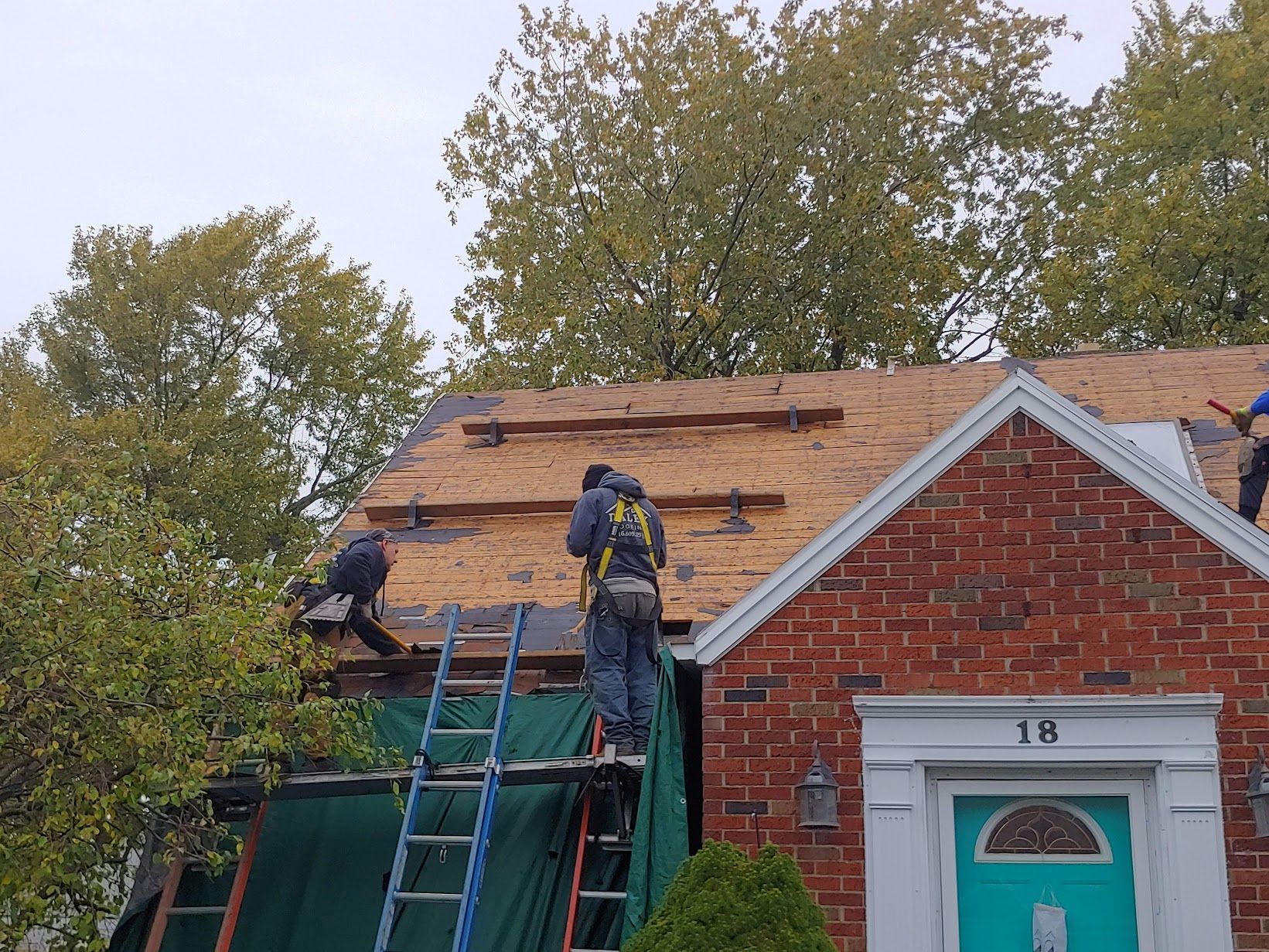
Written reports: Professional inspections must produce detailed written documentation, including: roof areas assessed, problems identified with severity ratings, repair recommendations with priority levels, cost estimates for recommended work, and timeline projections.
Photographic evidence: Date-stamped photos showing roof condition, problem areas, and repair needs create a visual record of diligence. Photos taken at each inspection document progressive deterioration or successful maintenance outcomes.
Annotated diagrams: Roof plans with marked problem locations help councils and future contractors understand issue patterns. Recurring problems in specific areas may indicate design deficiencies requiring comprehensive solutions rather than repeated patches.
Maintenance records for councils & owners:
Repair logs: Detailed records of all work performed, including dates, contractors, materials used, costs, warranty information, and problem resolution, create maintenance history. This demonstrates responsible stewardship to owners and supports property value.
Budget documentation: Tracking maintenance expenditures against budgets shows fiscal responsibility. Councils can demonstrate value delivered through maintenance programs using actual cost data versus emergency repair comparisons.
Owner communication: Annual summary reports to owners document roof maintenance activities, current condition assessment, upcoming work planned, and budget status. Transparency builds owner confidence in council governance.
Supporting depreciation reports & insurance reviews:
Depreciation report integration: Maintenance records inform depreciation report updates (required every 3 years per BC Strata Property Act). Professional engineers preparing these reports incorporate maintenance history into condition assessments and replacement timeline projections.
Insurance documentation: Insurers increasingly request maintenance documentation during policy underwriting or renewal. Demonstrated preventative care supports favorable coverage terms and premium rates. Claims arising despite proper maintenance receive better coverage consideration than those from obvious neglect.
Legal protection: If owners pursue negligence claims against strata corporations, documented maintenance programs demonstrate reasonable care exercised. Well-maintained records provide a defense showing councils fulfilled fiduciary duties.
DIY Monitoring vs Professional Strata Roof Maintenance
Understanding appropriate intervention levels prevents liability while encouraging owner engagement.
What on-site staff or councils can monitor:
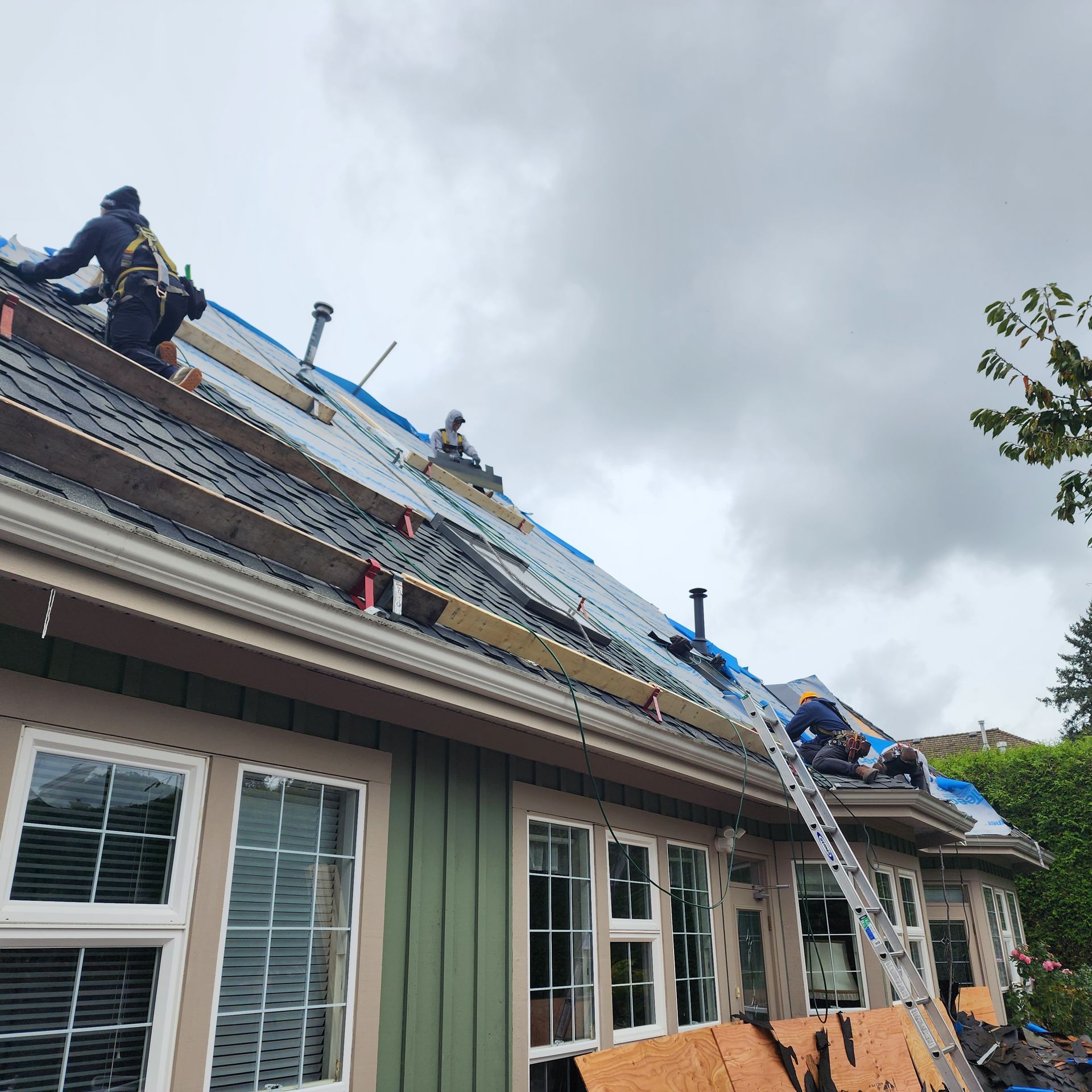
Visual checks: Property managers or maintenance staff can perform monthly walk-throughs, observing visible debris accumulation, obvious drain blockages, pooling water after rain events, vegetation growth, and damaged equipment supports.
Drain observation: After rainfall, checking that drains flow freely and overflows remain clear requires no specialized training. Noting slow drainage or standing water allows scheduling professional service before problems escalate.
Interior monitoring: Regular inspection of top-floor units and common areas for ceiling stains, damp spots, or musty odors catches leaks early. Immediate professional assessment when interior signs appear prevents extensive damage.
What staff cannot substitute for professionals:
Proper diagnosis: Identifying leak sources, assessing membrane condition, or determining repair versus replacement needs requires roofing expertise. Well-intentioned staff making incorrect assessments leads to inappropriate repairs, wasting money without solving problems.
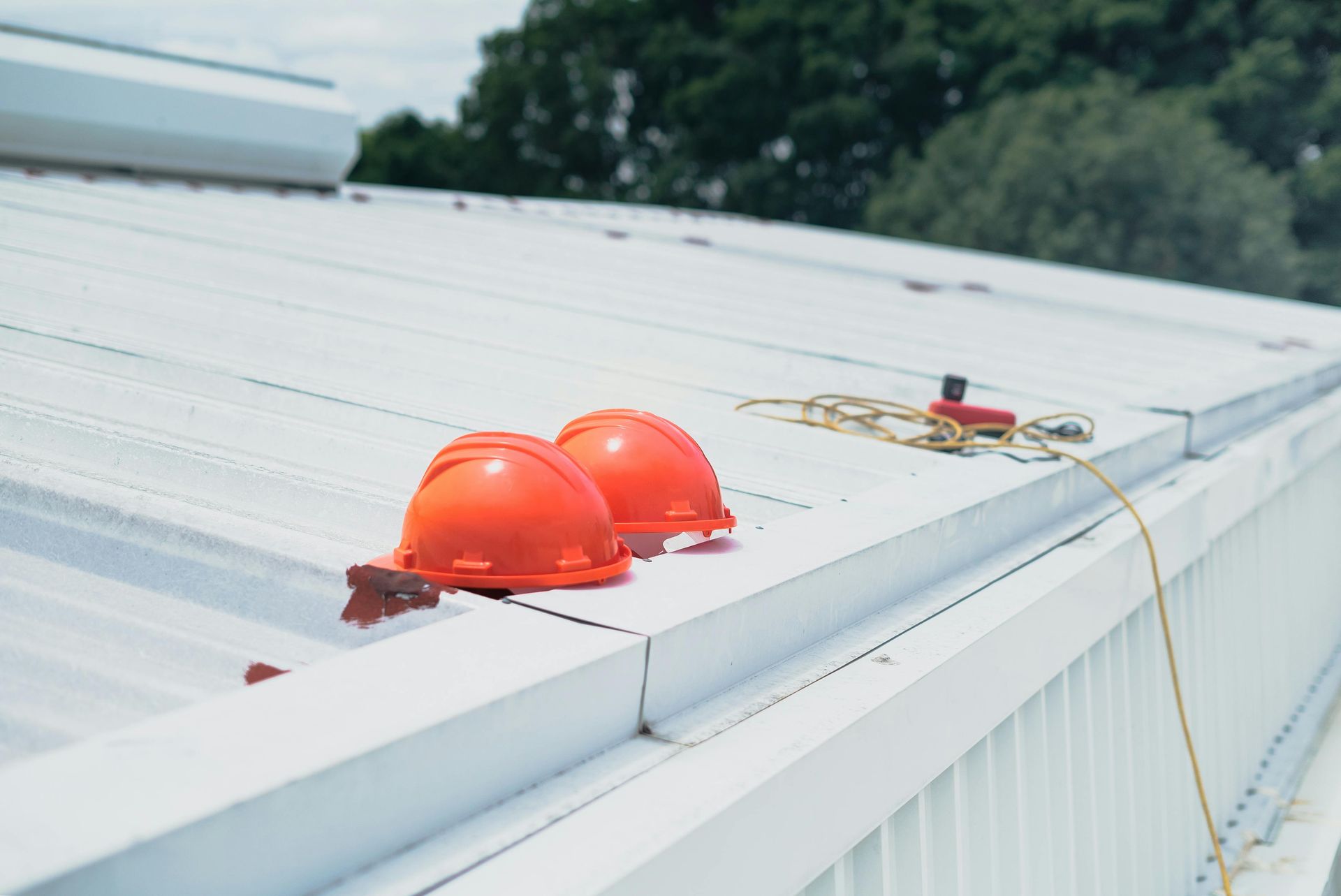
Safety protocols: Roof access involves fall risks requiring proper equipment, training, and insurance coverage. Strata corporations accepting liability for untrained personnel working on roofs expose themselves to Workers' Compensation claims and negligence liability.
Technical repairs: Membrane patching, flashing installation, or penetration sealing require specialized skills and materials. Improper repairs often worsen problems by trapping water behind inadequate patches.
Choosing a Strata Roof Maintenance Contractor in Vancouver
Selecting appropriate service providers ensures programs deliver intended value.
Strata-specific experience: Contractors should demonstrate multi-unit building expertise, understanding shared property considerations, council governance processes, owner communication requirements, and working around occupied buildings, minimizing resident disruption.
Safety & compliance: Verify Workers Compensation coverage (essential in BC), liability insurance ($2-5 million minimum), and fall protection training. Request safety protocols for working on occupied buildings. Strata corporations may be liable for injuries if contractors lack proper coverage.
Maintenance-first approach: Quality contractors prioritize extending existing roof life through proper maintenance rather than recommending premature replacement. They provide honest assessments, including "continue maintenance" recommendations when appropriate, not just selling expensive projects.
Clear reporting & communication: Contractors should provide written reports after each visit, photo documentatin of problems and repairs, plain-language explanations for non-technical council members, and budget estimates for recommended future work.
Emergency response capability: Maintenance contracts should include defined emergency response protocols. When leaks occur outside business hours, knowing response time expectations (typically 2-4 hours for emergencies) prevents panic and ensures prompt attention.
References & track record: Request references from other strata corporations, verify BBB ratings, check Workers Compensation and insurance status through provincial databases, and review sample inspection reports before committing to multi-year contracts.
When a Strata Roof Needs More Than Maintenance
Recognizing transition points prevents spending money on maintaining systems requiring replacement.
Signs maintenance is no longer sufficient:
Repeated leaks: Same areas requiring repairs every 6-12 months indicate systemic failure rather than isolated problems. Once repair frequency exceeds 3-4 incidents annually, replacement becomes more economical than ongoing patches.
Widespread membrane deterioration: Cracking, blistering, or delamination affecting 30%+ of the roof area means the base membrane has reached the end of its service life. Maintenance can't restore failed materials.
Structural concerns: Soft deck areas, sagging roof sections, or visible deflection indicate underlying structural problems requiring comprehensive investigation beyond the routine maintenance scope.
Age exceeds expectations: Torch-on roofs beyond 25 years, EPDM beyond 28 years, or TPO beyond 30 years (even if performing adequately) warrant replacement planning. Maintenance extends serviceable life, but can't make aged systems perform like new.
Transitioning from maintenance to repair or replacement: Maintenance programs include periodic assessments recommending transition timing. Professional contractors provide 5-year outlook reports, helping councils budget and plan major work. Depreciation reports (required every 3 years per Strata Property Act) incorporate roof condition assessments informing reserve fund planning.
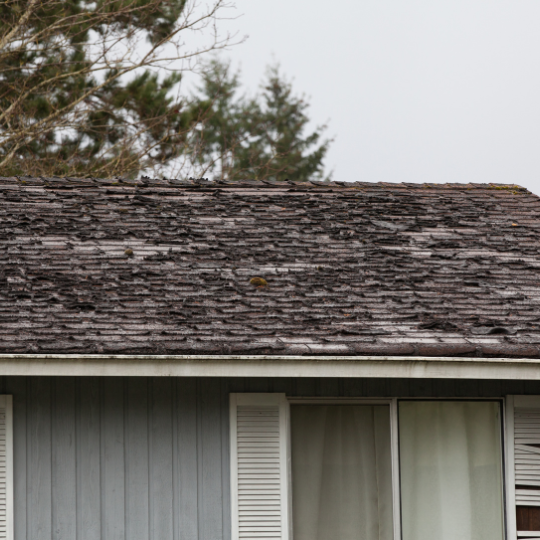
Strata Roof Maintenance Vancouver FAQs
Why is strata roof maintenance more important in Vancouver than in drier regions?
Because Vancouver has long wet seasons and frequent rain, small roof issues (seal gaps, loose flashings, slow drains) escalate faster. In multi-unit buildings, one overlooked problem can affect several suites at once multiplying repair costs, disruption, and insurance risk.
Is strata roof maintenance a legal requirement in BC?
Strata corporations are responsible for maintaining common property, including the roof. A documented maintenance program with regular inspections and timely repairs helps councils demonstrate reasonable care and reduce liability exposure if water damage occurs.
What does a comprehensive strata roof maintenance program usually include?
Most programs include scheduled inspections (often spring/fall), drain and debris management, minor preventative repairs (resealing penetrations, securing flashings, small membrane patches), post-storm checks, and written photo reports for strata records.
How often should strata roofs be inspected and maintained?
At minimum, many strata buildings benefit from annual professional inspections, but bi-annual (spring + fall) is often the practical standard for Vancouver. Roofs with leak history, high equipment traffic, or aging membranes may need quarterly visits, plus post-storm checks.
How does roof maintenance reduce insurance problems for strata buildings?
Maintenance records help show the strata acted responsibly. This supports underwriting and can help avoid claim disputes where insurers argue damage resulted from neglect. Fewer leak claims also reduces the chance of premium hikes, higher deductibles, or non-renewal.
How much does strata roof maintenance cost in Vancouver?
Costs vary by roof size, access, and complexity. Typical ranges may include inspection-only services, basic programs with routine drain cleaning and minor repairs, and comprehensive programs with quarterly visits and larger included repair allowances. Per-square-foot pricing is commonly used for budgeting.
When is maintenance no longer enough and replacement planning should start?
Replacement planning is usually appropriate when there are repeated leaks, widespread membrane deterioration, soft/rotted deck areas, persistent ponding/drainage failures, or the roof is past its expected service life. At that point, maintenance may still help manage risk short-term, but it won’t restore an exhausted system.
Next Steps for Strata Roof Maintenance in Vancouver
Councils and property managers should:
- Review current approach - Assess existing maintenance programs or lack thereof
- Obtain professional assessment - Schedule comprehensive roof inspection, identifying current condition and needs
- Develop maintenance program - Establish scheduled inspections, repairs, and documentation protocols
- Budget appropriately - Allocate operating funds or reserve contributions for ongoing maintenance
- Document everything - Maintain records demonstrating due diligence and supporting insurance/legal requirements
Working with Paragon Roofing BC
Paragon Roofing BC provides comprehensive strata roof maintenance programs throughout Metro Vancouver. We understand strata council responsibilities and design maintenance approaches, preventing expensive failures while controlling costs.
Our strata services:
- Strata roofing
- Commercial roofing
- All roofing services
- Contact us for consultation
Proactive strata roof maintenance protects property values, reduces council liability, controls long-term costs, and demonstrates fiduciary responsibility to strata owners. Vancouver's challenging climate makes systematic maintenance non-negotiable for responsible building management.
Disclaimer: All pricing, cost ranges, and examples shown on this page are provided for general informational purposes only and are not quotes or guarantees. Actual roofing and maintenance costs in Vancouver vary based on roof size, height and access, system type, drainage design, number of penetrations or rooftop equipment, existing roof condition, prior repairs, weather impacts, and the scope of services required. Final pricing can only be confirmed following a professional on-site inspection and a written scope of work.
Here's What Our Existing Clients Think.
Home and business owners we've served across the greater Vancouver area.
Our Google Reviews
Edit Google Reviews Widget
We look forward to helping you.
For all your roofing needs, contact Paragon Roofing BC — call, text, or email us at 604-358-3436
Paragon Res Roof Install #2
We will get back to you as soon as possible.
Please try again later.