Asphalt Shingles for Industry: Resilience in BC
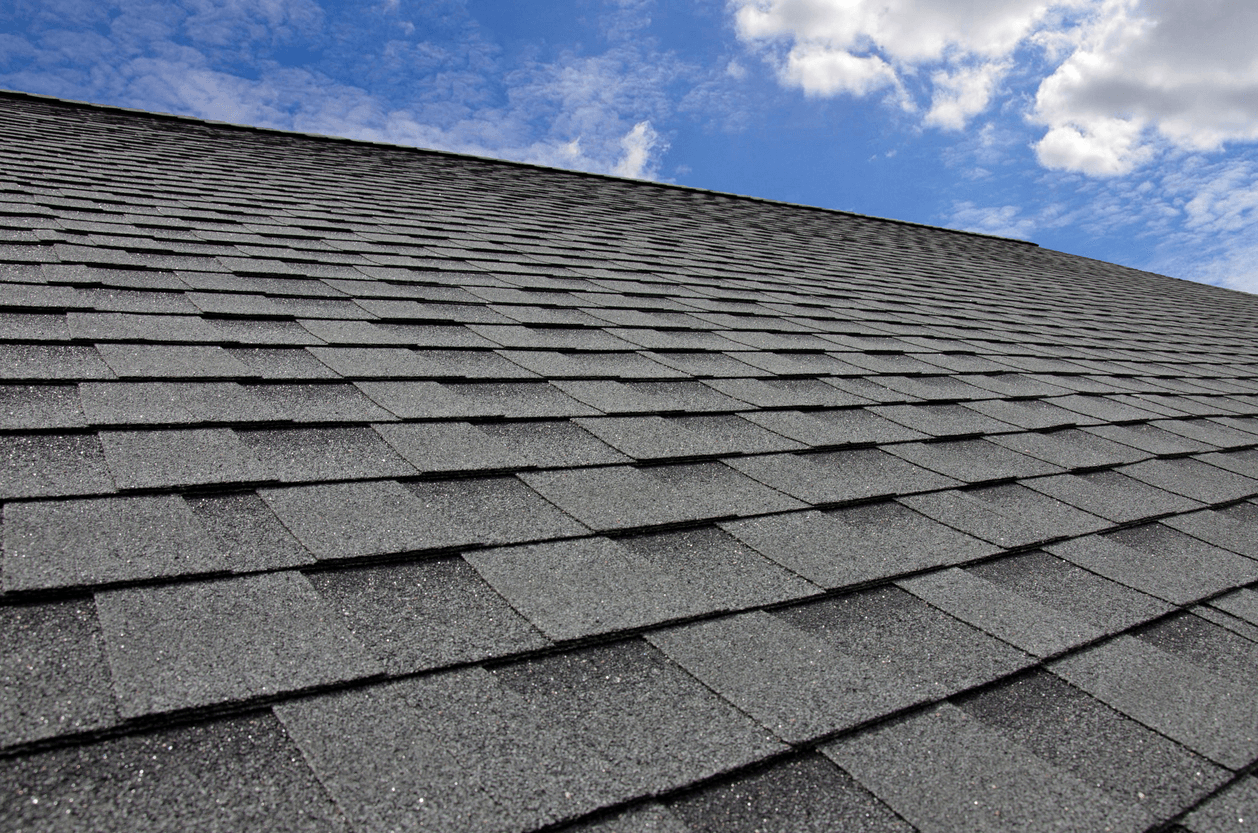
Torrential rainfall and powerful coastal winds push industrial roofs in British Columbia to their limits every year. Canadian property managers face relentless maintenance demands as climate stress accelerates roofing wear. Exploring asphalt shingle technology built for industrial strength unveils solutions that stand up to constant weather extremes, help control long-term costs, and simplify facility upkeep for busy commercial operations.
Table of Contents
Key Takeaways
| Point | Details |
| Asphalt Shingles Suitability | Asphalt shingles are tailored for industrial use in British Columbia, designed to withstand harsh environmental conditions. |
| Types of Shingles | The primary types include organic and fiberglass shingles, each offering distinct advantages in terms of weight, cost, and weather resistance. |
| Building Code Compliance | Adhering to the British Columbia Building Code is crucial for ensuring technical standards and safety in industrial roofing projects. |
| Maintenance Importance | Regular inspections and proactive maintenance are essential to extend the lifespan and performance of industrial asphalt shingle roofs. |
Defining Asphalt Shingles for Industrial Use
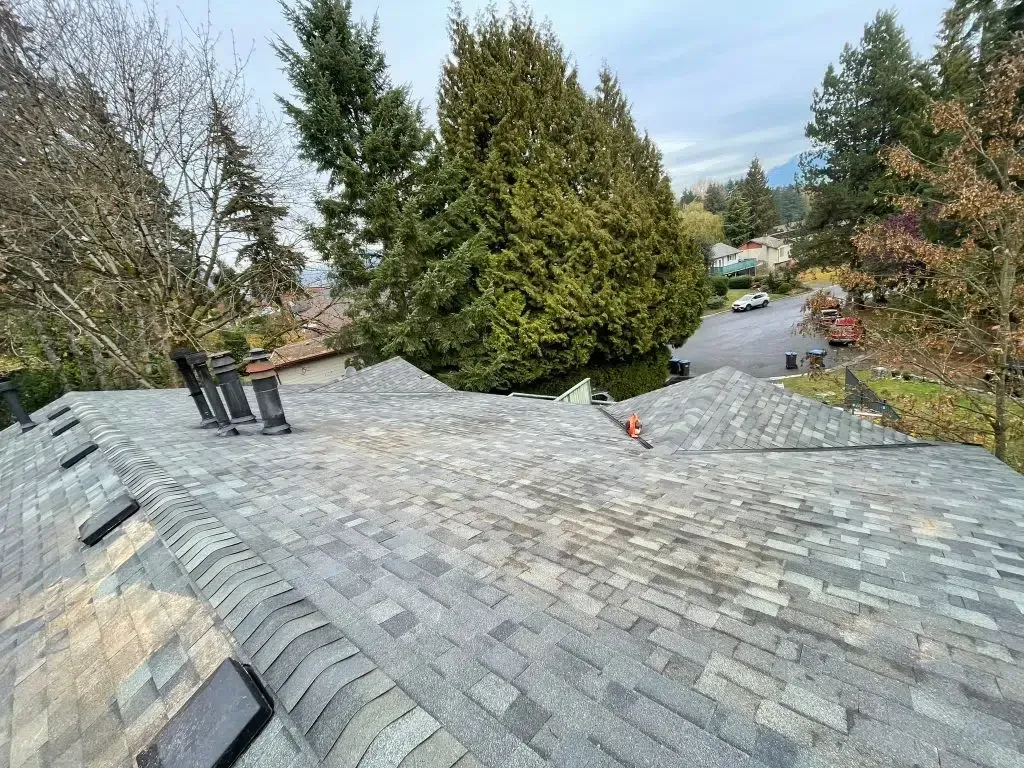
Asphalt shingles represent a critical roofing technology specifically engineered for industrial and commercial applications across British Columbia’s challenging environmental landscape. Industrial roofing materials must withstand extreme conditions like heavy rainfall, intense wind exposure, and dramatic temperature fluctuations characteristic of our coastal region.
These specialized roofing components are fundamentally constructed from fiberglass mats impregnated with asphalt and mineral fillers, designed to provide robust protection for industrial facilities. Specialized asphalt shingle compositions incorporate multi-layered structures that enhance durability and performance. Typically manufactured with sophisticated production techniques, industrial-grade asphalt shingles feature advanced mineral granule coatings that resist UV degradation and provide critical weatherproofing.
Unlike residential roofing applications, industrial asphalt shingles demand heightened engineering specifications. They must accommodate roof pitches ranging from 2:12 to 21:12, with laminated or multi-layered configurations dominating the market. These configurations offer superior resistance against moisture penetration, thermal expansion, and structural stress - critical considerations for manufacturing, warehousing, and commercial environments in British Columbia.
Pro tip: Always consult a professional roofing specialist who understands local building codes and can assess your specific industrial facility’s unique roofing requirements before selecting asphalt shingle systems.
Key Types and Material Characteristics
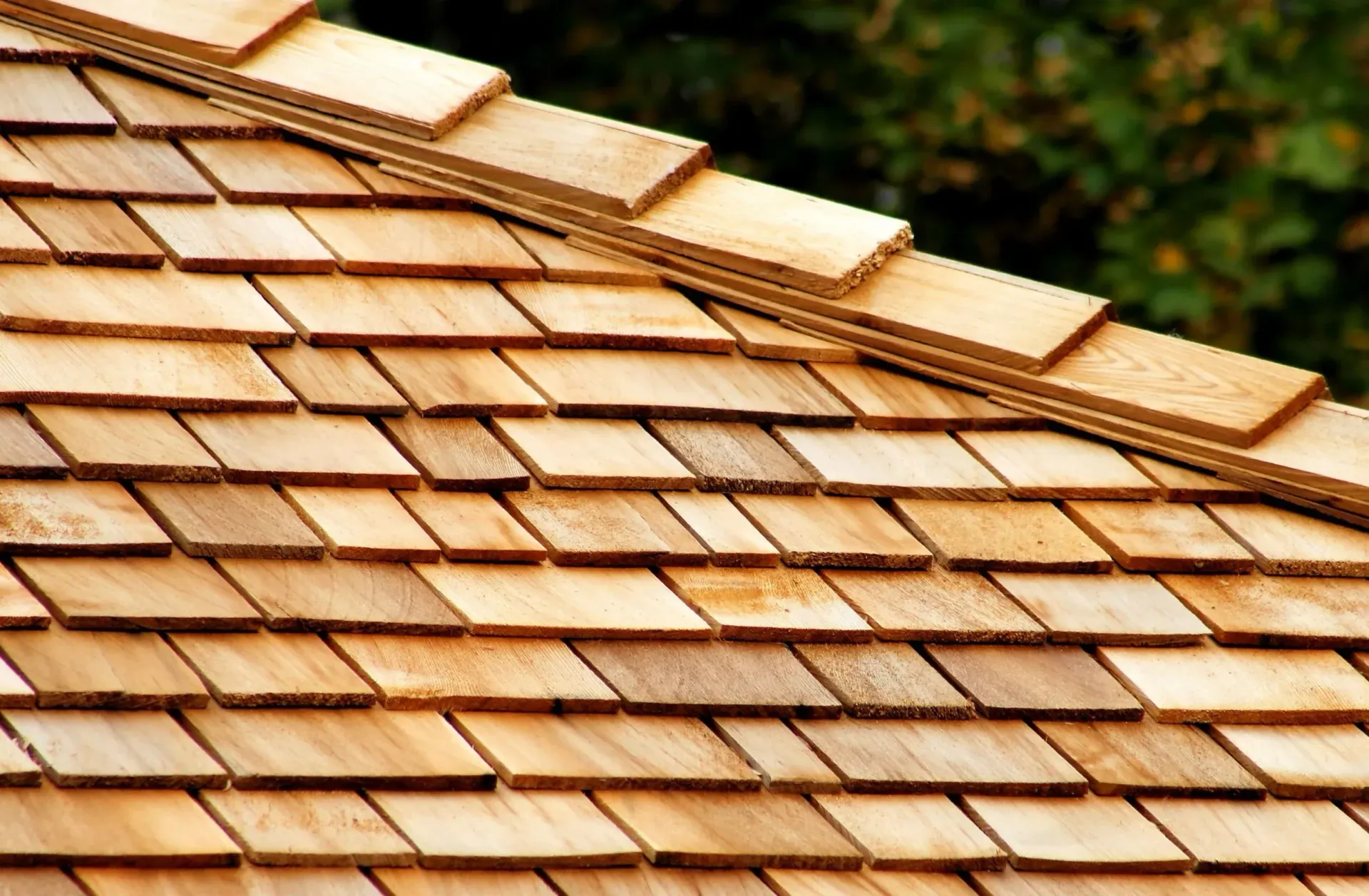
In British Columbia’s industrial roofing sector, two primary asphalt shingle types dominate the market: organic and fiberglass. Organic asphalt shingles feature a cellulose fiber base saturated with asphalt, creating a heavier material with superior wind resistance and durability. These shingles excel in challenging environments where structural integrity is paramount.
Fiberglass shingles represent a more contemporary solution, constructed with a glass fiber mat that delivers significant advantages for industrial applications. They are lighter, more heat resistant, and typically more cost-effective than organic variants. The advanced manufacturing process involves applying multiple layers of mineral granules that provide critical UV protection and enhance aesthetic appeal. These granular surface coatings are engineered to withstand British Columbia’s demanding climate conditions, including intense rainfall, dramatic temperature shifts, and persistent moisture exposure.
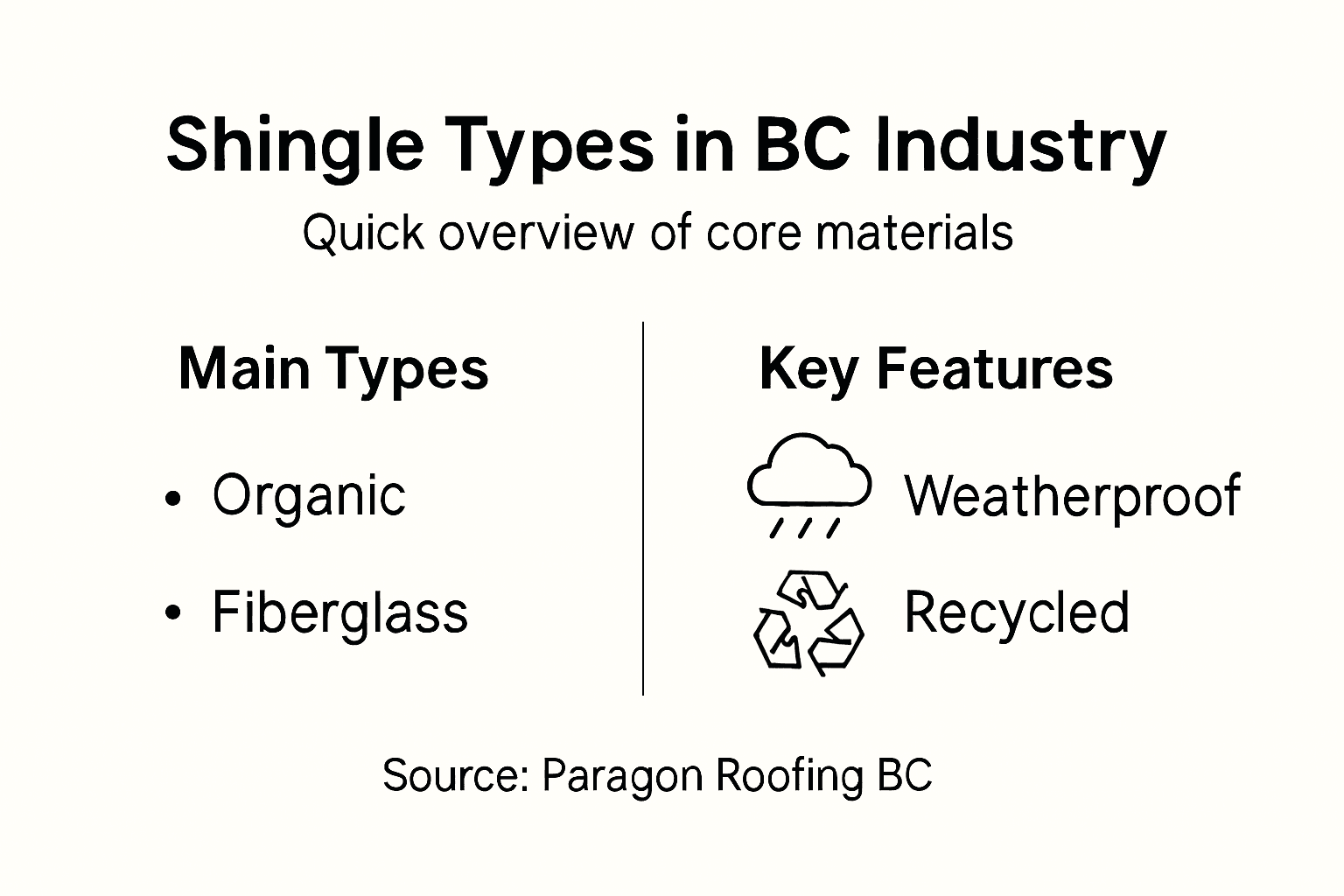
Recycled asphalt shingles (RAS) are emerging as an innovative material option for environmentally conscious industrial projects. Recycled material characteristics demonstrate complex compositional elements including mineral materials and aged asphalt binders. Processing techniques remove contaminants and ensure compliance with stringent material standards, making RAS an increasingly viable option for sustainable industrial roofing solutions. Key performance factors include granule content, specific gravity, and the integrity of the reclaimed asphalt material.
Pro tip: Consult with a professional roofing specialist to determine the most appropriate asphalt shingle type for your specific industrial facility, considering factors like local climate, building structure, and long-term performance requirements.
Here’s a side-by-side comparison of the main industrial asphalt shingle types used across British Columbia:
| Shingle Type | Core Material | Weather Resistance | Cost Consideration |
| Organic | Cellulose fibre base | Superior wind durability | Higher due to weight |
| Fiberglass | Glass fibre mat | Excellent heat resistance | More affordable option |
| Recycled Asphalt | Processed reclaimed mix | Good sustainability rating | Variable, depends on source |
British Columbia Roofing Codes and Compliance
The British Columbia Building Code serves as the foundational regulatory framework governing industrial roofing standards across the province. Roofing compliance requirements are comprehensive, incorporating adaptations from the National Building Code of Canada 2020 with unique provincial specifications that address the region’s distinctive environmental challenges.
Industrial roofing projects must adhere to strict technical guidelines that encompass structural safety, fire protection, and energy efficiency standards. These regulations mandate precise requirements for asphalt shingle installation, including specifications for fasteners, ice and water barriers, and flashing techniques. Critical compliance areas include material durability, wind resistance ratings, and thermal performance metrics that ensure roofing systems can withstand British Columbia’s demanding climate conditions, ranging from coastal moisture to alpine snowfall.
Technical bulletins issued by provincial authorities provide essential clarifications on building code provisions specific to roofing systems. These detailed documents outline critical requirements for seismic design, protective barriers, and adaptive dwelling unit standards. Industrial facility managers and roofing contractors must stay current with these evolving regulations to ensure full legal compliance and optimal structural resilience.
Pro tip: Always consult a certified roofing professional familiar with the latest British Columbia Building Code revisions to ensure your industrial roofing project meets all current regulatory standards and local municipal requirements.
Installation Process and Best Practices
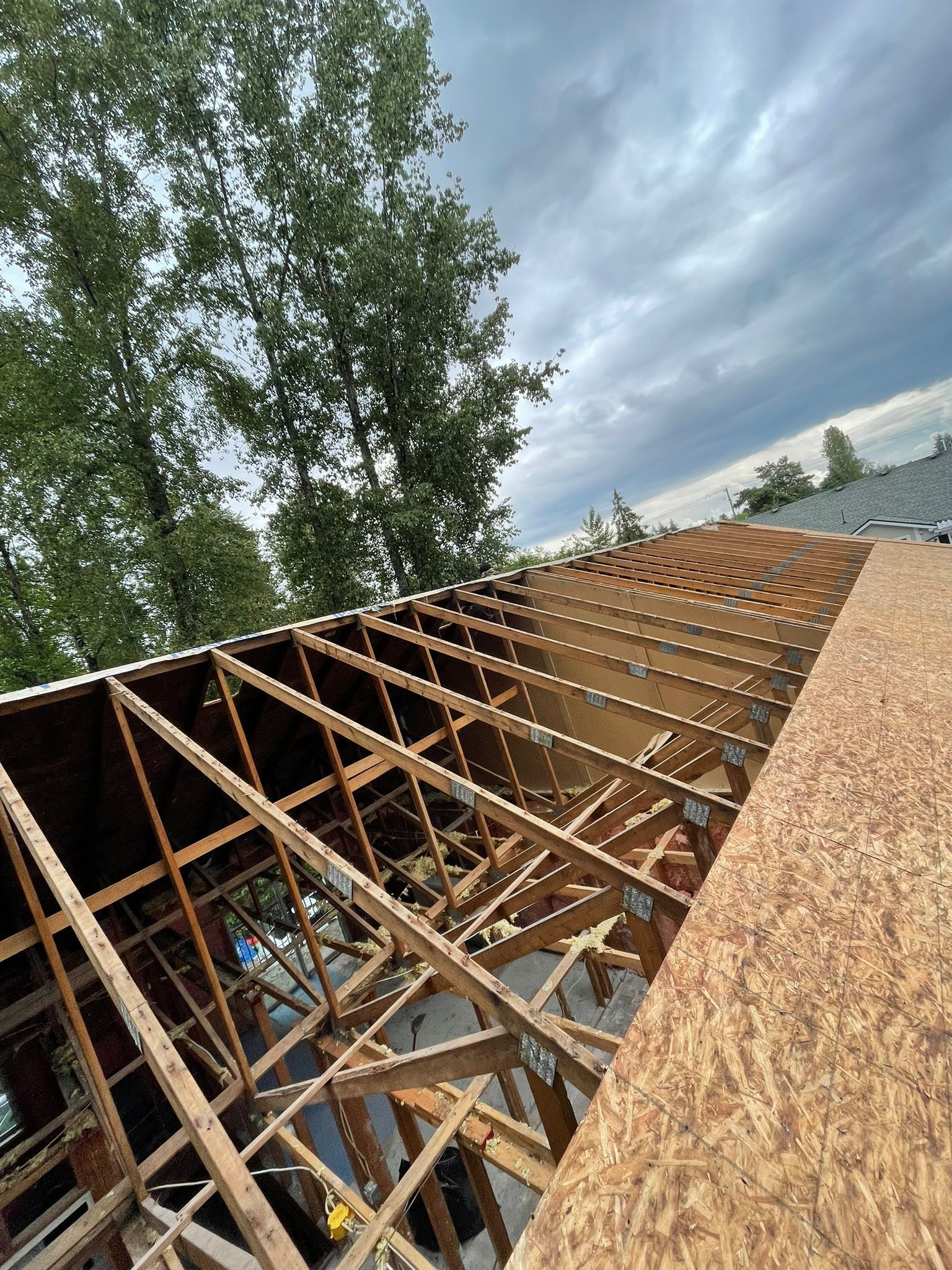
Successful industrial asphalt shingle installation begins with meticulous preparation and substrate assessment. Comprehensive installation procedures require careful removal of existing roofing materials, thorough inspection of the underlying decking, and comprehensive repair of any structural weaknesses. Industrial roofing professionals must ensure the substrate is structurally sound, clean, and capable of supporting the new roofing system.
The installation sequence involves strategic layering and precise techniques unique to industrial environments. Critical steps include installing metal drip edges, applying waterproof membranes, and positioning starter shingles with exacting precision. Each row of asphalt shingles must be systematically laid with meticulous attention to overlap specifications and fastening requirements. Special consideration must be given to British Columbia’s challenging climate, which demands robust waterproofing and wind resistance strategies for industrial facilities.
In industrial settings, flashing becomes a critical component of the roofing system. Precise installation around roof penetrations, valleys, and structural interfaces prevents potential water intrusion and ensures long-term performance. Safety protocols are paramount during installation, particularly on steep or complex industrial roof structures. Professional teams must utilize appropriate fall protection equipment, scaffolding, and safety harnesses to mitigate risks and comply with workplace safety regulations.
Pro tip: Conduct a comprehensive substrate assessment and moisture evaluation before beginning installation, as unaddressed underlying issues can compromise the entire roofing system’s integrity and performance.
Lifespan, Maintenance, and Cost Analysis
Asphalt shingle roofing systems for industrial facilities represent a significant long-term investment, with lifespan considerations ranging from 15 to 30 years. The durability of these roofing systems depends critically on multiple factors including shingle quality, installation precision, environmental exposure, and ongoing maintenance practices specific to British Columbia’s challenging climate conditions.
Cost analysis for industrial roofing involves complex calculations beyond initial installation expenses. Replacement cost factors include roof complexity, material selection, and accessibility. Three-tab shingles represent a more economical initial investment, while architectural shingles offer enhanced durability at a higher upfront cost. Industrial facility managers must consider not just immediate expenses, but long-term performance metrics, including potential energy savings, maintenance requirements, and resilience against British Columbia’s extreme weather variations.
Proactive maintenance emerges as the most cost-effective strategy for extending asphalt shingle roof longevity. Regular inspections should focus on identifying early signs of granule loss, checking for damaged or missing shingles, and ensuring proper drainage systems remain unobstructed. Professional assessments every two to three years can help identify potential issues before they escalate into significant structural problems, potentially saving substantial repair and replacement costs over the roof’s lifecycle.
Pro tip: Develop a comprehensive roof maintenance log that tracks inspections, repairs, and environmental exposures to optimize your industrial roofing system’s performance and maximize its operational lifespan.
The following table summarises key factors influencing the lifespan and cost effectiveness of industrial asphalt shingle roofing:
| Factor | Impact on Lifespan | Influence on Costs |
| Shingle Quality | Longer life expectancy | Higher initial investment |
| Installation Precision | Fewer repairs needed | Reduced maintenance expenses |
| Environmental Exposure | Accelerates degradation | Higher long-term expenses |
| Maintenance Frequency | Extends roof lifespan | Saves on major replacements |
Risks, Alternatives, and Common Mistakes
Industrial roofing projects face significant challenges that can compromise system integrity, with critical installation mistakes representing primary risk factors. Improper fastening techniques, incorrect nailing locations, and inadequate underlayment can lead to premature roofing failure, potentially exposing industrial facilities to substantial structural and operational risks in British Columbia’s demanding environmental conditions.
Alternative roofing solutions emerge as strategic considerations for industrial facility managers seeking enhanced performance and sustainability. Recycled asphalt shingles (RAS) present an environmentally conscious option, reducing waste while maintaining robust performance standards. However, these alternatives require meticulous quality control during processing and careful assessment of material specifications to ensure they meet the rigorous performance demands of industrial applications in our region’s challenging climate.
Mitigating risks requires a comprehensive approach that addresses multiple potential failure points. Critical areas of focus include proper material grade selection, ensuring robust flashing techniques, maintaining adequate ventilation, and implementing systematic inspection protocols. Industrial facility managers must prioritize professional installation, regular maintenance, and proactive condition assessments to minimize potential vulnerabilities in their roofing systems. Understanding the nuanced interactions between material properties, installation techniques, and environmental exposures is paramount to achieving long-term roofing resilience.
Pro tip: Develop a comprehensive risk assessment matrix that systematically evaluates your industrial roofing system’s potential vulnerabilities, incorporating environmental factors, material performance data, and historical maintenance records.
Ensure Industrial Roof Resilience with Expert Asphalt Shingle Solutions in British Columbia
Industrial facilities in British Columbia face unique roofing challenges like extreme weather, moisture exposure, and strict building code requirements. If your operation requires asphalt shingles that deliver superior durability, wind resistance, and long-term performance, you need trusted experts who understand these critical factors highlighted in “Asphalt Shingles for Industry: Resilience in BC.” At Paragon Roofing BC, we specialise in tailored industrial roofing installations, repairs, and maintenance that address key pain points such as substrate assessment, proper installation techniques, and compliance with local codes.
Take the first step to protect your industrial property by partnering with certified professionals committed to your roofing system’s longevity and resilience. Visit our main site Paragon Roofing BC now to explore reliable commercial and industrial roofing solutions. Secure a free inspection, gain peace of mind, and ensure your roofing investment withstands British Columbia’s demanding climate with meticulous asphalt shingle craftsmanship.
Discover more about our comprehensive roofing services at Paragon Roofing BC and start safeguarding your facility today.
Frequently Asked Questions
What are asphalt shingles for industrial use?
Asphalt shingles designed for industrial use are roofing materials engineered to withstand harsh environmental conditions, including heavy rainfall, wind exposure, and temperature variations. They typically feature multi-layered structures made from fiberglass mats impregnated with asphalt.
What are the main types of asphalt shingles used in industrial applications?
The two primary types of asphalt shingles for industrial use are organic and fiberglass shingles. Organic shingles have a cellulose fiber base, providing superior wind resistance, while fiberglass shingles offer a lighter, more cost-effective solution with excellent heat resistance and durability.
How long do industrial asphalt shingle roofs typically last?
Industrial asphalt shingle roofs can last between 15 to 30 years, depending on factors such as shingle quality, environmental exposure, and regular maintenance practices.
What are the key factors influencing the installation of asphalt shingles?
Key factors include thorough substrate assessment, precise installation techniques, and adherence to local building codes. It’s crucial to install waterproof membranes and ensure proper fastening to withstand environmental challenges effectively.