7 Essential Flat Roof Maintenance Tips for Vancouver Properties
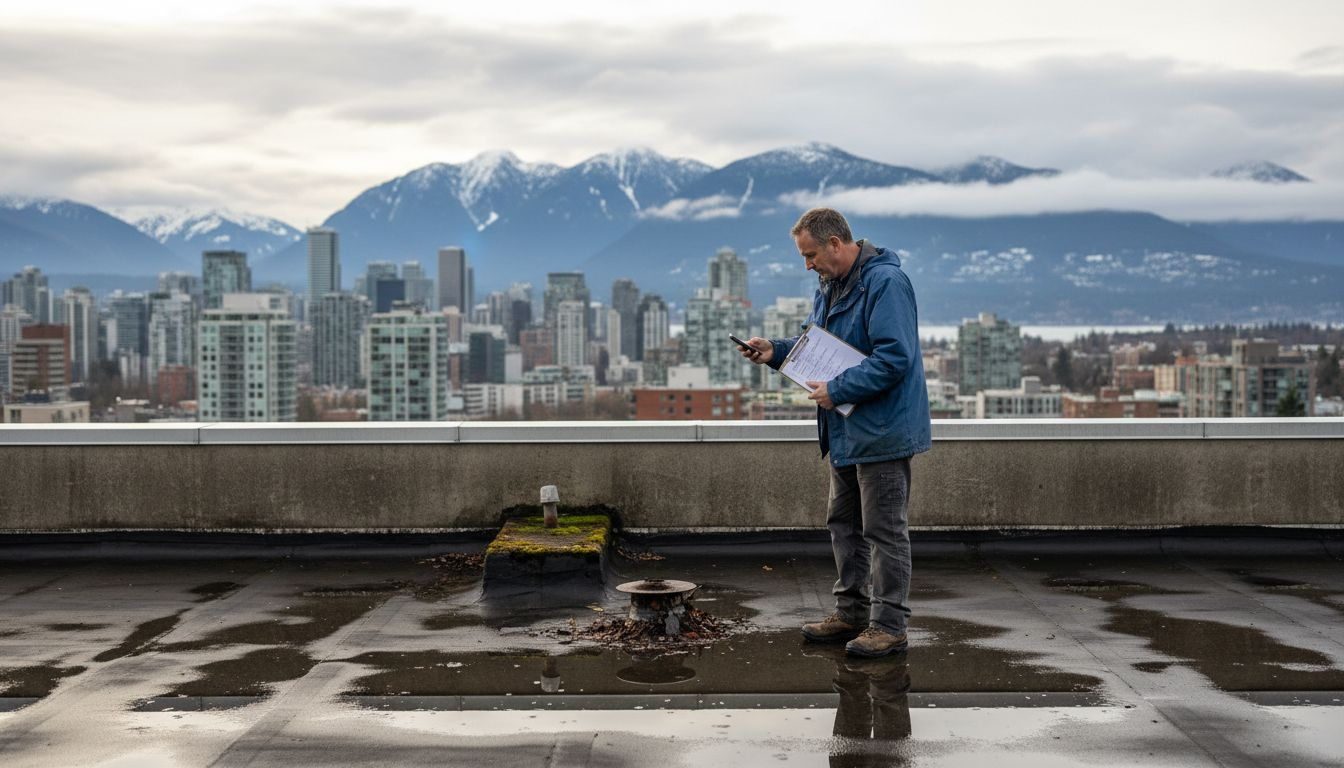
Flat roofs in Vancouver face relentless rain and constant moisture, and small oversights quickly turn into expensive headaches. If you own or manage a flat-roofed property, missed inspections or blocked drains could mean water pooling, membrane deterioration, and costly repairs. The risks add up in our Canadian climate, especially after winter or heavy storms.
The good news is that intentional maintenance makes a major difference. By following proven inspection and cleaning steps, you can catch roof problems early while repairs are simple and affordable. These practical techniques help you keep water out, control costs, and safeguard your investment.
You’re about to discover the most effective routines and insider tips for flat roof care in Vancouver. Each insight is tailored to local conditions and backed by professional guidance, so you’ll know exactly what to look for and how to prevent trouble before it starts.
Table of Contents
- 1. Schedule Regular Roof Inspections
- 2. Clear Debris and Standing Water Promptly
- 3. Check Roof Drains and Gutters Often
- 4. Inspect for Surface Damage and Blisters
- 5. Monitor Roof Flashings for Leaks
- 6. Maintain Proper Roof Access and Walkways
- 7. Keep Accurate Maintenance Records
Quick Summary
| Key Message | Explanation |
|---|---|
| 1. Schedule Regular Inspections | Conduct inspections at least twice a year to catch roof issues early and reduce repair costs significantly. |
| 2. Clear Debris and Standing Water Promptly | Regularly remove debris and address standing water to prevent membrane damage and deterioration, especially after storms. |
| 3. Monitor Roof Drains and Gutters | Check drains and gutters quarterly to ensure free water flow and avoid roof flooding, particularly during leaf season. |
| 4. Inspect for Surface Damage | Regularly assess membrane for blisters, cracks, or tears to prevent costly leaks and extensive damage. |
| 5. Maintain Accurate Records | Keep meticulous maintenance records to track trends, support budget requests, and inform decision-making regarding repairs or replacement. |
1. Schedule Regular Roof Inspections
Flat roofs in Vancouver face a unique set of challenges. Unlike pitched roofs that shed water quickly, flat roofs rely entirely on their drainage system and membrane integrity to keep water out. Without regular inspections, small problems snowball into expensive repairs. That’s why scheduled inspections are the foundation of any solid flat roof maintenance program.
When we inspect flat roofs here in Metro Vancouver, we’re looking for specific failure points. The membrane surface needs to be intact with no cracks, blisters, or punctures. Drainage systems require attention because standing water is the enemy of flat roofs. Our rainfall here is relentless, and if water sits on your roof for days, it will find its way through. We also check the perimeter flashing, roof penetrations like vents and skylights, and the condition of the roof deck underneath.
The research is clear on this. Routine roof inspections performed at least twice yearly ideally before and after winter catch problems early when repairs are still simple and affordable. What you catch in spring can prevent a full replacement down the road. In facilities we’ve inspected, property managers who schedule inspections every six months typically spend 40 to 60 percent less on repairs compared to those who wait for visible damage.
So what should you be looking for during an inspection? Start with the roof surface itself. Look for membrane tears, areas where the coating is wearing thin, or places where the surface looks unusually soft or spongy. Check all your drains and gutters to make sure they’re clear of debris. Leaves, dirt, and moss accumulate quickly in Vancouver’s wet climate. If water can’t drain properly, it backs up onto the roof and creates pools. Also walk around and inspect every roof penetration. Where pipes, vents, or electrical conduits pass through the membrane, flashing prevents leaks. Damaged flashing is one of the most common sources of roof leaks we encounter.
For property managers especially, keeping comprehensive inspection records is just as important as the inspection itself. Document the condition of your roof with photos, notes on any damage, and dates of inspections. This creates a maintenance history that helps predict when major work will be needed and justifies budget requests to your board. It also helps contractors understand what they’re working with if repairs become necessary.
Timing matters too. Schedule your inspections in spring after winter weather passes and in fall before the heavy rain season kicks in. Spring inspections catch freeze and thaw damage. Fall inspections let you prepare for months of rain and ensure your drainage system is ready. If your property sits in an area exposed to coastal winds or receives heavy snow, consider adding a summer inspection to check for UV damage and ensure nothing shifted during winter snow loads.
Pro tip: Document your inspections with dated photos of any damage, repair work completed, and drainage conditions, then share these records with your strata council or board to build a maintenance timeline that proves the value of regular preventive care.
2. Clear Debris and Standing Water Promptly
If you want your flat roof to last, debris and standing water are your two biggest enemies. One creates blockages. The other pools on the surface and slowly destroys the membrane from above. Both problems are preventable with consistent attention, and both become expensive nightmares if ignored.
Let’s start with debris. In Vancouver, we see leaves, pine needles, moss, dirt, and branches accumulate on flat roofs constantly. The Lower Mainland’s trees shed year-round, and our moisture creates the perfect environment for moss and algae growth. When debris piles up around drains and gutters, water can’t flow where it needs to go. Instead, it backs up and sits on the roof surface. This is where standing water becomes the real danger.
Standing water accelerates membrane deterioration faster than almost anything else. The membrane sits in constant contact with water, and UV radiation beats down on it. Over weeks and months, this combination breaks down the material. Small cracks develop. Seams weaken. Eventually water finds its way through. Beyond the membrane itself, standing water adds weight to your roof structure. In winter, when that water freezes, the expanding ice creates enormous pressure. We’ve seen this cause structural damage that requires far more than a simple membrane repair.
Routine roof surface cleaning prevents water pooling and membrane degradation , which is why we recommend clearing your roof at least twice a year, more frequently if you’re surrounded by trees. After autumn leaf drop and again in spring before heavy rain season hits. If you experience a major storm or high winds that bring down branches, get up there within a day or two and clear it all off.
When you’re clearing debris, don’t just sweep it around. Remove everything from the roof surface and from inside the gutters and drains themselves. Pay special attention to corners where wind pushes debris into piles. Check every drain opening to make sure water can flow freely. If a drain is clogged, water will back up even on a clear day. We’ve seen property managers miss this and then wonder why they have standing water after every rain.
For standing water that’s already pooled on your roof, the fix depends on how much water we’re talking about. Small puddles that evaporate within a day or two aren’t a major concern. But water that persists for a week, water that’s visibly deep, or water that pools in multiple locations tells you your drainage system isn’t working properly. This requires attention. Sometimes you can improve drainage by clearing drains more thoroughly. Sometimes you need to have a roofing contractor assess whether the roof deck has settled and created low spots that trap water.
Standing water on a flat roof is never normal. If you see it regularly, something in your drainage system needs fixing. Don’t wait to address this.
In winter, standing water becomes even more critical to address. Freeze and thaw cycles in Vancouver can happen multiple times per season. Water expands when it freezes, and this expansion stresses the membrane, flashing, and structural components. If that water is pooling because of a drainage problem, repeated freeze cycles will damage the roof faster than you’d expect. Spring inspections often reveal cracks and membrane issues that started as standing water problems in winter.
Property managers handling multiple buildings should implement a simple checklist. After every significant weather event, someone should walk the roof and remove visible debris within 48 hours. During leaf season, increase this to weekly or bi-weekly checks. Make drain clearing part of your standard maintenance schedule, not something you do only when you see standing water. Prevention is always cheaper than repair.
Pro tip: Keep a simple inspection log noting when you cleared debris and what drainage conditions looked like, then review it quarterly to identify patterns of where water pools or debris accumulates most, so you can adjust your maintenance timing accordingly.
3. Check Roof Drains and Gutters Often
Your roof drains and gutters are the plumbing system of your flat roof. They’re responsible for moving water off the surface as quickly as possible. When they work, you don’t think about them. When they fail, water pools on your roof and everything falls apart from there. Regular inspection and maintenance of these components is non-negotiable if you want your roof to last.
Flat roofs in Vancouver typically have one of two drainage systems. Some have internal drains that sit on the roof surface and channel water down through pipes inside the building. Others have gutters and downspouts around the perimeter. Both systems need regular attention. Internal drains can clog with debris, causing water to back up on the roof. Gutters can become blocked with leaves and moss, preventing water from flowing freely to downspouts. Either way, when drainage fails, standing water accumulates and your membrane starts to fail.
The key to preventing drainage problems is catching them before they become catastrophic. This means checking your drains and gutters regularly, not just once a year. We recommend at least quarterly inspections, with additional checks after major storms or heavy wind events. In autumn when leaves are dropping, you may need to clear gutters monthly. Walk your roof and look into every drain opening. Can you see leaves, dirt, or debris blocking the drain? Is water flowing freely or does it seem sluggish? Check gutters for accumulated debris and make sure downspouts are clear and directing water away from the building foundation.
When you inspect, look for visible signs of problems. Debris around drain openings is an obvious red flag. So is standing water near the drain, which suggests the drain isn’t working properly. Check gutters for separation from the roof edge, rust holes in metal gutters, or cracks in other materials. Look at downspouts to ensure they’re securely attached and directing water away from the building. Examining drainage components after severe weather is especially important because wind and rain can loosen connections, shift gutters, or force debris into drains that were previously clear.
If you find debris clogging a drain, remove it carefully. Don’t use high pressure water that could damage the drain, and never push debris down into the internal piping where you can’t see it. For internal drains, use a brush or your hands if necessary. For gutter systems, remove debris by hand and flush the gutter with water to ensure it’s flowing smoothly. If you find standing water in a gutter after clearing debris, that tells you the gutter may have shifted or settled and is no longer sloped properly toward the downspout. This requires professional assessment and may need gutter repair or replacement.
One issue we see frequently in Vancouver facilities is that internal drains have restrictors. These are devices installed to limit water flow during heavy rain, often to help manage stormwater runoff. While they serve an important purpose, they can become a maintenance problem if they’re not checked regularly. The restrictor can get blocked by debris, which defeats the purpose entirely and causes water to back up on the roof. During your drain inspections, verify that any restrictors are functioning properly and not clogged.
Property managers should establish a simple maintenance schedule. Assign someone to walk the roof quarterly, check every drain and gutter, clear any debris, and document what they find. After storms, have someone check within 24 hours. During autumn leaf season, increase inspections to monthly. Keep photos and notes so you have a record of what’s happening on your roof. This documentation is invaluable when budgeting for maintenance or when you need to discuss roof conditions with your board or a contractor.
The cost of maintaining drains and gutters is minimal compared to the cost of repairing a roof damaged by water pooling. A few hours of labour to clear debris costs far less than replacing sections of membrane, repairing structural damage, or dealing with interior water damage from a roof leak. This is maintenance that always pays for itself.
Pro tip: After clearing debris from drains or gutters, pour a bucket of water into the drain to verify water flows freely and completely, rather than pooling or trickling slowly, which indicates a deeper blockage in the internal piping that needs professional attention.
4. Inspect for Surface Damage and Blisters
The roof membrane is your flat roof’s first and most critical line of defence against water intrusion. Any damage to that membrane, no matter how small it seems, is a potential entry point for water. Blisters, cracks, punctures, and tears all compromise waterproofing and will eventually lead to leaks inside your building. Regular inspection for these surface defects is how you catch problems early, when repairs are simple and affordable.
Let’s start with blisters because they’re one of the most common issues we see on flat roofs in Vancouver. A blister is a bubble that forms in the membrane, usually caused by moisture trapped underneath or by air pockets that develop during installation. When the sun heats the roof, the air or moisture inside the blister expands, pushing the membrane up. You’ll see what looks like a bubble on the roof surface. The danger is that blisters eventually rupture. Once that happens, water flows directly into the space beneath the membrane, damaging insulation and the roof deck itself. Early detection means you can have the blister repaired before it ruptures and causes much more expensive damage.
Cracks in the membrane are equally problematic. These can develop from UV exposure, freeze and thaw cycles, structural movement, or impact damage. Vancouver’s climate is brutal on flat roofs because we experience temperature swings and moisture cycling throughout the year. A crack that starts small can expand as the membrane flexes with temperature changes. Early detection of cracks and blisters allows for timely repair before they compromise the entire roof system.
When you’re inspecting for surface damage, look carefully at the entire membrane. Don’t just scan from a distance. Walk the roof methodically and examine areas closely. Look for any visible discolouration, soft spots, or areas where the membrane looks like it’s deteriorating. Pay special attention to areas around penetrations like vents and skylights, where membranes are often seamed and more vulnerable. Also inspect areas near the perimeter where flashing connects the membrane to walls and copings. These transition zones are stress points where damage often starts.
Blisters usually appear as raised bumps on the roof surface. Sometimes they’re isolated, sometimes they cluster together. Touch them carefully to assess how firm they are. A blister that’s soft and squishy has more moisture inside and is more urgent to repair. Look for blisters that show signs of rupturing, such as a crack or puncture at the top. Those need immediate attention.
Cracks show up as visible lines or splits in the membrane. Some are obvious, running across the roof in clear patterns. Others are subtle, appearing only as hairline cracks that you might miss if you’re not paying attention. In areas with multiple cracks or where cracks are spreading across large sections of the roof, this signals more serious underlying problems. Punctures and tears are usually caused by foot traffic, falling branches, or impact from maintenance activities. They’re the easiest to spot and should be marked for repair immediately.
Don’t overlook surface wear either. If the membrane coating is wearing away or the surface is becoming chalky, UV damage is occurring. This type of deterioration reduces the membrane’s ability to reflect heat and protect against water intrusion. Over time, a heavily worn membrane becomes brittle and is more prone to cracking. If you notice significant wear across large areas of the roof, this may indicate that the membrane is nearing the end of its serviceable life.
When you find damage, document it with photos and notes describing the location, type of damage, and severity. Small isolated issues can often be patched. But if you’re finding multiple problems across the roof, or if cracks are spreading, this is a sign that the membrane is failing and may need more extensive repair or replacement. Keep records of what you find over time. If damage is getting worse year after year, that tells a story about what’s happening to your roof.
A small blister or crack found during routine inspection costs a few hundred dollars to repair. The same issue left unattended can lead to water damage affecting thousands of dollars worth of interior space and building systems.
Property managers should incorporate surface damage inspections into their regular maintenance routine. This doesn’t require a specialist for the initial assessment. You’re simply looking for visible signs of problems. If you find something questionable, have a roofing contractor evaluate it. They can determine whether it needs immediate repair or can be monitored during the next inspection cycle. The goal is to catch issues early and manage them before they become emergencies.
Pro tip: Document surface damage with date stamped photos from the same angles each inspection, so you can compare year to year and identify whether damage is stable or actively worsening, which helps justify repair budgets to your board.
5. Monitor Roof Flashings for Leaks
Flashings are the metal or rubber transitions that seal where your roof meets walls, vents, skylights, parapets, and other penetrations. They’re the critical detail that prevents water from sneaking into those joints. When flashings fail, water doesn’t just leak at that one spot. It travels behind the membrane and into the building structure, causing damage that’s far more extensive than you’d expect from looking at the roof. Monitoring flashings for deterioration and damage is one of the most important things you can do to prevent costly water intrusion.
Flashings are vulnerable because they’re transition points where different materials meet and where thermal movement creates stress. In Vancouver’s freeze and thaw cycles, metal flashings expand and contract with temperature swings. This movement can crack seals, loosen fasteners, and cause separation between the flashing and the membrane. Wind exposure also takes a toll, working fasteners loose and lifting edges. Rain and snow load add weight and create pressure on these connections. Over years of exposure to these stresses, flashings deteriorate, and when they do, water finds its way underneath.
When you inspect flashings, look for several specific problems. Start with visual separation where the flashing meets the membrane. If there’s a gap or if the sealant has pulled away, water can flow underneath. Look for cracks in the flashing material itself, especially in metal flashings where rust may indicate corrosion. Check around all fasteners to ensure they’re tight and that the sealant around them is intact. For flashings around vents and penetrations, look at the entire circumference. Damage often starts on the uphill side where water pressure is greatest.
Rust is a particular concern with metal flashings. Once rust starts, it accelerates quickly and weakens the flashing material. Damaged or displaced flashings are common leak points that can be identified during careful inspection. If you see rust spots or discolouration on metal flashings, this indicates moisture intrusion and corrosion occurring. This needs attention soon, before the rust eats through the metal.
Parapet flashings deserve special attention. These are the flashings at the roof edge where the roof meets the parapet wall. They see continuous exposure to weather and are subject to significant movement. In our wet Vancouver climate, water is constantly trying to work its way in at this joint. Look along the entire parapet edge for signs of separation, cracks, or movement. Also check for water staining on the building exterior just below the parapet, which indicates water is leaking through.
Drains and their surrounding flashings are critical inspection points too. The flashing around a roof drain must be completely sealed or water will back up into the building. Check that the drain flashing is sealed to both the roof membrane and to the drain itself. Look for any separation or deterioration around the seal. If this fails, you’ll get full on waterfalls inside the building during heavy rain.
One thing we see frequently is that flashings were not properly detailed during installation. Poor detailing means the flashing design itself has weaknesses that will lead to failure over time. When you inspect, look for flashings that seem like they might not shed water properly. For example, if a flashing at a wall penetration doesn’t extend high enough up the wall, water running down the wall can get behind it. Understanding why flashing fails and proper flashing details at transitions can help you identify installation problems that may need correction.
For property managers, keep a detailed record of your flashing inspections. Document the condition of flashings around each major penetration. Take photos of any issues you find. Track whether problems are getting worse over time. If a particular flashing is showing early signs of failure, plan for replacement rather than waiting for a catastrophic leak. The cost of replacing a flashing before it fails is far less than the cost of dealing with water damage inside your building.
A leaking flashing might start small, but water travels. It runs down inside walls, saturates insulation, damages structural members, and creates conditions for mould growth. What looks like a small exterior problem often represents a much larger interior disaster.
Winter is an especially good time to look at flashings, particularly after freeze and thaw cycles. These cycles stress flashing connections and often reveal problems that were developing. Spring inspection before the heavy rain season arrives lets you plan repairs during dry weather rather than dealing with emergencies when it’s wet and windy.
If you find flashing damage during inspection, have a roofing contractor evaluate it. Some issues can be sealed or caulked. Others require partial or complete flashing replacement. Don’t put this off. Flashing failures lead to the most costly and extensive roof related water damage we see in facilities across Vancouver.
Pro tip: Mark the location of each roof penetration and its flashing on a building plan, then photograph each one during inspection, creating a visual record that lets you track changes year to year and ensures no flashing gets overlooked during routine maintenance.
6. Maintain Proper Roof Access and Walkways
Your roof is a work space. People need to access it for inspections, maintenance, drain cleaning, and repairs. Without designated pathways and safe access points, foot traffic becomes random and chaotic. Workers walk wherever is convenient, stepping directly on the membrane, damaging it with each footfall. Over time, this uncontrolled traffic creates weak spots, accelerates wear, and leads to premature failure. Establishing and maintaining proper access routes protects your roof membrane and makes maintenance safer and more efficient.
Flat roofs experience cumulative damage from foot traffic. Each step compresses the membrane slightly, breaks down protective coatings, and can create small punctures or abrasions. While one person walking across the roof once doesn’t cause catastrophic damage, repeated traffic over months and years degrades the membrane significantly. This is especially true in Vancouver where our wet climate keeps the membrane softer and more vulnerable to damage. A membrane that’s been walked on randomly for years will have worn spots, thin areas, and micro cracks that accelerate water intrusion.
Proper walkways solve this problem by concentrating foot traffic in designated areas while protecting the rest of the membrane. Walkways can be installed using rubber matting, gravel pads, or rooftop decking products designed specifically for this purpose. These materials distribute weight and protect the membrane underneath from direct contact with footwear. Think of it like paths through a garden. If you designate walking paths, the plants stay healthy. Without paths, random trampling kills the vegetation. Your roof membrane works the same way.
When designing roof access and walkways, plan them logically. Access points should connect to entry doors or roof hatches so people naturally use the designated routes. Walkways should lead to the areas where work happens most frequently such as drains, mechanical equipment, and HVAC units. They should also provide a clear route for inspections around the perimeter and along roof edges. If people have to choose between following a walkway or taking a shortcut across uncovered membrane, many will take the shortcut. Design your system so the designated route is the easiest route.
Designated walkways protect the roof membrane from foot traffic wear and preserve roof integrity over time, which is why installing them is one of the smartest investments you can make in roof longevity. The cost of walkway materials is minimal compared to the cost of membrane replacement. A quality rubber mat walkway might cost a few hundred dollars and last a decade. Repairing or replacing a membrane damaged by uncontrolled foot traffic costs thousands.
Beyond protecting the membrane itself, proper walkways improve safety and accessibility. Workers are less likely to slip or trip when they’re following a designated path with stable footing. During inspections, having clear routes allows inspectors to access all areas of the roof systematically rather than picking their way carefully across unstable ground. This means inspections are more thorough and safer for everyone involved.
Access points need regular maintenance too. If a roof hatch is difficult to open or the ladder is wobbly, people may avoid using it and find alternative ways to access the roof. Ensure all access points are functional and safe to use. Repair hinges, replace broken ladder rungs, and keep access areas clear of obstruction. A functional access system encourages proper use.
Safety railings and edge protection are also part of proper roof access. These should be installed around roof edges and any elevated areas to prevent accidental falls. In Vancouver, with our wet climate, roofs can be slippery. Edge protection becomes even more important because the risk of slipping and falling is real. Railings should be sturdy and meet building code requirements. They protect your workers and reduce liability for your organisation.
Document your roof access and walkway locations. Include them on building plans and in your roof maintenance records. This helps new staff understand how the roof is meant to be accessed and used. It also ensures that during renovations or maintenance work, contractors understand the approved access routes and walkway systems.
An uncontrolled roof is a damaged roof. Without clear pathways and designated access points, foot traffic becomes the silent killer that slowly degrades your membrane year after year.
If you have an older roof without walkways or if walkways have degraded and need replacement, include this in your maintenance budget. Installation is straightforward and can often be done during regular maintenance visits. The return on investment is substantial because you’re preventing far more costly damage.
Property managers should also establish clear policies about roof access. Who is allowed on the roof? When can they access it? Do they need to follow specific pathways? Communication about these policies prevents confusion and ensures everyone respects the roof as a protected space rather than a shortcut or casual work area.
Pro tip: Paint or install directional markers along your roof walkways and mark the locations of important components like drains and access points, so even temporary contractors or new staff immediately understand the approved routes and where they need to go.
7. Keep Accurate Maintenance Records
Maintenance records are the memory of your roof. They tell the story of what’s happened, what’s been fixed, and what trends are developing. Without accurate records, you’re flying blind. You don’t know if a problem is new or recurring. You can’t justify budget requests to your board. You can’t support warranty claims. You can’t make informed decisions about whether to repair or replace. Records transform roof maintenance from guesswork into strategic asset management.
What should you be recording? Start with every inspection. Document the date, who performed the inspection, weather conditions at the time, and detailed findings. Note the condition of the membrane, drainage system, flashings, and any damage observed. Include photos or videos if possible. Record all maintenance and repairs completed, including dates, what was done, who did it, and costs involved. Track any issues you find and follow them over time. Note whether problems are getting worse, staying stable, or improving. This creates a timeline that reveals patterns.
For example, if your records show that the same drain clogs every autumn, you know you need to clear it more frequently during leaf season. If records show cracks appearing in the same location year after year, that tells you there’s a structural issue or membrane weakness that needs investigation. If you see blisters increasing in number and size, that signals the membrane is failing and replacement may be approaching. Without records, you notice these problems only when they become emergencies. With records, you catch trends early and plan accordingly.
Keeping detailed maintenance records supports effective roof management by tracking recurring issues and verifying maintenance schedules, which helps guide better long-term decisions and adherence to warranty conditions. Building managers who maintain comprehensive records make informed decisions about maintenance budgets and timing. They can demonstrate to their boards exactly why work is needed and how much money will be saved by addressing issues proactively.
Records also protect you legally and financially. If a roof fails and you need to make a warranty claim, manufacturers want proof that you maintained the roof properly. Records showing regular inspections and timely repairs demonstrate that you fulfilled your maintenance obligations. Without records, you have no evidence to support a claim. Similarly, if there’s a dispute about when something was repaired or what condition the roof was in on a particular date, records provide documentation that settles the question.
What format should you use? Simple spreadsheets work fine. Create columns for date, inspection type, findings, repairs completed, costs, and notes. Many property managers use cloud based spreadsheets that can be accessed by anyone who needs to reference the information. Photos can be stored in cloud folders organized by year and location. Some larger organisations use dedicated building management software that tracks all building systems including roofs. The format matters less than the consistency and completeness of what you record.
Include specific details rather than vague descriptions. Don’t just write “membrane in poor condition.” Write “visible cracks along the western edge, three blisters near the centre, standing water in the northeast corner after rain.” Don’t just note “drain cleaned.” Write “northeast drain cleared of leaves and debris, water now flows freely, tested with bucket of water.” Specific details make records useful for future decision making.
Costs should be tracked carefully too. Record not just the final bill amount but what work was completed and how long it took. This builds a database of repair costs that helps you budget for future work. Over time, you’ll know what routine maintenance costs, what emergency repairs typically cost, and when replacement becomes more economical than ongoing repairs.
For strata corporations and multi unit buildings, records become even more important. Different properties have different needs and different failure patterns. Records help you identify which buildings need attention first. They allow you to budget across multiple properties more intelligently. They provide evidence to support special levies or reserve fund contributions when major work is needed.
Your roof’s history is written in its maintenance records. Those records are the foundation of every smart decision you’ll make about it.
Make record keeping a standard part of your maintenance process. Assign someone responsibility for documenting inspections and repairs. Make it part of the contractor’s obligation whenever work is performed on the roof. Schedule regular reviews of records to look for patterns and trends. Use these reviews to inform your maintenance schedule and capital planning.
One practical tip is to photograph your roof from the same locations during each inspection. Rooftop photographs taken from consistent angles and positions allow you to compare year to year and actually see changes happening. You can place before and after photos side by side to understand what’s developed or improved. Photos are powerful documentation that written notes alone cannot provide.
Property managers should also share relevant portions of maintenance records with contractors before they begin work. When a contractor understands the roof’s history, they can assess problems in context. They know whether an issue is new or chronic. They can identify underlying causes more accurately. This leads to better repair recommendations and longer lasting solutions.
If you’re currently maintaining a roof without comprehensive records, start today. Go back through your files and compile what documentation exists. Create a system going forward that captures inspections, maintenance, repairs, and costs consistently. Your future self, and your board, will thank you for the clarity and confidence that good records provide.
Pro tip: Create a simple spreadsheet template with columns for date, inspector name, findings by category, repairs completed, and costs, then store it in a cloud folder shared with your strata council or management team so everyone can access the roof’s complete history when making decisions.
Below is a comprehensive table summarizing the key points, strategies, and best practices for maintaining flat roofs in Vancouver, as discussed in the article.
| Key Area of Focus | Details | Benefits |
|---|---|---|
| Schedule Regular Inspections | Perform twice yearly inspections, particularly pre- and post-winter, to identify and address potential roof issues early. | Significantly reduces repair costs and extends roof lifespan. |
| Clear Debris Promptly | Remove debris and standing water regularly to prevent blockages and deterioration of the membrane. | Mitigates risks of structural damage and membrane breakdown. |
| Maintain Drainage Systems | Regularly inspect and clean drains and gutters to ensure clear water flow and prevent pooling. | Avoids water accumulation and potential interior damage. |
| Check Surface Conditions | Identify blisters, cracks, and other damage to the roofing membrane during inspections for timely repairs. | Prevents significant leaks and maintains effective waterproofing. |
| Inspect Flashing Integrity | Monitor and maintain flashings at roof intersections and edges for potential leaks or separation issues. | Preserves seal integrity and prevents extensive water damage. |
| Establish Proper Access | Designate clear walkways and access points with protective materials to reduce random foot traffic damage. | Protects roof membrane from wear and ensures safer maintenance practices. |
| Keep Accurate Records | Document all inspections, maintenance, and repairs comprehensively to track trends and inform future decisions. | Enhances strategic planning and justifies repair budgets effectively. |
Protect Your Vancouver Property With Expert Flat Roof Maintenance
Maintaining a flat roof in Vancouver comes with its unique challenges like standing water, membrane damage, blocked drains, and flashing leaks. If you are a property manager or owner striving to prevent costly repairs and extend your roof’s life, regular inspections and prompt repairs are vital. You need trusted professionals who understand local climate impacts and the nuances of flat roofing systems to keep your roof secure, watertight, and lasting longer.

Paragon Roofing BC offers tailored flat roof services including expert inspection, maintenance, and repairs designed to address the common pain points highlighted in “7 Essential Flat Roof Maintenance Tips for Vancouver Properties.” With certified technicians experienced in solving issues such as debris clearance, flashing inspections, and roof membrane protection, we help you reduce expensive emergency costs and enhance roof durability. Don’t wait for leaks to start damaging your building structure or interior. Act now by visiting Paragon Roofing BC to schedule a professional evaluation. Discover how our comprehensive roofing solutions can safeguard your investment and provide peace of mind through every season.
Explore our Maintenance Services and learn more about roof inspections and repair options to keep your property dry and well protected.
Frequently Asked Questions
How often should I schedule flat roof inspections for my Vancouver property?
Regular flat roof inspections should be scheduled at least twice a year, ideally in spring and fall. This timing helps catch damage early and prepares your roof for seasonal challenges such as heavy rain or snow.
What are the key issues to look for during a flat roof inspection?
During inspections, check for membrane damage like cracks, blisters, or punctures. Also inspect drainage systems for blockages, as standing water can lead to significant deterioration of your roof membrane over time.
How can I prevent debris accumulation on my flat roof?
To prevent debris buildup, clear your flat roof of leaves, dirt, and other materials at least twice a year, and more frequently if surrounded by trees. Acting quickly after storms or high winds can also mitigate potential drainage issues caused by debris.
What steps should I take if I notice standing water on my flat roof?
If you see persistent standing water, remove any visible debris from drains and gutters immediately. If water continues to pool after clearing, have a roofing professional assess the drainage system to identify and fix underlying problems.
How do I maintain the integrity of roof flashings?
Inspect roof flashings regularly for signs of separation, cracks, or rust. Ensure that all seals are intact and that fasteners are tight to prevent leaks, as damaged flashings are a common source of roof leaks.
Why is documenting maintenance records important for flat roof management?
Keeping accurate maintenance records helps track inspections, repairs, and recurring issues, allowing for better planning and budgeting. It also provides essential documentation for warranty claims and informs future maintenance decisions.