Industrial Roofing Solutions: Compliance and Cost Savings
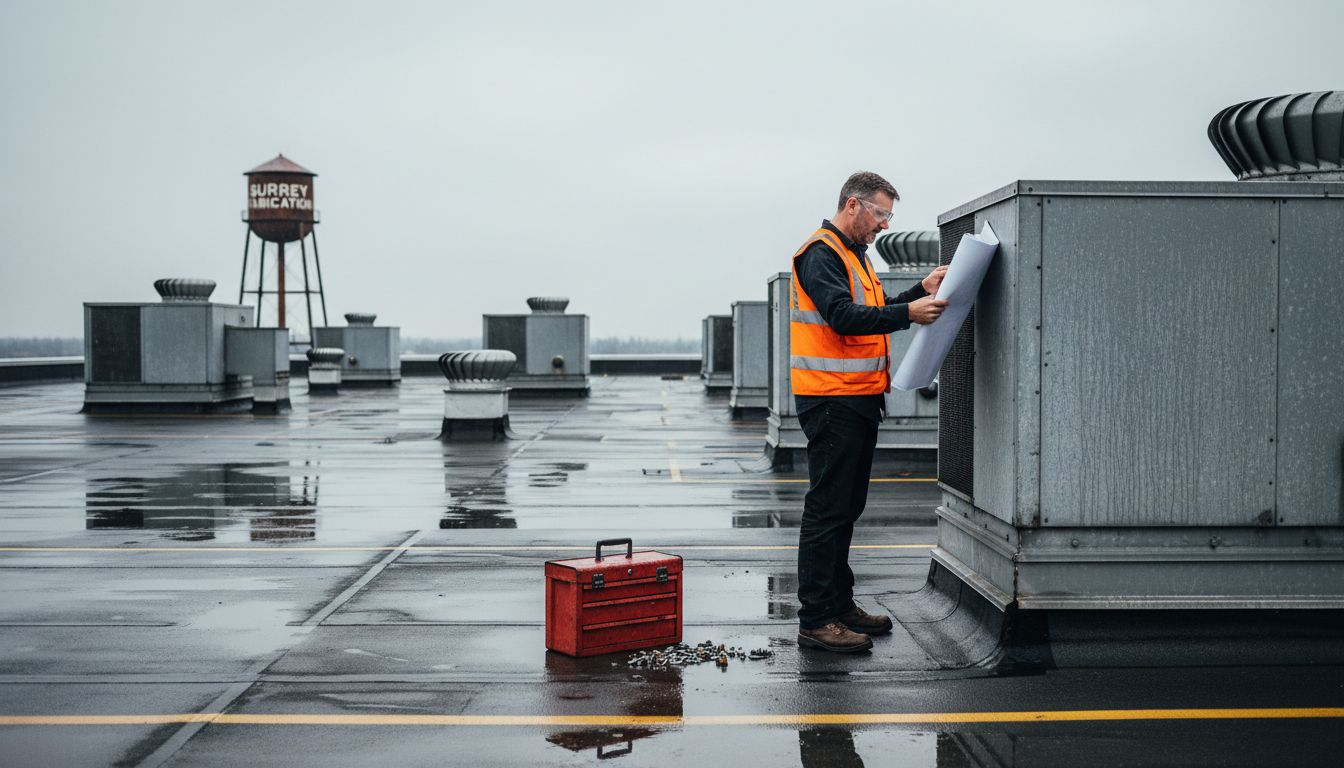
Finding a roofing solution that stands up to Surrey’s wet winters and strict building codes can feel challenging for industrial property managers. The unique demands of industrial facilities—from heavyweight equipment to complex drainage—require more than just a standard fix. Understanding how industrial roofing systems differ from residential options helps you invest in long-term durability and code compliance, setting your property up for fewer costly surprises down the road.
Industrial Roofing Solutions in British Columbia
Industrial facilities across British Columbia require roofing systems designed for durability, operational continuity, and long-term performance. Warehouses, factories, and logistics centers depend on properly engineered roofing systems to withstand heavy rainfall, wind exposure, and temperature fluctuations common throughout BC.
In this quick overview, Paragon Roofing BC explains how professional industrial roofing solutions protect large facilities from structural damage, water intrusion, and operational disruption.
Table of Contents
- Defining Industrial Roofing in British Columbia
- Types of Industrial Roofing Systems Available
- Key Materials and Performance Features
- Installation, Maintenance, and Longevity Practices
- Building Code Compliance and Risk Management
Key Takeaways
| Point | Details |
|---|---|
| Importance of Industrial Roofing | Industrial roofing in British Columbia serves critical functions beyond weather protection, supporting equipment and ensuring compliance with specific regulations. |
| Compliance with BC Building Code | Adhering to the 2024 BC Building Code is essential for safety, liability protection, and ensuring insurance coverage for your industrial roofing system. |
| Material Performance Matters | The choice of roofing material impacts lifespan, maintenance costs, and operational efficiency, especially in varying climate conditions unique to the region. |
| Regular Maintenance is Crucial | Establishing a routine maintenance schedule helps proactively address issues, extending the roof’s life and preventing costly repairs down the line. |
Defining Industrial Roofing in British Columbia
Industrial roofing in British Columbia refers to specialized roofing systems designed for large-scale commercial and manufacturing facilities. These systems handle unique demands—heavy equipment loads, complex drainage requirements, and exposure to harsh climate conditions across Surrey, Vancouver, and Burnaby.
Unlike residential roofing, industrial roofs serve critical functions beyond weather protection. They support HVAC equipment, provide thermal insulation for temperature-sensitive operations, and accommodate specialized machinery on rooftop installations.
What Makes Industrial Roofing Different
Industrial roofs differ from residential systems in several key ways:
- Scale and complexity: Covering thousands of square metres with integrated systems
- Load-bearing requirements: Supporting heavy equipment, machinery, and foot traffic
- Durability standards: Built to last 20 to 30 years with minimal maintenance interruptions
- Technical specifications: Meeting specific fire codes, ventilation needs, and environmental regulations
- Installation expertise: Requiring certified professionals trained in commercial-grade materials
Compliance Standards in British Columbia
Your industrial roof must comply with BC Building Code requirements set by the 2024 standards. These regulations cover safety, durability, and performance across all provincial construction projects.
BC’s codes adapt the National Building Code of Canada to account for our province’s climate, geography, and specific industrial practices. This means your Surrey or Burnaby facility faces different roofing demands than properties in warmer regions.
Professionals installing industrial roofing must understand these compliance layers. Roofers working in British Columbia follow provincial standards and often hold specialized training in materials suited to our climate conditions.
Why Definition Matters for Your Property
Proper classification affects everything—insurance coverage, maintenance schedules, regulatory inspections, and repair protocols. Misclassifying your roof could expose your property to compliance violations and unexpected costs.
Understanding your roof’s industrial classification ensures you’re prepared for the specific maintenance, compliance, and cost implications unique to your facility’s needs.
Pro tip: Request a professional roof assessment that explicitly confirms your system’s industrial classification and current compliance status with BC Building Code standards.
Types of Industrial Roofing Systems Available
Property managers in Surrey, Vancouver, and Burnaby have multiple roofing system options, each designed for specific industrial needs. Selecting the right system depends on your facility’s load requirements, climate exposure, budget, and long-term maintenance goals.
The market offers proven solutions that balance durability with cost-effectiveness. Understanding each type helps you make informed decisions that protect your investment and comply with local regulations.
Common Industrial Roofing Systems
Several system types dominate industrial roofing across British Columbia:
Here is a comparison of industrial roofing systems commonly used in British Columbia:
| System Type | Typical Lifespan | Best Use Case | Key Advantage |
|---|---|---|---|
| Modified Bitumen (SBS) | 20–30 years | Facilities with temperature swings | Flexibility in cold weather |
| PVC Membrane | 25–35 years | Chemical plants and oily environments | Chemical and fire resistance |
| EPDM Rubber | 20–25 years | Flat roof applications | Low initial cost |
| Hot-Applied Rubberised Bitumen | 25–30 years | Heavy-load industrial operations | Multi-layer waterproofing |
| TPO Membrane | 20–25 years | Energy-conscious businesses | High thermal reflectivity |
| Green Roof | 30–40 years | Eco-focused urban facilities | Natural insulation, stormwater mgmt |
- Modified Bitumen (SBS): Multi-ply membrane systems with excellent flexibility and durability for temperature fluctuations
- PVC membranes: Single-ply systems offering superior fire resistance and chemical stability
- EPDM rubber: Durable, affordable synthetic rubber membranes ideal for flat or low-slope applications
- Hot-applied rubberised bitumen: Traditional multi-ply systems providing superior waterproofing and weather resistance
- TPO membranes: Energy-efficient single-ply options reflecting heat to reduce cooling costs
Comparing Material Performance
SBS Modified Bitumen systems provide flexibility in cold climates, making them suitable for Surrey winters. They expand and contract with temperature changes without cracking, reducing long-term repair costs.
PVC systems excel in facilities handling chemicals or oils. Their chemical resistance prevents membrane degradation, extending service life significantly. These systems work particularly well in Burnaby’s industrial zones with manufacturing operations.
TPO and EPDM offer cost advantages for budget-conscious property managers. EPDM delivers reliable performance over 20+ years with minimal maintenance. TPO adds energy savings through reflective properties, lowering heating and cooling expenses.
Green Roof Systems
Industrial facilities increasingly adopt green roofs for environmental benefits and operational advantages. These systems include vegetation layers that provide natural insulation, reducing energy consumption by up to 25 percent.
Green roofs improve stormwater management—a critical consideration in Vancouver’s wet climate. They also extend membrane life by protecting underlying systems from UV exposure and temperature extremes.
Selecting your roofing system involves balancing initial costs against long-term maintenance expenses and compliance requirements specific to your industrial operation.
Pro tip: Request a comparative analysis of at least three system types matched to your facility’s specific operational demands, local climate exposure, and budget parameters before making your final selection.
Key Materials and Performance Features
Industrial roofing materials perform far differently than residential options. Your choice directly affects how well your facility withstands Surrey’s wet winters, Burnaby’s industrial exposure, and Vancouver’s variable weather patterns.
The right material selection determines your roof’s lifespan, maintenance burden, and operating costs. Performance features matter more when equipment sits on your roof or chemical exposure is a daily reality.
Essential Material Properties
Every industrial roofing material must deliver specific performance characteristics:
- Weather resistance: Withstands UV rays, moisture, and temperature swings without degrading
- Waterproofing ability: Complete protection against water infiltration and seepage
- Thermal insulation: Reduces energy costs by maintaining interior temperatures
- Fire resistance: Meets BC Building Code requirements for industrial facilities
- Chemical resistance: Handles oils, solvents, and industrial substances
- Load capacity: Supports HVAC units, machinery, and foot traffic safely
Material Comparison: What Each Offers
SBS Modified Bitumen and PVC membranes represent opposite performance approaches. Modified Bitumen excels in flexibility, expanding and contracting through temperature extremes without cracking. PVC delivers superior chemical resistance, ideal for facilities processing oils or solvents.
TPO membranes balance energy efficiency with durability. Their reflective white surface reduces roof temperature by up to 15 degrees Celsius on hot days, cutting cooling costs significantly. EPDM rubber provides affordability without sacrificing longevity—most installations exceed 25 years.
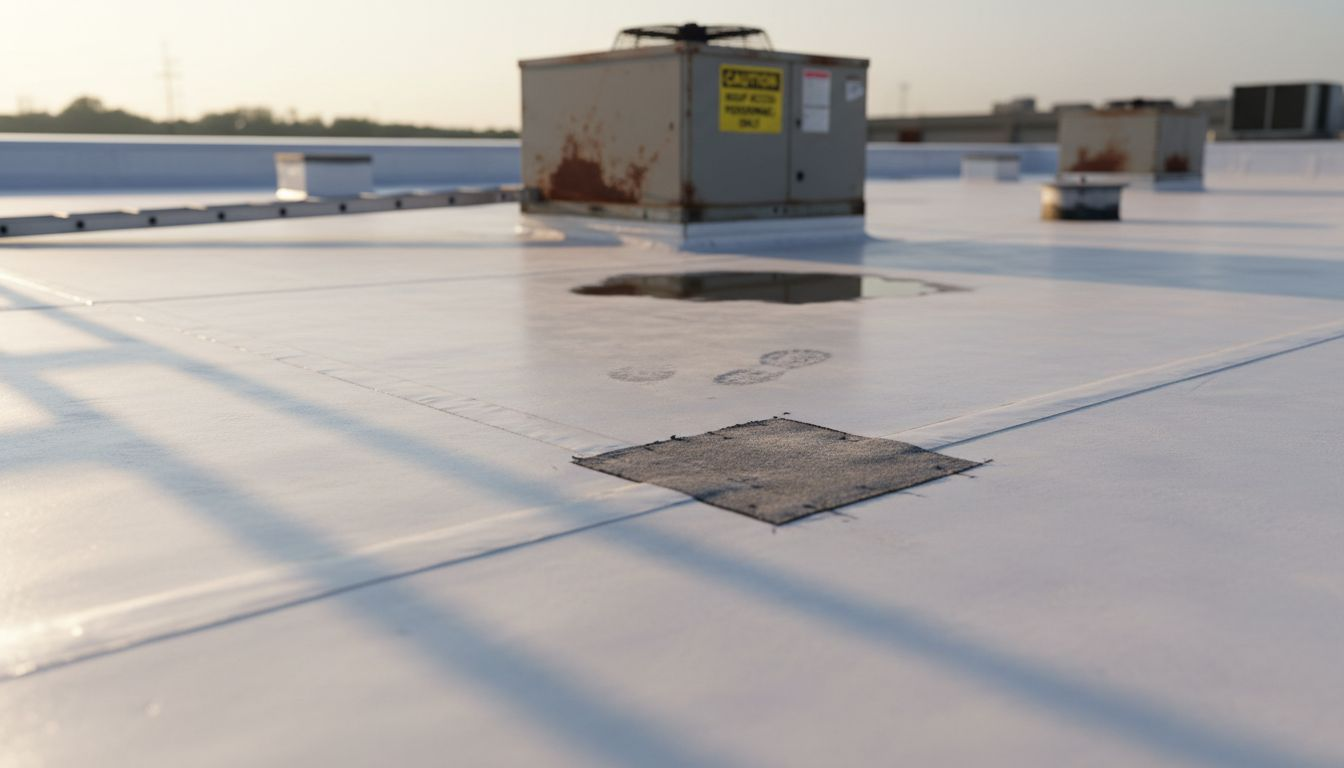
Hot-applied rubberised bitumen offers traditional reliability. Multi-ply construction creates redundant waterproofing layers, so one breach doesn’t compromise the entire system. This appeals to property managers prioritising maximum protection over rapid installation.
Insulation and Energy Performance
Insulating materials matter tremendously for industrial operations. Adding 50 millimetres of rigid foam insulation reduces heat transfer by approximately 40 percent, lowering heating expenses in winter months.
Vancouver’s climate demands this investment. Your facility loses significant thermal energy through the roof during cold seasons. Proper insulation pays for itself within 5 to 7 years through reduced utility bills.
Durability Under Industrial Conditions
Industrial roofs face unique stresses residential systems never encounter. Heavy equipment creates concentrated loads. Foot traffic accelerates wear. Chemical exposure degrades inferior materials quickly.
Quality materials resist these conditions. A premium PVC system withstands 30 years of industrial use. Budget alternatives fail within 10 to 12 years under identical conditions.
Material selection determines not only initial cost but maintenance frequency, repair expenses, and total lifecycle investment over your roof’s operational life.
Pro tip: Request detailed specifications showing UV resistance ratings, chemical compatibility, fire classifications, and expected lifespan under your specific operational conditions before committing to any material choice.
Installation, Maintenance, and Longevity Practices
Proper installation and maintenance determine whether your industrial roof lasts 15 years or 30 years. Cutting corners during installation creates cascading problems that multiply repair costs exponentially.
Your roof’s longevity depends on three interconnected factors: correct installation, consistent maintenance, and adherence to BC Building Code standards. Neglecting any one guarantees premature failure.
Professional Installation Requirements
Industrial roofing demands specialised expertise. Installation practices must meet BC Building Code requirements for safety and durability across all British Columbia projects.
Proper installation involves:
- Surface preparation: Cleaning and priming substrate to ensure membrane adhesion
- Seam sealing: Creating watertight joints that prevent infiltration at vulnerable points
- Flashing installation: Properly securing penetrations, edges, and transitions
- Material layering: Following manufacturer specifications for multi-ply systems
- Quality testing: Conducting inspections and water tests before final sign-off
Skipping these steps saves money initially but costs thousands later. A poorly sealed seam leads to interior water damage within months.
Scheduled Maintenance Protocols
Maintenance prevents small issues from becoming expensive catastrophes. Industrial facilities in Surrey, Vancouver, and Burnaby should establish quarterly inspection routines.
Key maintenance activities include:
- Visual inspections for cracks, blisters, and membrane separation
- Clearing debris and vegetation from drainage areas
- Checking flashing and seals around penetrations
- Testing drains to confirm water flows properly
- Documenting findings in a maintenance log
Regular inspections catch problems early. A $500 repair today prevents $15,000 in water damage next year.
Extending Your Roof’s Lifespan
Quality roofs naturally last longer, but maintenance practices multiply this advantage. A well-maintained PVC system routinely reaches 30 to 35 years. Neglected systems fail within 15 years.
Temperature extremes accelerate degradation. Vancouver’s wet climate demands vigilance. Standing water accelerates membrane breakdown. Proper drainage extends life significantly.
Environmental Factors Affecting Longevity
BC’s unique environmental conditions accelerate wear. Heavy precipitation demands robust drainage systems. Temperature fluctuations stress materials. UV exposure degrades exposed membranes over time.
Your maintenance strategy must account for these regional challenges. What works for Alberta roofs may fail in British Columbia.
Consistent maintenance following manufacturer guidelines and BC Building Code standards reduces total cost of ownership while maximising your industrial roof’s operational lifespan.
Pro tip: Schedule professional inspections twice yearly—once in spring after winter weather and again in autumn before heavy rains—documenting all findings to track system performance trends and anticipate repairs.
Building Code Compliance and Risk Management
Building code compliance protects your facility, your workers, and your bottom line. Non-compliance exposes you to liability, failed inspections, and catastrophic repair costs when systems fail.
The 2024 BC Building Code establishes mandatory standards for industrial roofing across Surrey, Vancouver, and Burnaby. Following these requirements isn’t optional—it’s how you protect your investment and avoid legal exposure.
Understanding BC Building Code Requirements
The 2024 BC Building Code specifies requirements for structural integrity, energy efficiency, and environmental protection in all industrial buildings. These standards address seismic activity, extreme weather, and heavy snow loads unique to British Columbia.
Compliance requirements include:
- Structural safety: Roofing systems must support design loads without failure
- Fire resistance: Materials must meet provincial fire classifications
- Drainage capacity: Systems handle extreme precipitation typical of BC climate
- Energy performance: Insulation meets thermal efficiency standards
- Environmental protection: Runoff management prevents pollution
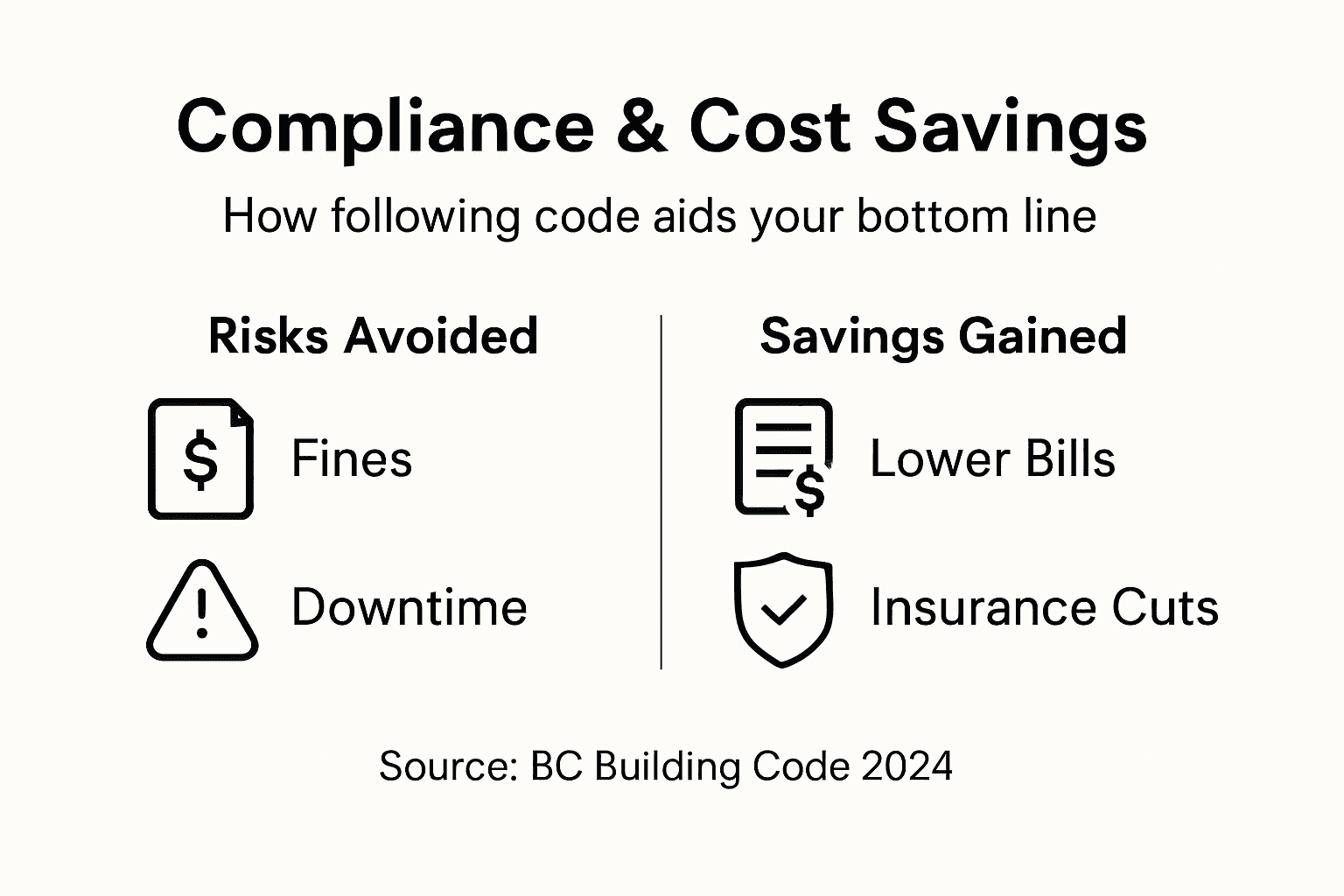
Skipping compliance creates serious consequences. Failed inspections halt operations. Insurance won’t cover non-compliant systems during claims. Liability exposure multiplies exponentially.
Regional Risk Factors in British Columbia
Canadian engineering requirements for commercial buildings address specific hazards like heavy snow loads and seismic events. BC’s geography creates unique demands your roofing system must handle.
Snow accumulation on industrial roofs can exceed 300 kilograms per square metre during harsh winters. Your roof’s structure must safely support this load. Seismic activity requires flexible systems that move without failing.
Vancouver’s wet climate demands aggressive drainage. Heavy precipitation events occur regularly. Standing water accelerates membrane breakdown and structural corrosion.
Risk Management Through Compliance
Compliance-first approach reduces liability exposure significantly. When your roof meets code standards, insurance covers damages. When it doesn’t, you bear the cost entirely.
Documentation matters immensely. Maintain records of:
- Installation dates and contractor certifications
- Inspection reports and maintenance logs
- Code compliance certificates
- Material specifications and warranties
- Repair and replacement history
This documentation protects you during disputes and insurance claims. It proves you maintained standards and exercised reasonable care.
This table summarises how building code compliance affects industrial roof ownership in BC:
| Compliance Aspect | Business Impact | Cost Consequence |
|---|---|---|
| Code-Adherent Design | Passes inspections, maintains insurance | Lower risk of costly retrofits |
| Poor Documentation | Delayed claims, coverage disputes | Legal fees or denied coverage |
| Non-Compliant Materials | Liability for injury, failed claims | High repair and legal expenses |
| Regular Maintenance | Extends system life, fewer failures | Predictable, lower upkeep costs |
Insurance and Liability Considerations
Property insurance policies explicitly require code compliance. Non-compliant roofs face exclusions or policy cancellation. Your facility becomes uninsurable when roofing systems fail inspection.
Liability exposure extends beyond property damage. If a roof failure causes injury, non-compliance strengthens negligence claims against you. Your liability multiplies dramatically.
Code compliance isn’t bureaucratic burden—it’s your primary defence against catastrophic liability and your pathway to insurance coverage when emergencies strike.
Pro tip: Obtain written confirmation from your insurance provider that your roofing system meets current BC Building Code standards, and update this documentation whenever you perform major repairs or replacements.
Secure Your Industrial Roof with Expert Solutions from Paragon Roofing BC
Maintaining compliance with the 2024 BC Building Code and ensuring long-lasting durability against British Columbia’s demanding climate can be challenging for industrial property owners and managers. From choosing the right roofing system to managing rigorous maintenance schedules, every detail matters to avoid costly repairs and liability risks. At Paragon Roofing BC, we understand these critical industrial roofing needs and specialize in providing tailored solutions that prioritize code adherence, material performance, and energy efficiency for facilities in Surrey, Vancouver, Burnaby, and beyond.
Don’t risk non-compliance or premature roof failure when your property deserves expert care. Contact Paragon Roofing BC for a free professional roof inspection and let our certified team guide you in selecting the best industrial roofing system to protect your investment and reduce operational costs. Learn more about our roof installation and roof repair services that are designed to meet British Columbia’s strict standards. Take the next step to safeguard your industrial facility today by visiting https://paragonroofingbc.ca and scheduling a consultation.
Frequently Asked Questions
What are the primary differences between industrial roofing and residential roofing?
Industrial roofing systems are designed for larger scales and must support heavier loads, offer enhanced durability, and comply with specific technical standards, unlike residential roofs which are often simpler in design and function.
How can I ensure my industrial roofing complies with local building codes?
To ensure compliance, it’s crucial to work with certified professionals who are knowledgeable about the local building codes, such as the BC Building Code, and to maintain thorough documentation of all installations, inspections, and maintenance.
What maintenance practices can extend the lifespan of my industrial roof?
Regular maintenance should include quarterly inspections, debris removal from drainage areas, and checking seals around penetrations. Documenting findings can help catch issues early and prolong roof lifespan.
What factors should I consider when selecting an industrial roofing system?
Key factors include the roof’s load capacity, weather resistance, insulation properties, chemical resistance, and expected lifespan. Consider your facility’s specific operational needs to make an informed choice.