
Why roof leak detection protects your BC home investment
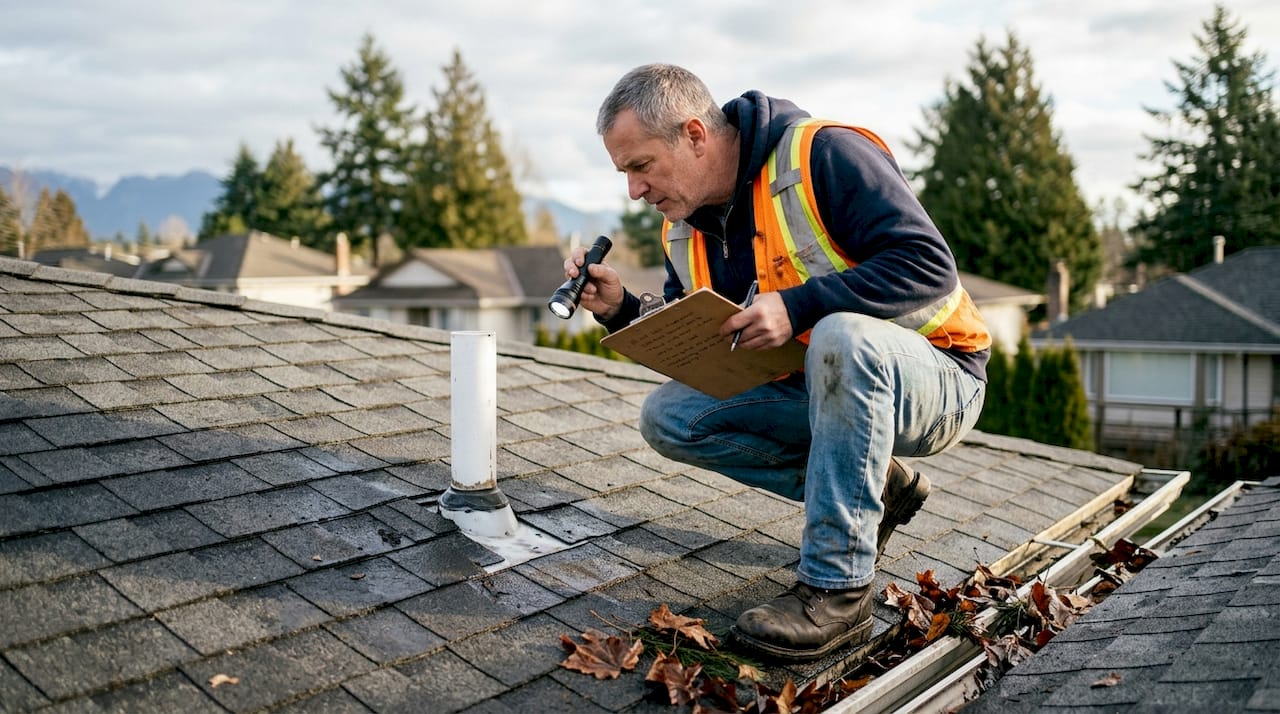
Book a soffit and fascia inspection Undetected roof leaks can cause an average of $8,500 in damage within just 48 hours, turning a minor issue into a costly emergency for British Columbia homeowners. Most leaks originate at flashings, valleys, and chimneys where water infiltration begins silently, damaging insulation, framing, and interior finishes before visible signs appear. Early detection is your most effective defence against structural deterioration and expensive repairs. This guide explains why proactive leak detection matters for BC homes and explores modern methods that identify hidden moisture before it compromises your property’s integrity and value.
Table of Contents
- Key takeaways
- Common causes and risks of roof leaks in British Columbia
- Modern roof leak detection methods homeowners should know
- Inspection schedules, special cases, and warranty compliance in BC
- How homeowners can protect their roofs with timely leak detection and maintenance
- Protect your home with expert roof inspection and repair services
- Frequently asked questions
Key Takeaways
| Point | Details |
|---|---|
| Early leak detection | Detecting leaks early is the most effective defence against structural deterioration and expensive repairs. |
| Common leak sources | Most leaks originate at roof flashings, valleys and chimneys where water infiltration begins, often with no visible signs. |
| Modern detection methods | Thermal imaging and electronic leak detection reveal hidden moisture without invasive measures. |
| Vancouver climate focus | Regular inspections in climates like Vancouver help catch hidden moisture before it damages the structure. |
| Professional services | Professional services provide accurate diagnosis and timely repairs. |
Common causes and risks of roof leaks in British Columbia
Roof leaks in British Columbia homes typically originate at specific vulnerable points where water finds pathways through protective barriers. Flashings around chimneys, skylights, and vent pipes represent the most common failure points, followed closely by roof valleys where two slopes meet and concentrate water flow. These areas experience constant exposure to BC’s heavy rainfall and wind-driven moisture, making them prime locations for seal deterioration and membrane breaches.
Delayed leak detection creates cascading damage that escalates repair costs dramatically. Water infiltration compromises insulation effectiveness, promotes mould growth within wall cavities, and weakens structural framing through rot. The average $8,500 damage within 48 hours demonstrates how quickly minor leaks become major problems when homeowners miss early warning signs.
British Columbia’s coastal climate introduces unique challenges that amplify leak risks throughout the year:
- Heavy autumn and winter rainfall saturates roofing materials and tests every seam and penetration
- Wind-driven rain forces moisture into gaps that remain dry during calm conditions
- Temperature fluctuations cause expansion and contraction that loosens fasteners and opens cracks
- Debris accumulation in valleys and gutters creates standing water that infiltrates compromised areas
Flat and low-slope roofs face additional vulnerabilities from ponding water that remains after rainfall events. Standing water weighs on membrane seams and gradually penetrates even minor imperfections, especially when ponding persists beyond 48 hours. Understanding how to manage rainwater and drainage on flat roofs becomes essential for preventing these slow, hidden leaks.
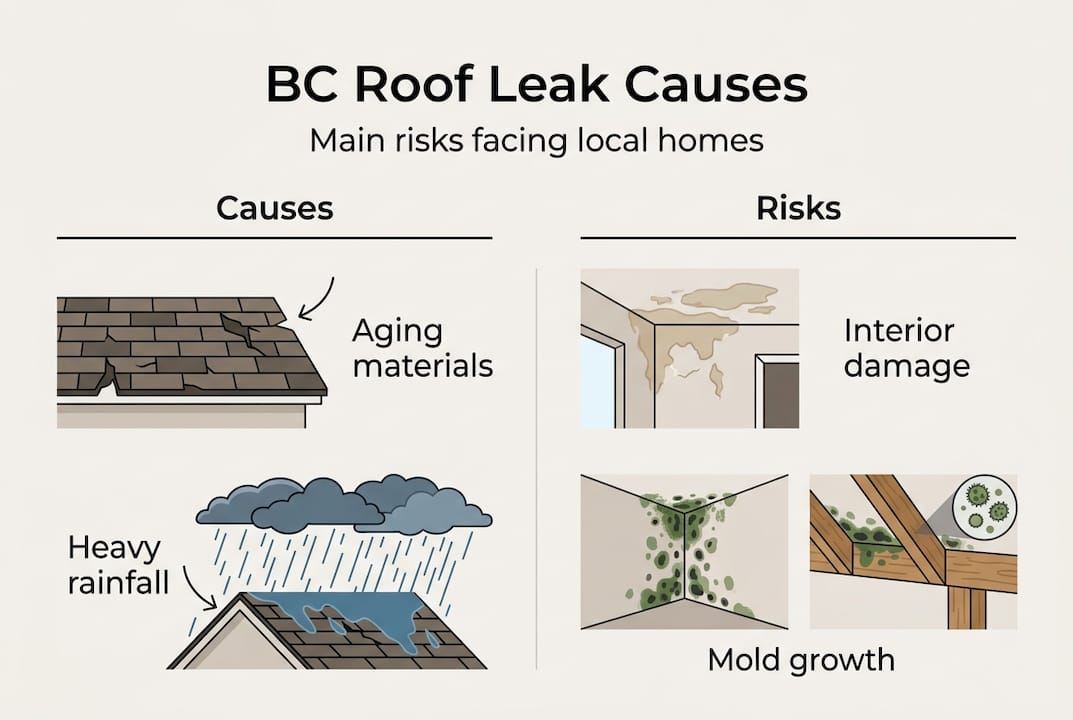
Climate change intensifies these traditional risks by increasing rainfall intensity and frequency across the Lower Mainland and Vancouver Island. Extreme weather events that once occurred rarely now appear with greater regularity, testing roof systems beyond their original design parameters. Properties that previously handled typical BC weather now face rain patterns that significantly affect roof lifespan and require more vigilant monitoring.
Pro Tip: Schedule roof inspections immediately after severe weather events, even if no visible leaks appear inside your home. Hidden damage often develops for weeks before interior signs become obvious.
Recognising these common causes and climate-specific risks helps homeowners understand why proactive detection matters more than reactive repairs. The question shifts from whether leaks will occur to how quickly you can identify and address them before damage accumulates. Modern detection methods answer this challenge by finding moisture intrusion at its earliest stages.
Modern roof leak detection methods homeowners should know
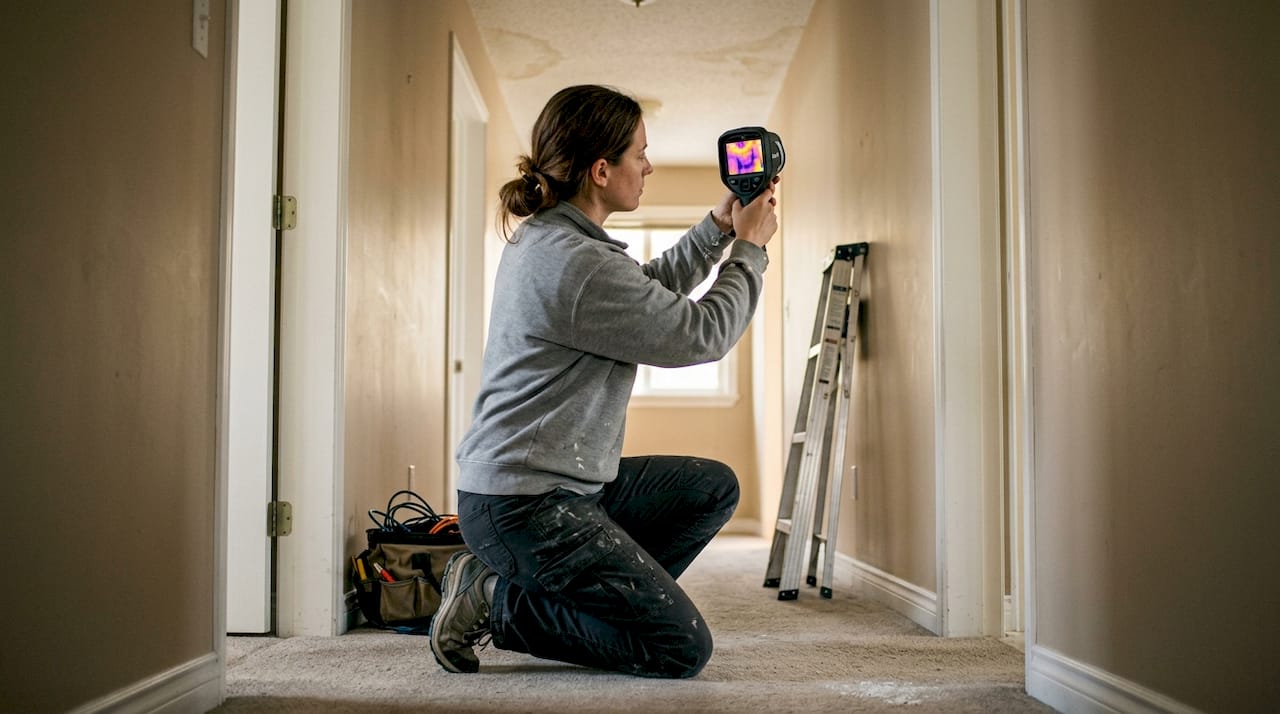
Thermal imaging technology revolutionises leak detection by revealing hidden moisture through temperature variations invisible to the naked eye. This method detects moisture by sensing 0.1°C temperature differences, making it particularly effective for flat roofs, metal roofing systems, and membrane applications where water trapped beneath surfaces creates distinctive thermal signatures. Infrared cameras scan large roof areas quickly without physical contact, identifying problem zones that warrant closer investigation.
Electronic Leak Detection (ELD) provides even greater precision for membrane roofing systems through low-voltage electrical scanning. This ASTM D7877 compliant method applies a controlled electrical current to the roof surface and measures conductivity changes that indicate membrane breaches. Unlike flood testing, which saturates roofs with water and risks additional damage, ELD pinpoints exact leak locations without introducing moisture or compromising roof integrity.
Several complementary technologies enhance detection accuracy for specific situations:
- Moisture metres measure water content in roofing materials and underlying substrates through electrical resistance or capacitance
- Drone-based inspections capture high-resolution imagery of large or steep roofs that pose safety challenges for manual inspection
- Tracer dye testing introduces fluorescent compounds that illuminate water pathways under UV light
- Nuclear moisture detection uses radioactive isotopes to measure moisture density in built-up roofing systems
Each detection method offers distinct advantages depending on roof type, suspected leak location, and accessibility constraints. Thermal imaging excels at broad area screening and works effectively during temperature transitions at dawn or dusk when thermal contrasts peak. Electronic leak detection delivers surgical precision for membrane roofs but requires conductive surfaces and may not suit all roofing materials.
| Detection method | Best applications | Key advantages | Limitations |
|---|---|---|---|
| Thermal imaging | Flat roofs, metal roofs, large areas | Non-invasive, fast coverage, no damage | Requires temperature differential, weather dependent |
| Electronic leak detection | Membrane roofs, EPDM, TPO | Pinpoint accuracy, ASTM compliant | Requires conductivity, limited to certain materials |
| Moisture metres | Spot checking, verification | Immediate readings, portable | Surface level only, requires access |
| Drone inspection | Steep roofs, large buildings | Safety, comprehensive imagery | Visual only, no subsurface detection |
Combining multiple detection methods often yields the most reliable diagnosis, particularly for complex roof systems or when initial results prove inconclusive. A thermal scan might identify suspicious areas that electronic leak detection then investigates with greater precision, confirming exact breach locations before repairs begin.
Pro Tip: Request documentation of detection methods and findings from your roofing contractor. Thermal images and ELD reports provide valuable records for warranty claims and insurance purposes.
Non-invasive detection preserves roof integrity while delivering accurate results, representing a significant advancement over destructive testing methods that required cutting into roofing materials. Understanding how coastal weather affects roofing maintenance needs helps homeowners appreciate why modern detection technology matters for BC properties facing persistent moisture challenges.
These sophisticated tools require professional expertise to operate effectively and interpret correctly. Temperature readings, electrical conductivity patterns, and moisture measurements only reveal problems when experienced technicians understand what normal versus abnormal results look like for specific roofing systems and environmental conditions.
Inspection schedules, special cases, and warranty compliance in BC
Regular roof inspections form the foundation of effective leak prevention, with frequency recommendations varying by roof type and local climate conditions. The Roofing Contractors Association of British Columbia accepts Electronic Leak Detection and recommends twice yearly inspections for flat roofs in Vancouver’s wet climate, particularly for properties with membrane roofing systems. These bi-annual checkups align with seasonal transitions when weather shifts create peak stress on roofing materials.
Flat and low-slope roofs demand more frequent attention than steep-slope residential roofs due to their vulnerability to ponding water. Standing water that remains on roof surfaces for 48 hours or longer begins weakening seams, dissolving adhesives, and penetrating minor imperfections that expand into significant breaches. Properties with drainage challenges or areas prone to debris accumulation require vigilant monitoring to prevent these slow-developing failures.
Special weather conditions in British Columbia create unique inspection priorities:
- Ice dam formation along eaves during cold snaps requires immediate attention before meltwater backs up under shingles
- Wind-driven rain events test flashing integrity and reveal vulnerabilities that calm weather conditions mask
- Prolonged wet periods saturate roofing materials and highlight drainage inadequacies
- Rapid temperature fluctuations stress sealants and cause expansion gaps that compromise weatherproofing
Warranty compliance represents another critical reason for maintaining documented inspection schedules. Most roofing material manufacturers and installation warranties require proof of regular professional maintenance to remain valid. Missing scheduled inspections can void coverage precisely when you need it most, leaving you responsible for repair costs that warranties would otherwise cover.
Homeowners should follow this seasonal maintenance checklist to maximise roof longevity:
- Spring inspection after winter weather clears to assess ice dam damage and prepare for spring rainfall
- Gutter cleaning and debris removal before autumn rain season begins
- Autumn inspection to identify summer heat damage and ensure drainage systems function properly
- Pre-winter preparation including flashing checks and valley clearing
- Post-storm assessments following severe weather events regardless of season
Insurance eligibility often depends on demonstrating proactive maintenance and timely repairs. Claims adjusters scrutinise maintenance records when evaluating coverage for water damage, frequently denying claims when neglected maintenance contributed to losses. Regular professional inspections create documentation that supports claims and demonstrates responsible property stewardship.
Pro Tip: Photograph your roof from the ground after each season and maintain a digital file with inspection reports. This visual timeline helps identify gradual changes that might otherwise go unnoticed.
Certain roof features require specialised attention during inspections. Proper valley construction significantly affects leak susceptibility, making these high-flow areas priority inspection zones. Chimneys, skylights, and plumbing vents need careful flashing examination since these penetrations represent common failure points where different materials meet and create potential gaps.
Professional inspectors bring expertise that homeowners cannot replicate through visual observation alone. They recognise subtle signs of developing problems, understand how different roofing materials age in BC’s climate, and know which areas warrant closer investigation based on roof design and exposure. Their trained eye catches early-stage deterioration before it progresses to active leaking.
Scheduling inspections strategically around BC’s weather patterns optimises their effectiveness. Preparing roofs for winter and rainy seasons through pre-season checkups prevents emergency repairs during periods when weather conditions make roof work dangerous and expensive.
How homeowners can protect their roofs with timely leak detection and maintenance
Implementing a proactive roof protection strategy begins with scheduling professional inspections twice annually, ideally in spring and autumn when seasonal transitions create optimal conditions for identifying developing issues. These inspections should employ modern non-invasive detection methods rather than relying solely on visual assessment, particularly for flat or membrane roofing systems where hidden moisture accumulates beneath surfaces.
Choosing appropriate detection methods depends on your roof type and specific concerns. Thermal imaging provides comprehensive screening for large areas and works effectively across most roofing materials, while electronic leak detection offers superior precision for membrane roofs when you need exact breach locations. Discuss options with qualified roofing professionals who understand why timely roof leak repair matters and can recommend methods suited to your property’s characteristics.
Documentation practices separate diligent homeowners from those who face warranty disputes and insurance claim denials:
- Maintain detailed records of all professional inspections including dates, findings, and contractor information
- Photograph identified issues and completed repairs to create visual evidence of maintenance history
- Store warranty documents, material specifications, and installation records in organised files
- Keep receipts for all roof-related work including minor repairs and maintenance services
- Create a maintenance log noting seasonal preparations, storm damage assessments, and preventive measures
Acting promptly at the first signs of potential leaks minimises repair costs and prevents damage escalation. Water stains on ceilings, musty odours in attics, or missing shingles after storms warrant immediate professional evaluation rather than waiting for problems to worsen. Professional bi-annual inspections and early action preserve insurance eligibility and prevent minor issues from becoming structural emergencies.
Partnering with experienced roofing professionals who understand British Columbia’s climate challenges ensures accurate diagnosis and appropriate repairs. Local contractors recognise how coastal moisture, temperature fluctuations, and regional weather patterns affect different roofing materials. Their familiarity with post-installation roof care requirements helps homeowners maintain warranties and maximise roof lifespan.
Pro Tip: Establish a relationship with a trusted roofing contractor before emergencies arise. Contractors prioritise existing clients during busy periods following major storms when new customers face longer wait times.
Understanding when repairs suffice versus when replacement becomes necessary requires professional assessment of damage extent, roof age, and cost-effectiveness. Making informed repair or replace decisions depends on accurate leak detection that reveals the full scope of existing and developing problems rather than addressing only visible symptoms.
Budgeting for roof maintenance as an ongoing expense rather than deferring attention until crises develop saves money long-term. Regular minor repairs cost substantially less than emergency interventions, and maintained roofs last years longer than neglected ones. Setting aside funds annually for inspections and preventive maintenance demonstrates financial prudence that protects your home investment.
Homeowner vigilance between professional inspections catches developing problems early. Monthly visual checks from ground level noting missing shingles, sagging areas, or debris accumulation supplement professional assessments. Interior monitoring for water stains, paint bubbling, or attic moisture provides early warning of active leaks requiring immediate attention.
Educating yourself about your specific roof type, materials, and expected lifespan helps you recognise when professional input becomes necessary. Different roofing systems age differently in BC’s climate, and understanding your roof’s characteristics enables informed conversations with contractors about maintenance priorities and timing.
Protect your home with expert roof inspection and repair services
Regular professional inspections and prompt repairs save British Columbia homeowners thousands in avoided damage while extending roof lifespan significantly. Paragon Roofing BC specialises in comprehensive roof maintenance services tailored to Vancouver’s challenging climate, using modern detection methods that identify hidden leaks before they compromise your home’s structure.

Our experienced team understands how coastal weather, heavy rainfall, and temperature fluctuations affect different roofing materials throughout the Lower Mainland. Whether you need routine inspections, targeted roof repair services, or guidance on roof replacement options, we deliver solutions that protect your investment and provide lasting peace of mind. Contact us today to schedule an inspection and safeguard your home against costly leak damage.
Frequently asked questions
How often should I schedule roof leak detection in British Columbia?
Schedule professional roof inspections twice yearly, ideally in spring and autumn, to align with seasonal weather transitions that stress roofing systems. Flat roofs and membrane systems require more frequent monitoring due to ponding risks and seam vulnerabilities. This bi-annual schedule maintains warranty compliance and catches developing issues before they cause interior damage.
Can I use thermal imaging myself to detect leaks?
Thermal imaging requires professional expertise to interpret temperature patterns correctly and distinguish moisture signatures from normal thermal variations. Consumer-grade infrared cameras lack the sensitivity and resolution needed for accurate leak detection. Professional services ensure proper timing, environmental conditions, and interpretation that avoid false positives and missed problems.
What makes electronic leak detection better than flood testing?
Electronic leak detection uses low-voltage scanning that causes no damage to roof membranes whilst pinpointing exact breach locations. Flood testing risks water infiltration through existing vulnerabilities, creates additional moisture problems, and provides imprecise leak location information. ELD meets ASTM D7877 standards and receives RCABC approval for warranty compliance, making it the superior choice for membrane roofing systems.
How does climate change affect roof leak risks in BC?
Climate change increases heavy rainfall frequency and intensity across British Columbia, creating more ponding incidents, overwhelming drainage systems, and testing roof weatherproofing beyond original design parameters. Ice dam formation during temperature fluctuations and wind-driven rain during severe storms further amplify leak risks. Regular monitoring using modern detection techniques becomes essential for protecting homes against these intensifying weather challenges.