Cool roofing benefits for BC homeowners in 2026
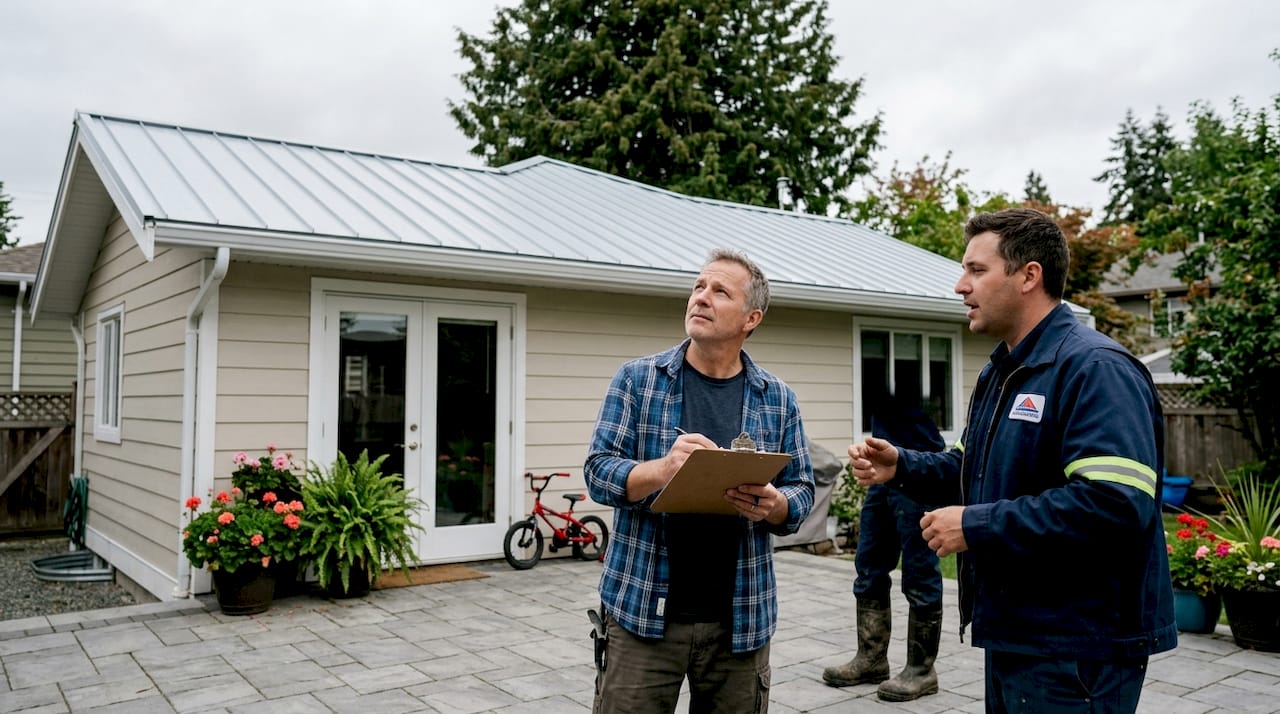
British Columbia homeowners often assume cool roofing only makes sense for hot, sunny climates. Yet even in BC’s mild, frequently cloudy environment, cool roofing delivers measurable energy savings, enhanced comfort, and extended roof longevity. These roofs reflect sunlight and release absorbed heat more efficiently than traditional dark roofs, reducing both surface temperatures and cooling demands. Whether you’re planning a roof replacement or considering a retrofit, understanding cool roofing technology helps you make informed decisions that improve your home’s energy efficiency and lower operating costs year after year.
Table of Contents
- Key takeaways
- Understanding cool roofing technology
- Common cool roofing options for BC homes
- Benefits of cool roofing for British Columbia homeowners
- Considerations, maintenance, and BC rebate context
- Explore cool roofing services from Paragon Roofing BC
- FAQ
Key Takeaways
| Point | Details |
|---|---|
| Lower energy costs | Cool roofs reflect sunlight and reduce cooling loads, delivering measurable energy savings even in BC’s mild climate. |
| Longer roof life | By reducing thermal stress, cool roofing can extend roof material lifespan and minimise wear. |
| Cool roofing options | Reflective coatings, light coloured metal roofs, reflective asphalt shingles, and low slope TPO or PVC membranes suit different roofs and budgets. |
| Effective in BC | The technology remains effective in BC’s mild, often cloudy climate, delivering cooling benefits and improved indoor comfort. |
| Maintenance matters | Performance depends on product quality and upkeep, with coatings requiring reapplication every 3 to 5 years. |
Understanding cool roofing technology
Cool roofing relies on two measurable properties: solar reflectance and thermal emittance. Solar reflectance (SR) indicates the percentage of sunlight a surface bounces back rather than absorbing. A value of 0.60 or higher means the roof reflects at least 60% of incoming solar radiation. Thermal emittance (TE) measures how efficiently a surface releases absorbed heat as infrared radiation, with values above 0.75 considered high performance.
These properties combine into the Solar Reflectance Index (SRI), a single number rating cool roof performance. Higher SRI values mean cooler roof surfaces. Cool roofing reflects more sunlight with high solar reflectance and emits heat efficiently, reducing roof temperature by 50°F or more compared to dark roofs. This temperature reduction translates directly into lower attic heat, reduced air conditioning loads, and improved indoor comfort.
Key cool roof properties include:
- High solar reflectance (≥0.60) to bounce sunlight away
- High thermal emittance (≥0.75) to release absorbed heat quickly
- Light colours or specialised pigments that maintain reflectivity
- Durable surface coatings resistant to weathering and dirt accumulation
How cool roofing lowers indoor heat and energy use:
- Reflects incoming solar radiation before it penetrates the roof surface
- Emits absorbed heat as infrared radiation rather than conducting it inward
- Maintains lower attic temperatures, reducing heat transfer to living spaces
- Decreases air conditioning runtime and peak cooling loads
- Extends roof material lifespan by minimising thermal expansion and contraction
Technical reports confirm that cool roofs can lower surface temperatures by 28°C or more on sunny days, dramatically reducing heat gain through the building envelope and cutting cooling energy consumption by up to 40% in optimal conditions.
Understanding the role of roofing materials in BC homes helps you recognise how cool roofing fits into a comprehensive energy efficiency strategy. For deeper technical insights, consult this technical cool roofing report covering performance metrics and installation standards.
Common cool roofing options for BC homes
BC homeowners can choose from several proven cool roofing systems, each suited to different roof types, budgets, and performance goals. Reflective coatings offer a cost-effective retrofit solution for existing roofs, applied as liquid membranes that cure into seamless, reflective surfaces. Light-coloured metal roofs with cool pigments provide exceptional durability and reflectivity, ideal for steep-slope residential applications. Reflective asphalt shingles incorporate specialised granules that boost solar reflectance without sacrificing the familiar appearance of traditional shingles. For low-slope roofs, TPO and PVC membranes deliver high reflectance and long service life.
| Cool roofing option | Cost per sq ft | Durability | Maintenance | Ideal roof types |
|---|---|---|---|---|
| Reflective coatings | $20-50 | 3-5 years | Recoat every 3-5 years, clean 6-12 weeks | Low-slope, retrofit |
| Light-coloured metal | $300-700 | 40-70 years | Minimal, periodic inspection | Steep-slope, new construction |
| Reflective shingles | $150-400 | 20-30 years | Standard shingle maintenance | Steep-slope, residential |
| TPO/PVC membranes | $250-600 | 20-30 years | Periodic seam inspection | Low-slope, commercial, residential flat |
Residential options include reflective coatings and light-coloured metal roofs; coatings cost $20-50 per sq ft and require recoating every 3-5 years. Retrofit suitability varies: coatings work well on existing low-slope roofs, while metal and reflective shingles typically require full roof replacement. New roof installations offer the widest range of cool roofing choices, allowing you to select materials that balance performance, aesthetics, and budget.
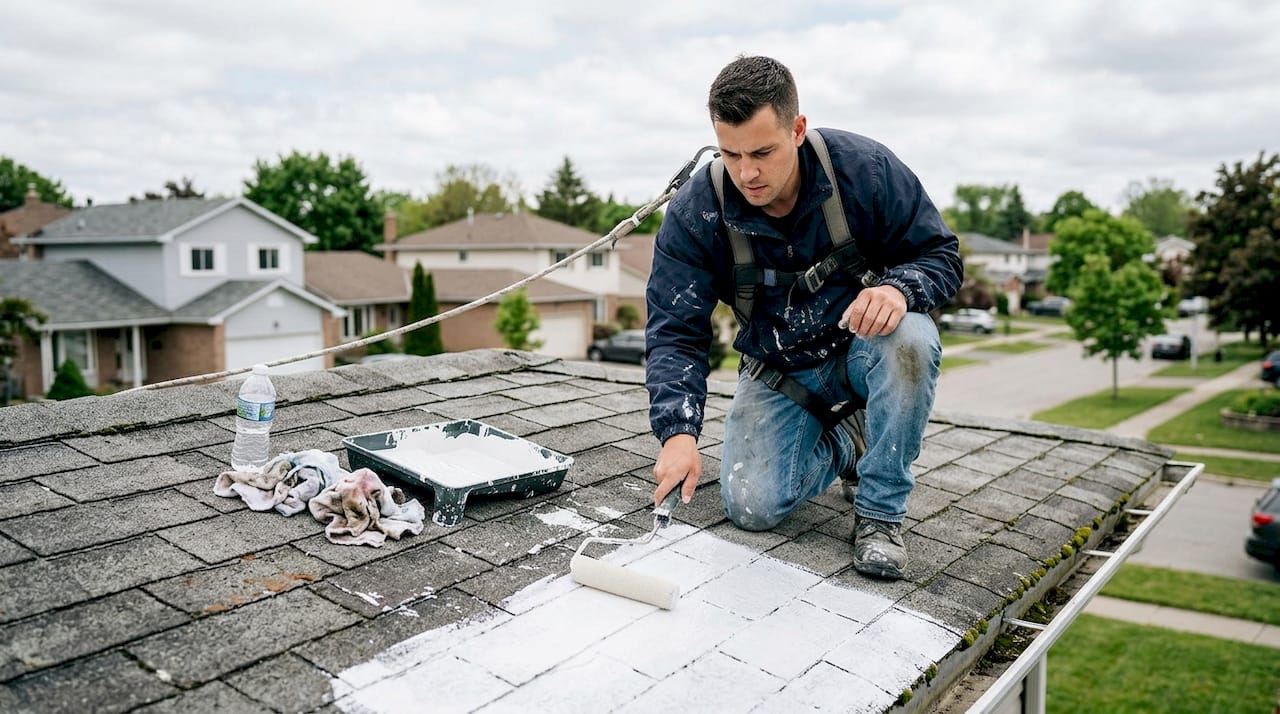
Pro Tip: In BC’s rainy climate, prioritise durable coatings with proven resistance to moisture and mildew. Select products rated by the Cool Roof Rating Council (CRRC) to ensure verified reflectance and emittance values that withstand Pacific Northwest weather patterns.
Maintenance frequency for coatings depends on exposure and environmental conditions. Roofs in heavily treed areas accumulate debris faster, requiring more frequent cleaning to preserve reflectivity. Explore cool roofing services to identify options suited to your home. For steep-slope applications, review metal roofing BC durability and efficiency and asphalt shingles BC value to compare performance. Homeowners with low-slope roofs can learn about retrofitting low-slope roofs to understand installation processes and expected outcomes.
Benefits of cool roofing for British Columbia homeowners
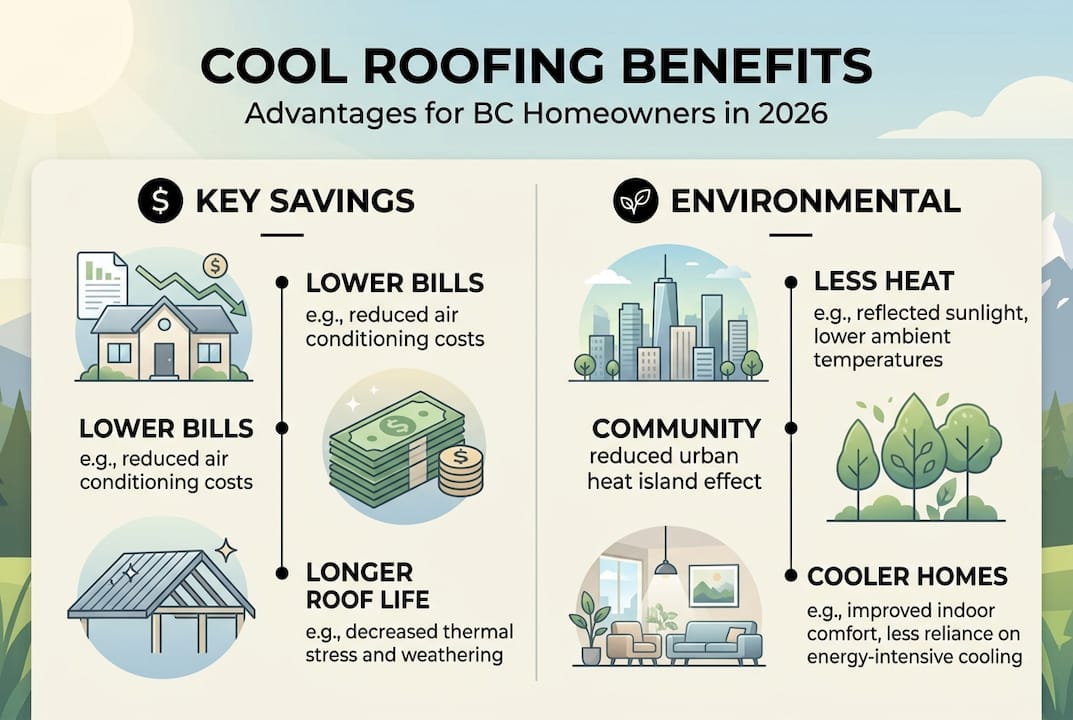
Cool roofing delivers tangible advantages for BC homeowners, starting with measurable energy savings. Cool roofs reduce attic and roof surface temperatures by 15-20°C and lower cooling energy use by 10-30%, reaching up to 40% savings with metal roofs in BC. Even in mild climates with frequent cloud cover, these reductions translate into lower electricity bills during warm months and reduced strain on air conditioning systems.
Improved indoor comfort ranks among the most noticeable benefits. Cooler attic temperatures mean less radiant heat penetrating into living spaces, creating more consistent indoor conditions and reducing hot spots in upper floors. HVAC systems run less frequently and for shorter durations, extending equipment lifespan and reducing maintenance costs. Homeowners report more comfortable bedrooms and living areas during summer heat waves, even without increasing air conditioning usage.
Cool roofs extend roof lifespan by minimising thermal stress. Daily temperature swings cause roofing materials to expand and contract, accelerating wear and degrading sealants, fasteners, and membranes. Lower surface temperatures reduce this thermal cycling, preserving material integrity and delaying the need for repairs or replacement. Metal roofs with cool coatings can last 40-70 years, while reflective shingles often outlast standard dark shingles by several years.
Top benefits for BC homeowners:
- Energy savings: 10-30% reduction in cooling costs with properly installed systems
- Comfort: Lower attic temps and more consistent indoor temperatures year-round
- Longevity: Reduced thermal stress extends roof life and lowers maintenance frequency
- Environment: Decreased energy consumption lowers carbon emissions and supports climate goals
- Urban heat mitigation: Reflective roofs reduce neighbourhood temperatures and improve air quality
Even in cloudy BC, cool roofs contribute to urban heat island mitigation. Neighbourhoods with widespread cool roofing experience lower ambient temperatures, reducing the energy demand for cooling across entire communities. This collective benefit improves air quality and supports municipal climate action plans. Discover how metal roofing BC efficiency maximises these advantages. For broader context on cooling benefits, review studies on cool roof benefits in hot climates to understand performance across diverse conditions.
Considerations, maintenance, and BC rebate context
Reflectivity degrades over time due to dirt accumulation, biological growth, and surface wear. Paint loses about 50% reflectivity in 2 years; regular cleaning is advised every 6-12 weeks. Establishing a maintenance schedule preserves performance and maximises return on investment. Gentle washing with water and mild detergent removes surface contaminants without damaging coatings or finishes.
BC’s mild climate introduces a minor winter heating penalty. Reflective roofs absorb less solar heat during colder months, potentially increasing heating loads slightly. However, this effect is negligible in well-insulated homes with modern HVAC systems. Proper attic insulation (R-50 or higher) and adequate ventilation ensure cool roofs perform optimally year-round, balancing summer cooling benefits against minimal winter heating increases.
Maintenance and climate considerations:
- Clean reflective surfaces every 6-12 weeks to maintain peak reflectance
- Inspect coatings annually for wear, cracking, or biological growth
- Recoat reflective coatings every 3-5 years based on manufacturer recommendations
- Ensure attic insulation meets or exceeds R-50 to minimise winter heating penalties
- Verify adequate roof ventilation to prevent moisture accumulation and preserve material integrity
- Select CRRC-rated products designed for wet, mild climates like BC’s
Cool roofing is generally not a standalone rebate category in BC. The Better Homes program focuses on insulation, heat pumps, and windows, but energy efficiency upgrades that include cool roofing may qualify indirectly when combined with other eligible improvements. Check program guidelines annually, as incentive structures evolve to support emerging technologies and climate priorities.
Pro Tip: Select CRRC-rated products with documented performance in wet climates. Verify that reflectance and emittance values account for BC’s rain, humidity, and seasonal temperature variations to ensure long-term effectiveness and avoid premature degradation.
Homeowners planning comprehensive energy retrofits should consult with qualified contractors to identify opportunities for bundling cool roofing with insulation, ventilation, and HVAC upgrades. This integrated approach maximises energy savings, qualifies for available rebates, and delivers the best return on investment over the roof’s lifespan.
Explore cool roofing services from Paragon Roofing BC
Paragon Roofing BC specialises in cool roofing services tailored to BC homeowners seeking energy efficiency and roof longevity. Our team provides expert consultation, product selection, and professional installation for reflective coatings, metal roofs, and reflective shingles. We understand the unique demands of BC’s climate and recommend systems that deliver measurable performance in rainy, mild conditions.
Whether you need roof installation Vancouver for new construction or a retrofit solution for your existing home, we guide you through material options, maintenance requirements, and expected energy savings. Our roof maintenance Vancouver services include cleaning, inspection, and recoating to preserve cool roof performance over time. Contact us today to schedule a consultation and discover how cool roofing can improve your home’s comfort and efficiency.
FAQ
What are the primary cool roofing materials suitable for BC homes?
Typical materials include reflective coatings applied as liquid membranes, light-coloured metal roofs with cool pigments, and asphalt shingles with reflective granules. Options vary for steep and low-slope roofs, with metal and shingles suited to steep slopes and coatings or TPO membranes ideal for low-slope applications. Selecting the right material depends on your roof type, budget, and performance goals. Explore cool roofing materials to compare options for your home.
Does cool roofing provide significant energy savings in British Columbia’s climate?
Cool roofs in BC reduce cooling energy use by 10-30%, even with the region’s cloud cover and mild temperatures. Proper insulation and ventilation enhance effectiveness, ensuring savings persist across seasonal variations. Homes with high-performance insulation (R-50+) and modern HVAC systems realise the greatest benefits, balancing summer cooling gains against minimal winter heating penalties.
Are there government rebates available for cool roofing installations in BC?
Cool roofing is generally not a standalone rebate category in BC programs. No explicit rebates exist for cool roofing, but energy efficiency programs like Better Homes may apply in some cases when combined with insulation or HVAC upgrades. Check the Better Homes rebate programs annually for updated eligibility criteria and bundled incentive opportunities.
How often should cool roofing coatings be maintained for best performance?
Reflective coatings require cleaning every 6-12 weeks and recoating every 3-5 years to maintain effectiveness. Cleaning frequency depends on environmental exposure, with heavily treed or coastal areas requiring more frequent attention. Recoating intervals vary by product quality and climate conditions, so follow manufacturer recommendations and schedule annual inspections to identify wear early.