
How to Budget for Roof Repair: A Step-by-Step Guide
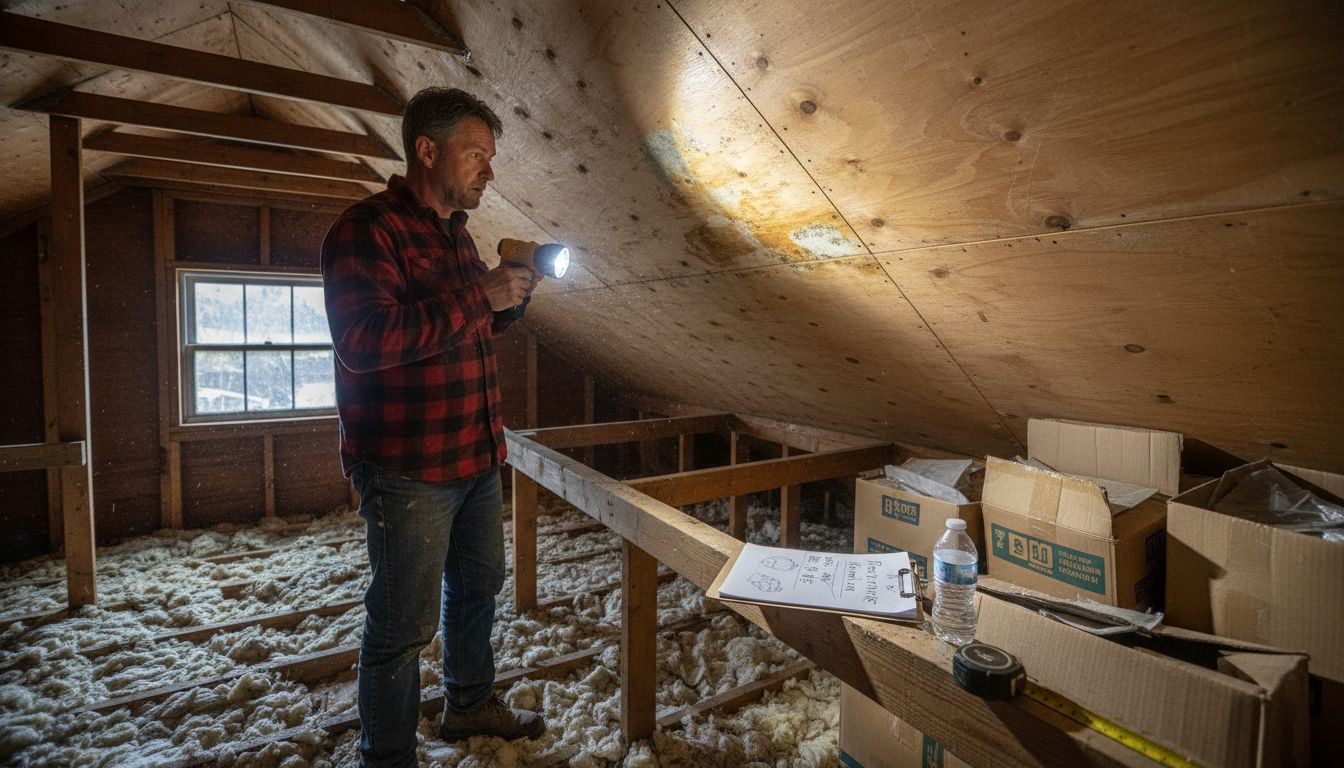
Stormy nights and years of rain can leave even the most well-built roofs in Vancouver, Burnaby, and Surrey showing signs of age or damage. Facing roof repairs often feels overwhelming, especially when unexpected issues appear after a heavy winter or summer windstorm. A clear understanding of your roof’s needs is the foundation for a realistic repair budget, and a professional roof assessment report offers peace of mind by pinpointing hidden problems before small issues become costly headaches.
How to Budget for Roof Repair in Vancouver
Planning a roof repair budget is one of the most important steps homeowners in Vancouver can take to avoid unexpected roofing expenses. Weather exposure, roof age, and material type all affect the cost of repairs throughout the Lower Mainland.
In this short guide, Paragon Roofing BC explains how homeowners can plan for roof repair costs, identify early warning signs of damage, and prevent minor issues from becoming major structural repairs.
Video: How to Budget for Roof Repair in Vancouver
Understanding how to budget for roof repair is essential for homeowners in Vancouver where heavy rain and seasonal moisture can accelerate roofing wear. This short guide explains the key factors affecting roof repair costs and how to prepare financially before damage becomes severe.
Table of Contents
- Step 1: Assess Current Roof Condition And Needs
- Step 2: Research Local Roofing Costs And Materials
- Step 3: Request And Compare Detailed Repair Quotes
- Step 4: Estimate Additional Expenses And Contingencies
- Step 5: Create And Adjust Your Repair Budget Plan
Quick Summary
| Key Insight | Explanation |
|---|---|
| 1. Thoroughly assess your roof’s condition | Conduct a detailed inspection to identify damage and potential repair needs. This helps in financially planning for maintenance. |
| 2. Research local roofing materials and costs | Understand the costs and durability of local roofing options tailored to Vancouver’s climate for better financial decisions. |
| 3. Obtain and compare detailed quotes | Request itemized estimates from contractors, focusing on materials, labour, and warranties to ensure the best value. |
| 4. Budget for unexpected expenses | Allocate 10-20% of your total project cost for contingencies to handle unforeseen issues during repairs. |
| 5. Regularly adjust your repair budget | Revisit and update your budget annually to accommodate changes in roof condition and material costs, ensuring preparedness for future maintenance. |
Step 1: Assess current roof condition and needs
Budgeting for roof repairs starts with a thorough understanding of your roof’s current condition. This critical first step involves a comprehensive evaluation that determines potential repair needs and helps you plan financially for upcoming maintenance. Professional roof assessment reports provide invaluable insights into the health of your roofing system.
To effectively assess your roof’s condition, consider these key inspection areas:
-
Visual exterior examination
-
Look for visible damage like missing shingles, cracked tiles, or sagging sections
-
Check for moss, algae growth, or discolouration
-
Attic and interior inspection
-
Search for water stains on ceilings and walls
-
Identify potential moisture damage or structural weaknesses
-
Check for proper ventilation and insulation
When conducting your assessment, pay close attention to areas prone to wear in British Columbia’s challenging coastal climate. Freeze-thaw cycles, heavy rainfall, and wind exposure can accelerate roof deterioration. Documenting all observations will help create an accurate repair budget and prevent costly future damage.
A thorough roof assessment now can save thousands in emergency repairs later.
Pro tip: Consider hiring a professional roofing inspector for a comprehensive evaluation, especially if you’re unsure about identifying subtle roof damage.
Step 2: Research local roofing costs and materials
Researching local roofing costs and materials is a critical step in creating an accurate budget for your roof repair project. Understanding the nuanced landscape of construction costs in Canada will help you make informed financial decisions for your roofing needs.
When investigating roofing materials and pricing, focus on these key research areas:
-
Material options
-
Asphalt shingles
-
Metal roofing
-
Cedar and wood shakes
-
Synthetic roofing materials
-
Price considerations
-
Local market rates
-
Quality and durability of materials
-
Labour costs in Vancouver and surrounding areas
-
Seasonal price fluctuations
British Columbia’s unique coastal climate demands careful material selection. Factors like moisture resistance, wind tolerance, and insulation properties should guide your choices beyond mere cost. Vancouver’s weather can be particularly challenging, so prioritise materials that offer long-term protection and value.
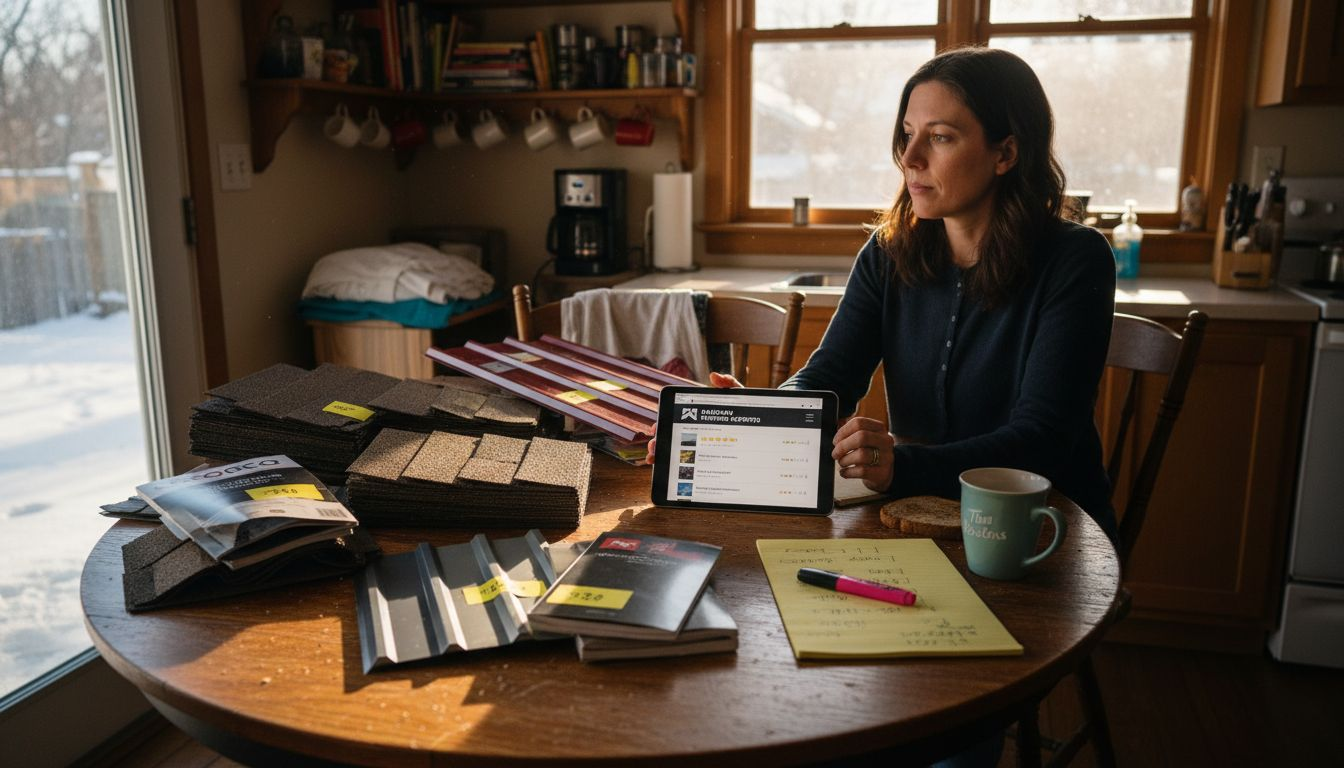
Here’s a quick reference comparing common roofing materials for Vancouver’s climate:
| Roofing Material | Moisture Resistance | Expected Lifespan | Typical Cost (per sq.ft.) |
|---|---|---|---|
| Asphalt shingles | Moderate | 15-25 years | $3–$5 |
| Metal roofing | High | 40–70 years | $8–$15 |
| Cedar/wood shakes | Low to moderate | 20–30 years | $7–$12 |
| Synthetic materials | High | 30–50 years | $7–$10 |
Local material costs can vary significantly, so get multiple quotes to ensure competitive pricing.
Pro tip: Request detailed written estimates from at least three local roofing contractors to get the most accurate understanding of current material and labour costs.
Step 3: Request and compare detailed repair quotes
Navigating the process of obtaining roof repair quotes requires strategic planning and careful evaluation. By leveraging professional roof estimating techniques, you can effectively compare quotes and make an informed decision about your roofing project.
When requesting and comparing repair quotes, follow these essential steps:
-
Contractor selection
-
Research local roofing companies
-
Check BBB ratings and reviews
-
Verify licences and insurance
-
Request references
-
Quote comparison criteria
-
Detailed material specifications
-
Labour costs breakdown
-
Project timeline
-
Warranty information
-
Removal and disposal fees
-
Potential additional repair costs
British Columbia’s coastal environment presents unique roofing challenges, so ensure each quote addresses specific regional concerns like moisture resistance, wind tolerance, and durability. Ask contractors to explain how their proposed solution will withstand Vancouver’s variable weather conditions.
Not all quotes are created equal. Look beyond price to understand the true value of proposed repairs.
Pro tip: Request itemized written estimates that clearly separate material and labour costs to help you accurately compare and negotiate roofing proposals.
Step 4: Estimate additional expenses and contingencies
Building a comprehensive roof repair budget requires more than just calculating direct repair costs. Understanding project contingency strategies helps you anticipate and manage potential financial surprises that could impact your roofing project.
When estimating additional expenses, consider these critical categories:
-
Direct contingency expenses
-
Unexpected structural damage
-
Hidden moisture problems
-
Potential wood rot repairs
-
Unforeseen deck or substrate issues
-
Indirect cost considerations
-
Permit fees
-
Equipment rental
-
Project supervision costs
-
Temporary property protection
-
Potential interim housing expenses
-
Waste disposal and cleanup
In British Columbia’s challenging coastal environment, roof repairs can quickly become complex. Vancouver’s variable weather and moisture conditions mean you should plan for a higher contingency budget compared to drier regions. Experienced contractors typically recommend allocating 10-20% of your total project cost as a financial buffer for unexpected challenges.
A well-planned contingency budget is your financial safety net against roofing project uncertainties.
Pro tip: Keep your contingency funds liquid and accessible, but resist the urge to spend them unless absolutely necessary during the repair process.
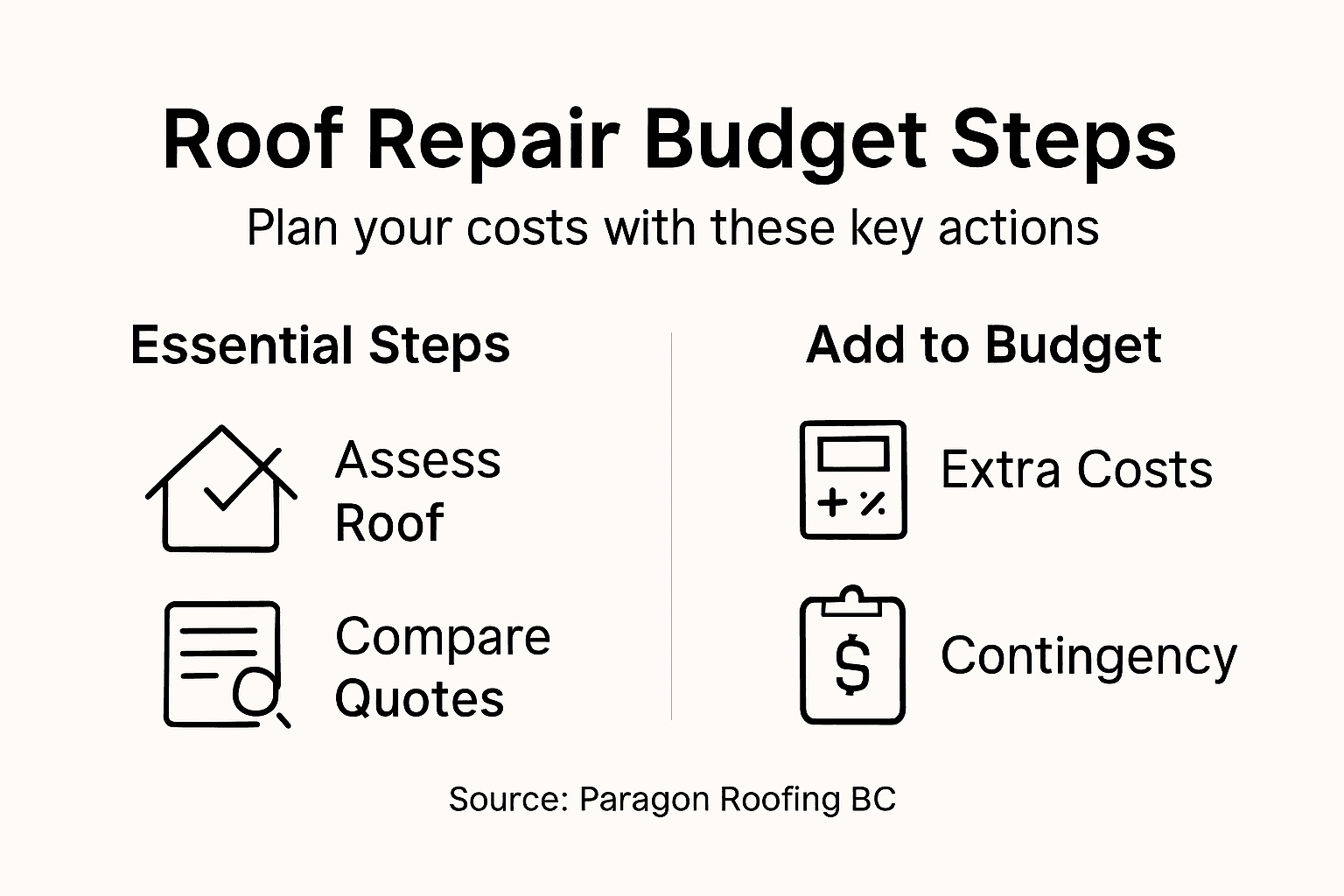
Step 5: Create and adjust your repair budget plan
Designing a strategic roof repair budget requires careful planning and ongoing management. By understanding roof maintenance budget strategies, you can develop a financial roadmap that protects your property and prevents unexpected expenses.
When creating your repair budget plan, focus on these key elements:
-
Budget components
-
Initial repair cost estimate
-
Contingency fund allocation
-
Long-term replacement savings
-
Annual maintenance budget
-
Budget adjustment triggers
-
Material price fluctuations
-
Seasonal wear and damage
-
Changes in roof condition
-
Inflation and labour cost increases
-
Property age and roof system complexity
In the Vancouver region, roof maintenance budgets must account for our unique coastal climate. Frequent moisture, wind exposure, and temperature variations demand a more dynamic approach to financial planning. Experienced property managers typically recommend reviewing and adjusting your roof budget annually to stay ahead of potential repair needs.
The following table summarises key components of a roof repair budget and their importance:
| Budget Component | Role in Project | Impact on Overall Cost |
|---|---|---|
| Initial repair estimate | Sets baseline spending | Major influence |
| Contingency fund | Covers unexpected issues | Prevents financial shocks |
| Annual maintenance | Limits future damage | Stabilises long-term costs |
| Replacement savings | Prepares for full re-roof | Eases future budget strain |
A flexible budget is your best defence against unexpected roofing expenses.
Pro tip: Create a dedicated savings account for roof maintenance to ensure funds are always available and separated from other financial resources.
Take Control of Your Roof Repair Budget with Expert Help from Paragon Roofing BC
Budgeting for roof repair can feel overwhelming when unexpected issues arise or costs fluctuate. This guide highlights key challenges like assessing your roof’s true condition, comparing detailed repair quotes, and planning for contingencies. You want peace of mind knowing your investment is protected and your roof can withstand British Columbia’s coastal climate.
Paragon Roofing BC specialises in providing trusted roofing services tailored to Vancouver and the surrounding areas. Our expert team helps you navigate material options, deliver transparent estimates, and develop a repair plan that aligns with your budget and property needs. Benefit from our professional inspections and ongoing maintenance strategies that reduce surprises and stretch your roofing dollar further.
Ready to create a roofing budget that works for you and avoid costly emergencies? Visit Paragon Roofing BC today to schedule your free roof inspection and get a detailed consultation. With Paragon Roofing BC, your home or business is in expert hands, ensuring your roofing project stays on track and on budget. Start your stress-free roofing journey now by exploring our repair solutions and trusted expertise.
Frequently Asked Questions
How can I assess the current condition of my roof before budgeting for repairs?
Begin by conducting a thorough visual inspection of the exterior and interior of your roof. Look for signs of damage, water stains, and issues with ventilation to get a clear understanding of needed repairs.
What factors should I consider when researching local roofing costs and materials?
Consider material options, quality, durability, and local labour costs when researching roofing expenses. Compare prices for various materials like asphalt shingles and metal roofing to create an informed budget.
How can I effectively compare roof repair quotes from contractors?
Request itemized quotes that detail material specifications, labour costs, and project timelines from multiple contractors. Assess each quote carefully to ensure you understand the complete value offered beyond just the price.
What additional expenses should I include in my roofing budget?
Include potential unexpected costs such as structural damage, permit fees, and waste disposal in your budget. Set aside 10-20% of your total project estimate as a contingency to cover unforeseen expenses.
How often should I adjust my roof repair budget?
Review and adjust your roof budget annually to accommodate material price fluctuations and seasonal wear. This ongoing assessment will help ensure you are prepared for any upcoming maintenance needs.
What is a good way to create a savings plan for future roof repairs?
Establish a dedicated savings account specifically for roof maintenance expenses. Aim to save a consistent amount monthly, allowing you to build a financial cushion for future repairs over time.