Commercial Roofing Types – Choosing for Durability and Budget
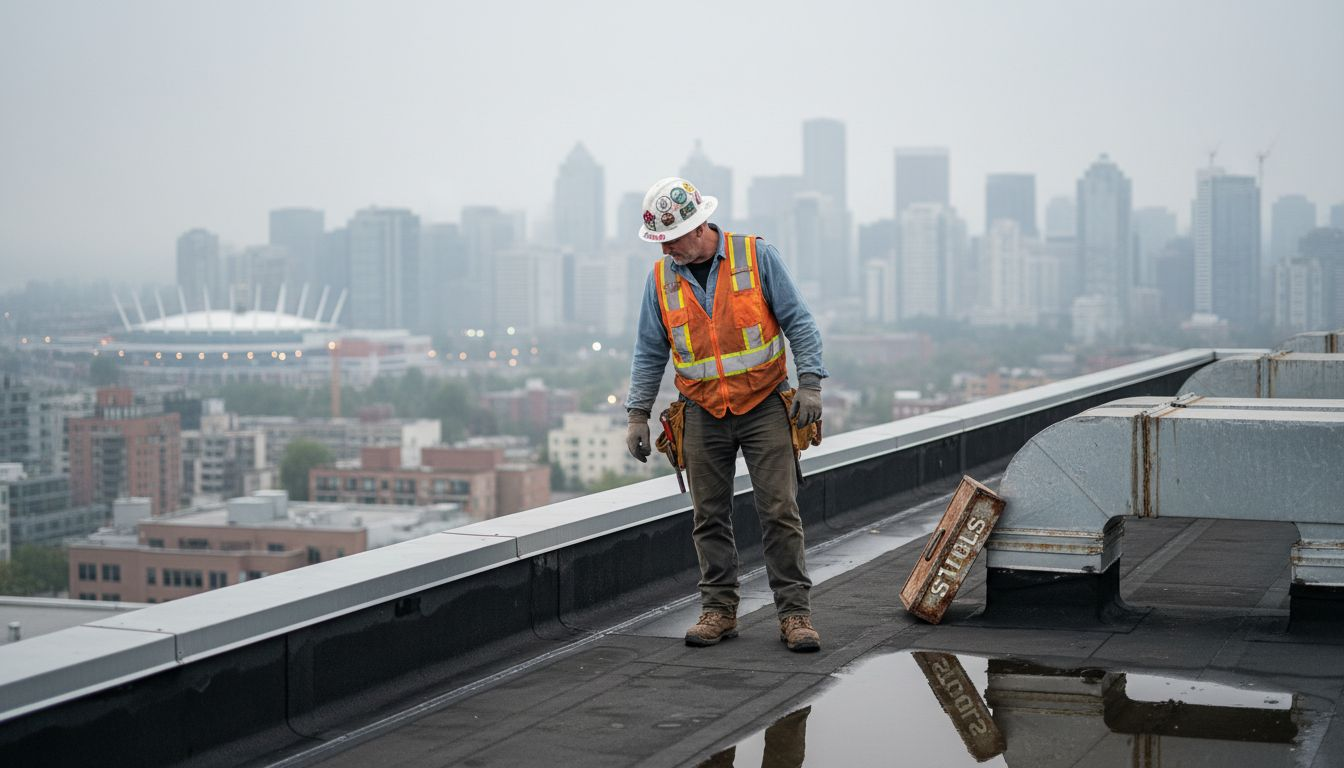
Choosing the right commercial roofing for your Surrey or Vancouver property often feels complicated once you weigh durability, maintenance needs, and budget limits. As building owners and property managers, the decisions you make now have lasting effects on safety and operational costs. This article cuts through the confusion, focusing on common myths while clarifying which roofing materials and systems support long-term building performance in British Columbia’s demanding climate.
Commercial Roofing Types in Surrey & Vancouver (Systems, Use Cases, and What to Choose)
Choosing the right commercial roofing system in Surrey or Vancouver comes down to slope, drainage, building use, budget, and long-term performance in BC’s wet climate. This video breaks down common commercial roofing types used across the Lower Mainland and how to match the right system to your property’s needs.
If you manage a strata, warehouse, retail unit, office, or multi-family building, understanding roofing system options helps reduce leak risk, improve lifecycle performance, and avoid costly disruptions.
Table of Contents
- Defining Commercial Roofing And Common Myths
- Flat, Low-Slope, And Sloped Roof Distinctions
- Major Materials For Commercial Roofing Systems
- Comparing Membrane, Metal, And Green Roofs
- Regulations And Codes In British Columbia
- Cost, Longevity, And Risks For Each Type
Key Takeaways
| Point | Details |
|---|---|
| Understanding Commercial Roofing | Recognize that commercial roofing requires specialized materials and techniques tailored to complex building needs. |
| Importance of Professional Consultation | Engage roofing experts to evaluate site-specific requirements and recommend suitable roofing systems. |
| Material Selection and Performance | Assess roofing materials based on durability, climate conditions, and long-term costs for optimal investment. |
| Compliance with Regulations | Ensure adherence to British Columbia’s building codes and safety standards for successful project execution. |
Defining commercial roofing and common myths
Commercial roofing represents a specialized sector of construction focusing on protecting buildings like offices, warehouses, schools, and retail spaces from environmental elements. Commercial buildings encompass diverse structural requirements that demand precise roofing solutions tailored to specific operational needs.
Understanding commercial roofing involves recognizing several critical characteristics:
- Roofing systems designed for larger, more complex building structures
- Materials engineered for durability and long-term performance
- Specialized installation techniques unique to commercial applications
- Consideration of environmental factors like wind resistance, thermal efficiency, and load-bearing capacity
Many misconceptions surround commercial roofing that can lead property managers and business owners to make uninformed decisions. Common myths frequently emerge from limited understanding of roofing technologies and maintenance strategies. Commercial contracting regulations highlight the complexity of selecting appropriate roofing systems, challenging simplistic assumptions about roof performance and longevity.
For instance, property owners often believe that all roofing materials perform similarly or that cheaper options provide equivalent protection. In reality, commercial roofs require sophisticated engineering that considers factors like climate exposure, building usage, and long-term maintenance costs. Different roofing types—such as modified bitumen, single-ply membranes, or metal roofing—offer unique advantages depending on specific building requirements.
Pro tip: Consult professional roofing experts who understand the nuanced requirements of commercial roofing systems before making any installation or replacement decisions.
Flat, low-slope, and sloped roof distinctions
Commercial roofing encompasses a range of roof designs, each with unique structural characteristics and performance requirements. Low-slope roofing systems demonstrate critical design variations that significantly impact building performance and maintenance strategies.
Three primary roof classifications exist in commercial construction:
- Flat roofs: Minimal pitch, typically less than 2 degrees
- Low-slope roofs: Between 2-10 degree incline
- Sloped roofs: Greater than 10-degree pitch with more pronounced angle
Ballasted roofing represents a unique low-slope configuration where waterproof membranes are protected by additional materials like river rock or concrete pavers. These systems provide enhanced durability and protection against environmental stressors, making them particularly effective for commercial structures in challenging climatic conditions.
Each roof type demands specific engineering considerations. Flat and low-slope roofs require sophisticated drainage systems to prevent water accumulation, while sloped roofs naturally facilitate runoff. Material selection becomes critical, with low-slope roofs typically utilizing membrane or bituminous materials, and sloped roofs often employing shingle-based solutions. Climate exposure, building usage, and long-term maintenance costs all factor into determining the most appropriate roofing approach for a specific commercial property.
Pro tip: Conduct a comprehensive site assessment with professional roofing experts to determine the most suitable roof type for your specific building requirements and local environmental conditions.
Major materials for commercial roofing systems
Commercial roofing demands sophisticated materials engineered to withstand diverse environmental challenges. Commercial roofing materials span a wide range of options designed to meet specific performance requirements for different building types and climatic conditions.
Primary commercial roofing material categories include:
- Single-ply membranes: EPDM, TPO, PVC
- Built-up roofing: Multiple layers of bituminous materials
- Modified bitumen systems: Enhanced asphalt-based materials
- Metal roofing panels: Aluminium, steel, and copper configurations
- Synthetic materials: Synthetic slate and rubber-based composites
Each material offers unique advantages based on durability, thermal performance, and cost-effectiveness. Roofing practices manual guidelines emphasize the importance of selecting materials that align with local building codes and regional climate demands. For instance, EPDM membranes excel in temperature fluctuations, while TPO provides superior UV resistance, making material selection a nuanced decision requiring careful assessment of specific environmental and structural requirements.
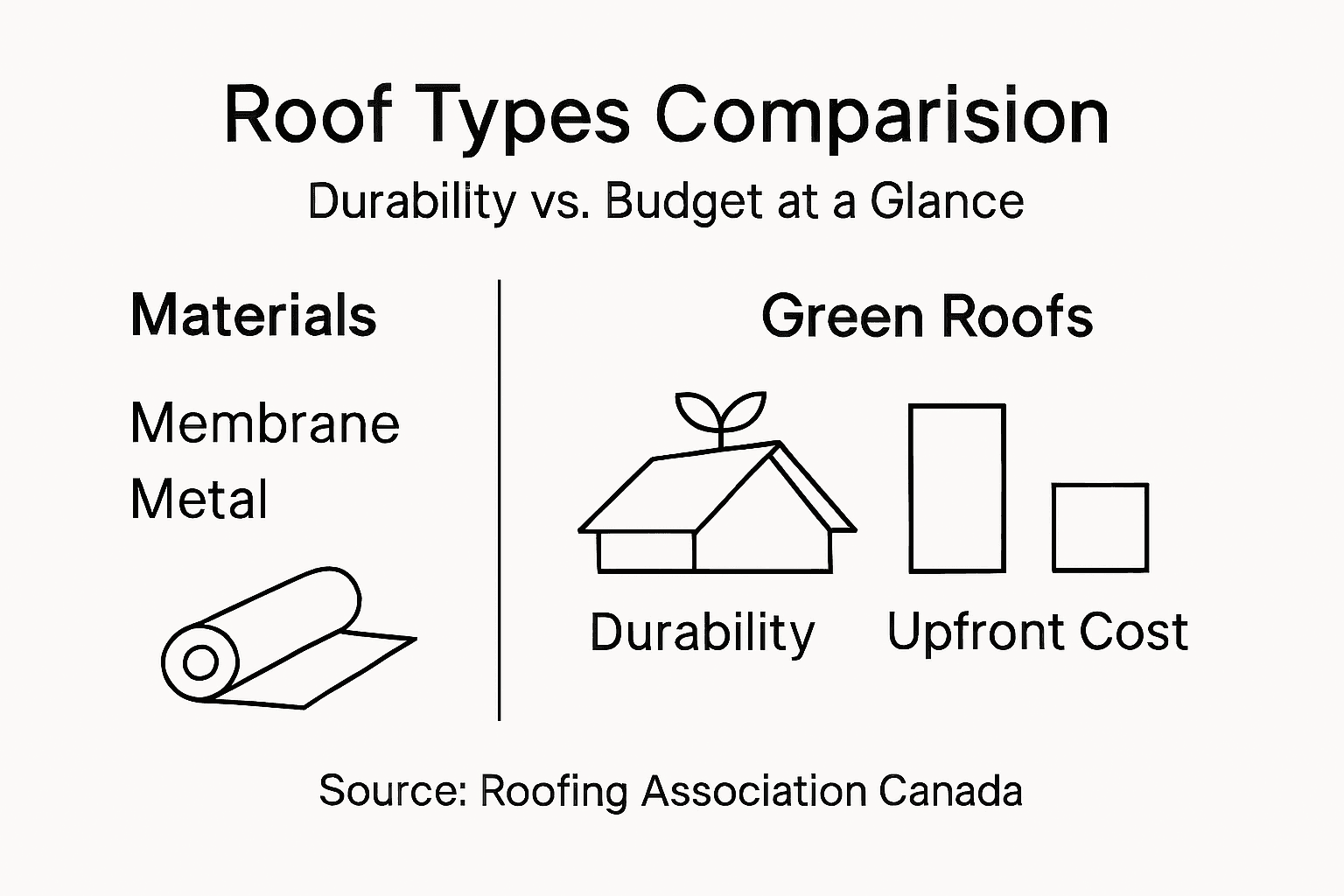
The selection process involves evaluating multiple factors including initial installation costs, long-term maintenance expenses, energy efficiency, and potential environmental impact. Some materials offer better insulation properties, while others provide enhanced water resistance or greater structural integrity. Regional considerations like Vancouver’s variable climate play a significant role in determining the most appropriate roofing material for commercial applications.
Here is a comparison of common commercial roofing materials based on unique performance factors:
| Material Type | Strengths | Key Limitation |
|---|---|---|
| Single-ply membrane | Flexible, rapid installation | Prone to punctures |
| Built-up roofing | Excellent waterproofing, durable | Heavier, longer installation |
| Modified bitumen | Superior weather resistance | Higher maintenance costs |
| Metal panels | Long lifespan, fire resistant | Higher upfront investment |
| Synthetic materials | Lightweight, resistant to UV damage | Limited historical track record |
Pro tip: Consult professional roofing experts who can conduct a comprehensive site-specific assessment to recommend the most suitable roofing material for your unique building requirements.
Comparing membrane, metal, and green roofs
Commercial roofing solutions present diverse options, each with unique characteristics and performance profiles. Green roofs offer multiple environmental benefits beyond traditional roofing approaches, introducing complex considerations for building managers and property owners.
Key characteristics of each roofing type include:
-
Membrane Roofs:
- Waterproof synthetic layer
- Lightweight and flexible
- Cost-effective installation
-
Metal Roofs:
- Superior durability
- Longer lifespan
- High recyclability
-
Green Roofs:
- Natural vegetation layer
- Enhanced stormwater management
- Improved building insulation
Metal roofing technologies demonstrate exceptional performance characteristics with remarkable resistance to mechanical damage and minimal maintenance requirements. While membrane roofs provide economical coverage, metal roofs excel in longevity and structural integrity. Green roofs, conversely, sacrifice some traditional durability metrics in exchange for substantial environmental benefits like urban heat island reduction and enhanced ecosystem services.
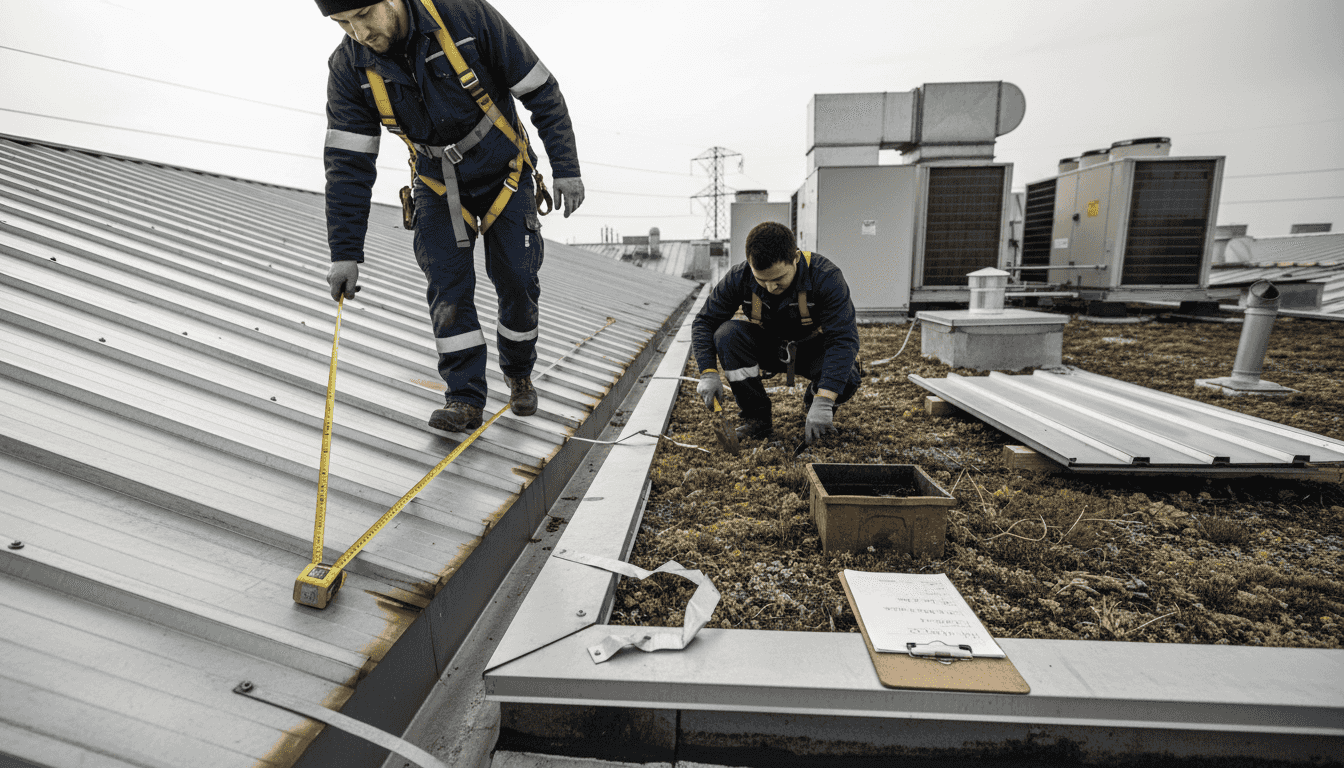
The selection process demands careful evaluation of project-specific priorities, balancing initial investment, long-term performance, environmental impact, and regional climate considerations. Vancouver’s variable weather conditions further complicate roofing decisions, requiring nuanced understanding of each material’s strengths and potential limitations.
Pro tip: Conduct a comprehensive site-specific assessment that considers local climate, building structure, budget constraints, and sustainability goals before selecting your commercial roofing system.
Regulations and codes in British Columbia
Navigating commercial roofing regulations in British Columbia requires a comprehensive understanding of provincial building codes, safety standards, and environmental requirements. Roofing industry standards serve as critical guidelines for ensuring structural integrity, safety, and compliance across commercial construction projects.
Key regulatory considerations for commercial roofing in British Columbia include:
-
Building Code Requirements:
- Minimum performance standards
- Structural load-bearing specifications
- Fire resistance ratings
-
Environmental Regulations:
- Energy efficiency standards
- Sustainable construction guidelines
- Stormwater management protocols
-
Safety Standards:
- Worker protection regulations
- Material testing and certification
- Installation technical specifications
Commercial roofing projects must adhere to the British Columbia Building Code, which outlines detailed requirements for roof design, material selection, insulation, and thermal performance. These regulations are particularly stringent in urban areas like Vancouver and Surrey, where complex environmental conditions and high-density construction demand rigorous compliance.
The provincial regulatory framework emphasizes not just structural integrity, but also broader considerations such as environmental sustainability, energy efficiency, and long-term building performance. Contractors and property managers must navigate a complex landscape of technical standards, municipal bylaws, and provincial guidelines to ensure full compliance and optimal building safety.
The table below summarizes key factors impacting commercial roofing system selection in British Columbia:
| Selection Factor | Business Impact | Example Consideration |
|---|---|---|
| Energy efficiency | Lowers heating and cooling expenses | Insulation rating |
| Regional climate | Ensures year-round roof durability | Rainfall, snow load |
| Building code compliance | Avoids legal and insurance issues | Meets minimum code standards |
| Maintenance demands | Influences long-term operating costs | Ease of annual inspections |
Pro tip: Engage a professional roofing consultant familiar with British Columbia’s specific regulatory requirements to ensure your commercial roofing project meets all necessary legal and technical standards.
Cost, longevity, and risks for each type
Commercial roofing investments require comprehensive evaluation beyond initial installation expenses. Commercial building roofing costs demonstrate significant long-term variations that demand careful financial and performance analysis.
Comprehensive cost and risk assessment for different roofing types includes:
-
Membrane Roofs:
- Lower upfront costs
- Typical lifespan: 15-25 years
- Higher maintenance requirements
- Risk of punctures and water infiltration
-
Metal Roofs:
- Higher initial investment
- Extended lifespan: 40-60 years
- Minimal maintenance needs
- Superior weather resistance
-
Green Roofs:
- Highest initial installation costs
- Moderate lifespan: 30-40 years
- Ongoing maintenance complexities
- Potential utility incentives
Roofing industry statistics reveal evolving material preferences driven by performance, sustainability, and long-term economic considerations. While metal roofing gains popularity due to its durability, membrane systems remain attractive for budget-conscious projects. Green roofs present unique value propositions, offering environmental benefits that can offset higher initial investments through potential energy savings and municipal incentives.
Risk management becomes paramount in roofing selection, with factors like local climate, building usage, and maintenance capabilities significantly influencing long-term performance. Vancouver’s variable weather conditions particularly demand robust materials that can withstand moisture, temperature fluctuations, and potential environmental stressors.
Pro tip: Develop a comprehensive life-cycle cost analysis that considers not just initial installation expenses, but projected maintenance, potential energy savings, and expected longevity when selecting your commercial roofing system.
Find the Perfect Commercial Roofing Solution for Your Building’s Needs
Choosing the right commercial roofing system is crucial to protect your property from Vancouver’s challenging weather and to balance durability with budget constraints. Whether you face concerns about membrane punctures, maintenance costs, or long-term performance, understanding roof types like flat, low-slope, metal, or green roofs helps you make informed decisions. At Paragon Roofing BC, we address these specific challenges with tailored solutions that consider your unique building requirements, local climate, and regulatory standards.
We invite you to explore our professional roofing services designed to meet your commercial roofing needs. From expert installations to thorough inspections and maintenance, we ensure your roof delivers lasting protection and value with the best materials and craftsmanship.
Ready to safeguard your commercial property with a roofing system built for durability and budget efficiency? Contact Paragon Roofing BC today for a free roof inspection and personalized consultation. Learn more about our comprehensive roof installation and repair services and take the first step toward a worry-free roof.
Frequently Asked Questions
What are the main types of commercial roofing?
The main types of commercial roofing include membrane roofs, metal roofs, and green roofs. Each type offers unique benefits, such as membrane roofs being cost-effective and lightweight, metal roofs providing superior durability, and green roofs enhancing environmental sustainability.
How do I choose the right roofing material for my commercial building?
Choosing the right roofing material involves evaluating factors like climate conditions, building usage, budget constraints, and sustainability goals. Consulting with roofing professionals can help in assessing these requirements effectively.
What are the cost implications of different commercial roofing types?
Cost implications vary widely among roofing types. For example, membrane roofs typically have lower initial costs but may require more maintenance, while metal roofs require a higher upfront investment but offer longer lifespans and minimal upkeep.
How do maintenance needs differ among commercial roofing systems?
Maintenance needs vary by roofing type. Membrane roofs may require regular inspections for punctures, metal roofs generally need less maintenance, and green roofs necessitate ongoing care for the vegetation layer to ensure effective insulation and stormwater management.