BC Roofing Trends 2026: 40-Year Metal Roofs Boost Value
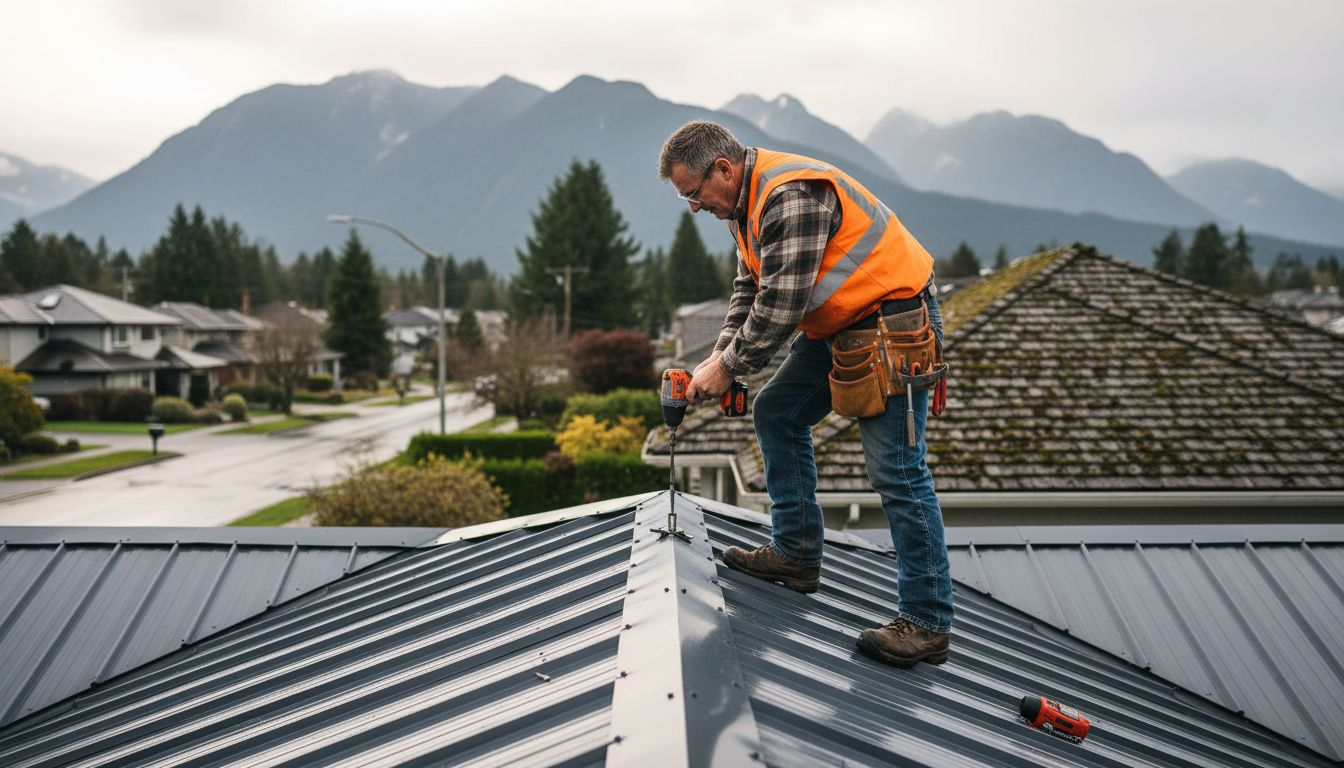
Metal roofs in British Columbia can last up to 70 years while reflecting 70% of solar radiation, dramatically reducing energy costs compared to traditional asphalt shingles. As property owners face BC’s wet coastal climate in 2026, understanding the latest roofing innovations becomes essential for protecting investments and maximizing property value. These trends blend sustainability, durability, and compliance with evolving building codes. Get a free metal roofing estimate from our Vancouver team
Table of Contents
- Introduction To Roofing Trends In BC For 2026
- Innovative Sustainable Roofing Materials For BC
- Impact Of BC Climate On Roof Performance
- Regulatory And Building Code Considerations In BC For 2026
- Common Misconceptions About Roofing Trends In BC
- Comparison Framework For Selecting Roofing Materials
- Cost Implications And Return On Investment
- Practical Application: Planning Your Roofing Project For 2026
- Get Expert Roofing Solutions For Your 2026 Project
- Frequently Asked Questions
Key Takeaways
| Point | Details |
|---|---|
| Metal roofs deliver exceptional value | Metal roofs last 40-70 years and reflect up to 70% of solar radiation, significantly reducing energy consumption. |
| Asphalt shingles remain viable | Modern asphalt shingles last 20-30 years with proper maintenance in BC’s wet climate. |
| Green roofs offer urban advantages | Green roofs improve stormwater management and building insulation for urban properties. |
| 2026 codes emphasize efficiency | Building codes enforce stricter energy efficiency, ventilation, and sustainability standards. |
| Material selection requires balance | Choosing roofing materials demands weighing durability, cost, energy savings, and compliance. |
Introduction to Roofing Trends in BC for 2026
British Columbia’s coastal climate presents unique challenges for roofing systems. Heavy rainfall, high humidity, and persistent moss growth test every material’s durability. Property owners who ignore these factors face premature roof failures and costly repairs.
The roofing industry has responded with advanced materials designed specifically for wet climates. In 2026, sustainable and durable options dominate the market, offering better performance than older solutions. These innovations address BC’s unique climate with heavy rainfall and moss challenges that significantly impact material performance.
Regulatory changes add another layer of complexity. New building codes mandate improved energy efficiency and ventilation standards. Property owners must navigate these requirements while selecting materials that protect their investments for decades.
Key considerations for 2026 roofing projects include:
- Climate resilience against moisture and moss damage
- Energy efficiency improvements to reduce utility costs
- Compliance with updated BC building codes
- Long-term durability to maximize return on investment
- Sustainable options that enhance property value
Understanding BC roofing materials and climate considerations helps you make informed decisions. The right roofing approach protects your property while meeting regulatory standards and reducing operational costs over time.
Innovative Sustainable Roofing Materials for BC
Metal roofing has emerged as the premium choice for BC properties seeking longevity and performance. These systems offer unmatched weather resilience while lasting 40-70 years and reflecting up to 70% of solar radiation, which drastically cuts cooling costs. The material’s ability to shed water quickly prevents moisture buildup that plagues other roofing types.
Synthetic roofing materials have evolved dramatically in recent years. Modern composites mimic the aesthetic appeal of slate or cedar while delivering superior durability. These products resist moss growth and moisture damage better than natural materials, making them ideal for BC’s climate.
Solar-ready roofing systems represent the future of sustainable building practices. These integrated solutions combine structural protection with energy generation capabilities. Property owners who install solar-ready roofs position themselves to add panels later without structural modifications, reducing long-term costs and environmental impact.
Green roofs transform urban buildings into environmental assets. The living plant layers manage stormwater runoff while providing natural insulation. Vancouver properties with green roofing benefits experience reduced heating and cooling costs alongside improved air quality.
Top sustainable materials for BC in 2026:
- Standing seam metal roofs with concealed fasteners
- Composite synthetic tiles resistant to moisture and UV damage
- Cool roof coatings that reflect solar heat
- Modular green roof systems for urban environments
- Integrated solar panel mounting systems
Pro Tip: When evaluating metal roofing cost insights, factor in the 40+ year lifespan and energy savings. The higher upfront investment typically pays for itself within 15 years through reduced maintenance and utility costs.
Impact of BC Climate on Roof Performance
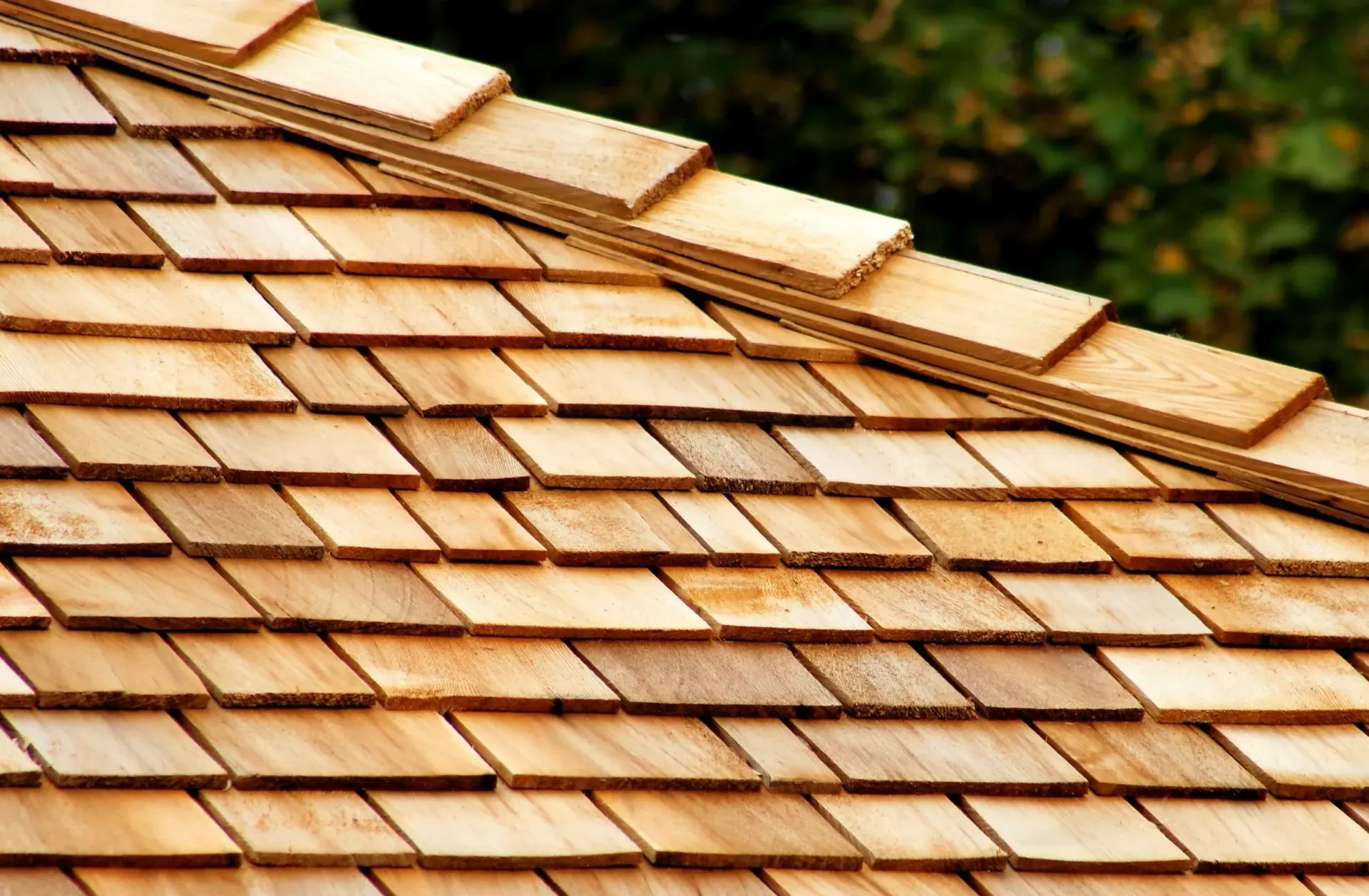
BC’s coastal regions receive substantial annual rainfall, creating perfect conditions for moss and algae growth. These organic invaders retain moisture against roofing surfaces, accelerating material degradation. Cedar roofs face particularly severe challenges, as moss and moisture reduce cedar roof lifespan by 20-30% without proper maintenance.
Moisture infiltration causes more than surface damage. Water that penetrates roofing materials can compromise structural integrity, rot decking, and damage insulation. Proper ventilation becomes critical for preventing these cascading failures.
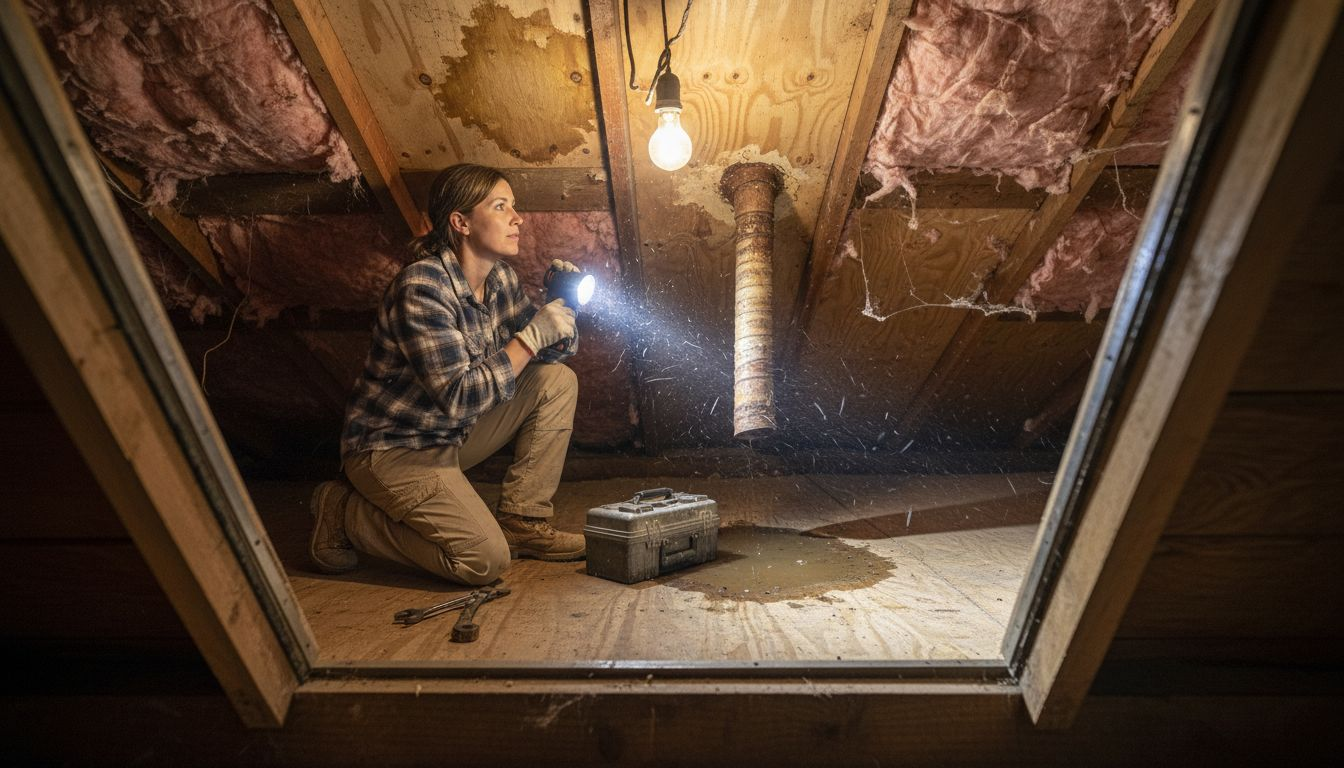
Ventilation systems create airflow that removes moisture-laden air from attic spaces. Without adequate ventilation, condensation forms on cold surfaces during winter months. This trapped moisture feeds mold growth and weakens structural components over time.
Material selection must account for regional rainfall patterns. Coastal areas face different challenges than interior BC locations. Understanding BC climate effects on cedar roofs helps you choose appropriate materials for your specific microclimate.
Critical climate considerations include:
- Annual rainfall totals exceeding 1,000mm in coastal zones
- Moss growth rates accelerating in shaded roof sections
- Freeze-thaw cycles in interior regions causing material stress
- Wind-driven rain testing flashing and sealant integrity
- UV exposure intensity varying by elevation and latitude
Pro Tip: Schedule professional roof inspections twice yearly, focusing on roof preparation for rainy seasons before fall and after spring. Early detection of moss growth or moisture damage prevents expensive structural repairs.
Regulatory and Building Code Considerations in BC for 2026
The 2026 BC building code updates enforce stricter energy efficiency, ventilation, and insulation standards for roofs. These regulations reflect growing awareness of buildings’ environmental impact and operational costs. Property owners planning roofing projects must understand and comply with these requirements.
Energy efficiency targets now mandate specific R-values for roof insulation based on climate zones. Reflective roofing materials gain code advantages by reducing heat island effects in urban areas. These requirements push property owners toward higher-performance materials that save energy over decades.
Ventilation standards have tightened to prevent moisture-related failures. Codes now specify minimum ventilation ratios and continuous airflow pathways. Inadequate ventilation voids warranties and creates conditions for mold growth and structural damage.
Material selection and installation methods must align with code requirements. Using non-compliant materials or improper installation techniques results in failed inspections and costly corrections. Working with certified contractors who understand 2026 BC building code updates ensures projects pass inspection the first time.
Key regulatory requirements for 2026:
- Enhanced insulation R-values for all roof assemblies
- Mandatory continuous soffit and ridge ventilation systems
- Reflective roofing materials in designated urban zones
- Weather-resistant barrier installation protocols
- Fire rating requirements based on wildfire risk zones
Compliance protects your investment and avoids penalties. Non-compliant roofing systems may require complete replacement to meet standards, doubling project costs and disrupting property operations.
Common Misconceptions about Roofing Trends in BC
Myth 1: Asphalt shingles are outdated and less durable. Many property owners assume newer materials have made asphalt obsolete. In reality, modern asphalt shingles last 20-30 years and are suitable for BC’s wet climate contrary to outdated durability myths. Advanced manufacturing techniques have dramatically improved their performance and weather resistance.
Myth 2: Green roofs are too costly and impractical. Initial installation costs for green roofs exceed traditional systems, but lifecycle analysis reveals competitive economics. The stormwater management benefits, energy savings, and extended membrane life offset upfront premiums. Urban properties gain additional value through improved aesthetics and reduced environmental impact.
Myth 3: Innovative materials always have prohibitive upfront costs. While some advanced materials command premium prices, many sustainable options cost only marginally more than traditional choices. Synthetic composites often fall between asphalt and premium natural materials in pricing. The longer lifespan and reduced maintenance of these materials deliver superior value despite higher initial investment.
Myth 4: Cool roofs have minimal impact in BC’s climate. Property owners sometimes dismiss reflective roofing as unnecessary in regions without extreme summer heat. However, even moderate solar gain increases cooling costs and accelerates material degradation. Cool roof technologies provide measurable energy savings across all BC climate zones while extending roof lifespan.
Understanding asphalt shingles durability facts helps you evaluate options objectively. Marketing claims and outdated information cloud decision-making. Base your material selection on current performance data and lifecycle cost analysis rather than assumptions or hearsay.
Comparison Framework for Selecting Roofing Materials
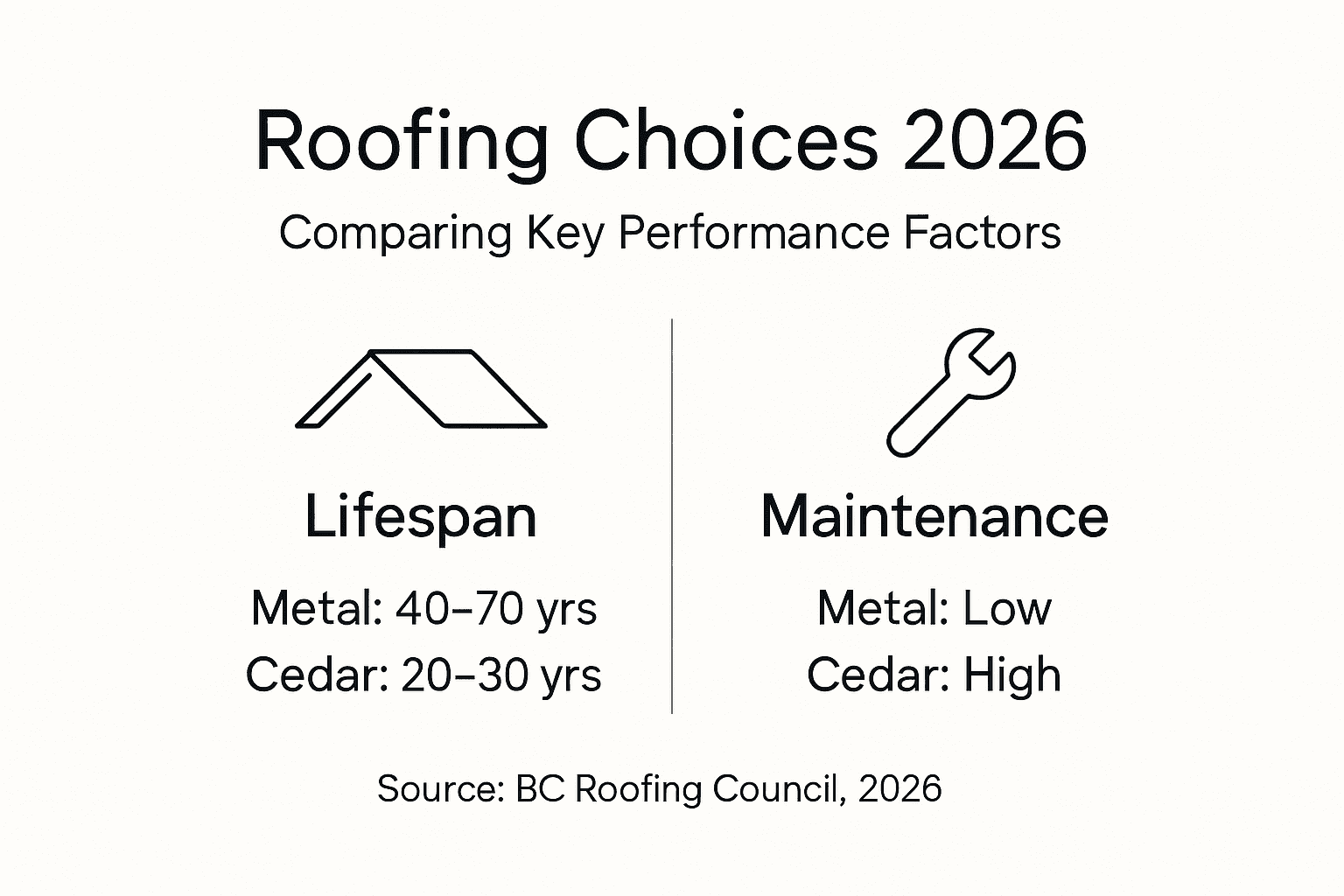
Selecting the right roofing material requires evaluating multiple factors simultaneously. Lifespan represents the most fundamental consideration, as replacement costs dwarf maintenance expenses. Metal roofing offers the longest lifespan and lowest maintenance, while asphalt shingles provide cost-effective options with moderate durability.
| Material | Lifespan | Maintenance | Energy Efficiency | Best For |
|---|---|---|---|---|
| Metal | 40-70 years | Minimal | Excellent | Commercial, high-value residential |
| Synthetic | 30-50 years | Low | Very Good | Residential, heritage aesthetics |
| Asphalt | 20-30 years | Moderate | Good | Budget-conscious residential |
| Cedar | 15-25 years | High | Fair | Traditional West Coast architecture |
| Green Roof | 30-50 years | Moderate | Excellent | Urban commercial, multi-family |
Maintenance intensity varies dramatically by material. Cedar requires annual moss treatment and periodic cleaning to achieve even moderate lifespan. Metal roofs need only occasional inspections and gutter cleaning. These maintenance differences compound over decades, significantly affecting total ownership costs.
Energy efficiency impacts both comfort and operating expenses. Reflective metal roofs and cool roof coatings reduce cooling loads by deflecting solar radiation. Green roofs provide natural insulation that moderates temperature extremes. Understanding metal roofing benefits helps you quantify potential energy savings for your property.
Suitability factors to consider:
- Building type and structural capacity for heavier materials
- Architectural style and aesthetic requirements
- Budget constraints for initial investment and ongoing maintenance
- Local microclimate including rainfall, wind, and sun exposure
- Property management resources for maintenance scheduling
BC’s diverse microclimates demand location-specific material selection. Coastal properties prioritize moisture resistance while interior locations focus on thermal performance and snow load capacity. Review asphalt shingles overview to understand how traditional materials perform across different BC regions.
Cost Implications and Return on Investment
Upfront material and installation costs represent only one component of roofing economics. Lifecycle cost analysis reveals the true financial impact of material choices. Premium materials with higher initial costs often deliver superior long-term value through reduced maintenance and energy savings.
Insulated metal roofing panels have demonstrated a 25% reduction in heating energy costs in Vancouver. These savings compound annually, offsetting the premium installation cost within 12-15 years. The remaining decades of roof life provide pure financial benefit alongside enhanced comfort and reduced environmental impact.
| Cost Factor | Asphalt Shingles | Metal Roofing | Green Roof |
|---|---|---|---|
| Installation | $4-7/sq ft | $10-16/sq ft | $15-25/sq ft |
| Annual Maintenance | $200-500 | $100-200 | $300-600 |
| Energy Impact | Baseline | 15-25% reduction | 20-30% reduction |
| Lifespan | 20-30 years | 40-70 years | 30-50 years |
| Resale Value Boost | Moderate | High | Very High |
Property resale value responds directly to roofing quality and remaining lifespan. Buyers pay premiums for properties with recently installed high-performance roofing systems. Metal and green roofs particularly enhance perceived value due to their longevity and sustainability credentials.
Financial justification extends beyond direct costs and savings. Insurance premiums often decrease for properties with impact-resistant or fire-rated roofing materials. Some municipalities offer tax incentives or expedited permitting for green roof installations. These indirect benefits further improve return on investment.
Pro Tip: When evaluating metal roof cost and savings, request detailed lifecycle cost projections from contractors. Include maintenance schedules, expected energy savings, and potential insurance discounts. This comprehensive analysis reveals true cost differences between material options.
Consider energy saving roofing strategies as part of your overall building performance improvement plan. Roofing upgrades often provide the best return among envelope improvements, especially when combined with enhanced insulation and ventilation.
Practical Application: Planning Your Roofing Project for 2026
Successful roofing projects begin with thorough assessment and planning. Follow these steps to ensure your project meets performance goals, regulatory requirements, and budget constraints.
-
Assess your property’s climate zone and existing roof condition. Document current problems like leaks, moss growth, or ventilation deficiencies. Understanding your starting point guides material selection and scope definition.
-
Review 2026 BC building codes and energy mandates before selecting materials. Verify that your preferred options meet or exceed current standards. Non-compliant materials lead to failed inspections and project delays.
-
Choose sustainable and climate-adaptive materials to maximize lifespan. Prioritize options proven to perform well in BC’s wet climate. Balance performance requirements with budget realities using lifecycle cost analysis.
-
Incorporate solar-ready or green roofing options if feasible. Future-proofing your roof allows later upgrades without structural modifications. Even if you don’t install solar panels immediately, preparing the roof costs little extra during replacement.
-
Balance upfront costs with anticipated maintenance and energy benefits. Calculate total ownership costs over the expected roof lifespan. Premium materials often deliver better value despite higher initial investment.
-
Hire certified BC roofing contractors to ensure compliance and quality. Verify contractor licenses, insurance, and manufacturer certifications. Poor installation voids warranties and compromises even the best materials.
Pro Tip: Review the roof replacement workflow before starting your project. Understanding each phase helps you prepare for disruptions and coordinate with contractors effectively. Property managers should communicate timelines to tenants well in advance.
Use the complete roof repair checklist to identify problems early. Small repairs today prevent major failures tomorrow. Regular maintenance extends any roof’s lifespan significantly, maximizing your investment regardless of material choice.
Get Expert Roofing Solutions for Your 2026 Project
Navigating BC’s roofing trends, building codes, and material options requires professional expertise. Certified contractors ensure your project meets 2026 regulatory standards while delivering the performance and durability you expect. Professional installation protects material warranties and prevents costly mistakes that compromise roof integrity.
Paragon Roofing BC provides comprehensive services from initial assessment through final inspection. Our team understands BC’s unique climate challenges and regulatory landscape. We help property owners select materials that optimize durability, energy efficiency, and long-term value. Whether you need Coquitlam roof installation services or guidance on sustainable options, our certified professionals deliver solutions tailored to your property’s specific needs. Access our roof replacement workflow guide to understand each project phase, or schedule professional roof maintenance services to protect your existing investment.
Frequently Asked Questions
What Are the Most Durable Roofing Materials for BC in 2026?
Metal roofs deliver the longest lifespan, lasting up to 70 years in BC’s climate with minimal maintenance requirements. Synthetic composite materials follow closely, offering 30-50 years of reliable performance while resisting moisture and moss damage. Proper installation and maintenance extend asphalt shingles to 20-30 years, making them a cost-effective option for budget-conscious property owners.
How Do BC’s 2026 Building Codes Affect My Roofing Choices?
Updated codes require improved energy efficiency, ventilation standards, and moisture control measures that influence material selection and installation methods. Reflective roofing materials gain advantages in urban zones while enhanced insulation R-values apply across all climate zones. Choosing compliant materials and hiring certified installers ensures your project passes inspections without costly corrections or delays.
What Maintenance Is Needed for Roofs in BC’s Wet Climate?
Regular moss and debris removal prevents moisture retention that accelerates material degradation, especially critical for cedar roofs. Ensure proper attic ventilation to prevent condensation and moisture buildup that causes rot and structural damage. Schedule professional inspections twice yearly to identify problems early, typically before fall rains and after spring to assess winter damage.
Are Green Roofs Practical for Residential Properties?
Green roofs work well for urban residential buildings, particularly multi-family properties with flat or low-slope roof designs. The stormwater management and insulation benefits offset higher installation costs through reduced utility bills and extended membrane life. Maintenance requirements include seasonal plant care and drainage system inspection, similar to maintaining landscaped areas.
How Much Do Energy-Efficient Roofing Materials Actually Save?
Insulated metal roofing panels reduce heating costs by approximately 25% in Vancouver climate conditions, with savings compounding annually over the roof’s 40+ year lifespan. Reflective cool roof coatings decrease cooling loads by 15-20% during summer months. Green roofs provide 20-30% energy reductions through natural insulation, with additional benefits for stormwater management and urban heat island mitigation.