Roof Replacement Tips 2025: Save 70% on Durability Costs
Replacing your roof in Vancouver means navigating costs that swing from $7 to $30 per square foot, depending on materials and complexity. Choosing the right roofing solution for our rainy climate isn’t just about upfront price; it’s about long-term durability, contractor expertise, and compliance with local building codes. This guide walks you through practical, Vancouver-specific tips to make confident decisions on materials, budgeting, and contractor selection for your 2025 roof replacement project. Get a roof replacement quote in Vancouver
Table of Contents
- How To Choose The Right Roof Replacement For Your Vancouver Home
- Material Options And Durability For Vancouver Roofs
- Cost Breakdown And Budgeting For Roof Replacement In Vancouver
- Contractor Selection And Best Practices In Vancouver
- Maintenance Tips To Extend Your New Roof’s Lifespan
- Summary Comparison And Situational Recommendations
- Professional Roof Replacement Services In Vancouver
Key Takeaways
| Point | Details |
|---|---|
| Cost Variation | Roof replacement costs range from $7 to $30 per square foot based on materials and roof complexity. |
| Metal Durability | Metal roofing lasts 40 to 70 years, making it ideal for Vancouver’s persistent rain. |
| Licensed Contractors | Hiring local, licensed contractors minimizes code violations and costly mistakes. |
| Permit Requirements | Building permits are mandatory and must be factored into your project budget. |
| Climate-Specific Maintenance | Regular Vancouver-tailored maintenance extends roof lifespan and prevents water damage. |
How to Choose the Right Roof Replacement for Your Vancouver Home
When planning a roof replacement in Vancouver, you need to balance material performance against our unique wet climate, local building regulations, and realistic budget constraints. The right choice protects your home for decades, while the wrong one leads to premature failure and expensive repairs.
Start by understanding that material durability ranges from 15 to 70 years depending on roofing choice in Vancouver. Asphalt shingles offer affordability but shorter lifespans, while metal roofs deliver superior longevity in moisture-heavy conditions. Your decision should weigh upfront costs against lifecycle value, factoring in how well each material handles our relentless rain and occasional windstorms.
Local building codes in Vancouver mandate permits and inspections for all roof replacements, ensuring structural safety and proper installation. Skipping permits risks fines and complications when selling your home. Beyond compliance, selecting a licensed contractor with Vancouver experience protects you from substandard work that fails inspections or leaks within months.
Consider these key roof replacement considerations in Vancouver when evaluating your options:
- Material suitability for high rainfall and humidity
- Total cost per square foot including labor, permits, and disposal
- Contractor licensing, insurance, and local references
- Warranty coverage for materials and workmanship
- Maintenance requirements specific to Vancouver’s climate
Pro tip: Request detailed quotes from at least three contractors to compare pricing transparency and scope. Vague estimates often hide surprise charges for tear-off, disposal, or permit fees.
Clarity on project scope upfront, including timeline, materials, and warranty terms, prevents misunderstandings and protects your investment. A qualified contractor will walk you through every step, from permit application to final inspection, ensuring your roof meets BC Building Code standards.
Material Options and Durability for Vancouver Roofs
Choosing roofing materials means balancing cost, lifespan, weather resistance, and maintenance demands. Vancouver’s persistent rain and moderate temperatures favor materials that shed water efficiently and resist moss growth.
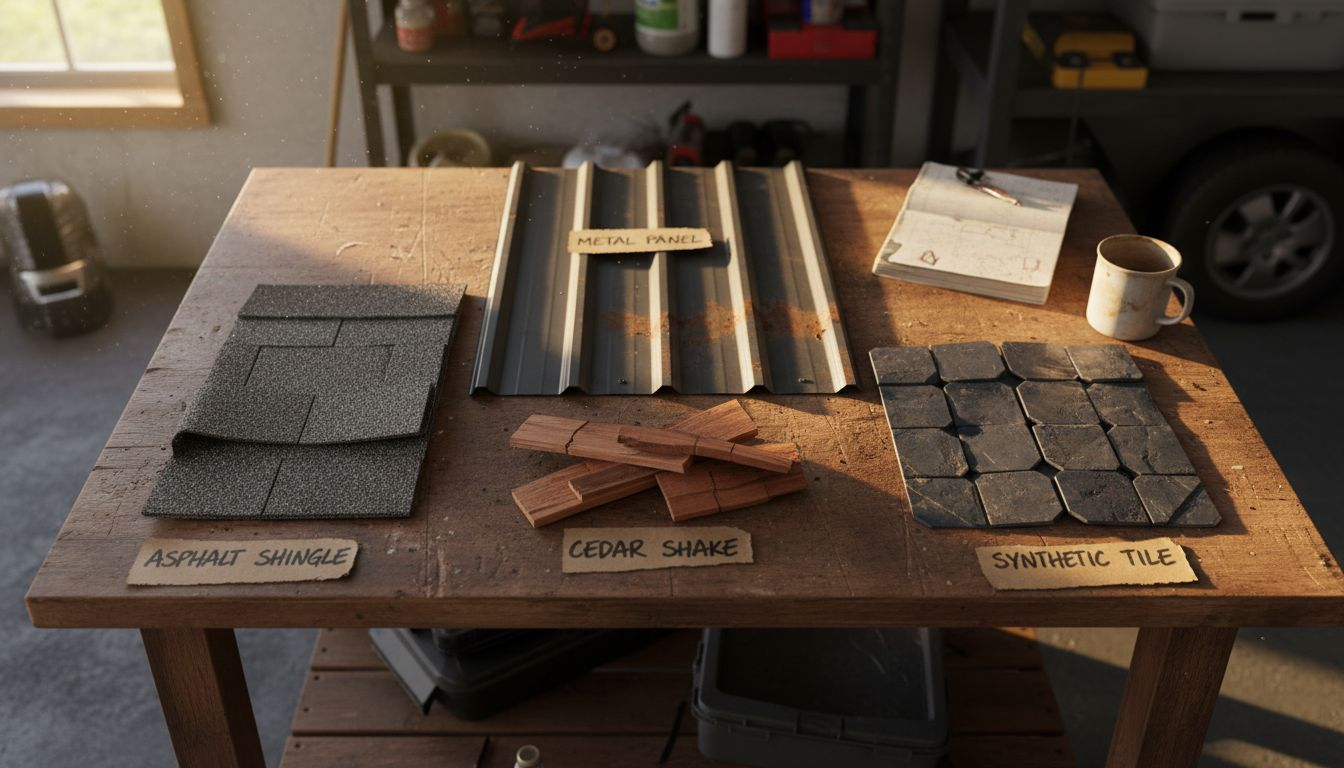
According to industry cost data, asphalt shingles cost $4 to $7 per square foot and last 15 to 30 years, while metal roofs cost $7 to $30 per square foot and last 40 to 70 years, making them ideal for Vancouver’s moisture. Asphalt remains the most popular choice for budget-conscious homeowners, offering decent performance at lower upfront expense. However, metal roofing’s superior moisture resistance and doubled lifespan often justify the higher initial investment through reduced lifecycle costs.
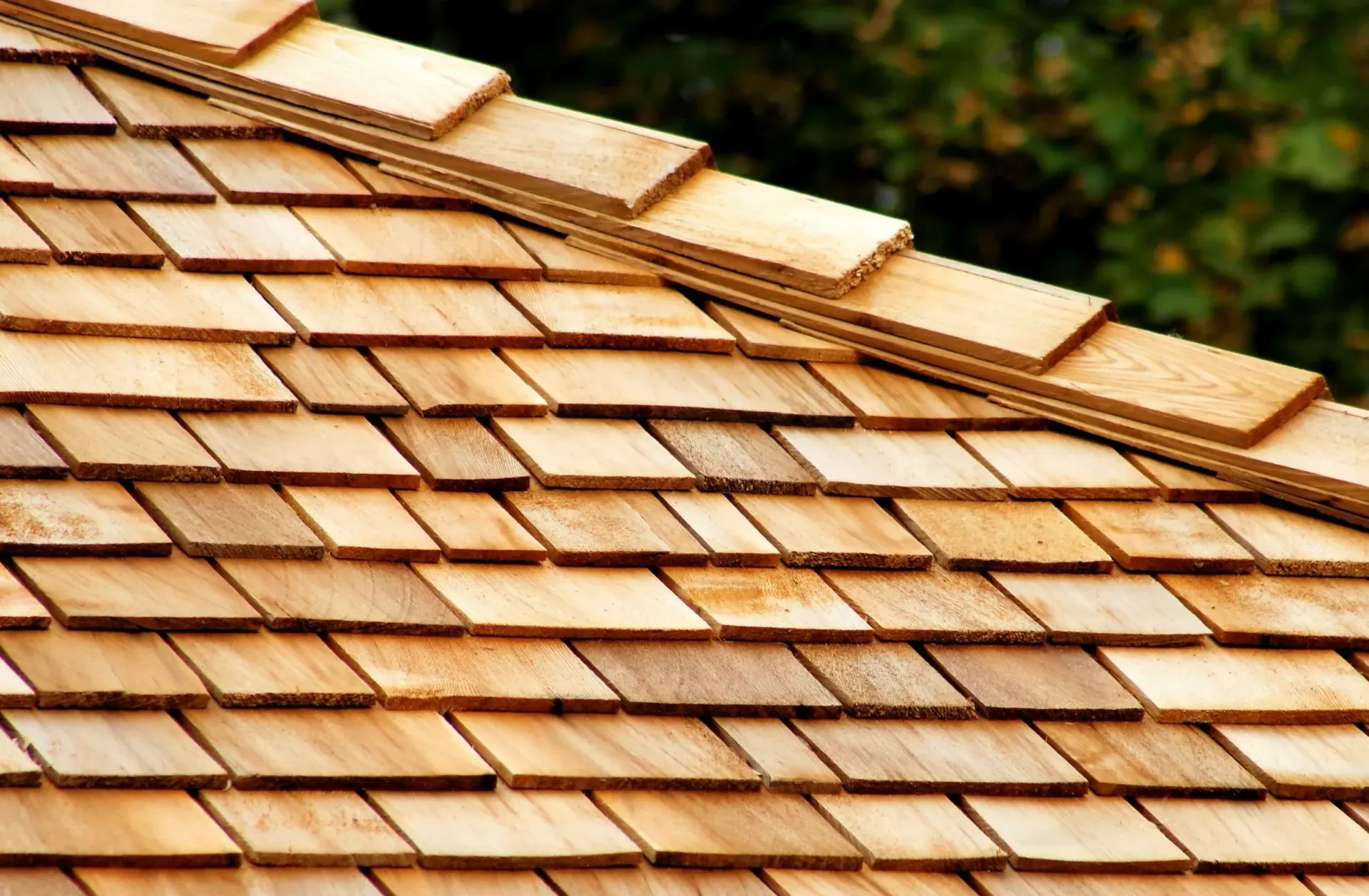
Cedar shakes deliver natural beauty and excellent insulation, but they demand regular maintenance to prevent rot and moss buildup in our damp climate. Without consistent treatment and cleaning, cedar deteriorates faster than synthetic alternatives. If you love the aesthetic, budget time and money for ongoing care.
Explore the full range of options in our roofing materials guide Vancouver to compare performance characteristics:
- Asphalt Shingles: Affordable, moderate lifespan, wide color selection, adequate rain performance
- Metal Roofing: Premium cost, longest lifespan, excellent water shedding, minimal maintenance
- Cedar Shakes: Natural aesthetics, good insulation, high maintenance, vulnerable to moisture
- Synthetic Shingles: Mid-range cost, improved durability over asphalt, varied design options
- Tile Roofing: High durability, heavy weight requires structural support, expensive installation
Emerging solar-ready shingles integrate photovoltaic technology into roofing materials, positioning your home for future energy independence. While costlier upfront, they reduce long-term utility bills and increase property value, especially as BC moves toward stricter energy efficiency standards.
To prioritize materials for your specific situation, follow this decision framework:
- Assess your budget and expected home ownership duration
- Evaluate roof complexity and structural capacity for heavier materials
- Determine acceptable maintenance commitment level
- Match material moisture resistance to your neighborhood’s microclimate
- Confirm material compatibility with local aesthetic guidelines or HOA rules
Your roof’s slope, number of facets, and architectural style also influence material suitability. Steeper roofs shed water better, making asphalt viable, while low-slope roofs benefit from metal’s superior water resistance. Complex roofs with multiple valleys and angles increase installation difficulty and cost regardless of material choice.
Cost Breakdown and Budgeting for Roof Replacement in Vancouver
Accurate budgeting requires understanding every cost component beyond just material selection. Total roof replacement cost ranges from $7 to $30 per square foot considering material, labor, tear-off, permits, and taxes.
Material and labor typically split costs roughly 40/60, but this ratio shifts based on roof complexity and contractor efficiency. Simple gable roofs cost less per square foot to install than homes with dormers, skylights, and multiple chimneys that require careful flashing work.
Tear-off and disposal of your existing roof adds $1 to $3 per square foot depending on layers present and disposal fees. Some older Vancouver homes have multiple shingle layers that increase removal time and landfill costs. Skipping tear-off by layering new shingles over old might seem economical but reduces lifespan and voids many warranties.
Here’s a detailed cost breakdown for a typical 2,000 square foot Vancouver home:
| Cost Component | Range per Sq Ft | Total Cost (2,000 sq ft) |
|---|---|---|
| Asphalt Shingles | $4 - $7 | $8,000 - $14,000 |
| Metal Roofing | $7 - $30 | $14,000 - $60,000 |
| Labor (Installation) | $3 - $5 | $6,000 - $10,000 |
| Tear-Off & Disposal | $1 - $3 | $2,000 - $6,000 |
| Permits & Inspections | Flat Fee | $500 - $1,500 |
| GST (5%) | Variable | Calculated on Subtotal |
Permit fees in Vancouver vary by project scope but typically range from $500 to $1,500. Your contractor should handle permit applications and coordinate required inspections, but confirm this responsibility upfront. Missing inspections delays project completion and risks compliance issues.
Complex roof designs with multiple facets, steep pitches, or difficult access increase labor costs significantly. Homes requiring scaffolding or crane equipment for material delivery add thousands to the final bill. Get itemized quotes that break down these factors so you can compare apples to apples.
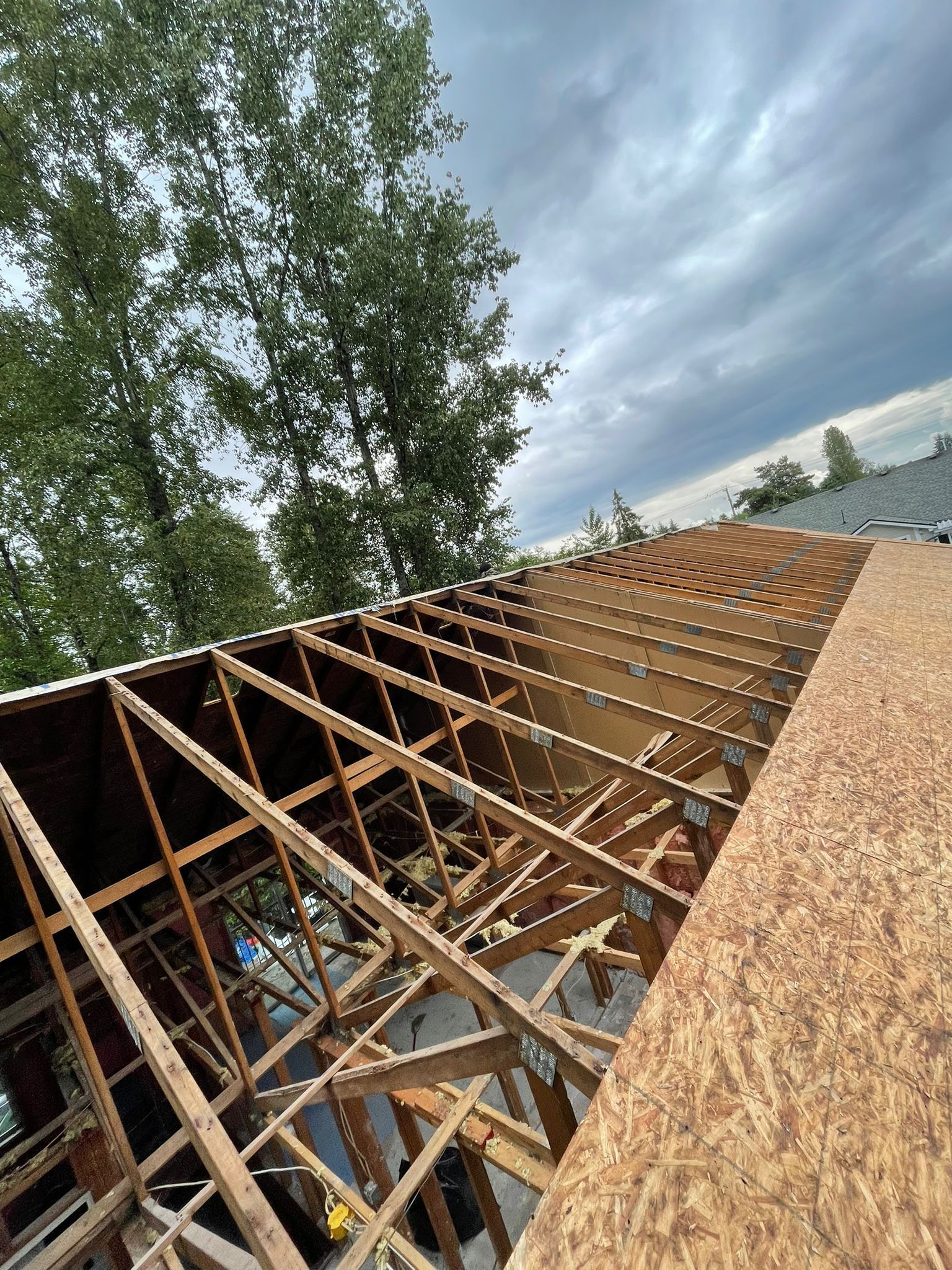
Pro tip: Budget an additional 10 to 15 percent contingency for unexpected structural repairs discovered during tear-off. Rotted decking, damaged trusses, or inadequate ventilation often surface once old roofing is removed.
Review detailed roof replacement costs Vancouver scenarios and verify current pricing with multiple contractors. Market conditions, material availability, and seasonal demand affect quotes, so timing your project strategically can yield savings.
For comprehensive roof replacement cost data for BC, compare your quotes against provincial averages to ensure fair pricing. Unusually low bids often signal cut corners or uninsured contractors, while excessively high quotes may reflect inefficiency or inflated margins.
Contractor Selection and Best Practices in Vancouver
Hiring the right contractor makes the difference between a roof that performs for decades and one that fails prematurely. Licensed contractors with local Vancouver experience reduce risk of code violations and costly errors.
Verifying contractor credentials protects you legally and financially. Confirm active licensing through provincial databases, ensure liability and WCB coverage, and ask for proof of insurance directly from their carrier. Unlicensed contractors might offer tempting savings but leave you liable for injuries or code violations.
Request at least three detailed written quotes that itemize materials, labor, timeline, warranty terms, and payment schedule. Vague estimates with lump sum pricing hide potential overcharges and make comparison impossible. Legitimate contractors provide transparent breakdowns and answer questions without pressure tactics.
Follow our comprehensive roofing contractor selection Vancouver guide and apply these vetting steps:
- Verify provincial licensing and active insurance policies
- Check references from recent Vancouver projects within the past year
- Read online reviews across multiple platforms for consistent feedback
- Confirm the contractor handles all permit applications and inspections
- Review sample contracts for clarity on scope, timeline, and warranty coverage
Local references matter more than distant testimonials because Vancouver’s climate and building codes create unique challenges. A contractor experienced in our wet conditions understands proper ventilation, flashing details, and moisture barriers that prevent premature failure.
Clarify project scope in writing before signing contracts. Specify exact materials by brand and grade, installation methods, cleanup procedures, and warranty duration. Ambiguous contracts lead to disputes when expectations don’t match delivered work.
To evaluate contractor professionalism during consultations:
- Assess punctuality and communication responsiveness
- Observe whether they inspect your attic and roof structure thoroughly
- Note if they explain code requirements and permit process clearly
- Evaluate their willingness to answer questions without defensiveness
- Confirm they provide written warranties beyond manufacturer material coverage
Payment terms should never require full payment upfront. Standard practice involves a deposit (typically 10 to 30 percent), progress payments tied to milestones, and final payment upon satisfactory completion and inspection approval. Contractors demanding cash payment or unusually large deposits raise red flags.
Ensure your contractor obtains all required permits before work begins. Unpermitted work creates legal headaches when selling your home and may require expensive removal and reinstallation to pass inspections. Legitimate contractors include permit costs in quotes and coordinate inspections seamlessly.
Maintenance Tips to Extend Your New Roof’s Lifespan
Even the best Vancouver roof requires regular maintenance to achieve its full lifespan potential. Regular inspections and prevention of moss growth reduce damage risks in Vancouver’s wet climate.
Schedule professional inspections twice yearly, ideally in spring after winter storms and fall before rainy season intensifies. These checks identify minor issues like loose shingles, damaged flashing, or early moss growth before they escalate into costly leaks. Catching problems early saves thousands compared to emergency repairs.
Moss and algae thrive in our damp climate, retaining moisture against roofing materials and accelerating deterioration. Install zinc or copper strips along ridge lines to prevent growth, and clean existing moss gently with appropriate solutions. Pressure washing damages shingles, so use low-pressure methods or hire professionals.
Implement these roof maintenance tips Vancouver practices consistently:
- Clear gutters and downspouts monthly during fall to prevent water backup
- Trim overhanging branches to reduce debris and shade that promotes moss
- Inspect and repair flashing around chimneys, vents, and skylights annually
- Check attic ventilation to prevent moisture buildup and ice dams
- Remove snow accumulation exceeding 12 inches to prevent structural stress
Pro tip: After heavy windstorms, walk your property perimeter to spot displaced or damaged shingles. Addressing wind damage immediately prevents water intrusion that rots decking and insulation.
Proper attic ventilation regulates temperature and moisture, preventing ice dams in winter and excessive heat in summer. Inadequate ventilation voids many shingle warranties and shortens lifespan significantly. Ensure your contractor installs appropriate ridge, soffit, and gable vents during replacement.
Flashing failures cause more leaks than roofing material failures in Vancouver. Inspect flashing seals around penetrations and valleys regularly, and reseal with appropriate caulk when gaps appear. Quality flashing installation during replacement prevents most of these issues.
Seasonal preparation matters in our climate. Before winter, clear all debris, check for damaged shingles, and ensure gutters drain freely. Before summer, verify attic ventilation functions properly to prevent heat damage. These simple steps extend your roof’s service life substantially.
Summary Comparison and Situational Recommendations
Choosing the optimal roofing material depends on your budget, home ownership timeline, and maintenance willingness. This comparison helps match materials to common Vancouver homeowner situations.
| Material | Cost/Sq Ft | Lifespan | Maintenance | Best For |
|---|---|---|---|---|
| Asphalt Shingles | $4 - $7 | 15-30 yrs | Low | Budget-conscious, shorter ownership plans |
| Metal Roofing | $7 - $30 | 40-70 yrs | Very Low | Long-term investment, storm resilience |
| Cedar Shakes | $8 - $12 | 20-40 yrs | High | Natural aesthetic preference, maintenance commitment |
| Synthetic Shingles | $6 - $10 | 30-50 yrs | Low | Balance of cost and durability |
| Tile Roofing | $10 - $18 | 50+ yrs | Low | Mediterranean style, structural capacity available |
| Solar Shingles | $20 - $25 | 25-30 yrs | Low | Energy efficiency, future-proofing |
For budget-conscious homeowners planning to sell within 10 years, asphalt shingles provide adequate performance at lowest upfront cost. They satisfy buyer expectations and offer reasonable weather protection without over-investing in longevity you won’t use.
If you’re staying in your home long-term and want minimal maintenance, metal roofing delivers unmatched value despite higher initial expense. The doubled lifespan and superior moisture resistance in Vancouver conditions justify the premium, and many buyers pay more for homes with quality metal roofs.
Homeowners valuing natural aesthetics should consider cedar shakes only if committed to regular maintenance. Vancouver’s climate challenges wood materials, requiring treatment, cleaning, and inspection to prevent premature rot. The beauty comes with responsibility.
Synthetic shingles strike a middle ground, offering improved durability over asphalt with varied design options including realistic wood and slate appearances. They suit homeowners wanting upgraded performance without metal roofing’s visual impact or cost.
Solar-ready shingles appeal to environmentally conscious homeowners planning long-term ownership. While expensive initially, they position your home for energy independence as utility costs rise and BC strengthens renewable energy incentives. Consider them if your roof has good southern exposure and you’ll stay 15+ years.
Roof complexity also guides material selection. Simple gable roofs accommodate any material, but complex designs with multiple valleys benefit from metal’s superior water shedding. Heavy materials like tile require structural evaluation to ensure your home can support the additional weight safely.
Professional Roof Replacement Services in Vancouver
When you’re ready to move forward with your roof replacement, partnering with experienced local professionals ensures quality results and compliance with Vancouver building codes. Paragon Roofing BC specializes in professional roof installation Vancouver projects tailored to our unique climate challenges.
Our detailed roof replacement workflow Vancouver homes process covers every step from initial assessment through final inspection, providing transparency and peace of mind throughout your project. We handle permit applications, coordinate inspections, and deliver warranties that protect your investment for years to come. Following proven selecting roofing contractor Vancouver best practices, we provide detailed quotes, verified credentials, and local references so you can make confident decisions. Contact us today to schedule your free roof assessment and start planning your 2025 roof replacement with trusted Vancouver experts.
FAQ
What roofing materials last longest in Vancouver’s rainy climate?
Metal roofs typically last 40 to 70 years, significantly outperforming asphalt shingles in Vancouver’s persistent moisture. Their superior water shedding and corrosion resistance make them ideal for our wet climate.
Do I need a permit to replace my roof in Vancouver?
Yes, all roof replacements require building permits and inspections under BC Building Code to ensure structural safety and proper installation. Skipping permits risks fines and complications when selling your property.
How can I verify if a contractor is qualified in Vancouver?
Check provincial licensing databases, confirm active liability and WCB insurance, and request recent local references. Legitimate contractors provide documentation readily and welcome verification of their credentials.
What maintenance should I do to protect my new roof?
Inspect your roof twice yearly, clean gutters monthly during fall, prevent moss growth with zinc strips, and repair damaged flashing promptly. These practices extend lifespan significantly in Vancouver’s damp climate.