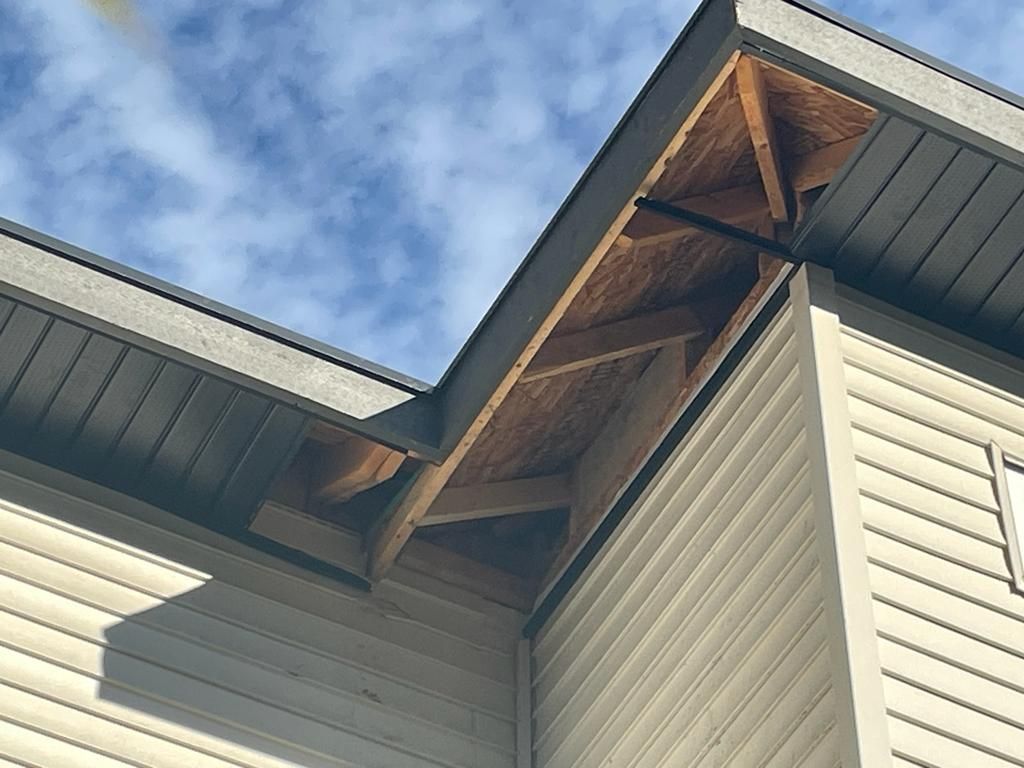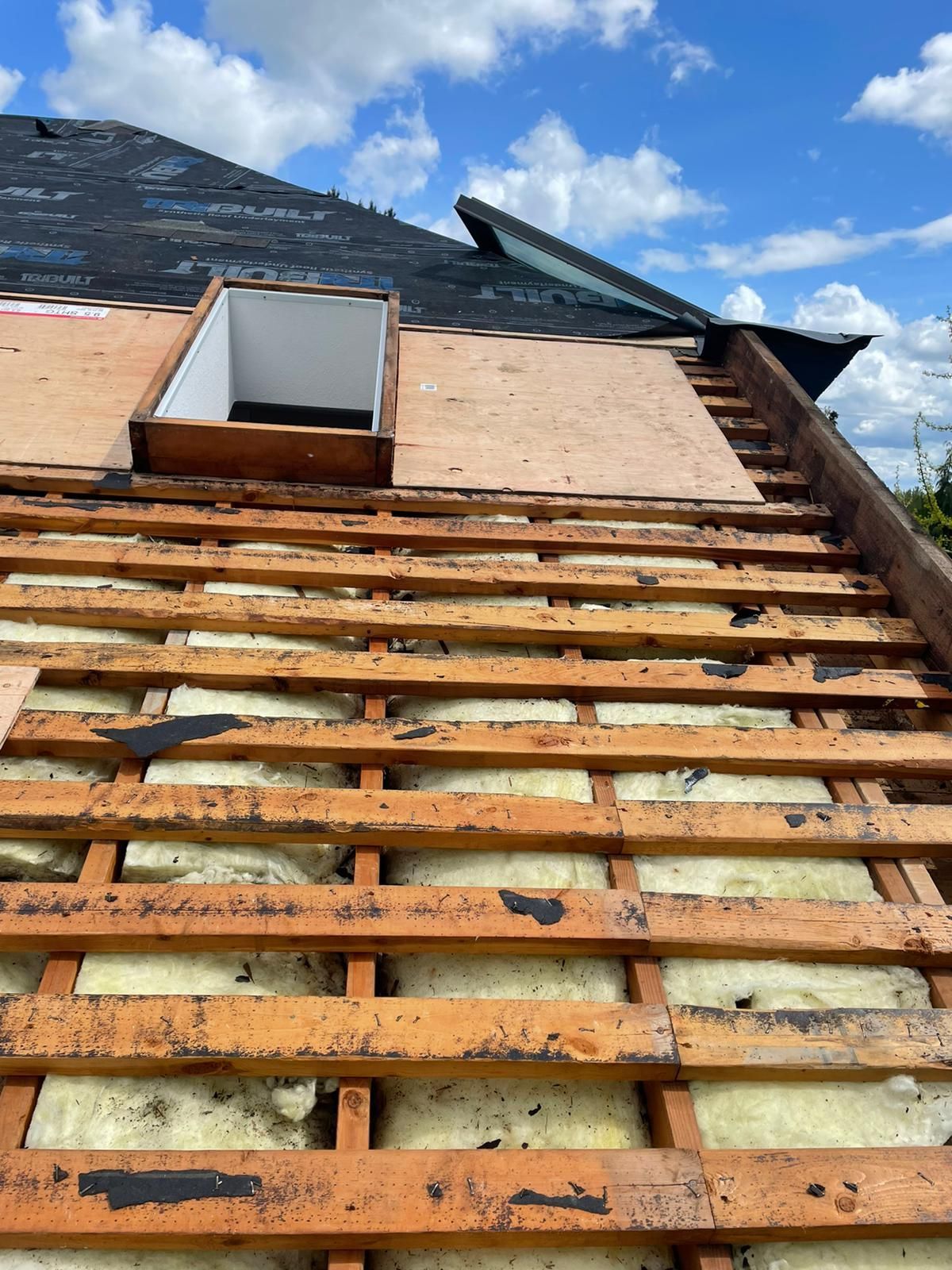
7 Common Roofing Problems and Practical Fixes for Homeowners
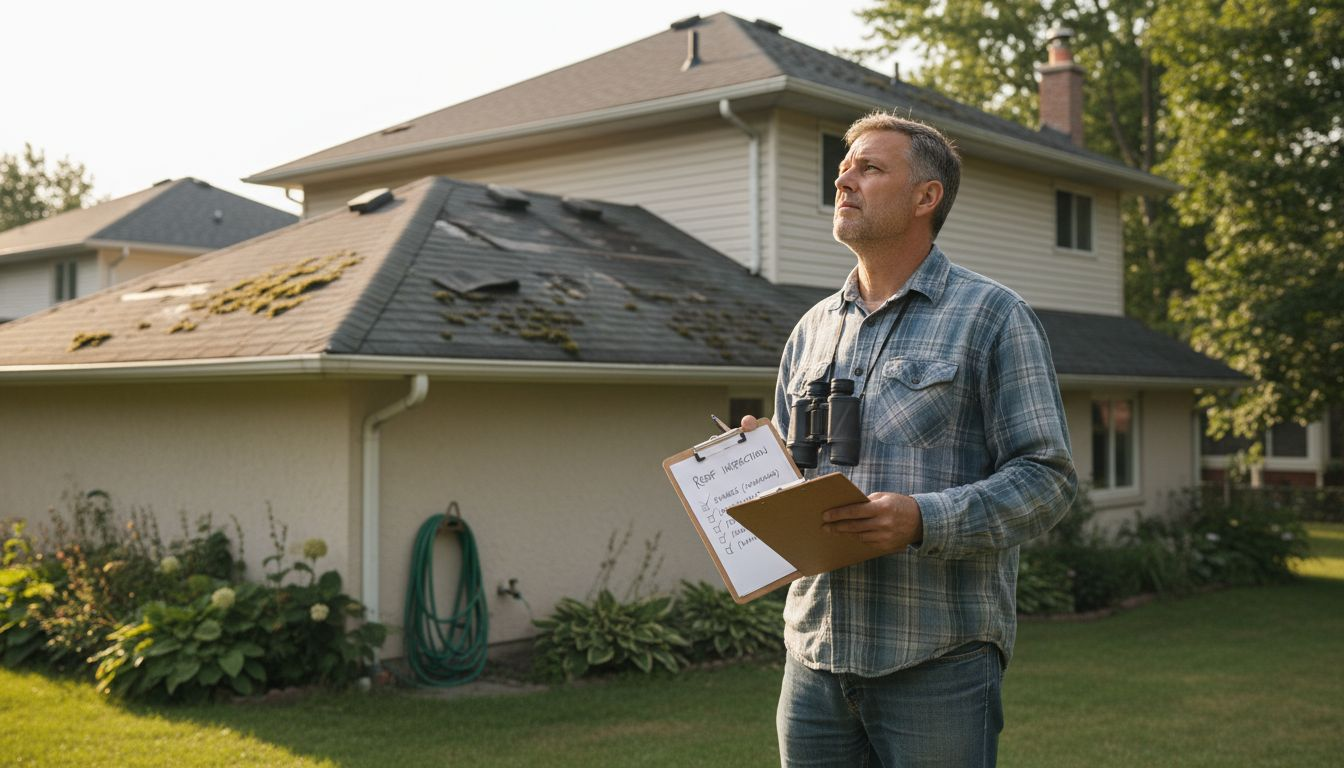
Homeownership in British Columbia brings unique roofing challenges that can easily go unnoticed until major problems develop. Heavy rainfall, persistent moisture, and unpredictable weather events put stress on your roof, leaving it vulnerable to damage that can escalate quickly if missed. Finding leaks, shingle loss, or moss growth early can make a world of difference in avoiding costly repairs down the road.
You deserve practical steps that protect your home and your investment. This list reveals how to spot early warning signs, tackle hidden dangers, and prevent the kinds of roof damage that trouble so many homes across the province. Get ready to learn specific, actionable tips that will help you address problems before they get out of hand and give you peace of mind through every season.
Vancouver Roofing Problems Explained
Vancouver’s wet coastal climate creates roofing problems that don’t show up in drier regions. In this video, Paragon Roofing BC explains common issues such as trapped moisture, moss growth, flashing failures, and ventilation mistakes that shorten roof lifespan across Vancouver homes.
Table of Contents
- Recognizing Missing Or Damaged Shingles
- Dealing With Roof Leaks And Water Stains
- Addressing Poor Roof Ventilation Issues
- Preventing And Treating Moss Or Algae Growth
- Repairing Flashing Failures Around Vents And Chimneys
- Fixing Sagging Rooflines And Structural Concerns
- Scheduling Regular Roof Inspections For Prevention
Quick Summary
| Takeaway | Explanation |
|---|---|
| 1. Conduct Visual Roof Inspections | Regularly check your roof for missing or damaged shingles, especially after severe weather events, to prevent costly repairs. |
| 2. Address Water Leaks Promptly | Identify and fix roof leaks quickly by examining interior stains and musty odours to protect your home’s structural integrity. |
| 3. Ensure Proper Roof Ventilation | Maintain airflow in your attic to prevent moisture buildup, which can lead to mold and degradation of roof materials. |
| 4. Schedule Professional Inspections | Get professional roof evaluations at least twice a year to identify issues before they escalate into expensive repairs. |
| 5. Manage Moss Growth Effectively | Regularly trim trees and clean your roof to prevent moss growth, which can damage shingles and decrease your roof’s lifespan. |
1. Recognizing Missing or Damaged Shingles
Shingles are the first line of defence for your home against the harsh weather conditions of British Columbia. Understanding how to spot missing or damaged shingles can prevent costly water damage and structural deterioration.
In the Lower Mainland, our roofs face significant challenges from heavy rainfall, wind exposure, and dramatic freeze-thaw cycles. Identifying shingle problems early is crucial for maintaining your home’s integrity. Visible roof damage signs include:
- Gaps or exposed areas on your roof surface
- Shingles found scattered on the ground after windstorms
- Curling, cracking, or buckling shingle edges
- Dark or discoloured patches indicating water infiltration
When inspecting your roof, look for these key indicators of potential shingle damage. Wind events common in Vancouver can lift or completely remove shingles, creating vulnerable spots where water can penetrate your home’s structure.
Routine roof inspections after severe weather can save you thousands in potential repair costs.
Homeowners should conduct visual inspections from the ground using binoculars or safely use a ladder to get a closer look. Pay special attention to roof valleys, edges, and areas around chimneys or skylights where shingles are more likely to sustain damage.
Pro tip: Schedule a professional roof inspection at least once annually to catch potential shingle issues before they become major problems.
2. Dealing with Roof Leaks and Water Stains
Roof leaks are a homeowner’s nightmare in British Columbia, where heavy rainfall and moisture can quickly turn a small problem into a major structural issue. Understanding how to identify and address water infiltration is crucial for protecting your home’s integrity.
Detecting roof leaks early requires keen observation of both interior and exterior warning signs. Look for these critical indicators:
- Brown or yellowish water stains on ceiling and walls
- Damp or musty odours in attic spaces
- Visible mold growth around ceiling edges
- Peeling paint or wallpaper
- Droplets or water trails during rainstorms
Common causes of roof leaks in Vancouver include damaged shingles, compromised flashing around chimneys and vents, and blocked gutters that prevent proper water drainage. These issues can rapidly escalate if not addressed promptly.
Water damage can compromise your home’s structural integrity within weeks if left unchecked.
When investigating a potential leak, start by examining your attic during daylight hours. Look for sunlight penetrating through roof boards, which indicates potential holes or significant damage. For temporary leak mitigation, use roofing tar and a piece of plywood or shingle to cover small openings.
Pro tip: Schedule a professional roof inspection immediately after major windstorms or extreme weather events to catch potential vulnerabilities before they become expensive repairs.
3. Addressing Poor Roof Ventilation Issues
Roof ventilation might seem like a technical detail, but it plays a critical role in maintaining your home’s structural health and energy efficiency. In the damp climate of British Columbia, understanding and managing roof ventilation is more than just a maintenance task.
Indoor air quality depends significantly on proper roof and attic ventilation. Poor ventilation can lead to a cascade of problems that compromise your home’s integrity:
- Moisture accumulation in attic spaces
- Mold and mildew growth
- Premature roof material degradation
- Increased energy costs from poor thermal regulation
- Ice dam formation during winter months
In Vancouver’s variable climate, a well-ventilated roof prevents condensation by allowing air to circulate freely between intake and exhaust points. This means installing a balanced system of soffit and ridge vents that work together to create consistent airflow.
Proper roof ventilation is not a luxury - it’s a critical defence against structural damage.
Homeowners should aim for a ventilation ratio of 1:300 - one square foot of ventilation for every 300 square feet of attic space. This helps regulate temperature and moisture levels, protecting your roof from the inside out.
Pro tip: Conduct an annual attic inspection during shoulder seasons to check for signs of moisture buildup or inadequate ventilation before they become costly repairs.
4. Preventing and Treating Moss or Algae Growth
In British Columbia’s lush, damp environment, moss growth on roofs is more than just an aesthetic issue. It represents a serious threat to your home’s structural integrity and can significantly reduce your roof’s lifespan.
Moss removal requires careful strategies that protect both your roof and the surrounding ecosystem. Understanding why moss grows and how to manage it effectively is crucial for homeowners in our region.
Moss thrives in specific conditions unique to the Pacific Northwest:
- Shaded areas with limited direct sunlight
- High moisture environments
- North-facing roof surfaces
- Roofs surrounded by dense tree coverage
- Surfaces with minimal air circulation
Preventing moss requires a multifaceted approach. Reducing moisture and increasing sunlight exposure are your primary defence mechanisms. This means strategic tree trimming to allow more natural light and ensuring proper roof drainage.
Moss is not just unsightly - it can lift shingles and trap moisture, accelerating roof degradation.
When treating existing moss, avoid pressure washing which can damage roofing materials. Instead, use soft brushing techniques and specialized cleaning solutions designed to kill moss without harming your roof’s surface.
Pro tip: Schedule annual roof maintenance in late autumn, removing debris and trimming overhanging branches to discourage moss growth before the wet season begins.
5. Repairing Flashing Failures Around Vents and Chimneys
Flashing acts as your roof’s critical defence against water intrusion, especially around vulnerable points like chimneys and vents. In British Columbia’s wet climate, compromised flashing can lead to significant and costly water damage.
Sheet metal flashing materials play a crucial role in protecting your home from moisture penetration. Understanding how and why flashing fails is the first step in preventing long-term structural issues.
Common flashing failure points include:
- Improperly sealed joint connections
- Corrosion and metal degradation
- Incorrect material selection
- Poor initial installation techniques
- Exposure to extreme weather conditions
Choosing the right flashing material is essential. Galvanized steel, copper, aluminum, and stainless steel offer different levels of durability and corrosion resistance. In our coastal environment, selecting a material that can withstand constant moisture and temperature fluctuations is critical.
Proper flashing installation is not just a repair - it’s an investment in your home’s long-term protection.
When inspecting flashing, look for signs of separation, rust, or cracking. Pay special attention to areas around chimneys, roof vents, and skylights where water can easily penetrate if the seal is compromised.
Pro tip: Conduct a thorough flashing inspection during dry seasons, using binoculars or a drone to safely examine hard-to-reach roof areas without risking personal safety.
6. Fixing Sagging Rooflines and Structural Concerns
A sagging roofline is more than an aesthetic problem. It signals potentially serious structural issues that could compromise your home’s safety and integrity, especially in British Columbia’s challenging weather conditions.
Structural load calculations are critical in understanding and addressing roof deformation. Homeowners should recognize the warning signs before minor issues become major structural failures.
Key indicators of potential roofline problems include:
- Visible dips or waves in the roofline
- Cracked or split roof decking
- Visible sagging between roof trusses or rafters
- Water pooling in specific roof areas
- Persistent moisture around roof structure
Sagging typically results from several underlying causes such as water damage, inadequate support, excessive snow load, or improper initial construction. In Vancouver’s variable climate, freeze-thaw cycles and heavy precipitation can accelerate structural deterioration.
Addressing roofline issues early can prevent catastrophic and expensive structural failures.
Remediation strategies range from reinforcing existing framing to complete roof reconstruction. Professional assessment is crucial to determine the most appropriate intervention and prevent further damage.
Pro tip: Schedule professional structural roof inspections every three years, or immediately after significant weather events that could stress your roof’s structural integrity.
7. Scheduling Regular Roof Inspections for Prevention
Regular roof inspections are the unsung heroes of home maintenance, particularly in British Columbia’s challenging coastal climate. Like a routine medical checkup, these assessments can detect potential problems before they become expensive emergencies.
Building maintenance standards recommend professional roof inspections to ensure ongoing structural integrity. Understanding the importance of these assessments can save homeowners thousands in potential repair costs.
Key reasons to schedule professional roof inspections:
- Identify early signs of wear and damage
- Validate insurance coverage requirements
- Prevent small issues from becoming major repairs
- Extend overall roof lifespan
- Maintain home’s structural warranty
In the Lower Mainland, where weather conditions range from intense rainfall to occasional snowfall, your roof endures significant stress. Professional inspectors can assess unique regional challenges like moisture penetration, wind damage, and moss growth that are specific to our environment.
Preventative maintenance is always more cost-effective than emergency repairs.
Typically, homeowners should schedule comprehensive roof inspections at least twice annually - once in spring to assess winter damage and again in autumn to prepare for incoming rainy seasons.
Pro tip: Keep a detailed maintenance log documenting each inspection, which can be valuable for future repairs and potentially increase your home’s resale value.
Below is a comprehensive table summarizing the key problems, signs, prevention measures, and remediation strategies for roof-related issues discussed in the article applicable to homeowners in British Columbia.
| Issue | Signs of Problems | Prevention/Inspection Tips | Effective Solutions |
|---|---|---|---|
| Missing or Damaged Shingles | Gaps on roof, shingles on the ground, curling or cracked shingles, dark patches. | Regular visual inspections, especially after storms; focus on roof edges and valleys. | Replace missing shingles promptly, or book a professional for repairs. |
| Roof Leaks | Stains on ceilings, musty smells, mould, peeling paint, water trails during rainstorms. | Interior checks for water entry; examine attic during daylight for any sunlight penetration. | Temporarily seal leaks with roofing tar; call a professional for assessment and repair. |
| Poor Ventilation | Moisture accumulation, mould, material decay, high energy costs. | Maintain sufficient soffit and ridge vents; check air circulation in attic regularly. | Install balanced vent systems to regulate attic airflow. |
| Moss/Algae Growth | Moss on shaded, damp areas of the roof; north-facing surfaces under tree cover. | Trim trees to improve sunlight and airflow; clear debris from roof annually. | Apply moss-killer solutions; avoid pressure washing to protect roofing materials. |
| Flashing Failure | Corrosion, cracks, gaps in seals, improper material choice. | Examine flashing around chimneys, vents, and skylights for defects. | Replace flashing with durable materials such as galvanized steel or others suitable for the climate. |
| Sagging Rooflines | Waves in roof, cracked decking, sagging between trusses, pooling water. | Assess roof structure post-weather events; monitor for signs of significant deformation. | Reinforce framing when necessary; consult structural engineers for safe solutions. |
| Regular Roof Inspections | Visual wear and tear, insurance validity needs, warranty conditions. | Schedule inspections biannually: once in spring after winter damage and once in autumn for rainy season preparedness. | Multiply long-term savings through good maintenance habits and timely professional repairs. |
Protect Your Home with Expert Roofing Solutions from Paragon Roofing BC
The challenges highlighted in the “7 Common Roofing Problems and Practical Fixes for Homeowners” article show why timely roof inspections and skilled repairs are essential to protect your British Columbia home. Whether you are dealing with missing shingles, roof leaks, moss growth, or flashing failures, ignoring these issues can lead to expensive damage and stress. You deserve a trusted roofing partner who understands local weather impacts and building standards and offers reliable solutions tailored to your needs.
At Paragon Roofing BC, we specialize in residential roof repair, maintenance, and replacement using high-quality materials such as asphalt shingles and metal roofing. Our professional team focuses on thorough inspections to catch problems early, preventing further deterioration and ensuring lasting protection. Don’t wait until small roofing concerns turn into costly structural repairs. Visit Paragon Roofing BC now to schedule your free inspection and experience peace of mind with expert care. Learn more about how we can help you with roof installation and repair and the benefits of ongoing maintenance through our trusted services.
Frequently Asked Questions
How can I identify missing or damaged shingles on my roof?
You can identify missing or damaged shingles by looking for gaps or exposed areas, curling or cracking edges, and dark patches indicating water infiltration. Inspect your roof visually from the ground or use a ladder to check roof valleys, edges, and areas around chimneys.
What should I do if I notice a roof leak in my home?
If you notice a roof leak, investigate immediately by checking the attic for water stains or dampness. Use roofing tar and a piece of plywood to temporarily cover small openings until a professional can assess the damage.
How can I improve poor roof ventilation?
Improving poor roof ventilation involves ensuring a balanced system between intake and exhaust vents. Aim for a ventilation ratio of 1:300—one square foot of ventilation for every 300 square feet of attic space—to enhance airflow and moisture control.
What is the best way to treat moss or algae growth on my roof?
To treat moss or algae growth, use soft brushing techniques and specialized cleaning solutions designed for roofs. Avoid pressure washing, as it can damage the surface; aim to schedule maintenance during late autumn when conditions are optimal.
How do I know if my flashing needs repair around chimneys or vents?
Check your flashing for separation, rust, or cracks, especially around chimneys and roof vents. Schedule a thorough inspection during dry weather to ensure a proper seal and prevent water intrusion.
When should I schedule regular roof inspections?
Schedule regular roof inspections at least twice a year, once in spring and once in autumn, to catch early signs of damage. Keeping a detailed maintenance log can help track repairs and extend your roof’s lifespan.