How to fix roof leaks in British Columbia homes
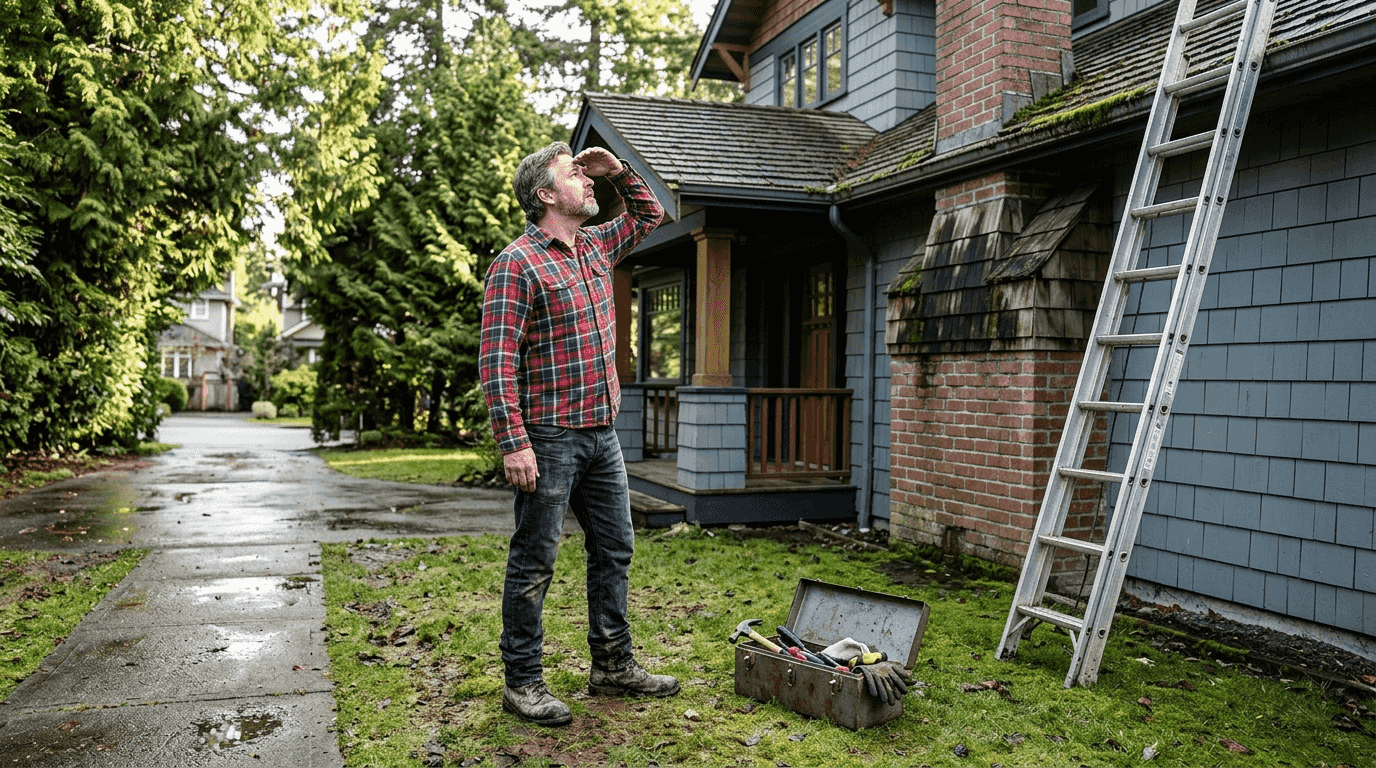
Roof leaks can turn your peaceful BC home into a stressful mess, especially during our region’s heavy rain seasons. Water damage spreads quickly, threatening your property’s structural integrity and your family’s comfort. This guide walks you through identifying leak sources, executing safe repairs, and knowing when professional help protects your investment best. Ask our team about valley construction
Table of Contents
- Common Causes Of Roof Leaks In British Columbia
- Essential Preparation For Fixing Roof Leaks Safely
- Step By Step Guide To Fixing Roof Leaks
- Tips To Prevent Future Roof Leaks And Extend Roof Lifespan
- Professional Roofing Services For British Columbia Homeowners
- How To Fix Roof Leaks — Frequently Asked Questions
Key takeaways
| Point | Details |
|---|---|
| Primary leak causes | Material degradation causes 60% of BC roof leaks, followed by weather and installation errors. |
| Inspection value | Regular professional inspections catch problems early, preventing expensive structural damage and protecting warranties. |
| Material selection | Metal roofing outlasts asphalt shingles in BC’s wet climate, offering superior longevity and weather resistance. |
| Ice dam risks | Colder BC regions face significant ice dam formation that forces water under shingles. |
| Professional advantage | Licensed contractors ensure proper repairs, maintain warranties, and identify hidden damage homeowners miss. |
Common causes of roof leaks in British Columbia
Understanding why your roof leaks helps you address the real problem instead of just patching symptoms. BC’s unique climate creates specific challenges that accelerate roof deterioration.
Roof leaks in British Columbia stem primarily from three categories: aging materials, extreme weather, and installation errors. Material degradation accounts for roughly 60% of all leaks across the province. Your shingles, flashing, and sealants break down over time, especially under BC’s constant moisture exposure. Severe weather contributes another 25%, with heavy rainfall, strong winds, and occasional snow putting tremendous stress on roofing systems. The remaining 15% comes from improper installation, which often creates problems that don’t appear until years later.
These causes rarely work alone. A small installation error might stay hidden until a winter storm exposes the weakness. Aging materials become vulnerable points where water finds its way through during heavy rain. The combination accelerates damage and increases repair costs substantially.
Critical factors that worsen BC roof leaks:
- Moss and algae growth from constant moisture retention
- Thermal expansion and contraction during seasonal temperature shifts
- Clogged gutters forcing water to pool on roof surfaces
- Tree debris accumulating in valleys and around chimneys
- Poor attic ventilation creating condensation issues
“Early detection saves homeowners thousands. A small leak ignored for six months can require complete roof replacement instead of a simple patch.”
Repair costs vary dramatically based on how quickly you address problems. A minor shingle replacement might cost a few hundred pounds, whilst structural damage from prolonged leaks can exceed twenty thousand. Common roofing problems and practical fixes start small but escalate rapidly without intervention.
Essential preparation for fixing roof leaks safely
Proper preparation separates successful repairs from dangerous mistakes. You need the right approach before climbing onto your roof.
Safety comes first, always. Check weather forecasts and never work on wet, icy, or windy days. Your roof becomes incredibly slippery when damp, and BC’s unpredictable weather can shift quickly. Gather proper safety equipment including non-slip footwear, a stable ladder with someone holding it, and a safety harness for steep pitches.
Material selection depends entirely on your existing roof type. Asphalt shingle repairs require different products than metal, tile, or cedar roofing. Purchase roof cement, patching materials, and sealants specifically designed for your roof’s composition. Mismatched products won’t bond properly and create new leak points.
Essential tools and materials checklist:
- Roofing cement or appropriate patching compound
- Replacement shingles matching your current roof
- Putty knife and caulking gun
- Pry bar for removing damaged materials
- Heavy duty work gloves and eye protection
Timing matters significantly in BC’s climate. Winter repairs carry substantial risks from ice, snow, and freezing temperatures that prevent proper adhesive bonding. Spring and summer offer ideal conditions, though you should avoid extreme heat that softens shingles. Fall works well before winter storms arrive.
Professional inspections identify hidden problems that surface inspections miss completely. Water travels along roof decking before dripping through your ceiling, meaning the visible leak inside rarely sits directly below the actual roof damage. Contractors use moisture metres and thermal imaging to trace water paths accurately. DIY attempts often patch the wrong spot entirely.
Pro Tip: Your roof warranty typically requires professional installation and repairs. Attempting DIY fixes might void coverage worth thousands, even if your repair work seems successful initially.
Knowing your limits protects both your safety and your investment. Minor visible damage on accessible, low pitch roofs might suit careful DIY work. Steep pitches, structural concerns, or extensive damage demand professional expertise. Choosing a roofing contractor in Vancouver ensures licensed, insured work that maintains your warranty protection.
Step by step guide to fixing roof leaks
Systematic repair methods ensure thorough, lasting fixes rather than temporary patches that fail during the next storm.
Locating the actual leak source:
- Start inside your attic during daylight, looking for water stains, mould, or light penetrating through gaps.
- Trace stains upward and toward the roof peak, since water flows downhill along rafters before dripping.
- Mark suspicious areas with chalk so you can find them from outside.
- Inspect your roof surface directly above marked spots, checking shingles, flashing, and seams carefully.
- Pour water from a hose above suspected areas whilst someone inside watches for drips, confirming the exact entry point.
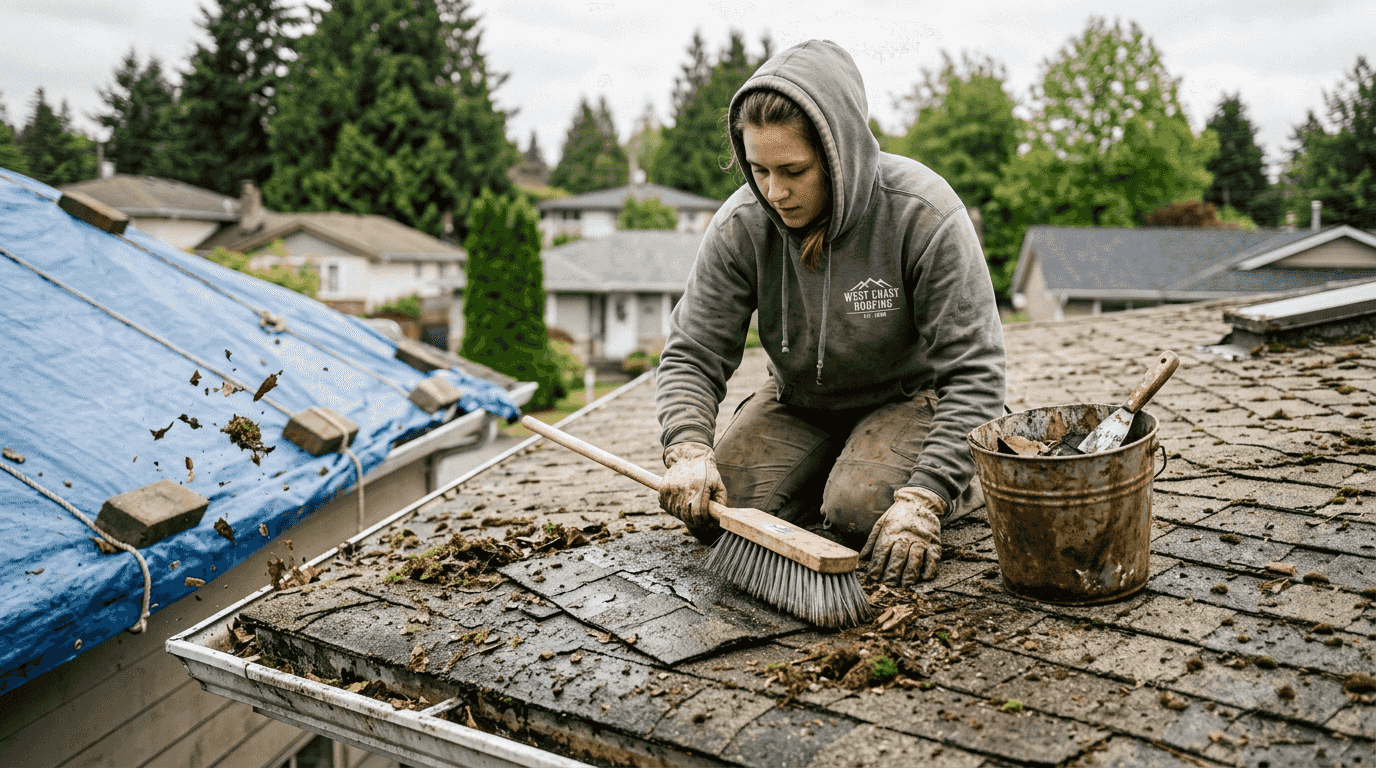
Once located, clean thoroughly before applying any repair materials. Remove debris, dirt, and loose granules from damaged areas. Wet surfaces won’t bond with sealants or cement, so wait for complete drying. Use a wire brush on metal flashing and a stiff broom on shingles.
| Roof Material | Repair Method | Cure Time | Cost Range |
|---|---|---|---|
| Asphalt Shingles | Replace damaged shingles, seal with roofing cement | 24 hours | £150 to £400 |
| Metal Roofing | Apply metal patch with sealant, secure with screws | 12 hours | £200 to £500 |
| Cedar Shakes | Replace split shakes, treat with preservative | 48 hours | £300 to £700 |
| Tile Roofing | Replace cracked tiles, reseal with mortar | 72 hours | £400 to £900 |
Apply roof cement generously but not excessively. Spread it evenly under lifted shingles or around flashing seams. Press replacement materials firmly into place, ensuring complete contact with underlying surfaces. Follow manufacturer instructions precisely regarding temperature ranges and application thickness.
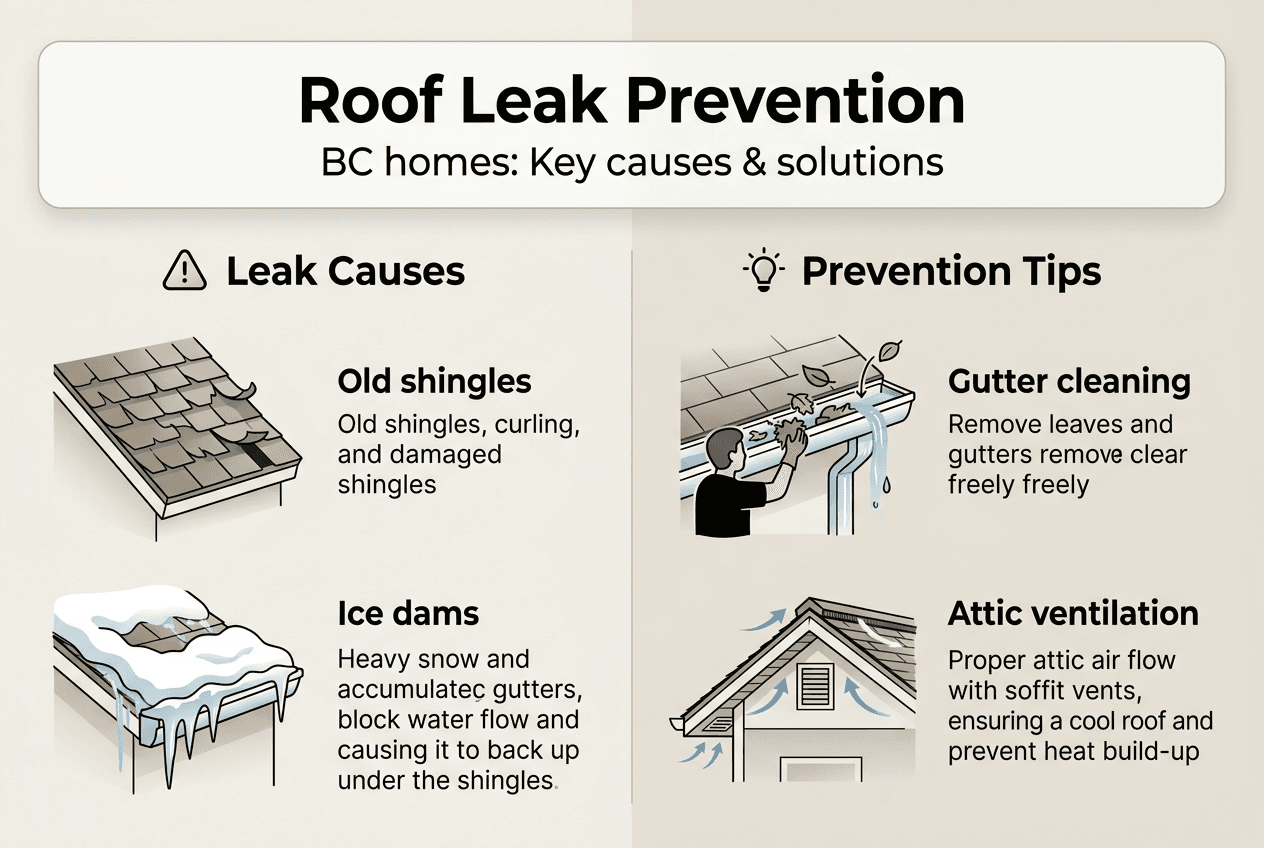
Ice dam formation requires special attention in colder BC regions. Heat escaping through your roof melts snow, which refreezes at eaves creating dams. Water backs up under shingles, causing leaks that appear far from the actual ice buildup. Address this by improving attic insulation and ventilation rather than just patching resulting leaks.
Pro Tip: Photograph every step of your repair process. These images help professionals assess your work if problems persist and provide documentation for insurance claims if needed.
Gutters play a crucial role in preventing leaks. Clean them thoroughly, ensuring downspouts direct water away from your foundation. Install gutter guards if debris accumulation happens frequently. Check that gutters slope properly toward downspouts without sagging sections that collect standing water.
Temporary emergency repairs work when you can’t access permanent solutions immediately. Tarpaulins secured with boards can protect damaged areas during storms. However, tarps create new problems if left too long, trapping moisture and accelerating rot. Consider them truly temporary, lasting days not months. Ice dams in BC winters require proactive prevention rather than reactive emergency measures.
Tips to prevent future roof leaks and extend roof lifespan
Prevention costs far less than repair, especially when you implement regular maintenance routines that catch small issues early.
Schedule biannual inspections in spring and fall, examining your roof when weather conditions allow safe access. Look for lifted shingles, damaged flashing, cracked sealants, and any signs of wear. Early detection means simple fixes instead of major reconstruction. Professional inspections uncover problems invisible to untrained eyes, including subtle sagging that indicates structural issues.
Essential preventive maintenance tasks:
- Clear gutters and downspouts of leaves, moss, and debris every three months
- Trim overhanging tree branches that drop debris and hold moisture against your roof
- Replace worn or missing shingles immediately, before water penetrates underlayment
- Inspect and reseal flashing around chimneys, vents, and skylights annually
- Ensure proper attic ventilation to prevent condensation and ice dam formation
Material selection dramatically impacts longevity in BC’s climate. Asphalt shingles typically last 15 to 20 years here, whilst metal roofing can exceed 50 years with minimal maintenance. Cedar requires regular treatment but offers excellent weather resistance when properly maintained. Your choice should balance upfront costs against long term durability and maintenance requirements.
| Material Type | Average Lifespan | Maintenance Frequency | BC Climate Suitability |
|---|---|---|---|
| Asphalt Shingles | 15 to 20 years | Annual inspection | Good, affordable option |
| Metal Roofing | 40 to 70 years | Every 3 to 5 years | Excellent, highly durable |
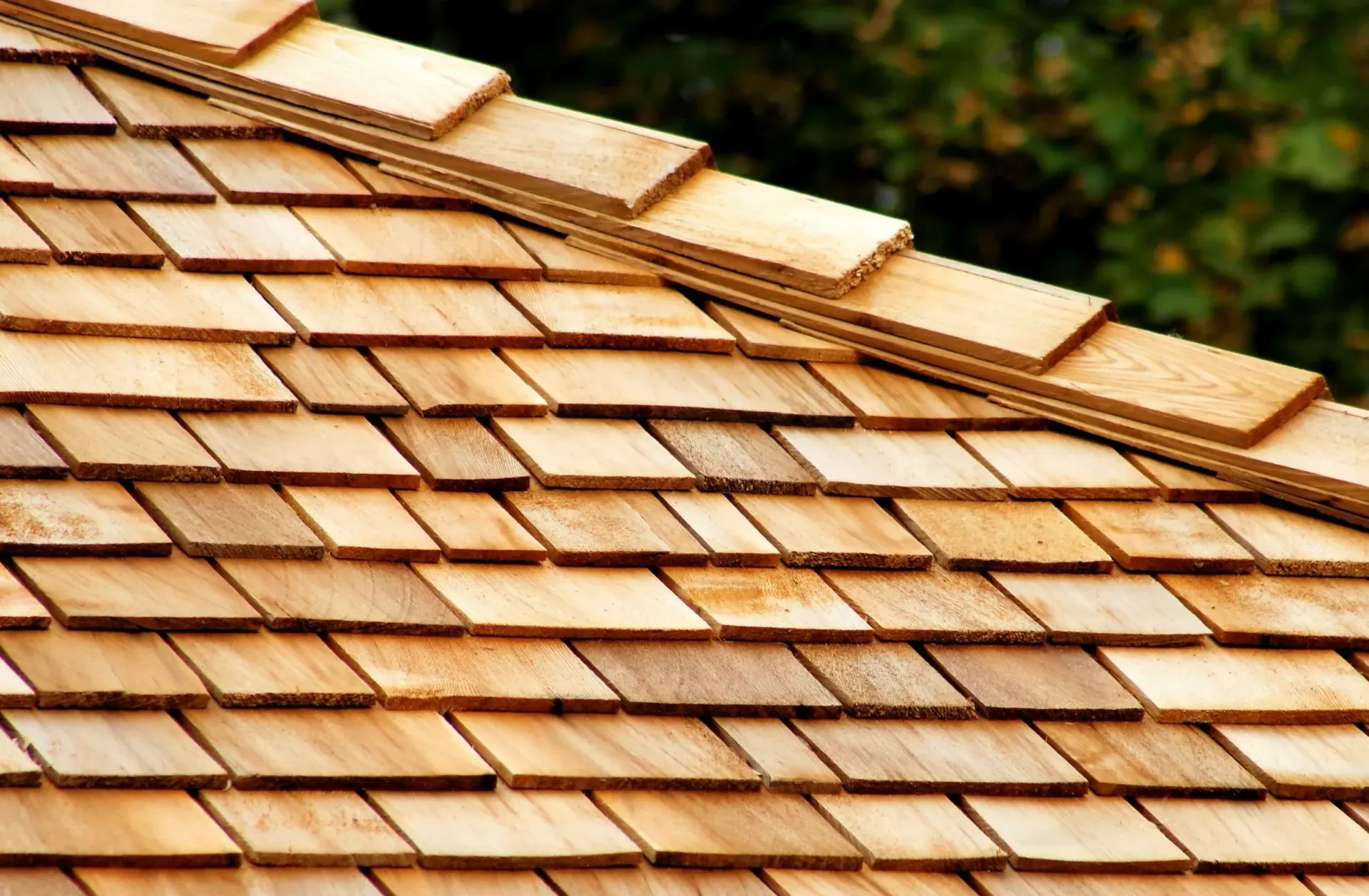
| Cedar Shakes | 20 to 40 years | Annual treatment | Very good with care |
| Composite | 30 to 50 years | Minimal | Excellent, low maintenance |
Proper roof maintenance extends lifespan significantly and prevents costly water damage throughout your home. Small investments in regular care avoid catastrophic failures that require complete replacement. Think of maintenance as insurance you actually control.
Prompt shingle replacement matters more than most homeowners realise. One missing shingle exposes underlayment to direct weather assault. That underlayment wasn’t designed as a primary barrier and degrades quickly. Within months, water penetrates to roof decking, starting rot that spreads to surrounding areas. What begins as a ten pound shingle replacement becomes a thousand pound decking repair.
Professional maintenance contracts provide ongoing protection without requiring your constant attention. Preparing your Vancouver roofs for winter includes specialised treatments and inspections that handle seasonal challenges proactively. Contractors spot problems during routine visits, fixing minor issues before they escalate.
Attic ventilation deserves special emphasis for BC homes. Proper airflow prevents moisture buildup that rots decking from underneath, invisible until serious damage occurs. Install ridge vents, soffit vents, or gable vents appropriate for your roof design. Balanced intake and exhaust ventilation maintains consistent temperatures, reducing ice dam formation and extending material lifespan.
Professional roofing services for British Columbia homeowners
When roof leaks exceed simple DIY fixes or you want guaranteed, warrantied results, professional expertise protects your largest investment.
Paragon Roofing brings decades of BC specific experience to every project, understanding exactly how our regional climate challenges roofing systems. Licensed and insured contractors provide peace of mind that DIY approaches simply cannot match. Our team identifies underlying causes instead of just addressing visible symptoms, ensuring repairs actually solve problems permanently.
Roof repair services cover everything from minor leak patches to extensive storm damage restoration. We work with all major roofing materials, providing expert advice on whether repair or replacement offers better long term value. Our roof installation in Coquitlam and throughout BC ensures proper material selection for your specific location’s weather patterns.
Material expertise matters tremendously. Roof materials services help you understand options suited to BC’s unique conditions, balancing durability, aesthetics, and budget considerations. Professional installation maintains manufacturer warranties that DIY work voids, protecting your investment for decades.
How to fix roof leaks — frequently asked questions
What causes most roof leaks in BC?
Material degradation from constant moisture exposure causes roughly 60% of British Columbia roof leaks, significantly more than other regions. Weather damage and installation errors account for the remaining 40%, with heavy rain and wind being primary culprits.
Can I safely fix a roof leak myself?
Minor leaks on low pitch, easily accessible roofs suit careful DIY repairs if you have proper safety equipment and appropriate materials. However, steep pitches, structural damage, or hidden leaks require professional expertise to diagnose and repair correctly. Roof leak repair in Vancouver often reveals multiple problem areas invisible during surface inspections.
What roofing materials last best in BC’s climate?
Metal roofing performs exceptionally well in BC’s wet climate, lasting 40 to 70 years with minimal maintenance. Composite materials offer excellent durability at moderate cost, whilst properly maintained cedar shakes provide 20 to 40 years of service with regular treatment.
How do ice dams cause leaks and how to manage them?
Ice dams form when heat escaping through your roof melts snow that refreezes at eaves, creating barriers that force water under shingles. Proper attic insulation and ventilation prevent heat loss, whilst gutter heating cables provide emergency protection during severe cold snaps.
When should I call a professional roofing contractor?
Call professionals immediately for steep pitch roofs, extensive damage, structural concerns, or leaks you cannot locate after careful inspection. Additionally, any repair affecting warranties requires professional work to maintain coverage. Repair or replace roof in Vancouver decisions benefit greatly from expert assessment of overall roof condition and remaining lifespan.