Industrial roofing materials list for BC buildings 2026
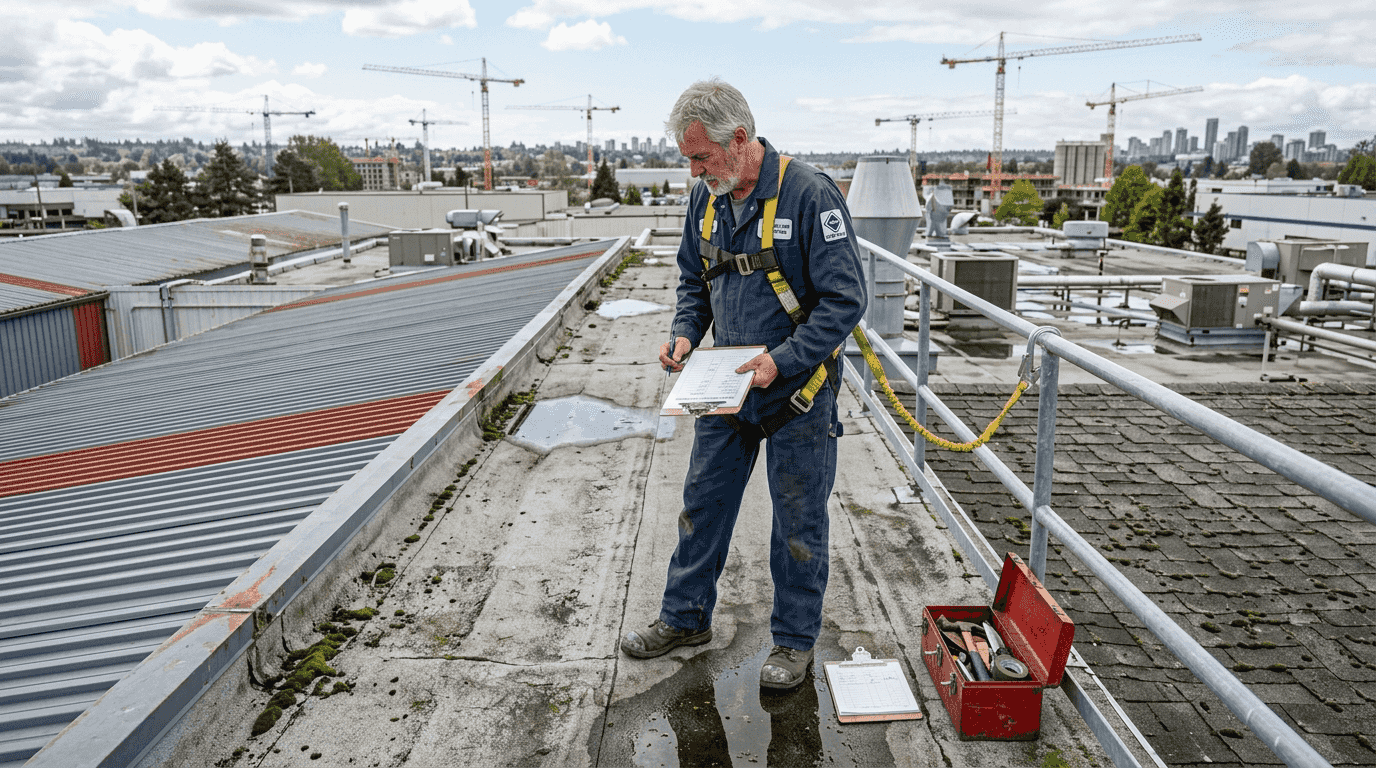
Selecting the right roofing material for your commercial or industrial building in British Columbia requires careful evaluation of multiple factors. From durability and weather resistance to lifecycle costs and maintenance demands, each material offers distinct advantages suited to different operational needs. This comprehensive guide examines the most reliable industrial roofing types available in 2026, providing property managers and business owners with the essential information needed to make confident, cost-effective decisions that protect their investments for decades. See our compliant commercial roofing services
Table of Contents
- How To Evaluate Industrial Roofing Materials For Commercial Buildings
- Top Industrial Roofing Materials Used In British Columbia
- Comparison Of Industrial Roofing Materials For Commercial Use In 2026
- Selecting The Right Industrial Roofing Material For Your Building
- Protect Your Commercial Investment With Expert Roof Installation And Maintenance
- Frequently Asked Questions
Key takeaways
| Point | Details |
|---|---|
| Evaluation criteria matter | Durability, weather resistance, maintenance needs, and lifecycle costs determine the best material choice for BC climates. |
| Multiple proven options | Metal, modified bitumen, built-up roofing, and single-ply membranes each offer distinct advantages for industrial applications. |
| Climate-specific selection | BC’s heavy rainfall, snow loads, and UV exposure require materials engineered for moisture resistance and thermal cycling. |
| Maintenance planning essential | Regular inspections and proactive repairs extend roof lifespan and prevent costly emergency replacements. |
| Professional installation critical | Expert installation ensures warranty compliance and maximises material performance over the roof’s service life. |
How to evaluate industrial roofing materials for commercial buildings
Property managers and business owners in British Columbia face unique challenges when selecting roofing materials for industrial facilities. Understanding the fundamental criteria that influence material performance helps you make decisions aligned with both immediate budget constraints and long-term operational goals.
Durability stands as the primary consideration for any industrial roof. BC’s climate subjects roofing systems to intense seasonal variation, from prolonged winter moisture to summer UV exposure. Materials must withstand thermal expansion and contraction cycles without compromising structural integrity. Key factors when selecting roofing materials include durability, weather resistance, cost, and maintenance requirements, each weighted according to your specific building conditions.
Weather resistance directly impacts how long your roof protects interior operations. Consider these environmental stressors:
- Heavy rainfall requiring superior waterproofing and drainage capacity
- Snow loads demanding structural support and ice dam prevention
- UV radiation causing material degradation and thermal stress
- Wind uplift forces testing membrane adhesion and fastener integrity
Maintenance frequency affects both lifecycle costs and operational disruption. Some materials require quarterly inspections and regular resealing, whilst others perform reliably with annual check-ups. Calculate the true cost of ownership by factoring in labour hours, access equipment, and potential production interruptions during maintenance activities.
Cost evaluation extends beyond initial installation expenses. A lower upfront investment may result in higher replacement frequency or repair costs. Compare total expenditure over a 20 to 30 year period, including installation, routine maintenance, repairs, and eventual replacement. This lifecycle approach reveals the genuine economic value of each material option.
Sustainability considerations increasingly influence material selection in BC’s regulatory environment. Energy-efficient materials reduce heating and cooling costs whilst meeting evolving building code requirements. Recyclable components and reduced environmental impact during manufacturing align with corporate responsibility goals and may qualify for green building incentives.
Pro Tip: Request lifecycle cost analyses from roofing contractors that include maintenance schedules, expected repair frequency, and replacement timelines specific to BC’s climate zones. This data-driven approach eliminates guesswork and supports confident decision-making.
Top industrial roofing materials used in British Columbia
Commercial and industrial buildings across BC rely on several proven roofing materials, each engineered for specific applications and performance requirements. Understanding their characteristics helps you identify options that match your facility’s structural design and operational demands.
Metal roofing delivers exceptional longevity and energy efficiency for industrial applications. Standing seam systems provide superior weather protection with concealed fasteners that eliminate potential leak points. Metal reflects solar radiation, reducing cooling costs during summer months. However, initial installation costs exceed most alternative materials, and specialised labour requirements can limit contractor availability in some regions.
Modified bitumen offers reliable waterproofing for flat and low-slope industrial roofs common in BC warehouses and manufacturing facilities. This multi-layer system combines asphalt with polymer modifiers for enhanced flexibility and durability. Installation methods include torch-applied, cold-applied, and self-adhering options suited to different building occupancies. Moderate material and labour costs make modified bitumen an economically attractive choice for budget-conscious property managers.
Built-up roofing (BUR) represents a traditional multi-layer system with proven performance in industrial environments. Alternating layers of bitumen and reinforcing fabrics create a robust membrane capable of withstanding heavy foot traffic during maintenance activities. Common industrial roofing materials include metal, modified bitumen, built-up roofing, single-ply membranes, and asphalt shingles, with BUR remaining popular for its exceptional durability and fire resistance.
Single-ply membranes like TPO (thermoplastic polyolefin) and EPDM (ethylene propylene diene monomer) dominate low-slope commercial installations. These lightweight, flexible sheets install quickly with mechanical fasteners or adhesives, reducing labour costs and project timelines. TPO’s white surface reflects heat effectively, whilst EPDM’s black membrane absorbs solar energy, beneficial in colder climates. Both options resist UV degradation and maintain flexibility across temperature extremes.
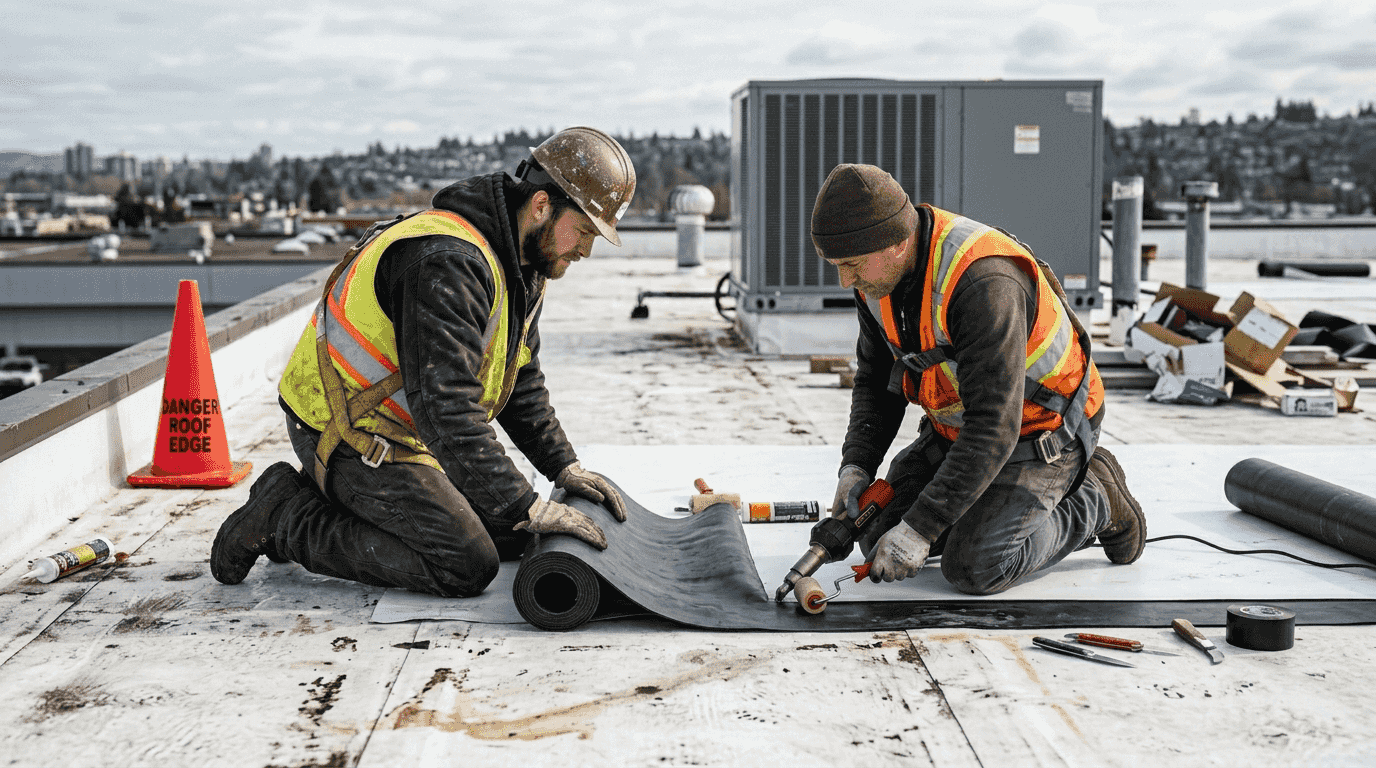
Asphalt shingles appear less frequently on industrial flat roofs but remain cost-effective for sloped sections and auxiliary structures. Familiar installation techniques and widespread contractor expertise make shingles accessible for smaller commercial buildings. However, their shorter lifespan and limited suitability for low-slope applications restrict use in typical industrial roofing applications requiring robust waterproofing.
Comparison of industrial roofing materials for commercial use in 2026
Direct comparison of roofing materials clarifies how each option performs across critical factors affecting your facility’s protection and operational costs. This analysis helps property managers evaluate trade-offs between initial investment and long-term value.
| Material | Initial Cost | Expected Lifespan | Maintenance Level | Weather Resistance | Energy Efficiency | | — | — | — | — | — | | Metal roofing | High | 40-60 years | Low | Excellent | High (reflective) | | Modified bitumen | Moderate | 20-30 years | Moderate | Very good | Moderate | | Built-up roofing | Moderate-High | 25-40 years | Moderate | Excellent | Low-Moderate | | TPO membrane | Moderate | 20-30 years | Low | Very good | High (white) | | EPDM membrane | Low-Moderate | 20-35 years | Low | Good | Low (black) | | Asphalt shingles | Low | 15-25 years | Moderate | Good | Moderate |
Comparing roofing materials helps property managers make cost-effective and durable choices suitable for BC’s climate challenges. Material costs vary significantly based on building size, roof complexity, and regional labour rates. Metal roofing commands premium pricing but delivers the longest service life with minimal maintenance requirements. Single-ply membranes offer competitive initial costs with respectable longevity, making them popular for budget-conscious projects.
Lifespan expectations directly influence replacement planning and capital budgeting. Metal systems frequently exceed 50 years with proper installation and routine inspections. Modified bitumen and TPO typically require replacement after 25 years, whilst EPDM can extend beyond 30 years in favourable conditions. Factor in warranty coverage when comparing options, as manufacturer guarantees range from 10 to 30 years depending on material grade and installation quality.
Maintenance frequency impacts operational costs and facility management resources. Consider these material-specific requirements:
- Metal roofs need periodic fastener inspections and sealant renewal at penetrations
- Modified bitumen requires surface inspections for blistering and seam integrity
- Built-up roofing benefits from gravel maintenance and drainage clearing
- Single-ply membranes need seam checks and puncture repairs from foot traffic
Weather resistance varies by material composition and installation method. Metal and built-up systems excel in BC’s heavy rainfall environments with superior water shedding capabilities. Single-ply membranes perform well but require careful seam welding to prevent moisture infiltration. All materials resist UV degradation when properly maintained, though surface coatings may need renewal after 10 to 15 years.
Energy efficiency considerations affect heating and cooling expenses throughout the roof’s service life. Reflective metal and white TPO surfaces reduce solar heat gain, lowering summer cooling demands. Dark EPDM absorbs heat, potentially beneficial in northern BC locations with longer heating seasons. Insulation layers beneath any roofing material significantly impact thermal performance and should match or exceed current building code requirements.
Pro Tip: Request samples of roofing materials to assess quality, thickness, and finish before committing to large-scale installation. Physical inspection reveals manufacturing standards and helps verify contractor specifications match your expectations.
Selecting the right industrial roofing material for your building
Applying material knowledge to your specific facility requires systematic evaluation of building characteristics, budget parameters, and operational priorities unique to BC commercial properties.
-
Assess your building’s structural capacity and roof slope to determine compatible material options. Flat and low-slope roofs under 3:12 pitch require membranes or built-up systems with proven waterproofing performance. Steeper slopes accommodate metal panels or shingles with gravity-assisted drainage.
-
Calculate total lifecycle costs including installation, maintenance, repairs, and replacement over 25 to 30 years. Divide total expenditure by expected lifespan to determine annual cost per square metre, revealing the true economic value of each material.
-
Evaluate climate-specific risks based on your facility’s location within British Columbia. Coastal properties face higher moisture exposure requiring superior waterproofing, whilst interior locations experience greater temperature extremes demanding flexible materials that accommodate thermal movement.
-
Plan maintenance capacity by honestly assessing available resources for routine inspections and repairs. Facilities with dedicated maintenance staff can manage materials requiring frequent attention, whilst properties relying on contracted services benefit from low-maintenance options.
-
Align material selection with sustainability goals and regulatory requirements. Energy-efficient materials reduce operational costs and environmental impact whilst potentially qualifying for utility rebates or green building certifications.
Building structure influences material compatibility beyond simple slope measurements. Older facilities may lack structural support for heavier built-up or metal systems, requiring engineering evaluation before installation. Roof deck condition affects attachment methods, with deteriorated substrates necessitating replacement or reinforcement prior to new membrane installation.
Budget constraints often drive material selection, but short-term savings can result in premature failure and costly emergency repairs. Balance upfront investment against expected performance and maintenance requirements. Financing options may enable higher-quality materials that deliver superior long-term value compared to economy-grade products requiring frequent intervention.
Climate considerations extend beyond average weather patterns to include extreme events. BC properties must withstand:
- Prolonged rainfall periods testing drainage capacity and waterproofing integrity
- Heavy snow accumulation requiring structural support and ice dam prevention
- High wind events challenging membrane adhesion and fastener pull-through resistance
- UV exposure degrading surface materials and accelerating ageing
Maintenance planning should begin during material selection, not after installation. Establish inspection schedules, identify qualified contractors, and budget for routine repairs. Decision-making should adapt to specific building needs, budget constraints, and maintenance capacity in BC’s demanding climate conditions.
Sustainability goals increasingly influence roofing decisions as property owners recognise environmental responsibility and operational efficiency benefits. Recyclable materials, reduced manufacturing emissions, and energy-efficient performance contribute to corporate sustainability targets whilst lowering long-term operating costs.
Protect your commercial investment with expert roof installation and maintenance
Choosing the right industrial roofing material represents just the first step towards long-term facility protection. Professional installation ensures your selected system performs as engineered, maintaining manufacturer warranties and delivering expected lifespan. Experienced contractors understand BC’s unique climate challenges and apply proven techniques that prevent common failure modes.
Regular maintenance extends roof life and prevents minor issues from escalating into costly emergency repairs. Scheduled inspections identify potential problems early, allowing planned interventions that minimise operational disruption. Trusted local experts bring specialised knowledge of regional weather patterns and building practices, ensuring your roofing system receives appropriate care throughout its service life. Professional roof installation in Coquitlam BC and comprehensive roof maintenance in Vancouver protect your investment whilst maximising material performance. Proactive roof maintenance inspections catch developing issues before they compromise building integrity or interrupt business operations.
Frequently asked questions
What are industrial roofing materials?
Industrial roofing materials are specialised products engineered for commercial and industrial building applications, designed to withstand harsh environmental conditions and heavy use. These materials prioritise durability, weather resistance, and longevity over residential roofing products. Common options include metal panels, modified bitumen, built-up roofing systems, and single-ply membranes, each suited to specific building types and operational requirements.
How long do industrial roofs typically last in British Columbia?
Roof lifespan depends primarily on material selection and maintenance quality. Lifespans vary by material, from 15 years for asphalt shingles to over 50 years for some metal roofs in BC’s climate. Modified bitumen and single-ply membranes typically last 20 to 30 years, whilst built-up roofing systems often exceed 25 years. Regular inspections and prompt repairs significantly extend service life regardless of material choice.
What maintenance is required for industrial roofing materials?
Routine inspections and cleaning form the foundation of effective roof maintenance programmes. Regular inspections, cleaning debris, fixing minor damages, and sealing improve roof longevity and performance. Schedule professional inspections at least annually, with additional checks after severe weather events. Promptly address leaks, punctures, or seam failures to prevent water infiltration and structural damage. Clear drainage systems regularly to avoid ponding water that accelerates material degradation.
Which industrial roofing material is most cost-effective for BC climates?
Cost-effectiveness balances initial investment against maintenance requirements and expected lifespan. Modified bitumen and single-ply membranes often provide good cost-performance balance for BC industrial buildings. These materials offer reliable weather protection at moderate prices with reasonable maintenance demands. However, the optimal choice depends on your specific building structure, budget parameters, and operational priorities. Metal roofing delivers superior longevity but requires higher upfront investment, whilst built-up systems excel in high-traffic environments despite moderate maintenance needs.