TPO Roofing Benefits for Vancouver Homeowners
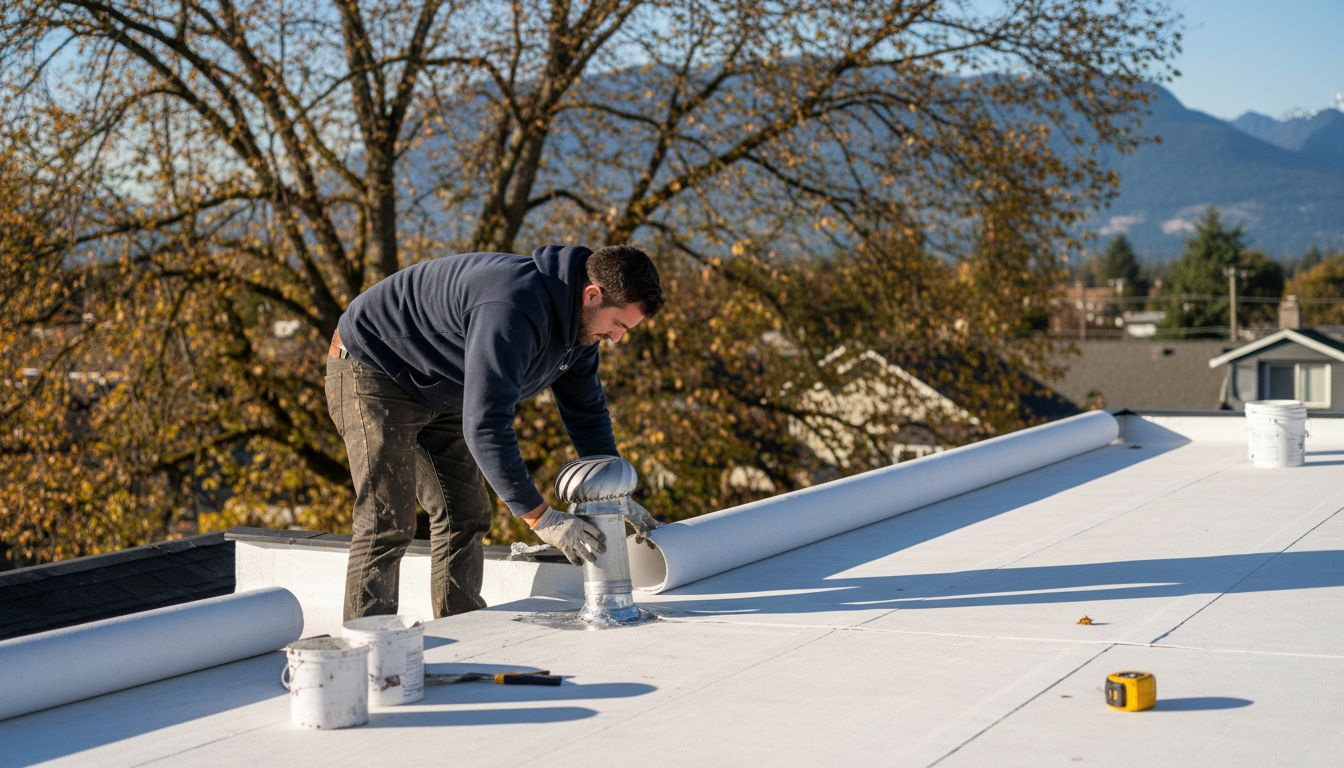
Choosing the right roof can change everything for Vancouver homeowners facing tough weather. With TPO roofing gaining popularity across Canadian cities, many residents are discovering that these membranes reflect up to 80% of the sun’s heat, reducing energy bills even during British Columbia’s warmest days. Reliable information becomes crucial as families weigh durability, maintenance, and environmental impact, comparing innovative TPO systems to older materials for peace of mind in every season.
Table of Contents
- What Is TPO Roofing Material?
- How TPO Roofing Performs in Canada
- Installation Process and Maintenance Needs
- Energy Efficiency and Environmental Impact
- Comparing TPO Roofing With Other Options
Key Takeaways
| Point | Details |
|---|---|
| TPO Roofing Benefits | TPO roofing provides excellent UV resistance, energy efficiency, and durability, making it ideal for challenging climates like Vancouver’s. |
| Installation Importance | Professional installation is critical for TPO membranes to ensure performance and maintain warranty coverage. |
| Maintenance Needs | Regular professional inspections and maintenance can extend the lifespan of TPO roofing and prevent costly repairs. |
| Environmental Impact | TPO roofing is designed with sustainability in mind, offering recyclable options and significant energy savings through its reflective properties. |
What Is TPO Roofing Material?
Thermoplastic Polyolefin (TPO) is a highly specialized synthetic roofing membrane designed specifically for durability and performance in challenging climate conditions like those found in Vancouver. Thermoplastic roofing polymers represent a sophisticated engineering solution that combines multiple material properties to create an exceptional roof covering.
TPO membranes are engineered through a precise extrusion process that blends thermoplastic, elastomer, and specialized filler materials. The resulting membrane consists of three critical layers: a top protective ply, a reinforcement fabric or fiberglass core, and a bottom anchoring ply. This multilayered construction provides exceptional flexibility, weather resistance, and long-term structural integrity.
The material’s key advantages include remarkable resistance to ultraviolet radiation, exceptional heat reflection, and superior durability in coastal environments. Unlike traditional roofing materials, TPO membranes are specifically formulated with advanced additives like UV absorbers and antioxidants that enhance their weathering performance and longevity. These properties make TPO an ideal roofing solution for Vancouver homeowners seeking a reliable, energy-efficient roof covering.
Pro tip: When considering TPO roofing, always ensure professional installation to maximize the membrane’s performance and maintain its comprehensive warranty protection.
How TPO Roofing Performs in Canada
TPO roofing systems have undergone significant technological evolution since their introduction in the 1990s, making them increasingly well-suited for Canada’s challenging and diverse climatic conditions. Advanced membrane technologies have dramatically improved UV and heat stabilization, addressing earlier performance limitations and creating more resilient roofing solutions for Canadian homeowners.
In the harsh Canadian environment, TPO membranes demonstrate remarkable durability across multiple climate zones. From the wet coastal regions of British Columbia to the extreme temperature variations of the Prairies and the intense freeze-thaw cycles of Eastern Canada, these roofing systems have proven their adaptability. Field studies of real-world performance reveal that modern TPO formulations can withstand significant environmental stress, offering longevity and consistent protection against moisture, UV radiation, and temperature extremes.
The key performance characteristics that make TPO roofing particularly effective in Canada include exceptional heat reflection, superior water resistance, and enhanced flexibility that allows the membrane to expand and contract with temperature changes. Modern TPO membranes are engineered with specialized stabilizers that prevent premature degradation, ensuring that roofs can maintain their structural integrity through Vancouver’s rainy winters and the intense summer heat. These advanced materials provide a robust barrier against moisture infiltration, reduce energy costs through excellent thermal performance, and offer a lightweight yet durable roofing solution.
Pro tip: When installing TPO roofing in Canada, always consult local roofing professionals who understand regional climate challenges and can recommend the most appropriate membrane specifications for your specific location.
Installation Process and Maintenance Needs
TPO roofing installation is a specialized process that demands precision, expertise, and strict adherence to manufacturer guidelines. Certified professional installation is critical to ensure the membrane’s performance and long-term warranty coverage, particularly in challenging Vancouver climate conditions. Typically, installers use a nominal 60 mil thickness membrane that is fully adhered to a meticulously prepared roof deck, with careful attention to creating a seamless, watertight surface.
The installation process involves several critical steps, including comprehensive deck preparation, precise membrane placement, and advanced heat-welding techniques to create continuous, robust seam connections. Heat-welded seam techniques are particularly important in creating a waterproof barrier that can withstand British Columbia’s extreme moisture and temperature variations. Installers must use specialized welding equipment to ensure each seam is perfectly bonded, preventing potential water infiltration and maintaining the membrane’s structural integrity.
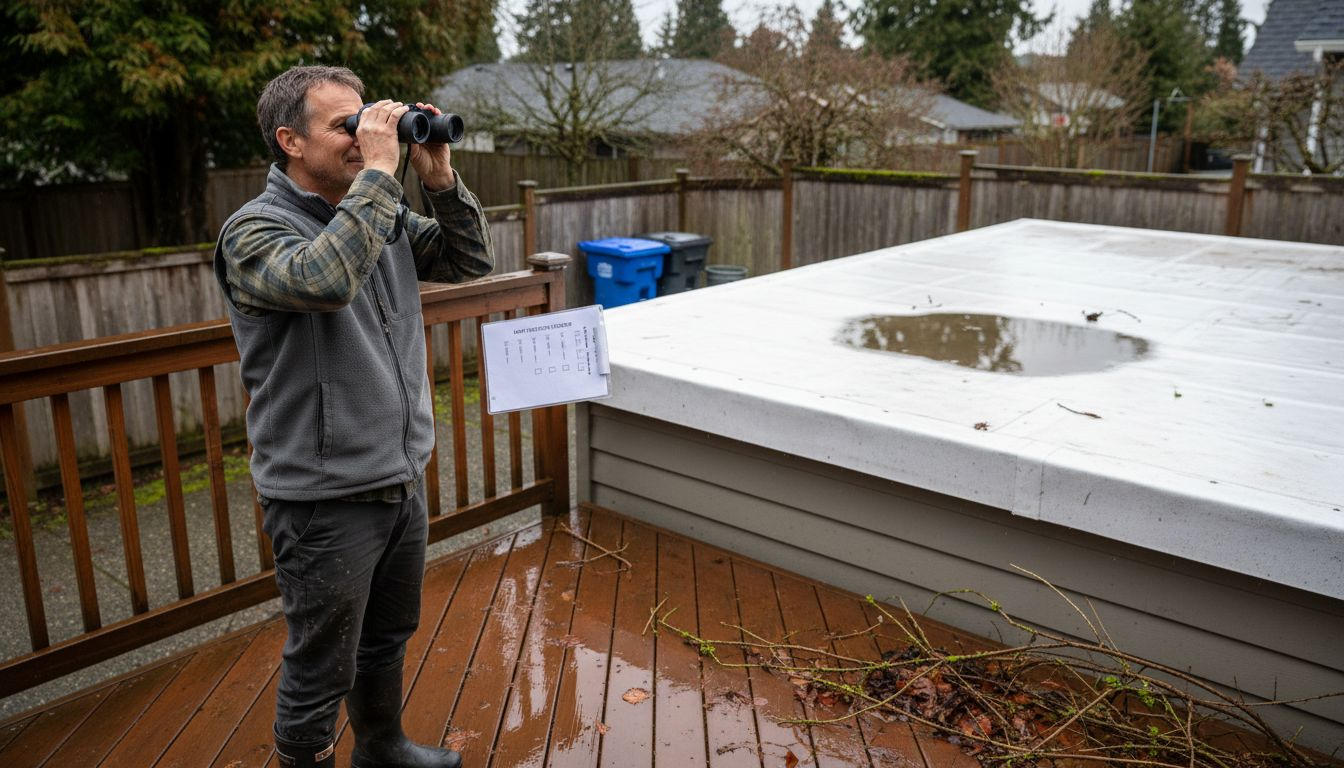
Maintenance for TPO roofing is relatively straightforward but requires consistent, professional attention. Homeowners should schedule annual professional inspections to assess seam integrity, check for potential punctures or environmental damage, and ensure proper roof drainage. Key maintenance tasks include clearing debris, monitoring potential ponding water areas, and addressing any minor damages promptly before they escalate into significant repair requirements. Modern TPO membranes are designed with sustainability in mind, with many manufacturers now offering recycling options for aged or replaced roofing materials.
Below is a summary of key maintenance actions and their benefits for TPO roofing:
| Maintenance Task | Purpose | Benefit |
|---|---|---|
| Professional inspection | Detect early damage | Avoid costly repairs |
| Seam integrity check | Prevent water infiltration | Extend roof lifespan |
| Debris removal | Ensure drainage | Reduce risk of ponding water |
| Spot repair | Fix minor issues quickly | Maintain waterproof barrier |
| Recycling old membrane | Reduce landfill waste | Support sustainability goals |
Pro tip: Schedule professional roof inspections twice annually - once before winter and once after - to catch and address potential issues before they become costly repairs.
Energy Efficiency and Environmental Impact
TPO roofing represents a significant advancement in sustainable building solutions, particularly for Vancouver homeowners seeking environmentally responsible and energy-efficient roofing options. Light-colored reflective surfaces play a crucial role in reducing solar heat absorption, effectively lowering indoor temperatures and minimizing cooling energy requirements during British Columbia’s warmer summer months.
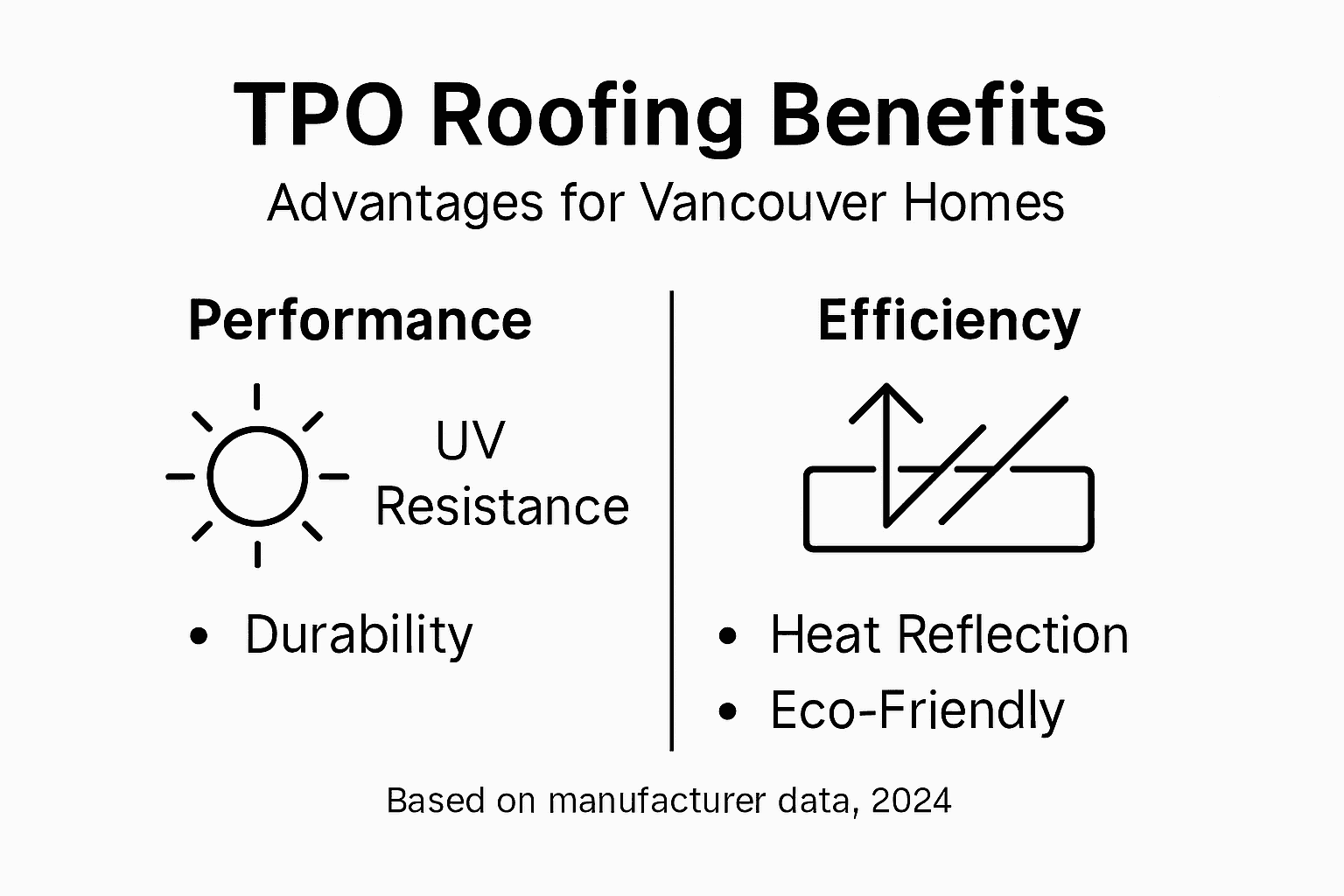
The environmental benefits of TPO roofing extend far beyond simple heat reflection. Sustainable membrane technologies incorporate advanced UV stabilizers and antioxidants that dramatically extend membrane lifespan, reducing material waste and replacement frequency. These innovative materials are increasingly being developed with circular economy principles in mind, exploring biopolymer blends and specialized coatings that further minimize environmental impact while maintaining exceptional performance standards.
For Vancouver homeowners, TPO roofing offers a compelling combination of energy efficiency and ecological responsibility. The membranes’ ability to reflect solar radiation can reduce cooling costs by up to 30% compared to traditional dark-coloured roofing materials, creating tangible economic and environmental benefits. Moreover, many manufacturers are now developing TPO products with recyclable components, ensuring that at the end of their service life, these roofing materials can be repurposed rather than contributing to landfill waste. This approach aligns perfectly with British Columbia’s progressive environmental standards and the growing demand for sustainable building solutions.
Pro tip: Choose lighter-coloured TPO membranes to maximize solar reflection and optimize your home’s energy efficiency throughout the year.
Comparing TPO Roofing with Other Options
When evaluating roofing materials for Vancouver homes, TPO stands out as a superior choice compared to traditional options like EPDM and PVC. Thermoplastic membrane technologies offer significant advantages in terms of performance, durability, and environmental sustainability that set them apart from other roofing systems. Unlike conventional roofing materials, TPO provides a unique combination of flexibility, strength, and energy efficiency that addresses the specific challenges of the British Columbia climate.
Comparative roofing membrane analysis reveals TPO’s distinct edge over alternatives. Where EPDM relies on adhesive seams, TPO utilizes heat-welded connections that create stronger, more reliable waterproof barriers. The material’s thermoplastic nature allows for remarkable UV resistance and chemical stability, outperforming traditional roofing membranes in longevity and environmental resilience. Critically, TPO avoids the use of plasticizers found in some alternative materials, which can degrade over time and compromise roof performance.
The competitive advantages of TPO extend beyond technical specifications. Its reflective surface offers superior energy efficiency, potentially reducing cooling costs by up to 30% compared to darker roofing materials. The ongoing development of bio-based blends and recycling options positions TPO as a forward-thinking solution for environmentally conscious Vancouver homeowners. Unlike traditional roofing materials that may require complete replacement, TPO’s innovative composition allows for more sustainable maintenance and eventual recycling, aligning perfectly with British Columbia’s progressive environmental standards.
Here’s a concise comparison of TPO roofing with other common flat roofing materials:
| Aspect | TPO | EPDM | PVC |
|---|---|---|---|
| Seam Bonding | Heat-welded seams | Adhesive seams | Heat-welded seams |
| UV Resistance | Excellent | Moderate | Excellent |
| Flexibility | High | High | Moderate |
| Environmental Impact | Low (recyclable, few additives) | Moderate (contains carbon black) | Moderate (can include plasticizers) |
| Lifespan | 20–30 years | 15–25 years | 20–30 years |
| Typical Colour | White/light grey | Black | White/light grey |
Pro tip: Request material samples and performance data from multiple manufacturers to compare specific TPO membrane characteristics that best suit your home’s unique requirements.
Discover the Advantages of TPO Roofing with Paragon Roofing BC
Choosing the right roofing material is a critical step for Vancouver homeowners aiming to protect their homes from harsh weather while enhancing energy efficiency. As highlighted in the article, TPO roofing offers exceptional UV resistance, heat reflection, and durability uniquely suited to British Columbia’s climate. However, professional installation and expert maintenance are key to unlocking these benefits and extending your roof’s lifespan.
At Paragon Roofing BC, we understand the challenges of selecting and installing TPO membranes tailored for Vancouver’s coastal environment. Our certified roofing experts specialize in precision installation that ensures seamless, heat-welded seams to prevent water infiltration and maximize your roof’s performance. From detailed inspections to ongoing maintenance, our team helps safeguard your home against moisture damage, temperature fluctuations, and aging—all with a focus on sustainable, energy-efficient solutions.
Ready to upgrade to a roofing solution built for Vancouver’s climate and energy savings? Contact Paragon Roofing BC today for a thorough roof inspection or to learn more about our professional roof installation and maintenance services. Protect your home now and enjoy peace of mind with a high-performance TPO roof installed by trusted local experts.
Frequently Asked Questions
What are the main benefits of TPO roofing for homeowners?
TPO roofing offers multiple benefits, including excellent UV resistance, energy efficiency through heat reflection, and a long lifespan of 20 to 30 years. These qualities make it an ideal choice for homeowners seeking durable and cost-effective roofing solutions.
How does TPO roofing compare to other roofing materials like EPDM and PVC?
TPO roofing features heat-welded seams that create stronger waterproof barriers compared to EPDM’s adhesive seams. Additionally, TPO membranes offer superior UV resistance and environmental impact, making them more sustainable than many traditional materials.
What maintenance is required for TPO roofing to ensure its longevity?
TPO roofing requires annual professional inspections to check for seam integrity and potential damage. Regular debris removal and prompt repairs of minor issues are also essential to maintain the membrane’s waterproof barrier and overall longevity.
How does the energy efficiency of TPO roofing affect cooling costs?
TPO roofing can reduce cooling costs by up to 30% due to its light-colored surface that reflects solar radiation, lowering indoor temperatures and decreasing the demand for air conditioning during warmer months.