Asphalt shingles pros and cons for BC homeowners in 2026
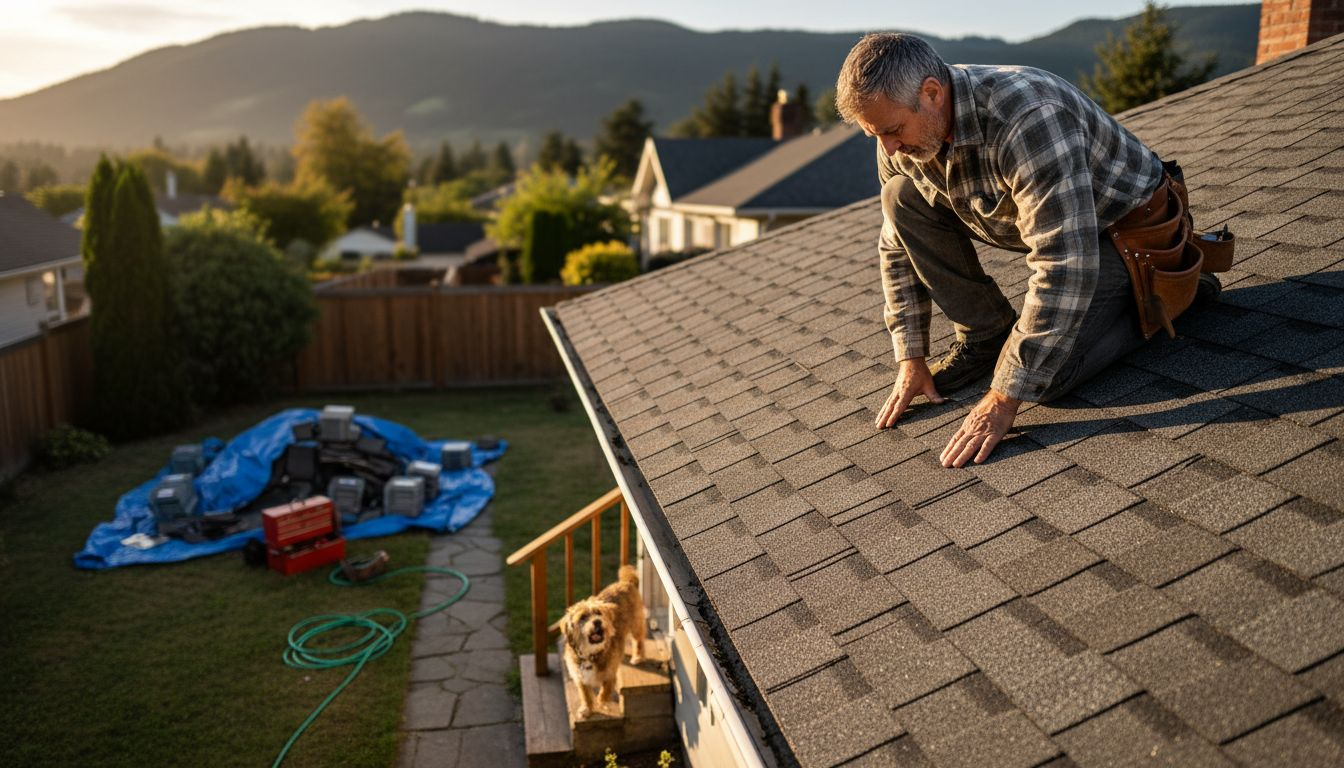
Choosing roofing materials for your British Columbia home means balancing upfront costs against long-term performance in a challenging climate. Asphalt shingles remain popular due to their affordability and design variety, but they come with specific trade-offs in durability and environmental impact. Understanding these pros and cons helps you make an informed decision that aligns with your budget, aesthetic preferences, and long-term maintenance expectations. See our asphalt shingle services across Metro Vancouver
Table of Contents
- How To Choose Roofing Materials: Key Selection Criteria
- Pros Of Asphalt Shingles For BC Homes
- Cons Of Asphalt Shingles: Challenges For BC Climates
- Comparison: Asphalt Shingles Versus Other Roofing Materials
- Maintenance Tips To Maximise Asphalt Shingle Roof Lifespan
- Situational Recommendations: When To Choose Asphalt Shingles In BC
- Summary Comparison Table Of Roofing Options For BC Homes
- Choose The Right Roofing Experts In British Columbia
- Frequently Asked Questions
Key takeaways
| Point | Details |
|---|---|
| Cost advantage | Asphalt shingles typically cost $4–$7 per square foot installed, making them the most affordable roofing option in British Columbia. |
| Lifespan limitations | They last 15–30 years but perform shorter in BC’s wet, freeze-thaw conditions compared to metal or cedar alternatives. |
| Hail protection | Impact-resistant asphalt shingles offer enhanced protection in hail-prone BC regions, reducing damage frequency. |
| Maintenance needs | Regular inspections and prompt repairs are crucial to maximise lifespan in British Columbia’s challenging weather. |
| Environmental concerns | Difficult to recycle and non-biodegradable, asphalt shingles contribute significantly to landfill waste. |
How to choose roofing materials: key selection criteria
Before diving into asphalt shingles specifically, you need a framework for evaluating any roofing material. This ensures your decision aligns with BC’s unique climate demands and your household priorities.
Cost-effectiveness, durability in BC climate, environmental impact, design, and installation ease are key criteria for selecting roofing materials. Here’s what matters most:
- Long-term cost-effectiveness: Balance upfront price against expected lifespan and maintenance expenses. A cheaper roof that needs replacement in 15 years may cost more than a durable option lasting 50 years.
- Durability against BC weather: Your roof must withstand heavy rainfall, freeze-thaw cycles, occasional hail, and strong winds common across British Columbia.
- Environmental sustainability: Consider recyclability, energy efficiency, and landfill impact as roofing waste represents a significant environmental concern.
- Design versatility: Aesthetic appeal matters for curb appeal and resale value. Material variety allows matching your home’s architectural style.
- Installation complexity: Labour costs and contractor availability affect total project expense and timeline.
Pro Tip: When comparing budget versus premium shingles cost, calculate total ownership expenses over 30 years rather than just initial installation price. This reveals true value.
These criteria provide the lens through which to evaluate asphalt shingles against alternatives like metal or cedar roofing.
Pros of asphalt shingles for BC homes
Asphalt shingles dominate British Columbia’s residential roofing market for several compelling reasons. Understanding these advantages helps you recognise when they suit your situation.
The most immediate benefit is affordability. Asphalt shingles offer the lowest upfront investment at $4–$7 per square foot installed, making them accessible for budget-conscious homeowners. This price advantage becomes significant on larger homes where material costs multiply quickly.
Design flexibility ranks as another major strength. Asphalt shingles come in numerous colours and styles, including wood and slate mimicry, allowing customisation to complement any architectural style. You gain aesthetic variety without premium material costs.
Installation speed and simplicity reduce labour expenses and project duration. Contractors familiar with asphalt shingles options can complete installations faster than metal or cedar alternatives, minimising disruption to your household.
For BC regions experiencing hail, impact-resistant asphalt shingles offer enhanced protection against weather damage. These upgraded versions provide better durability than standard three-tab shingles whilst remaining more affordable than metal roofing.
Key advantages include:
- Lower initial investment makes homeownership more accessible
- Wide style selection matches diverse architectural preferences
- Faster installation reduces labour costs and project timeline
- Impact-resistant variants improve performance in hail-prone areas
- Proper maintenance yields reasonable 15–30 year lifespan
Pro Tip: Architectural shingles offer better wind resistance and longer warranties than standard three-tab versions for only modest additional cost. They represent the best value in the asphalt category for why asphalt shingles work well in BC conditions.
Cons of asphalt shingles: challenges for BC climates
Despite their popularity, asphalt shingles face significant limitations in British Columbia’s demanding climate. Recognising these drawbacks prevents costly surprises down the road.
Lifespan represents the primary concern. Asphalt shingles typically last 15–30 years but fare shorter in heavy rain and freeze-thaw climates common throughout BC. This means more frequent replacement cycles compared to metal or cedar alternatives, increasing long-term costs.
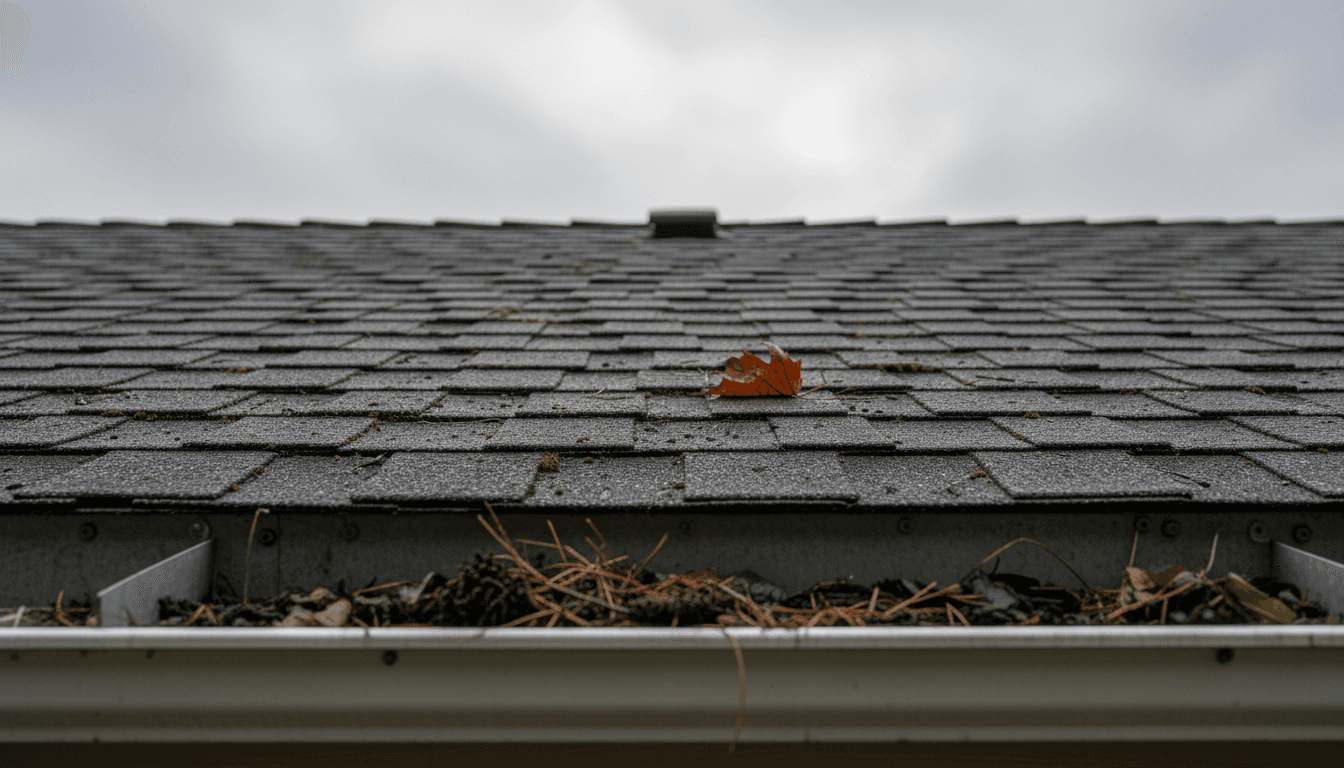
Weather vulnerability compounds in British Columbia’s variable conditions. Freeze-thaw cycles cause shingles to crack and curl prematurely. Heavy rainfall accelerates deterioration. Strong winds can lift and tear shingles, especially on exposed roof sections.
Energy efficiency concerns arise because asphalt shingles absorb heat, raising attic temperatures and energy costs without adequate ventilation. This becomes problematic during BC’s warm summer months, increasing cooling expenses.
Fire resistance falls short compared to alternatives. Asphalt shingles have lower fire resistance than metal and fibreglass, increasing risk during dry seasonal conditions when wildfire threat rises in interior BC regions.
Environmental sustainability remains limited. Asphalt shingles are difficult to recycle and non-biodegradable, contributing significantly to landfill waste. This matters increasingly to environmentally conscious homeowners seeking sustainable building solutions.
Key disadvantages include:
- Shorter lifespan requires more frequent replacement
- Susceptible to hail, wind, and freeze-thaw damage
- Heat retention increases cooling costs without proper ventilation
- Lower fire resistance poses risk in dry conditions
- Environmental impact from non-recyclability and landfill contribution
Understanding asphalt roofing challenges specific to British Columbia’s climate helps set realistic expectations about maintenance requirements and replacement timelines.
These limitations don’t disqualify asphalt shingles but require honest assessment against your priorities and circumstances.
Comparison: asphalt shingles versus other roofing materials
Seeing asphalt shingles alongside metal and cedar roofing clarifies the trade-offs you’re making. This comparison uses BC-specific data to inform your decision.
Metal roofs can last 40–60+ years with superior weather resistance but cost more upfront. They excel in snow shedding, fire resistance, and minimal maintenance requirements. However, initial investment runs $7–$12 per square foot, nearly double asphalt costs.
Cedar offers natural beauty and longevity but higher cost and maintenance requirements. Cedar shakes provide excellent insulation and distinctive aesthetics popular in BC. They demand regular treatment to prevent moss, rot, and insect damage in our wet climate.
Impact-resistant asphalt shingles perform better against hail than standard types, bridging some performance gaps whilst maintaining cost advantages. They represent a middle ground for homeowners wanting improved durability without metal roofing prices.
| Material | Cost per sq ft | Lifespan (years) | Weather resistance | Maintenance needs | Environmental impact |
|---|---|---|---|---|---|
| Standard asphalt | $4–$7 | 15–25 | Moderate | High | Poor recyclability |
| Architectural asphalt | $5–$8 | 20–30 | Good | Moderate | Poor recyclability |
| Impact-resistant asphalt | $6–$9 | 25–30 | Very good | Moderate | Poor recyclability |
| Metal roofing | $7–$12 | 40–60+ | Excellent | Very low | Highly recyclable |
| Cedar shakes | $8–$14 | 25–40 | Good | High | Biodegradable |
Key comparison insights:
- Metal roofing durability in BC justifies higher upfront cost through extended lifespan and minimal maintenance
- Cedar provides premium aesthetics but demands regular upkeep in wet climates
- Architectural and impact-resistant asphalt versions improve performance without matching metal longevity
- Total ownership costs over 30 years often favour metal despite higher initial price
For detailed analysis specific to your area, review asphalt versus metal roofing in Burnaby considerations.
Maintenance tips to maximise asphalt shingle roof lifespan
Proper care extends your asphalt shingle roof’s performance and delays costly replacement. BC’s climate demands specific maintenance attention.
Routine inspections for moss, algae, hail and wind damage help prevent costly repairs. Here’s your maintenance roadmap:
- Inspect twice yearly: Check your roof each spring and autumn, plus after major storms. Look for missing, cracked, or curling shingles indicating weather damage.
- Control moss and algae: BC’s wet climate promotes growth that retains moisture and accelerates shingle deterioration. Remove promptly using approved cleaning methods.
- Maintain proper ventilation: Adequate attic airflow prevents heat buildup that shortens shingle lifespan. Verify soffit and ridge vents function properly.
- Clean gutters regularly: Prevent water backup that causes freeze-thaw damage along roof edges. Remove debris at least quarterly.
- Address damage promptly: Small repairs prevent water infiltration that leads to expensive structural damage. Don’t delay fixing obvious problems.
- Engage certified contractors: Work with professionals familiar with BC conditions for assessments and repairs. Their expertise catches issues you might miss.
Pro Tip: Schedule professional roof maintenance following these BC-specific tips every two years. This investment catches problems early when repairs cost less than replacement.
Understanding roof lifespan and maintenance requirements in BC helps you budget appropriately for long-term home ownership costs.
Consistent maintenance significantly extends asphalt shingle performance, maximising your initial investment.
Situational recommendations: when to choose asphalt shingles in BC
Asphalt shingles suit specific homeowner profiles and circumstances better than others. Recognising when they represent your best choice streamlines decision-making.
You should consider asphalt shingles when:
- Budget constraints dominate: Limited funds for upfront roofing investment make asphalt’s affordability compelling. This allows homeownership whilst managing cash flow.
- Quick installation matters: Project timeline pressure or weather window concerns favour asphalt’s faster installation over metal or cedar alternatives.
- Design variety appeals: You want aesthetic flexibility to match specific architectural styles without custom material costs.
- Moderate weather exposure: Your location experiences typical BC rainfall but limited hail, strong winds, or extreme freeze-thaw cycles.
- Maintenance commitment exists: You’re prepared for regular inspections and proactive upkeep to maximise lifespan.
Asphalt shingles work less well when:
- Long-term ownership planned with minimal replacement desire
- Extreme weather exposure in high-elevation or coastal storm areas
- Environmental sustainability ranks as top priority
- Minimal maintenance preference drives material selection
- Maximum fire resistance needed in wildfire-prone interior regions
For guidance on when to choose asphalt shingles based on your specific situation, consult experienced local contractors who understand regional climate variations.
Honest assessment of your priorities, budget, and property conditions guides the right choice for your circumstances.
Summary comparison table of roofing options for BC homes
This comprehensive table consolidates key decision factors across popular roofing materials to facilitate final comparison.
| Factor | Standard asphalt | Architectural asphalt | Impact-resistant asphalt | Metal roofing | Cedar shakes |
|---|---|---|---|---|---|
| Price ($/sq ft installed) | $4–$7 | $5–$8 | $6–$9 | $7–$12 | $8–$14 |
| Expected lifespan | 15–25 years | 20–30 years | 25–30 years | 40–60+ years | 25–40 years |
| Hail resistance | Fair | Good | Excellent | Excellent | Fair |
| Wind resistance | Fair | Good | Very good | Excellent | Good |
| Fire rating | Moderate | Moderate | Moderate | Excellent | Poor to fair |
| Maintenance frequency | High | Moderate | Moderate | Very low | High |
| Environmental impact | High waste | High waste | High waste | Recyclable | Biodegradable |
| Design variety | Excellent | Excellent | Good | Moderate | Limited |
| Installation speed | Fast | Fast | Fast | Moderate | Slow |
| Energy efficiency | Fair | Fair | Fair | Excellent | Very good |
| Best for | Budget-focused | Balanced value | Hail-prone areas | Long-term investment | Premium aesthetics |
This table reveals that no single material excels across all categories. Your optimal choice depends on which factors matter most for your specific property and priorities.
Balancing upfront cost, expected lifespan, maintenance commitment, and environmental values leads to confident material selection.
Choose the right roofing experts in British Columbia
Making an informed material choice represents just the first step. Professional installation and ongoing maintenance determine whether your roof delivers expected performance and longevity.
Paragon Roofing BC brings certified expertise to every roof installation project in Vancouver and throughout British Columbia. Our contractors understand regional climate challenges and tailor solutions to your specific location’s conditions.
We help maximise your asphalt shingle investment through proper installation techniques and proactive roof maintenance following proven strategies. Regular professional assessments catch minor issues before they escalate into expensive structural damage.
When weather events cause damage, prompt roof repair services across BC protect your home and prevent water infiltration that compromises interior spaces. Our response times minimise secondary damage from delays.
Working with trusted local roofing experts ensures your material selection, installation quality, and ongoing care align with British Columbia’s unique demands. This partnership delivers peace of mind and protects your significant home investment.
Frequently asked questions
How do impact-resistant asphalt shingles compare to standard ones for hail protection?
Impact-resistant shingles reduce hail damage frequency and repair costs in hail-prone BC regions through reinforced construction. They typically earn Class 4 impact ratings, the highest available, whilst standard asphalt shingles rate Class 3 or lower. This upgrade extends roof lifespan by preventing premature replacement from storm damage.
How often should I inspect and maintain my asphalt shingle roof in BC?
Inspect at least twice yearly, ideally during spring and autumn, plus after major storms or heavy snowfall. BC’s wet climate accelerates moss growth and freeze-thaw damage, making proactive roof maintenance following a regular schedule essential. Regular cleaning and prompt repairs significantly extend roof lifespan.
Are impact-resistant asphalt shingles worth the extra cost in BC?
In hail-prone interior BC regions, impact-resistant shingles lower repair frequency and extend roof life, justifying their premium of roughly $1–$2 per square foot over standard versions. They typically outlast standard asphalt by five to ten years through superior weather resistance. Calculate total ownership costs rather than initial price alone.
How do asphalt shingles compare with metal roofing for British Columbia homes?
Metal roofing typically lasts 40–60+ years with superior resistance to BC’s challenging weather but costs nearly double upfront at $7–$12 per square foot versus $4–$7 for asphalt. Asphalt shingles offer lower initial investment but require replacement two to three times during metal’s lifespan. Your budget timeframe determines which represents better value.
Can asphalt shingles help improve my home’s curb appeal in British Columbia?
Asphalt shingles offer numerous colours and can mimic wood or slate, enhancing curb appeal without premium material costs. Architectural versions provide dimensional depth resembling more expensive roofing at accessible prices. This design flexibility allows matching any architectural style from traditional to contemporary.
What signs indicate it’s time to replace an asphalt shingle roof?
Curling, cracking, or missing shingles signal deterioration requiring attention. Granule loss appearing as bare patches or accumulating in gutters indicates advanced wear. Water stains on interior ceilings, widespread moss growth, or shingles exceeding 20 years old typically warrant professional assessment for replacement timing.