Best roofing materials for BC properties in 2026
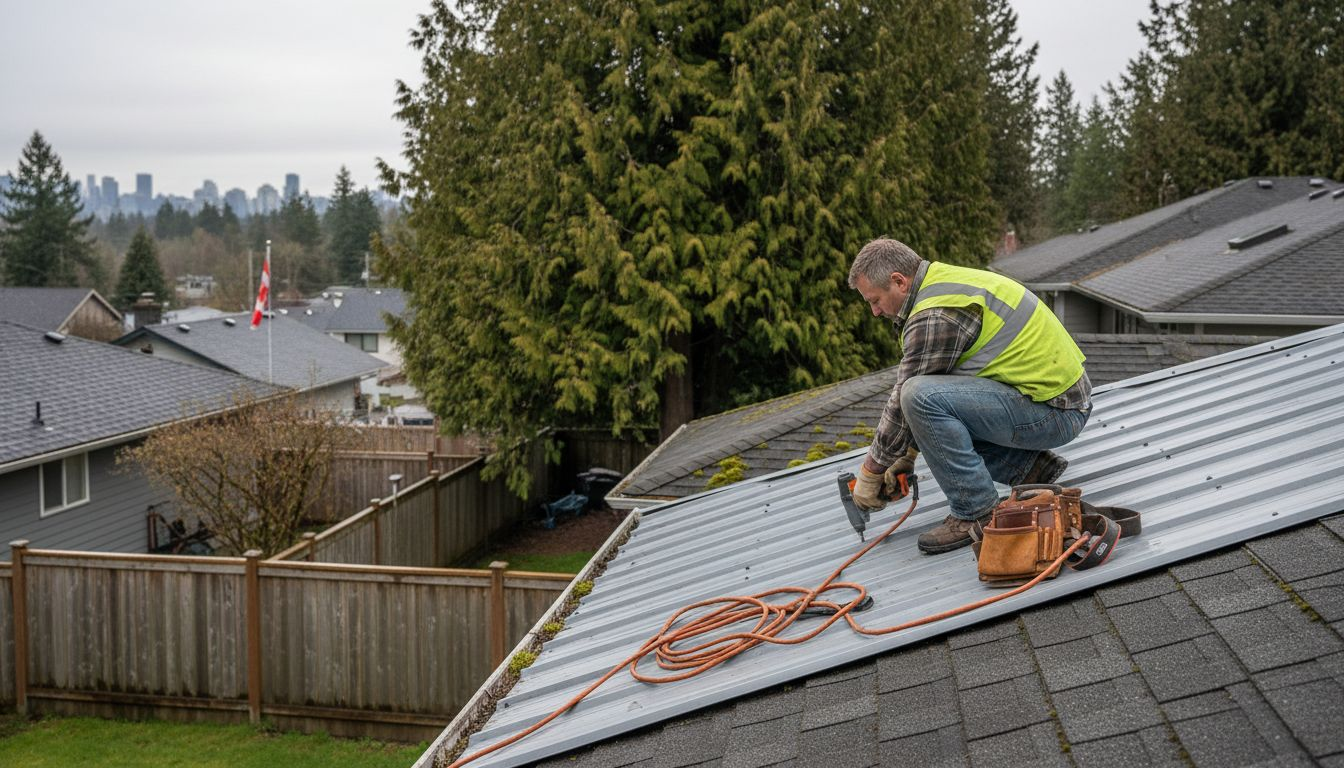
Selecting roofing materials suited to British Columbia’s unique coastal climate presents challenges for property owners navigating durability, cost, and performance requirements. Heavy rainfall, persistent moisture, and wind exposure demand materials that resist moss growth and weathering while maintaining structural integrity. This guide simplifies material selection for residential and commercial properties in 2026, helping you make informed decisions tailored to BC’s demanding environment. Compare all roofing material options
Table of Contents
- Roofing Material Selection Criteria For British Columbia Properties
- Asphalt Shingles: Affordable And Popular Choice
- Metal Roofing: Longevity And Durability Leader
- Cedar And Synthetic Roofing: Natural And Modern Alternatives
- Tile Roofing: Durable But Heavy Option For Commercial Properties
- Comparative Performance And Cost Summary
- Choosing The Right Roofing Material For Your BC Property
- Find The Perfect Roofing Solution With Paragon Roofing BC
- Frequently Asked Questions
Key takeaways
| Point | Details |
|---|---|
| Climate resistance matters most | Durability and lifespan are crucial in BC’s rainy, humid coastal conditions. |
| Metal roofs offer maximum longevity | Lifespan of 40 to 70 years outperforms other materials significantly. |
| Asphalt provides affordable balance | Budget-friendly option balances cost with 20 to 30 year moderate lifespan. |
| Cedar requires heritage maintenance | Natural beauty demands higher upkeep compared to modern alternatives. |
| Tile suits commercial structures | Heavy weight needs reinforced support, ideal for multi-family buildings. |
Roofing material selection criteria for British Columbia properties
Property owners in BC must evaluate several critical factors when choosing roofing materials. Durability and lifespan are essential priorities given the region’s persistent rain and humidity. Materials that withstand moisture, resist moss colonisation, and handle wind uplift deliver better long-term value.
Consider these selection criteria:
- Climate performance: Materials must resist moss growth, wind damage, and moisture penetration effectively
- Lifecycle costs: Balance upfront installation expenses against ongoing maintenance and eventual replacement
- Building suitability: Residential properties have different structural and aesthetic needs than commercial buildings
- Environmental impact: Sustainable options reduce carbon footprint over the material’s lifespan
- Maintenance requirements: Some materials demand regular treatment whilst others perform with minimal upkeep
Cost considerations extend beyond initial installation. Materials with lower upfront prices often require more frequent maintenance or earlier replacement, affecting total ownership costs. Understanding the role of roofing materials in BC homes helps frame realistic expectations.
Pro Tip: Calculate total cost of ownership over 30 years rather than focusing solely on installation price to identify genuine value.
Structural capacity influences material choice significantly. Heavier options like tile require reinforced framing, adding expense and complexity. Lighter materials offer easier installation and broader compatibility with existing structures.
Asphalt shingles: affordable and popular choice
Asphalt shingles dominate residential roofing in BC due to affordability and reliable performance. Asphalt shingles typically last 20 to 30 years with regular maintenance, providing adequate service for budget-conscious homeowners. Installation costs range from CAD 4 to 7 per square foot, making this material accessible across property types.
Key advantages include:
- Quick installation: Most residential projects complete within 3 to 5 days
- Easy repairs: Damaged sections replace individually without full roof removal
- Wide availability: Contractors across BC stock multiple colour and style options
- Moderate weather resistance: Performs adequately in BC’s climate with proper maintenance
Moss growth presents the primary maintenance challenge for asphalt roofs in coastal BC. Regular cleaning and zinc strip installation help manage biological growth. Understanding roof life expectancy in BC clarifies realistic performance timelines.
Asphalt shingles work well for residential properties where owners prioritise affordability and plan shorter ownership periods. The material balances cost with performance, though it requires more frequent replacement compared to premium alternatives.
Pro Tip: Choose architectural shingles over three-tab versions for improved wind resistance and extended lifespan in BC’s coastal zones.
Weathering and granule loss accelerate in BC’s wet environment. Annual inspections identify early damage before leaks develop, protecting interior structures and maintaining warranty coverage.
Metal roofing: longevity and durability leader
Metal roofing delivers superior performance in BC’s challenging coastal climate. Metal roofs last 40 to 70 years whilst resisting moss, corrosion, and extreme wind conditions. This exceptional durability offsets higher initial costs through reduced maintenance and elimination of multiple replacements.
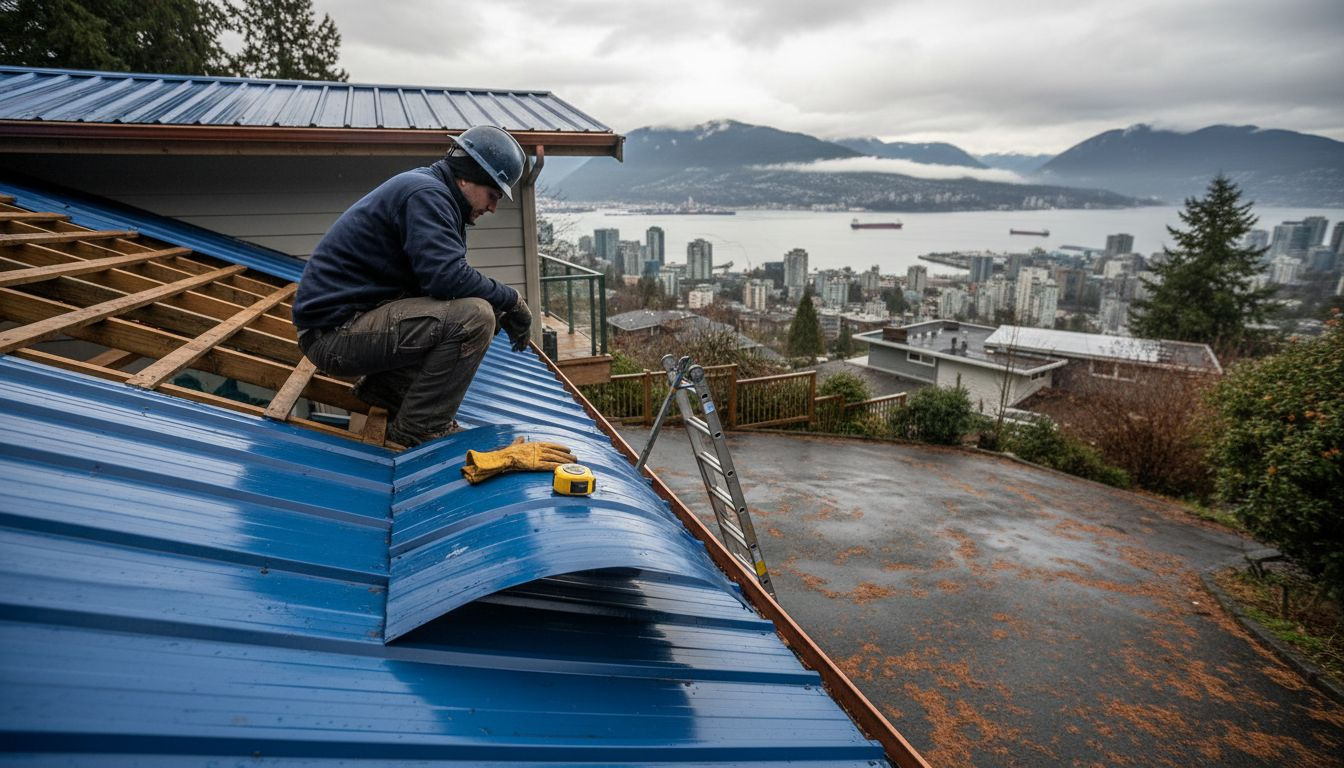
Installation costs range from CAD 8 to 15 per square foot, representing significant upfront investment. Lifecycle savings emerge through minimal maintenance requirements and extended service life. Property owners increasingly recognise metal roofing as the optimal long-term investment.
Performance advantages include:
- Wind resistance: Withstands uplift forces exceeding 150 mph in severe storms
- Moss immunity: Smooth surfaces discourage biological growth common on other materials
- Corrosion protection: Modern coatings prevent rust in salt-laden coastal air
- Energy efficiency: Reflective surfaces reduce cooling costs in warmer months
Metal roofing outperforms traditional materials in every climate metric relevant to British Columbia. The combination of longevity, weather resistance, and low maintenance makes it the premium choice for property owners prioritising durability.
Residential adoption grows as homeowners calculate metal roof costs in Vancouver against asphalt’s frequent replacement cycle. Commercial properties benefit from extended service intervals and reduced operational disruption. Understanding metal roofing durability and efficiency clarifies why this material dominates premium installations.
Cedar and synthetic roofing: natural and modern alternatives
Cedar roofing offers traditional aesthetic appeal with natural rain resistance. Cedar roofs last up to 35 years with treatment but demand 10 to 15 per cent higher annual maintenance compared to other options. Heritage properties and character homes favour cedar for authentic appearance despite increased upkeep requirements.
Maintenance considerations for cedar include:
- Regular treatment: Preservatives protect against rot and insect damage every 3 to 5 years
- Moss management: Coastal humidity accelerates biological growth requiring frequent cleaning
- Fire rating concerns: Some municipalities restrict cedar due to combustibility
- Cost premium: Installation and ongoing care exceed synthetic alternatives
Synthetic roofing materials replicate natural aesthetics whilst improving performance characteristics. Modern composites mimic cedar, slate, and tile appearances with superior moisture resistance. These materials reduce lifecycle carbon emissions by 20 to 30 per cent compared to natural wood products.
| Feature | Cedar Roofing | Synthetic Materials |
|---|---|---|
| Lifespan | 25 to 35 years | 30 to 50 years |
| Maintenance frequency | Annual treatment needed | Minimal, 5 year intervals |
| Moisture resistance | Moderate, requires treatment | Excellent, built-in protection |
| Environmental impact | Higher carbon footprint | 20 to 30% lower emissions |
| Installation cost | CAD 7 to 12/sq.ft | CAD 6 to 10/sq.ft |
Synthetic options suit environmentally conscious property owners seeking reduced maintenance. Following roof maintenance tips for BC homeowners extends performance regardless of material choice.
Pro Tip: Synthetic roofing combines aesthetic appeal with practical durability, making it an excellent eco-friendly choice for residential properties in BC’s coastal regions.
Tile roofing: durable but heavy option for commercial properties
Tile roofing provides exceptional durability and fire resistance for commercial applications. Clay and concrete tiles deliver lifespans exceeding 50 years, making them ideal for multi-family buildings and commercial structures. Tile roofs require reinforced structures due to substantial weight, limiting suitability to buildings designed for heavy loads.
Key characteristics include:
- Fire resistance: Class A rating provides maximum protection in wildfire-prone areas
- Weather durability: Tiles withstand hail, wind, and temperature extremes effectively
- Low maintenance: Minimal upkeep required after proper installation
- Premium pricing: Installation costs range from CAD 12 to 25 per square foot
Structural considerations dominate tile roofing decisions. Existing buildings may require framing reinforcement, adding significant expense to conversion projects. New construction incorporates necessary support during initial design phases more economically.
Installation demands specialised expertise and extended timeframes. Tile placement requires precision to ensure proper water shedding and weather resistance. Understanding commercial roofing for BC businesses clarifies when tile represents the optimal investment.
Commercial properties benefit from tile roofing’s extended service life and minimal maintenance requirements. Multi-family buildings reduce operational disruption through infrequent repairs. Building codes and structural engineering assessments determine tile feasibility for specific properties.
Comparative performance and cost summary
This comprehensive comparison consolidates key metrics for BC roofing materials in 2026. The table facilitates side-by-side evaluation of lifespan, costs, climate resistance, and environmental factors.
| Material | Lifespan (years) | Installation Cost (CAD/sq.ft) | Moss Resistance | Wind Resistance | Maintenance Level | Environmental Impact | Installation Time |
|---|---|---|---|---|---|---|---|
| Asphalt Shingles | 20 to 30 | 4 to 7 | Moderate | Good | Moderate | Higher | 3 to 5 days |
| Metal | 40 to 70 | 8 to 15 | Excellent | Excellent | Low | Moderate | 5 to 7 days |
| Cedar | 25 to 35 | 7 to 12 | Low | Good | High | Higher | 5 to 8 days |
| Synthetic | 30 to 50 | 6 to 10 | Good | Good | Low | Lower | 4 to 6 days |
| Tile | 50 plus | 12 to 25 | Excellent | Excellent | Very Low | Moderate | 7 to 10 days |
Material selection involves balancing competing priorities. Budget-focused decisions favour asphalt shingles, whilst longevity priorities point toward metal or tile. Environmental considerations elevate synthetic materials despite slightly higher costs than asphalt.
Consider roof replacement options in Vancouver when existing materials reach end of service life. Upgrading to more durable materials during replacement maximises long-term value. Property type, structural capacity, and ownership timeline guide optimal material selection.
Choosing the right roofing material for your BC property
Systematic evaluation ensures optimal material selection for your specific situation. Follow these steps to match roofing materials with property requirements and priorities:
- Assess structural capacity: Determine if existing framing supports heavy materials like tile or requires lighter options such as asphalt or metal
- Evaluate climate exposure: Properties in coastal zones face more severe moss and wind challenges than interior locations
- Calculate lifecycle costs: Project total ownership expenses including installation, maintenance, and eventual replacement over 30 to 50 years
- Define sustainability goals: Prioritise materials with lower carbon footprints if environmental impact matters to your organisation
- Match maintenance tolerance: Select materials aligned with available time and budget for ongoing care and treatment
Residential properties typically favour asphalt shingles for affordability or metal roofing for longevity. Commercial buildings benefit from metal or tile materials that minimise operational disruption through extended service intervals. Understanding commercial roof repair considerations informs material durability requirements.
Budget-conscious owners accept shorter lifespans and moderate maintenance with asphalt shingles. Investment-focused decisions prioritise metal roofing’s superior performance despite higher initial costs. Cedar suits heritage properties where aesthetic authenticity outweighs maintenance considerations.
Climate exposure significantly affects material performance. Coastal properties experience accelerated moss growth and salt corrosion, favouring metal and synthetic options. Interior locations with less precipitation may perform adequately with asphalt shingles and appropriate maintenance.
Find the perfect roofing solution with Paragon Roofing BC
Selecting the right roofing material represents just the first step toward protecting your BC property. Professional installation ensures materials perform to their full potential throughout their expected lifespan. Paragon Roofing BC delivers expert roof installation services in Vancouver tailored to residential and commercial needs.
Our team specialises in all materials discussed in this guide, from budget-friendly asphalt to premium metal and tile systems. We help property owners navigate roof replacement decisions with transparent cost analysis and performance projections. Explore our comprehensive roofing materials options to find solutions matching your durability requirements, aesthetic preferences, and budget constraints. Partner with experienced professionals who understand BC’s unique climate challenges and building requirements.
Frequently asked questions
What is the best roofing material for heavy rain in British Columbia?
Metal roofing performs best in BC’s heavy rainfall due to superior moisture resistance and moss immunity. The smooth surface sheds water efficiently whilst preventing biological growth common on porous materials. Cedar also handles rain well with proper treatment, though it requires regular maintenance to prevent rot. Asphalt shingles remain viable with consistent upkeep including moss treatment and debris removal.
How does the cost of metal roofing compare to asphalt shingles over time?
Metal roofing costs 50 to 100 per cent more initially but lasts twice as long as asphalt shingles, reducing replacement frequency. Lower maintenance requirements further decrease lifecycle expenses. Asphalt shingles offer lower upfront costs but require replacement every 20 to 30 years plus regular maintenance. Property owners planning extended ownership periods realise better value from metal roofing despite higher initial investment.
Are synthetic roofing materials environmentally friendly for BC homes?
Synthetic materials reduce carbon emissions by 20 to 30 per cent compared to natural wood products over their lifecycle. Manufacturing processes have improved efficiency whilst extending material lifespans beyond traditional options. These materials offer excellent moisture resistance suited to BC’s climate without the environmental impact of cedar harvesting. Synthetic roofing represents a practical eco-conscious choice balancing performance with reduced environmental footprint.
How often do different roofing materials need maintenance in BC?
Metal and tile roofing require minimal maintenance, typically just annual inspections and occasional cleaning. Asphalt shingles need moss treatment every 1 to 2 years plus periodic repairs. Cedar demands the most attention with treatment every 3 to 5 years and regular cleaning to prevent rot. Synthetic materials fall between asphalt and metal, requiring maintenance every 3 to 5 years. BC’s humid climate accelerates maintenance needs across all material types compared to drier regions.