Roof leak causes in British Columbia: expert guide 2026
Roof leak causes in British Columbia: expert guide 2026
British Columbia’s coastal climate creates a perfect storm for roof vulnerabilities. Homes here retain moisture up to 50% longer than properties in drier regions, dramatically increasing leak risks. Yet most homeowners struggle to identify the real culprits behind persistent water intrusion. This guide reveals the specific causes behind BC roof leaks and provides proven prevention strategies tailored to our unique weather patterns. See our Vancouver roof repair services
Table of Contents
- Introduction To Roof Leaks And BC’s Unique Climate
- Common Roof Leak Causes By Roofing Material In BC
- Structural And Maintenance Factors Contributing To Roof Leaks
- Common Misconceptions About Roof Leaks
- Preventive Maintenance And Professional Inspection Strategies
- Summary And Next Steps For BC Homeowners
- Protect Your Roof With Expert Services From Paragon Roofing BC
Key takeaways
| Point | Details |
|---|---|
| Climate accelerates wear | BC’s wet, freeze-thaw conditions degrade roofing materials faster than in drier climates. |
| Material vulnerabilities differ | Asphalt, metal, and cedar roofs each face distinct failure points in BC’s environment. |
| Hidden structural issues dominate | Most leaks stem from flashing defects and gutter clogs, not visible roof damage. |
| Misconceptions delay repairs | Assuming leaks only come from surface damage leads to ineffective fixes. |
| Professional inspections prevent problems | Regular maintenance reduces leak occurrence by up to 50%. |
Introduction to roof leaks and BC’s unique climate
British Columbia’s weather presents extraordinary challenges for residential roofing systems. Coastal areas receive approximately 1680 mm of rain annually, subjecting roofs to constant moisture exposure. This relentless wetness means BC roofs stay damp far longer than those in interior or prairie regions.
The moisture retention period extends 50% longer here compared to drier climates. Water sits on shingles, pooling in valleys and saturating vulnerable areas. This prolonged dampness creates ideal conditions for material decay, moss growth, and gradual deterioration that eventually leads to leaks.
Freeze-thaw cycles compound these problems during winter months. Water penetrates tiny gaps in roofing materials, then expands when temperatures drop below freezing. This expansion forces materials apart, creating larger openings. When ice melts, more water enters these widened gaps, and the cycle repeats.
Each freeze-thaw event weakens roof integrity incrementally. Over several seasons, this process transforms minor imperfections into major vulnerabilities. The cumulative effect accelerates material failure far beyond normal wear rates.
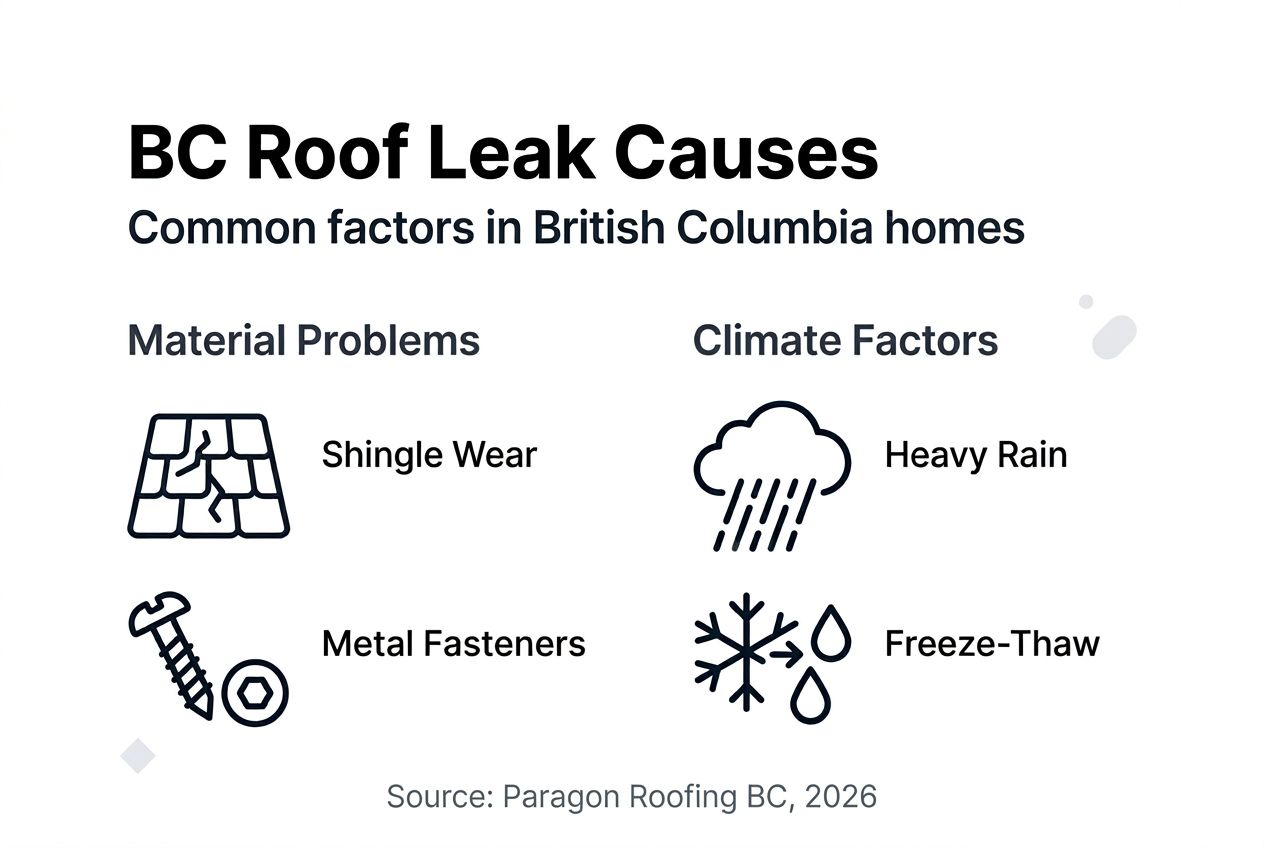
Understanding these climate-specific stresses is essential for BC homeowners. Coastal weather effects create unique maintenance requirements that differ dramatically from standard roofing advice. Recognising how local conditions affect your roof helps you take targeted preventive action.
Key climate factors affecting BC roofs:
- Prolonged moisture exposure from heavy rainfall
- Extended drying times due to humidity and cloud cover
- Freeze-thaw cycles causing material expansion and contraction
- High humidity promoting moss and algae growth
- Coastal salt air accelerating metal corrosion
Pro Tip: Check your roof after extended rainy periods, not just after storms. Prolonged wetness causes more cumulative damage than isolated heavy rainfall events.
Common roof leak causes by roofing material in BC
Different roofing materials respond uniquely to BC’s challenging climate. Understanding your specific roof type helps you anticipate vulnerabilities and maintain it properly.
Asphalt shingles dominate BC residential roofing due to their affordability and availability. However, they face serious challenges here. Freeze-thaw cycles reduce lifespan by 30% compared to moderate climates. Water infiltrates beneath damaged or lifted shingles, then freezes and expands, accelerating deterioration.
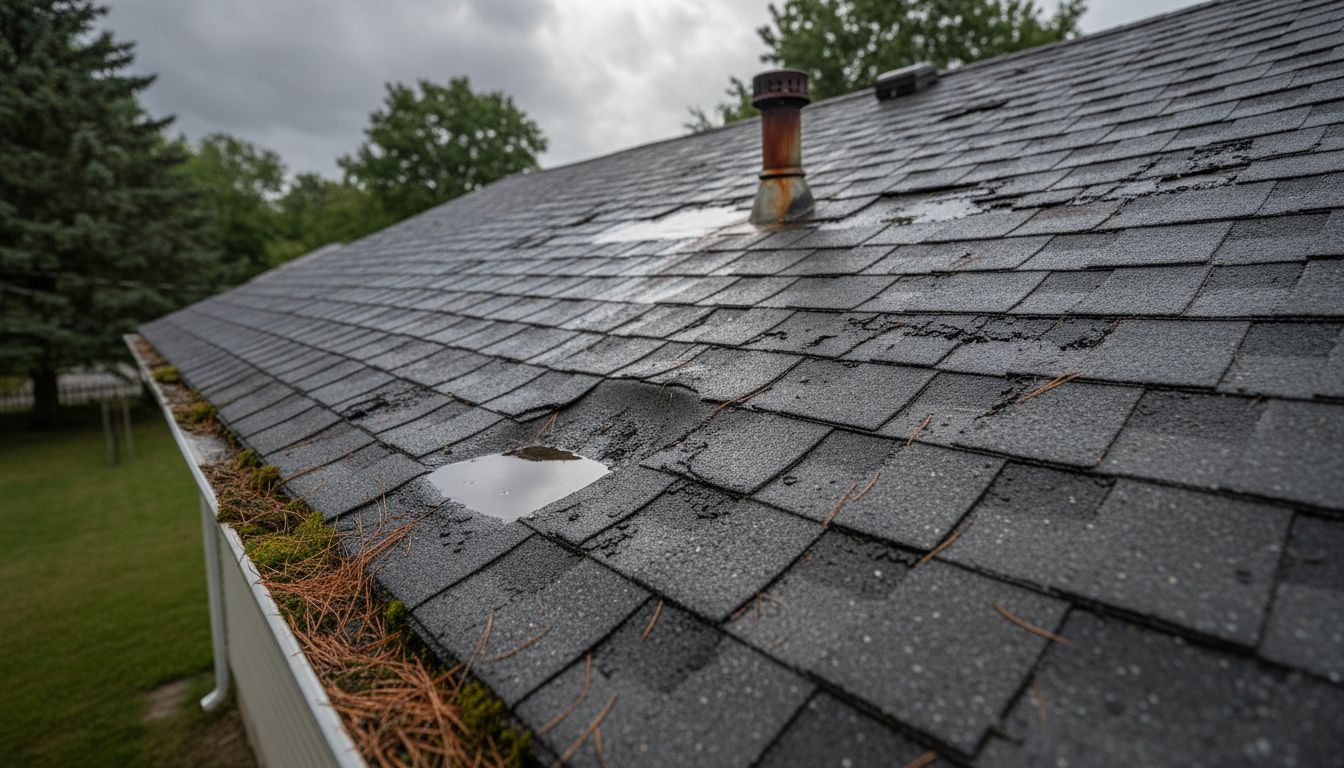
Granule loss represents another major concern for asphalt roofs. BC’s heavy rain literally washes protective granules into gutters over time. Once granules disappear, underlying asphalt becomes exposed to UV radiation and moisture, leading to cracking and curling.
Metal roofing offers superior durability in wet climates and resists many issues that plague asphalt. The material itself rarely fails. Instead, leaks typically occur at installation points where fasteners penetrate the surface or at seams between panels. Metal versus asphalt performance differs significantly in BC’s rain.
Improper installation causes most metal roof leaks. Fasteners must be positioned precisely and sealed correctly. Even small installation errors create entry points for water. Thermal expansion and contraction can loosen improperly secured fasteners over time.
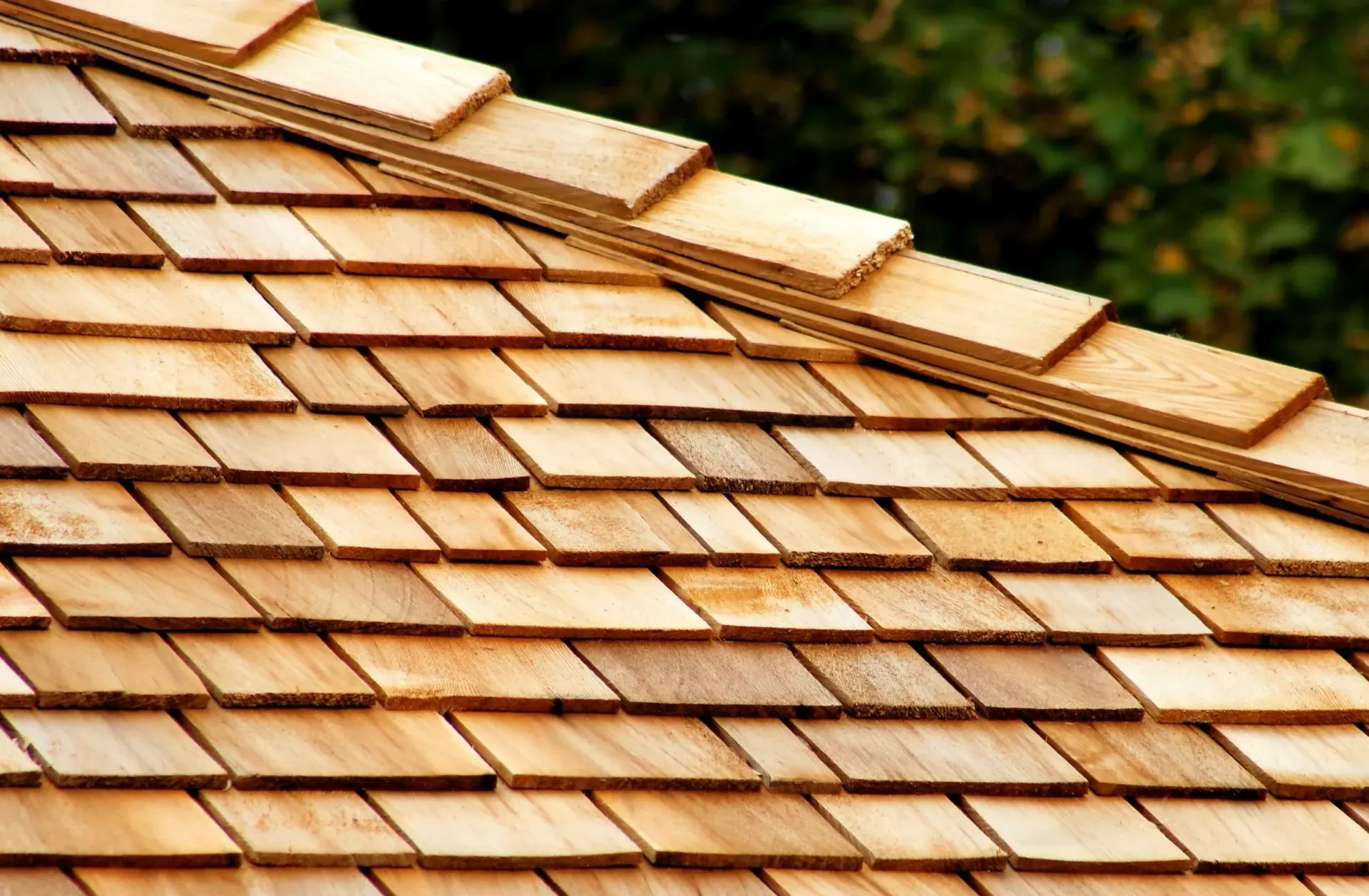
Cedar shake roofing provides natural beauty and inherent rot resistance. Yet BC’s prolonged moisture exposure challenges even cedar’s durability. Cedar shakes absorb water, then dry slowly in our humid climate. This constant wet-dry cycling eventually breaks down the wood fibres.
Moss and fungal growth thrive on cedar in BC’s environment. These organisms trap moisture against the wood surface, preventing proper drying. Over years, this biological activity causes wood rot and structural failure, particularly on north-facing roof sections that receive less direct sunlight.
| Material | Primary Vulnerabilities | Typical Lifespan in BC |
|---|---|---|
| Asphalt shingles | Freeze-thaw damage, granule loss, curling | 15-20 years |
| Metal | Fastener leaks, seam failures, corrosion | 30-50 years |
| Cedar | Moisture retention, moss growth, wood rot | 20-30 years |
Pro Tip: Material selection should match your specific microclimate. North-facing slopes with heavy tree cover require different materials than south-facing sections with full sun exposure.
Structural and maintenance factors contributing to roof leaks
Many homeowners focus exclusively on roofing surface condition while overlooking critical structural elements. These hidden components cause a surprising proportion of BC roof leaks.
Flashing failures represent a leading leak source. Flashing problems cause 25% of leaks by allowing water to penetrate joints where roof planes meet walls, chimneys, or vents. BC’s freeze-thaw cycles stress these metal transitions, causing cracks and separation from adjacent surfaces.
Chimney flashing particularly suffers in our climate. The junction between masonry and roofing material creates a natural weak point. Water infiltrates tiny gaps, freezes, expands, and widens openings. Many chimney leaks originate from deteriorated flashing rather than roofing material failure.
Gutter systems play a crucial but underappreciated role in leak prevention. Clogged gutters contribute to 56% of leaks during wet seasons. When gutters overflow, water backs up under shingles at roof edges, saturating underlayment and decking.
BC’s abundant vegetation means gutters fill rapidly with leaves, needles, and organic debris. Properties near evergreens face constant accumulation. Clogged gutters don’t just overflow; they become heavy with saturated debris, pulling away from fascia boards and creating gaps for water entry.
Underlayment and roof deck conditions determine leak susceptibility even when surface materials appear intact. Old or damaged underlayment loses its waterproofing properties. Water that penetrates through minor shingle defects then travels freely across failed underlayment until finding a gap in the roof deck.
Roof deck warping and structural movement create vulnerabilities invisible from ground level. BC’s moisture fluctuations cause wood decking to expand and contract. This movement can loosen fasteners and create slight depressions where water pools.
Critical maintenance areas for BC roofs:
- Clean gutters quarterly in tree-dense areas
- Inspect flashing annually for cracks or separation
- Check attic for moisture stains indicating underlayment failure
- Verify proper attic ventilation to prevent condensation
- Remove moss and debris from roof surface
Pro Tip: Many BC homeowners discover leaks during heavy rain, but the damage actually occurred weeks earlier during freeze-thaw cycles. Schedule roof maintenance inspections before and after winter.
Common misconceptions about roof leaks
Homeowners often hold inaccurate beliefs about leak causes, delaying effective repairs and increasing damage costs.
The biggest misconception assumes all leaks produce visible roof damage. Actually, 40% of roof leaks occur without visible surface damage. These hidden leaks originate from structural issues like failed flashing, deteriorated underlayment, or plumbing vent boot failures. Homeowners searching for missing shingles miss the real problem entirely.
Water travels unpredictably once it enters your roof system. A leak appearing in your living room ceiling might originate from a failure point 3 metres away on the roof. Water follows roof deck seams, rafters, and other pathways before finding a gap to drip through. This makes DIY leak diagnosis extremely challenging.
Many homeowners underestimate ice dam risks in BC’s relatively mild climate. We experience fewer severe freezes than interior regions, but our temperatures hover around freezing for extended periods. This creates ideal ice dam conditions. Snow melts slightly during day, runs to cold roof edges, refreezes overnight, and gradually builds barriers that trap water.
Ignoring regular maintenance represents another costly misconception. Some believe roofs simply last their rated lifespan without intervention. In BC’s climate, neglected roofs fail years prematurely. A roof rated for 20 years might last only 12 without proper maintenance, while the same roof with regular care could exceed 25 years.
“Homeowners often tell me they thought their roof was fine because they couldn’t see problems from the ground. By the time leaks become visible inside, significant structural damage has already occurred. Regular professional inspections catch issues while they’re still inexpensive to fix.” — BC Roofing Contractor
The assumption that roof leak repairs can wait until convenient also proves dangerous. Small leaks exponentially worsen in BC’s wet climate. A minor flashing gap allowing slight moisture intrusion becomes a major structural problem within months as water saturates surrounding materials.
Dangerous misconceptions BC homeowners hold:
- Leaks always show visible roof damage
- Water stains indicate nearby leak sources
- Ice dams only affect cold climates
- Roofs don’t need maintenance between replacements
- Small leaks can wait for repairs
Preventive maintenance and professional inspection strategies
Proactive maintenance dramatically reduces leak risks while extending roof lifespan. BC’s climate demands more frequent attention than drier regions require.
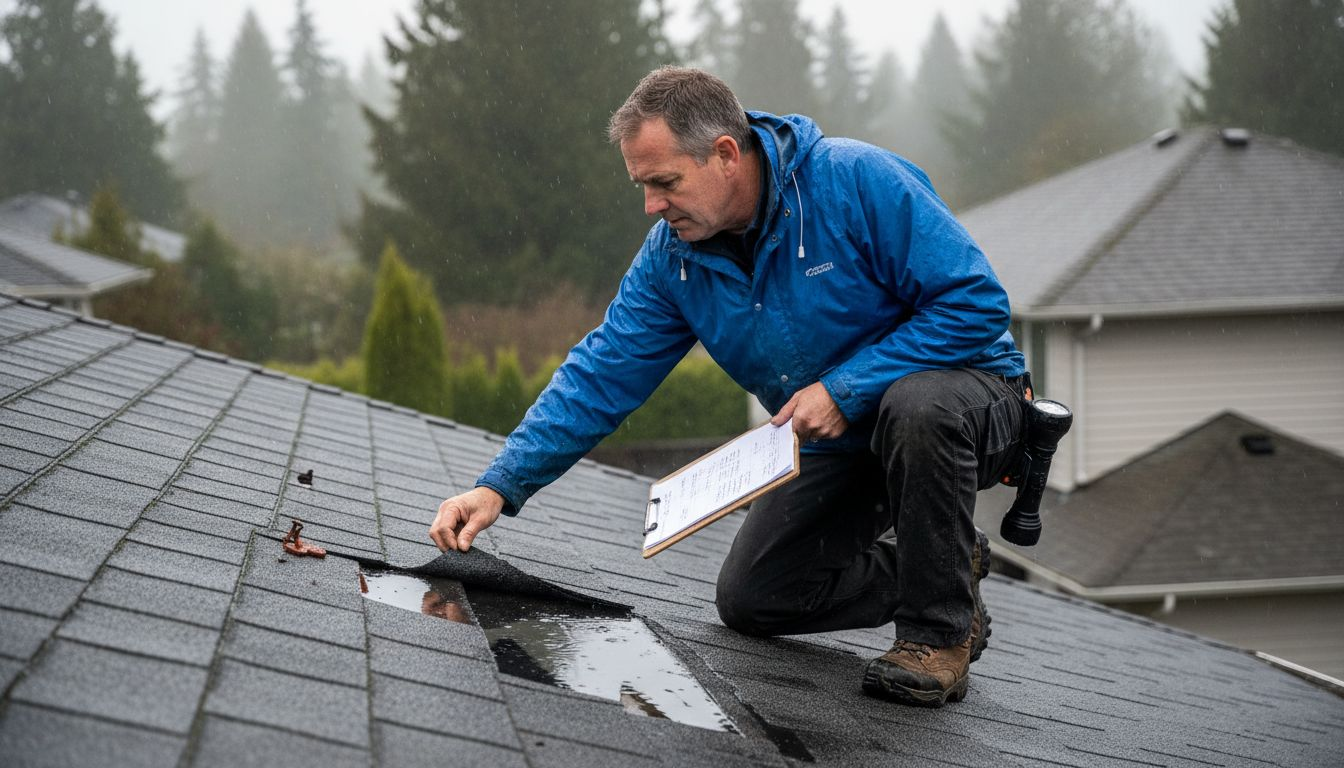
Professional roof inspections can reduce leak occurrence by up to 50% when conducted annually. Qualified inspectors identify early warning signs invisible to homeowners. They check flashing integrity, assess shingle condition, verify proper drainage, and detect subtle structural issues before they cause interior damage.
Timing matters for BC roof inspections. Schedule evaluations in spring after winter freeze-thaw damage and again in autumn before wet season begins. Post-storm inspections catch immediate damage before minor issues escalate during subsequent weather events.
Essential preventive maintenance schedule:
- Quarterly gutter cleaning removes debris that causes overflows and water backup, particularly critical in tree-dense areas.
- Annual professional inspection identifies developing problems while repairs remain affordable and minimally invasive.
- Bi-annual moss removal prevents organic growth from trapping moisture and degrading roofing materials.
- Spring flashing inspection catches freeze-thaw damage before heavy spring rains exploit vulnerabilities.
- Autumn preparation includes clearing valleys, checking drainage, and verifying weatherproofing before winter weather arrives.
- Attic ventilation verification ensures proper airflow prevents condensation and ice dam formation.
Homeowners can perform basic visual inspections safely from ground level. Use binoculars to check for missing or damaged shingles, sagging areas, or visible flashing problems. Never walk on wet or moss-covered BC roofs; the combination proves extremely slippery and dangerous.
Ice dam prevention requires addressing root causes. Ensure attic insulation prevents warm air from reaching roof deck. Verify adequate attic ventilation maintains uniform roof temperature. These measures prevent the temperature differentials that cause snow to melt and refreeze at roof edges.
Pro Tip: Document your roof condition with dated photos during each inspection. This visual record helps you track deterioration rates and provides valuable information when discussing concerns with roofing professionals.
Summary and next steps for BC homeowners
BC’s unique climate creates specific challenges requiring targeted maintenance approaches. Understanding how prolonged moisture exposure, freeze-thaw cycles, and material-specific vulnerabilities cause leaks empowers you to protect your home effectively.
Successful leak prevention combines regular maintenance with professional expertise. Clean gutters frequently, inspect flashing annually, and address small issues immediately before BC’s weather amplifies them into major problems.
Engaging qualified roofing professionals for regular inspections provides early warning of developing issues. Professional assessment catches problems while repairs remain straightforward and affordable.
Your action steps:
- Schedule annual professional roof inspection
- Implement quarterly gutter cleaning routine
- Address any identified issues promptly
- Prepare roof systems before winter weather
- Document roof condition for future reference
Proactive maintenance extends roof lifespan significantly while protecting your home’s structural integrity and value. The relatively small investment in prevention saves thousands in major repair costs.
Protect your roof with expert services from Paragon Roofing BC
Paragon Roofing BC understands the unique challenges BC homeowners face. Our professional inspection services identify potential leak sources before they cause interior damage, using proven assessment methods tailored to local climate conditions.

Our comprehensive maintenance programmes extend roof lifespan by addressing BC-specific vulnerabilities. We provide expert repair services for flashing failures, material damage, and structural issues that cause most local leaks. When replacement becomes necessary, our installation services ensure proper material selection and execution for lasting protection. Contact us today to schedule your consultation and secure your home against BC’s challenging weather.
Frequently asked questions
How can I tell if my roof leak is due to flashing issues?
Look for water stains or active leaks near roof joints, chimneys, vents, or skylights where flashing is installed. These locations indicate potential flashing failure rather than surface material problems. Professional inspection can definitively identify flashing as the leak source.
What regular maintenance can prevent roof leaks in BC’s climate?
Clean gutters quarterly, especially during autumn when leaves accumulate rapidly. Schedule professional roof inspections annually to catch developing problems early. These two maintenance activities address the most common leak causes in BC homes.
Are ice dams a common cause of leaks in BC homes?
Yes, ice dams force water beneath shingles during winter, causing significant leak damage. BC’s temperatures hovering around freezing create ideal ice dam conditions. Prevent them with proper attic insulation and ventilation that maintain uniform roof temperatures. Learn more about winter roof preparation specific to our climate.
How long should a roof last in BC’s wet climate?
Roof lifespan varies significantly by material and maintenance quality. Asphalt shingles typically last 15-20 years, metal roofing 30-50 years, and cedar 20-30 years in BC conditions. Regular maintenance can extend these ranges considerably, while neglect shortens them dramatically.
Can I repair roof leaks myself or should I hire professionals?
Small, accessible repairs like replacing individual shingles may be DIY-appropriate for experienced homeowners. However, BC’s wet climate makes roofs slippery and dangerous. Flashing repairs, structural issues, and leak diagnosis require professional expertise to ensure proper, lasting solutions that address root causes rather than symptoms.