Essential roof maintenance checklist for BC homeowners 2026
Unexpected roof damage costs BC homeowners thousands annually, yet most issues stem from simple neglect rather than major storms. British Columbia’s relentless rain, heavy snowfall, and freeze-thaw cycles expose roofs to constant stress that accumulates silently over months. A structured maintenance checklist tailored specifically for BC’s climate helps you catch minor problems before they escalate, protecting your investment while extending your roof’s functional life and maintaining energy efficiency. Book a moss treatment in Vancouver
Table of Contents
- Selection Criteria For An Effective Roof Maintenance Checklist
- Seasonal Roof Maintenance Routine Tailored For BC
- Special Focus: Ice Dam Prevention Strategies
- Material-Specific Maintenance Considerations For BC Roofs
- Professional Roof Inspections And When To Call For Help
- Summary Comparison And Situational Recommendations
- Protect Your Roof With Expert Care From Paragon Roofing BC
- Frequently Asked Questions
Key takeaways
| Point | Details |
|---|---|
| Seasonal inspections | Biannual spring and fall checks combined with gutter cleaning prevent 80% of common roof damage in BC homes. |
| Material matters | Asphalt shingles, metal, and cedar roofs each demand unique care routines that reflect BC’s moisture-heavy environment. |
| Ice dam prevention | Proper attic insulation meeting R-values and strategic ventilation stop costly winter ice dam formation at roof edges. |
| Professional oversight | Annual expert inspections reveal hidden structural issues that DIY checks miss, saving money through early intervention. |
| Safety first | Know your limits; complex repairs and steep slopes require professional equipment and expertise to avoid injury. |
Selection criteria for an effective roof maintenance checklist
Creating a maintenance plan starts with understanding which factors most impact roof longevity in BC’s challenging environment. Your inspection frequency directly determines how quickly you spot emerging problems. Most experts recommend checking your roof twice yearly, with professional roofing inspectors annually identifying subtle issues that untrained eyes overlook.
Roofing material type shapes every maintenance decision you make. Different materials respond uniquely to BC’s wet winters and occasional summer heat, requiring tailored approaches. The role of roofing materials in BC homes extends beyond aesthetics to dictate maintenance schedules, common failure points, and repair costs.
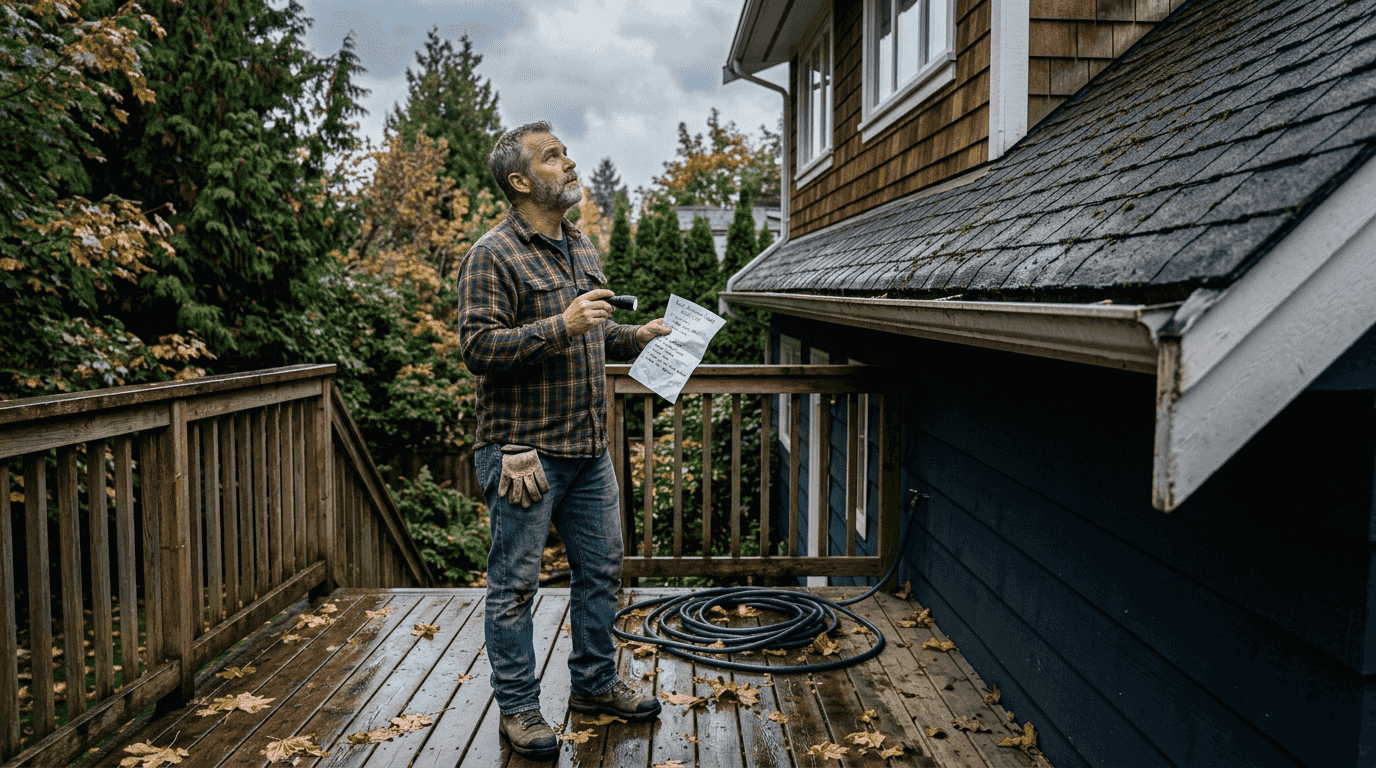
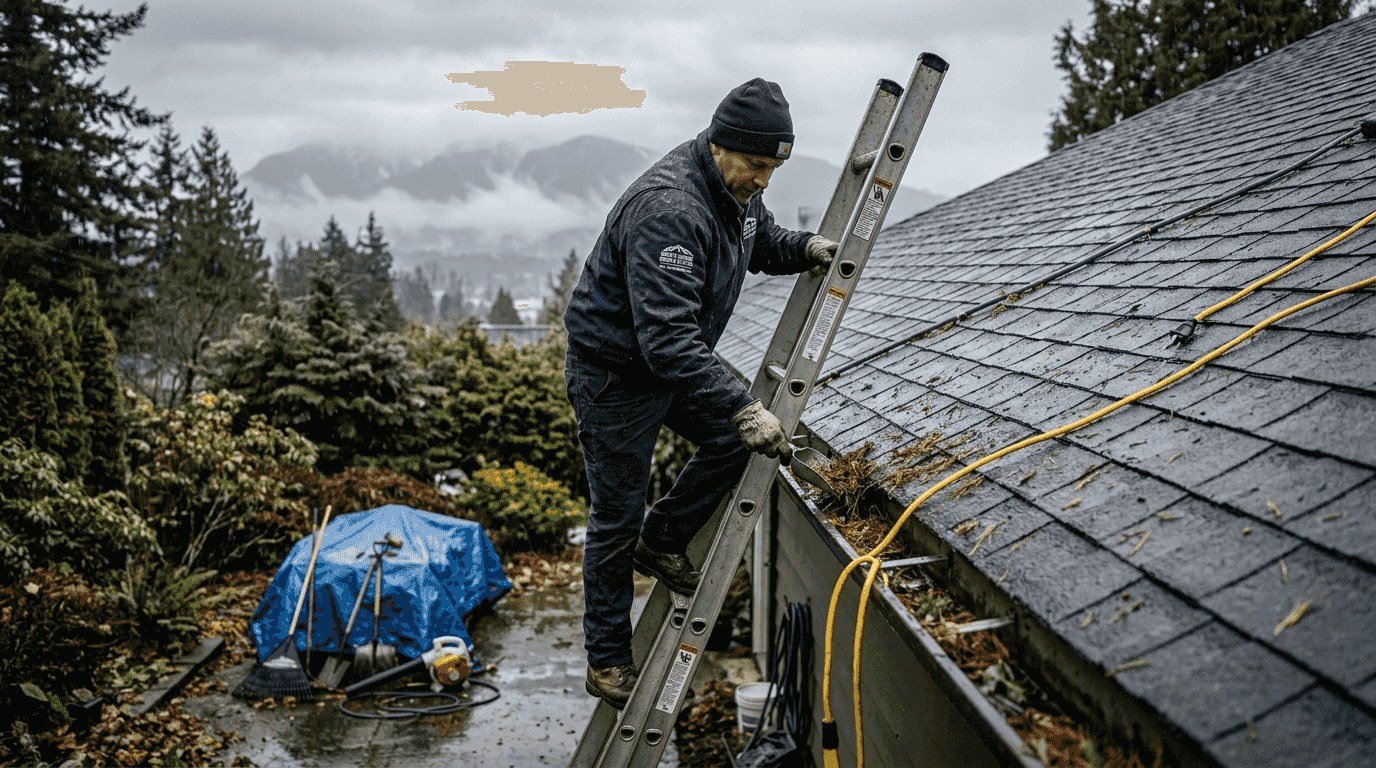
Balancing DIY tasks with professional help optimises both safety and effectiveness. You can safely clean gutters from a stable ladder and conduct visual ground-level inspections. However, walking on steep or wet roofs, assessing structural integrity, and performing repairs above single-storey height all demand professional expertise and proper safety equipment.
Pro Tip: Schedule your spring inspection after the last frost but before heavy spring rains arrive, typically late March in coastal BC. This timing lets you address winter damage before moisture penetrates deeper into roofing layers.
Safety must guide every maintenance decision:
- Use proper ladder placement with three-point contact
- Never work on roofs during wet or windy conditions
- Wear non-slip footwear with good tread
- Consider harness systems for steep pitches
- Keep someone informed when working at height
Seasonal roof maintenance routine tailored for BC
BC’s distinct seasons demand a structured approach that anticipates weather-related stress before it damages your roof. Following a quarterly routine catches problems early whilst spreading workload manageable across the year.
Spring tasks (March through May):
- Inspect shingles for winter damage including cracks, curling, or missing pieces
- Check flashing around chimneys, vents, and skylights for separation or rust
- Clear debris from valleys where water concentrates during spring runoff
- Examine attic interior for water stains indicating leak penetration
- Verify gutters and downspouts drain freely after winter ice damage
Summer maintenance (June through August):
- Trim overhanging branches that drop debris and provide rodent access
- Inspect sealant around roof penetrations; UV exposure degrades caulking
- Check for moss or algae growth that thrives in shaded, moist areas
- Ensure attic ventilation operates properly to prevent heat buildup
Pro Tip: Gutter guards reduce debris accumulation, cutting maintenance frequency whilst protecting against BC’s leaf-heavy autumn seasons that quickly overwhelm unprotected systems.
Autumn preparation (September through November):
Fall represents your most critical maintenance window. Clean gutters thoroughly after leaves drop, typically late October for most BC regions. This seasonal roof maintenance checklist for Surrey homeowners details location-specific timing that applies across Lower Mainland areas.
Inspect and repair minor issues now, before winter weather makes access dangerous and compounds small problems into major failures. Check that all fasteners remain secure and sealants form complete weather barriers.
Winter monitoring (December through February):
- Watch for ice dam formation at roof edges after snowfall
- Clear excessive snow accumulation exceeding 30 cm depth
- Monitor attic temperature to verify insulation performance
- Check indoor ceilings for new water stains or moisture
Preparing your Vancouver roofs for winter involves proactive steps that prevent rather than react to cold-weather damage patterns specific to coastal BC microclimates.
Special focus: ice dam prevention strategies
Ice dams rank among BC homeowners’ most frustrating and expensive winter roofing problems. Understanding how they form empowers you to prevent them through strategic maintenance and home improvements.
Ice dams occur due to uneven roof temperature caused by heat escaping through poorly insulated or ventilated attics. When warm attic air melts snow on upper roof sections, meltwater flows downward until reaching cold eaves where it refreezes. This cycle builds substantial ice ridges that trap subsequent meltwater, forcing it under shingles and into your home.
The prevention strategy centres on keeping your entire roof cold:
- Upgrade attic insulation to meet or exceed current BC building code R-values
- Seal air leaks between living spaces and attic cavities
- Ensure soffit and ridge vents allow continuous cold air circulation
- Install baffles that maintain airflow channels between insulation and roof deck
Proper attic insulation with recommended R-values and unobstructed ventilation reduces formation whilst extending roof lifespan by moderating temperature extremes that stress roofing materials.
“A well-insulated, properly ventilated attic maintains consistent roof surface temperature that prevents the melt-refreeze cycle responsible for ice dam formation. This represents the most effective long-term prevention strategy for BC winters.”
Early warning signs demand immediate attention:
- Icicles forming along eaves indicate active melting above
- Ice buildup in gutters suggests inadequate drainage
- Interior water stains near exterior walls signal ice dam leakage
- Attic frost accumulation shows ventilation inadequacy
How roof ventilation affects lifespan extends beyond ice dam prevention to moisture control that protects structural components year-round. Proper ventilation constitutes essential infrastructure, not optional enhancement.
Material-specific maintenance considerations for BC roofs
BC homes feature diverse roofing materials, each presenting unique maintenance requirements shaped by our coastal climate. Tailoring your routine to your specific roof type maximises longevity whilst minimising unnecessary work.
Asphalt shingle maintenance:
Asphalt shingles dominate BC residential roofing due to affordability and reasonable performance. These roofs demand frequent visual inspections for granule loss, which appears as bare patches or granules accumulating in gutters. Curling edges and cracked shingles indicate age-related deterioration requiring prompt replacement before leaks develop.
Why asphalt shingles remain popular in BC relates partly to straightforward maintenance needs that most homeowners can monitor without specialised knowledge. However, BC’s wet climate accelerates moss growth that traps moisture against shingle surfaces.
Metal roofing care:
Metal roofs require less frequent maintenance than asphalt options due to superior moisture and ice resistance. Focus maintenance on fastener integrity, as thermal expansion and contraction can loosen screws over time. Check sealant around penetrations annually and clear debris from valleys where it concentrates water flow.
Metal’s longevity advantage comes from inherent durability, but it’s not maintenance-free. Coastal BC locations should inspect for corrosion, particularly on cut edges and fastener locations where protective coatings wear first.
Cedar shake considerations:
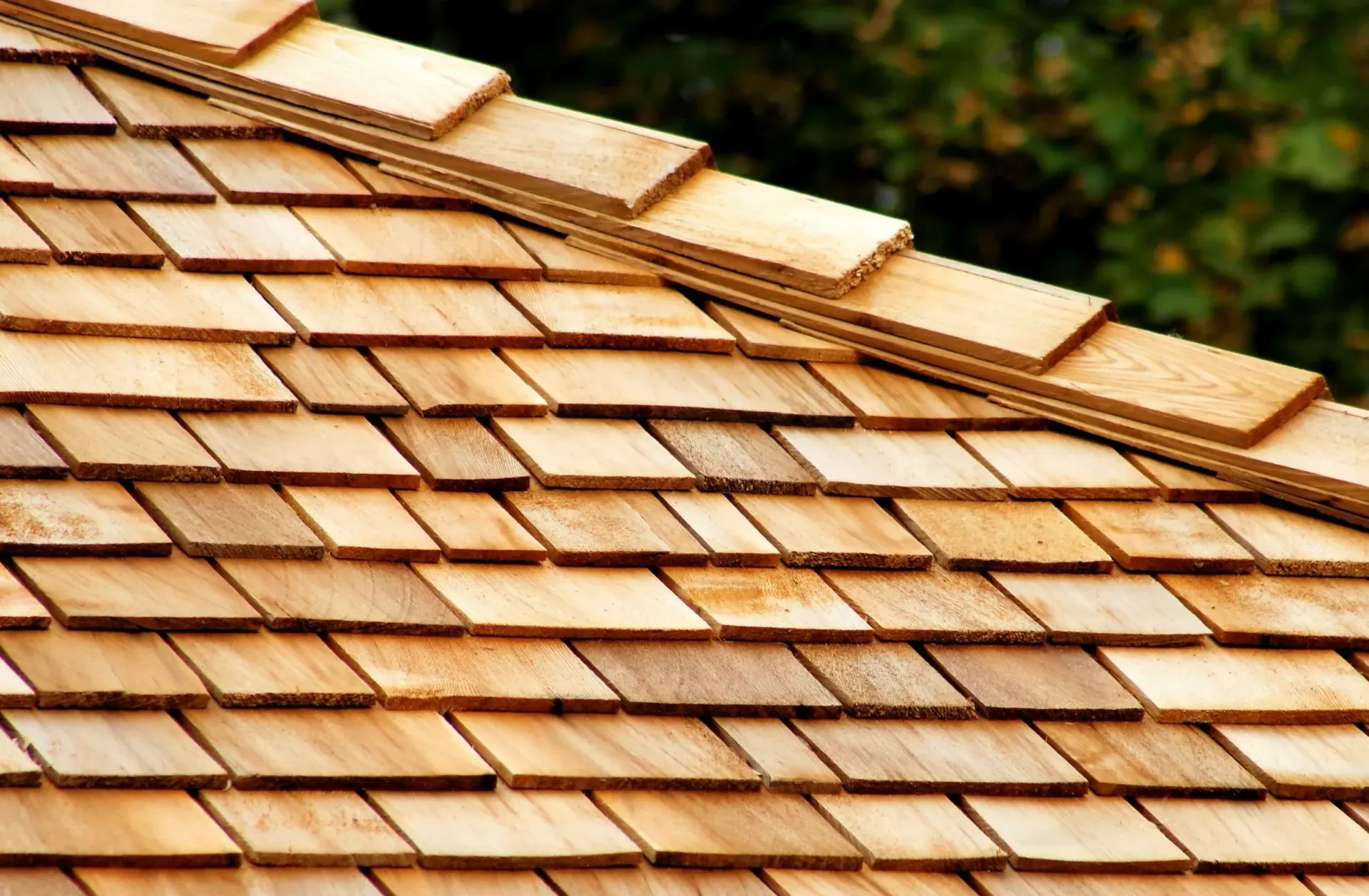
Cedar roofs offer distinctive aesthetics but demand diligent upkeep in BC’s moisture-rich environment. Moss and algae growth deteriorates surfaces but responds to regular cleaning and preventive treatments. Annual professional roof washing in British Columbia removes organic growth before it compromises wood integrity.
Comparing cedar versus asphalt in BC rain reveals maintenance trade-offs where cedar demands more frequent attention but offers superior natural beauty and ventilation properties that some homeowners prioritise.
Pro Tip: Apply zinc or copper strips along ridge lines to prevent moss growth naturally. Rain washes metal ions down the roof surface, creating an environment hostile to organic growth without harsh chemicals.
| Material | Inspection Frequency | Primary Concerns | Typical Lifespan BC |
|---|---|---|---|
| Asphalt Shingles | Biannual | Granule loss, curling, moss | 15 to 25 years |
| Metal | Annual | Fastener integrity, sealant | 40 to 70 years |
| Cedar Shakes | Quarterly | Moss, splitting, rot | 20 to 40 years |
| Composite | Biannual | Fading, cracking | 30 to 50 years |
Professional roof inspections and when to call for help
Knowing your maintenance limits protects both your safety and your roof’s integrity. Whilst homeowners can competently perform many routine tasks, certain situations demand professional expertise and equipment.
Annual professional inspections identify subtle issues that escape untrained observation. Professionals assess structural components, measure remaining material life accurately, and detect early failure patterns invisible from ground level. This investment typically costs $200 to $400 but prevents repairs costing thousands.
Clear indicators you need professional help immediately:
- Water stains on interior ceilings or walls
- Sagging roof deck visible from inside attic space
- Multiple missing or severely damaged shingles after storms
- Daylight visible through roof boards from attic
- Age approaching or exceeding typical material lifespan
Safety limits for DIY maintenance:
Never attempt roof work beyond your skill level or comfort zone. Falls from roofs cause serious injuries annually across BC. If your roof pitch exceeds 6:12, features multiple levels, or requires walking on wet surfaces, hire professionals with proper fall protection systems.
Complex repairs involving structural components, extensive flashing replacement, or valley rework demand specialised knowledge. Improper repairs often cause more damage than the original problem, creating warranty issues and voiding insurance coverage in some cases.
Balancing repair costs against key roof replacement considerations for Vancouver homes requires honest professional assessment. Roofs approaching end-of-life often suffer multiple minor failures where cumulative repair costs exceed replacement value. Professionals provide objective analysis free from emotional attachment to existing roofs.
Summary comparison and situational recommendations
Consolidating maintenance knowledge into actionable guidance helps you develop a realistic, effective roof care routine matched to your specific situation.
Universal best practices for all BC homeowners:
- Clean gutters at least twice annually, more frequently under large trees
- Perform visual ground-level inspections quarterly after major storms
- Address minor issues immediately before they escalate
- Maintain detailed records of all maintenance, repairs, and inspections
- Budget annually for professional inspection and minor repairs
Tailored recommendations by roof age and condition:
| Roof Age | Inspection Frequency | Professional Service | Priority Tasks |
|---|---|---|---|
| 0 to 5 years | Annual visual | Every 2 to 3 years | Gutter cleaning, debris removal |
| 5 to 15 years | Biannual detailed | Annual professional | Monitor material condition, sealant |
| 15 to 25 years | Quarterly inspection | Biannual professional | Plan replacement, emergency repairs |
| Over 25 years | Monthly monitoring | Quarterly professional | Immediate replacement consideration |
Proper maintenance extends roof lifespan significantly whilst reducing emergency repair frequency. BC homeowners investing in preventive care typically save 40% to 60% over roof lifetime compared to reactive maintenance approaches that ignore minor issues until they become major failures.
Your specific maintenance plan should reflect your roof’s material type, age, surrounding environment, and your comfort level with heights and DIY work. When uncertainty arises, consulting professionals provides clarity and prevents costly mistakes born from well-intentioned but misguided repair attempts.
Protect your roof with expert care from Paragon Roofing BC
Maintaining your roof properly requires knowledge, time, and sometimes expertise beyond typical homeowner capabilities. When your inspection reveals issues needing professional attention, or you prefer expert oversight for routine maintenance, Paragon Roofing BC delivers reliable solutions tailored to BC’s unique climate challenges.

Our experienced team provides comprehensive roof repair services addressing everything from minor leak fixes to extensive storm damage restoration. When your roof approaches the end of its functional life, we offer expert replacement roofing services using premium materials matched to your home’s needs and your budget.
Whether you’re considering asphalt shingles for their proven performance and value, or exploring other material options, our team guides you through decisions that protect your investment for decades. Contact us today for a professional assessment that gives you confidence in your roof’s condition and clear direction for optimal care.
Frequently asked questions
How often should I inspect my roof in British Columbia?
Inspect your roof twice annually, ideally in spring after winter weather and again in fall before rainy season arrives. These biannual checks catch damage early whilst giving you time to schedule repairs during favourable weather. Supplement formal inspections with quick visual checks after major storms.
What can I do to prevent ice dams in BC winters?
Ensure your attic insulation meets current BC building code R-values, typically R-50 or higher for ceiling areas. Maintain proper ventilation through soffit and ridge vents that allow continuous cold airflow. Seal air leaks between your living space and attic to prevent warm air from reaching the roof deck.
When should I call a professional roofer instead of doing it myself?
Hire professionals for repairs involving structural components, work on steep pitches exceeding 6:12 slope, or any situation where you feel unsafe. Annual professional inspections catch issues that DIY checks miss, potentially saving thousands in prevented damage. Complex repairs and all replacement work demand professional expertise and proper safety equipment.