7 Essential Flat Roof Types for Vancouver Properties
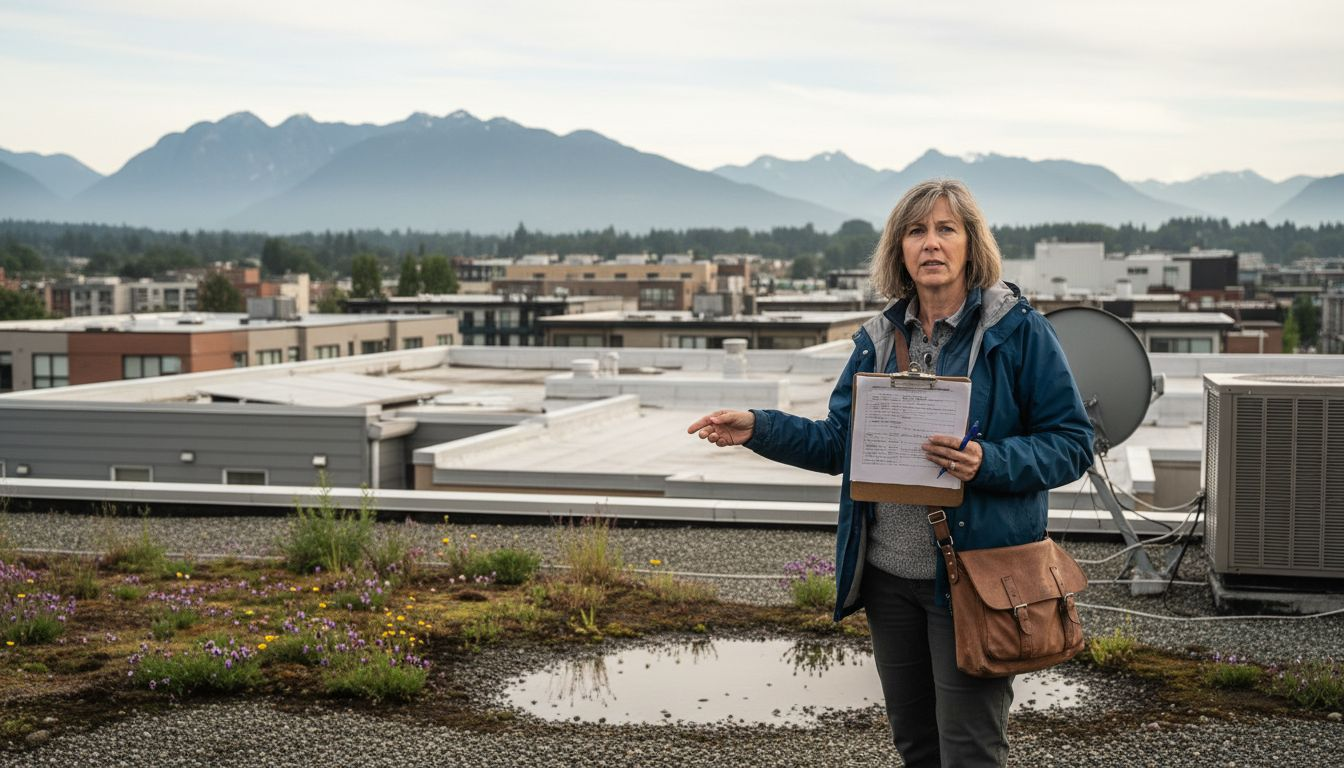
Deciding which flat roof type will truly protect your Vancouver property can feel overwhelming. The city’s coastal climate brings high rainfall, temperature swings, and the persistent threat of moisture damage, making your choice especially important. You need real solutions that work for Vancouver, not just generic suggestions. This guide reveals the exact features and benefits of every major flat roof option—so you can confidently pick a system that stands up to local weather and delivers lasting value. Discover specific insights that show how each roof type tackles common challenges, with practical tips for long-term durability and cost savings.
Table of Contents
- 1. Built-Up Roofs: Proven Longevity for Harsh Weather
- 2. Modified Bitumen Roofs: Balance Strength and Flexibility
- 3. EPDM Roofs: Reliable and Low-Maintenance Option
- 4. TPO Roofs: Energy-Efficient and Cost-Effective Solution
- 5. PVC Roofs: Durability with Superior Leak Protection
- 6. Green Roofs: Eco-Friendly Benefits for Urban Properties
- 7. Choosing the Right Flat Roof Type for Vancouver Climate
Quick Summary
| Key Insight | Explanation |
|---|---|
| 1. Choose Built-Up Roofs for Durability | Built-up roofs provide superior water resistance and can last 25-30 years, ideal for Vancouver’s climate. |
| 2. Modified Bitumen Offers Flexibility | This roofing type excels in cold temperatures and self-seals minor punctures, ensuring effective long-term protection. |
| 3. EPDM Roofing is Low-Maintenance | EPDM systems are not only durable but require minimal upkeep, making them a practical choice for property owners. |
| 4. TPO is Best for Energy Efficiency | TPO roofing reduces heat absorption and cooling costs significantly during warmer months, promoting overall energy savings. |
| 5. Green Roofs Enhance Urban Sustainability | They improve air quality, manage rainwater, and support biodiversity, making them a beneficial addition to urban properties. |
1. Built-Up Roofs: Proven Longevity for Harsh Weather
Built-up roofs represent a rock-solid solution for Vancouver properties battling relentless coastal weather conditions. These multi-layered roofing systems have been protecting commercial and industrial buildings across British Columbia for decades.
Also known as tar and gravel roofs, built-up roofing (BUR) consists of multiple alternating layers of bitumen and reinforcing fabrics that create an incredibly durable membrane. The layered membrane design provides exceptional protection against our region’s challenging climate.
Key advantages of built-up roofs include:
- Superior water resistance
- Excellent UV protection
- Proven performance in freeze-thaw cycles
- Outstanding durability (25-30 year lifespan)
- Strong resistance to wind uplift
A well-installed built-up roof can withstand Vancouver’s harshest weather while providing consistent, reliable protection.
The construction process involves carefully applying multiple layers of bitumen (usually asphalt or coal tar) and reinforcing materials like fibreglass or polyester. These layers are heated and compressed to create a seamless, monolithic membrane that forms an incredibly strong protective shield.
In our Lower Mainland environment, built-up roofs excel at managing moisture. The multiple layers and gravel surfacing help reflect sunlight, regulate surface temperature, and prevent water penetration - critical factors in our wet coastal climate.
Professional tip: Have your built-up roof professionally inspected every 3-5 years to identify and address potential wear points before they become significant issues.
2. Modified Bitumen Roofs: Balance Strength and Flexibility
Modified bitumen roofing represents a sophisticated solution for property owners seeking reliable flat roof performance in Vancouver’s challenging climate. These advanced roofing systems combine remarkable engineering with practical durability.
Designed with polymer-enhanced asphalt technology, modified bitumen roofs integrate reinforcing materials like fibreglass or polyester to create an exceptional protective barrier. Torch-on roofing techniques enable seamless installation that provides superior protection against moisture and temperature variations.
Key performance characteristics include:
- Exceptional flexibility in cold temperatures
- High resistance to UV degradation
- Outstanding mechanical damage protection
- Extended lifespan (20-30 years)
- Self-sealing capabilities for minor punctures
Modified bitumen roofing transforms traditional asphalt technology into a robust, adaptable roofing solution.
The polymer modification process dramatically improves the base asphalt’s performance. Elastomeric properties allow these membranes to expand and contract without compromising structural integrity - a critical feature in our region’s dramatic temperature swings.
For Vancouver properties, modified bitumen roofs offer remarkable resilience against persistent rainfall, occasional snow loads, and intense UV exposure. The multilayered construction creates a virtually impenetrable barrier that protects your building investment.
Professional tip: Schedule professional inspections every 3-4 years to detect and address potential membrane weaknesses before they develop into significant repair requirements.
3. EPDM Roofs: Reliable and Low-Maintenance Option
EPDM (Ethylene Propylene Diene Monomer) roofing represents a game-changing solution for Vancouver property owners seeking dependable, low-maintenance flat roof coverage. This synthetic rubber membrane offers exceptional performance in our region’s challenging coastal climate.
Engineered from high-quality synthetic rubber, EPDM roofing systems provide remarkable durability and resilience against Vancouver’s unpredictable weather patterns. The material’s unique composition allows it to withstand extreme temperature fluctuations, heavy rainfall, and intense UV exposure.
Key advantages of EPDM roofing include:
- Outstanding weather resistance
- Exceptional longevity (25-30 year lifespan)
- Minimal maintenance requirements
- High flexibility in temperature ranges
- Cost-effective installation
- Environmentally friendly material
EPDM roofing transforms commercial and residential flat roof protection with its unparalleled durability and performance.
The membrane’s remarkable elasticity allows it to expand and contract without compromising structural integrity. Seamless installation techniques mean fewer potential failure points compared to traditional roofing materials. This characteristic is particularly valuable in our region’s dynamic climate, where temperature shifts can stress lesser roofing systems.
Unlike other roofing materials, EPDM demonstrates remarkable resistance to ozone, ultraviolet radiation, and extreme temperature variations. Its synthetic composition ensures consistent performance whether facing Vancouver’s rainy winters or occasional summer heat waves.
Professional tip: Consider choosing darker EPDM membranes to enhance heat absorption during cooler months, potentially reducing your building’s overall heating requirements.
4. TPO Roofs: Energy-Efficient and Cost-Effective Solution
TPO (Thermoplastic Polyolefin) roofing represents a cutting-edge solution for Vancouver property owners seeking an intelligent blend of performance and sustainability. This advanced roofing membrane offers unprecedented energy efficiency and long-term cost savings.
Engineered with white reflective surface technology, TPO roofing systems dramatically reduce heat absorption and minimise cooling expenses during Vancouver’s warmer months. The material’s innovative composition provides exceptional thermal regulation and environmental benefits.
Key advantages of TPO roofing include:
- Superior energy efficiency
- Excellent heat reflectivity
- Outstanding UV resistance
- Environmentally sustainable design
- Competitive installation costs
- Lightweight membrane structure
- High puncture and tear resistance
TPO roofing transforms commercial flat roof performance with its intelligent design and cost-effective approach.
Unlike traditional roofing materials, TPO membranes are heat-welded during installation, creating a seamless and exceptionally strong protective barrier. Precision welding techniques eliminate potential water infiltration points common in other roofing systems.
In Vancouver’s variable climate, TPO roofing demonstrates remarkable adaptability. The membrane maintains its structural integrity through temperature fluctuations, providing consistent protection against moisture, wind, and UV exposure.
Professional tip: Choose white or light-coloured TPO membranes to maximise solar reflectivity and reduce your building’s overall cooling expenses.
5. PVC Roofs: Durability with Superior Leak Protection
PVC (Polyvinyl Chloride) roofing represents a pinnacle of engineering for Vancouver property owners seeking uncompromising protection against moisture and environmental challenges. This advanced roofing membrane delivers exceptional durability and leak prevention in our region’s demanding climate.
Comparison with other roofing materials reveals PVC’s remarkable superiority in leak resistance and long-term performance. Thermowelded seam technology ensures an incredibly robust and watertight roofing system that can withstand Vancouver’s intense rainfall and temperature variations.
Key advantages of PVC roofing include:
- Exceptional water resistance
- Superior chemical stability
- Remarkable puncture protection
- Extended service life (25-30 years)
- High solar reflectivity
- Low maintenance requirements
- Fire-resistant properties
PVC roofing transforms flat roof protection with its engineered resilience and comprehensive performance.
Unlike traditional roofing materials, PVC membranes feature a unique composition that resists degradation from UV exposure, chemical interactions, and mechanical stress. The material’s inherent flexibility allows it to adapt to structural movements without compromising its protective integrity.
For Vancouver properties subjected to frequent moisture challenges, PVC roofing offers an unparalleled defence mechanism. Its seamless installation and heat-welded connections eliminate potential water infiltration points that plague other roofing systems.
Professional tip: Schedule annual professional inspections to maintain your PVC roof’s warranty and detect potential issues before they escalate into costly repairs.
6. Green Roofs: Eco-Friendly Benefits for Urban Properties
Green roofs represent a revolutionary approach to urban sustainability transforming Vancouver’s architectural landscape. These innovative roofing systems are more than just aesthetic additions - they are powerful environmental solutions that deliver multiple benefits for urban properties.
Sustainable roofing strategies have evolved dramatically, with green roofs emerging as a sophisticated method to address urban environmental challenges. Multilayered vegetation systems create living, breathing roof ecosystems that provide substantial ecological advantages.
Key benefits of green roofs include:
- Significant urban heat reduction
- Enhanced rainwater management
- Improved local air quality
- Increased urban biodiversity
- Natural insulation for buildings
- Noise reduction capabilities
- Extended roof membrane lifespan
Green roofs transform urban spaces from passive infrastructure into active environmental assets.
The construction involves carefully engineered layers: a waterproof membrane, root barrier, drainage system, filter cloth, growing medium, and carefully selected plant species. This sophisticated design ensures structural integrity while supporting a thriving microecosystem.
In Vancouver’s progressive urban environment, green roofs contribute to climate resilience by managing stormwater runoff, reducing the urban heat island effect, and creating habitats for local pollinators. They represent a tangible solution to environmental sustainability that goes beyond traditional roofing approaches.
Professional tip: Consult local ecological experts to select native plant species that will thrive in your specific microclimate and provide maximum environmental benefits.
7. Choosing the Right Flat Roof Type for Vancouver Climate
Selecting the optimal flat roof system for Vancouver properties requires careful consideration of our unique coastal climate and environmental challenges. Property managers and owners must balance performance, durability, and long-term cost-effectiveness.
Flat roofing strategies demand a nuanced understanding of how different roofing materials respond to our region’s complex weather patterns. Climate-specific material selection becomes crucial in preventing premature roof failure.
Key selection criteria include:
- Moisture resistance capabilities
- UV and temperature durability
- Snow and wind load performance
- Thermal insulation properties
- Installation and maintenance costs
- Environmental sustainability
- Expected service life
The right flat roof is not just a covering but a strategic investment in your property’s long-term resilience.
Vancouver’s coastal environment presents unique challenges including high rainfall, occasional snow loads, temperature fluctuations, and persistent moisture. Comprehensive performance analysis helps identify the most suitable roofing solution for your specific building requirements.
Each roofing type offers distinct advantages - from the energy efficiency of TPO to the durability of PVC and the ecological benefits of green roofs. Your specific building use, budget, and environmental goals will ultimately guide the most appropriate selection.
Professional tip: Consult professional roofing specialists who understand local climate dynamics to conduct a comprehensive roof system assessment tailored to your specific property needs.
Below is a comprehensive table summarizing the features, benefits, and considerations across various flat roof systems discussed throughout the article.
| Roof Type | Key Features | Advantages | Professional Advice |
|---|---|---|---|
| Built-Up Roofs (BUR) | Multi-layered protection using bitumen and fabrics | Durable (25–30 years), UV and water-resistant | Inspect every 3–5 years |
| Modified Bitumen Roofs | Polymer-enhanced asphalt with seamless torch-on technique | Flexible in cold, UV-resistant, self-sealing | Inspect every 3–4 years |
| EPDM Roofs | Synthetic rubber membrane offering flexibility and longevity | Low maintenance, environmentally friendly, cost-effective | Choose darker membranes for better heat absorption |
| TPO Roofs | Advanced energy-efficient membrane with reflective surfaces | Heat reflective, UV-stable, durable installation | Opt for light colours to maximize solar reflectivity |
| PVC Roofs | Robust thermowelded seams ensure water-tightness | Leak-resistant, UV and chemical-resistant, fireproof | Conduct annual inspections to maintain warranty |
| Green Roofs | Multi-layered vegetation with waterproofing and drainage | Enhances insulation, reduces urban heat, manages rainwater | Consult experts to select appropriate local plant species |
Each roofing system offers unique strengths tailored to different requirements suitable for Vancouver’s climate, building applications, and sustainability goals.
Protect Your Vancouver Flat Roof with Expert Solutions from Paragon Roofing BC
Understanding the unique challenges of Vancouver’s coastal climate is essential when selecting the right flat roof system. Whether you face issues like moisture infiltration, UV damage, or temperature fluctuations, choosing the ideal roofing material such as built-up, modified bitumen, EPDM, or TPO can save you costly repairs and provide peace of mind.
At Paragon Roofing BC, we specialise in tailored roof installation, maintenance, and inspections that match your building’s specific needs. Our expertise with diverse roofing types ensures superior protection against harsh weather while enhancing energy efficiency and durability. Discover how we help property owners, managers, and business leaders secure their investments with trusted roofing services.
Ready to strengthen your flat roof against Vancouver’s unpredictable weather? Contact us today to schedule a free inspection or consultation. Visit Paragon Roofing BC to learn more about our comprehensive roofing services and let our professionals guide you to the perfect roofing solution.
Frequently Asked Questions
What are the main types of flat roofs suitable for Vancouver properties?
The main types of flat roofs suitable for Vancouver properties include Built-Up Roofs, Modified Bitumen Roofs, EPDM Roofs, TPO Roofs, PVC Roofs, and Green Roofs. Each type offers unique benefits tailored to the local climate conditions.
How can I determine which flat roof type is best for my property in Vancouver?
To determine the best flat roof type for your property, assess your specific needs, such as moisture resistance, energy efficiency, and expected lifespan. Schedule a consultation with a professional roofing specialist who can evaluate your property and recommend the most suitable roofing system.
What maintenance is required for different flat roof types in Vancouver?
Maintenance for flat roof types varies; generally, it involves periodic inspections and cleaning debris from the surface. For optimal performance, schedule professional inspections every 3-5 years for Built-Up and Modified Bitumen roofs, and annually for PVC and Green roofs to address any potential issues early.
How do flat roofs perform in Vancouver’s climate compared to sloped roofs?
Flat roofs are designed to handle Vancouver’s wet climate effectively, particularly with modern materials that resist moisture and UV damage. However, they require careful installation and maintenance to manage water drainage, unlike sloped roofs that naturally shed water, thus requiring a different approach in upkeep.
What are the cost implications of installing a flat roof in Vancouver?
The cost of installing a flat roof in Vancouver depends on the chosen material, installation complexity, and building size. Be prepared for an initial investment, and consult with roofing specialists to receive detailed estimates based on your specific property needs and to strategize costs effectively over time.
Are there any environmental benefits to choosing a green roof for my property?
Yes, green roofs offer significant environmental benefits, such as improved air quality, urban heat reduction, and enhanced biodiversity. To maximize these benefits, consider selecting native plant species tailored to your local microclimate during the installation phase.