7 Essential Roof Maintenance Tips for BC Homeowners
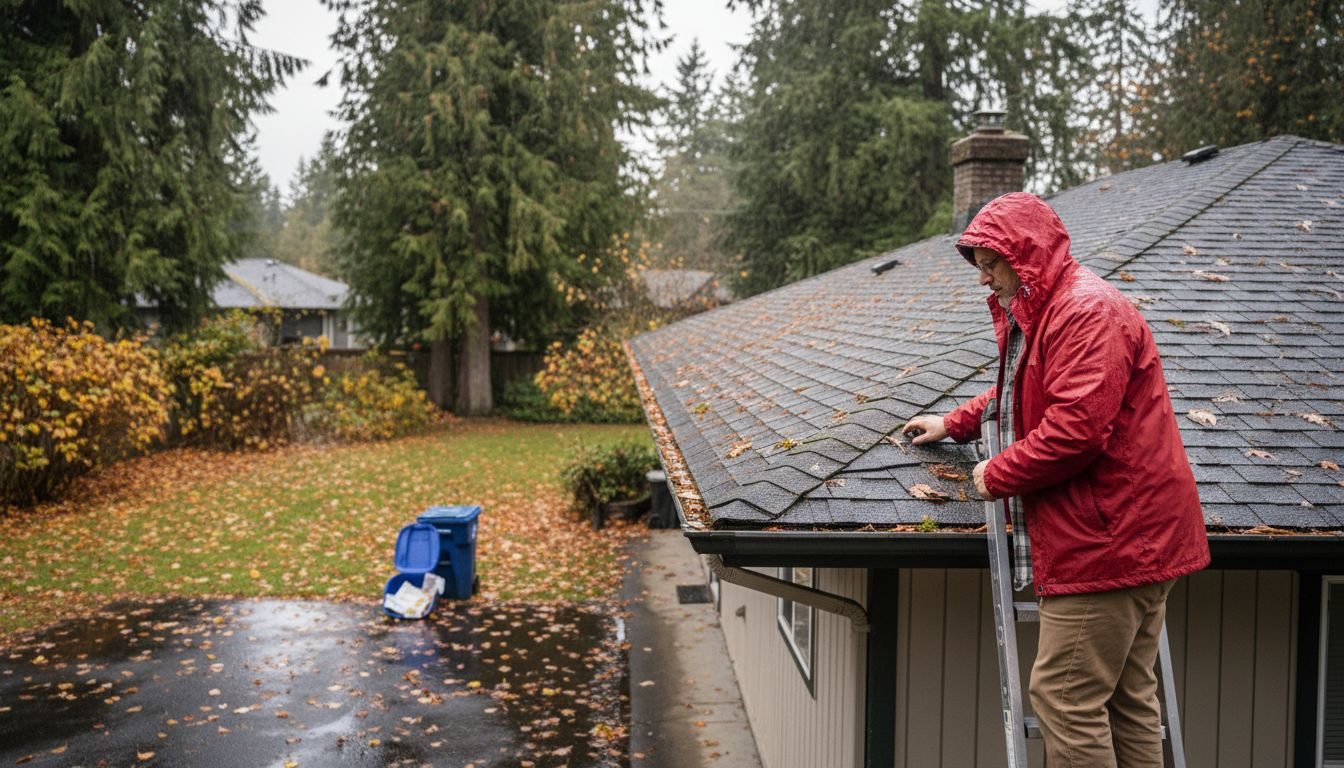
Dealing with British Columbia’s wet climate can put your roof to the test. Rain, wind, and snow quickly wear down shingles, clog gutters, and create perfect conditions for leaks. If you wait until you see water spots on the ceiling, you’ve already missed your chance to catch the small issues that lead to big repairs.
This guide delivers clear, practical steps to help you keep your roof in top shape all year long. You’ll learn the smartest ways to spot trouble before it starts, protect your home from water damage, and avoid unnecessary repair bills.
Discover targeted maintenance tips that can make the difference between a simple checkup and a major, expensive fix.
Table of Contents
- Inspect Shingles For Damage Regularly
- Clear Debris From Roof And Gutters
- Check Flashing And Sealants For Leaks
- Trim Overhanging Tree Branches Safely
- Look For Signs Of Moss And Algae Growth
- Monitor Attic Ventilation And Insulation
- Schedule Professional Roof Inspections Annually
Quick Summary
| Takeaway | Explanation |
|---|---|
| 1. Inspect Shingles Biannually | Regular inspections catch damage early, helping to avoid costly repairs. Look for cracks, curling edges, or dark spots on shingles. |
| 2. Clean Roof and Gutters Twice Annually | Clearing debris prevents water buildup, which can lead to leaks. Focus cleaning in late autumn and early spring for best results. |
| 3. Check Flashing and Sealants Often | Regularly inspect flashing around chimneys and skylights for cracks. Sealing gaps promptly prevents water intrusion into your home. |
| 4. Maintain Tree Clearance | Trim overhanging branches to prevent roof damage. Maintain at least a 3-metre distance to protect roofing materials from wear. |
| 5. Schedule Annual Professional Inspections | Professional roof assessments identify hidden issues and provide recommendations. Schedule inspections before heavy rainfall seasons for maximum effectiveness. |
1. Inspect Shingles for Damage Regularly
Protecting your roof starts with regular shingle inspections - a critical maintenance task that can save you thousands in potential repair costs. In British Columbia’s challenging climate, where we experience everything from heavy rainfall to freezing temperatures, your roof takes a serious beating.
Homeowners should inspect roof shingles biannually to catch potential issues early. During these inspections, look for these key warning signs:
- Cracked or broken shingles
- Curling shingle edges
- Missing granules on asphalt shingles
- Visible dark spots or discolouration
- Shingles that appear warped or buckled
These subtle signs often indicate underlying damage that could compromise your entire roofing system. Water can quickly penetrate through even small imperfections, leading to rot, mould growth, and structural deterioration.
Small shingle issues today can become massive repair expenses tomorrow.
If you are uncomfortable performing a thorough roof inspection yourself, consider hiring a professional roofing specialist who can provide a comprehensive assessment. Professional inspectors have the expertise to spot subtle damage that untrained eyes might miss.
Pro tip: Schedule your roof inspections during mild weather conditions in spring and fall for the most accurate assessment of your roof’s condition.
2. Clear Debris from Roof and Gutters
Maintaining a clean roof and gutter system is crucial for protecting your home from potential water damage and structural issues. In British Columbia’s wet climate, where rainfall is abundant, preventing debris accumulation becomes even more critical.
Debris like fallen leaves, branches, moss, and pine needles can quickly build up on your roof and in your gutters. This accumulation creates several significant problems:
- Blocks water drainage pathways
- Creates potential moisture trapping zones
- Encourages moss and algae growth
- Adds unnecessary weight to your roofing system
- Increases risk of water damage and leaks
During autumn and winter months, your roof is particularly vulnerable to debris buildup. Leaves and branches can create dams that prevent proper water flow, potentially causing water to seep under shingles and into your home’s structure.
Neglected gutters can transform from a simple maintenance issue into a costly home repair nightmare.
To effectively manage debris, homeowners should perform thorough cleaning at least twice annually - ideally in late autumn after leaf fall and early spring before the rainy season begins. Use a sturdy ladder, wear non-slip shoes, and consider using gutter cleaning tools that allow you to remove debris safely from ground level.
Pro tip: Consider installing gutter guards to significantly reduce debris accumulation and minimise the frequency of manual cleaning.
3. Check Flashing and Sealants for Leaks
Flashing and sealants are your roof’s critical defence against water infiltration. In British Columbia’s damp climate, where moisture can be relentless, checking roof penetration points is not just recommended it’s essential.
Flashing refers to the thin metal strips installed around roof transitions like chimneys, skylights, and vent pipes. These areas are notorious for potential leaks. When flashing degrades or loses its seal, water can easily penetrate your home’s protective envelope.
Key areas requiring meticulous inspection include:
- Chimney base connections
- Skylight perimeters
- Roof vent surroundings
- Dormer window edges
- Pipe and utility line penetrations
Cracks in sealants or corrosion on metal flashing create immediate water entry points. Even tiny gaps can lead to significant moisture damage over time, potentially compromising your home’s structural integrity.
A small leak today can become a catastrophic repair tomorrow.
Homeowners should conduct visual inspections during dry periods. Look for discolouration, gaps, or any signs of separation between flashing and roofing materials. When in doubt, consult a professional roofing specialist who can provide a comprehensive assessment.
Pro tip: Use a high-quality silicone-based sealant designed for exterior use when performing minor repairs, and always apply during dry weather conditions.
4. Trim Overhanging Tree Branches Safely
Protecting your roof from potential tree-related damage requires proactive maintenance and strategic pruning. In British Columbia’s lush landscapes, where mature trees are abundant, managing tree branches near rooflines is crucial for preventing unnecessary wear and potential structural damage.
Overhanging branches pose multiple risks to your roofing system. During windstorms or heavy snowfall common in our region, these branches can scrape against shingles, break off, and cause significant damage to your roof’s protective surface.
Key considerations for safe tree branch management include:
- Maintain a minimum 3-metre clearance from roof
- Remove dead or weakened branches first
- Prune during dormant seasons
- Use proper cutting techniques
- Consider professional arborist assistance
Branches that continuously rub against roofing materials can wear down protective granules on asphalt shingles, compromise waterproofing, and create entry points for moisture. This continuous abrasion accelerates roof degradation and increases the likelihood of leaks.
A well-pruned tree is your roof’s best defence against unexpected damage.
If you are uncomfortable with heights or lack proper tree-trimming equipment, consider hiring a professional arborist who can safely manage branch removal while preserving the tree’s health.
Pro tip: Invest in telescoping pruning tools with curved cutting heads to safely trim branches from ground level, reducing personal risk and potential roof damage.
5. Look for Signs of Moss and Algae Growth
In British Columbia’s damp coastal environment, your roof becomes a prime breeding ground for moss and algae. Understanding how to identify and address growth patterns is critical for maintaining your roof’s structural integrity and aesthetic appeal.
Moss and algae thrive in moist climates characterised by high humidity and limited direct sunlight. These organisms can quickly colonize roofing surfaces, particularly on north-facing slopes or areas shaded by surrounding trees.
Warning signs of moss and algae infestation include:
- Green or dark streaky patches
- Fuzzy textured areas on shingles
- Discolouration around roof edges
- Visible moisture retention zones
- Dark stains spreading across roofing materials
Left untreated, moss can lift and separate shingle edges, creating pathways for water infiltration. Its root systems can penetrate and compromise the protective granular surface of asphalt shingles, accelerating roof degradation.
Moss is more than an aesthetic problem it’s a structural threat to your roof.
While some homeowners attempt DIY cleaning, professional treatment ensures thorough removal without damaging roofing materials. Pressure washing or aggressive scraping can cause more harm than good.
Pro tip: Apply zinc or copper-based moss prevention treatments during dry seasons to create an inhospitable environment for future growth.
6. Monitor Attic Ventilation and Insulation
Attic ventilation is the unsung hero of roof health in British Columbia’s challenging climate. Understanding how to monitor attic conditions effectively can prevent costly damage and extend your roof’s lifespan.
In our coastal region, where humidity and temperature fluctuations are common, proper attic ventilation prevents moisture buildup and temperature-related structural stress. An improperly ventilated attic creates a perfect environment for mould growth, wood rot, and premature shingle deterioration.
Critical signs of ventilation problems include:
- Condensation on attic surfaces
- Musty odours in the attic space
- Frost accumulation during winter
- Visible mould or mildew patches
- Uneven snow melt patterns on the roof
Proper ventilation requires a balanced system of intake and exhaust vents. This allows continuous air circulation that removes excess moisture and regulates temperature, preventing heat and moisture from becoming trapped.
A well-ventilated attic is your first line of defence against roof deterioration.
Homeowners should conduct visual inspections twice annually checking for signs of moisture damage insulation gaps or blocked ventilation points. While some checks can be done independently a professional assessment provides comprehensive insights.
Pro tip: Consider using a digital hygrometer to monitor attic humidity levels and maintain them between 30 and 50 percent for optimal roof health.
7. Schedule Professional Roof Inspections Annually
Annual professional roof inspections are your most strategic defence against unexpected and costly roofing repairs. In British Columbia’s challenging climate, comprehensive roof assessments can save you thousands in potential damage mitigation.
Professional roof inspectors bring expertise that goes far beyond what the average homeowner can detect. They use specialised equipment and techniques to identify subtle issues that could compromise your roof’s structural integrity before they become major problems.
Key benefits of professional roof inspections include:
- Early detection of potential leak points
- Assessment of shingle condition
- Evaluation of structural integrity
- Identification of hidden moisture damage
- Recommendations for preventative maintenance
In the Lower Mainland, where rainfall is abundant and weather conditions can be harsh, professional inspections become even more critical. Your roof endures significant stress from constant moisture exposure, temperature variations, and potential wind damage.
A 30-minute professional inspection can prevent thousands of dollars in potential repairs.
While some homeowners attempt DIY inspections, professional roofers have the training to spot microscopic damage indicators that untrained eyes might completely miss. They understand the nuanced ways British Columbia’s unique climate impacts roofing materials.
Pro tip: Schedule your annual roof inspection during early autumn to assess any summer damage and prepare your roof for the upcoming rainy season.
Below is a detailed table summarizing key points and actions for roof maintenance as discussed in the article, using canadian English spelling exclusively.
| Maintenance Aspect | Actions | Importance/Outcome |
|---|---|---|
| Inspect Shingles | Check for cracks, curling, warped edges, or discolouration twice a year. | Early detection prevents costly damage such as water infiltration. |
| Clear Roof and Gutters | Remove leaves, branches, and moss biannually; use tools for safe gutter cleaning. | Avoids water blockages, minimising risks of leaks or roof damage. |
| Maintain Flashing and Sealants | Inspect all flashing and sealants for gaps or corrosion, and repair with appropriate sealants. | Ensures water resistance and integrity of roof penetration points, preventing moisture damage. |
| Trim Overhanging Branches | Prune surrounding trees near the roof, maintaining a clearance of 3 metres. | Reduces risk of branches causing roof degradation during inclement weather. |
| Control Moss and Algae | Monitor for moss growth, using copper-based treatments during dry seasons. | Prevents structural issues arising from moisture retention caused by moss infiltration. |
| Optimise Attic Conditions | Check ventilation and insulation in the attic, monitoring for moisture and airflow concerns. | Regulates temperature and moisture balance, extending roof lifespan. |
| Schedule Professional Inspections | Hire experts to evaluate the roof’s condition annually, particularly after extreme weather. | Identifies invisible concerns early and ensures comprehensive upkeep aligned with regional climate. |
Protect Your British Columbia Home with Trusted Roof Maintenance Solutions
Maintaining your roof in BC’s demanding climate requires expert care to address issues like damaged shingles, blocked gutters, and moss growth early on. This article highlights critical pain points such as inspecting flashing for leaks, trimming overhanging branches, and ensuring proper attic ventilation — all essential to preventing costly repairs and preserving your roof’s lifespan. At Paragon Roofing BC, we understand these challenges and offer comprehensive services including professional roof inspections, reliable repairs, and proactive maintenance tailored to your needs.

Don’t wait for small problems to turn into expensive damage. Contact Paragon Roofing BC today to schedule your professional roof assessment and take advantage of our expert guidance on asphalt shingles, metal roofing, and more. Learn how our trusted team safeguards homes across Vancouver and beyond with top-quality solutions by visiting our home page. Secure your peace of mind with a free inspection and detailed consultation — because your roof deserves the best protection now.
Frequently Asked Questions
How often should I inspect my roof shingles in British Columbia?
To maintain your roof’s health, inspect your shingles biannually. Schedule these checks during mild weather conditions in spring and fall to identify issues like cracks or missing granules early.
What should I do to keep my roof and gutters clear of debris?
Clear debris from your roof and gutters at least twice a year, ideally in late autumn and early spring. Remove leaves, branches, and moss to prevent water damage and maintain effective water drainage.
How can I check for leaks around roof flashing and sealants?
Inspect flashing and sealants visually during dry periods, focusing on areas around chimneys, skylights, and vents. Look for cracks or discolouration, and repair any discovered issues promptly to prevent water infiltration.
What steps should I take to manage overhanging tree branches?
Maintain a minimum 3-metre clearance between tree branches and your roof. Trim any dead or weakened branches, especially during dormant seasons, to protect your roofing material from potential damage.
How can I identify moss and algae growth on my roof?
Look for green or dark streaky patches, particularly on shaded areas or north-facing slopes. If you notice signs of moss or algae, plan to apply a moss prevention treatment during dry seasons to inhibit future growth.
Why is attic ventilation important for my roof’s health?
Proper attic ventilation prevents moisture buildup and regulates temperature, reducing the risk of mould and structural damage. Monitor the humidity levels in your attic, aiming to keep them between 30% and 50% for optimal health.