Industrial Roofing Explained: Solutions, Types, and Impact
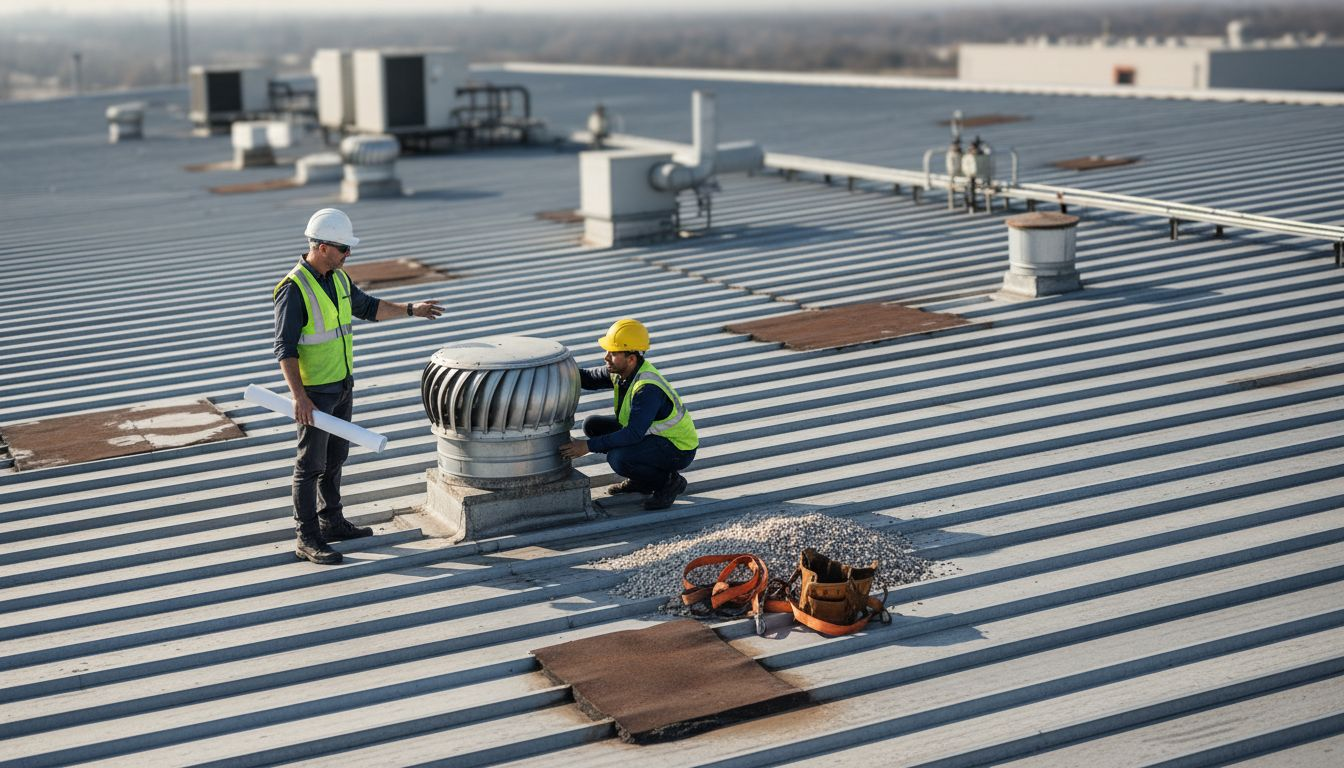
Leaky ceilings and rising energy costs cause major headaches for property managers across the Lower Mainland. When protecting high-value assets in British Columbia’s unpredictable climate, choosing the right industrial roofing system is about more than basic coverage. Industrial roofing standards guide every step from material selection to installation, helping facilities meet safety and performance requirements. This overview will help you break down system types, materials, and compliance issues so your buildings stay secure, efficient, and up to code.
Table of Contents
- Defining Industrial Roofing And Its Purpose
- Major Types Of Industrial Roofing Systems
- Construction Materials And Performance Factors
- Installation Methods And Maintenance Practices
- Compliance, Safety, And Cost Considerations
Key Takeaways
| Point | Details |
|---|---|
| Industrial Roofing’s Purpose | Industrial roofing is crucial for weather protection, structural support, thermal regulation, and chemical resistance in commercial facilities. |
| Selection of Roofing Systems | Choose roofing systems based on specific industrial needs, including performance requirements, local climate, and budget. |
| Importance of Maintenance | Regular maintenance and inspections are vital to extend lifespan and prevent costly repairs. |
| Compliance and Safety Considerations | Adhere to OSHA safety standards and building codes to ensure worker safety and structural integrity. |
Defining Industrial Roofing and Its Purpose
Industrial roofing represents a specialized construction approach designed to protect large-scale commercial and industrial facilities from environmental challenges. These sophisticated roofing systems go far beyond simple coverage, serving as critical infrastructure that maintains building integrity, safety, and operational efficiency. Industrial roofing standards provide comprehensive guidelines for creating robust protective layers tailored to complex industrial environments.
At its core, industrial roofing serves multiple essential functions that distinguish it from residential or standard commercial roofing solutions. The primary purposes include:
- Weather Protection: Shielding interior spaces and equipment from rain, snow, wind, and extreme temperatures
- Structural Support: Providing additional load-bearing capacity and reinforcement for heavy industrial equipment
- Thermal Regulation: Maintaining consistent internal temperatures to optimize energy efficiency
- Chemical Resistance: Withstanding potential exposure to industrial chemicals, pollutants, and harsh environmental conditions
The complexity of industrial roofing demands specialized materials and engineering expertise. Unlike standard roofing, these systems must accommodate substantial mechanical stress, support potential equipment installations, and maintain performance across decades of continuous use. Modern industrial roofing integrates advanced materials like reinforced membranes, metal composites, and synthetic polymers designed to maximize durability and longevity.
Pro tip: Always consult professional industrial roofing specialists who understand local environmental conditions and specific industry requirements before making any roofing decisions.
Major Types of Industrial Roofing Systems
Industrial roofing encompasses a diverse range of sophisticated systems engineered to meet the unique demands of commercial and industrial environments. Various roofing materials are selected based on specific performance requirements, environmental conditions, and building specifications.
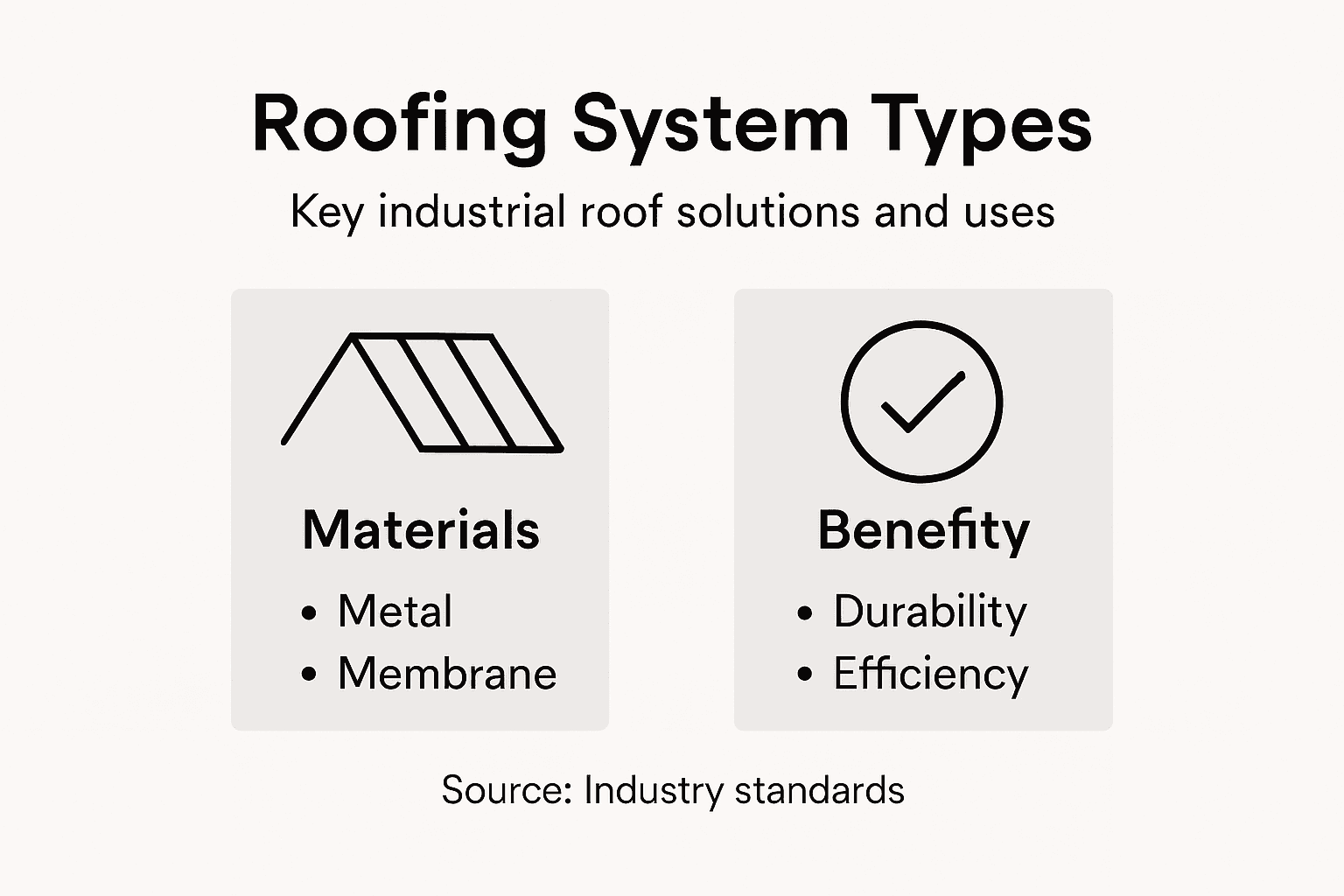
The primary industrial roofing systems include:
- Built-Up Roofing (BUR): A traditional system consisting of multiple layers of bitumen and reinforcing fabrics
- Modified Bitumen Roofing: Polymer-enhanced asphalt sheets offering enhanced durability and flexibility
- Single-Ply Membrane Roofing: Synthetic sheets including:
- Thermoplastic Polyolefin (TPO)
- Ethylene Propylene Diene Monomer (EPDM)
- Polyvinyl Chloride (PVC)
- Metal Roofing: Standing seam panels providing exceptional longevity and low maintenance
- Liquid-Applied Roofing: Seamless coating systems offering comprehensive waterproofing
Each roofing system presents unique advantages tailored to specific industrial applications. Metal roofs excel in durability, while membrane systems provide superior waterproofing. The selection depends on critical factors such as building use, local climate, budget constraints, and expected performance lifespan.
Here’s a summary of major industrial roofing systems and where each excels:
| Roofing System | Best for | Typical Lifespan | Notable Limitation |
|---|---|---|---|
| Built-Up Roofing (BUR) | Heavy foot traffic | 20-30 years | Extended installation time |
| Modified Bitumen | Temperature extremes | 15-25 years | Can be less flexible |
| Single-Ply Membrane | Chemical resistance | 20-30 years | May puncture in high impact |
| Metal Roofing | Long-term durability | 40-70 years | Higher upfront cost |
| Liquid-Applied Roofing | Waterproofing details | 10-20 years | Frequent maintenance needed |
Modern industrial roofing technologies continue to evolve, integrating advanced materials that enhance thermal efficiency, chemical resistance, and overall structural protection. Sophisticated engineering allows these systems to withstand extreme temperatures, mechanical stress, and environmental challenges typical in industrial settings.
Pro tip: Consult professional roofing specialists to conduct a comprehensive site assessment and determine the most appropriate roofing system for your specific industrial facility.
Construction Materials and Performance Factors
Industrial roofing materials are carefully selected to meet stringent performance requirements that extend far beyond simple surface coverage. Building materials directly impact structural integrity, energy efficiency, and long-term environmental sustainability for industrial facilities.
Key performance factors for industrial roofing materials include:
- Mechanical Strength: Ability to withstand substantial structural loads
- Weather Resistance: Protection against rain, snow, wind, and temperature extremes
- Chemical Stability: Resistance to industrial pollutants and environmental degradation
- Thermal Efficiency: Capacity to regulate internal building temperatures
- UV Durability: Maintaining material integrity under prolonged sun exposure
Modern industrial roofing materials range from traditional metals and bitumen to advanced synthetic polymers and composite systems. Metals like aluminum and steel offer exceptional durability, while polymer membranes provide superior flexibility and waterproofing. The selection process involves carefully balancing performance characteristics, installation costs, expected lifespan, and environmental impact.
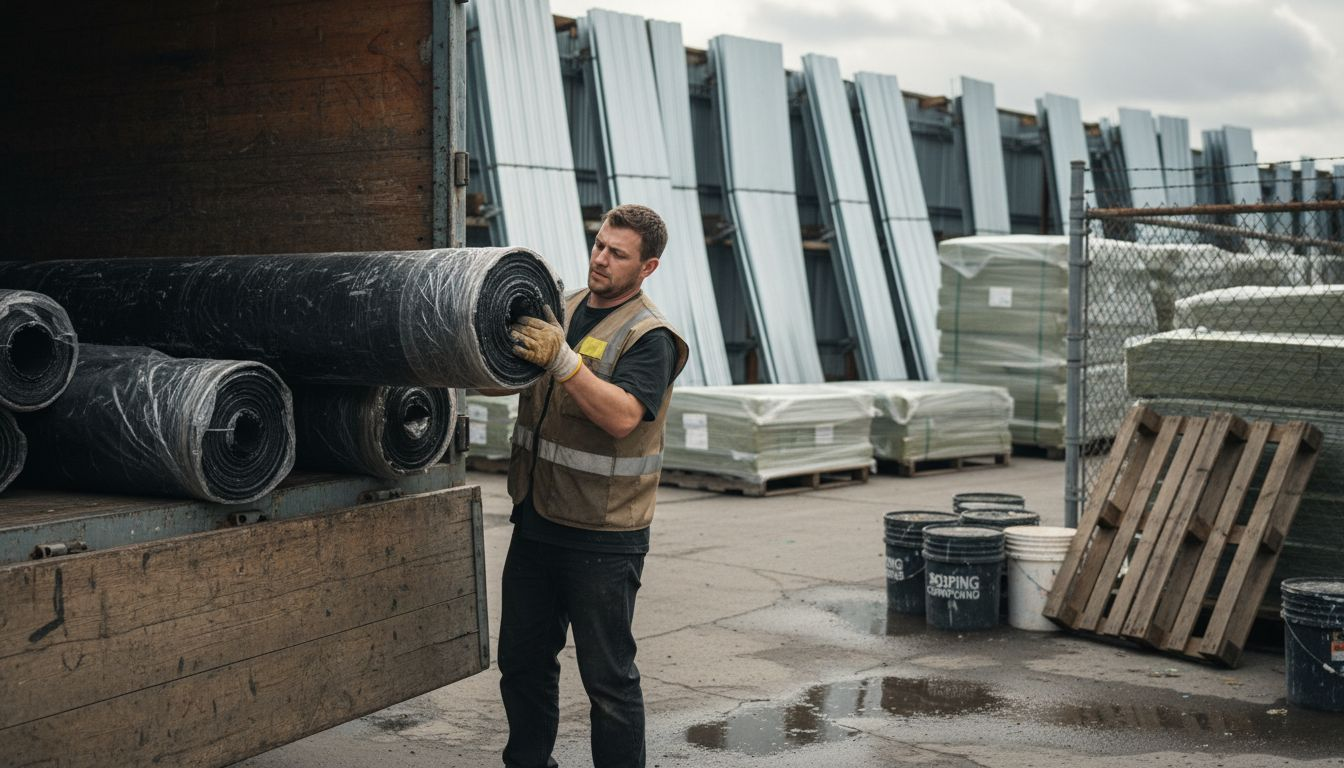
Sustainability has become a critical consideration in material selection. Advanced roofing technologies now prioritize materials with reduced carbon footprints, improved thermal insulation, and longer operational lifespans. Engineers and facility managers must consider not just immediate performance, but the long-term environmental and economic implications of their roofing material choices.
Pro tip: Conduct a comprehensive cost-benefit analysis that evaluates material performance across multiple dimensions, including initial investment, maintenance requirements, and expected lifecycle.
Installation Methods and Maintenance Practices
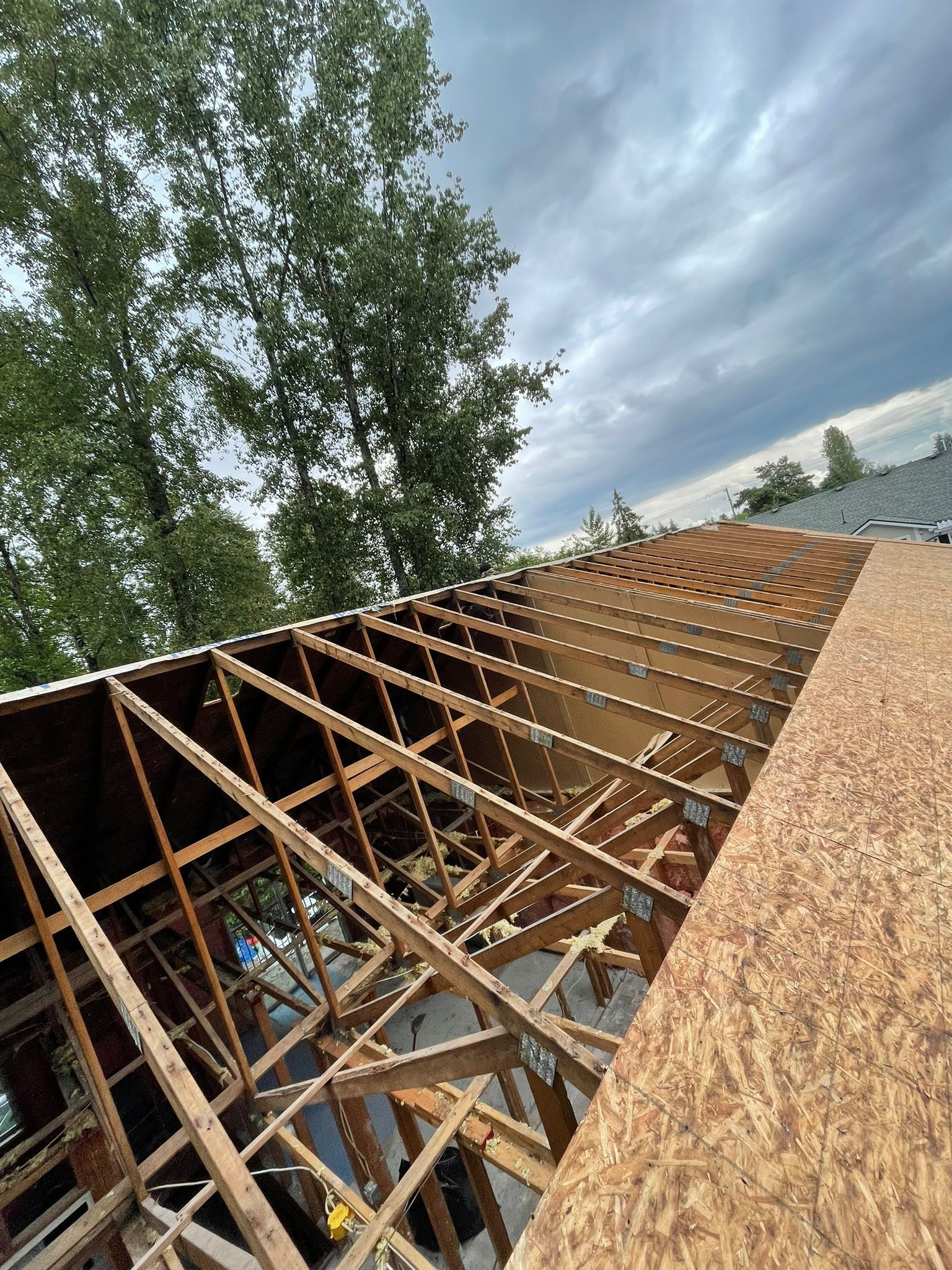
Industrial roofing installation demands precision, expertise, and adherence to stringent technical standards. Roofing contractors follow comprehensive installation guidelines that ensure structural integrity, weather resistance, and long-term performance across different roofing systems.
Critical installation methods vary by roofing system and include:
- Substrate Preparation: Ensuring clean, dry, and structurally sound surface
- Membrane Application: Precise techniques for sealing and adhering roofing materials
- Flashing Installation: Proper sealing of roof edges, penetrations, and potential water entry points
- Thermal Welding: Creating seamless connections in synthetic membrane systems
- Mechanical Fastening: Secure attachment of roofing materials to structural supports
Maintenance practices are equally crucial in extending industrial roof lifespan. Proactive strategies involve systematic inspection, timely repairs, and preventative interventions. Regular maintenance helps identify potential issues before they escalate, reducing long-term repair costs and preventing catastrophic failures that could disrupt industrial operations.
Advanced maintenance approaches now leverage technology like computerized management systems to track roof performance, schedule inspections, and predict potential maintenance requirements. These digital tools enable facility managers to develop data-driven maintenance strategies that optimize roof longevity, energy efficiency, and overall building performance.
Pro tip: Develop a comprehensive roof maintenance log that documents every inspection, repair, and performance observation to track your roofing system’s health over time.
Compliance, Safety, and Cost Considerations
Industrial roofing projects demand meticulous attention to regulatory standards, worker safety, and financial planning. Construction safety protocols form the critical foundation for protecting workers and ensuring project success across all industrial roofing implementations.
Key compliance and safety considerations include:
- OSHA Workplace Standards: Mandatory safety regulations for construction environments
- Personal Protective Equipment (PPE): Required safety gear for roofing personnel
- Fall Protection Systems: Preventing workplace accidents and potential fatalities
- Hazard Identification: Proactive risk assessment and mitigation strategies
- Training Requirements: Comprehensive worker education on safety procedures
Cost considerations extend beyond initial installation expenses, encompassing long-term performance, maintenance requirements, and potential energy efficiency gains. Lifecycle cost analysis becomes crucial, balancing upfront investment against projected durability, repair frequency, and potential energy savings. Industrial facility managers must evaluate roofing solutions through a comprehensive financial lens that considers both immediate and future economic implications.
Compare the key cost factors that impact industrial roofing projects:
| Cost Factor | Short-Term Impact | Long-Term Impact |
|---|---|---|
| Material Quality | Higher initial expense | Reduces future repairs |
| Installation Process | Influences schedule | Affects structural safety |
| Maintenance | Minimal at start | Crucial for longevity |
| Energy Efficiency | May raise initial cost | Decreases utility bills |
Building code compliance represents another critical dimension of industrial roofing projects. Adherence to standards like the International Building Code ensures structural integrity, fire resistance, and overall safety. These regulatory frameworks mandate specific performance criteria for roofing systems, protecting not just the building’s occupants but also surrounding infrastructure and environmental safety.
Pro tip: Consult with certified roofing professionals and regulatory experts to develop a comprehensive compliance strategy that balances safety, performance, and financial considerations.
Protect Your Industrial Facility with Expert Roofing Solutions
Industrial roofing demands specialized materials, precise installation, and trusted maintenance to overcome challenges like extreme weather, chemical exposure, and heavy mechanical loads. If you are managing a large-scale facility, you understand the importance of a durable roof that safeguards your investments and ensures uninterrupted operations. Paragon Roofing BC offers tailored industrial roofing services that align with the latest standards and performance expectations discussed in this article.
Don’t risk costly downtime or structural damage from inadequate roofing systems. Rely on a professional team in Surrey and the Greater Vancouver area experienced in advanced roofing techniques, including metal, membrane, and built-up roofing installations. Visit Paragon Roofing BC to schedule a free roof inspection, explore detailed service options, and secure a roofing solution designed specifically for your industrial needs. Take action now to extend your roof’s lifespan and protect your facility’s future with trusted expertise and certified workmanship.
Frequently Asked Questions
What are the primary functions of industrial roofing?
Industrial roofing serves several essential functions, including weather protection, structural support, thermal regulation, and chemical resistance to maintain building integrity and efficiency.
What are the main types of industrial roofing systems?
The major types of industrial roofing systems include Built-Up Roofing (BUR), Modified Bitumen Roofing, Single-Ply Membrane Roofing (such as TPO, EPDM, and PVC), Metal Roofing, and Liquid-Applied Roofing, each designed for specific industrial applications.
How do I choose the right industrial roofing material?
Selecting the right industrial roofing material involves considering factors such as mechanical strength, weather resistance, chemical stability, thermal efficiency, and UV durability, along with your building’s specific needs and local environmental conditions.
What are some key maintenance practices for industrial roofing?
Key maintenance practices for industrial roofing include regular inspections, timely repairs, substrate cleaning, and the use of computerized management systems to track performance and schedule maintenance efficiently.