Modern roofing materials: Durable, efficient options for BC homes
TL;DR:
- Choosing a modern roof in British Columbia depends on climate, durability, and aesthetic needs to optimize long-term performance and value. Synthetic shingles and metal roofing offer durable, low-maintenance options suited for BC’s weather, but proper installation, venting, and flashing are critical for lasting results. Homeowners should ask detailed questions about system components and work with experienced contractors to ensure their investment performs as intended.
Choosing a new roof in British Columbia is genuinely complex. Between persistent rainfall in the Lower Mainland, heavy snow loads in the Interior, the odd hailstorm, and rising energy costs, picking the wrong material can cost you thousands in repairs within a decade. The good news is that modern roofing has never been better: today’s options offer longer service lives, smarter energy performance, and far more visual variety than the standard asphalt shingle your neighbour replaced fifteen years ago. This guide breaks down the strongest contenders for BC homeowners so you can make a confident, evidence-backed decision.
Table of Contents
- How to choose modern roofing materials for BC homes
- Synthetic shingles: High-performance and low-maintenance
- Metal roofing: Longevity and efficient performance
- Energy-efficient roofing: More than just the material
- Modern roofing materials compared
- Why material choice is just one piece of the puzzle
- Ready to upgrade your roof? Explore BC’s trusted roofing experts
- Frequently asked questions
Key Takeaways
| Point | Details |
|---|---|
| Multiple options exist | BC homeowners can choose from synthetic, metal, and other modern materials for better durability and curb appeal. |
| Installation quality matters most | Even the best materials require proper installation, flashing, ventilation, and insulation to deliver promised performance. |
| Efficiency is holistic | True energy efficiency comes from paired material, insulation, and ventilation strategies—not just the product. |
| Longevity outpaces traditional | Modern roofing materials now offer 40–70+ year service life when well installed, reducing lifetime costs. |
How to choose modern roofing materials for BC homes
Not every roof is the right fit for every home. Before you land on a material, you need a clear set of criteria to evaluate your options honestly. Think of it like buying a vehicle: you wouldn’t choose a sports car if you need to haul equipment up a logging road. The same logic applies to your roof.
When comparing modern roofing materials for a BC property, here are the factors that actually matter:
- Durability and warranty: Real-world service life, not just the number on a brochure. Ask about manufacturer warranties versus workmanship warranties.
- Weather resistance: How does the product perform against BC’s storm-driven rain, wind, hail, and freeze-thaw cycles? Fire ratings matter in wildfire-prone areas.
- Energy efficiency: Reflective surfaces and proper insulation work together. Energy-efficient roofing delivers savings through cool surfaces and ventilation design, not material alone.
- Aesthetic fit: Does the material suit your home’s architecture and neighbourhood character? Curb appeal directly affects resale value.
- Maintenance requirements: Some materials need annual inspection and occasional sealing; others are practically hands-off for decades.
- Total cost of ownership: Upfront cost matters, but a cheaper material that fails in fifteen years costs more than a premium product that lasts forty.
Now that you know what matters most, let’s explore the leading modern options available for British Columbia homes.
Synthetic shingles: High-performance and low-maintenance
With selection criteria in mind, let’s look at synthetic shingles, a category gaining rapid ground thanks to their versatility and impressive performance credentials.
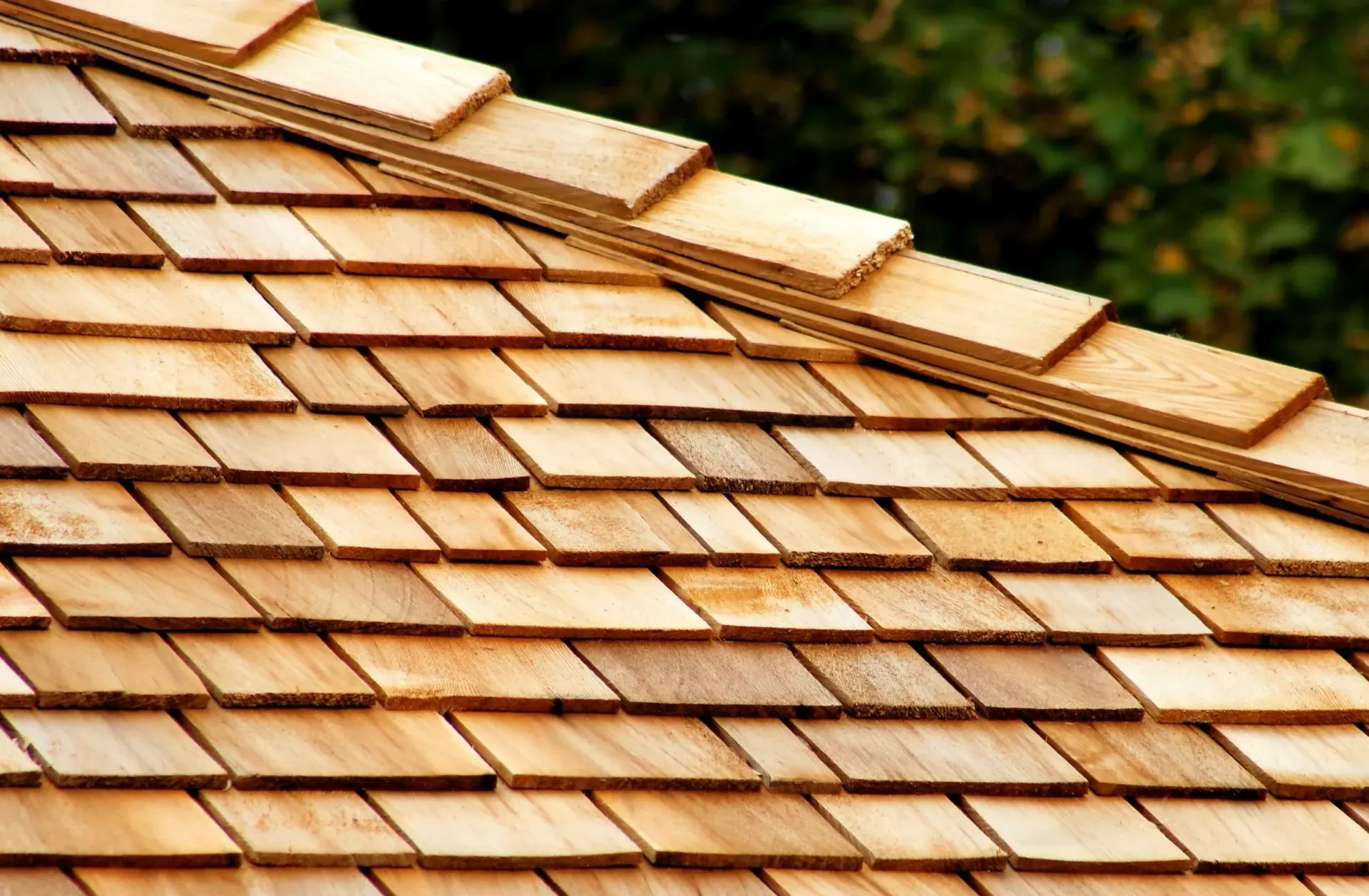
Synthetic or composite shingles are engineered products that replicate the look of natural cedar, slate, or tile without the weight, cost, or maintenance headaches. That last point is significant because natural cedar shake, while beautiful, demands regular treatment to resist BC’s moss and moisture. Synthetic versions sidestep that problem entirely.
Here’s what makes them stand out:
- Impact resistance: Products like FWAVE’s XTM™ synthetic shingle carry Class 4 impact ratings, the highest available, and Class A fire ratings, making them a strong choice in hail-prone zones and areas with wildfire risk.
- Extended warranties: Many manufacturers back their products with 40 to 50 year warranties, which is substantially longer than standard asphalt.
- Recycled content: Brands like Brava are made from post-consumer recycled content, often exceeding 80%, which appeals to homeowners prioritising sustainability.
- Lighter weight: Compared to real slate or concrete tile, composite versions are dramatically lighter, which simplifies structural requirements.
- Low maintenance: Synthetic shingles resist algae, moss, and UV degradation far better than natural wood, meaning less annual upkeep in BC’s wet climate.
Composite roofing materials sit at a mid-to-upper price point, typically ranging from $7 to $14 per square foot installed in BC, depending on the brand and roof complexity. That’s more than basic asphalt, but far less than authentic slate. If you love the appearance of slate-style composites but don’t want to reinforce your roof structure for the weight of real stone, this category is worth a serious look. They also serve as compelling asphalt shingle alternatives for homeowners ready to move beyond the standard 25-year shingle.
“The best composite shingle is one that’s correctly installed with proper underlayment and flashing. Without that, even the highest-rated product won’t deliver on its promises.”
Pro Tip: When requesting quotes for synthetic shingles, ask specifically which underlayment the contractor plans to use. A self-adhering membrane under a premium synthetic shingle dramatically improves leak protection in BC’s wet season.
Metal roofing: Longevity and efficient performance
For those seeking maximum lifespan and storm performance, metal roofing offers a compelling modern alternative that outperforms most other materials over the long term.
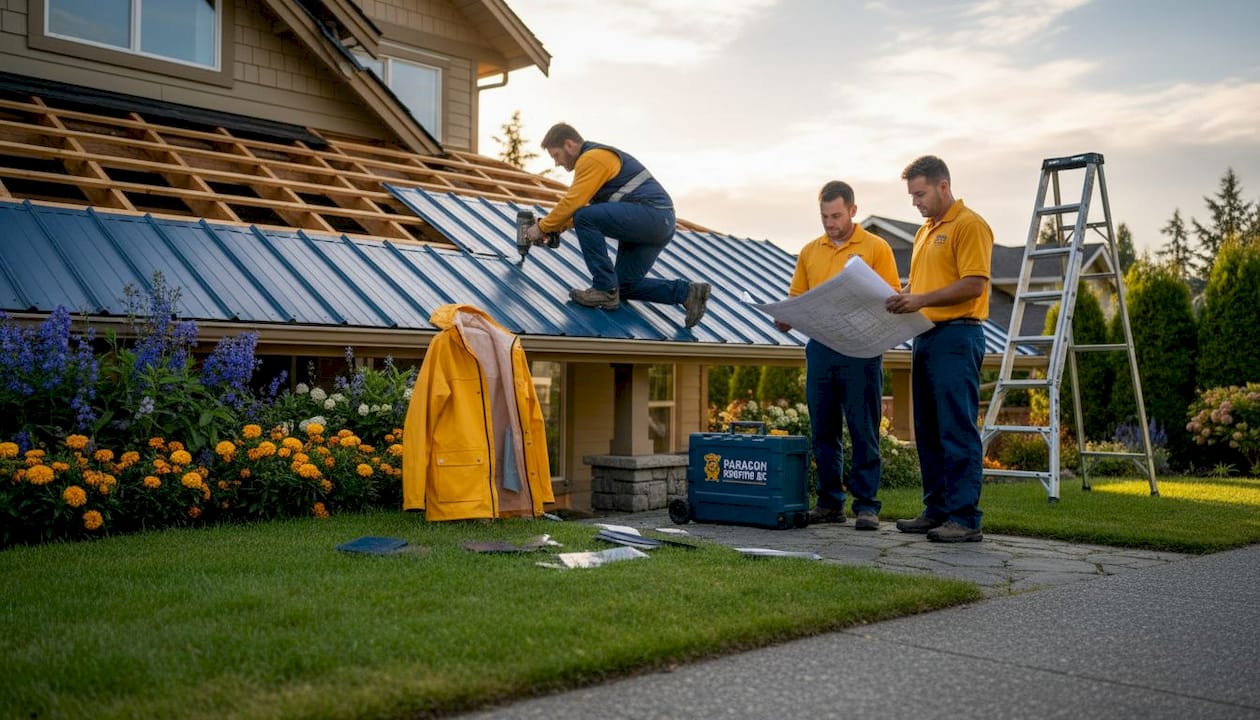
Metal roofing has shed its industrial image. Today’s residential metal roofs come in standing seam panels, metal shingles that mimic cedar or slate, and even stone-coated steel that blends seamlessly into traditional neighbourhoods. The options are far broader than most homeowners expect.
Key advantages worth knowing:
- Service life: Metal roofs in BC are marketed for longevity and corrosion resistance, but real performance depends heavily on coating type, detailing, and installation quality. Properly specified standing seam with PVDF coatings (think Kynar 500 or Hylar 5000 finishes) can realistically deliver 40 to 70 or more years of service life.
- Snow and ice shedding: Metal surfaces shed snow naturally, reducing the structural load that accumulates on other roofing types during BC Interior winters.
- Fire resistance: Most metal roofing products carry Class A fire ratings, an important consideration for homes in the WUI (wildland-urban interface) zones throughout BC.
- Reflective coatings: Light-coloured or specially coated metal panels reflect solar heat rather than absorbing it, which helps reduce summer cooling costs.
- Low debris accumulation: Moss and organic debris don’t find metal as hospitable as wood or porous surfaces, meaning less cleaning over the years.
“Standing seam metal roofing done right is one of the most weather-resilient options you can put on a home in British Columbia. Done wrong, it becomes a source of chronic leaks at every penetration and seam.”
The cost range for metal roofing installation is broad: roughly $10 to $20 per square foot installed for standing seam, with metal shingles sitting slightly lower. It’s a meaningful upfront investment, but spread over a potential 50-year service life, the value proposition is hard to argue with. If you’re researching metal roofing in BC, pay close attention to the contractor’s detailing experience around valleys, chimneys, and skylights. That’s where most metal roof failures begin.
Energy-efficient roofing: More than just the material
Next, let’s clarify why material alone doesn’t guarantee efficiency and what else to look for when you want a roof that genuinely lowers your energy bills.
This is probably the most misunderstood part of the modern roofing conversation. Homeowners sometimes assume that choosing a “cool roof” material automatically translates to lower hydro bills. The reality is more nuanced. Energy-efficient roofing delivers savings through reflective or cool surfaces combined with insulation and ventilation design, not roofing material alone.
Here’s what a genuinely efficient roof assembly looks like in practice:
- Reflective surface material: A light-coloured or coated metal or composite shingle reflects solar energy rather than converting it to heat inside your attic.
- High-performance underlayment: The layer between your shingles and your decking should slow heat transfer, not just waterproof the surface.
- Adequate attic insulation: BC Energy Step Code requirements are pushing insulation standards upward. Proper R-values prevent conditioned air from escaping through the roof in winter and keep summer heat out. Optimising roof insulation is one of the most cost-effective upgrades available.
- Balanced attic ventilation: Intake vents at the eaves and exhaust vents at the ridge keep air moving through the attic year-round. Without this, even the best insulation performs poorly. The impact of ventilation on roof lifespan and energy performance is hard to overstate.
- Ongoing maintenance: Blocked vents, compressed insulation, or damaged underlayment all degrade efficiency over time. Annual inspections protect your investment.
Pro Tip: Ask your contractor for a written ventilation plan specific to your attic geometry. A vaulted ceiling, for example, needs a different strategy than a standard open attic. Getting this wrong negates most of the energy benefits you’re paying for.
Learning more about roofing and energy savings specific to Vancouver’s climate will help you set realistic expectations and ask the right questions during consultations.
Modern roofing materials compared
It’s time to bring these options together for an at-a-glance comparison and final material selection guidance.
| Material | Estimated service life | Typical installed cost (per sq. ft.) | Maintenance level | Best suited for |
|---|---|---|---|---|
| Asphalt shingles (3-tab) | 15 to 20 years | $4 to $7 | Moderate | Budget-conscious replacements |
| Architectural asphalt | 25 to 30 years | $5 to $9 | Moderate | Most standard BC homes |
| Synthetic/composite shingles | 40 to 50 years | $7 to $14 | Low | Homes wanting cedar/slate look with less upkeep |
| Standing seam metal | 40 to 70+ years | $10 to $20 | Very low | High-snow, high-wind, and wildfire-risk zones |
| Metal shingles | 35 to 50 years | $9 to $16 | Very low | Homeowners wanting metal performance and traditional aesthetics |
| Natural cedar shake | 20 to 30 years | $10 to $18 | High | Homes where authentic character is the priority |
| Composite slate/tile (e.g., Brava) | 40 to 50 years | $10 to $18 | Low | Homeowners wanting tile/slate aesthetics without structural reinforcement |
A few situational recommendations for BC homeowners:
- In Metro Vancouver and the Fraser Valley: Synthetic composites and architectural asphalt are both practical. If algae and moss are a chronic problem on your street, composite wins convincingly.
- In the BC Interior or mountain communities: Standing seam metal is worth the extra investment for its snow-shedding ability and long service life in freeze-thaw conditions.
- In wildfire interface areas: Class A fire-rated materials are non-negotiable. Both synthetic composites and metal options qualify.
- Heritage or character homes: Composite products mimicking cedar or slate let you preserve the aesthetic without the fragility or weight of the natural material.
For a deeper side-by-side roofing comparison, including specifics on local weather performance, the full breakdown is worth reading before you finalise your decision.
Why material choice is just one piece of the puzzle
Here’s an honest take I want to share with you, because I think it gets glossed over in most roofing conversations.
We talk to BC homeowners every week who’ve done impressive research into materials. They know their impact ratings, their warranty terms, their reflectance values. And that research is genuinely valuable. But I’ve seen $18,000 premium metal roofs fail within five years because the flashing details around a chimney were done sloppily. I’ve seen synthetic shingles performing beautifully thirty years later because the contractor treated the entire roof as a system, not just a surface material swap.
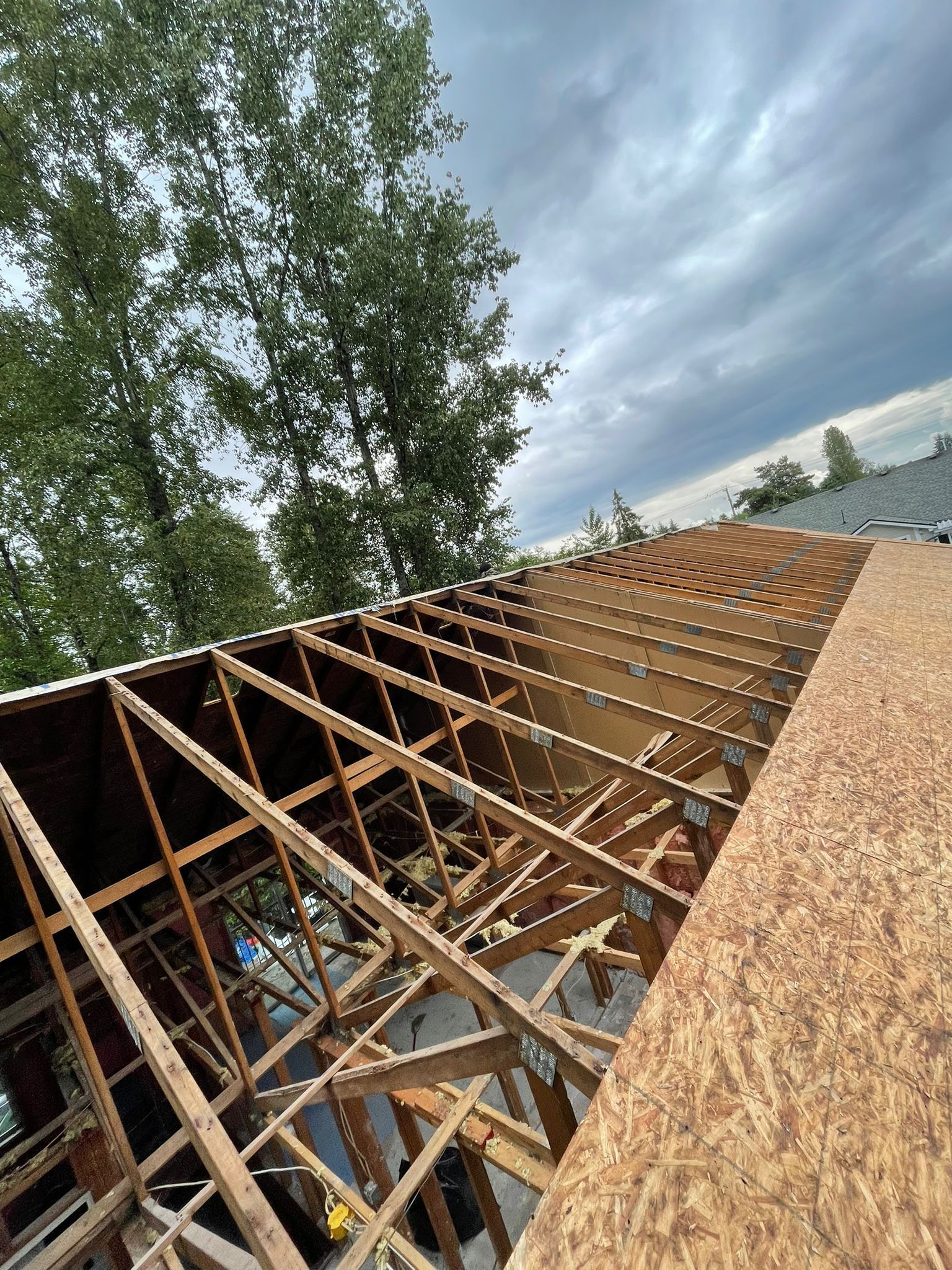
The efficiency and durability that modern materials promise depend entirely on correct edge flashing, a well-designed ventilation strategy, a suitable underlayment, and skilled installation workmanship. These aren’t upsells or extras. They’re the foundation of whether your investment actually delivers. A fancy shingle on a poorly ventilated attic will fail prematurely and leave you wondering why you spent the money.
What I encourage homeowners to do is ask tough questions before signing anything. Ask your contractor to walk you through their attic ventilation plan. Ask what underlayment they’re specifying and why. Ask whether their quote includes all flashings and edge metals. Ask about the impact of ventilation on the specific roof geometry of your home.
A contractor who gives confident, detailed answers to those questions is worth hiring. One who pivots immediately back to the product brochure is worth reconsidering. The material is the easy part. The system thinking is what separates a roof that lasts from one that disappoints.
Ready to upgrade your roof? Explore BC’s trusted roofing experts
If you’ve been weighing your options and want guidance from a team that works with synthetic composites, metal, and every other modern material across British Columbia’s varied climates, we’re here to help.
At Paragon Roofing BC, we don’t just install whatever material comes cheapest from a supplier. We match materials to your home’s structure, your neighbourhood’s character, and your specific weather exposure. Whether you’re looking at a modern roof replacement in Maple Ridge or planning a professional roof installation in Vancouver, our team brings regional expertise and honest advice to every project. Reach out for a consultation and find out exactly which modern roofing option makes the most sense for your home.
Frequently asked questions
Which modern roofing material lasts the longest in British Columbia?
Properly specified and installed standing seam metal roofing with quality PVDF coatings can last 40 to 70+ years in BC’s climate, making it the longest-lasting option currently available for residential use.
Are synthetic shingles truly more eco-friendly than traditional materials?
Some brands use up to 80% recycled content and eliminate the need to harvest or mine natural materials, making them a lower-impact alternative to natural slate, cedar, or tile.
What roof material is best for lowering summer cooling costs?
Roofs with reflective surfaces, such as light-coloured or specially coated metal panels or composite shingles, help reduce cooling demand by deflecting solar heat, though energy savings also depend heavily on insulation and attic ventilation.
Does workmanship affect how well a modern roof performs in BC?
Absolutely. Correct edge flashing, underlayment selection, ventilation strategy, and installation quality strongly influence performance, meaning even the best-rated material can underperform if installed carelessly.