Roof retrofit explained: boost efficiency, value, resilience
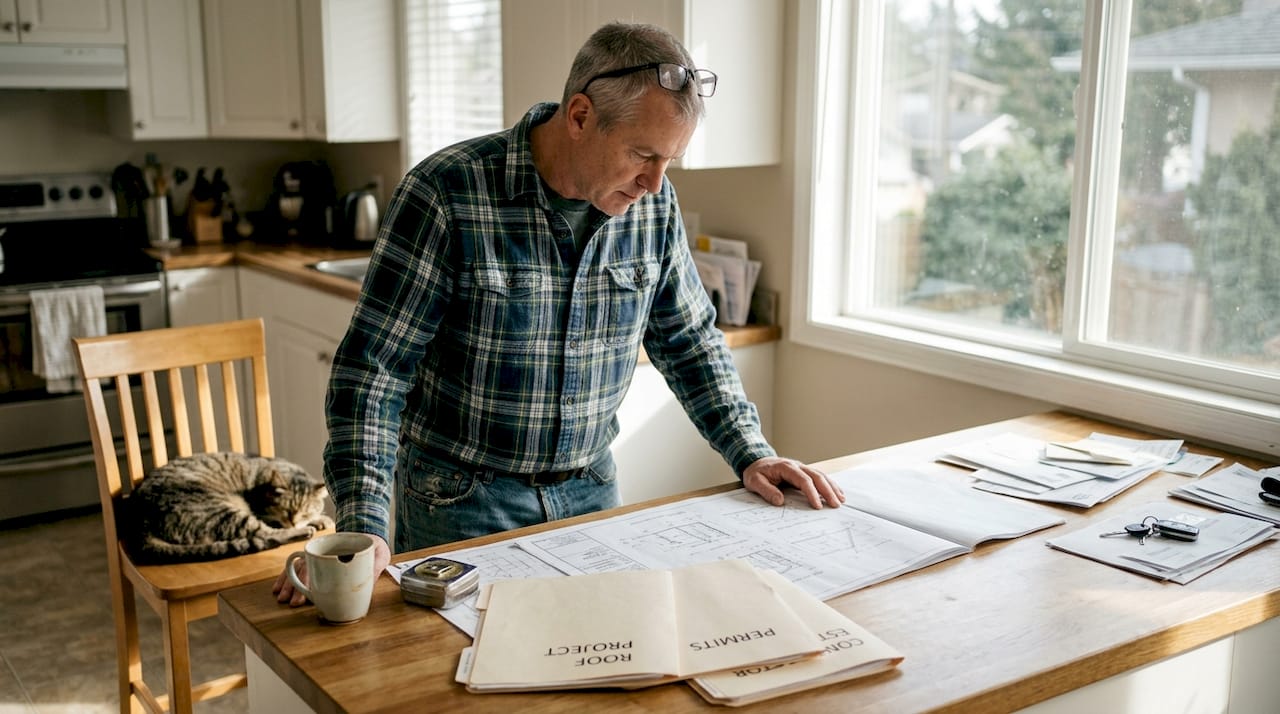
Most BC homeowners assume a struggling roof has only two options: patch it up or rip it off and start fresh. But there’s a smarter path that most people overlook entirely. A roof retrofit upgrades your existing roof assembly to perform better, last longer, and cost less to run, without necessarily tearing everything down. According to BC Housing, roof retrofit improves energy efficiency, moisture management, and durability for BC homes. This guide walks you through what retrofitting actually involves, why it matters for BC’s climate, and how to take advantage of grants and incentives that make it more affordable than you might think.
Table of Contents
- What is a roof retrofit?
- Why retrofit? Core benefits for BC homeowners
- Core retrofit strategies and what they involve
- Special cases: Heritage homes, flat roofs, and key code requirements
- Grants, incentives, and return on investment
- What to consider before starting a retrofit
- Find expert roof retrofit support in BC
- Frequently asked questions
Key Takeaways
| Point | Details |
|---|---|
| Retrofit boosts efficiency | Upgrading your existing roof can lower utility bills, cut emissions, and add property value. |
| Multiple methods fit BC homes | Options like exterior insulation and thermal bridge mitigation address local code and weather challenges. |
| Grants make retrofits affordable | Provincial and federal programs provide incentives for most energy-saving roof upgrades in British Columbia. |
| Plan with an expert | A retrofit assessment helps avoid costly mistakes and ensures best results for your home. |
What is a roof retrofit?
A roof retrofit is not a repair and it’s not a full replacement. Think of it like upgrading your home’s insulation jacket rather than buying a brand new house. You’re working with what’s already there and making it perform at a higher level.
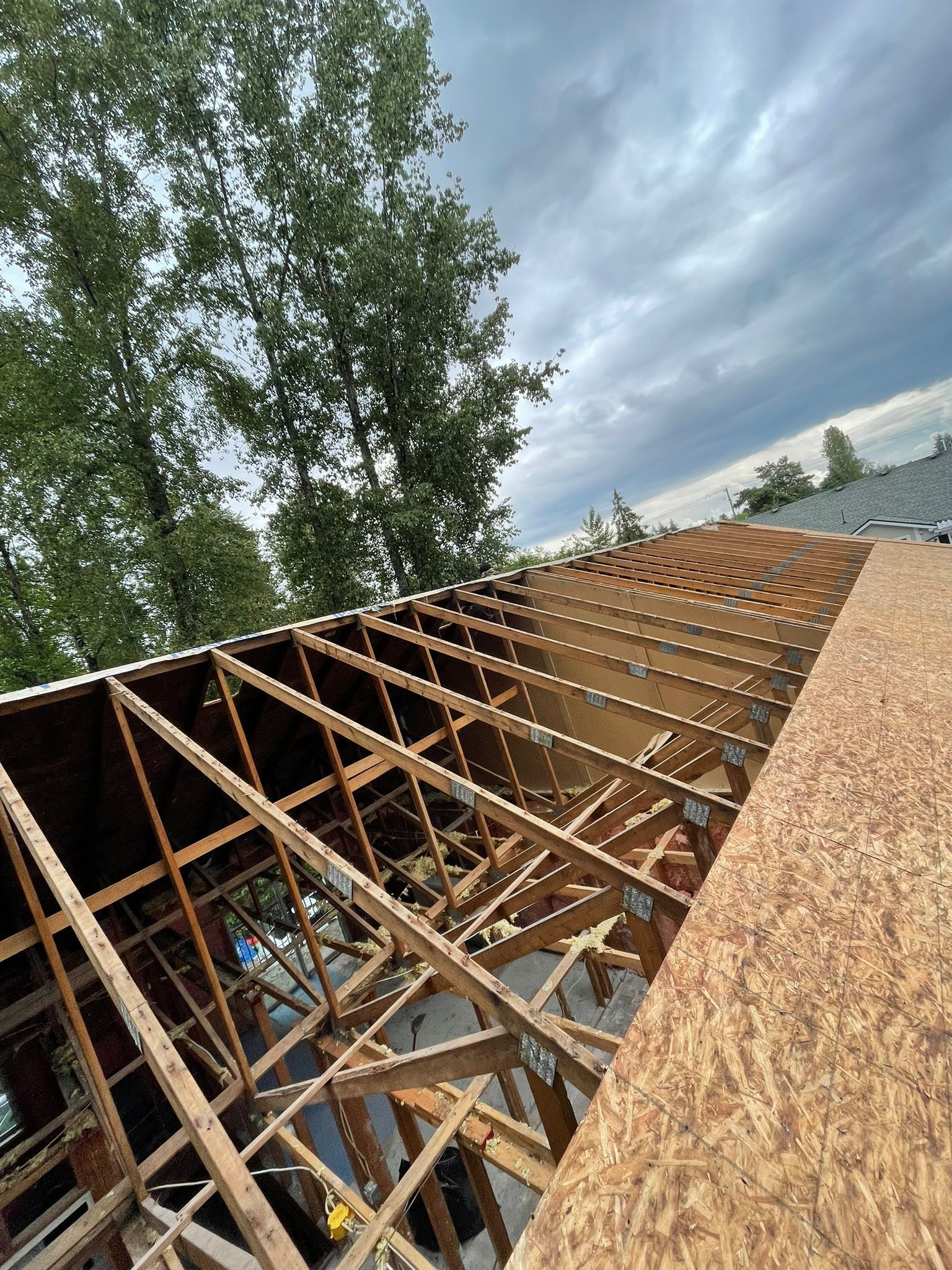
Specifically, roof retrofit upgrades existing assemblies, especially low-slope vented wood-frame roofs common across BC, to enhance energy and moisture performance. This is different from a standard roof replacement in BC, which simply swaps out worn materials for new ones without addressing the underlying performance gaps.
Here’s what a retrofit typically addresses:
- Insulation levels that fall short of current energy codes
- Air barrier continuity, meaning gaps where warm air escapes and moisture sneaks in
- Thermal bridging at parapets, penetrations, and structural connections
- Venting and drainage for low-slope or flat roof assemblies
- Moisture management to prevent rot, mould, and structural damage
“A retrofit is not about cosmetics. It’s about making your roof work harder for your home, your wallet, and the environment.”
Common misconceptions include thinking a retrofit is only for commercial buildings or that it’s more expensive than replacement. In reality, retrofitting is often more cost-effective and far less disruptive than a full tear-off.
Why retrofit? Core benefits for BC homeowners
Understanding the true definition sets the stage for why choosing retrofit is so impactful for property owners in BC. Our climate here is demanding. Wet winters, temperature swings, and increasing storm intensity all put pressure on roofs that weren’t built to today’s energy standards.
Here’s what a well-executed retrofit delivers:
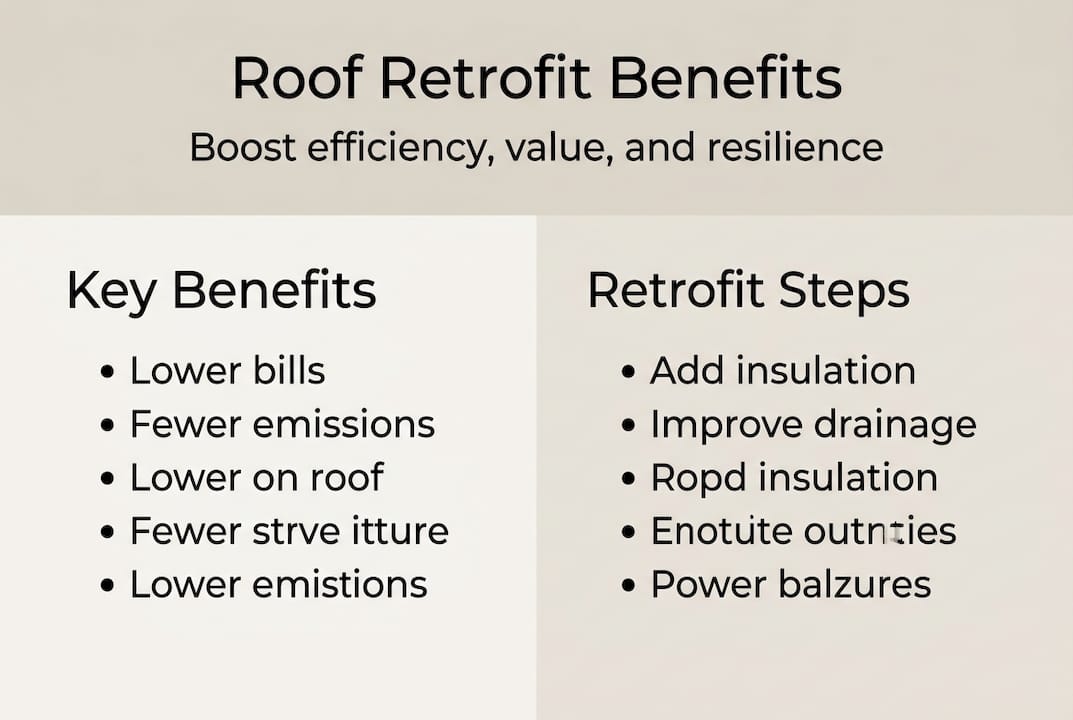
- Lower energy bills: Adding insulation and sealing air leaks keeps heat inside during cold months and reduces cooling loads in summer.
- Moisture protection: A properly retrofitted roof dramatically reduces the risk of condensation, rot, and mould growth inside your attic or ceiling assembly.
- Increased property value: Upgrading roofing materials and value go hand in hand. Buyers notice energy-efficient homes.
- Environmental impact: Retrofit solutions can cut GHG emissions by 68 to 100%, making this one of the most impactful upgrades a homeowner can make.
- Grant eligibility: Retrofitting boosts energy efficiency and is supported by federal and provincial grants that can offset a significant portion of your costs.
Stat to know: Deep retrofits can reduce greenhouse gas emissions by up to 100%, according to the Pembina Institute’s Reframed Initiative outcomes analysis.
Pro Tip: Even if your roof isn’t leaking yet, an energy audit often reveals that your roof assembly is quietly costing you hundreds of dollars a year in heat loss. Catching this early through a retrofit is far cheaper than waiting for visible damage.
For commercial property owners, the same logic applies. Reviewing commercial roof repair in BC alongside retrofit options can reveal significant long-term savings.
Core retrofit strategies and what they involve
With the benefits in mind, let’s explore the proven strategies that turn retrofit goals into results. There’s no single approach that fits every home. The right strategy depends on your roof type, budget, and performance goals.
Adding insulation, improving airtightness, and mitigating thermal bridges are the three essential pillars of any successful roof retrofit.
Here are the most common strategies:
- Exterior insulation overlay: Rigid insulation boards are added on top of the existing roof deck. This is the most effective way to boost R-value (the measure of insulation resistance) without disturbing interior finishes.
- Interior insulation upgrade: Insulation is added from inside the attic space. Less disruptive but limited by available depth and venting requirements.
- Air barrier improvement: Sealing gaps in the roof assembly stops warm, moist air from escaping into the roof structure where it condenses and causes damage.
- Thermal bridge mitigation: Structural elements like parapets and roof penetrations act as cold pathways. Wrapping or insulating these points prevents heat loss and condensation.
- Conversion to unvented assembly: Some roofs benefit from switching to a fully sealed, split-insulated design that eliminates venting complications entirely.
| Strategy | Best for | Key benefit |
|---|---|---|
| Exterior insulation overlay | Low-slope and flat roofs | Maximum R-value gain |
| Interior insulation upgrade | Attic-style roofs | Lower cost, less disruption |
| Air barrier sealing | All roof types | Moisture and heat control |
| Thermal bridge mitigation | Parapets and penetrations | Prevents condensation damage |
| Unvented assembly conversion | Cathedral ceilings | Eliminates venting complexity |
For homes with complex geometry or older construction, reviewing roof replacement considerations alongside retrofit options helps you make the most informed decision. Multi-family buildings have additional requirements, and multi-family roofing compliance is a key factor in planning any large-scale retrofit.
Pro Tip: Exterior insulation is like adding a warm coat over your roof rather than stuffing insulation inside the walls. It’s more effective because it covers the entire surface, including the structural framing that would otherwise act as a cold bridge.
Special cases: Heritage homes, flat roofs, and key code requirements
While core strategies cover most homes, some properties demand careful attention to unique challenges. BC has a rich stock of older and heritage homes, and flat or low-slope roofs are extremely common in urban areas like Vancouver and Burnaby.
Low-slope roofs require minimum venting ratios under BC Building Code, and heritage homes need official approval and tailored approaches to preserve their character while improving performance.
Key considerations by roof type:
| Roof type | Key challenge | Retrofit solution |
|---|---|---|
| Flat/low-slope | Ponding water, drainage | Tapered insulation, improved drainage |
| Heritage home | Aesthetic preservation | Approved materials, hidden upgrades |
| Cathedral ceiling | No attic space for insulation | Exterior rigid insulation or spray foam |
| Vented attic | Balancing venting with insulation | Air sealing plus batt insulation upgrade |
For flat roofs, the BC Building Code’s 1/150 rule requires one square metre of vent area for every 150 square metres of insulated ceiling area. Getting this wrong leads to condensation buildup and premature roof failure.
Heritage homes present a different kind of challenge. You can’t simply slap rigid foam on top of a character roofline without municipal approval. But there are solutions, including low-profile insulation systems and carefully matched roofing materials, that preserve the look while delivering modern performance.
- Ponding water on flat roofs accelerates membrane deterioration
- Condensation inside unvented assemblies causes hidden rot
- Heritage aesthetic regulations vary by municipality across BC
- Thermal bridging at parapets is one of the most overlooked failure points
For commercial and mixed-use buildings, understanding commercial roofing types helps identify which retrofit approach aligns with your building’s specific assembly.
Grants, incentives, and return on investment
With special cases addressed, what’s the investment picture? Let’s look at how BC homeowners can access support and long-term payback.
The good news is that you don’t have to fund a retrofit entirely out of pocket. Canada Greener Homes and CleanBC offer grants for qualifying roof insulation and energy upgrades, with grant values based on the area retrofitted and the improvement in R-value achieved.
Here’s a quick overview of what’s available:
- Canada Greener Homes Initiative: Grants of up to $5,000 for insulation upgrades, including roof assemblies, with eligibility tied to a pre and post energy assessment.
- CleanBC Better Homes programme: Provincial rebates that stack with federal grants, covering insulation, air sealing, and related upgrades.
- Area-based pro-rating: Grant amounts scale with the square footage of roof area upgraded, so larger homes can access proportionally higher support.
- Eligible upgrades: Roof insulation, air barrier improvements, underlayment upgrades, and resilient build-up systems all qualify.
BC’s CleanBC programmes also connect roof upgrades to future property value gains, recognising that energy-efficient homes command higher resale prices.
Stat to know: Homeowners who combine federal and provincial grants can offset a meaningful portion of retrofit costs, with payback periods often falling in the 7 to 12 year range when energy savings and value appreciation are both factored in.
What to consider before starting a retrofit
Financial benefits are strong, but making the most of a retrofit depends on preparing the right way. Jumping straight to materials and contractors without a proper plan is one of the most common and costly mistakes we see.
Envelope upgrades like airtightness and insulation should come before mechanical work, and site-specific moisture risks are critical to assess upfront. Here’s a practical sequence to follow:
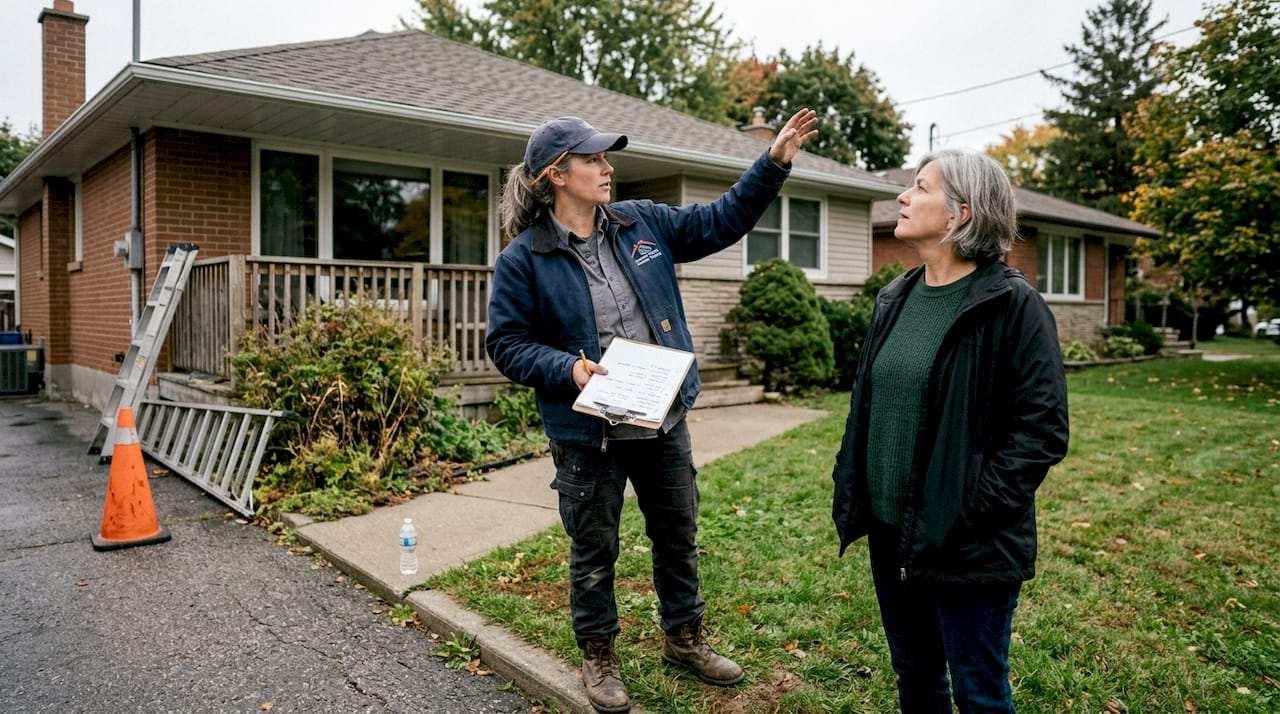
- Get a professional energy and moisture assessment before anything else. This identifies your roof’s current performance gaps and flags any existing moisture problems that need addressing first.
- Prioritise the building envelope before upgrading heating or ventilation systems. A leaky, poorly insulated roof will undermine any mechanical improvements.
- Check solar and net-zero potential while the roof is being worked on. Retrofits are an ideal time to prepare for future solar panel installation.
- Ask your contractor the right questions: What R-value will we achieve? How will moisture be managed? Does this meet current BC Building Code requirements?
- Review permit requirements for your municipality, especially if your home has heritage designation or is in a strata complex.
Professional assessment helps avoid moisture failure and ensures your retrofit meets code requirements from the start.
Pro Tip: If you’re heading into autumn or winter, timing matters. Reviewing winter roofing preparation in Vancouver alongside your retrofit plan helps you sequence the work to avoid weather-related delays and protect your home during the upgrade.
Find expert roof retrofit support in BC
If you’ve made it this far, you already know more about roof retrofitting than most BC homeowners. That knowledge is valuable, but turning it into real results for your home takes skilled hands and local expertise.
At Paragon Roofing BC, we work with homeowners across the province to assess, plan, and execute roof retrofits that genuinely improve performance and comfort. Whether you need roof installation in Coquitlam, are considering metal roofing in Vancouver as part of your retrofit, or simply need a thorough inspection and roof repair services before deciding on next steps, our team is ready to help. We handle everything from energy assessments to full retrofit installations using materials suited to BC’s demanding climate. Reach out today to book your professional assessment and find out exactly what your roof needs.
Frequently asked questions
How is a roof retrofit different from repairs or replacement?
A roof retrofit upgrades insulation, airtightness, and energy performance across the whole assembly, while repairs fix specific problems and replacement simply restores condition without improving performance.
Does a roof retrofit qualify for rebates or grants in British Columbia?
Yes. Canada Greener Homes and CleanBC provide grants for qualifying roof insulation and energy upgrades, with amounts based on the area and improvement achieved.
How much can a retrofit reduce energy use or emissions?
Deep roof retrofits can reduce GHG emissions by 68 to 100% and significantly cut annual heating costs, depending on the scope of the upgrade.
Are special permits needed for retrofitting a heritage home roof?
Yes. Heritage homes need official approval for retrofit upgrades, and materials must be chosen to preserve the home’s character while meeting current energy standards.
What’s the first step when planning a roof retrofit in BC?
Start with a professional assessment for moisture and energy performance. This gives you a clear picture of what your roof needs before any money is spent on materials or labour.